
 English
 русский
 Español


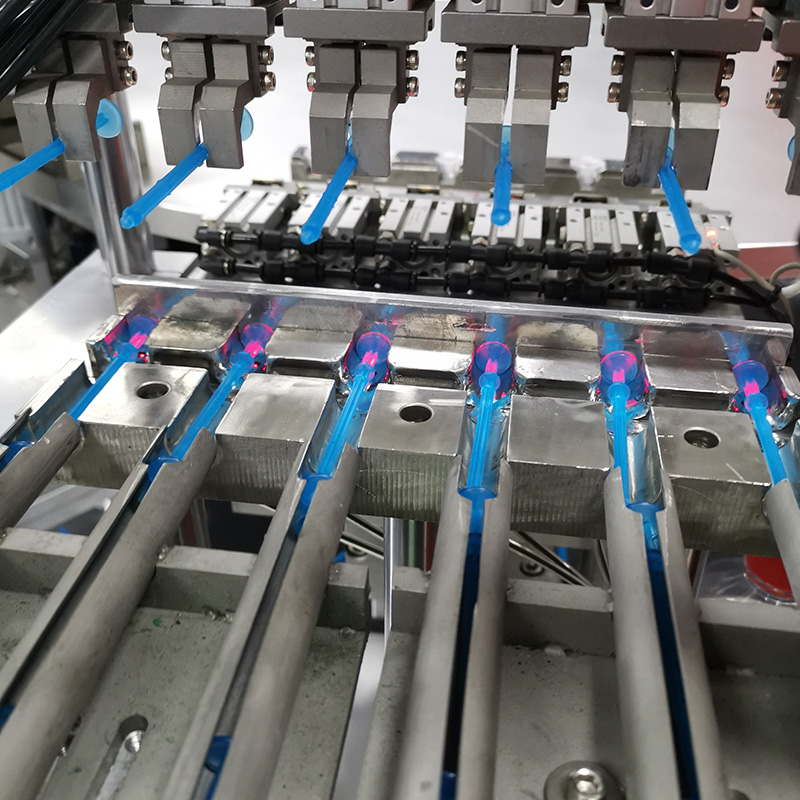
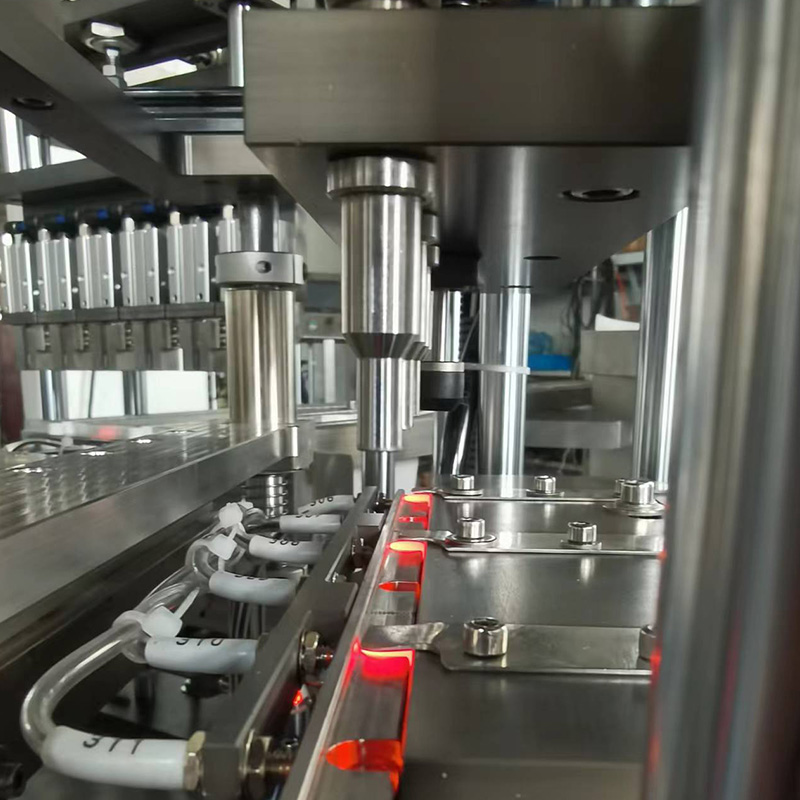
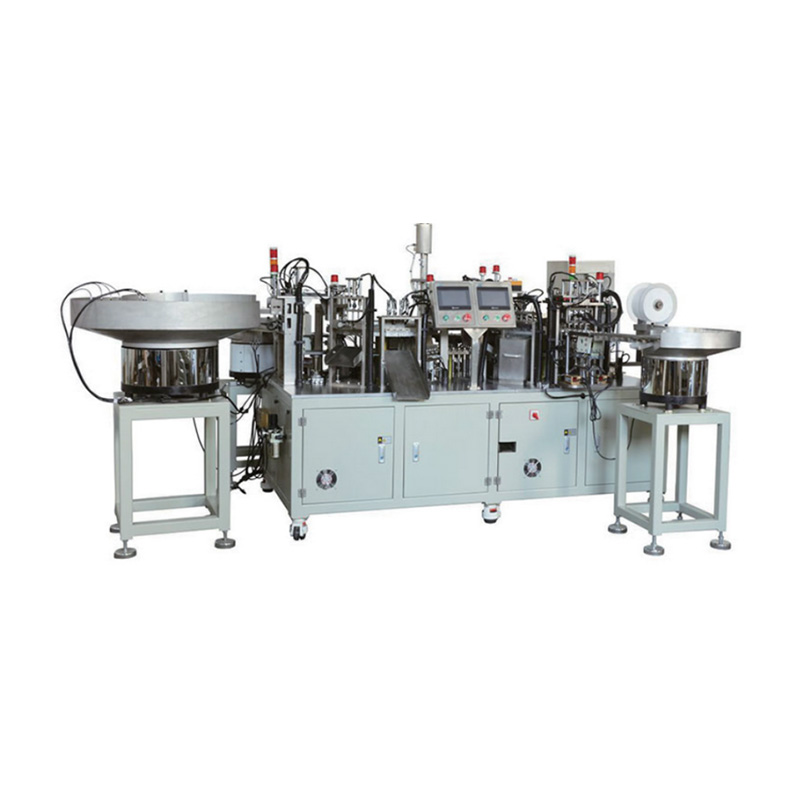
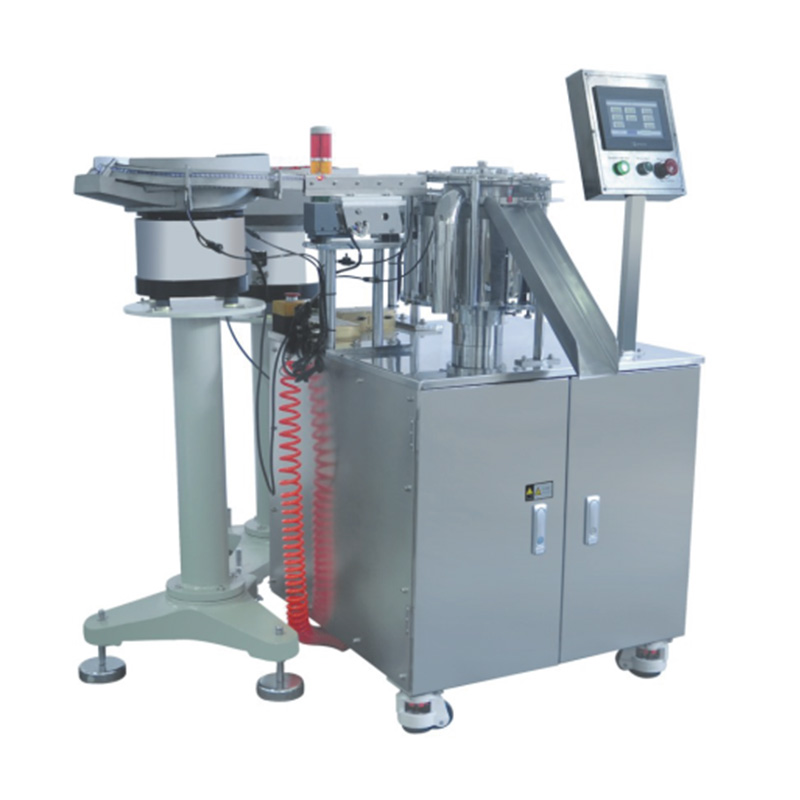
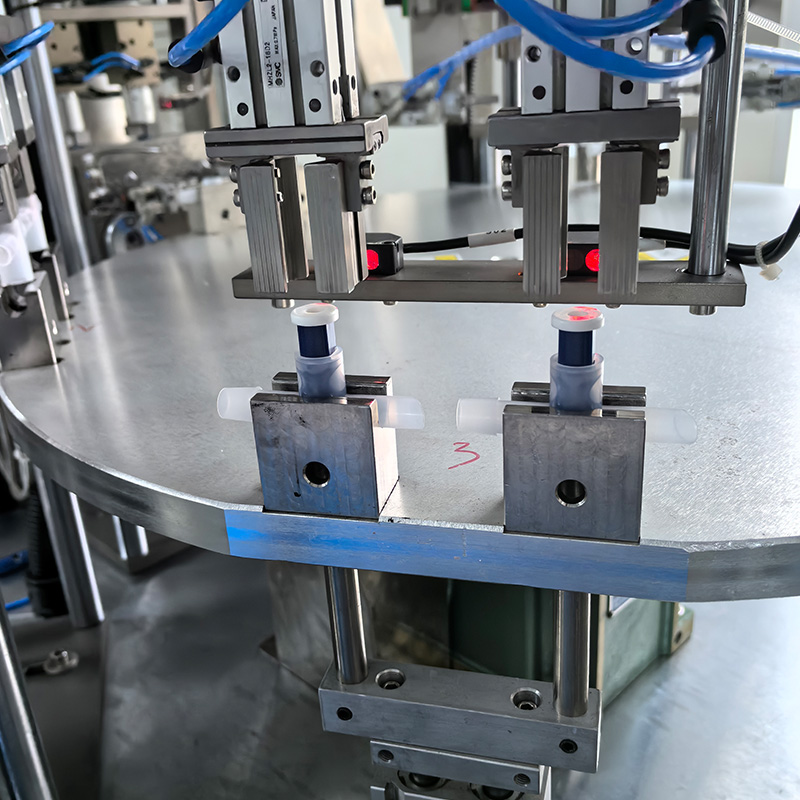
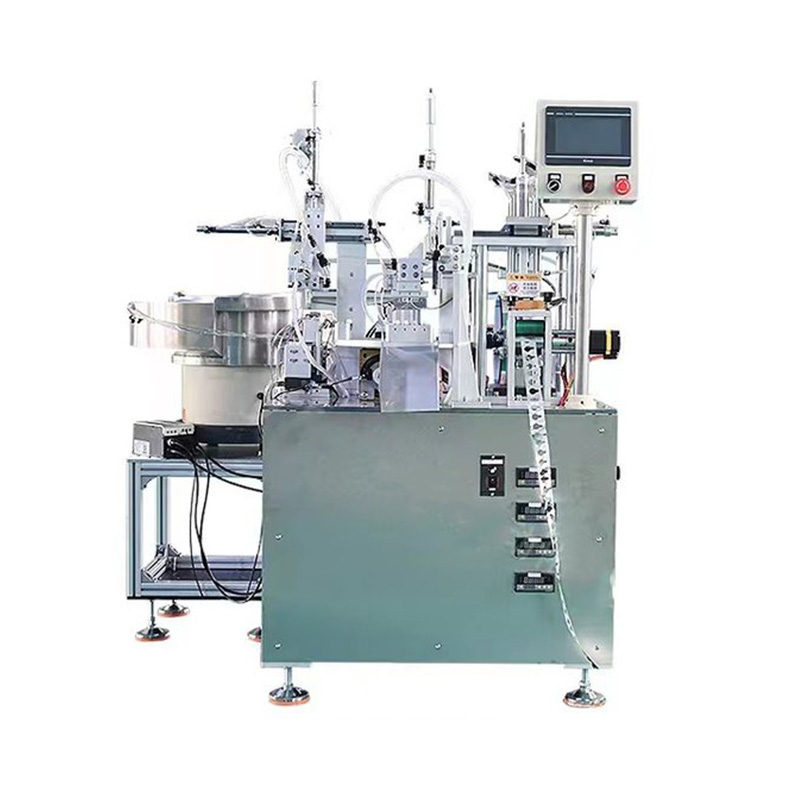
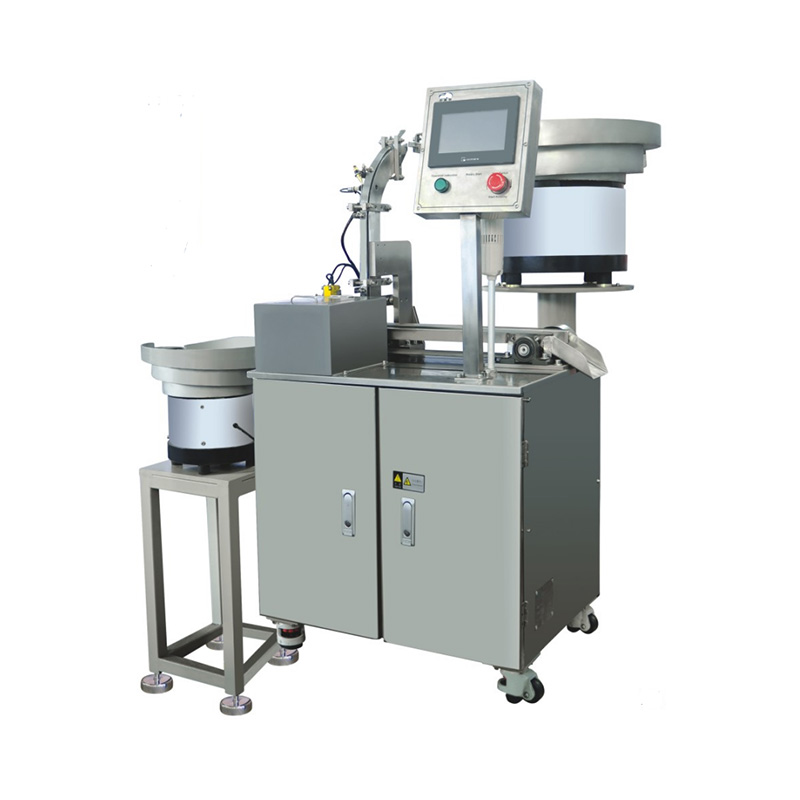
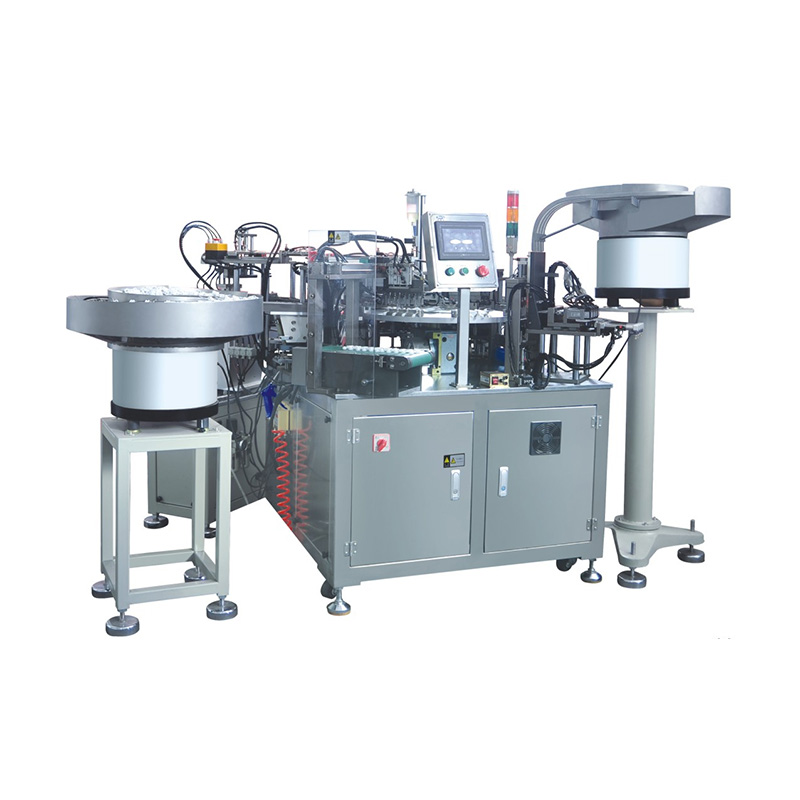
China Zhejiang Taizhou Ambe Trading Co., Ltd. is a manufacturer specializing in the production of medical equipment automation equipment.
Medical environments rely on precision, hygiene, and consistent performance. Medical Plastic Consumable Products have become a daily necessity in hospitals, laboratories, and clinics worldwide. From tubing systems to sterile containers, these products support treatment, diagnostics, and patient care behind the scenes.
Choosing the right Medical Plastic Consumable Products Manufacturer involves more than comparing prices. It requires understanding materials, production standards, and how each component performs in real medical scenarios.
Addressing Common Industry Concerns
1. Material Compatibility and Biocompatibility
One of the primary concerns in healthcare applications is how materials interact with the human body or sensitive substances. A reliable Medical Plastic Consumable Products Manufacturer selects polymers that meet medical regulatory standards and pass biocompatibility testing.
Medical tubing, for example, must maintain flexibility while resisting kinks. Catheters inserted into the body require smooth surfaces to reduce irritation. The material cannot react negatively with blood, medications, or bodily fluids. Careful resin selection and controlled extrusion processes play a major role in achieving this balance.
2. Flow Performance in Tubing and Catheters
Intravenous therapy and transfusion procedures rely heavily on smooth and stable fluid flow. Poorly manufactured tubing may have inconsistent inner diameters or rough surfaces, which can disrupt flow rates.
Medical Plastic Consumable Products used in fluid management are engineered with smooth inner walls. This helps maintain a steady flow and reduces the chance of blockages. Some catheter designs include balloons or sensor components for specific procedures, requiring precise molding and assembly techniques.
Sterile Containers and Medical Packaging Solutions
Sterility is a constant focus in healthcare. Plastic containers used for surgical instruments, medications, and biological samples must maintain clean conditions during storage and transport.
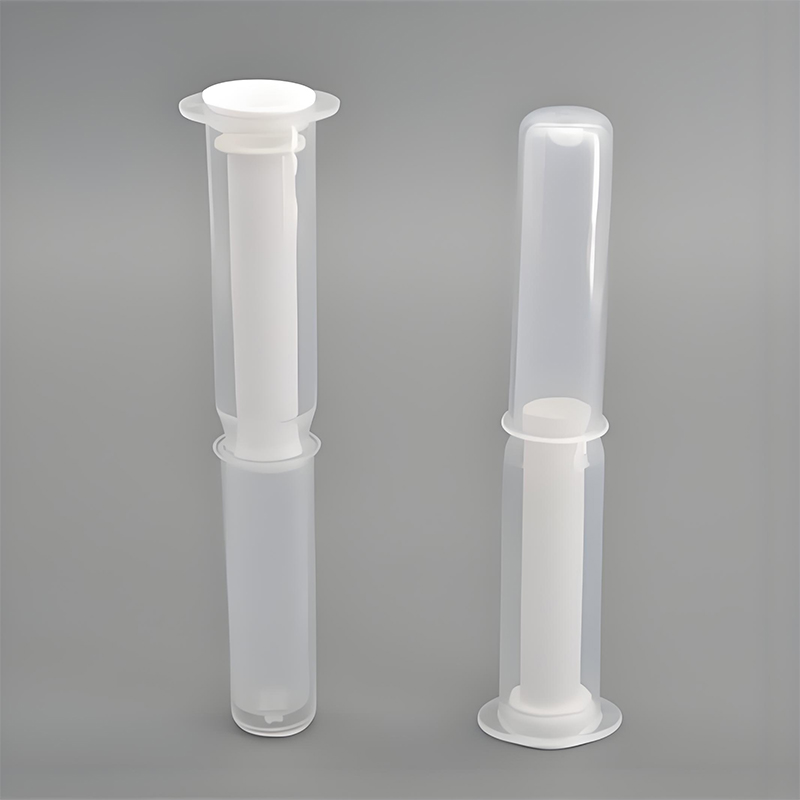
A professional Medical Plastic Consumable Products Manufacturer designs containers with tight-sealing lids, impact-resistant walls, and materials that tolerate sterilization methods such as ethylene oxide or gamma irradiation.
In addition to containers, plastic packaging materials provide barriers against moisture, oxygen, and environmental contaminants. Without proper barrier properties, sensitive medical devices or drugs may degrade over time. Packaging design, therefore,e becomes an important extension of product performance.
Supporting Diagnostic Accuracy
Laboratory diagnostics depend heavily on plastic consumables. Test tubes, microplates, and petri dishes are used daily for blood analysis, microbiological studies, and biochemical testing.
Precision molding and stable material composition are necessary to produce consistent laboratory results. Surface clarity, chemical resistance, and dimensional accuracy all affect testing reliability. Inconsistent plastic quality may interfere with optical readings or chemical reactions.
Medical Plastic Consumable Products in diagnostics are designed for reproducibility. Each batch must meet tight tolerances to maintain uniformity across thousands of units.
The Role of Experience in Medical Plastic Production
Experience influences tooling design, process stability, and troubleshooting efficiency. Medical applications allow little margin for error. A manufacturer familiar with medical tubing, diagnostic consumables, and sterile packaging understands how small adjustments in temperature, pressure, or mold design can impact product performance.
Medical Plastic Consumable Products must meet strict industry expectations. This requires disciplined production management and ongoing improvement initiatives within the factory.
A dependable Medical Plastic Consumable Products Manufacturer combines cleanroom production, technical expertise, and quality monitoring to deliver consistent results. As healthcare technologies continue to develop, medical plastic consumables will remain essential components in clinical and laboratory environments, providing practical solutions for daily medical operations.