
 English
 русский
 Español


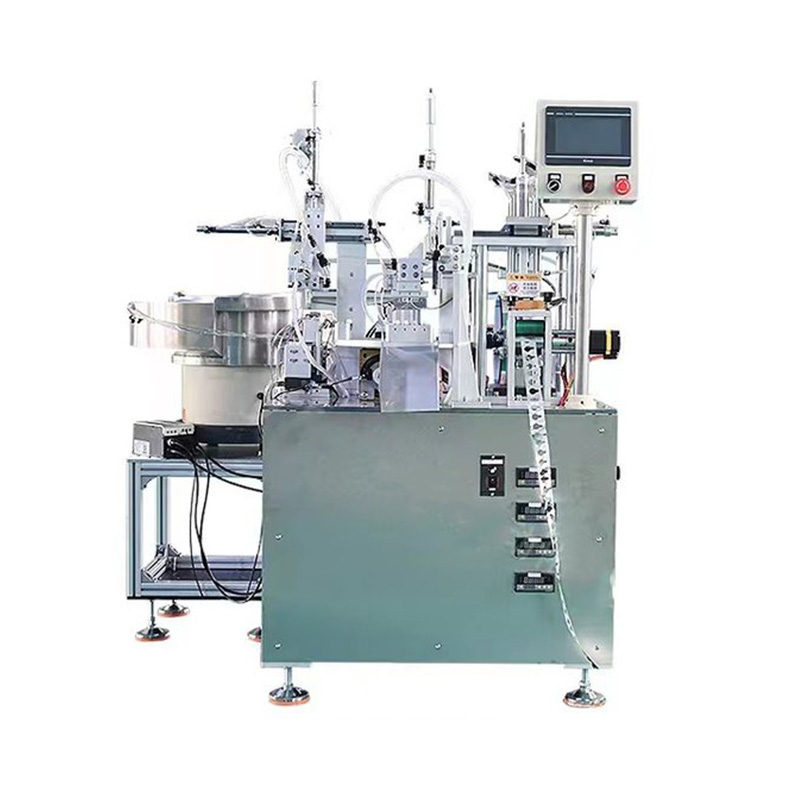
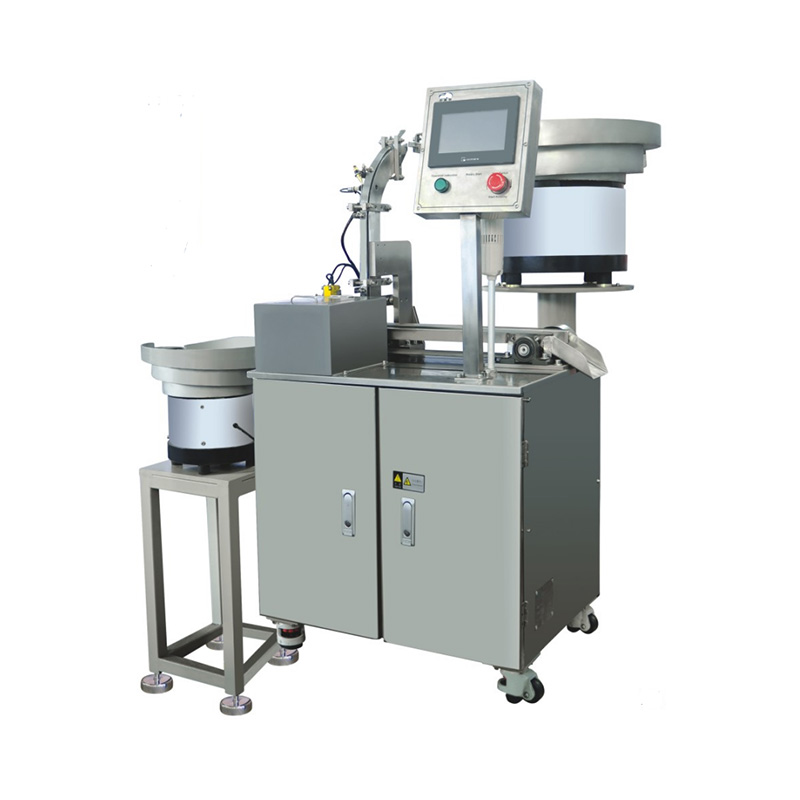
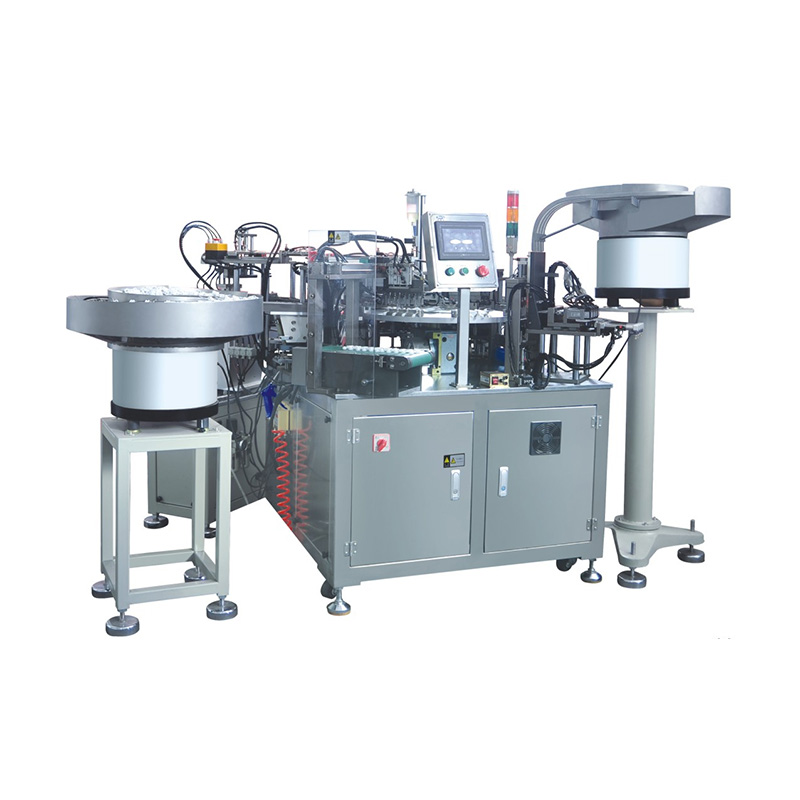
China Zhejiang Taizhou Ambe Trading Co., Ltd. is a manufacturer specializing in the production of medical equipment automation equipment.
Medical device production is becoming more demanding in terms of consistency, traceability, and production rhythm. Infusion sets, as widely used disposable medical products, require stable assembly processes, precise component integration, and reliable inspection systems. A Fully Automated Production Line for Infusion Sets addresses these needs by integrating robotics, intelligent control systems, and real-time monitoring into one cohesive manufacturing solution.
For manufacturers aiming to upgrade their operations, automation is no longer just about replacing manual labor. It is about stabilizing quality, improving production continuity, and responding to regulatory requirements with confidence.
Why Production Stability Matters in Infusion Set Manufacturing
Infusion sets consist of multiple small components such as spikes, drip chambers, filters, tubing, clamps, and connectors. Each component must be assembled with tight dimensional tolerances and stable bonding processes. Manual assembly often introduces variability due to operator fatigue or inconsistent technique.
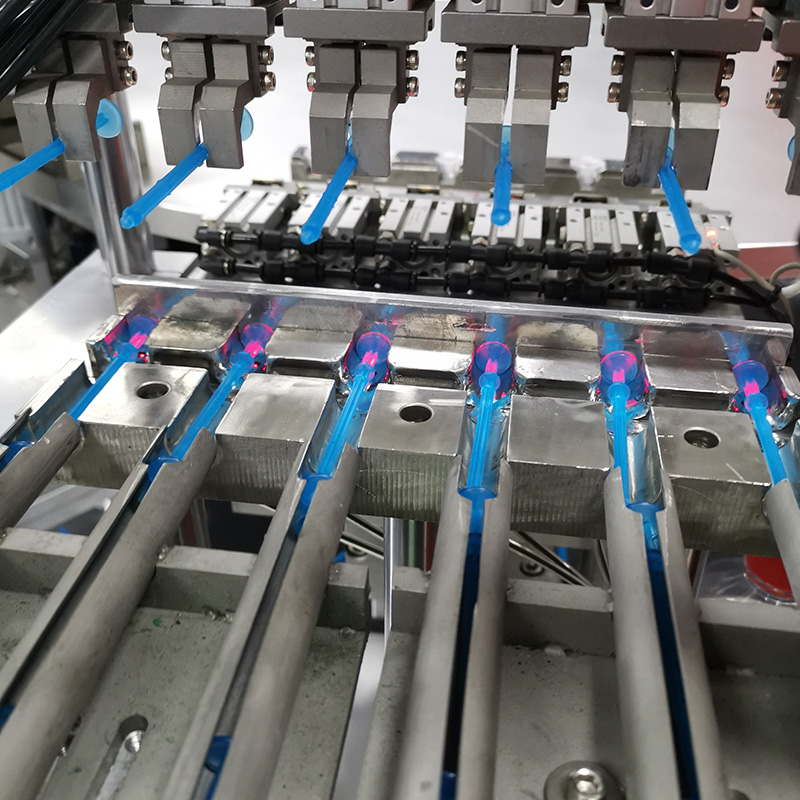
A Fully Automated Production Line for Infusion Sets standardizes each production stage. Robotic handling systems perform assembly with micron-level positioning accuracy. Automated dispensing modules apply adhesives or bonding materials with controlled volume and placement. Integrated vision systems verify alignment and structural integrity in real time.
This structured process reduces variability between batches and supports continuous operation over extended shifts.
Precision Engineering at the Core
In medical device manufacturing, precision is not optional. Even minor deviations in tubing length, connector fit, or sealing parameters can disrupt downstream performance.
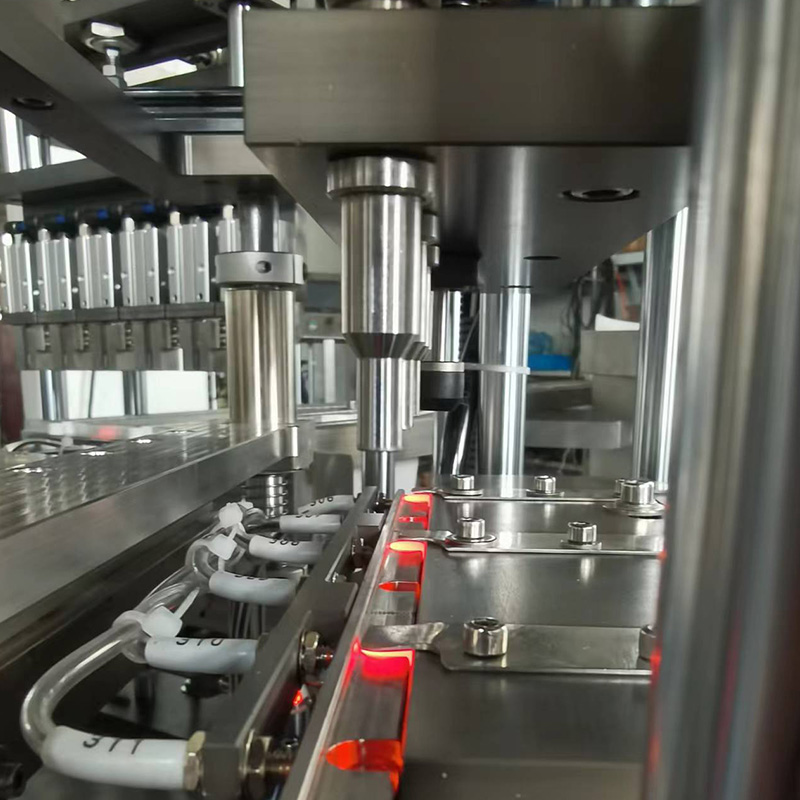
Our automation equipment is built around advanced motion control systems and coordinated robotic arms. Servo-driven modules synchronize cutting, welding, insertion, and assembly processes within a controlled environment. The result is repeatable positioning and consistent joining quality across high production volumes.
Addressing Labor and Operational Pressure
Infusion set production traditionally relies on multiple manual stations. As labor costs rise and workforce availability fluctuates, maintaining stable output becomes challenging.
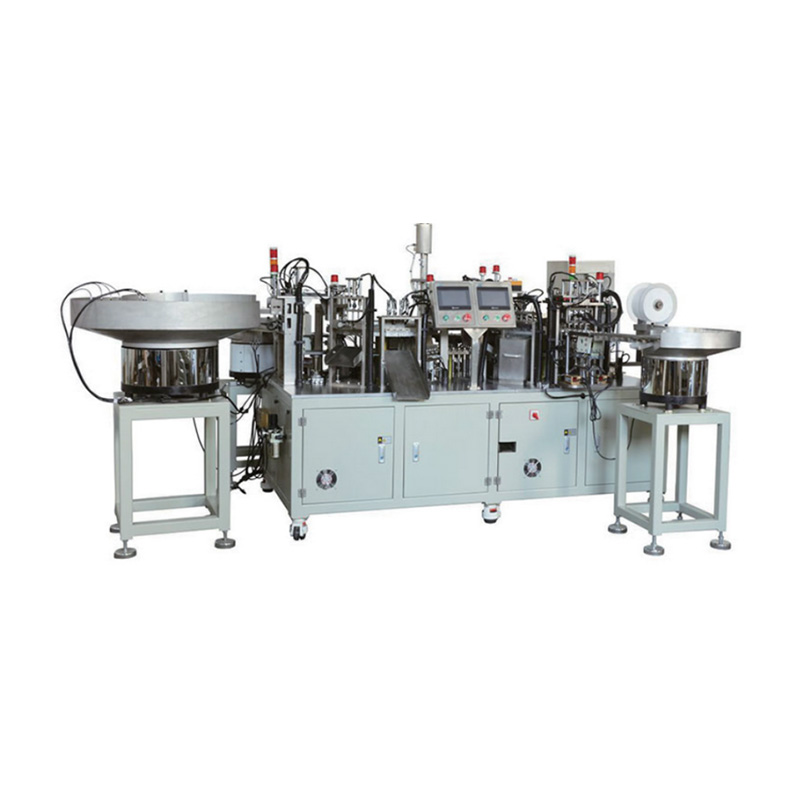
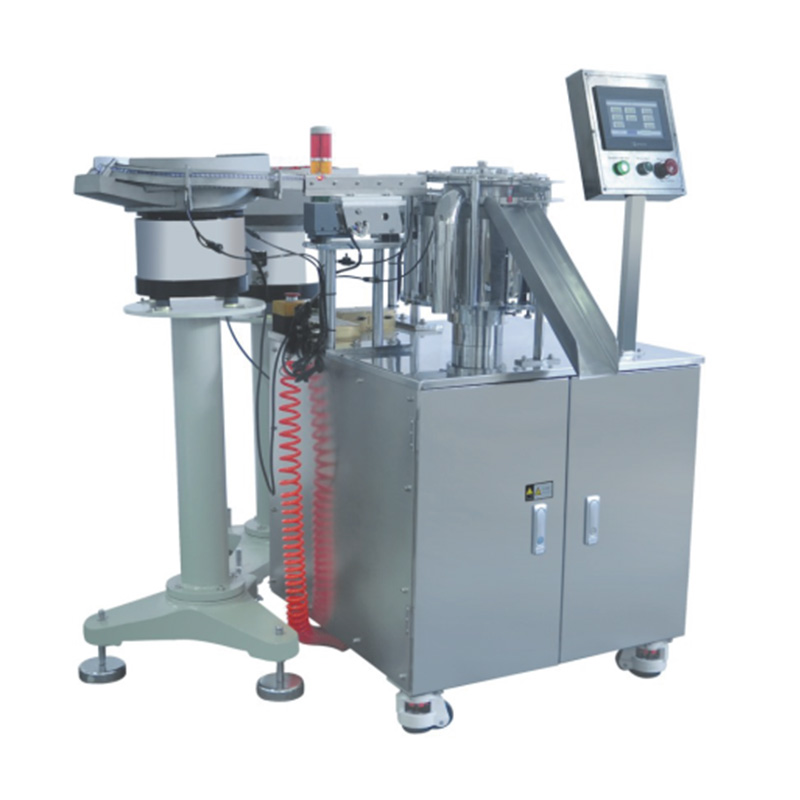
A Fully Automated Production Line for Infusion Sets reduces dependency on repetitive manual operations. Automated conveyors connect each module, forming a continuous workflow from component feeding to finished product packaging. Robotic pick-and-place systems operate at high speed without performance decline during long production cycles.
This transition not only stabilizes throughput but also allows technical staff to focus on equipment supervision, process optimization, and quality management rather than repetitive assembly tasks.
Enhancing Production Efficiency Without Compromising Process Control
High-speed production must be balanced with precise handling of medical components. Delicate materials such as soft tubing and fine plastic connectors require careful manipulation.
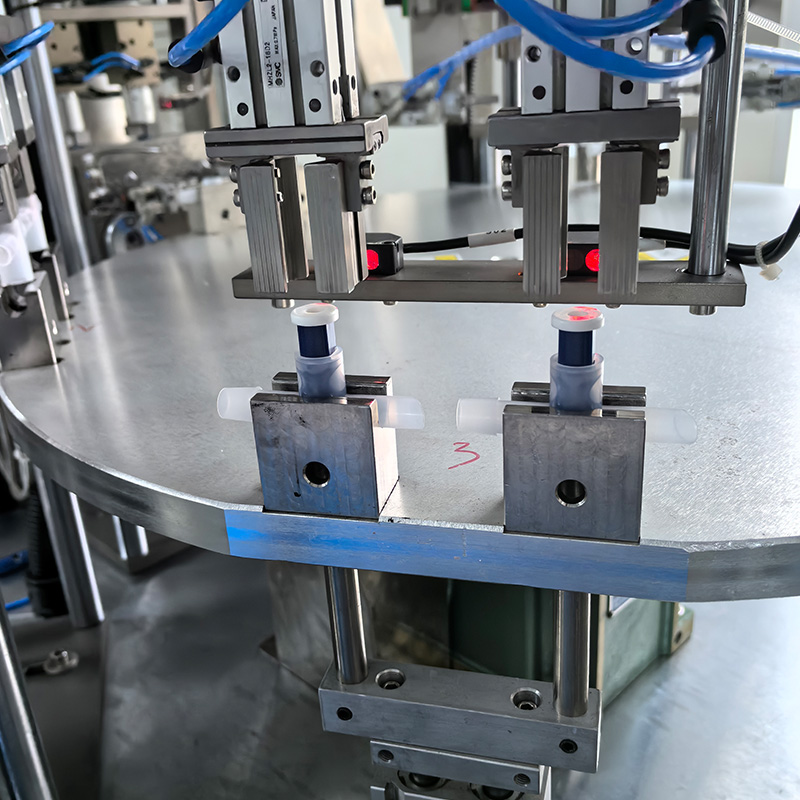
Robotic grippers and customized fixtures are engineered to hold components securely without deformation. Coordinated motion paths reduce vibration and maintain structural integrity during assembly.
By synchronizing robotic systems with automated conveyors and inspection modules, the Fully Automated Production Line for Infusion Sets maintains steady throughput while preserving component accuracy.
Infusion set manufacturing requires precision assembly, reliable inspection, and consistent throughput. A Fully Automated Production Line for Infusion Sets integrates robotics, intelligent control, and quality monitoring into a unified production system.
By collaborating with an experienced Fully Automated Production Line for Infusion Sets Manufacturer, medical device producers can build a structured, data-driven production environment that supports operational stability and product consistency. Automation transforms infusion set production from a labor-intensive process into a coordinated, technology-driven workflow designed for modern medical manufacturing demands.