
 English
 русский
 Español


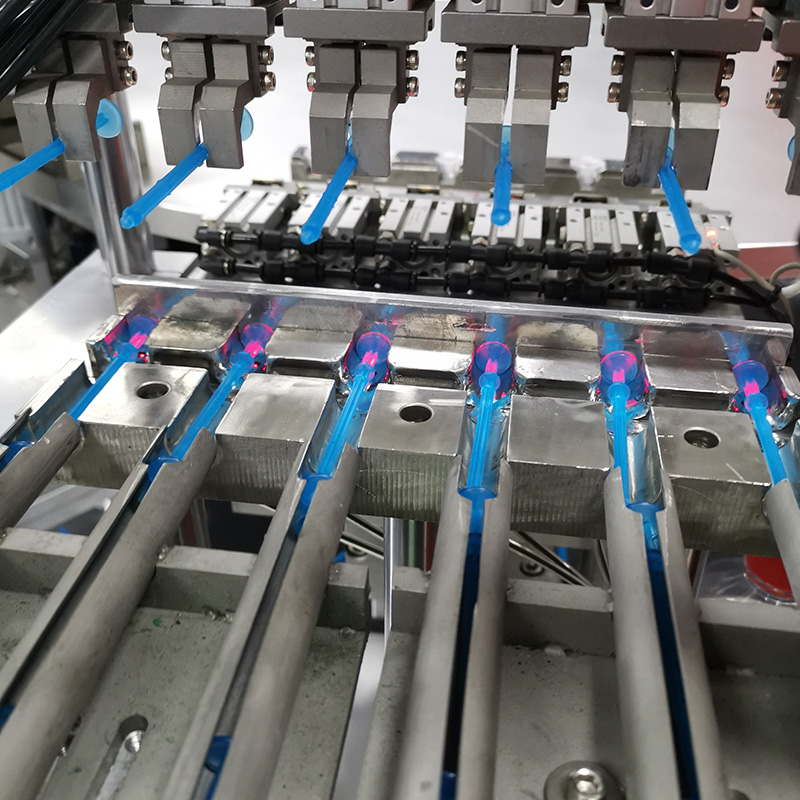
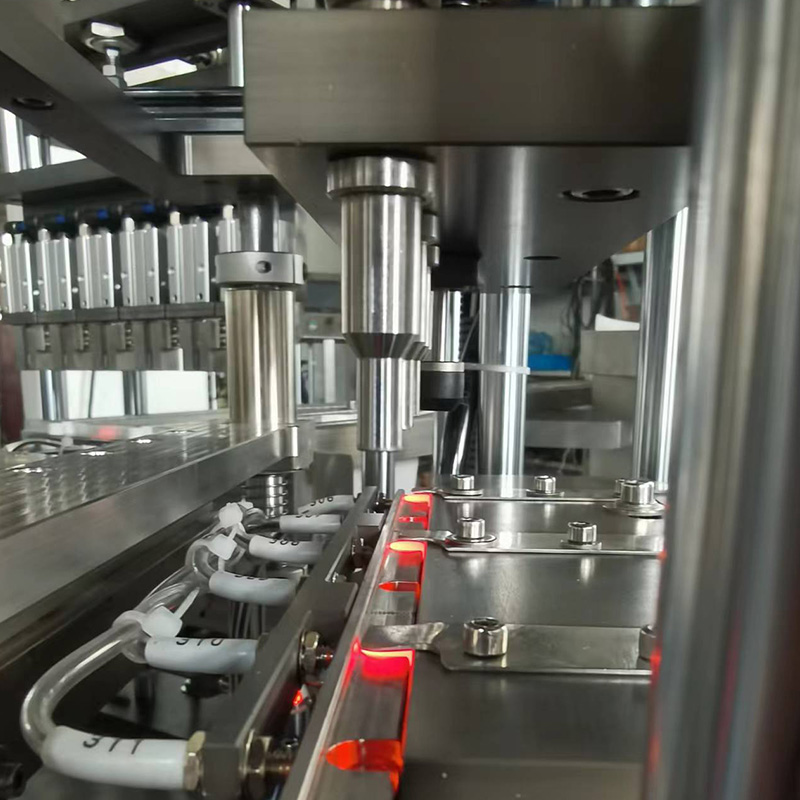
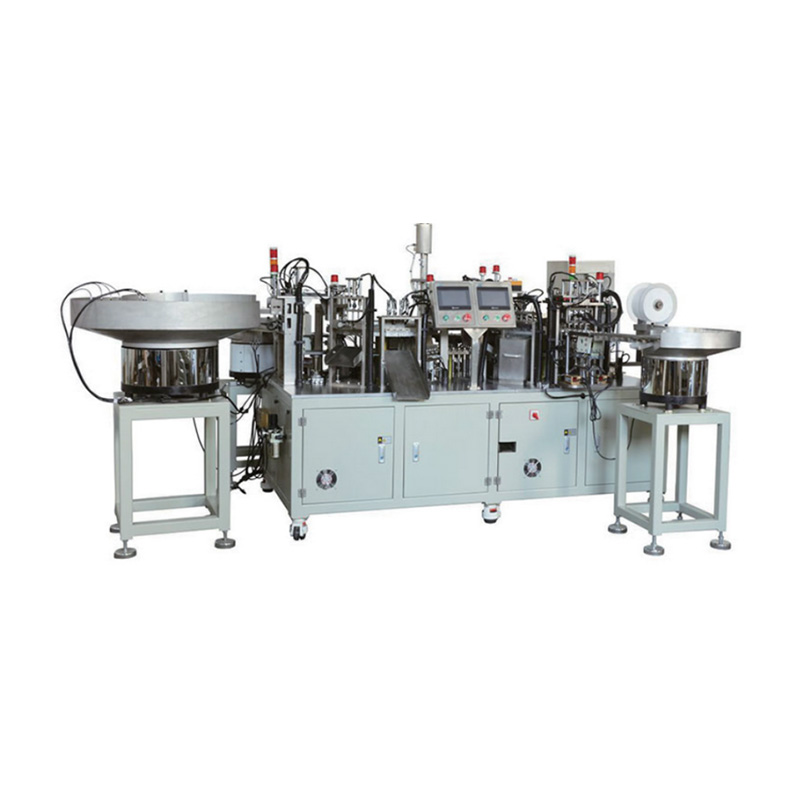
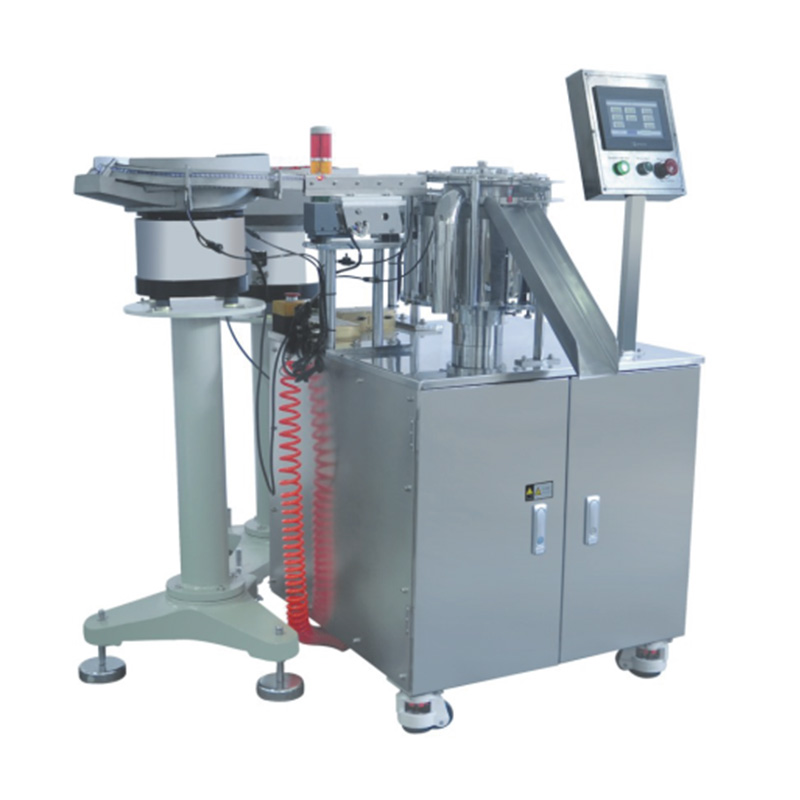
China Zhejiang Taizhou Ambe Trading Co., Ltd. is a manufacturer specializing in the production of medical equipment automation equipment.
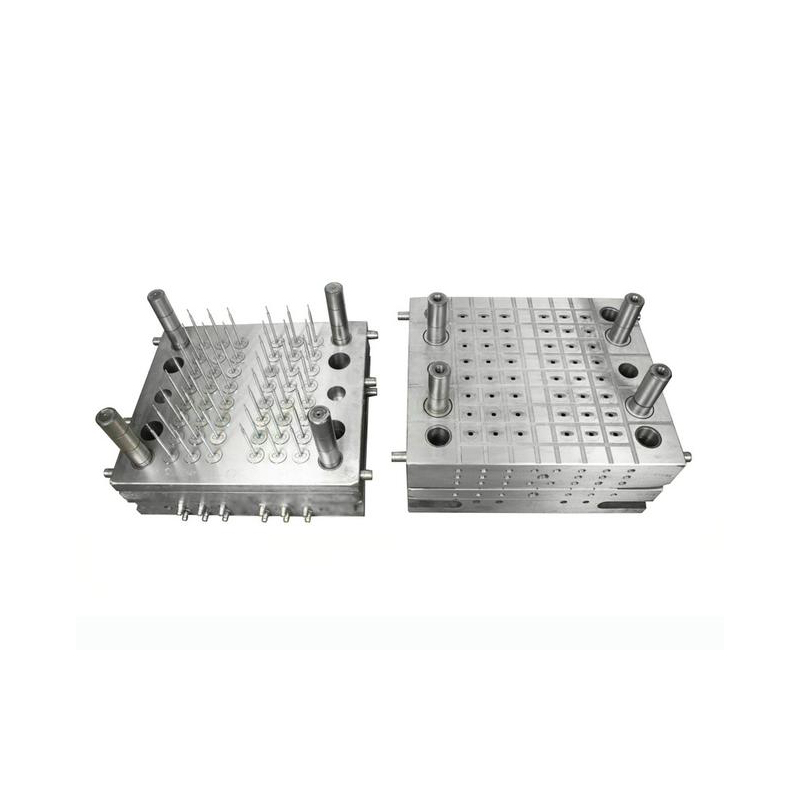
Medical plastic molding technology supports the production of many healthcare components that are used daily in clinical environments. The demand for stable and reliable medical devices keeps growing as healthcare systems become more advanced. At the center of this manufacturing process is the Medical Plastic Mould, which converts polymer materials into functional medical parts through precision engineering.
Medical molds are not ordinary industrial tools. They must follow strict production standards because the final products are often used inside hospitals or patient treatment workflows. A professional Medical Plastic Mould Manufacturer understands that every microstructure on the mold surface can influence product performance.
Healthcare manufacturing requires high-dimensional stability, chemical resistance, and compatibility with medical-grade polymers. These technical factors make mold design and fabrication more complex than general plastic molding projects.
Why Precision Matters in Medical Plastic Mould Production
Precision engineering is the foundation of medical molding technology. Medical Plastic Moulds are built to reproduce detailed structures that may be invisible to the human eye but are critical for device function.
For example, small surgical instruments and diagnostic accessories often require complex cavity structures. When manufacturing medical consumables, even slight deformation inside the mold cavity can lead to product failure or assembly problems.
A qualified Medical Plastic Mould Manufacturer will use advanced CNC machining, surface polishing, and dimensional inspection methods. These manufacturing steps help maintain consistent cavity accuracy during mass production.
In addition, temperature control during molding processing affects material crystallization and mechanical stability. Medical polymers often have strict thermal processing windows, and improper control may reduce product lifespan.
Medical Plastic Mould Applications in Surgical and Implant Components
Medical molds are widely applied in the production of implant-related components. Surgical implants such as fixation devices and prosthetic parts rely on highly specialized Medical Plastic Mould technology.
Biocompatibility is a critical requirement in implant manufacturing. Materials processed inside medical molds must not trigger adverse immune reactions inside the human body. Many manufacturers cooperate with polymer suppliers to select suitable medical-grade materials.
A professional Medical Plastic Mould Manufacturer will also focus on the long-term durability of the tooling structure. Since medical implants often require stable mechanical strength, the mold must maintain consistent performance after repeated production cycles.
Human anatomical replication is another technical challenge. Modern medical molding technology allows engineers to design cavities that simulate joint structures, helping implants integrate with natural tissues during medical treatment.
Medical Plastic Mould Use in Diagnostic Equipment Parts
Diagnostic technology also depends heavily on precision molding solutions. Components such as imaging device shells, protective masks, and coil support structures are commonly produced using Medical Plastic Mould systems.
In imaging equipment manufacturing, structural stability influences signal clarity. Slight distortion may interfere with electromagnetic transmission or radiation shielding performance.
The Medical Plastic Mould Manufacturer must therefore focus on surface smoothness and structural rigidity. High-quality mold finishing reduces internal stress marks and helps maintain the optical or electromagnetic function of the medical component.
Many diagnostic device parts require repeated sterilization. This means the molded materials should resist chemical corrosion from disinfectants and high-temperature cleaning processes.
Medical Plastic Mould technology will continue playing an important role in supporting modern healthcare systems. From surgical tools to diagnostic equipment components, medical molding remains a fundamental manufacturing technology that connects engineering innovation with patient care needs.