
 English
 русский
 Español


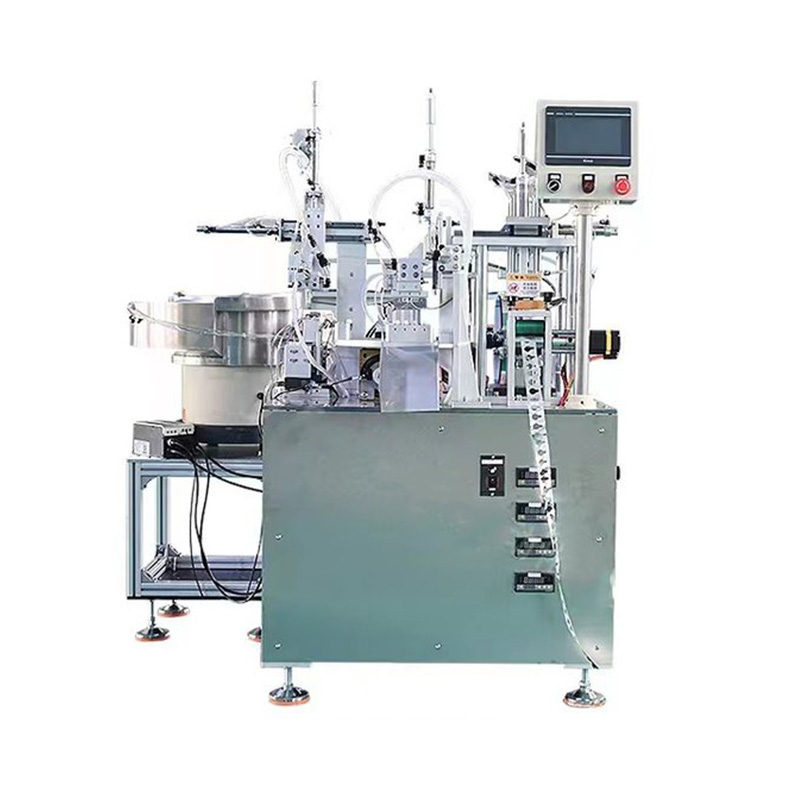
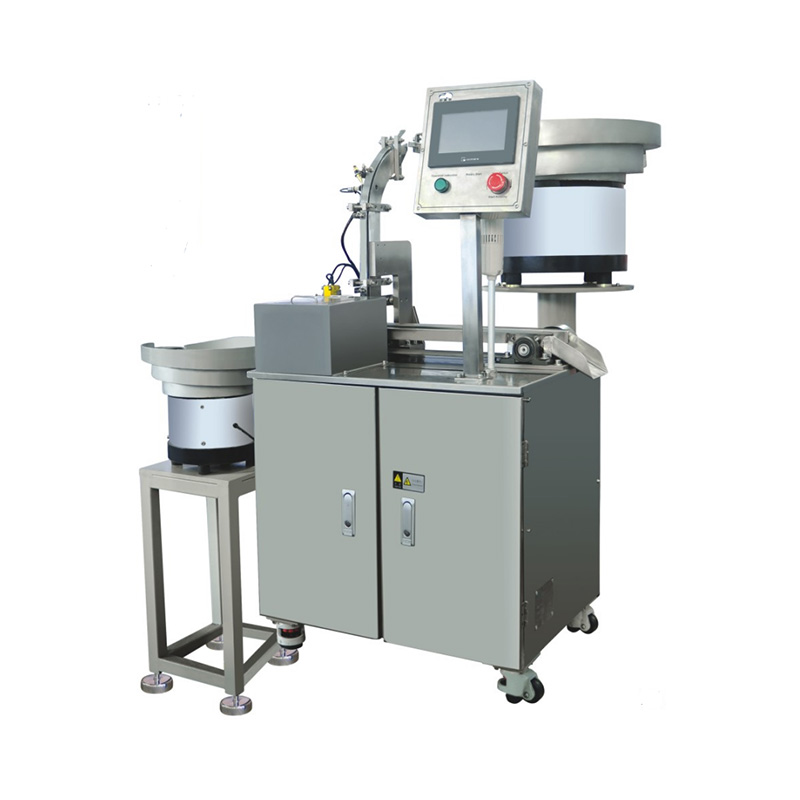
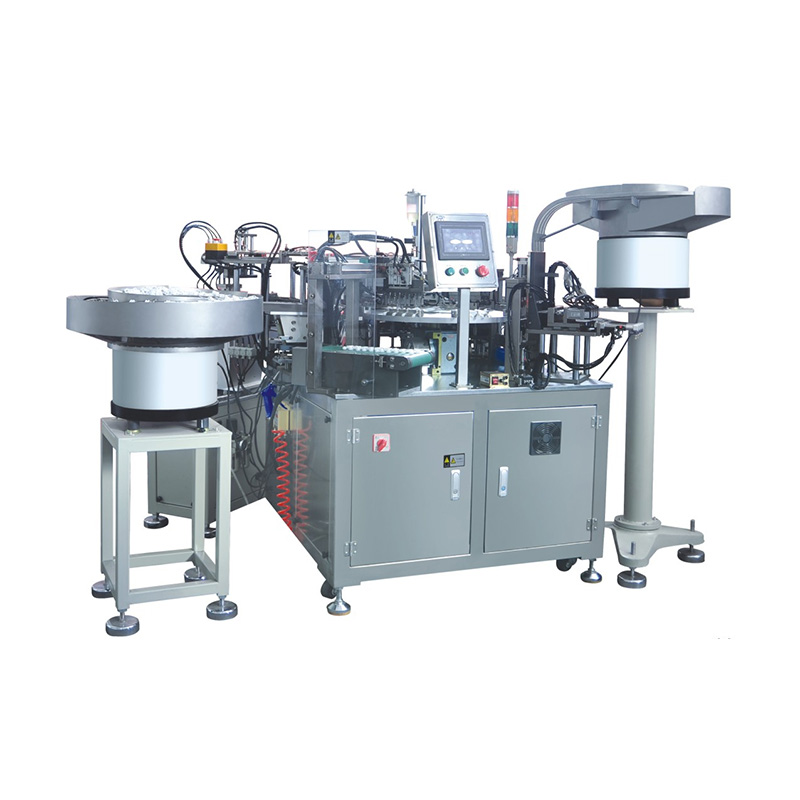
China Zhejiang Taizhou Ambe Trading Co., Ltd. is a manufacturer specializing in the production of medical equipment automation equipment.
Production teams often struggle with rising labor requirements, accuracy demands, and the need to keep output steady even during high-volume seasons. This is where an Automated Syringe Assembly and Filling Production Line can offer a practical path forward. As a Medical Automation Equipment Factory, we design equipment that fits real-world production challenges rather than forcing manufacturers to adjust their workflow around the machine.
1. Precision That Reduces Rework and Keeps Quality Steady
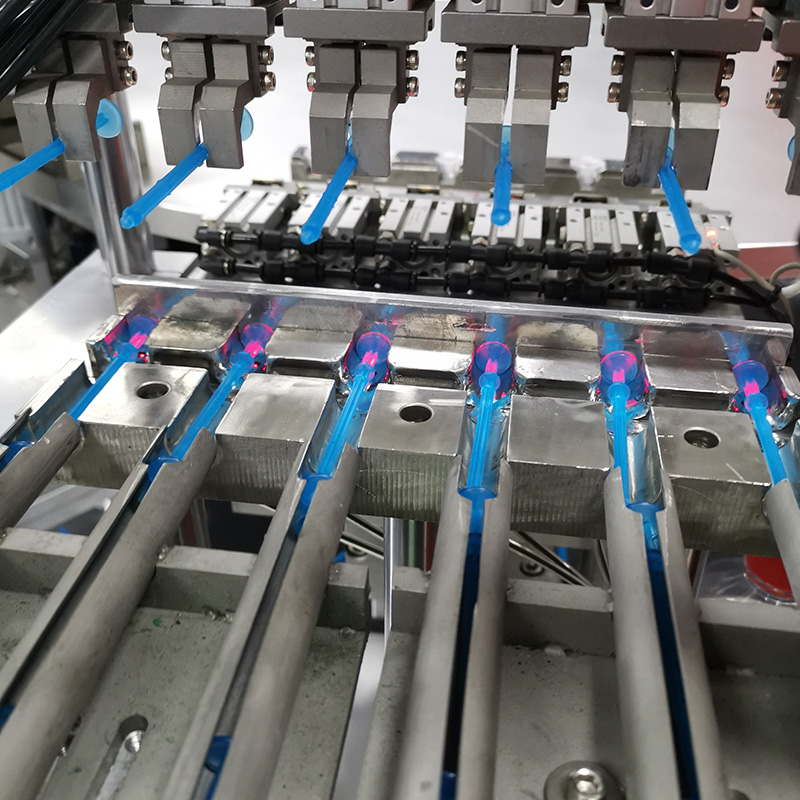
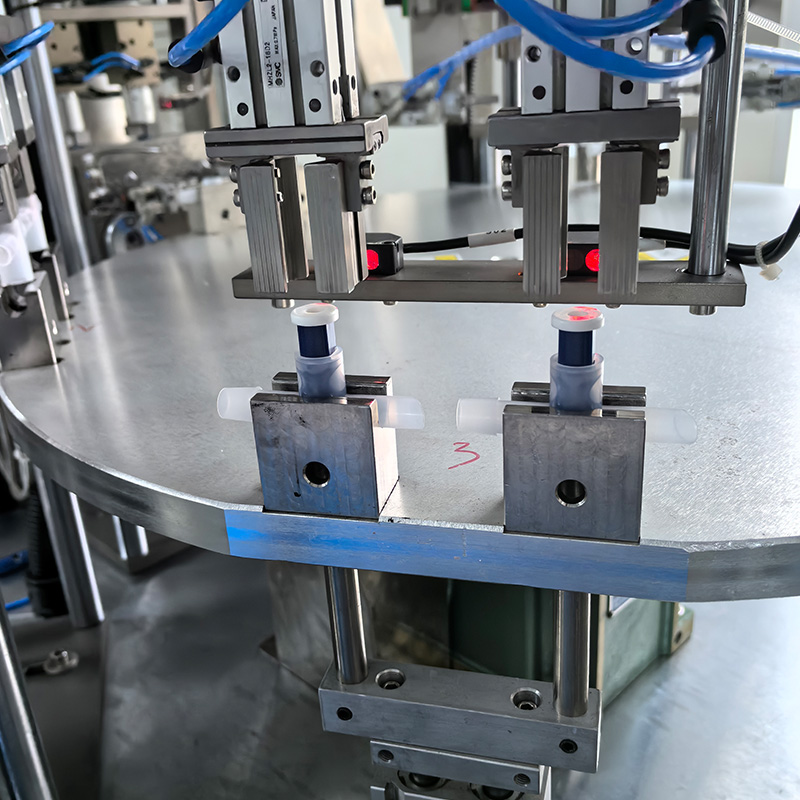
Medical syringe production requires steady alignment of parts, accurate filling, and repeatable performance across every shift. The Automated Syringe Assembly and Filling Production Line incorporates great control systems and robotic mechanisms that help execute each step with fine accuracy. Components are aligned, assembled, and filled through coordinated movements that stay consistent over long production runs.
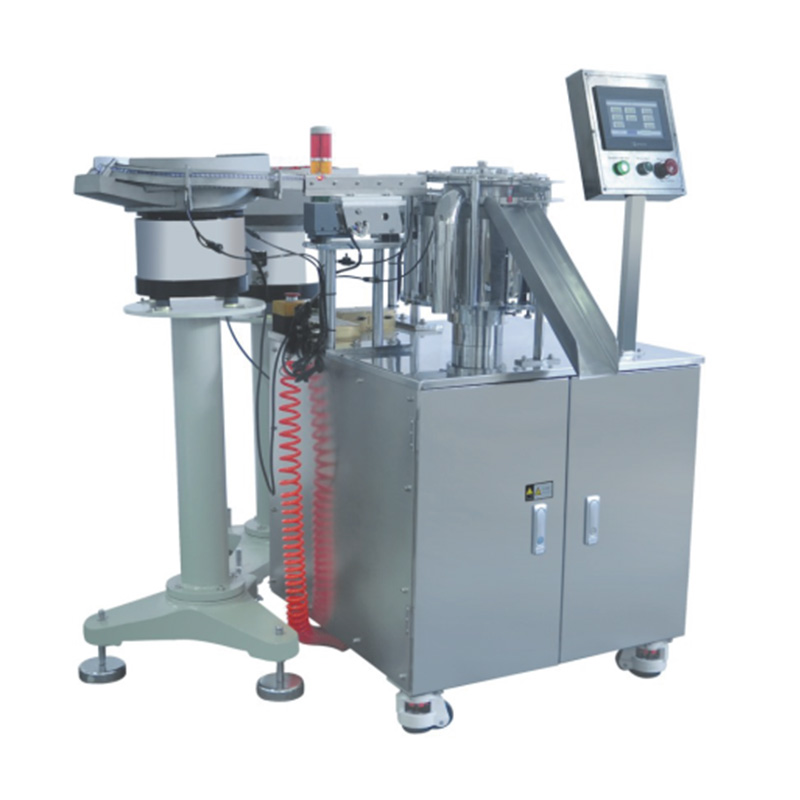
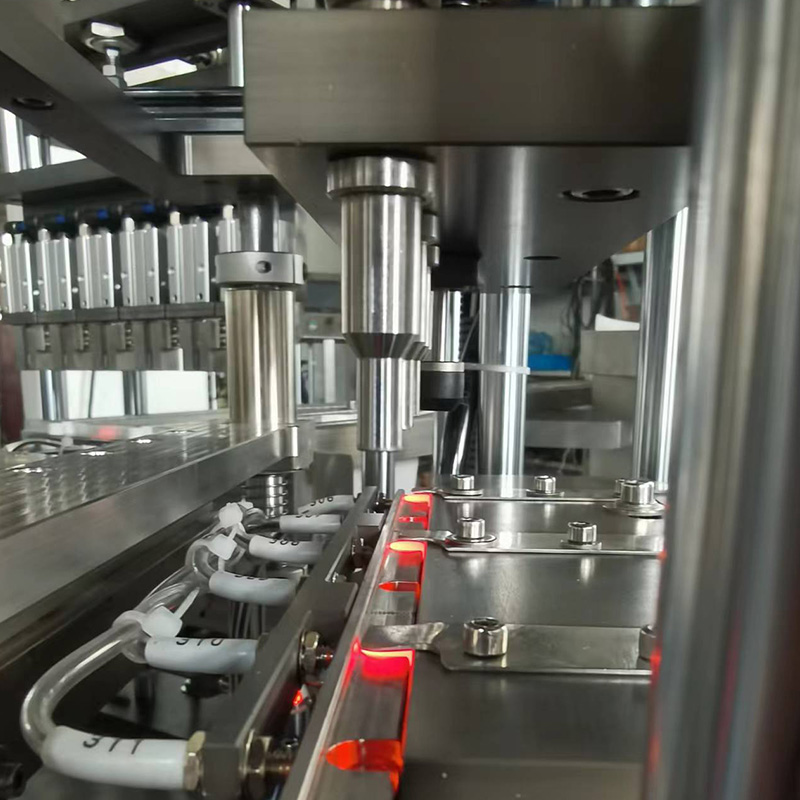
Sensors and inspection points are placed throughout the workflow. This allows the line to detect deviations at early stages rather than after a batch is completed. With fewer random variations, manufacturers experience fewer interruptions caused by rework, and product quality remains predictable across each lot.
2. Flexible Modules Designed for Different Product Requirements
Not every syringe project is the same. Some require special materials, others need particular filling volumes, and many producers run multiple syringe styles in the same plant. With this in mind, our factory built the Automated Syringe Assembly and Filling Production Line around a modular design philosophy.
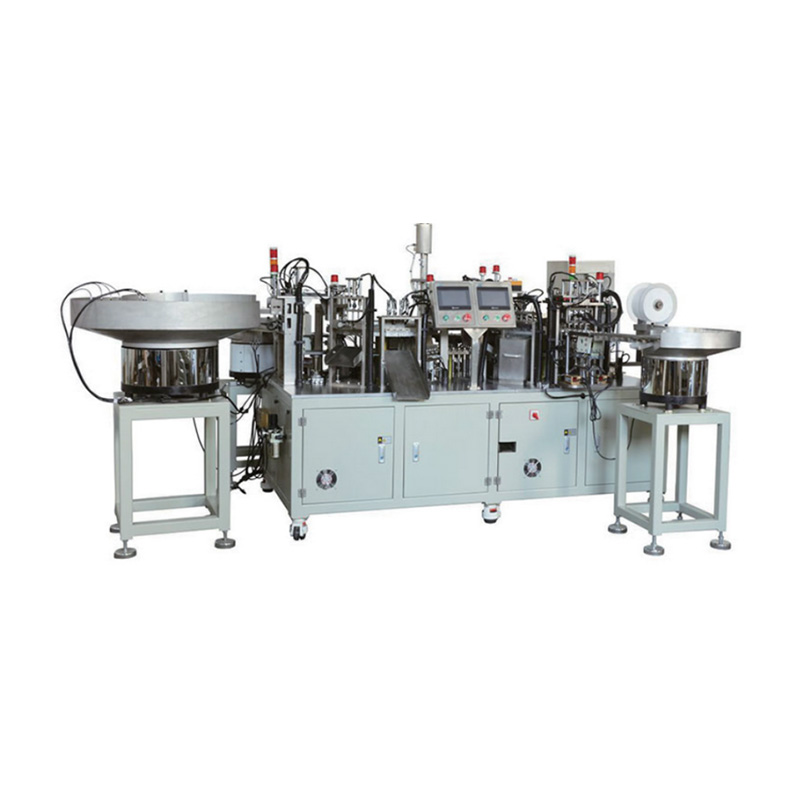
Modules for assembly, filling, welding, inspection, and packaging can be configured based on the customer's actual workload. This allows manufacturers to adjust the line as needs shift over time. If a new syringe model enters the market, the line can be expanded or reconfigured without rebuilding the entire system. This versatility becomes part of the long-term value of the equipment.
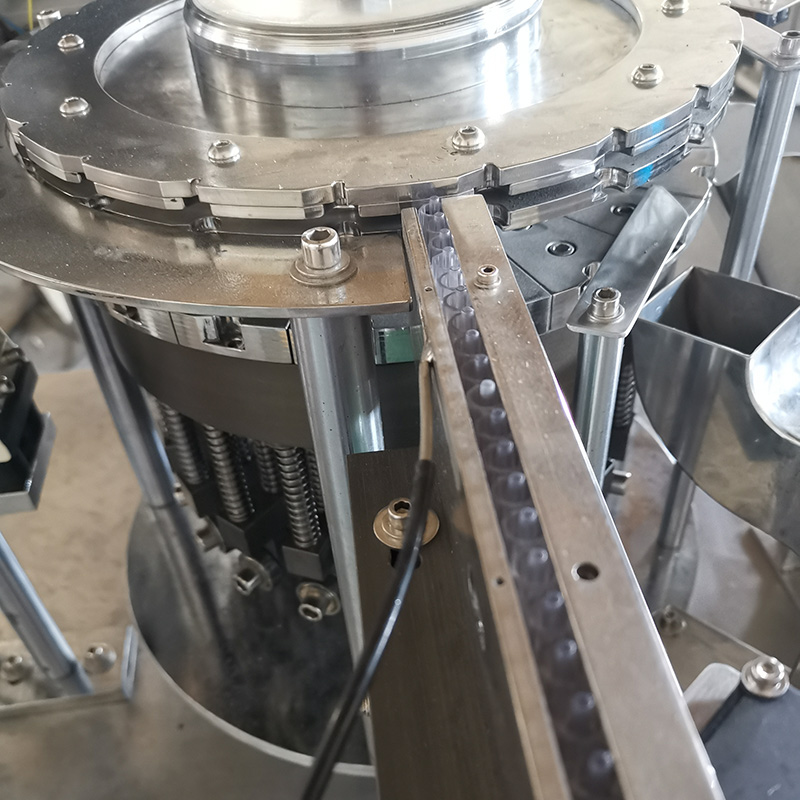
3. Stable Output and Reduced Labor Pressure
Labor shortages and training cycles often slow down syringe production. Many tasks are repetitive and require steady attention to maintain accuracy. By automating these sequences, the production line reduces the burden on manual operators and helps maintain consistent output even during workforce fluctuations.
The Automated Syringe Assembly and Filling Production Line uses coordinated robotic arms, controlled conveyors, and integrated software to keep production moving smoothly. Real-time monitoring allows teams to view machine status, plan maintenance windows, and gather data for further optimization. With fewer manual adjustments required, downtime becomes more predictable and easier to manage.
Quality control plays a central role in medical device manufacturing. The production line integrates inspection systems that check assembly alignment, filling volume, part presence, and weld quality. Instead of relying on end-stage inspection, the system monitors multiple checkpoints so issues are corrected during the process.
A modern syringe production environment benefits from solutions that blend accuracy, flexibility, and stable output. Our factory's Automated Syringe Assembly and Filling Production Line is built to support these needs with technology adapted specifically for medical device manufacturing. By integrating precise control, modular processes, and steady automation, it offers a practical upgrade path for teams looking to strengthen their performance and product reliability.