
 English
 русский
 Español


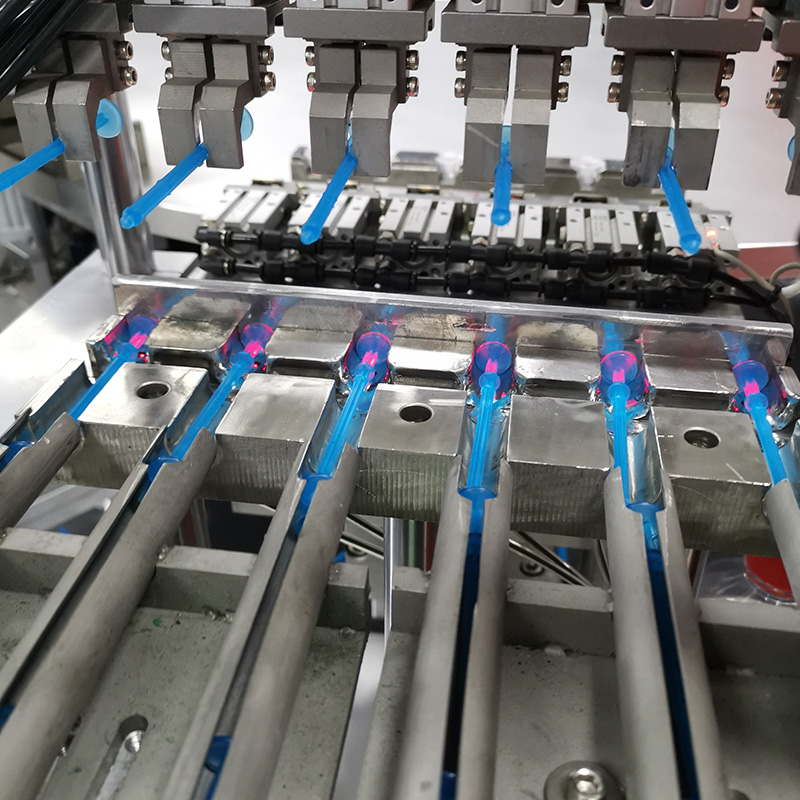
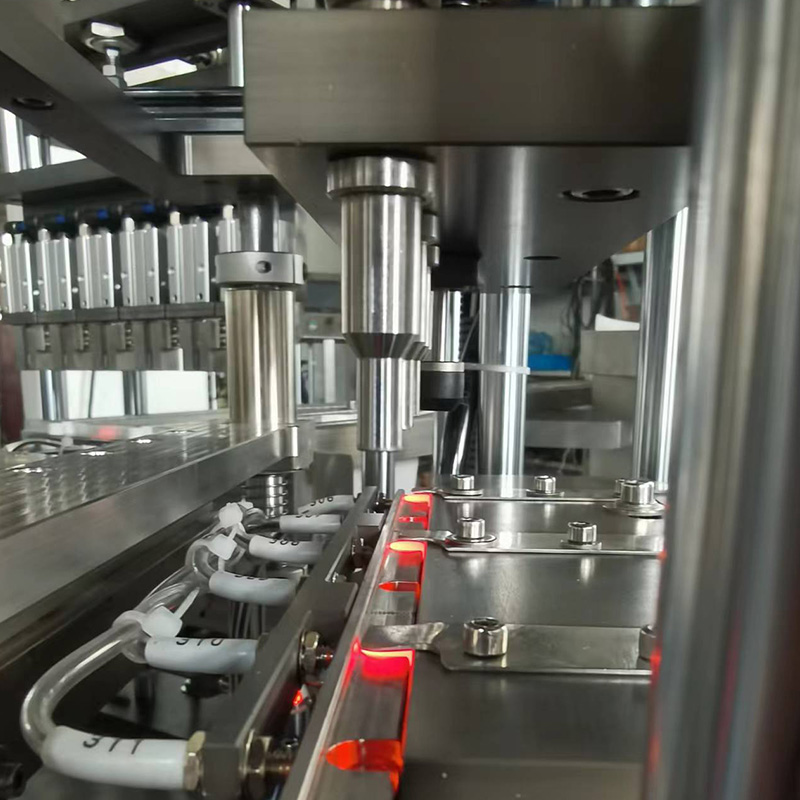
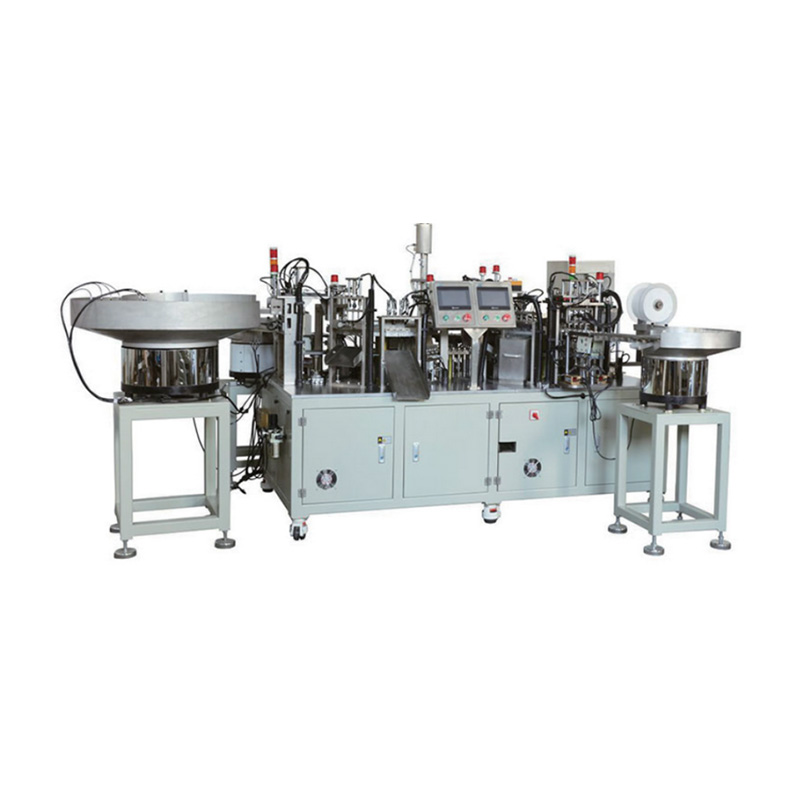
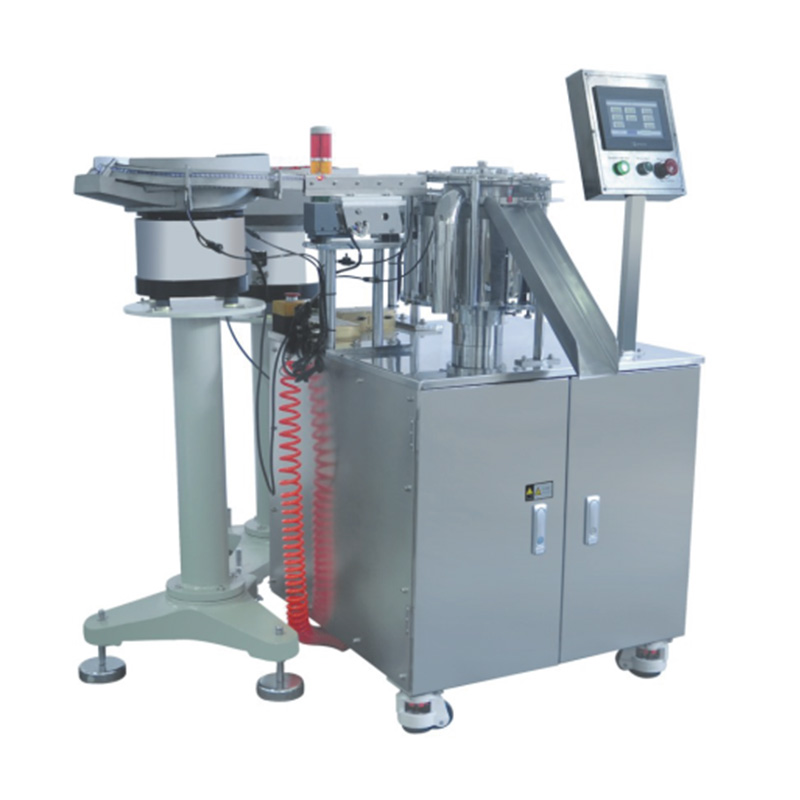
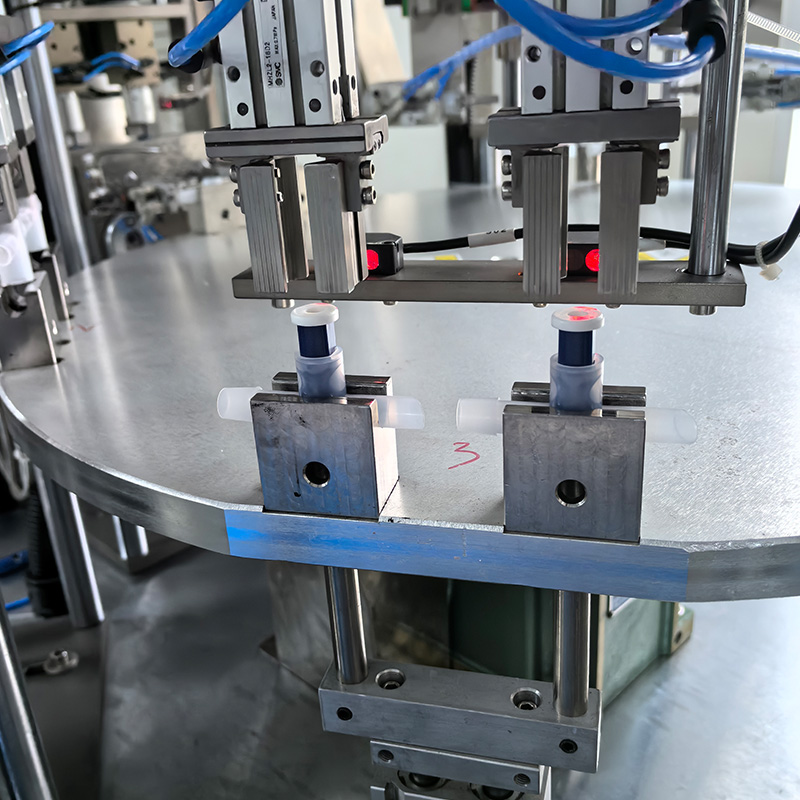
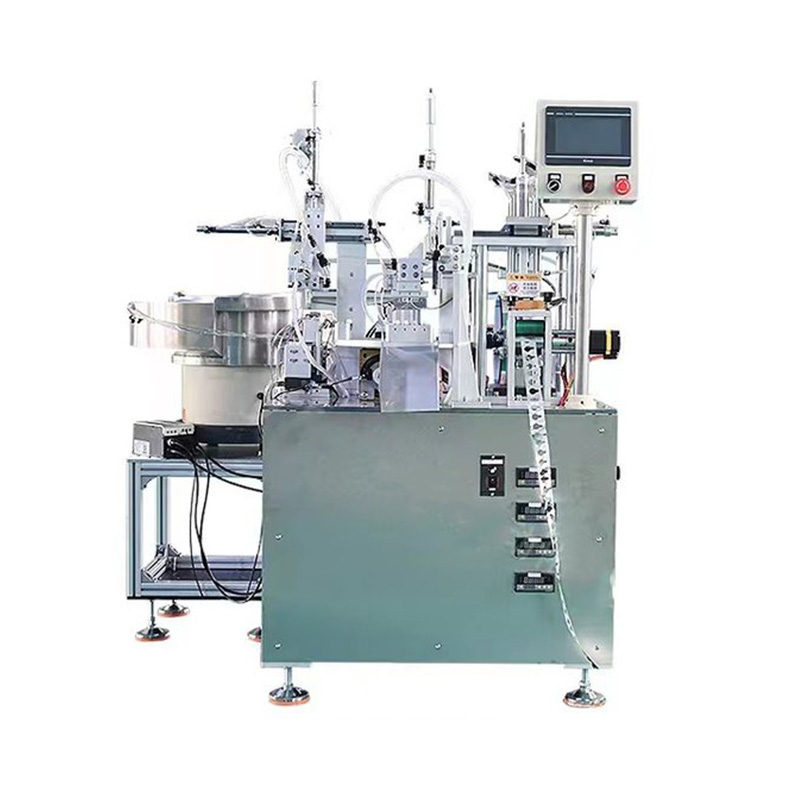
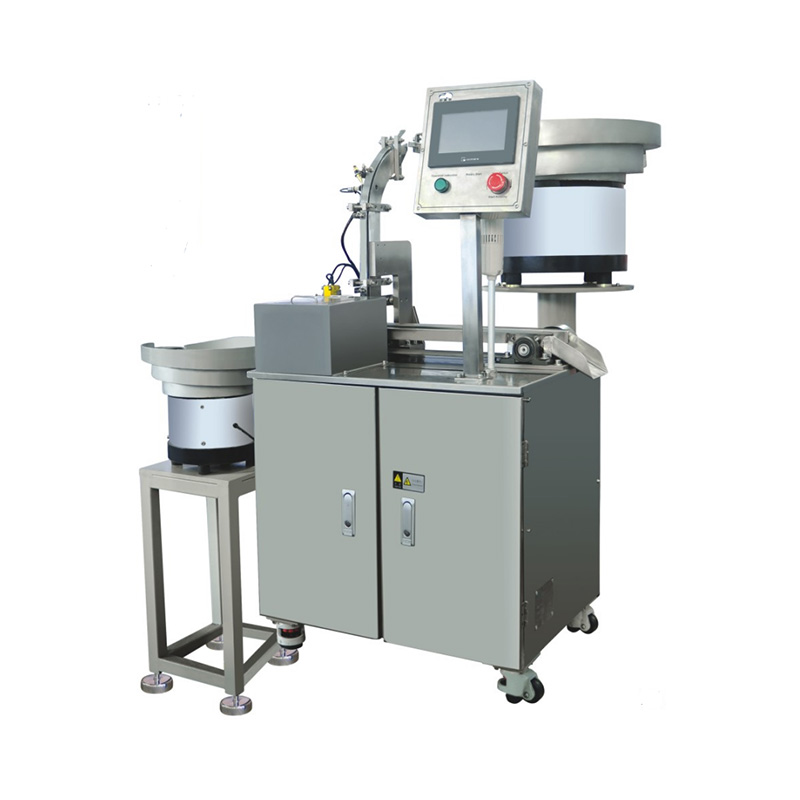
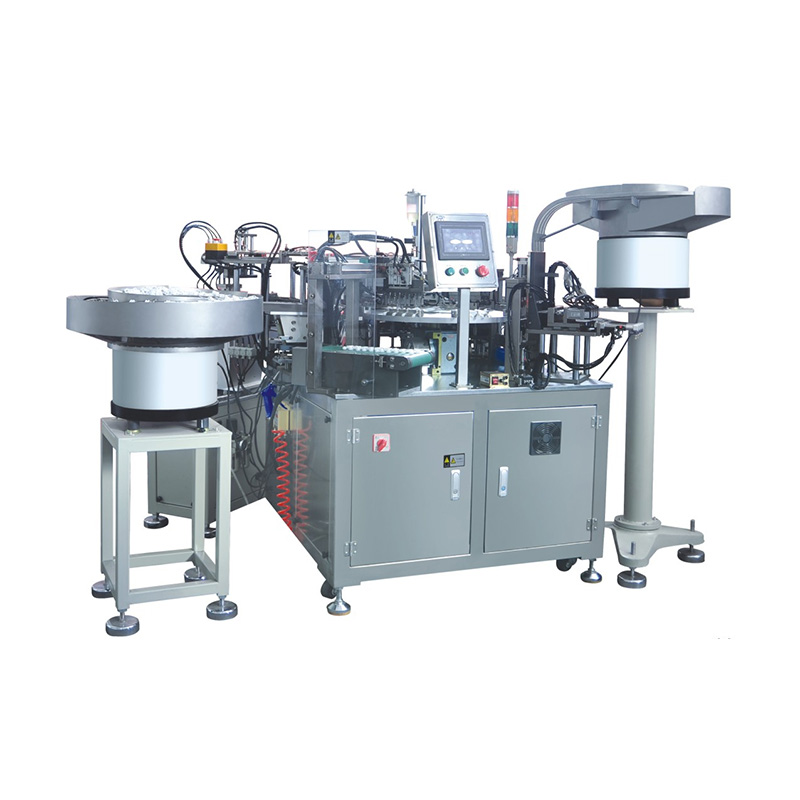
China Zhejiang Taizhou Ambe Trading Co., Ltd. is a manufacturer specializing in the production of medical equipment automation equipment.
Healthcare workers deal with tight schedules, constant patient turnover, and a need for predictable tools that do not interrupt procedures. For this reason, many buyers focus on dependable product quality and a stable source of supply. A Medical Plastic Consumable Products Factory responds to these needs by offering steady production, material control, and repeatable performance across large volumes.
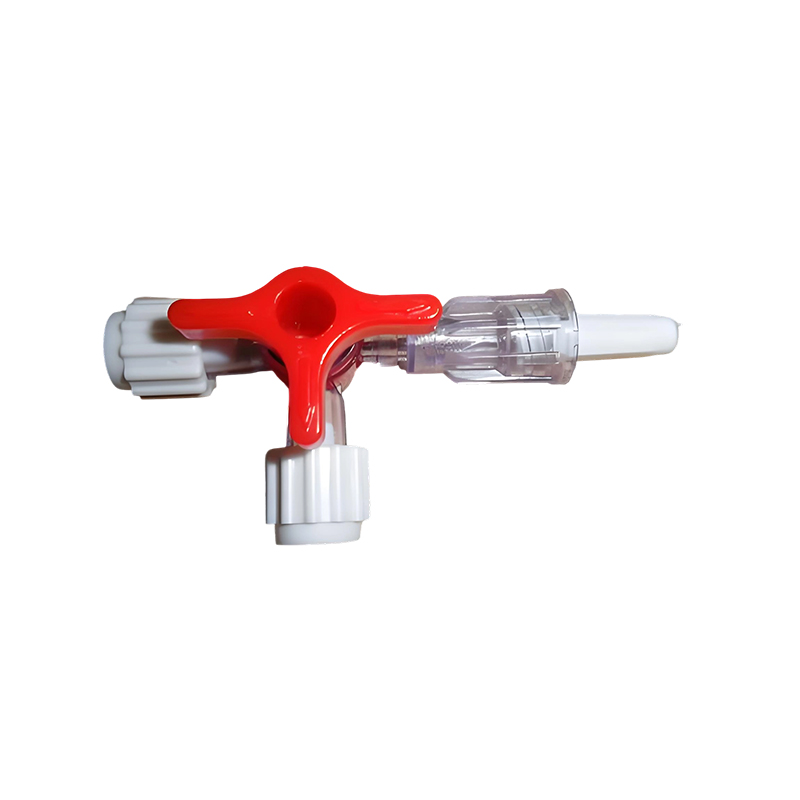
Medical Plastic Consumable Products cover a wide range of items used across wards, laboratories, and operating rooms. Hospitals rely on them because they support routine work without adding complexity. These products include tubing, catheters, containers, diagnostic plates, and protective packaging for delicate supplies. When produced with stable raw materials and clean-room processes, they become a practical choice for both clinicians and procurement teams.

1. Product reliability that supports clinical work
Medical tubing and catheters demonstrate how thoughtful design helps medical staff deliver care smoothly. The materials allow fluid movement with low resistance and stable handling. A smooth surface supports consistent flow, while the outer layer is shaped to reduce irritation when the product is placed on or inside the body. Some catheters integrate small functional parts such as inflation sections or monitoring points, giving clinicians added convenience during procedures.
Another group within Medical Plastic Consumable Products includes containers and packaging. Clear, sterile containers support the storage of medication, biological samples, or surgical accessories. Packaging films protect items from moisture and dust during transport. These basic items may seem simple, yet they play a large role in keeping clinics running without interruption. When a Medical Plastic Consumable Products Factory manages sterilization and sealing in a controlled environment, the products remain ready for direct use.
2. Support for laboratory accuracy
Diagnostic tools depend on predictable materials. Test tubes, microplates, and petri dishes are shaped to help technicians achieve consistent outcomes. Stable plastic formulations allow reactions to occur without interference from the container itself. This matters because laboratories repeat the same tests hundreds of times each day, and variations could slow decision-making or require repeat work. Medical Plastic Consumable Products designed for diagnostics help staff deliver clearer results within routine timelines.
3. Scalable supply for procurement teams
Hospitals and distributors often worry about late deliveries or unstable volume. A Medical Plastic Consumable Products Factory can help ease this concern by maintaining steady production lines and standard molds. Once specifications are confirmed, it becomes easier for buyers to plan inventory. Since many consumables are used daily, stable replenishment is more important than complex customization. The factory's focus on controlled processes allows customers to receive products that match previous batches, which helps avoid workflow disruption.
4. Materials and design moving with industry needs
Healthcare environments change quickly, and Medical Plastic Consumable Products need to adapt. Factories continue studying material options that offer stronger stability, clearer visibility, or easier handling. Some items shift toward smoother surfaces or more ergonomic grips, supporting comfortable use during long procedures. Research efforts also look at compatibility with automated equipment, since many clinics now use machines for washing, testing, or sorting medical items. When a Medical Plastic Consumable Products Factory updates its molds and processes, buyers gain access to more efficient tools without changing their routine steps.