
 English
 русский
 Español


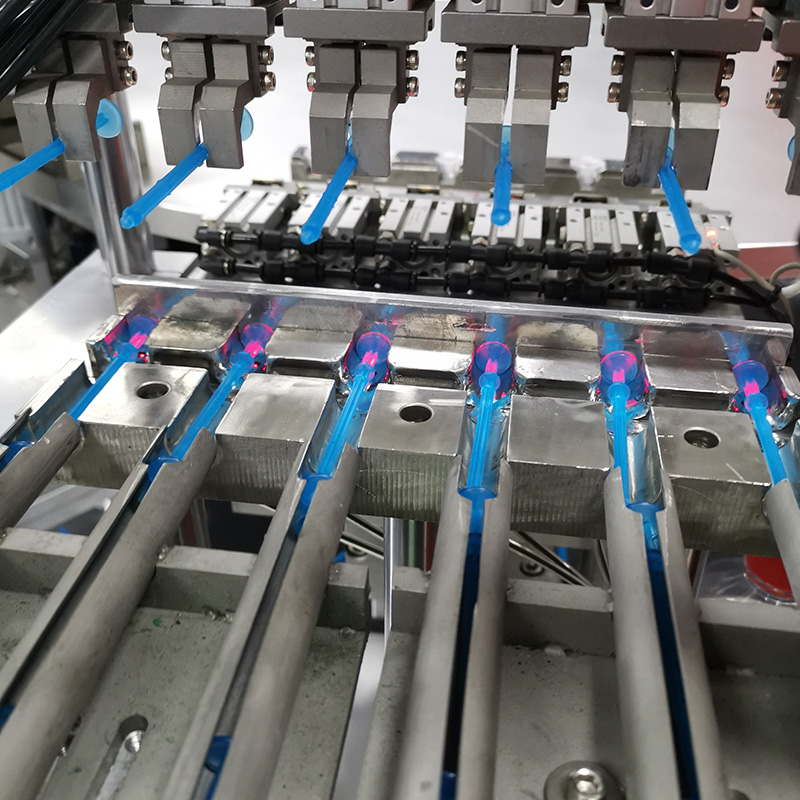
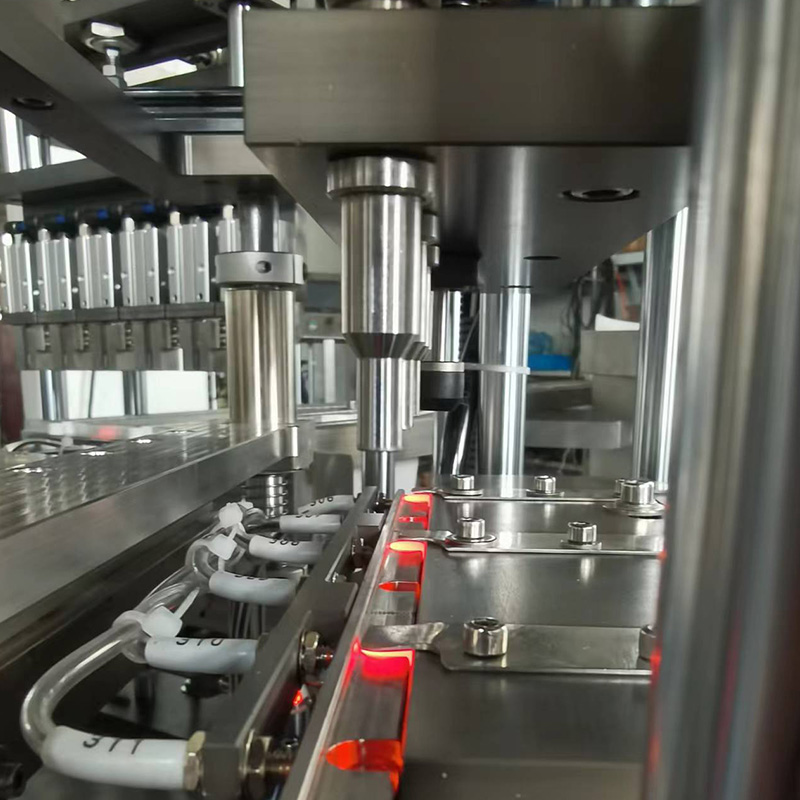
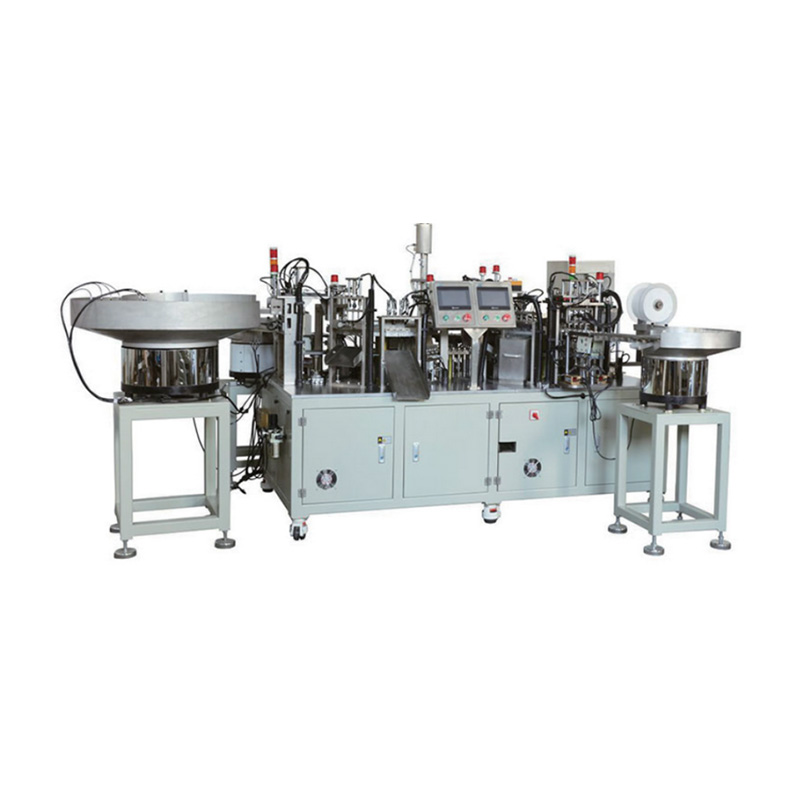
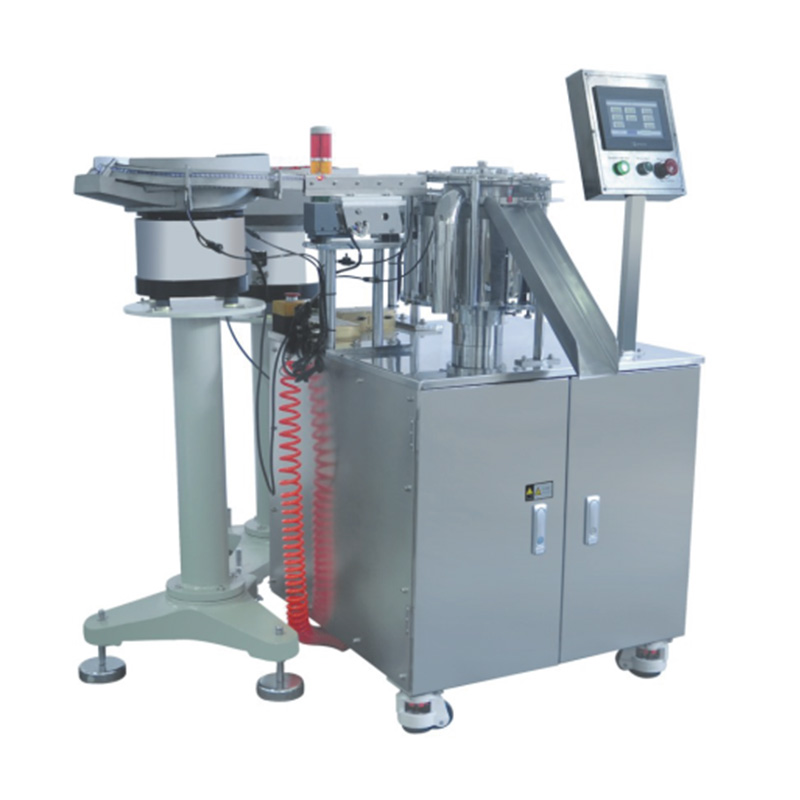
China Zhejiang Taizhou Ambe Trading Co., Ltd. is a manufacturer specializing in the production of medical equipment automation equipment.
Medical products rarely reach production in exactly the same form in which they appear on an early design drawing. A concept may change after engineers review the materials. A housing may be adjusted after users handle a prototype. A component may need a different shape when assembly begins.
These changes are part of product development. They also explain why Plastic Medical Equipment Manufacturers can have a role beyond making finished parts.

Plastic is used across many healthcare products. It can appear in device housings, handles, containers, covers, trays, disposable components, and supporting structures. Each application brings different expectations for appearance, handling, cleaning, assembly, and production.
When a manufacturer becomes involved earlier, its production experience can contribute to these decisions. The goal is not to take control of product design. It is to connect design ideas with realistic manufacturing considerations.
This approach can create a closer relationship between product developers and manufacturers. Instead of treating production as the final step, both sides can discuss how a medical product should be designed, produced, assembled, and prepared for use.
How Can Manufacturers Contribute During the Early Design Stage?
The early design stage is often where small decisions create larger effects later. A product shape may look simple on a drawing but become more difficult to manufacture once the details are reviewed.
Plastic Medical Equipment Manufacturers can provide practical feedback during this stage. They may look at the shape of a component, the way parts fit together, the expected production process, and the intended use of the finished product.
This does not mean that manufacturers need to redesign a medical device themselves. Their role can be more collaborative. They can point out areas that may require additional consideration before the design moves further toward production.
Early cooperation can focus on several areas:
- Part shape: Is the proposed form suitable for the intended production approach?
- Assembly: Can separate components be joined in a practical way?
- Material: Does the selected plastic fit the intended use?
- Surface: Will the finished appearance and texture suit the product?
- Handling: Is the component comfortable and practical for its intended user?
- Production: Can the design be produced consistently?
These conversations can reduce unnecessary changes later. They can also help product developers understand what is realistic before committing to a final design.
Why Does Material Selection Need Manufacturing Input?
Material selection is often discussed from the perspective of product performance. For medical products, that is important, but it is only part of the decision.
The chosen material also needs to work with the intended manufacturing process. A material may appear suitable during concept development but create challenges during production, assembly, cleaning, or finishing.
Plastic Medical Equipment Manufacturers work with different material options and production requirements. Their experience can help development teams compare practical choices.
The discussion may include:
| Development Concern | Manufacturer Input | Possible Product Development Benefit |
|---|---|---|
| Material Choice | Reviews whether the selected plastic suits the application | Helps align material and product requirements |
| Product Shape | Considers how the form can be manufactured | May reduce unnecessary design changes |
| Surface Finish | Discusses the desired appearance and handling | Helps connect appearance with production |
| Component Structure | Reviews separate parts and their relationship | May support simpler assembly |
| Product Use | Considers how the part will be handled | Helps designers consider real-world use |
| Production Process | Provides manufacturing feedback | Supports more practical development planning |
| Packaging | Considers the finished component during packing | Helps protect the product through later stages |
The manufacturer does not make the final decision on every material. Medical product developers still need to evaluate the application and relevant requirements. The value comes from bringing manufacturing experience into the conversation earlier.
Can Plastic Medical Equipment Manufacturers Improve Product Design?
Product design and manufacturing are closely connected. A shape that looks attractive may not always be convenient to produce. A component that seems easy to assemble may require extra handling during manufacturing.
Plastic manufacturing experience can help identify these situations. Manufacturers may suggest small changes to corners, surfaces, connection areas, or component layouts that make the production process more practical.
These changes do not have to alter the purpose of the product. Sometimes a small design adjustment can make a part easier to manufacture without changing how the user interacts with it.
The same principle applies to medical device housings. A housing may need to protect internal components while also giving users access to controls, displays, or connection points. The outer shape therefore needs to balance several requirements.
Manufacturers can contribute by discussing how the design may behave during production. Designers can then decide whether adjustments are appropriate for the finished product.
This exchange can be especially useful when a product contains many plastic components. Treating every part separately may miss opportunities to improve how the complete product fits together.
Where Can Manufacturers Add Value to Component Development?
Plastic medical products often contain numerous smaller parts. Some are visible. Others sit inside a larger device.
A manufacturer can add value by examining how these components relate to each other. A cover may need to align with a housing. A handle may need to connect securely to another section. A tray may need to fit into a larger structure.
Looking at the complete assembly can reveal opportunities that are difficult to see when each component is considered on its own.
Manufacturers may contribute in areas such as:
Component integration
Several functions may sometimes be incorporated into a more practical component structure.
Assembly planning
The connection between parts can be reviewed before production begins.
Part identification
Shapes, textures, or visual differences may help users distinguish related components.
Production consistency
Designs can be reviewed with attention to repeatable manufacturing.
Maintenance considerations
Where appropriate, component relationships can be designed around inspection or replacement needs.
The purpose is not to make every medical product simpler at any cost. Medical devices have specific requirements, and some products naturally need several separate components.
The useful question is whether the component structure supports the intended function and manufacturing process.
How Can Supplier Collaboration Influence Prototyping?
Prototypes give product teams a chance to see how a design behaves outside a digital model. A prototype can reveal issues with size, handling, assembly, appearance, or component placement.
Plastic Medical Equipment Manufacturers can support this stage by helping development teams move from concept to physical parts.
The prototype may not be identical to the final production component. Its purpose can be to answer practical questions before the design is finalized.
For example, a product team may want to understand whether a housing feels comfortable in the hand. Another team may want to check whether two components fit together naturally. A laboratory product may need a physical trial to assess how users interact with a container or holder.
Manufacturer involvement can make these discussions more productive because the supplier understands how the proposed design relates to production.
A useful development process can involve:
Concept → Design Review → Prototype → User Feedback → Design Adjustment → Production Planning
The process does not always move in a straight line. Feedback can send the design back to an earlier stage. That is normal in product development.
The benefit of supplier involvement is that manufacturing considerations can be discussed while these changes are still manageable.
What Role Can Manufacturers Play in User-Oriented Medical Product Design?
Medical products are used by people with different levels of experience. A trained healthcare professional may interact with a device differently from a patient using a product at home.
This makes user-oriented design important.
Plastic Medical Equipment Manufacturers can contribute to this discussion because plastic components often form the physical interface between the device and its user.
Handles, covers, buttons, containers, trays, and housings may all influence how a person interacts with a product. Their shape and surface can affect grip, identification, movement, and general handling.
Manufacturers can help product teams consider whether the proposed plastic structure is realistic to produce while still supporting the intended user experience.
For example, a home healthcare product may need a simple form that is easy to hold and understand. A clinical product may need surfaces that support routine cleaning and handling. A laboratory product may place greater attention on visibility and organization.
The product application should guide these decisions. There is no universal plastic design that fits every healthcare environment.
Could Manufacturers Help Connect Production With Packaging and Assembly?
Product development does not stop when a plastic component leaves the production line. The part may still need to be assembled, inspected, packaged, stored, and transported.
A design that works well during production can still create difficulties during later stages if these steps are not considered.
Plastic Medical Equipment Manufacturers can discuss how components should move through the wider production process. This can include questions about part identification, assembly order, handling, packaging, and storage.
For products containing multiple plastic components, these details can become especially important.
| Product Development Stage | Possible Manufacturer Contribution |
|---|---|
| Design | Review the proposed plastic component |
| Material Selection | Discuss suitable material options |
| Prototyping | Support physical development and testing |
| Component Production | Manufacture selected plastic parts |
| Assembly Planning | Review how components fit together |
| Inspection | Support checks of finished components |
| Packaging | Consider protection and identification needs |
| Production Adjustment | Provide feedback when design changes are needed |
This broader view can help prevent production and packaging from being treated as separate problems.
It can also support communication between different teams. Designers may focus on product function. Production teams may focus on manufacturing. Packaging teams may focus on protection. A supplier involved across several stages can help connect these perspectives.
Should Buyers Look Beyond Manufacturing Capacity?
When selecting Plastic Medical Equipment Manufacturers, production capability is naturally important. But buyers may also want to understand how the manufacturer participates in product development.
A supplier that can only produce a finished drawing may provide a different type of support from one that can discuss material selection, component design, prototypes, assembly, and production planning.
This does not mean every medical product needs extensive development support. A mature product with an established design may require a straightforward manufacturing relationship.
For products still under development, however, communication can have a larger role.
Buyers can consider questions such as:
- Can the manufacturer review a new plastic component?
- Can the supplier discuss material choices?
- Can the manufacturer support prototype development?
- Can the production team communicate with product designers?
- Can the supplier handle design changes during development?
- Can the manufacturer support different types of medical plastic components?
- Can the supplier explain potential production concerns clearly?
- Can the manufacturer provide consistent communication throughout development?
The answers can help buyers understand whether a supplier is suitable for the particular project.
The relationship between a medical device company and a plastic manufacturer can also evolve over time. A supplier may begin with one component and later become involved in additional parts as the product develops.
This can create a more connected development process. Design teams gain access to manufacturing knowledge. Manufacturers gain a clearer understanding of the product's purpose. Both sides can then discuss changes with the actual application in mind.
As Medical Plastic Products continue to appear across diagnostic equipment, patient monitoring devices, laboratory products, disposable products, home healthcare equipment, and medical storage solutions, the role of the manufacturer can extend beyond producing a shaped piece of plastic. Product development increasingly involves conversations about design, materials, user needs, assembly, packaging, and manufacturing at the same time.