
 English
 русский
 Español


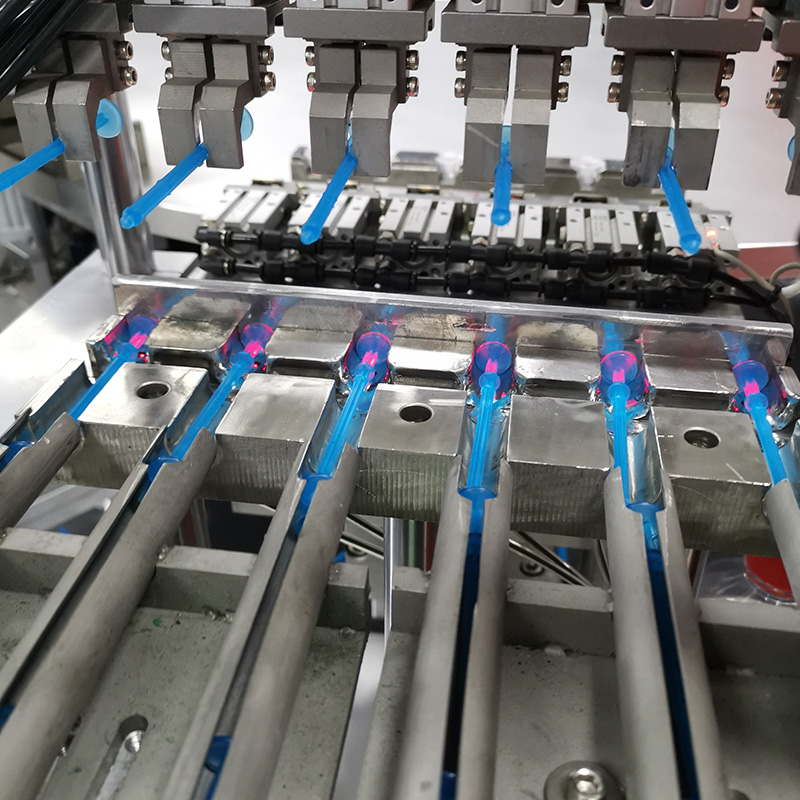
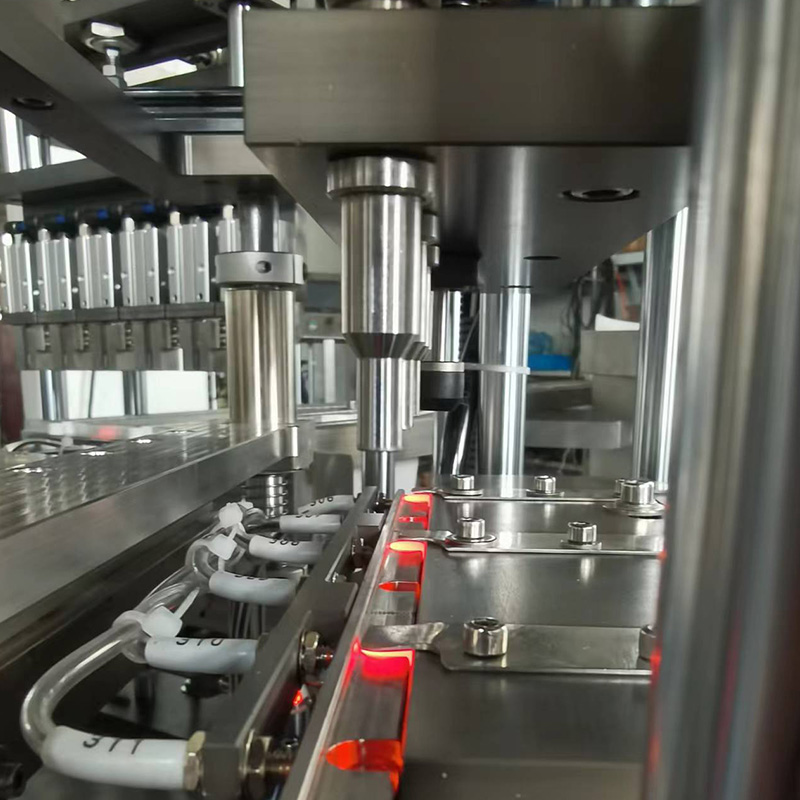
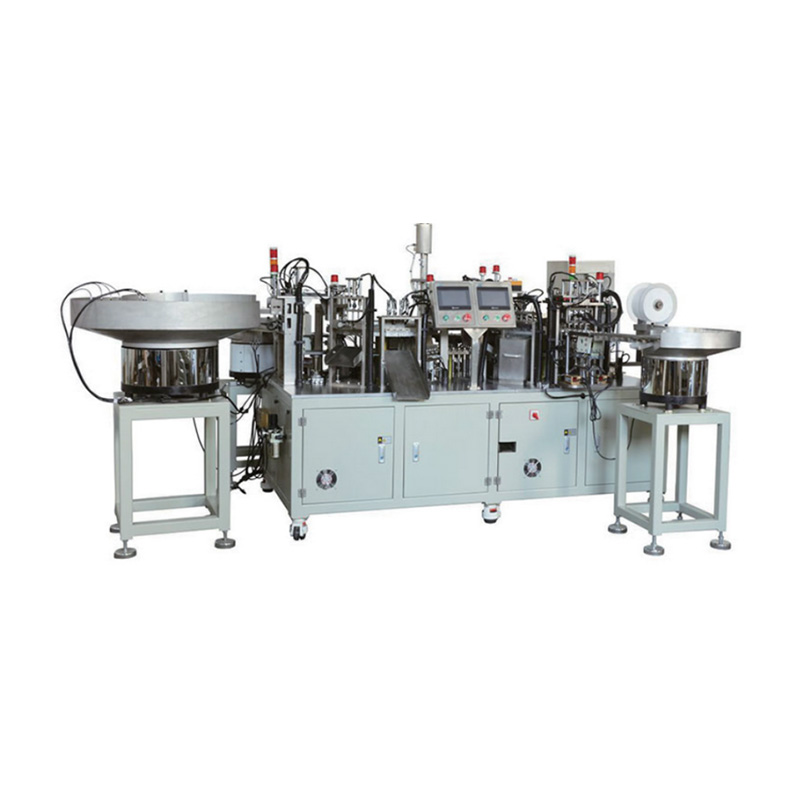
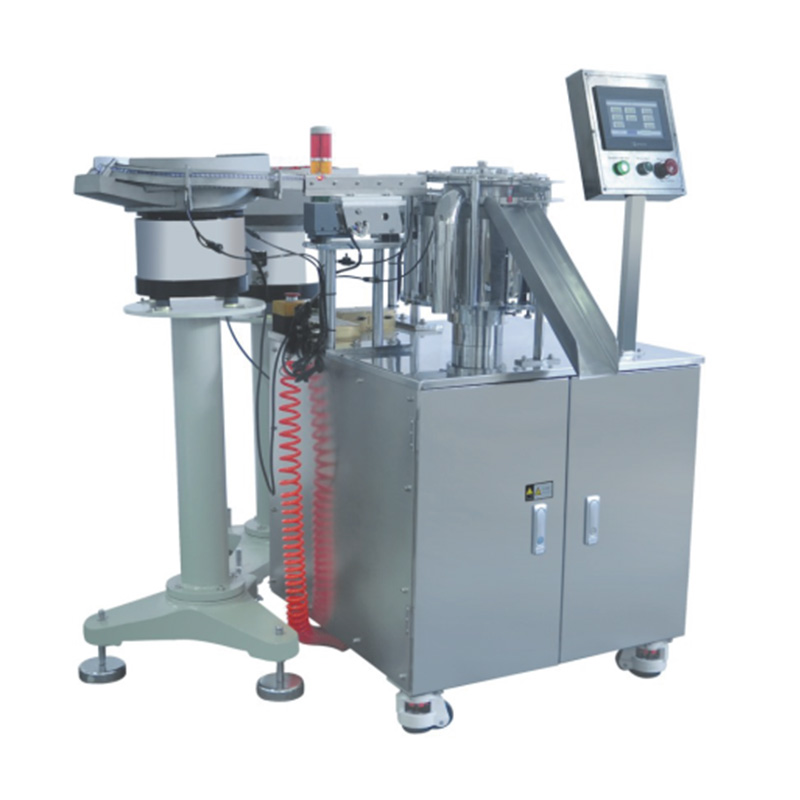
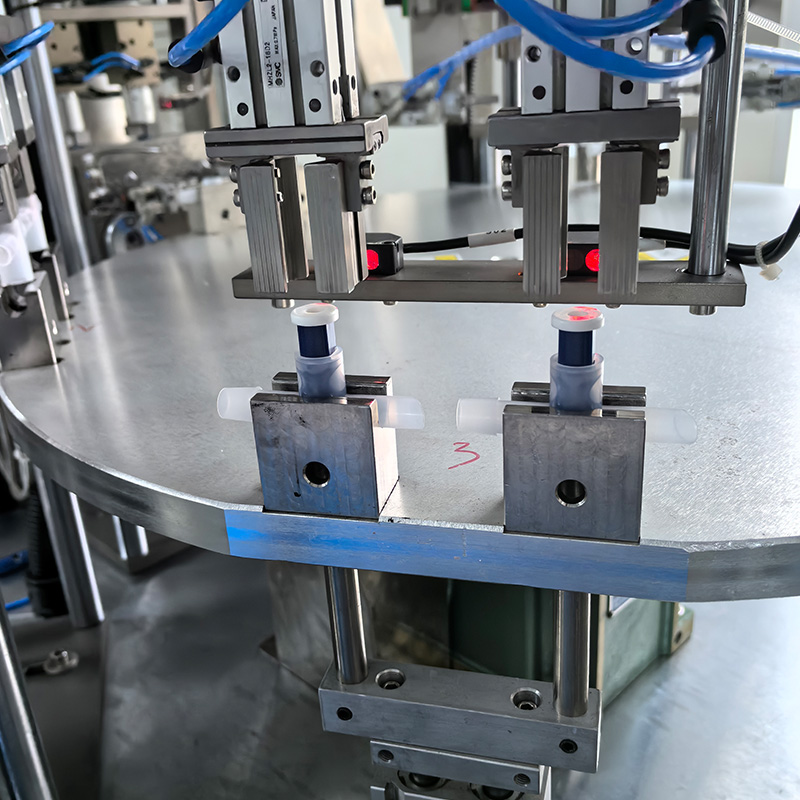
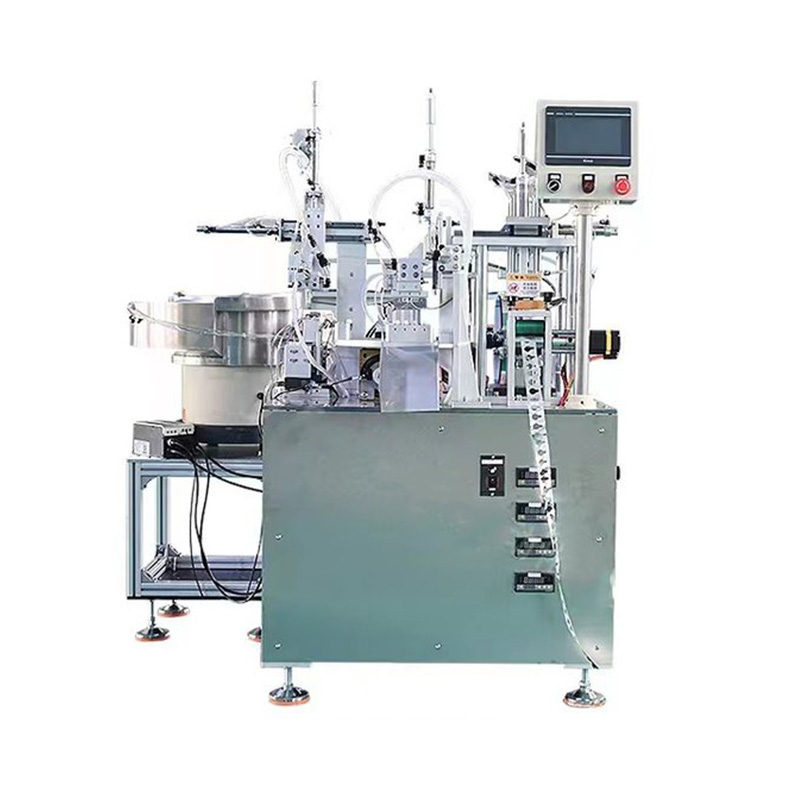
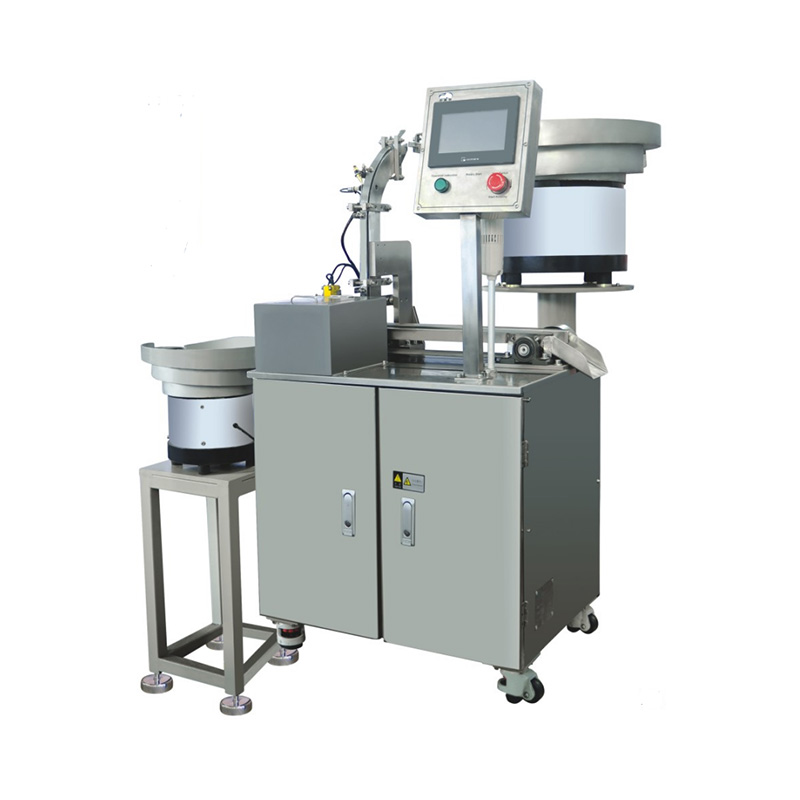
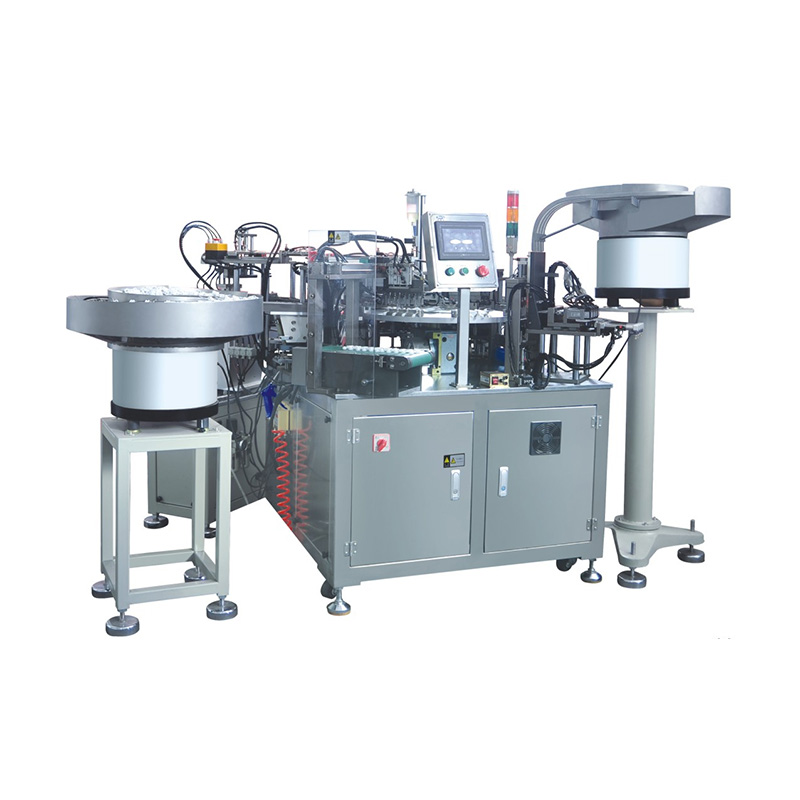
China Zhejiang Taizhou Ambe Trading Co., Ltd. is a manufacturer specializing in the production of medical equipment automation equipment.
Medical needles may look simple when they are finished. A narrow metal tube, a plastic hub, and a protective component can form a small product that is ready for use. Yet producing that product involves a series of careful assembly steps.
The challenge becomes more noticeable when medical needles are produced at scale. Each component needs to reach the correct position. The connection between parts needs to remain stable. The finished needle also needs to meet the requirements of its intended application.This is where an automatic needle assembly machine becomes part of the production process.
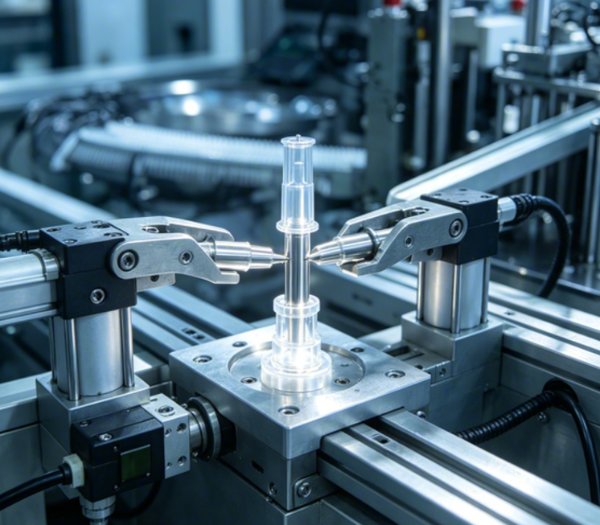
Instead of relying on workers to handle every assembly action by hand, an automatic machine organizes a sequence of movements. Components are supplied to the production area, positioned, assembled, checked, and transferred to the next stage.
The exact process can vary according to the needle product. A hypodermic needle may have different assembly needs from a blood collection needle or another medical needle. Still, many automatic systems follow a similar basic idea: prepare the components, bring them together in a controlled way, secure the connection, inspect the result, and move the finished product onward.
Automation is therefore not simply about making a machine move faster. It is about creating an organized production flow in which small components can be handled repeatedly and consistently.
What Components Need to Be Assembled Into a Medical Needle?
A medical needle is normally made from several parts rather than one single piece.
The needle tube forms the part that enters or contacts the intended application area. It needs to be positioned correctly during assembly. The hub provides a connection between the needle and another medical component. Depending on the product design, there may also be a protective cap or other supporting parts.
Each component has a different role.
| Component | General Role in Needle Assembly |
|---|---|
| Needle tube | Forms the main needle body |
| Needle hub | Connects the needle with another medical component |
| Protective cap | Helps protect the needle before use |
| Adhesive or bonding material | Helps secure selected components together |
| Supporting parts | May assist with handling, protection, or product connection |
The automatic assembly machine needs to recognize these parts as separate items before bringing them together.
This sounds straightforward, but small medical components can be difficult to handle. They may be lightweight, narrow, smooth, or easy to misplace. A production system therefore needs a controlled method for feeding and positioning them.
The machine does not simply pick up random parts and join them. Each component moves through an organized path. The system guides it toward the location where assembly will take place.
This organization helps reduce unnecessary manual handling and gives the production process a clearer structure.
How Does the Machine Feed Needle Components?
Before assembly can begin, the individual components need to reach the correct working position.
An automatic needle assembly machine usually includes a feeding arrangement for the different parts. The purpose is to separate, organize, and deliver components into the assembly process.
The needle tubes may enter through one feeding route. Hubs can follow another route. Protective components may be supplied separately. The machine then brings these parts together at the appropriate stage.
Feeding is important because poor component positioning can affect everything that follows.
If a needle tube arrives incorrectly, the assembly station may not be able to connect it properly. If a hub is not presented in the expected position, the machine may need to stop or reject the component.
The feeding process is therefore closely connected with production consistency.
A well-organized system can also reduce the amount of direct handling required from operators. Instead of repeatedly picking up small parts and placing them by hand, operators can focus more on machine operation, material supply, inspection, and production supervision.
Different medical needle products may require different feeding arrangements. The machine needs to reflect the shape, size, and assembly structure of the product being produced.
How Does the Machine Position the Needle and Hub?
Once the components have been fed into the system, they need to meet at the right location.
Positioning is one of the most important parts of automatic needle assembly. The needle tube and hub need to be aligned so they can form the intended connection.
The machine uses dedicated handling movements to guide the components. One part may be held in place while another is moved toward it. In other designs, both components may move toward a shared assembly point.
The important point is that the machine creates a repeatable positioning process.
This is especially useful for small medical products. A minor shift in position can affect how the parts connect. Manual assembly can also introduce differences between individual products because human movements naturally vary.
Automation provides a more organized alternative.
The positioning stage can include several actions:
- Component presentation
The needle and hub arrive at the assembly area. - Alignment
The machine places the parts in the intended relationship. - Insertion or joining
The needle is brought into the hub or another supporting component. - Holding
The parts remain in position while the connection is completed. - Transfer
The assembled product moves toward the next stage.
The exact movements depend on the design of the needle and the machine.
The goal remains the same. The components need to come together in a controlled and repeatable manner.
How Are the Needle Components Joined Together?
Positioning alone does not create a finished medical needle. The components also need to be secured.
Different needle designs can use different joining methods. Some products may rely on a bonding material to hold the needle and hub together. Other designs may use a mechanical connection or another assembly approach.
An automatic needle assembly machine can coordinate this part of the process.
If bonding is required, the machine may deliver the bonding material to a selected area before or during assembly. The needle and hub are then brought together. The machine holds the components while the connection develops.
The amount and location of bonding material need to match the product design. Too little may not provide the intended connection. Poor placement can also affect the finished product.
Automation can help control where the bonding action takes place. It can also reduce unnecessary handling after the components have been joined.
The machine may then allow the assembled product to remain in a controlled position before moving it onward.
This part of the process shows why a machine is more than a simple joining device. It coordinates several small actions that need to happen in the correct order.
The production system connects feeding, positioning, joining, holding, and inspection into one organized workflow.
How Does the Machine Check the Assembled Needle?
Assembly is not complete simply because two components have been brought together.
The finished product needs to be checked. An automatic needle assembly machine may include inspection functions that look for visible or assembly-related problems.
Inspection can focus on whether components are present and whether they appear to be positioned correctly. Depending on the machine design, it may also identify products that do not match the expected appearance.
Some systems use cameras or other sensing methods to examine products during production. This allows the machine to compare the assembled item with defined requirements.
The purpose is not necessarily to replace every form of quality control. Instead, automated inspection can provide an additional layer of checking within the production process.
| Inspection Area | What It May Check |
|---|---|
| Component presence | Whether the required parts are present |
| Component position | Whether parts appear correctly aligned |
| Assembly appearance | Whether the finished connection looks consistent |
| Surface condition | Whether visible issues are present |
| Product orientation | Whether the product is presented correctly |
| Final sorting | Whether products should continue or be separated |
Inspection is particularly useful because medical needle production involves many small components.
A worker may find it difficult to inspect every product in exactly the same way throughout a long production run. Automated inspection can create a more structured approach.
The rejected products can then be separated from the accepted production flow, depending on the design of the system.
How Does Automation Change Medical Needle Assembly?
Traditional manual assembly requires people to handle many small components. Operators may need to pick up parts, align them, join them, inspect them, and transfer them repeatedly.
Automation changes this workflow.
The machine takes over repeated handling movements while operators remain responsible for supervising the process and responding to production conditions.
This can make the workflow more organized. Material moves through defined stations rather than being transferred manually between separate work areas.
Automation can also help reduce variation caused by repeated manual movements.
| Manual Assembly | Automatic Assembly |
|---|---|
| Components handled directly by operators | Components move through organized feeding systems |
| Positioning depends heavily on manual handling | Positioning follows programmed machine movements |
| Inspection may require repeated visual checks | Automated inspection can support routine checking |
| Product transfer can involve several manual steps | Transfer can be incorporated into the production flow |
| Production supervision is spread across many tasks | Operators can focus more on machine and process supervision |
This does not mean that operators disappear from the production environment.
People still play an important role. They may prepare materials, monitor the machine, manage rejected products, perform inspections, and maintain the production system.
Automation changes the nature of the work rather than removing the need for human involvement.
For medical device production, this distinction matters. A machine can perform repetitive actions, but people remain responsible for process control and production management.
Can One Automatic Needle Assembly Machine Handle Different Medical Needles?
Not every medical needle has the same structure.
A hypodermic needle, blood collection needle, insulin needle, and butterfly needle can have different component combinations and assembly requirements.
Because of this, a machine should be considered in relation to the product it will manufacture.
Some systems are designed around a specific needle structure. Others may support different product configurations through changes in tooling, feeding arrangements, or assembly settings.
Product flexibility depends on the machine design.
A manufacturer considering an automatic assembly system may need to look at several questions:
- What type of needle will be assembled?
- How many components make up the finished product?
- How are those components connected?
- Does the product require bonding?
- Does the product include a protective component?
- What type of inspection is needed?
- Can the machine accommodate changes in product design?
- How easily can production be adjusted between compatible products?
These questions help connect the machine with the actual production requirement.
A machine designed around one simple assembly process may not be suitable for a product with a more complex structure. On the other hand, a flexible production system may be able to support several related needle products.
The important consideration is compatibility rather than simply the presence of automation.
How Does an Automatic Needle Assembly Machine Fit Into the Medical Production Process?
Needle assembly is rarely an isolated operation.
Before assembly, the individual components need to be produced, prepared, and supplied. After assembly, the finished needle may move to inspection, packaging, sterilization, storage, or another production stage depending on the product and manufacturing process.
The assembly machine sits between these stages.
A typical production flow can be viewed as:
Component Preparation → Feeding → Positioning → Assembly → Inspection → Transfer → Further Processing
Each stage has a different responsibility.
Component preparation ensures that the parts entering the machine are suitable for assembly. Feeding brings those parts into the production flow. Positioning creates the correct relationship between components. Assembly secures them together. Inspection identifies products that may not meet the expected requirements.
This structure allows manufacturers to view the automatic needle assembly machine as part of a wider production system.
Integration can also affect how efficiently the production area operates. If the feeding, assembly, inspection, and transfer stages are designed to work together, unnecessary movement can be reduced.
The machine can also provide a clearer production sequence for operators.
What Should Manufacturers Consider Before Using an Automatic Needle Assembly Machine?
Selecting a machine requires more than looking at the level of automation.
The product itself should remain the starting point.
Needle structure, component materials, assembly method, inspection requirements, and production workflow can all influence the suitability of a machine.
Maintenance should also be considered. Medical production equipment contains moving parts, feeding mechanisms, holding fixtures, and other components that require regular attention.
Easy access can make inspection and maintenance more manageable.
Material handling is another consideration. Small components need to move smoothly through the system. Poor feeding can create interruptions even when the main assembly mechanism works correctly.
Manufacturers may also need to consider future production needs. Medical products can change as product designs develop. A system that can accommodate compatible changes may provide more flexibility for long-term production planning.
A practical evaluation can focus on these areas:
- Product compatibility
Check whether the machine is designed around the needle structure being produced. - Component handling
Consider how needle tubes, hubs, caps, and other parts are fed and positioned. - Assembly method
Make sure the joining process matches the product design. - Inspection process
Understand how assembled products are checked during production. - Production integration
Consider how the machine connects with the processes before and after assembly. - Maintenance access
Look at how easily important working areas can be inspected and serviced. - Future flexibility
Consider whether the system can support compatible product changes.
An automatic needle assembly machine ultimately brings several production tasks into one coordinated process. It feeds small components, guides them into position, connects them, checks the assembled product, and transfers it to the next stage.
For medical needle manufacturing, that organized sequence can make a significant difference in how production is managed from one component to the next.