
 English
 русский
 Español


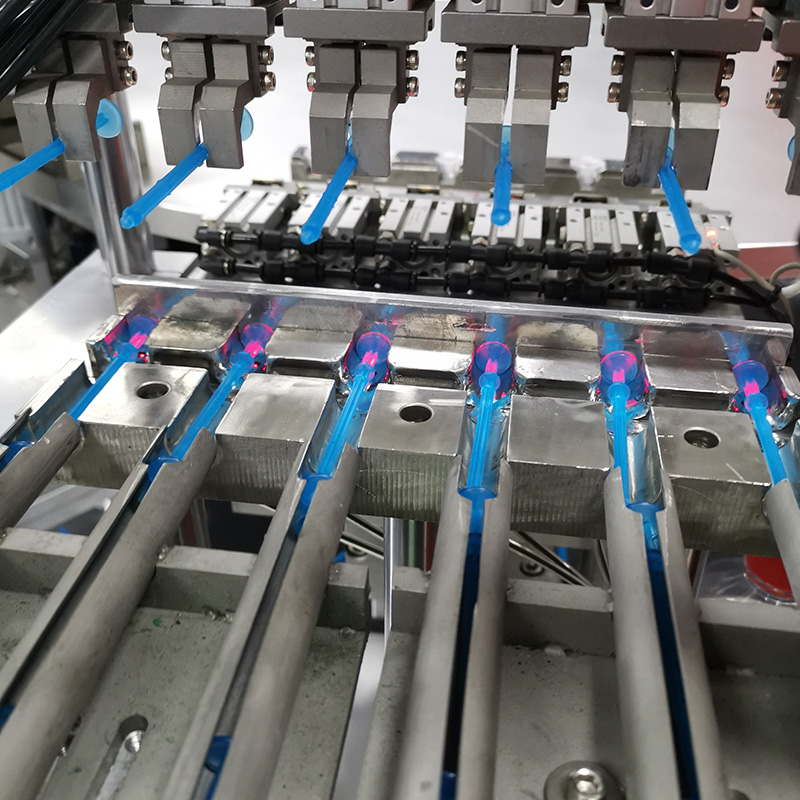
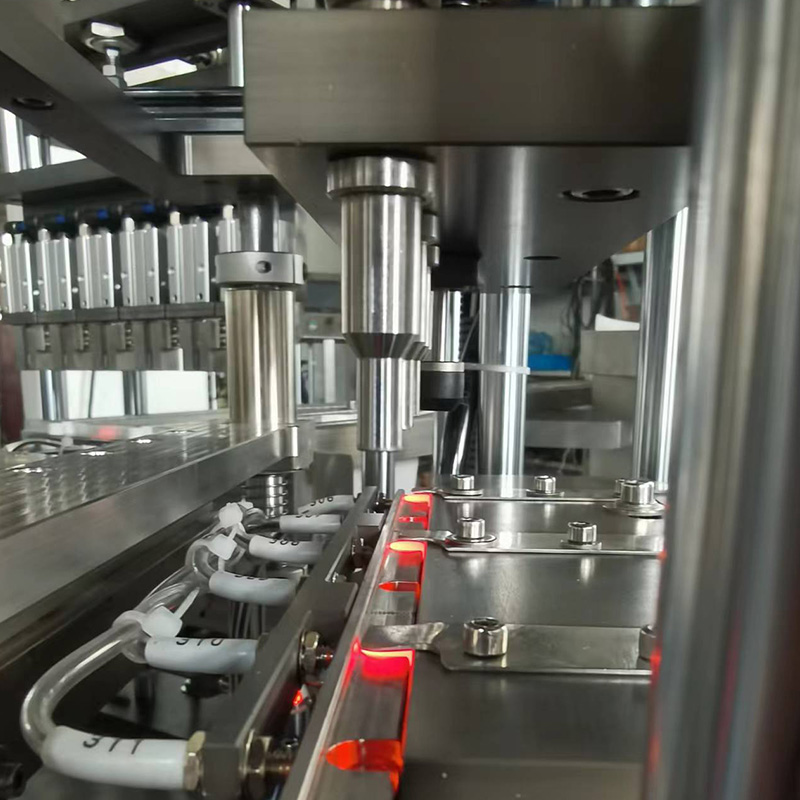
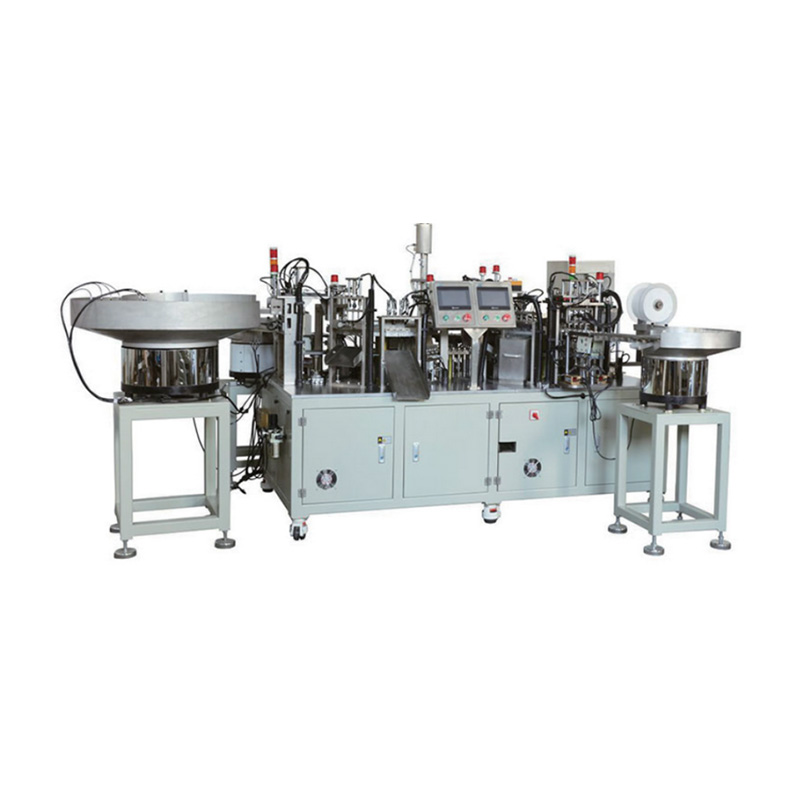
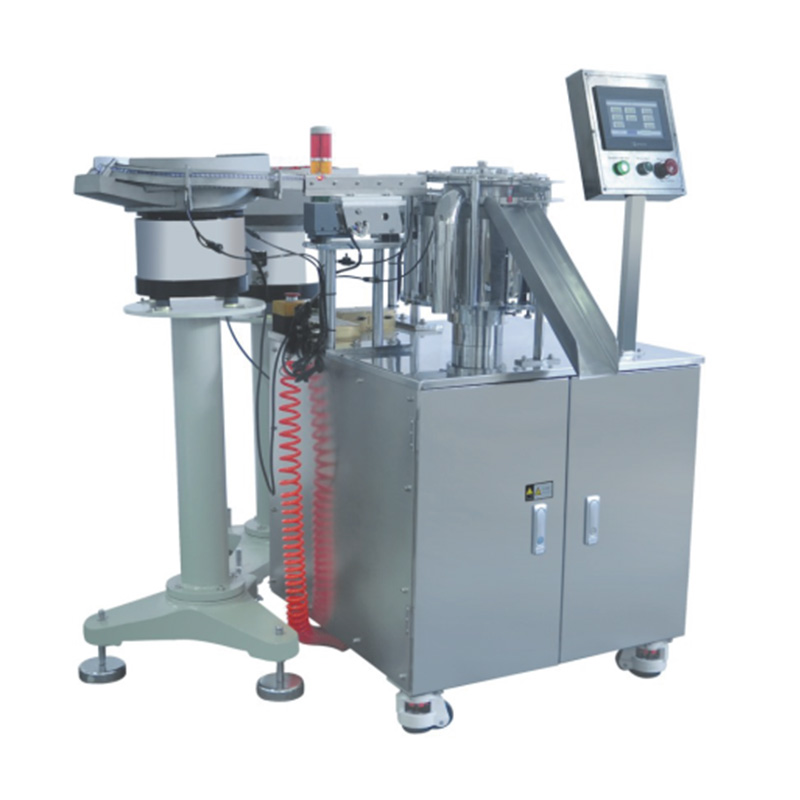
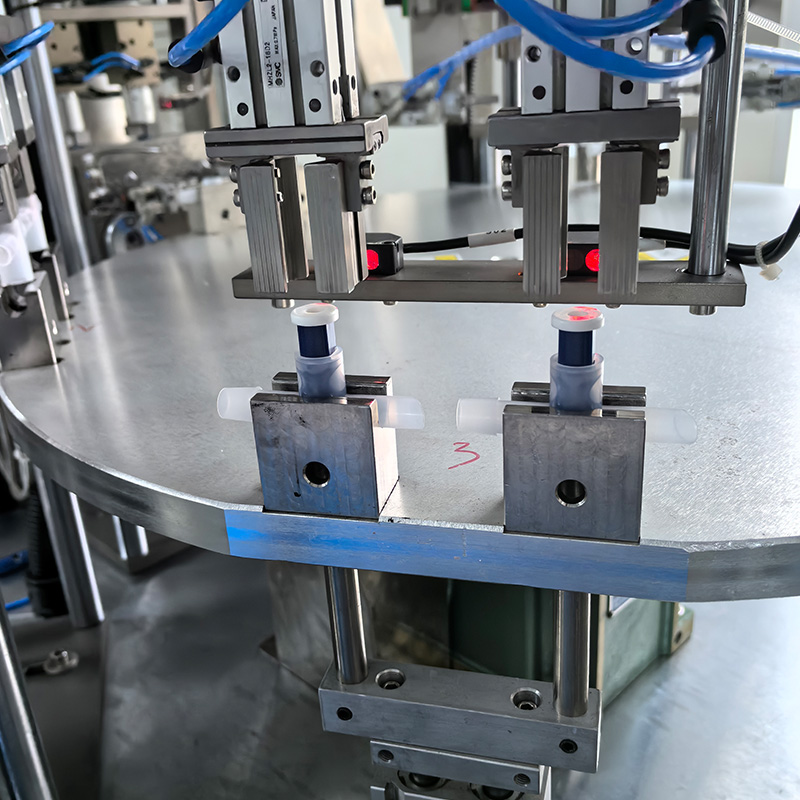
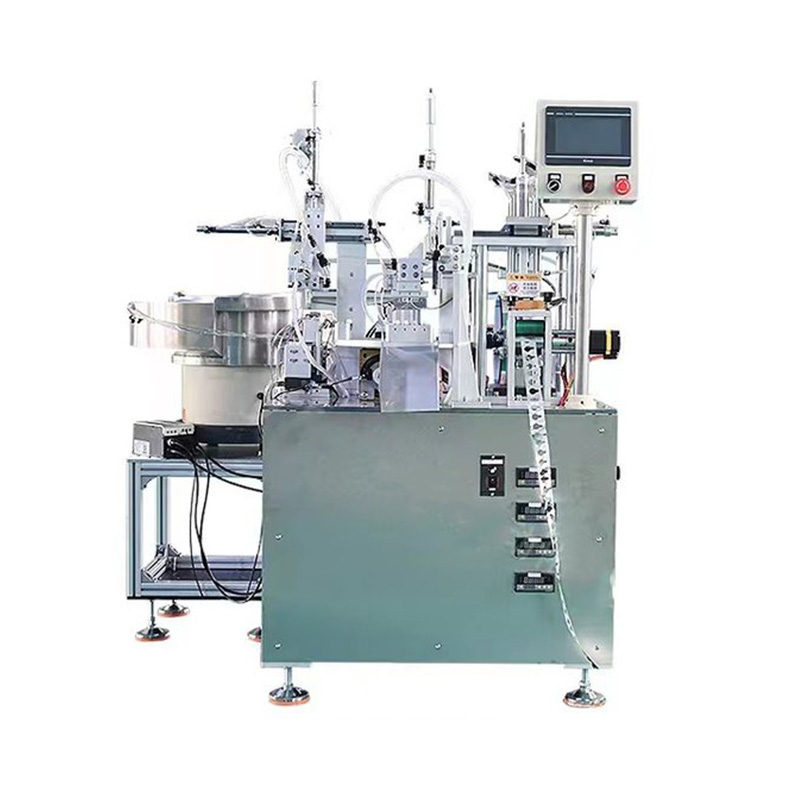
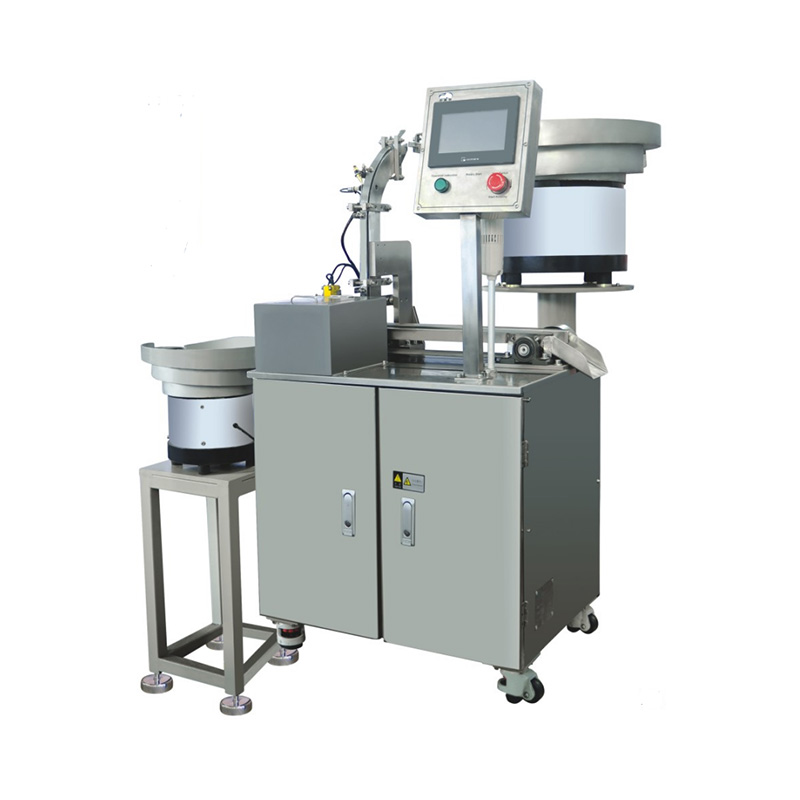
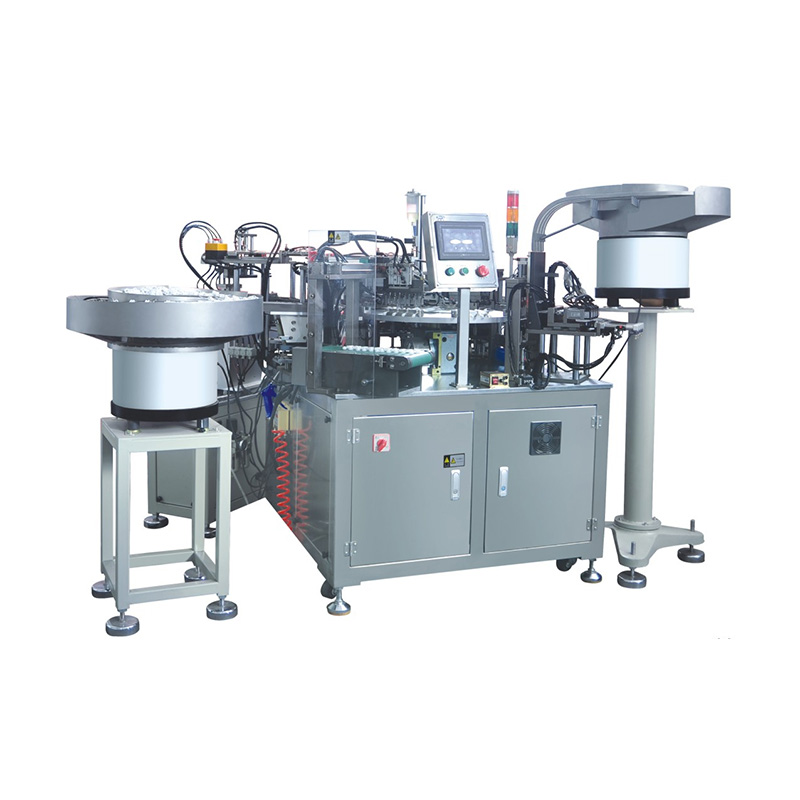
China Zhejiang Taizhou Ambe Trading Co., Ltd. is a manufacturer specializing in the production of medical equipment automation equipment.
Walk into a modern healthcare setting and plastic is easy to find. It may be part of a medical device, a protective housing, a disposable item, a storage container, or a small component hidden inside a larger product.
The growing use of Medical Plastic Products is closely connected with the changing needs of healthcare. Medical devices are becoming more varied. Some are designed for professional clinical environments. Others are intended for home use, patient monitoring, laboratory work, or routine care.

Plastic components can offer designers different ways to approach these applications. Their shape, weight, surface appearance, and manufacturing possibilities can be considered together with the purpose of the product.
This does not mean every medical application should use plastic. Material selection depends on the product, intended use, manufacturing process, cleaning requirements, and applicable safety considerations. Medical Products are one part of a much wider material landscape.
The interesting development is the diversity of applications. Plastic is no longer associated with only simple disposable products. It can appear in products with different forms, functions, and user requirements.
Why Are Medical Plastic Products Used Across So Many Medical Devices?
Medical devices can have very different purposes. A product used for patient care may have different requirements from a laboratory container or a device housing used in a clinical environment.
Plastic gives manufacturers room to develop different shapes and product structures. It can be formed into small components, larger housings, protective parts, containers, and other product elements.
This flexibility can also help manufacturers think about the relationship between the product and the person using it. A healthcare worker may need to hold, clean, move, store, or identify a device during a busy working day. A patient may interact with the same product in a completely different way.
Medical Products can therefore be considered from several perspectives:
- Product structure: Plastic can be used for housings, covers, containers, supports, and other components.
- User interaction: Shape and surface design can influence how a product is handled.
- Manufacturing needs: Plastic components can be designed around particular production processes.
- Product appearance: Color, transparency, and surface treatment can contribute to product identification.
- Application environment: The material needs to suit the conditions in which the medical product will be used.
The result is a broad range of applications rather than one fixed product category.
How Do Medical Plastic Products Support Different Types of Devices?
Medical devices often combine several components. Some may provide the main function, while others protect the internal parts, guide the user, or support handling.
Plastic can be used in many of these supporting roles. A device housing may protect internal components. A transparent part may allow users to observe what is happening inside a product. A molded component may provide a defined shape for a particular task.
Different medical applications can therefore have different relationships with plastic.
| Medical Application | Common Product Need | Possible Role of Medical Plastic Products |
|---|---|---|
| Diagnostic Devices | Organized and protective product structures | Can support housings, covers, and selected internal components |
| Patient Monitoring Equipment | Easy handling and clear product organization | May be used for external housings and supporting parts |
| Laboratory Products | Clean and organized sample handling | Can form containers, holders, and selected laboratory components |
| Medical Disposable Products | Practical single-use design | Can support a wide range of disposable product structures |
| Drug Delivery Devices | Controlled product handling | May be used in selected housings and component structures |
| Surgical Equipment | Easy identification and handling | Can support handles, covers, and selected accessory components |
| Home Healthcare Products | Simple operation and comfortable handling | May contribute to lightweight and user-oriented product designs |
| Medical Storage Products | Organized storage and protection | Can be used for containers, trays, holders, and related items |
This range also shows why the phrase Medical Products covers many different forms. A small molded component and a large device housing may both fall into the category while serving very different purposes.
Manufacturers need to consider the role of each part rather than treating plastic as a single solution.
Can Medical Plastic Products Improve the Way Medical Devices Are Designed?
Product design in healthcare involves more than function. The device also needs to make sense to the person who uses it.
A product that is difficult to hold can slow down a routine task. A confusing shape can make identification harder. A poorly organized housing can make cleaning or inspection less convenient.
Plastic can give designers freedom to explore different shapes and layouts. This can be useful when a product needs to fit comfortably into the hand, sit securely on a surface, or integrate several components into one housing.
Design teams may also consider how a device looks. In healthcare, appearance is not simply about decoration. Clear visual differences can help users distinguish between products or understand how a component should be handled.
Several design questions can guide development:
How will the product be held?
A comfortable form can make routine handling easier.
Where will the user look?
Important information and operating areas should be easy to identify.
How will the product be cleaned or maintained?
The physical design should reflect the intended care process.
What parts need protection?
External plastic structures can provide support for selected internal components.
What happens after use?
Product design may need to consider storage, disposal, reuse, or other handling requirements.
These questions connect plastic selection with actual healthcare use.
Where Are Medical Plastic Products Finding New Application Opportunities?
The application landscape is expanding because healthcare itself is becoming more diverse. Medical care takes place in hospitals, clinics, laboratories, homes, mobile settings, and specialized facilities.
Home healthcare is one area where product design can be especially important. Products used outside professional environments may need to be easier for non-specialist users to understand and handle.
Laboratory environments also rely on many plastic products. Containers, trays, holders, and other components can help organize routine work. The requirements differ from those of patient-facing devices, but the need for practical product design remains.
Portable medical products create another area of interest. A product that needs to move between rooms or locations may benefit from a compact and manageable structure.
This creates several application directions:
- Home healthcare: Products can focus on handling and straightforward operation.
- Clinical care: Components may support organized workflows.
- Laboratory work: Plastic products can help with sample handling and organization.
- Portable devices: Product structures may be designed around movement and storage.
- Diagnostic applications: Plastic housings and components can support device organization.
- Medical storage: Containers and trays can help keep products and supplies arranged.
The diversity of these settings means manufacturers need to think about the complete use environment.
Why Does Material Selection Matter for Medical Plastic Products?
Plastic is not a single material with identical characteristics. Different plastic materials can behave differently during production and use.
For medical products, the choice needs to reflect the purpose of the component. A product used for external handling may have different requirements from a component that comes into contact with a medical substance.
Manufacturers may need to consider cleaning methods, intended contact, appearance, strength requirements, manufacturing conditions, and applicable regulations.
The selection process can therefore involve several questions:
- What is the component intended to do?
- Will it contact a patient or medical substance?
- Will it be used once or repeatedly?
- How will it be cleaned or handled?
- Does the material fit the intended production process?
- Does the finished surface suit the application?
- Are there applicable healthcare requirements for the product?
These considerations can prevent material selection from becoming a simple cost decision.
The right material is the one that fits the intended application and the requirements surrounding it. A material that works well for one component may not be appropriate for another.
How Does Plastic Manufacturing Influence Medical Product Development?
Manufacturing and design are closely connected. A medical product may look simple from the outside, but its production can involve several stages and careful coordination.
Plastic manufacturing allows designers to consider shape and production together. A component can be developed with attention to how it will be formed, assembled, inspected, and handled after production.
This can influence product development from an early stage. Designers may adjust shapes to simplify assembly or combine selected functions into a single component where appropriate.
Such decisions can also affect production consistency. When a design is easier to manufacture, workers may have a clearer production process to follow.
At the same time, medical products require careful control. Manufacturers need suitable production environments and quality practices that match the intended application.
For buyers, this makes supplier communication important. A supplier should understand the intended medical application rather than only the requested shape or quantity.
Could Medical Plastic Products Support More User-Friendly Healthcare Devices?
Healthcare products are used by many types of people. Doctors, nurses, technicians, caregivers, patients, and family members may interact with medical products in different ways.
This makes usability an important part of product development. A device may perform its intended task, but its design can still influence how easily people use it.
Plastic can contribute to this area through shape, weight, texture, transparency, and visual design. A handle can be shaped for easier grip. A housing can be organized around the user's natural hand position. A transparent section can help users see a particular area of a product.
The goal is not simply to make a product look modern. The design needs to respond to the actual situation in which the product is used.
For example, home healthcare products may need clearer controls and simple handling. Hospital products may need to fit busy work environments. Laboratory products may prioritize organization and visibility.
These differences show why user needs should remain part of the material and product discussion.
What Should Manufacturers Consider When Developing Medical Plastic Products?
Medical plastic manufacturing requires cooperation between product designers, material specialists, production teams, and healthcare-related stakeholders.
The development process can begin with a clear understanding of the intended use. Once the purpose is defined, Medical Plastic Products Manufacturers can consider material choice, product shape, production method, assembly, inspection, packaging, and handling.
A practical development checklist can include:
| Development Area | Question to Consider |
|---|---|
| Intended Use | What task will the medical product perform? |
| User Group | Who will handle or interact with it? |
| Material | Is the selected plastic appropriate for the intended application? |
| Product Design | Does the shape support practical handling and use? |
| Manufacturing | Can the design be produced consistently? |
| Assembly | Can different components be joined in a suitable way? |
| Cleaning and Handling | Does the product fit its expected care routine? |
| Packaging | Can the finished product be protected and identified properly? |
| Supplier Capability | Can the supplier support the specific development requirements? |
Manufacturers may also need to consider how the product will change throughout its life cycle. A component can look suitable during design but behave differently during production, assembly, storage, or use.
This is why early communication can save time later. When manufacturers and suppliers discuss the application clearly, they can identify potential concerns before production becomes more complex.
As healthcare products continue to diversify, Medical Plastic Products are becoming part of a wider design conversation. Their role can range from simple supporting components to carefully designed structures within medical devices. The important question is not whether plastic should be used everywhere. It is whether the selected material, design, manufacturing process, and intended use work together for the specific healthcare application.