
 English
 русский
 Español


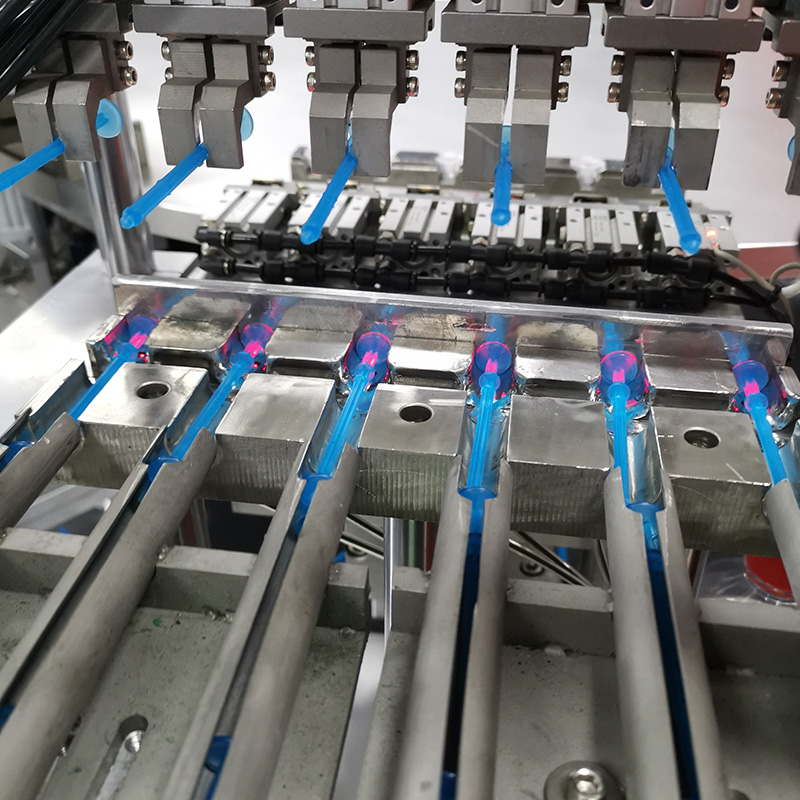
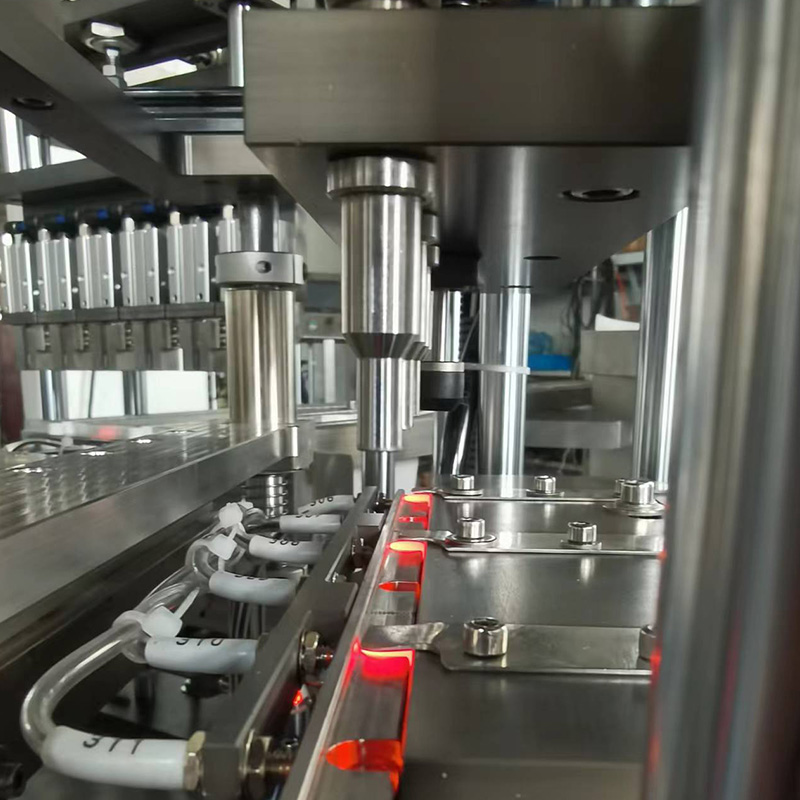
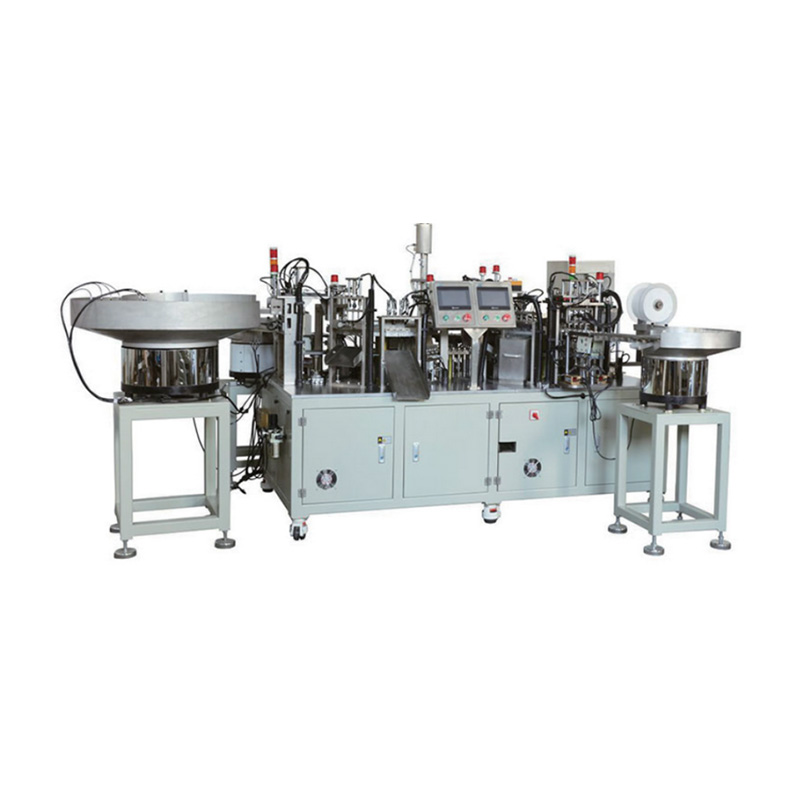
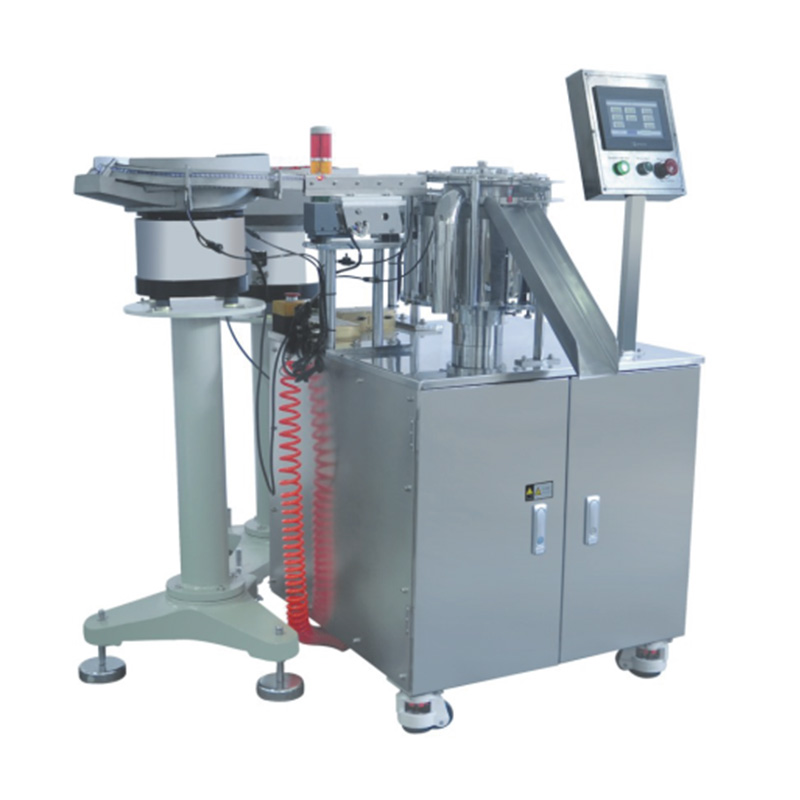
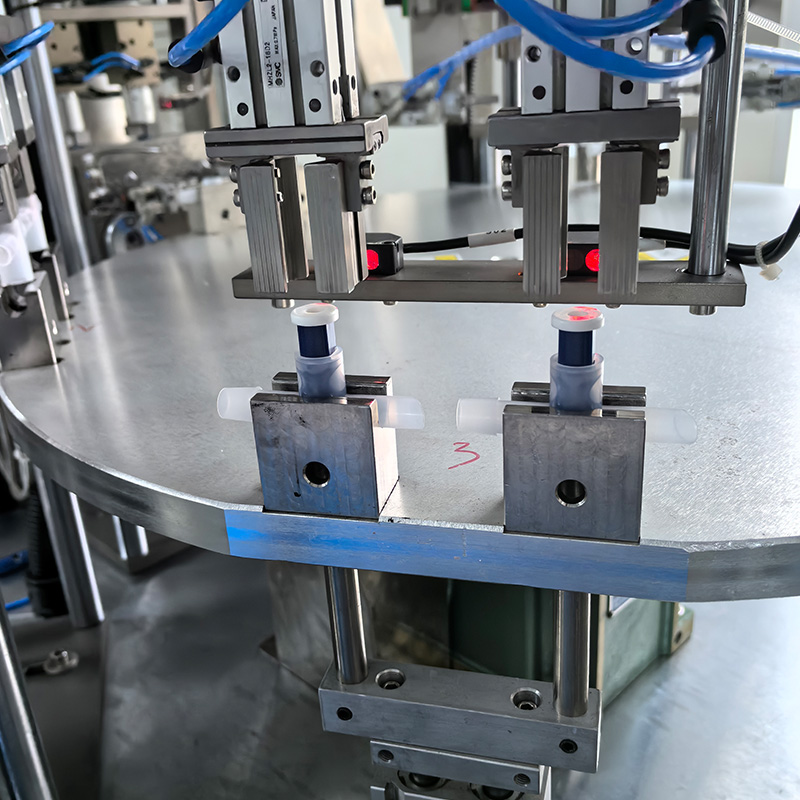
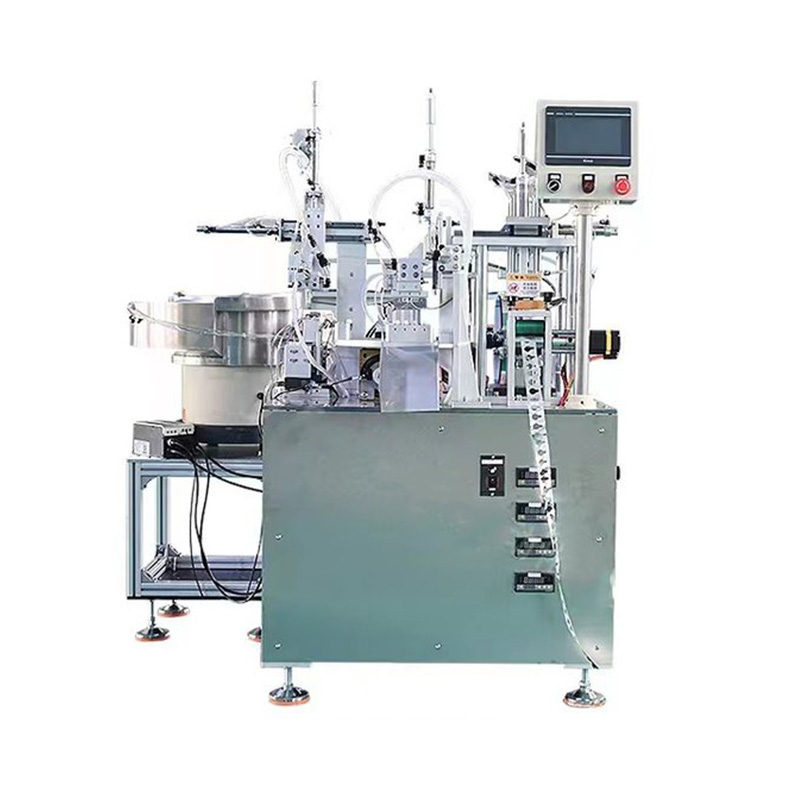
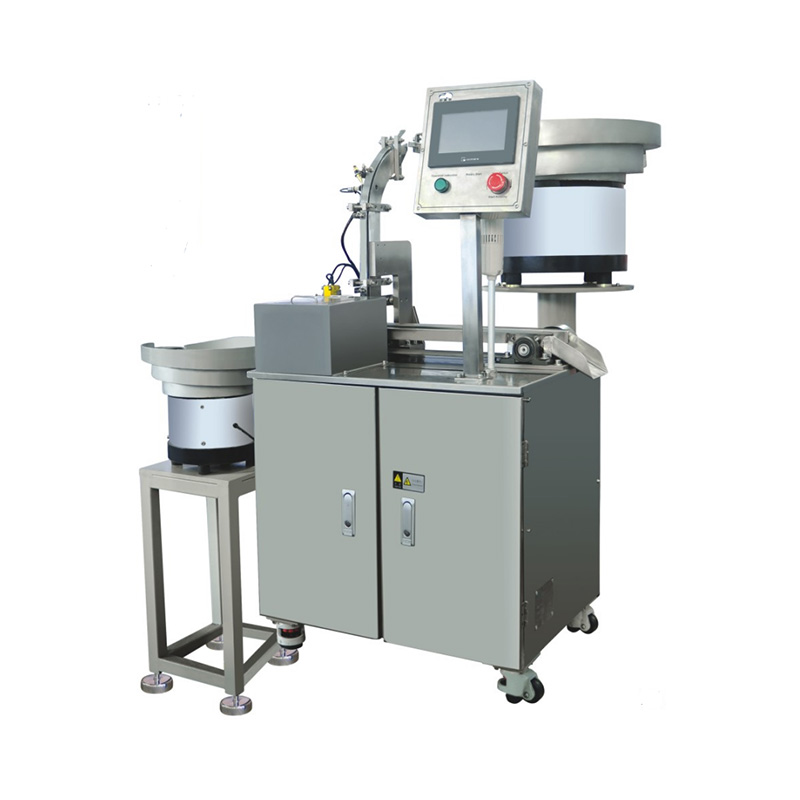
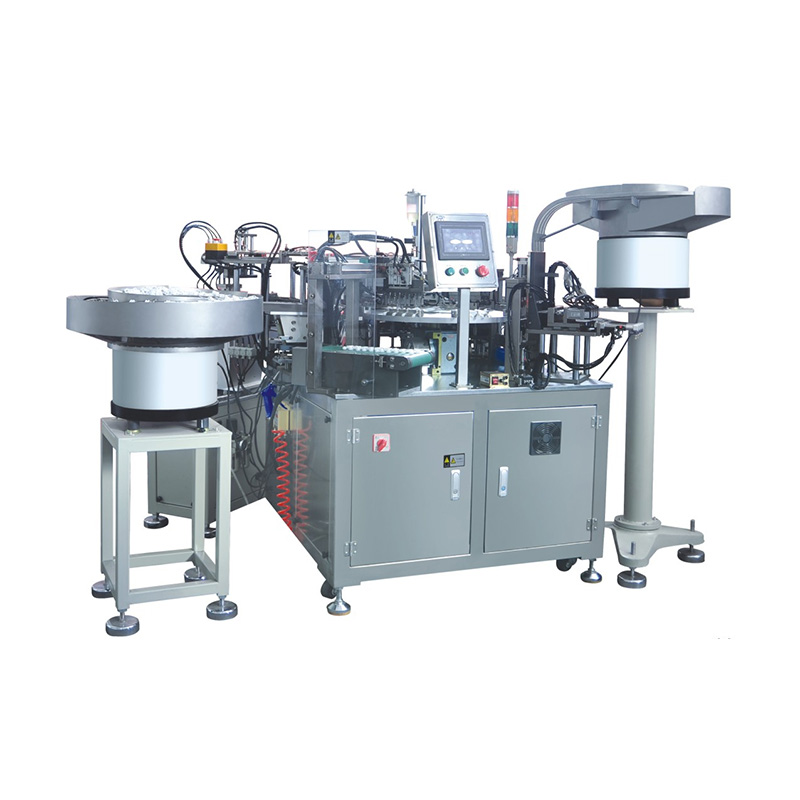
China Zhejiang Taizhou Ambe Trading Co., Ltd. is a manufacturer specializing in the production of medical equipment automation equipment.
The medical device industry keeps pushing to improve production efficiency, product consistency, and overall manufacturing control. As healthcare demand keeps climbing, manufacturers keep exploring more automated solutions to support disposable medical product production. Among those solutions, automatic system for infusion set assembly have genuinely become a core part of modern medical device manufacturing.
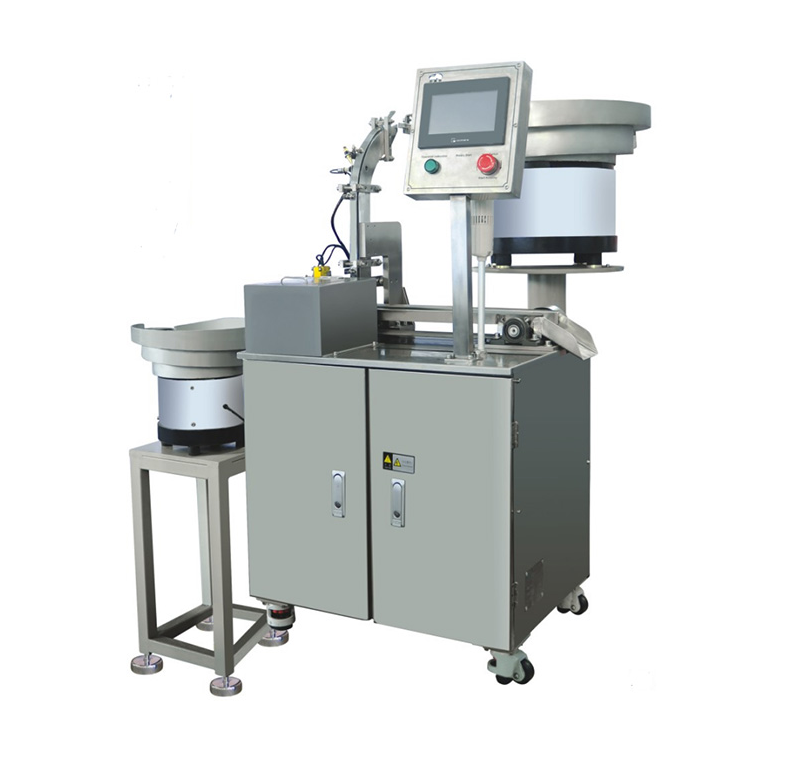
Infusion sets show up all over healthcare settings, and their production genuinely involves multiple assembly steps that need careful handling and stable processes. Automatic assembly systems help manufacturers organize those steps a lot more efficiently while keeping product quality genuinely consistent.
These systems aren't tied to just one kind of facility, either. They show up across different medical device production environments wherever reliable assembly processes are genuinely needed — from large manufacturing plants down to specialized medical equipment factories, helping build smoother workflows along the way.
What Are Automatic Infusion Set Assembly Systems Used For?
Automatic infusion set assembly systems are built to support the manufacturing process behind infusion sets, helping complete different assembly tasks through genuinely organized production operations.
Traditional manual assembly tends to lean heavily on labor and can vary a lot depending on how each worker handles the process. Automated systems cut down on that variation by creating a genuinely more controlled production environment.
These systems typically show up in:
| Production Area | Role of Automatic Assembly Systems |
|---|---|
| Infusion set manufacturing | Support organized assembly processes |
| Disposable medical product production | Improve workflow management |
| Medical device factories | Assist with consistent manufacturing operations |
| Healthcare product supply chains | Support stable production capacity |
Automation here isn't really about replacing manual work outright. It's about helping manufacturers build a genuinely more efficient production structure — supporting repeated tasks, improving workflow coordination, and helping production teams keep pace with growing market demand.
How Are Automatic Infusion Set Assembly Systems Used in Medical Device Factories?
Medical device factories genuinely need production solutions that can handle repeated assembly tasks while keeping operations stable throughout. Automatic infusion set assembly systems support that by organizing the different stages of production.
Within a manufacturing setting, these systems can help with component handling, product assembly, and overall production flow management. The automated process genuinely helps build a more organized workplace overall.
A lot of medical device factories lean on these systems because infusion set production genuinely demands attention to detail — small differences during assembly can genuinely affect the final product experience, and automation helps cut down on that unnecessary variation.
Using automatic assembly systems can genuinely help factories achieve:
- More organized production workflows
- Better coordination between different manufacturing steps
- Reduced dependence on manual repetitive operations
- Easier production management
Medical device production usually comes with strict cleanliness and consistency requirements built in. Automated equipment supports those needs by building a genuinely structured production environment from the ground up.
Why Are Automatic Infusion Set Assembly Systems Important for Disposable Medical Products?
Disposable medical products play a genuinely important role across healthcare services. Infusion sets show up constantly in hospitals, clinics, and other medical settings, and reliable supply genuinely demands efficient production processes behind the scenes.
Automatic infusion set assembly systems help manufacturers keep pace with that demand, letting production teams manage larger workflows while keeping assembly activities genuinely organized.
Disposable medical products usually involve multiple components, and managing all those parts manually genuinely takes a lot of effort. Automated systems help coordinate the assembly process and ease the challenges that come with repeated handling.
| Manufacturing Need | How Automation Provides Support |
|---|---|
| Stable production flow | Helps organize repeated assembly activities |
| Product consistency | Supports similar production procedures |
| Manufacturing efficiency | Reduces delays in workflow organization |
| Process management | Makes production easier to monitor |
As healthcare industries keep developing, manufacturers keep hunting for solutions that sharpen production management. Automatic assembly systems genuinely support companies producing disposable medical equipment along the way.
Where Are Automatic Infusion Set Assembly Systems Commonly Installed?
Automatic infusion set assembly systems show up across a range of medical device production environments, with the specifics depending on each manufacturer's production goals and product requirements.
Medical device manufacturing plants
Large production facilities often lean on automated systems to keep continuous manufacturing activities running smoothly. These environments genuinely need organized workflows to manage regular production schedules.
Disposable medical product factories
Factories producing disposable healthcare products may use automatic assembly systems to sharpen production organization, helping manage repeated assembly operations while keeping manufacturing stable.
Specialized healthcare equipment facilities
Some manufacturers focus specifically on particular medical products. Automatic infusion set assembly systems help these facilities build out a dedicated production line just for infusion-related products.
Contract medical manufacturing facilities
Contract manufacturers produce medical products for a lot of different companies at once. Automation gives them the flexibility to support varied production needs while still keeping operations genuinely organized.
The wide reach of these systems really shows how automation has become woven into modern medical device manufacturing. Different facilities apply these solutions in genuinely different ways depending on what their production actually calls for.
How Do Automatic Infusion Set Assembly Systems Support Production Efficiency?
Efficiency genuinely matters a lot in medical device manufacturing. Companies need production methods that manage time, resources, and workflow organization all at once.
Automatic infusion set assembly systems support that efficiency by tightening the connection between different production activities. Rather than leaning on separate manual steps, automated systems help build a genuinely smoother overall process.
A more organized workflow can bring:
- Easier production planning
- Better use of manufacturing space
- Improved coordination between assembly stages
- More convenient production management
Automation also frees up workers to focus on tasks that genuinely require more attention and judgment, striking a solid balance between human skill and machine support.
For medical device manufacturers, efficiency isn't just about churning out more product, either. It's about building a genuinely reliable manufacturing environment that supports the business over the long haul.
What Factors Influence the Adoption of Automatic Infusion Set Assembly Systems?
Different manufacturers land on automation for genuinely different reasons. The decision usually comes down to production scale, product type, and where the company plans to head next.
Production requirements
Manufacturers need to weigh their current production needs alongside expected growth. A suitable system should genuinely match the company's workflow and manufacturing goals.
Product characteristics
Infusion sets involve different components that need careful assembly, so manufacturers need systems built around the actual characteristics of their products.
Factory conditions
Available production space, workflow design, and overall management approach genuinely shape how automation gets introduced on the floor.
Long-term planning
Automation usually factors into a company's broader manufacturing roadmap. Companies tend to pick systems that support continuous improvement and flexible production down the line.
Understanding these factors genuinely helps manufacturers make sharper decisions. Automation should really fit actual production circumstances rather than just chase whatever's trending in the industry.
How Are Automatic Infusion Set Assembly Systems Changing Medical Manufacturing?
Automation is genuinely reshaping how medical devices get produced. The whole focus keeps shifting away from traditional manual operations toward more organized, technology-supported manufacturing methods.
Automatic infusion set assembly systems really embody this shift — helping manufacturers sharpen production structures while still keeping close attention on product consistency and workflow management.
Modern medical device production genuinely demands flexibility. Healthcare markets keep changing, and manufacturers need systems that can adapt to whatever production demands come next.
Automation opens up:
- More structured manufacturing processes
- Better production coordination
- Improved resource management
- More flexible production planning
The rise of automatic assembly systems also reflects a much wider shift across the medical device industry — manufacturers are genuinely exploring ways to pair efficient production with careful quality management.
What Should Manufacturers Consider Before Using Automatic Infusion Set Assembly Systems?
Before bringing in an automatic infusion set assembly system, manufacturers genuinely need to evaluate their production environment carefully. A successful automation rollout comes down to proper preparation and genuinely practical planning.
Worth considering:
- Understanding current production challenges
- Reviewing existing workflow arrangements
- Training production staff to work with new systems
- Creating suitable maintenance plans
- Evaluating future production needs
Automation genuinely works best when it's woven into a complete manufacturing strategy — equipment selection, workplace organization, and employee cooperation all shape the final outcome together.
As medical device manufacturing keeps developing, automatic infusion set assembly systems will remain a genuinely important tool for companies chasing more organized, efficient production methods. Their spread across so many different manufacturing environments really shows how automation is helping shape the future of healthcare product production.