
 English
 русский
 Español


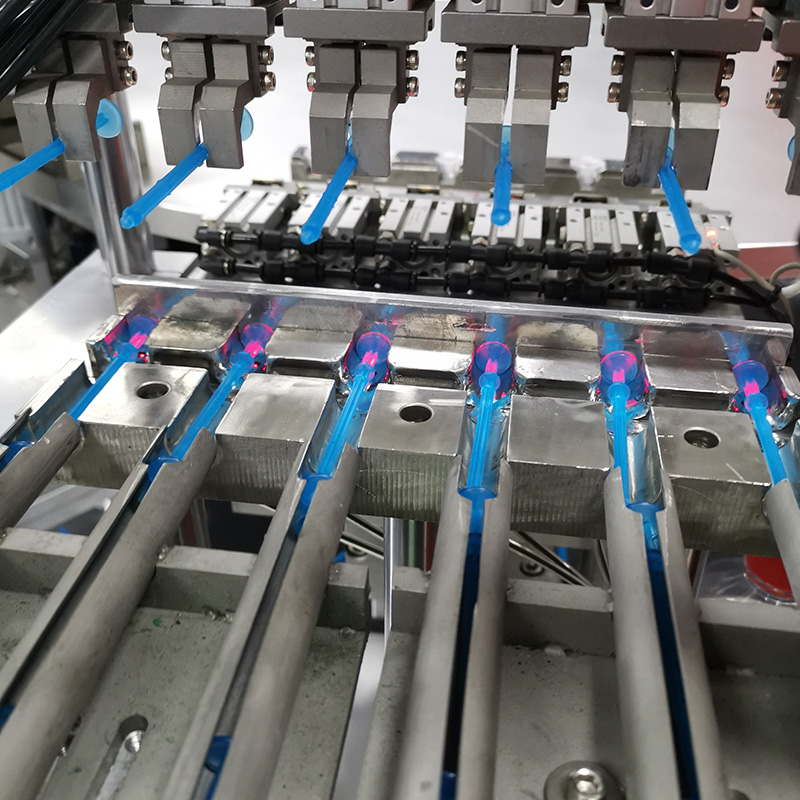
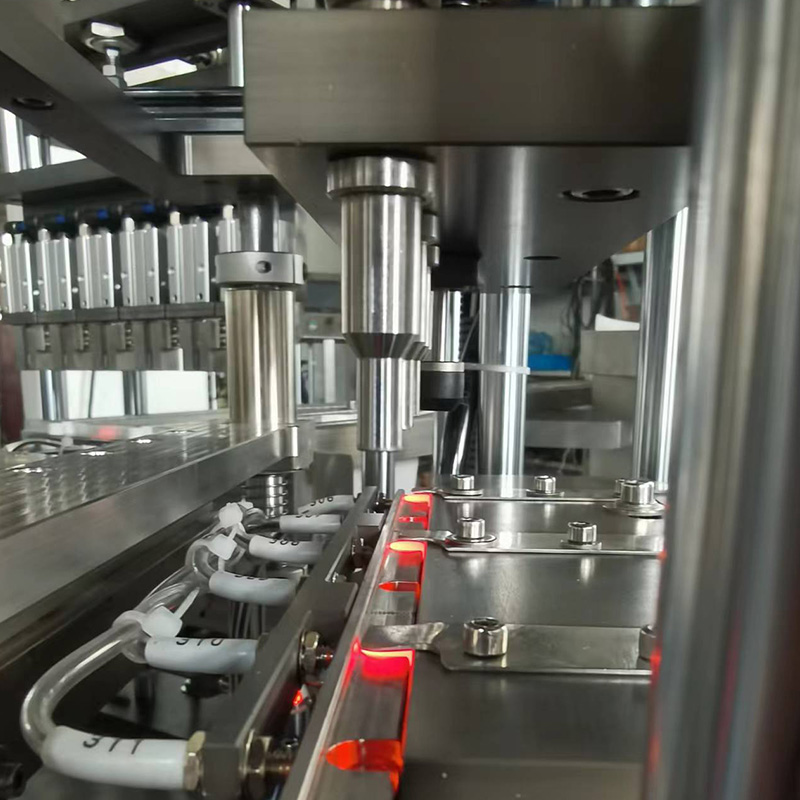
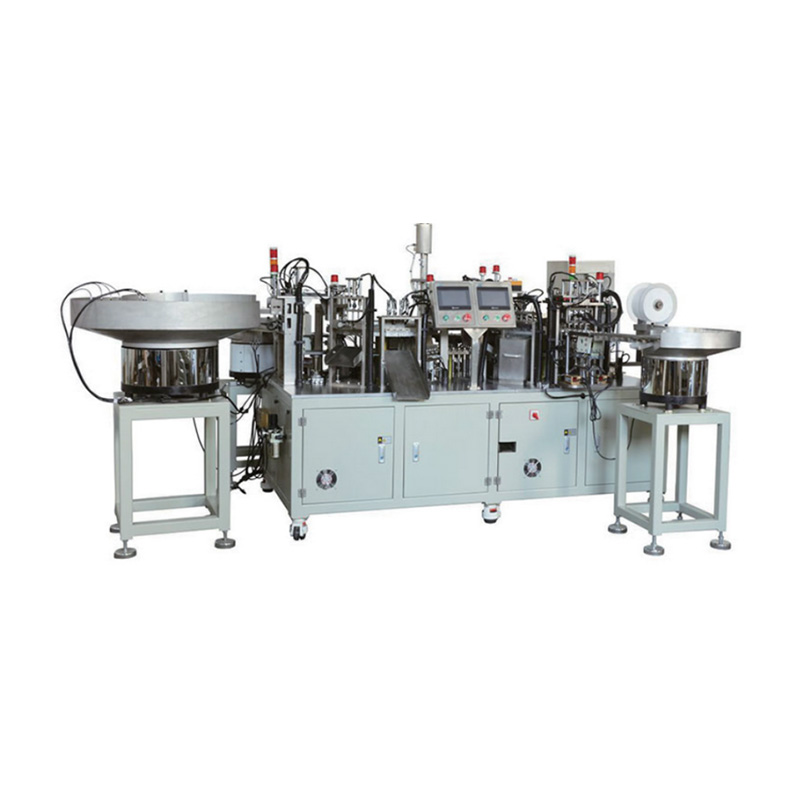
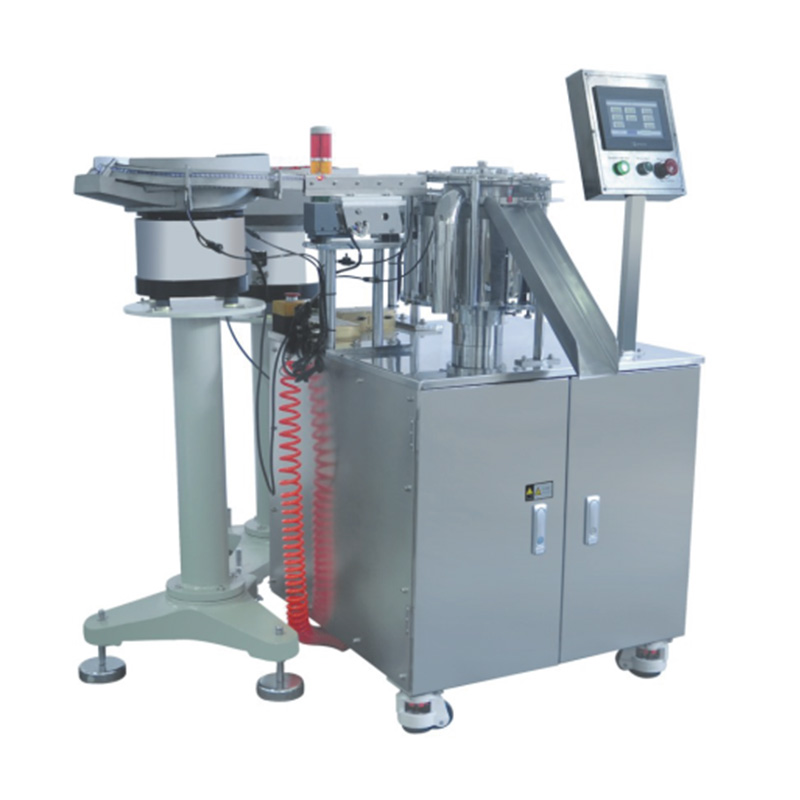
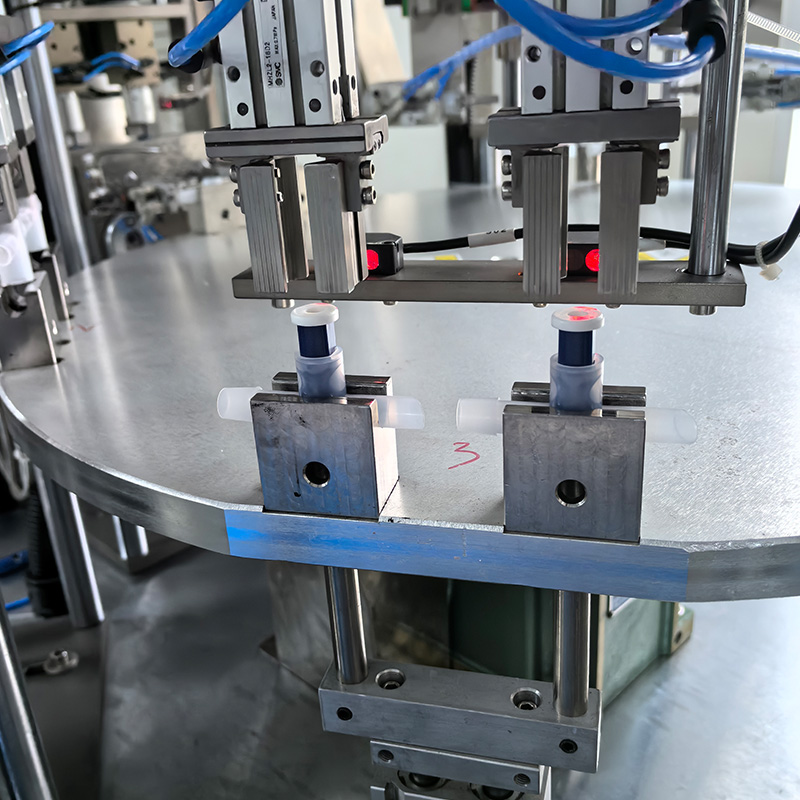
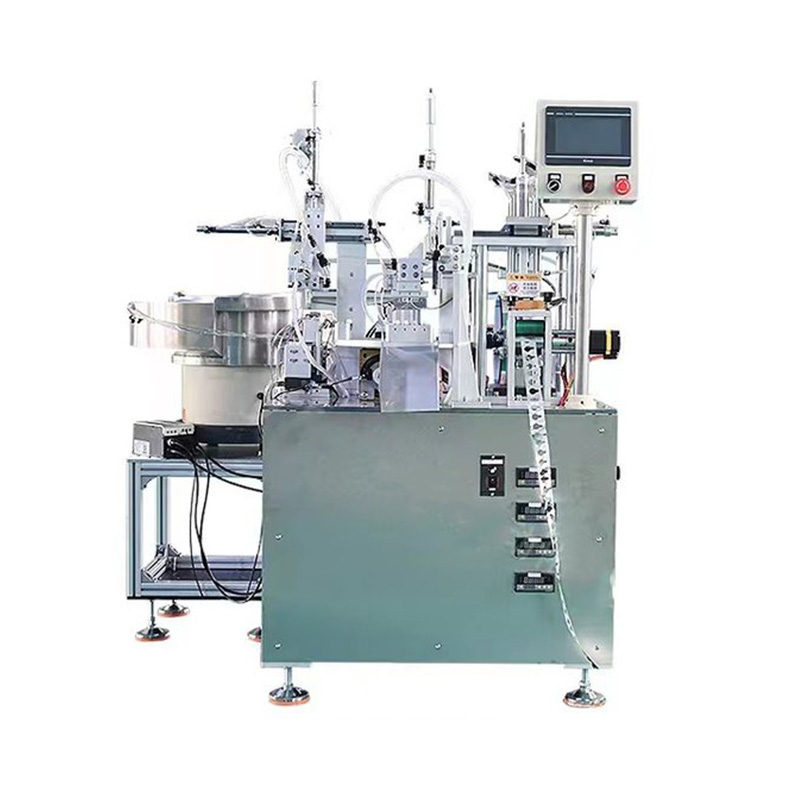
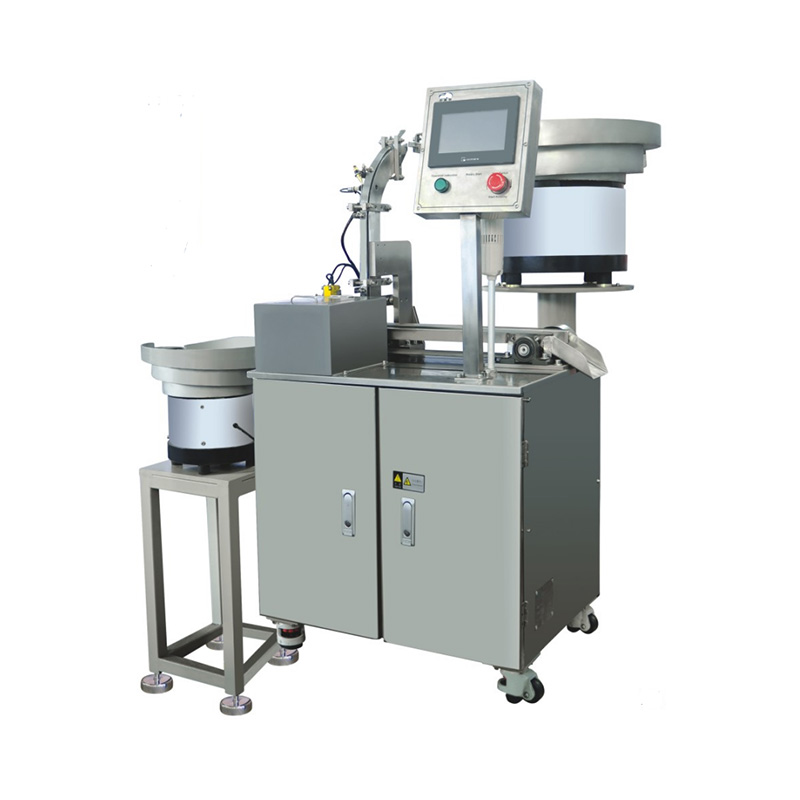
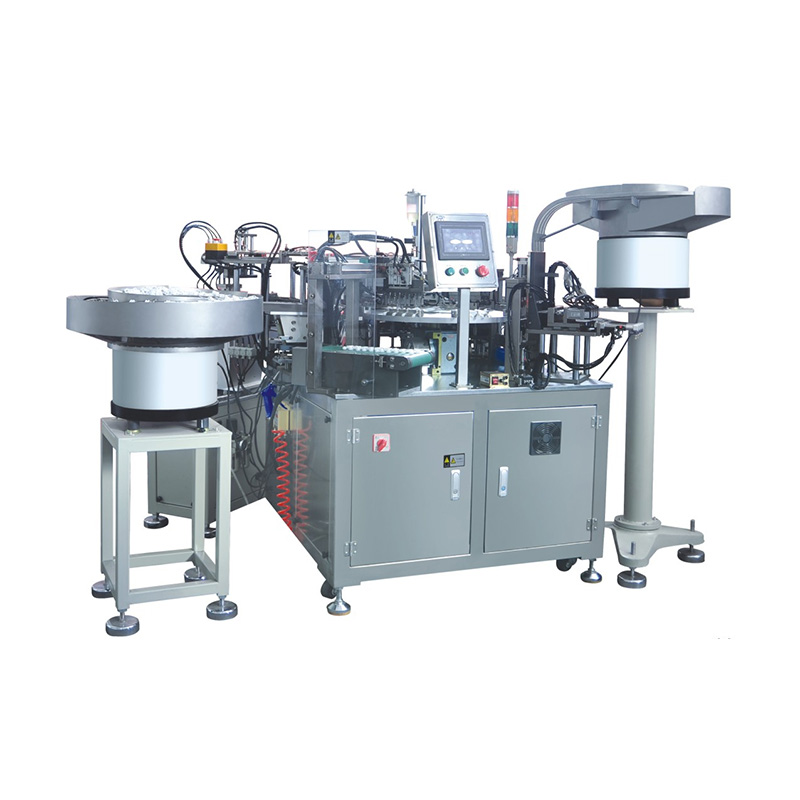
China Zhejiang Taizhou Ambe Trading Co., Ltd. is a manufacturer specializing in the production of medical equipment automation equipment.
Laboratory work genuinely demands careful handling of liquids, samples, and testing materials all day long. As research activity and testing needs keep growing, laboratories are paying a lot more attention to solutions that sharpen workflow organization and cut down on unnecessary manual work. Laboratory automation syringes have become a genuinely important part of that shift.
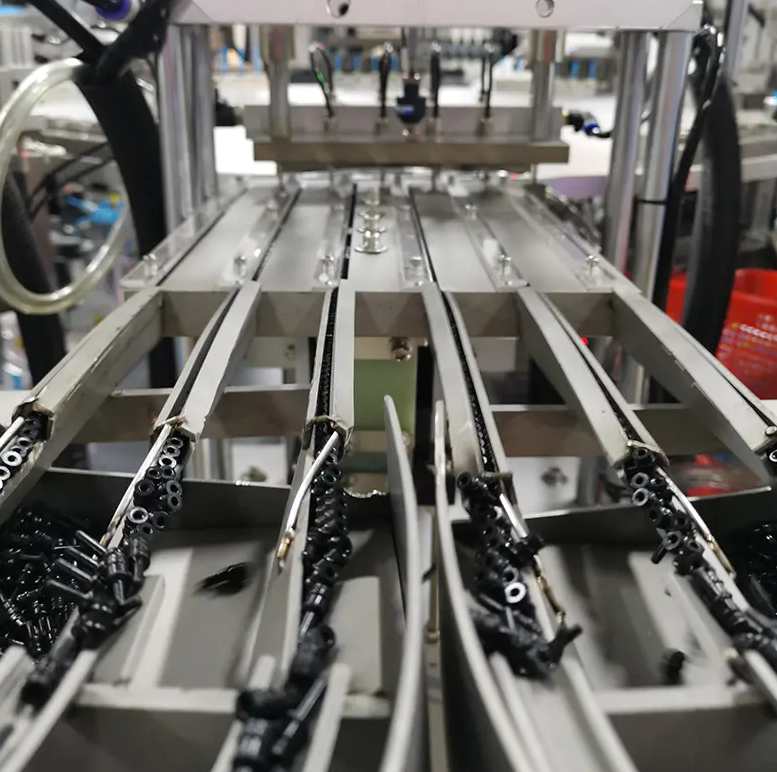
Automation syringes help labs manage liquid handling tasks in a much more structured way. They support repeated operations and build a genuinely more stable testing environment overall. By tightening up workflow organization, these systems free up laboratory teams to spend more time on analysis, research, and refining their process.
Automation syringes laboratory show up across a lot of different testing environments — supporting research facilities, medical laboratories, chemical analysis areas, and other workplaces wherever controlled liquid movement is genuinely needed.
How Do Laboratory Automation Syringes Improve Testing Workflows?
Testing processes usually involve multiple steps that need careful coordination. Manual liquid handling tends to mean a lot of repeated actions, which can pile on workload and introduce genuine differences between runs. Laboratory automation syringes tackle this by supporting a much more organized workflow.
These systems handle liquid transfer through automated, controlled movement, helping labs build a genuinely smoother process where each task follows a planned sequence rather than ad hoc handling.
The value here isn't just about speed, either. Automation syringes genuinely improve the overall structure of lab work. Once routine handling gets more organized, staff end up spending a lot more time on actual research and result evaluation instead.
| Laboratory Need | Support Provided by Automation Syringes |
|---|---|
| Sample handling | Helps organize repeated liquid transfer tasks |
| Testing preparation | Supports smoother workflow arrangements |
| Research activities | Reduces manual involvement in routine operations |
| Laboratory management | Improves process organization |
Modern laboratories juggle a lot of different testing requirements at once. Automation syringes give them a genuinely practical way to support all that activity while keeping the working process consistent throughout.
Why Are Automation Syringes Important for Laboratory Testing?
Laboratory testing genuinely relies on careful procedure and reliable operation. Even small differences during sample handling can ripple through the whole testing process. Automation syringes help build a genuinely more controlled environment by supporting repeatable operations.
Liquid handling is a genuinely common part of daily lab work. Researchers and technicians are constantly moving samples, prepping solutions, or working through testing procedures — and automation syringes help simplify a lot of that repeated activity.
Where laboratory automation syringes genuinely matter:
- Supporting organized laboratory routines
- Helping reduce repetitive manual tasks
- Improving workflow coordination
- Making testing procedures easier to manage
Automation isn't replacing laboratory expertise here, either. It genuinely works alongside professional knowledge, letting staff lean on automation tools for daily operations while staying focused on the research decisions that actually matter.
As laboratories keep specializing further, demand for genuinely organized testing solutions just keeps climbing. Automation syringes support that shifting landscape.
Where Are Laboratory Automation Syringes Commonly Used?
Laboratory automation syringes show up across a lot of fields wherever liquid handling and testing genuinely come into play. Different industries lean on these systems based on their specific research and production needs.
Medical and healthcare laboratories
Medical labs often juggle a lot of testing activity that demands careful sample handling. Automation syringes support these environments by helping organize liquid transfer processes.
They genuinely earn their keep in workplaces running repeated testing procedures constantly, helping labs maintain a more efficient operation through better workflow structure.
Research laboratories
Research labs usually run experiments that need precise prep and repeated procedures. Automation syringes help researchers manage routine liquid handling, freeing research teams to focus more on experimental planning and analysis instead of burning time on repetitive work.
Pharmaceutical development areas
Pharmaceutical labs need genuinely organized testing processes throughout product development and analysis. Automation syringes support that by improving handling procedures across the board.
They help build a much more structured environment where different testing activities get managed a lot more easily.
Chemical and analytical laboratories
Chemical analysis often deals with a lot of different sample types and testing methods. Automation syringes support these labs by helping manage liquid movement through daily operations.
That flexibility is really what makes these systems fit so many different testing environments. Their use keeps expanding as labs look for genuinely better workflow solutions.
How Do Automation Syringes Support More Reliable Laboratory Operations?
Reliability is genuinely a core goal in laboratory management. Testing environments need stable processes to back up accurate observation and analysis. Automation syringes contribute by building genuinely more consistent handling methods.
When lab tasks lean heavily on manual operation, differences tend to creep in from working habits or environmental factors. Automated systems cut down on that variation by sticking to planned procedures every time.
A more reliable workflow genuinely helps labs:
- Maintain organized testing routines
- Improve sample management
- Reduce unnecessary workflow interruptions
- Support consistent laboratory practices
Automation syringes also help labs manage time a lot more effectively. Once routine operations get easier to organize, teams build better schedules and boost overall productivity.
Reliable lab operations really come down to cooperation between equipment, staff, and management systems working together. Automation syringes are one genuine piece of that larger puzzle.
What Factors Should Laboratories Consider When Choosing Automation Syringes?
Picking suitable laboratory automation syringes genuinely requires weighing a few different factors. Every lab has its own working conditions, so the right solution should really match actual needs rather than a generic checklist.
| Consideration | Why It Matters |
|---|---|
| Laboratory workflow | Helps ensure the system fits existing processes |
| Testing requirements | Determines suitable application methods |
| Operating environment | Influences equipment integration |
| Future needs | Supports long-term laboratory development |
Labs should genuinely think through how automation fits into their current operations. A solution that works great in one setting might need real adjustments in another.
Staff training and daily management matter just as much. Even advanced automation systems genuinely need proper operation and care. A well-prepared team makes sure the equipment actually delivers useful support.
The whole point of introducing automation is improving lab processes — not just piling on new equipment for its own sake. Careful planning genuinely leads to better results here.
How Are Laboratory Automation Syringes Changing Modern Testing Methods?
Laboratory automation is genuinely reshaping how a lot of testing processes get managed. Traditional lab work leaned heavily on manual handling, while modern approaches focus a lot more on workflow integration and process organization.
Automation syringes represent this shift, helping labs build genuinely smoother operations that support repeated tasks and structure testing procedures a lot more clearly.
This development ties into a few broader industry shifts:
- Growing demand for efficient research processes
- Increased focus on workflow management
- Need for more organized testing environments
- Greater attention to process consistency
As labs take on more complex work, automation solutions genuinely provide valuable support — helping teams manage daily operations while opening up room for better research methods down the line.
Automation syringes are also becoming part of much wider laboratory systems, working alongside other equipment to build a genuinely connected, organized testing environment.
What Challenges Should Laboratories Understand Before Using Automation Syringes?
Automation syringes bring a lot of genuine benefits, but labs should really understand the practical requirements before jumping in. Successful implementation comes down to proper planning and suitable application.
Workflow adjustment
Bringing in automation may genuinely require changes to existing lab routines. Teams need time to figure out how the new system actually fits into daily operations.
Equipment management
Regular care and proper operation genuinely keep performance stable. Labs need suitable management methods in place to support long-term use.
Staff cooperation
Automation works best when lab teams genuinely understand how to use the system effectively. Training and clear communication make integration a lot smoother.
Application matching
Different testing environments genuinely have different needs. Labs should evaluate whether automation syringes actually match their specific processes before committing.
Understanding these factors lets labs make genuinely practical decisions. Automation works best when it becomes part of a well-planned workflow rather than a bolt-on afterthought.
Laboratory automation syringes keep supporting the development of more organized testing environments overall. By improving liquid handling and backing up reliable workflows, they help labs manage modern testing demands with a lot more flexibility and efficiency.