
 English
 русский
 Español


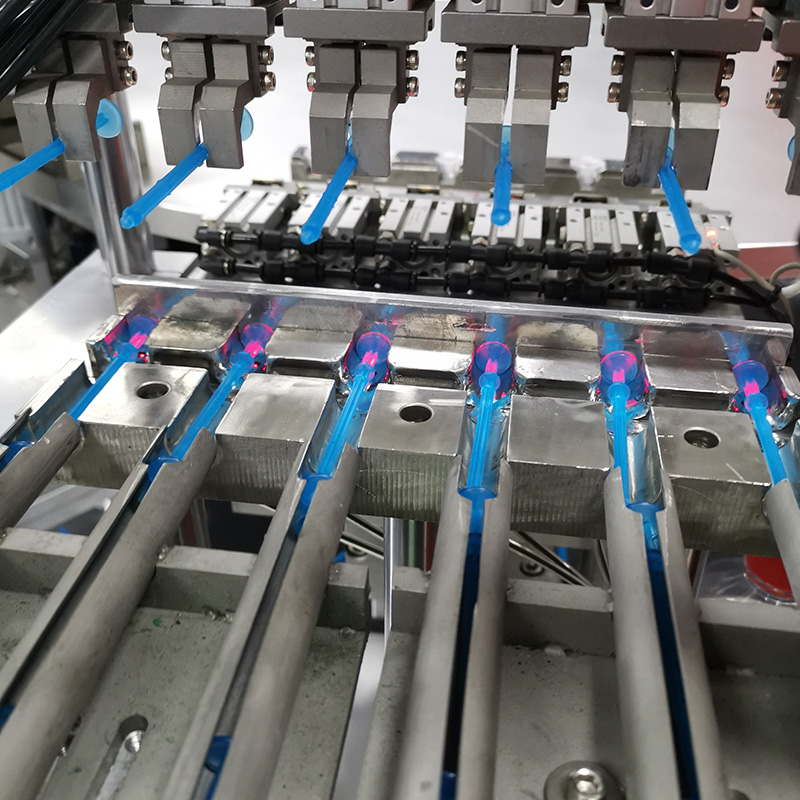
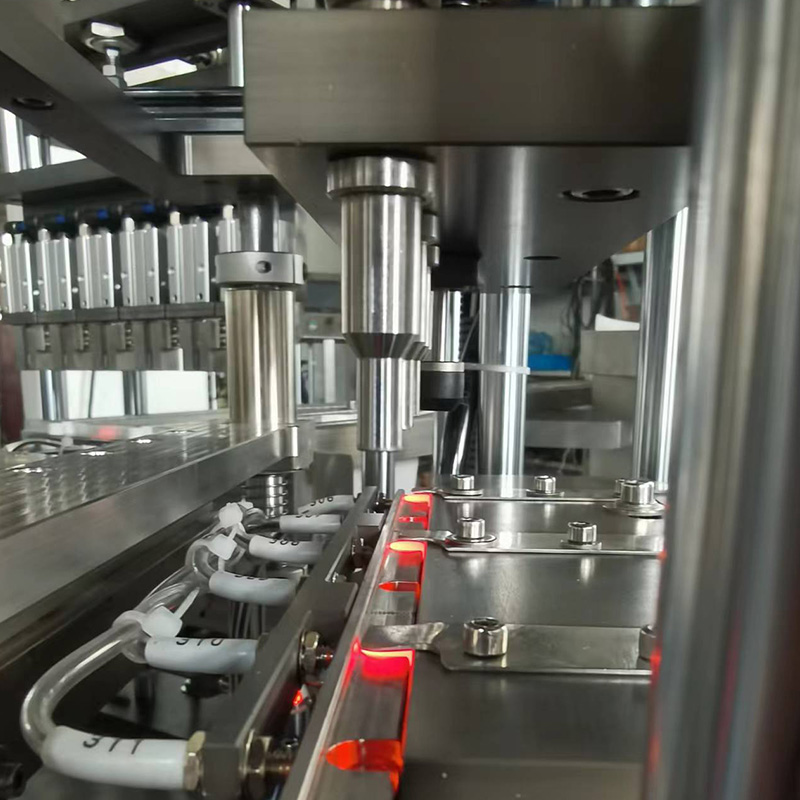
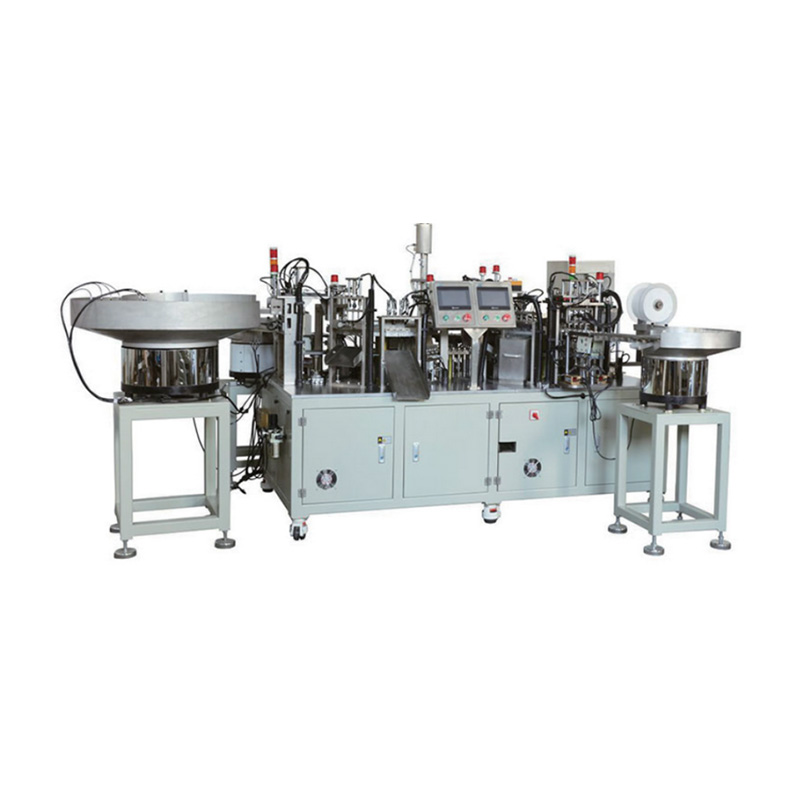
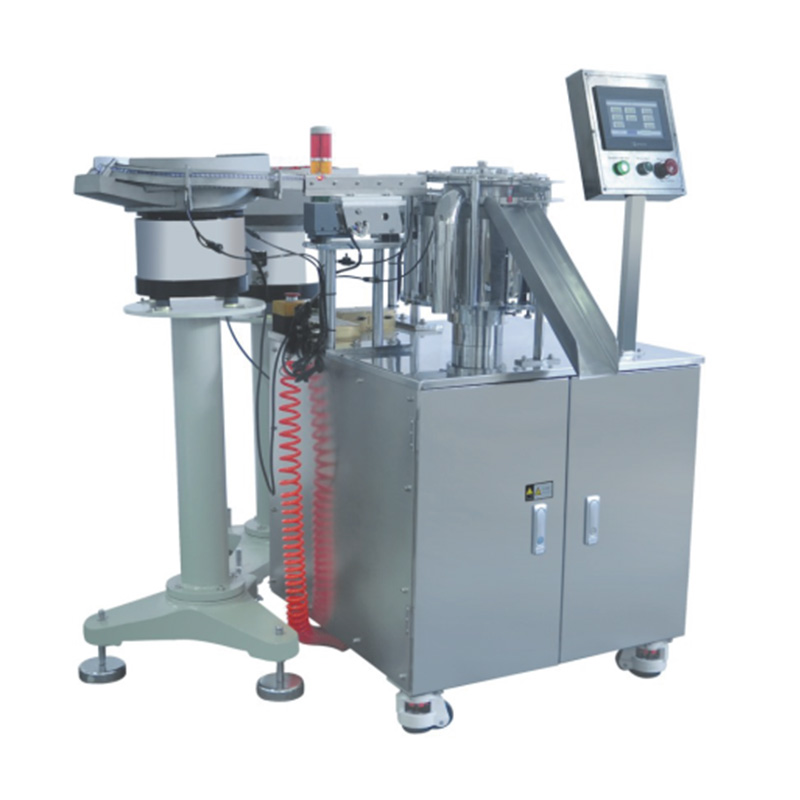
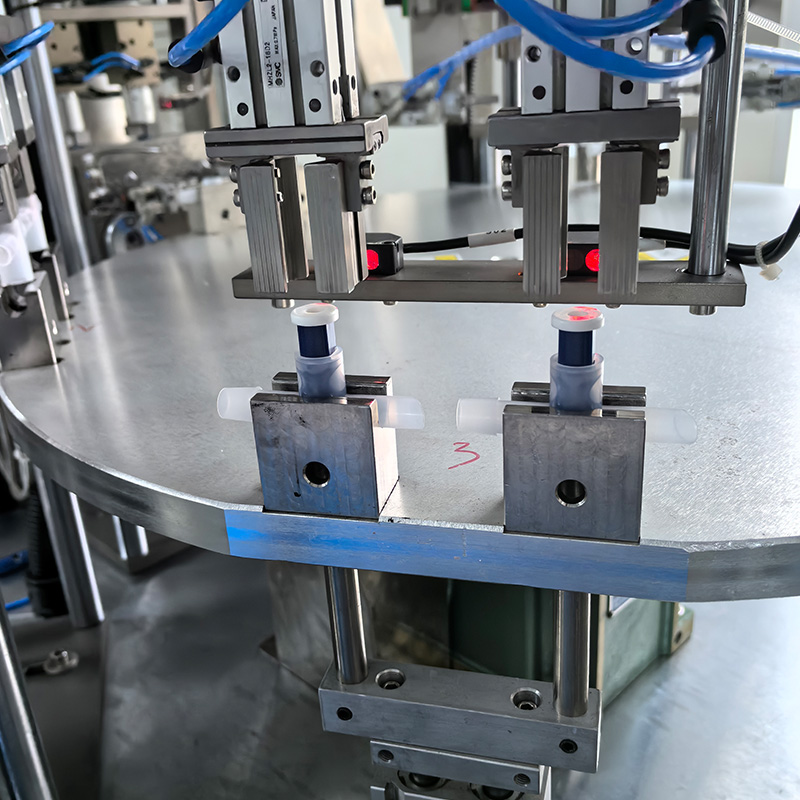
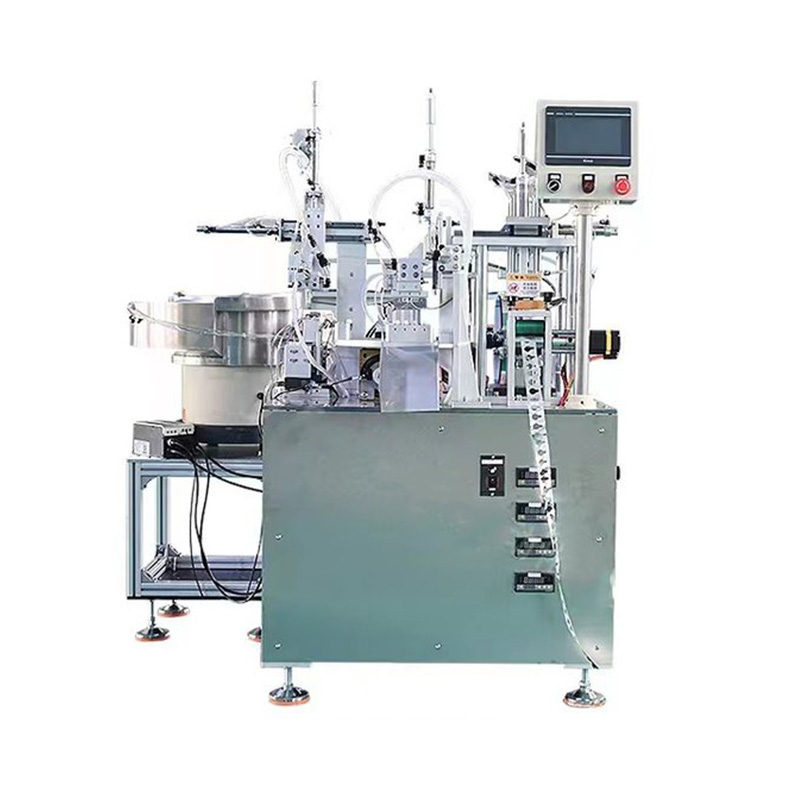
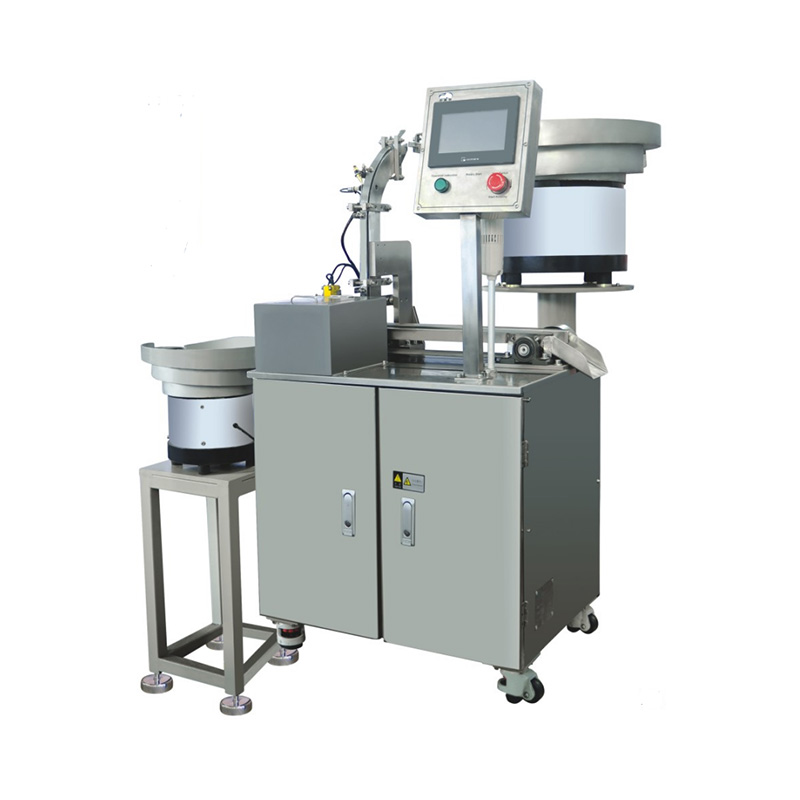
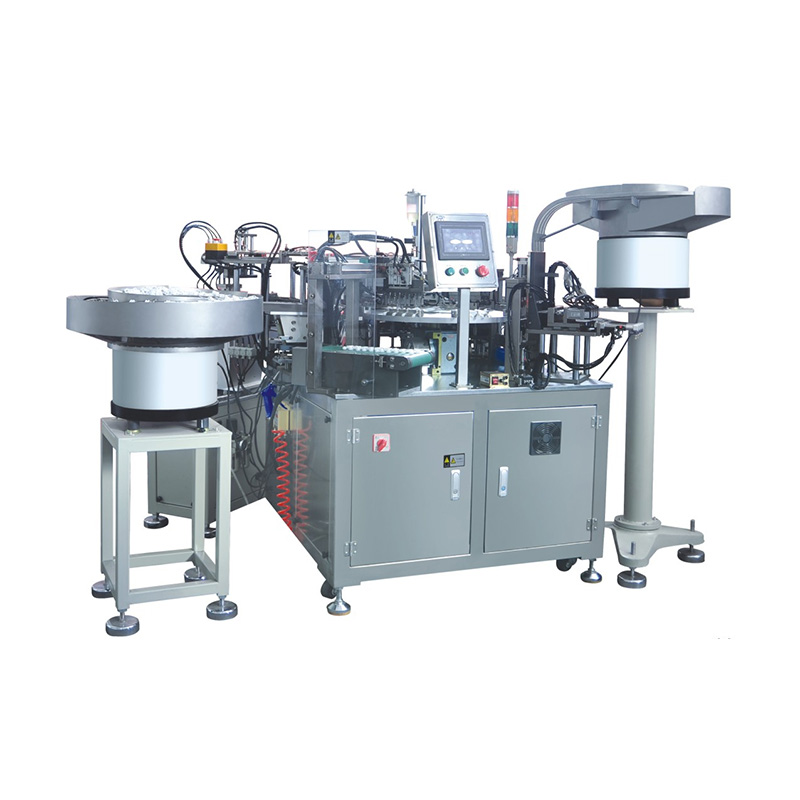
China Zhejiang Taizhou Ambe Trading Co., Ltd. is a manufacturer specializing in the production of medical equipment automation equipment.
The global healthcare landscape leans on tools that look simple on the surface but carry genuinely enormous responsibility. Syringes sit right at the center of that paradox — essential for everything from routine injections to far more specialized procedures. As demand keeps climbing across regions with wildly different healthcare systems, one question keeps surfacing: can medical syringe manufacturer actually meet what hospitals and clinics around the world genuinely need?
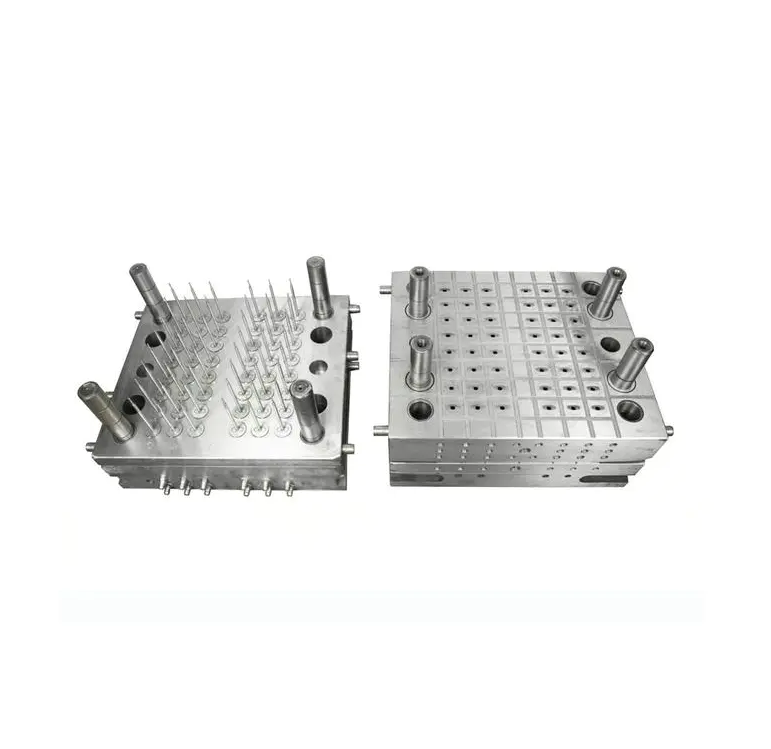
That question touches on supply stability, safety expectations, adaptability, and regulatory awareness all at once. It also gets at how well manufacturers actually respond to shifting clinical environments and rising public health demands.
What Defines Suitability in a Global Healthcare Context?
Suitability goes a lot deeper than basic production output. Hospitals and clinics expect consistent quality, dependable delivery, and genuine compatibility with how different medical practices actually operate.
A genuinely suitable manufacturer has to balance several things at once:
- Production consistency across genuinely large volumes
- Compliance with a patchwork of different regulatory frameworks
- Flexibility in packaging and distribution
- Responsiveness when urgent supply needs come up
Healthcare providers operate under real pressure most days. Supplies need to arrive on schedule and perform exactly as expected — even minor inconsistencies can throw off workflow or shake staff confidence fast.
Suitability also comes down to how smoothly a product actually fits into daily routines. Syringes need to be easy to handle, clearly marked, and safe to dispose of. That might sound basic, but it's exactly what shapes user confidence and patient safety in practice.
How Do Manufacturers Address Safety Expectations?
Safety sits at the absolute center of syringe production, full stop. Hospitals and clinics depend on tools that minimize risk for both patients and the healthcare workers handling them.
Manufacturers tend to focus on:
- Clean, controlled production environments
- Strict quality checks running at multiple stages
- Packaging that protects sterility right up until use
- Clear labeling that supports proper handling
There's also growing attention going into designs that cut down on accidental injuries — part of a much broader shift toward safer clinical environments where prevention carries as much weight as treatment itself.
Healthcare workers handle syringes over and over throughout their shifts. A design that feels intuitive and secure genuinely cuts down on stress and boosts efficiency. Manufacturers who grasp that human factor tend to line up far better with what clinical settings actually need.
Can Manufacturers Adapt to Different Regional Requirements?
Healthcare systems vary enormously from one place to the next. What works well in one region can fall flat somewhere else entirely, which makes adaptability a genuinely central piece of global suitability.
Manufacturers often adjust their approach based on:
- Local regulations and approval processes
- Storage and transportation conditions
- Cultural practices tied to healthcare delivery
- Resource availability at clinics and hospitals
Some regions, for instance, need simpler packaging built for easy disposal, while others put a premium on advanced safety features instead. Climate conditions can shape material and packaging choices just as much.
Adaptability was never purely about ticking regulatory boxes, either. It comes down to genuinely understanding how healthcare actually gets delivered in different settings. Manufacturers who stay engaged with local distributors and healthcare professionals tend to pick up a much deeper sense of what's really needed.
What Role Does Supply Chain Stability Play?
Supply chain stability is a genuinely major concern for healthcare providers everywhere. Interruptions ripple straight into patient care and pile on operational pressure fast.
Manufacturers serving global markets need to maintain:
- Reliable sourcing of raw materials
- Efficient production scheduling
- Strong logistics networks
- Real backup plans for unexpected disruptions
Hospitals and clinics count on predictable supply. When shortages hit, they're forced to scramble for alternatives, and that scrambling creates real uncertainty across the board.
A stable supply chain also builds genuine trust over time. Healthcare providers tend to stick with manufacturers who deliver consistently, and that relationship matters even more during periods of spiking demand.
How Do Manufacturers Support Clinics with Limited Resources?
Not every healthcare facility operates under the same conditions. Some clinics run into real constraints around storage, staffing, or waste management that larger hospitals simply don't face.
Manufacturers support these environments by offering:
- Simple, practical product designs
- Packaging that's easy to transport and store
- Clear instructions covering use and disposal
- Flexible order quantities
In resource-limited settings, simplicity often turns into a genuine advantage. Products that don't demand much training or special handling get adopted a lot more easily.
That doesn't mean cutting corners on quality, either. It's really a focus on usability and accessibility instead. Manufacturers who factor this in tend to extend their reach to a much wider range of healthcare providers than they'd otherwise manage.
Are Environmental Concerns Influencing Manufacturing Choices?
Environmental awareness has been steadily reshaping the medical supply industry. Syringes are typically single-use by design, which naturally raises real questions about waste management down the line.
Manufacturers have been exploring ways to address this, including:
- Cutting back on excess packaging
- Using materials that are easier to process after disposal
- Improving manufacturing efficiency to reduce waste overall
Hospitals and clinics are getting more conscious of their own environmental footprint, too. Safety still comes first, obviously, but there's genuinely growing interest in solutions that balance hygiene against sustainability.
This kind of shift doesn't happen overnight, of course. It takes real coordination between manufacturers, healthcare providers, and waste management systems working together. Still, it reflects a broader change in how medical supplies get viewed across the industry.
What Challenges Do Manufacturers Face in Meeting Global Demand?
Serving a global market brings challenges that go well beyond raw production capacity.
Manufacturers regularly deal with:
- Shifting regulatory landscapes
- Demand fluctuations across regions
- Logistics complexity in remote areas
- Real pressure to hold quality steady while scaling output
All of this demands careful planning and constant adjustment. A manufacturer that's succeeding in one region might need to completely rethink its approach the moment it moves into another.
Communication matters here too. Clear interaction between manufacturers, distributors, and healthcare providers helps catch problems before they spiral into something bigger. That whole network of relationships is really what keeps operations running smoothly.
How Do Hospitals and Clinics Evaluate Their Suppliers?
Healthcare providers don't pick suppliers on a whim. Their evaluation process usually weighs several things carefully:
| Factor | What It Means in Practice |
|---|---|
| Reliability | Consistent delivery without delays |
| Product Quality | Uniform performance across batches |
| Compliance | Alignment with local regulations |
| Support | Clear communication and problem resolution |
| Flexibility | Ability to adapt to changing needs |
These factors are really what shape long-term partnerships. A manufacturer that genuinely delivers on these fronts can become a trusted, permanent part of a facility's supply system.
That evaluation never really stops, either. Hospitals and clinics keep monitoring performance over time and adjust their choices as circumstances shift.
Is There a Growing Need for Collaboration?
The relationship between manufacturers and healthcare providers has been getting a lot more interactive lately. Rather than a simple, one-way supply model, there's a genuine shift happening toward real collaboration.
That tends to include:
- Sharing feedback on product design
- Talking through usage challenges from actual clinical settings
- Coordinating on supply planning together
- Exploring new approaches to safety and efficiency jointly
Collaboration helps manufacturers understand real-world conditions in a way pure sales data never could. It also gives healthcare providers genuine input into shaping the tools they rely on every day.
That kind of interaction tends to produce gradual improvements that benefit both sides. Over time, small changes like this can add up to a genuinely noticeable difference in clinical workflows.
How Does Innovation Influence Suitability?
Innovation in syringe manufacturing rarely means chasing complex new technology for its own sake. More often, it's about refining existing designs to better serve what users actually need day to day.
Common areas of focus include:
- Improving ease of use
- Enhancing safety features
- Streamlining packaging
- Supporting easier, cleaner disposal
Hospitals and clinics genuinely value solutions that simplify their work. Even small adjustments can cut down on errors or save time during a hectic shift.
Innovation here also reflects a real awareness of how healthcare practices keep evolving. As treatment methods shift, manufacturers have to adapt their products right alongside them.
Can One Approach Fit All Healthcare Systems?
A single approach was never going to fit every healthcare system out there. Differences in infrastructure, regulation, and patient needs demand genuine flexibility rather than a one-size-fits-all mindset.
Manufacturers aiming to serve globally tend to adopt something closer to a modular strategy — offering variations that flex for different markets while holding onto core quality standards throughout.
That approach lets them respond to genuinely diverse requirements without sacrificing consistency along the way. It also helps healthcare providers land on solutions that actually match their specific conditions on the ground.
What Shapes the Future of Medical Syringe Manufacturing?
The future of syringe manufacturing is being shaped by a mix of practical, everyday needs and broader industry trends running in parallel.
Key influences include:
- Ongoing demand for genuinely safe, reliable Medical Plastic Mould
- Rising awareness of environmental impact
- Growing complexity across global supply chains
- A sharper emphasis on user-centered design
Manufacturers who stay genuinely attentive to all of this are the ones most likely to stay relevant across wildly different healthcare systems worldwide.
Hospitals and clinics will keep looking for partners who genuinely understand their challenges and respond with practical, workable solutions. The ability to actually listen and adapt is becoming just as important as raw production capacity at this point.
Whether medical syringe manufacturers are truly suitable for hospitals and clinics worldwide comes down to a lot more than output numbers. It reflects how well they align with the real realities of healthcare delivery, across genuinely diverse environments and expectations that keep evolving year after year.