
 English
 русский
 Español


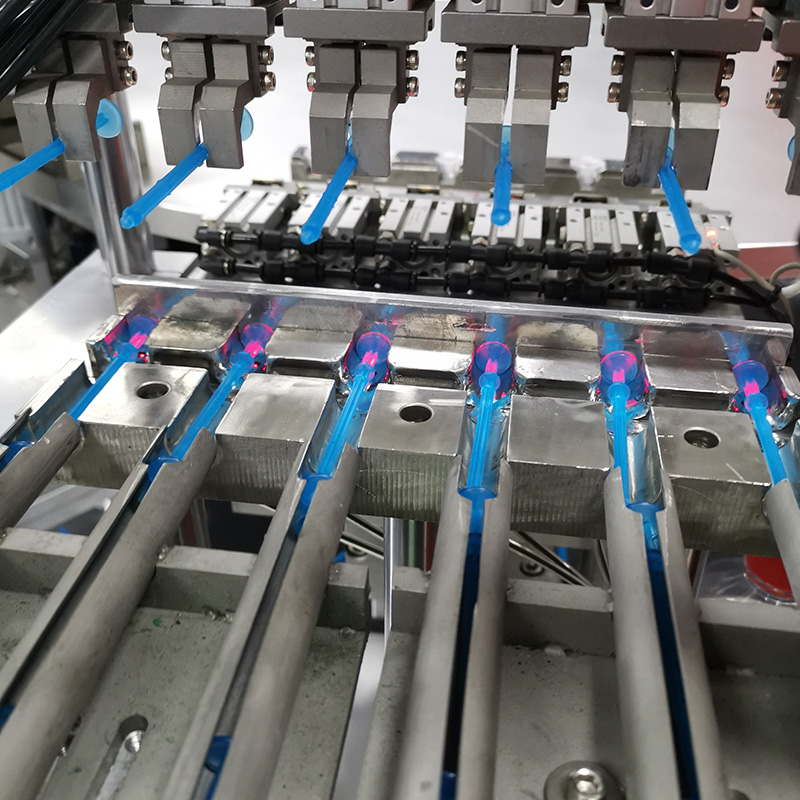
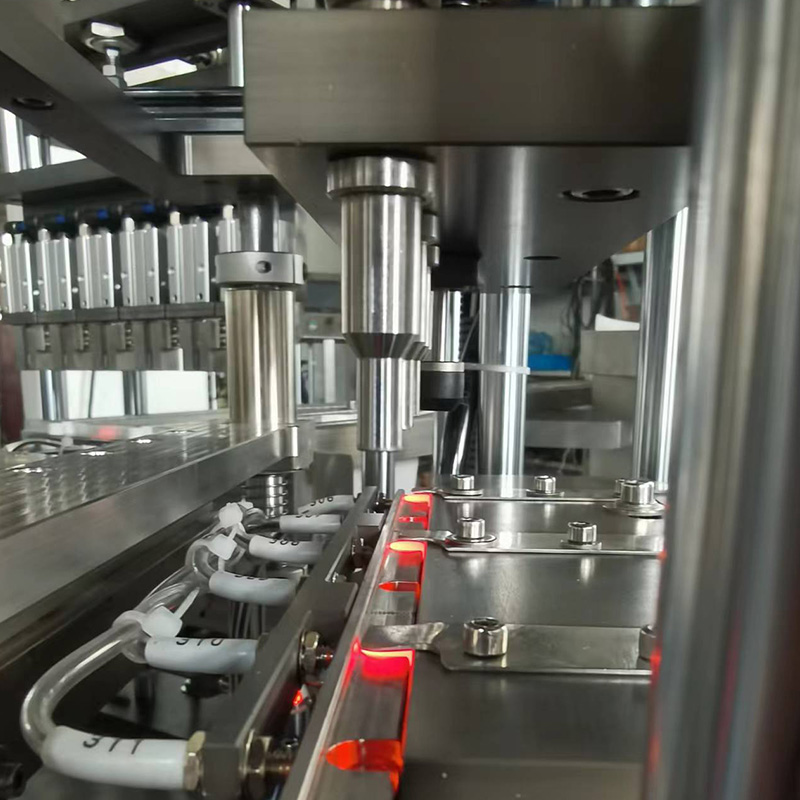
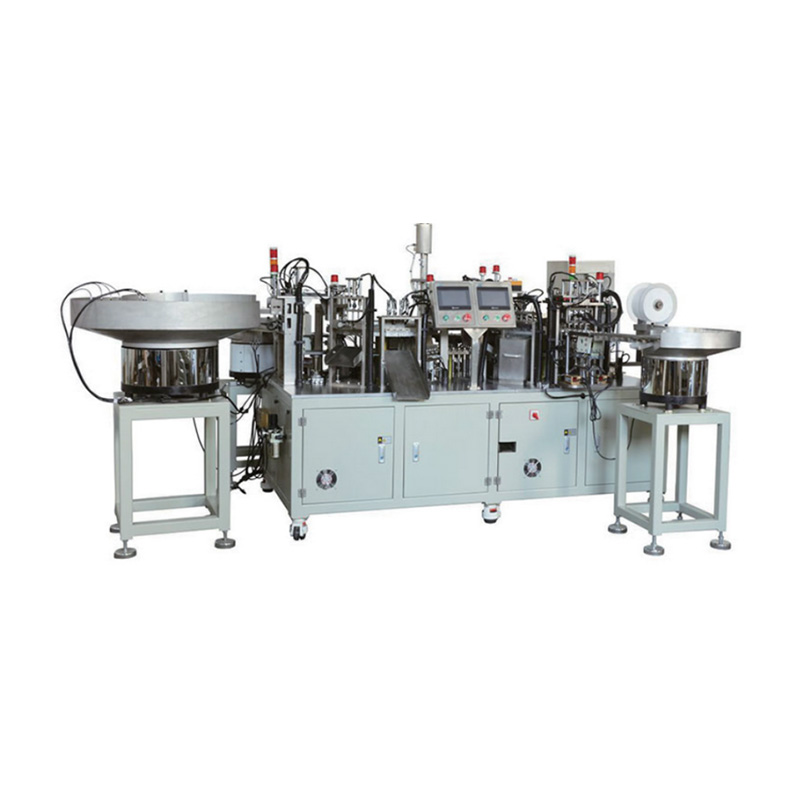
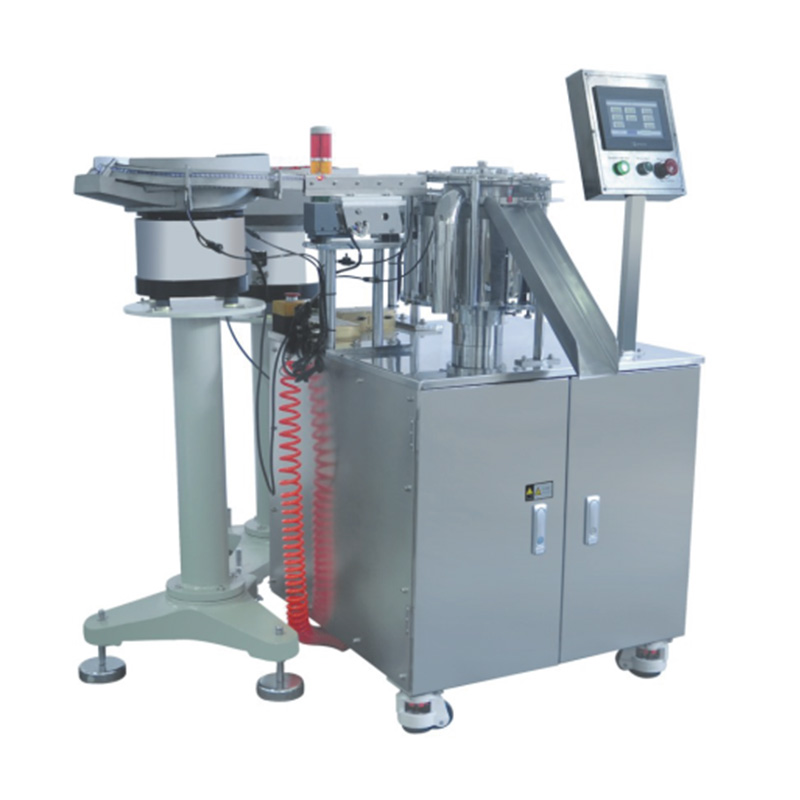
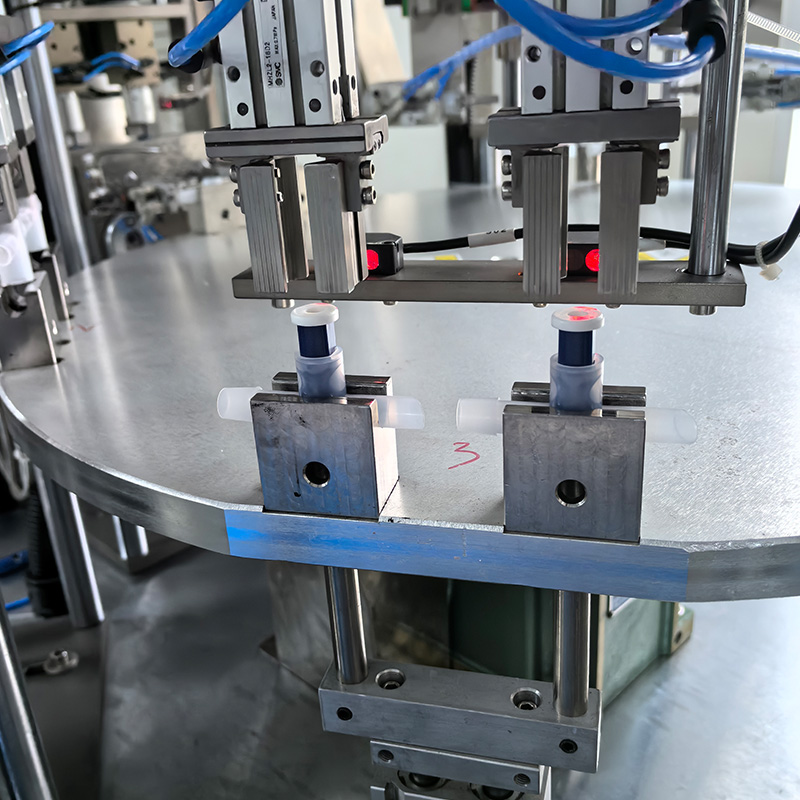
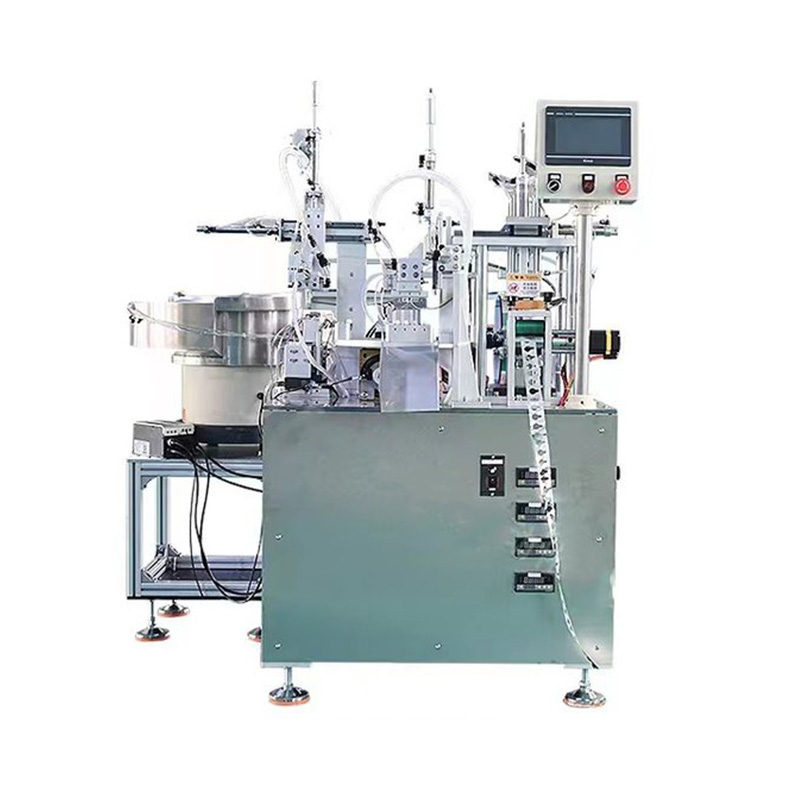
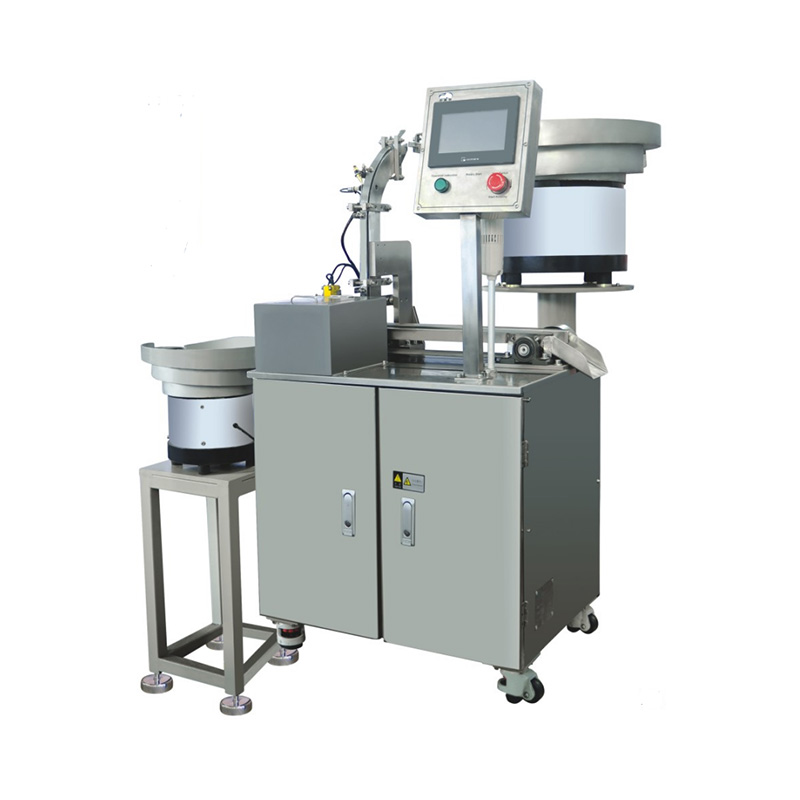
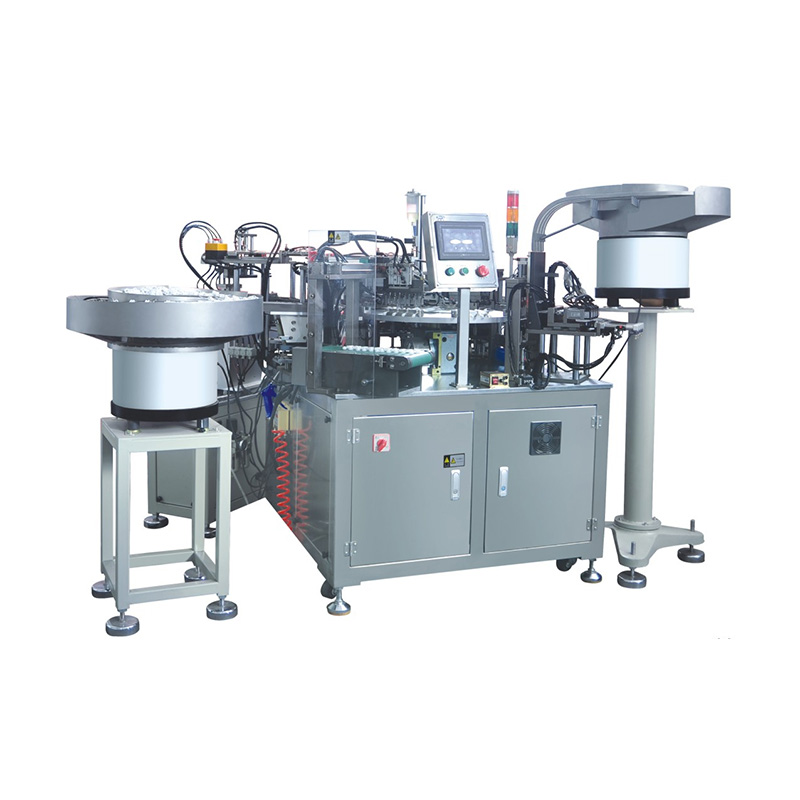
China Zhejiang Taizhou Ambe Trading Co., Ltd. is a manufacturer specializing in the production of medical equipment automation equipment.
Walk into any clinical space and you will notice something interesting. Many tools look simple. Smooth surfaces. Clean edges. Light in the hand. Yet behind that simplicity is a careful manufacturing approach that rarely gets discussed outside the industry. Medical device molding is part of that quiet foundation.
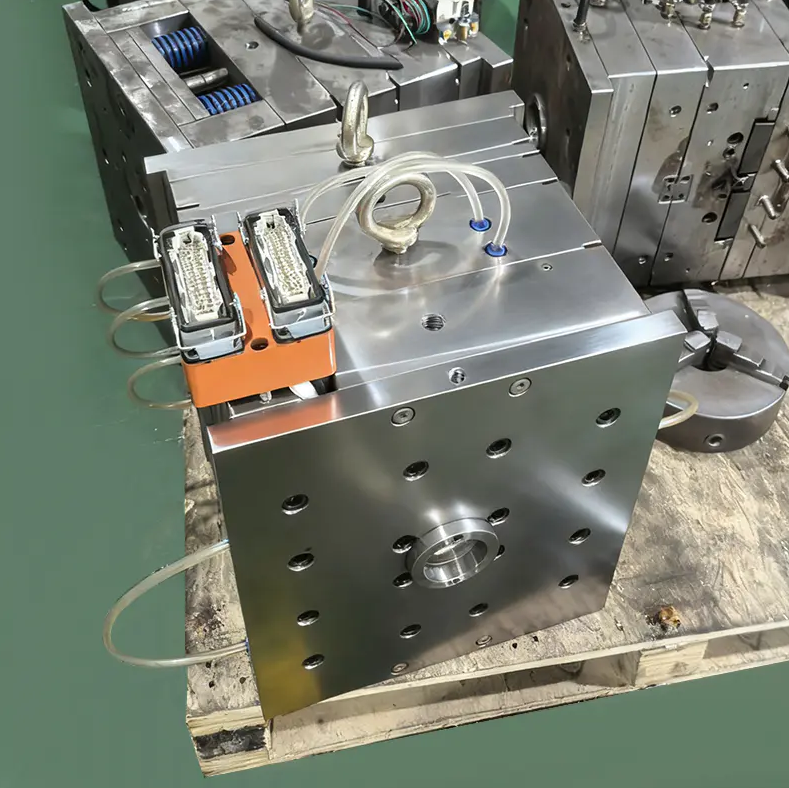
It does not draw attention the way advanced equipment does. Still, it shapes how devices feel, how they function, and how safely they can be used. As healthcare continues to expand beyond traditional settings, this process is becoming more relevant in ways that are easy to overlook.
What exactly is medical device molding?
At its core, medical device molding is about forming materials into specific shapes used in healthcare products. The idea sounds straightforward. Material is softened, guided into a mold, and then allowed to set into its final form.
But the simplicity stops there.
Unlike general manufacturing, this process operates under tighter expectations. Surfaces need to be consistent. Edges must be controlled. Even the smallest detail can influence how a device performs during use. That is why molding in this field is less about speed and more about control.
It is also worth noting that many medical components are not made as standalone items. They are part of a larger system. This means each molded piece has to fit, align, and function alongside other parts without friction or mismatch.
Why does this process matter more now than before?
Healthcare is no longer confined to large facilities. Devices are now used in smaller clinics, home environments, and even during travel. This shift has changed expectations.
People want tools that are easy to handle. They should feel intuitive, not complicated. Molding makes this possible by allowing shapes that fit naturally into human use. Rounded forms, lightweight structures, and simplified designs are all easier to achieve through this method.
There is also a growing awareness around cleanliness. Devices are expected to be easy to wipe, store, and reuse when appropriate. Fewer seams and smoother surfaces help reduce areas where residue might collect. Molding supports these design choices in a direct way.
Another factor is production flexibility. Demand can change quickly. A process that can adapt without redesigning everything becomes valuable. Molding offers that kind of stability.
How does the molding process take shape in practice?
While details may vary, the general flow of medical device molding follows a structured path. Each step builds on the previous one, creating a rhythm that supports both quality and efficiency.
1. Design preparation
The process begins with a design that reflects the intended use of the device. Attention is given to shape, thickness, and how the part will interact with other components.
2. Mold creation
A mold is developed based on the design. This tool defines the final form of the product. Its precision directly influences the outcome.
3. Material handling
The chosen material is prepared for molding. It may be heated or softened to allow it to flow into the mold.
4. Forming stage
The material is introduced into the mold. It fills the space and takes on the required shape.
5. Cooling and release
Once the material sets, the formed part is removed. Cooling helps the piece retain its structure.
6. Inspection
Each part is checked for consistency. Surface quality and shape are reviewed to ensure they match expectations.
This sequence might appear straightforward, yet each step requires careful attention. Small adjustments can influence the final result, making the process both technical and craft-like.
What kinds of materials are commonly involved?
Materials are chosen with both function and experience in mind. A device might need to be firm in one area and flexible in another. It might need to allow visibility or provide a soft contact surface.
Here is a simple way to think about common material roles:
| Material Category | What It Feels Like | Where It Often Fits In |
|---|---|---|
| Soft polymers | Gentle, adaptable | Contact surfaces |
| Rigid structures | Solid, stable | Support or framing parts |
| Clear materials | Smooth, see-through | Areas needing visibility |
| Elastic blends | Stretchable, responsive | Seals or flexible connections |
The choice is rarely random. It is guided by how the device will interact with users and its surroundings.
What makes medical molding challenging?
Many people think making the mold is the hardest part, and everything after that is just simple routine work. In truth, keeping product quality steady throughout production is far from easy.
Even minor changes in the working environment will change how raw materials perform. A tiny difference in operation can also lead to variations in the finished parts. This means workers have to stay focused from start to finish.
Product design adds to the difficulty too. Modern medical devices are built with more precise details, and their shapes grow increasingly complex. Molding methods have to keep up with these subtle design requirements.
Strict hygiene standards are another big challenge. The production area needs to be kept under tight control. Every tool and material that touches the products must meet high cleanliness rules.
On top of that, factories have to strike a good balance between output and quality. They cannot chase higher production volume while letting product consistency drop. Getting this balance right is something the industry keeps working on all the time.
How does molding influence innovation in healthcare products?
Product innovation is not only about creating brand-new technology. In many cases, it comes from optimizing and upgrading existing medical product designs.
Molding technology gives designers more space to optimize the structure of medical equipment. Simply adjusting the radian of a part can make the product easier to hold. Smoothing the connection between different surfaces also simplifies daily cleaning work. These tiny design tweaks may look insignificant, but they greatly improve the actual user experience of medical products.
Besides, molding helps integrate product functions effectively. Manufacturers can use one-piece molded parts to replace assembled accessories that used to require multiple components. This design cuts down structural complexity, making medical devices simpler to operate and easier to maintain.
It also supports steady technical improvement. Workers can make small adjustments to the molding process without overhauling the entire production flow. This method allows manufacturers to polish products step by step, avoiding the high risks that come with large-scale technical overhauls.
Why is consistency such a central concern?
In healthcare, predictability matters. A device should behave the same way every time it is used. This builds trust, not just for professionals but for anyone relying on the device.
Molding helps achieve this by repeating the same process cycle. Each part follows the same path from material to finished form. Over time, this repetition creates reliability.
Consistency also supports training. When devices are uniform, users do not need to adjust their approach each time. This reduces hesitation and allows them to focus on the task itself.
At the same time, consistency does not mean lack of flexibility. Designs can still evolve. The goal is to ensure that once a design is set, it can be reproduced without variation.
How is the role of molding changing in today's industry?
The expectations placed on medical products continue to shift. Manufacturing processes are adapting quietly in response.
There is more attention on material use. Reducing waste and making better use of resources has become part of the conversation. Molding processes are being adjusted to support this direction.
Design and production are also becoming more connected. Changes made during design can move more smoothly into production without losing intent. This shortens the gap between idea and finished product.
Customization is another area gaining interest. Devices are no longer always one-size-fits-all. Molding methods are being explored in ways that allow variation while maintaining consistency.
Even with these changes, the human element remains. Decisions are still guided by experience. Observations on the production floor continue to shape how processes evolve.
Medical device molding does not stand in the spotlight. It works in the background, shaping objects that people rely on every day. Its importance is not only in what it produces, but in how quietly it supports the larger system of healthcare.