
 English
 русский
 Español


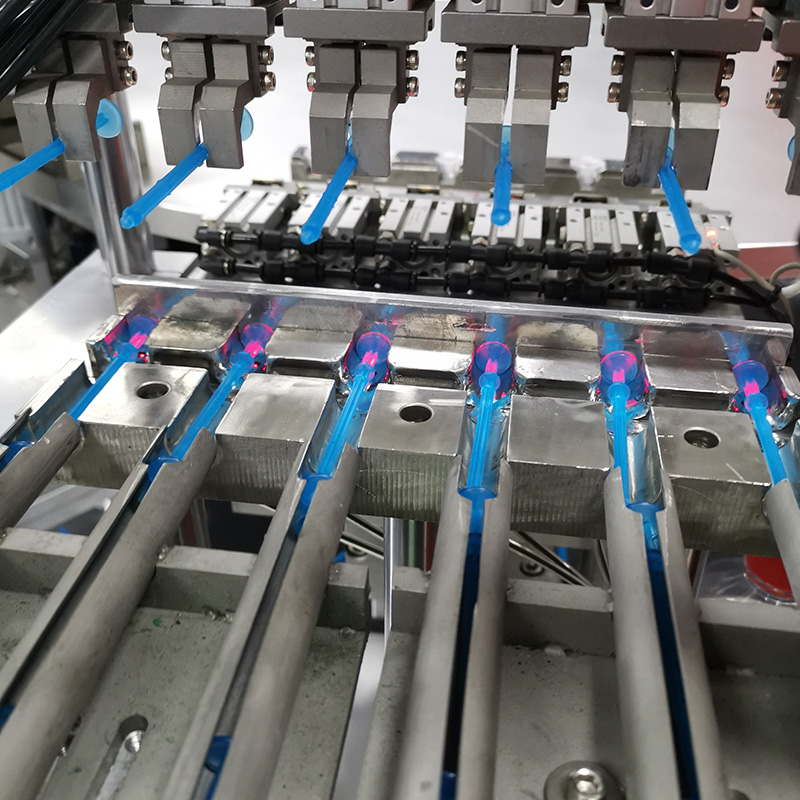
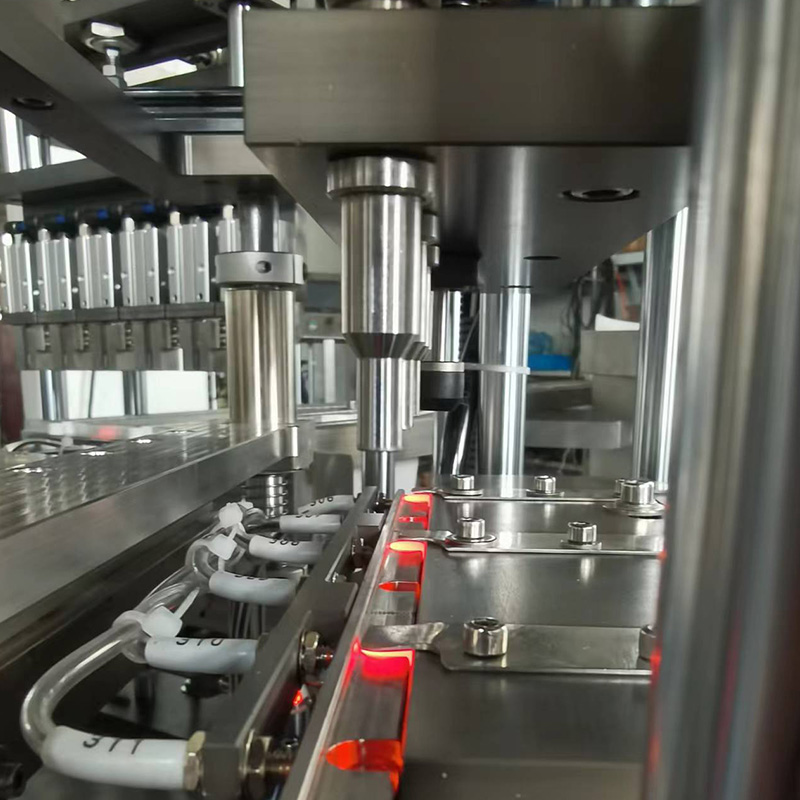
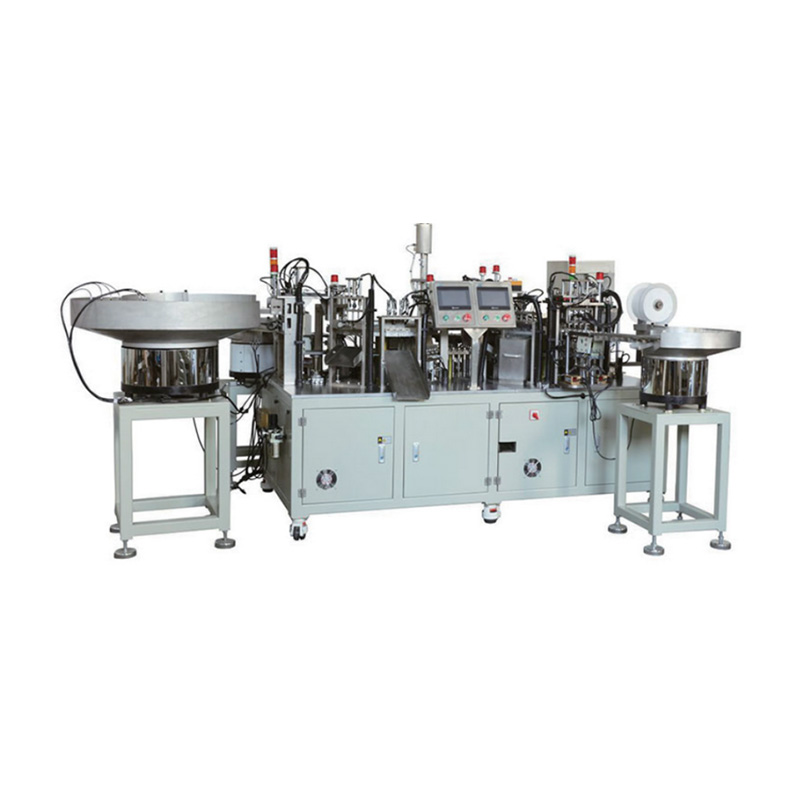
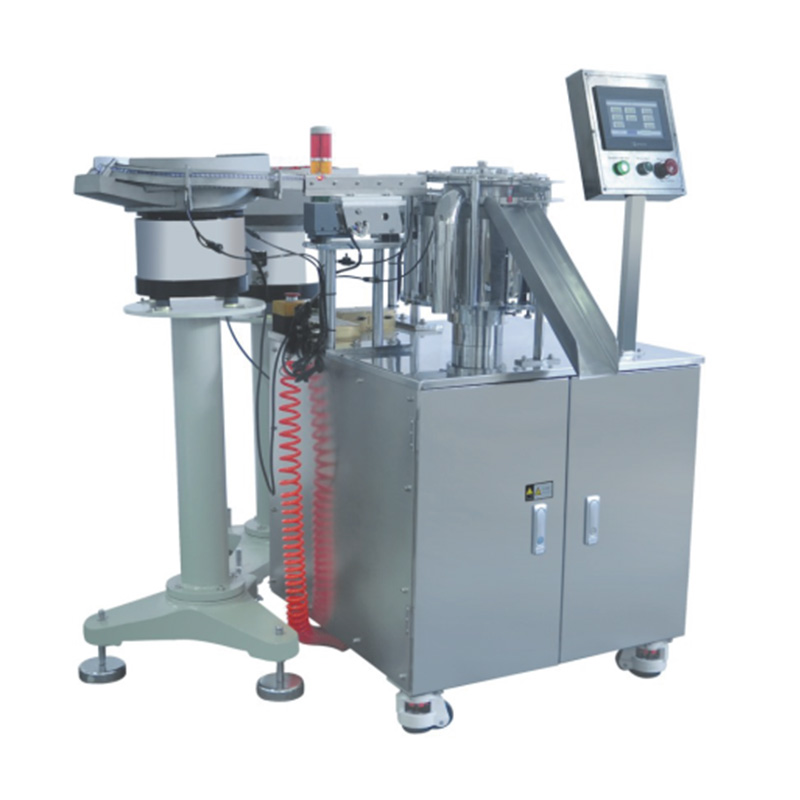
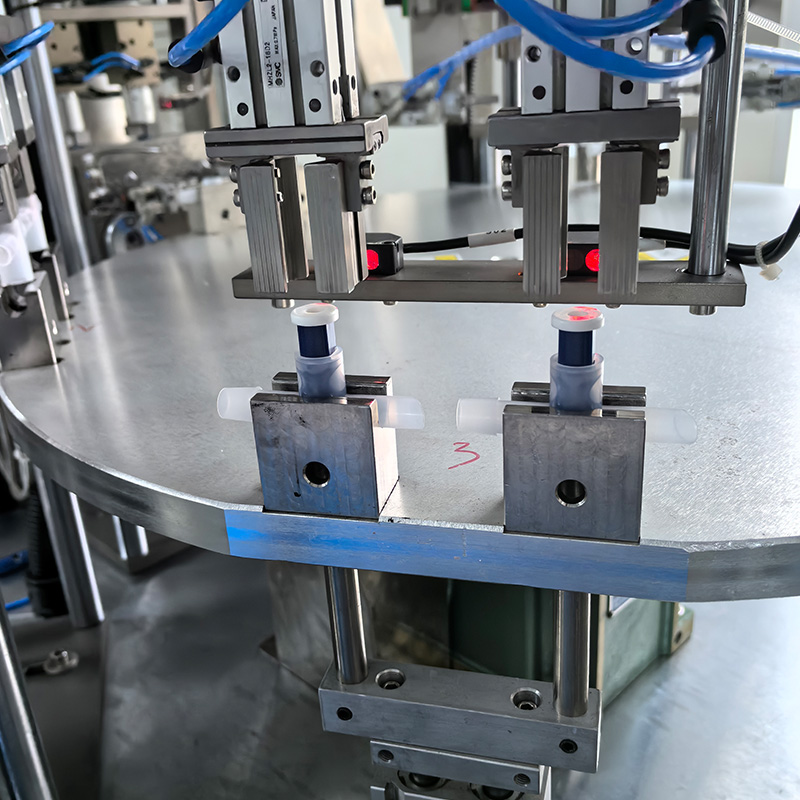
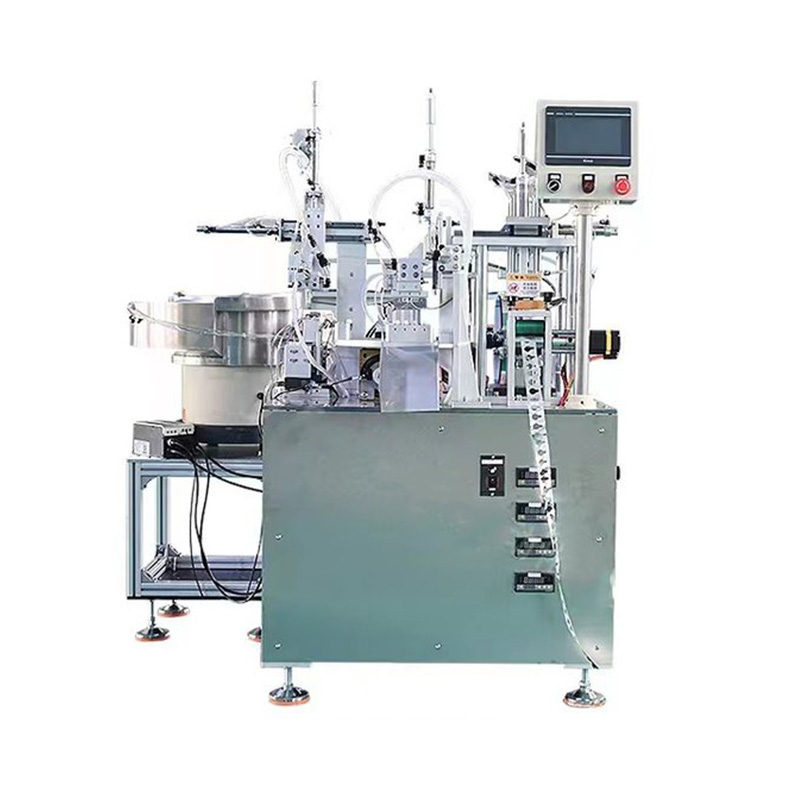
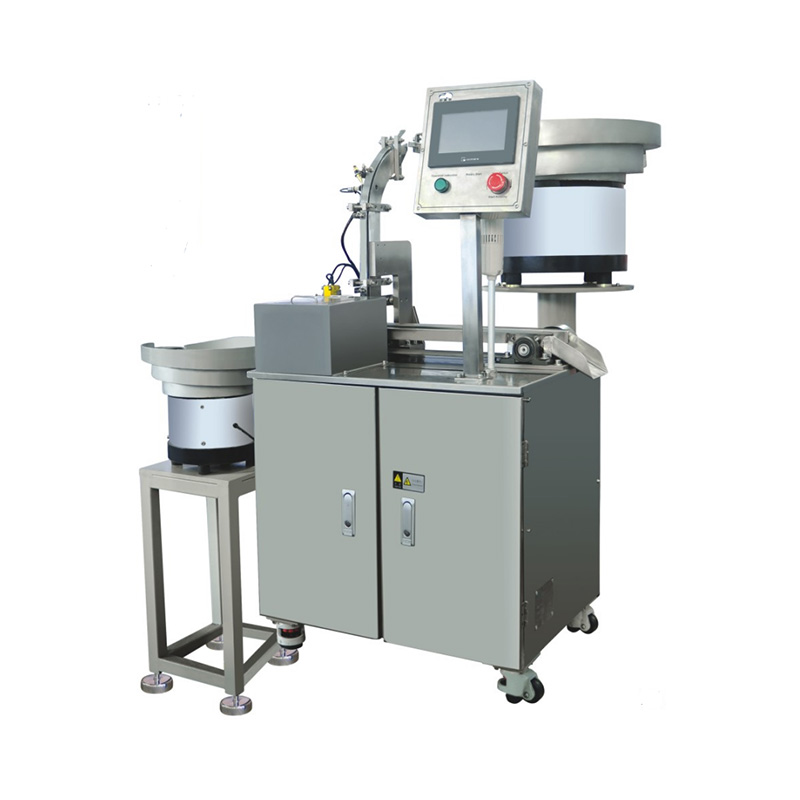
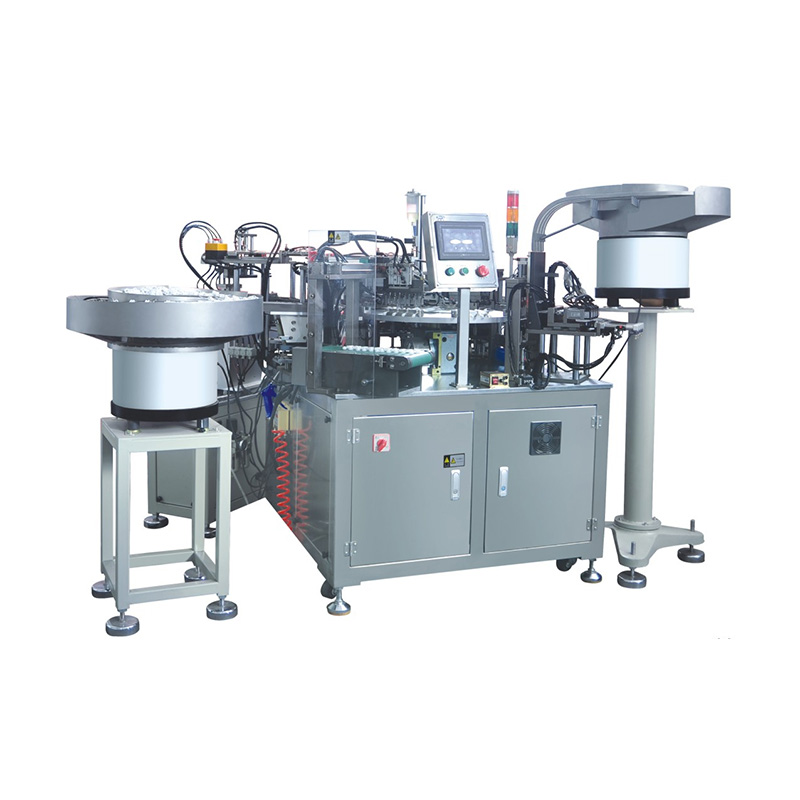
China Zhejiang Taizhou Ambe Trading Co., Ltd. is a manufacturer specializing in the production of medical equipment automation equipment.
Plastic medical devices appear in many healthcare settings, from basic handling tools to more structured clinical components. Although the materials look familiar, the expectations behind them are not simple. Stability, consistency, and controlled production conditions all play a role in how these products are evaluated.
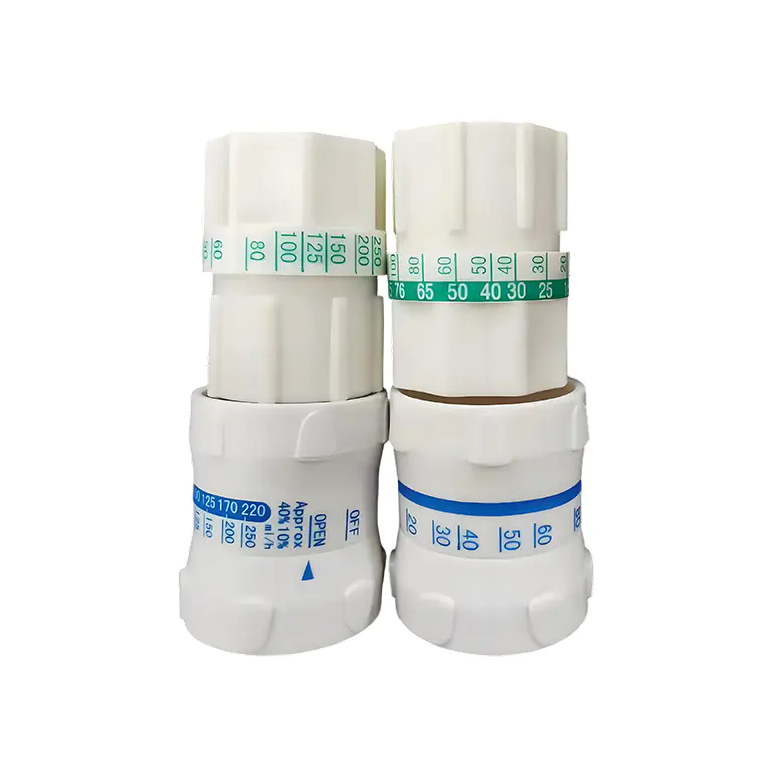
Choosing a plastic medical device manufacturers in this field is less about surface impression and more about how the production system behaves over time. What matters is not only what is produced, but how it is produced and maintained under changing demands.
What Makes a Plastic Medical Device Manufacturer Worth Attention?
A reliable manufacturer often shows stability in communication and process behavior. Information is usually shared in a clear and structured way. Details remain consistent across different stages of discussion.
In contrast, unclear or shifting explanations may indicate weak internal coordination. When production logic is not stable, communication tends to reflect that uncertainty.
Another sign appears in responsiveness. Predictable replies and organized information flow often suggest that internal systems are aligned. This does not guarantee quality, but it helps form an initial impression of operational structure.
Trust is rarely built in a single interaction. It develops through repeated observation of how the manufacturer responds under different conditions.
How Does Production Environment Influence Reliability?
The production environment reflects how controlled and repeatable the process is. In plastic medical device manufacturing, consistency is closely linked to how materials and people move within the space.
A structured environment usually limits unnecessary movement. Materials follow defined paths. Work areas are separated based on function. This reduces random interaction and helps maintain stable conditions.
Air movement and surface organization also matter. Even when not directly visible, these elements influence how stable the production flow remains.
| Environment factor | Structured setup | Less structured setup |
|---|---|---|
| Material flow | Defined direction | Irregular movement |
| Work zones | Separated areas | Mixed activity |
| Surface handling | Controlled contact | Frequent exposure |
| Workflow pattern | Repeatable steps | Variable process |
These differences shape how predictable production output becomes over time.
Why Does Material Handling Matter So Much?
Material handling is often an early indicator of how seriously a manufacturer manages control. Before production begins, raw materials already carry exposure from transport and storage.
A structured handling system reduces unnecessary contact and keeps materials in predictable conditions. Storage areas are organized. Movement between stages is planned rather than improvised.
When handling is unclear, variation can appear later in production, even if early samples seem acceptable. This is why attention to material flow is often more important than appearance of final products.
A simplified view of handling flow:
| Stage | Focus | Observation point |
|---|---|---|
| Receiving | Controlled entry | Traceability clarity |
| Storage | Stable placement | Organization level |
| Transfer | Limited exposure | Movement control |
| Preparation | Structured access | Handling consistency |
Each stage contributes to overall stability rather than functioning independently.
How Is Product Consistency Maintained Across Production?
It's far more important to keep products uniform all the time than to get good results just once. A single batch might turn out well, but consistent quality over the long run relies on keeping the same standard for every production run.
Making plastic medical items involves multiple rounds of molding, shaping and assembly. Even tiny differences in these steps will add up and change the final products.
Well-run factories stick to fixed operating rules instead of changing procedures randomly. This keeps the whole production line running in a steady routine.
When products stay uniform, all follow-up work becomes much simpler. On the contrary, minor differences will keep building up batch after batch if consistency cannot be guaranteed.
What Role Does Communication Play in Supplier Selection?
Communication reflects internal organization more than external presentation. Clear communication usually indicates that information flows smoothly within the manufacturer's system.
Inconsistent communication patterns may suggest shifting internal priorities or unclear responsibility distribution. This does not immediately reflect product quality, but it can signal instability in coordination.
Another important aspect is clarity. Responses that avoid unnecessary complexity tend to reflect organized internal knowledge. When explanations change frequently, it becomes harder to build trust in long-term cooperation.
Communication should not only be fast, but also consistent in meaning.
How Do Manufacturers Handle Quality Observation?
Quality observation is not limited to final inspection. It is present throughout the production flow. Each stage offers an opportunity to identify variation before it accumulates.
Instead of focusing only on finished products, structured manufacturers tend to observe intermediate stages as well. This helps reduce unexpected differences later in the process.
Observation methods are usually simple in appearance but consistent in application. Repetition plays a key role. When observation is repeated in the same way across time, changes become easier to notice.
| Observation stage | Focus area | Purpose |
|---|---|---|
| Early stage | Raw material condition | Prevent early variation |
| Mid stage | Process stability | Maintain consistency |
| Late stage | Output uniformity | Confirm alignment |
The value lies in continuity rather than intensity.
Why Does Design of Workflow Matter?
A well-planned workflow is the foundation of a manufacturer's stable production capacity. Clear division of production steps makes the whole manufacturing process regular and controllable.
A concise and reasonable workflow avoids redundant and overlapping working procedures. It prevents operational confusion and allows production to proceed in a stable and orderly manner.
On the contrary, messy and undefined workflow arrangements will lead to irregular operation standards. Workers may handle procedures differently in each production cycle, which creates subtle differences in products.
In addition, workflow layout also determines the efficiency of production adjustments. Standardized and structured processes allow teams to make targeted improvements quickly, without disturbing the overall production progress.
What Should Be Observed in Real Supplier Evaluation?
Supplier evaluation often involves looking beyond surface descriptions. Practical behavior provides more useful signals than general statements.
Attention can be given to how information is shared, how questions are answered, and how consistent responses remain over time. Repeated interaction often reveals more than a single discussion.
A simple comparison framework:
| Evaluation area | What to observe | What it may indicate |
|---|---|---|
| Communication | Clarity and stability | Organizational structure |
| Production flow | Predictability | Process control |
| Material handling | Order and movement | Operational discipline |
| Response behavior | Consistency over time | Coordination strength |
No single factor is decisive. The overall pattern matters more than individual points.
How Do External Conditions Influence Manufacturer Behavior?
Market demand, supply changes, and internal adjustments can all influence production behavior. Manufacturers often adapt their workflow to meet changing conditions.
The key observation is whether adaptation remains structured or becomes inconsistent. Structured adaptation maintains stability even during change. Unstructured adaptation may introduce variation into production.
Environmental pressure does not automatically reduce reliability. The response to that pressure is what defines stability.
Why Is Long-Term Interaction Important in Selection?
Long-term interaction helps reveal patterns that are not visible in short-term evaluation. A manufacturer may appear stable at first, but consistency becomes clearer over repeated exchanges.
Over time, communication behavior, response timing, and process explanations tend to reveal whether internal systems remain steady.
Short-term impressions can be influenced by isolated situations. Long-term observation reduces this uncertainty and provides a more balanced view.
Sustained interaction often highlights whether reliability is part of structure or temporary behavior.