
 English
 русский
 Español


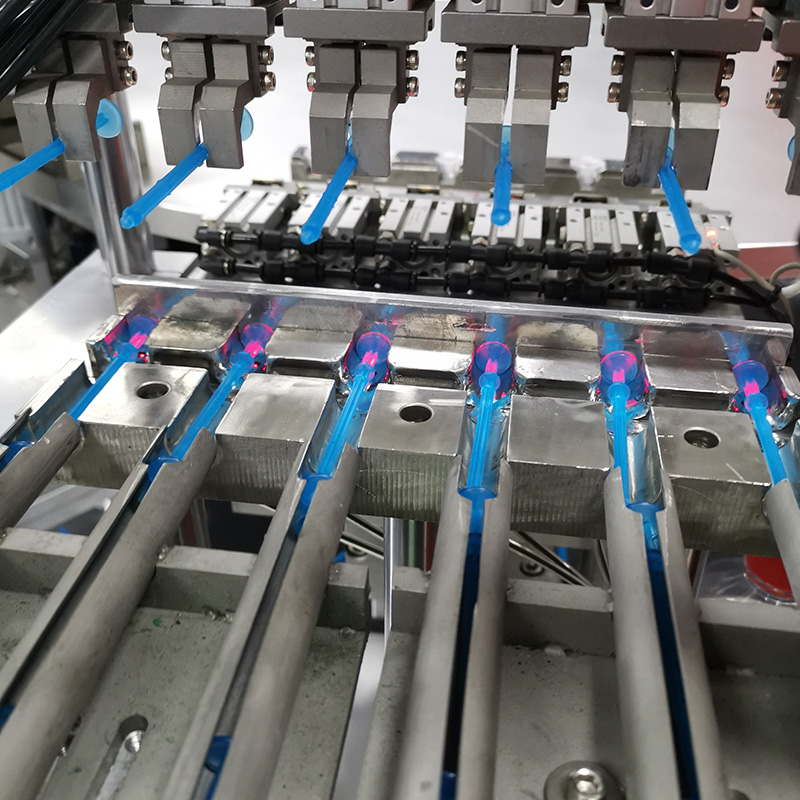
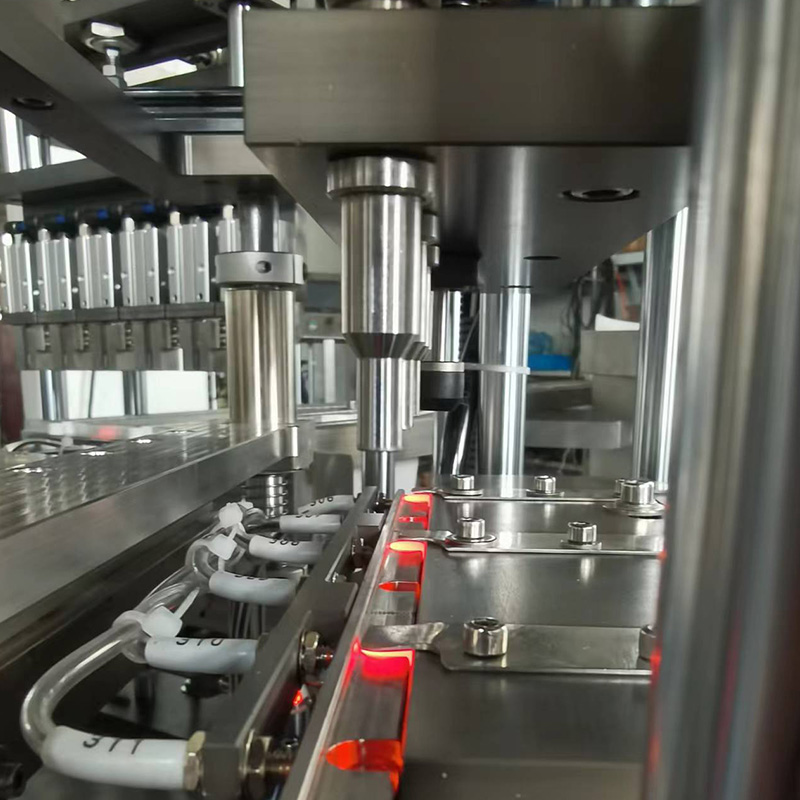
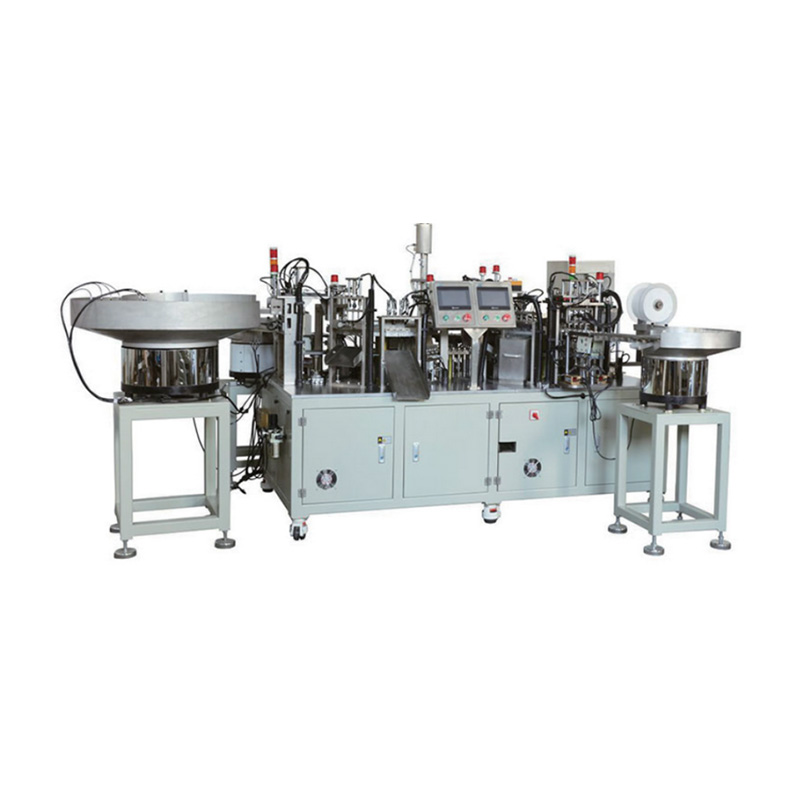
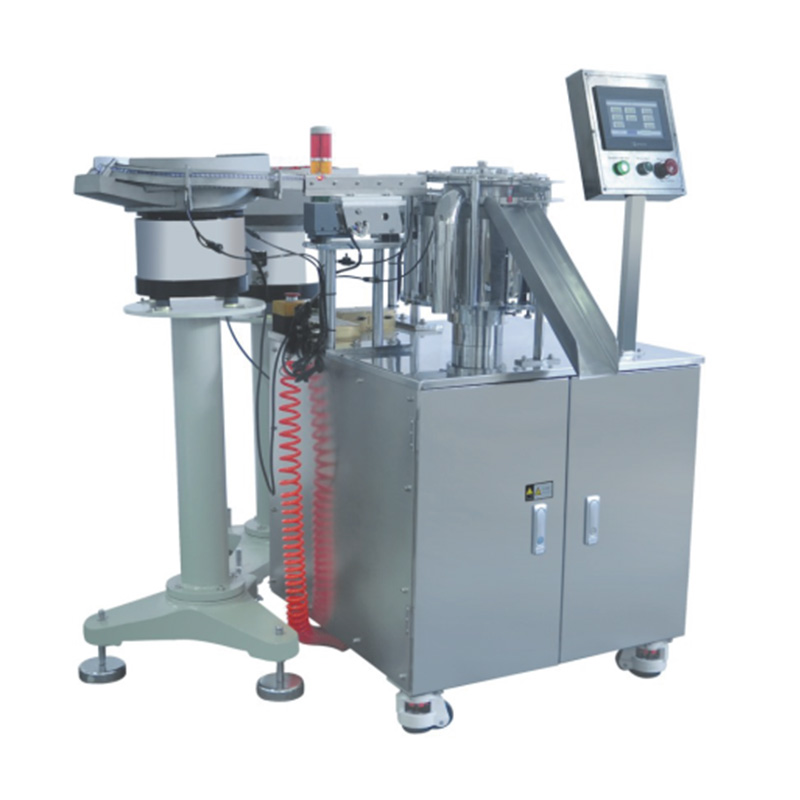
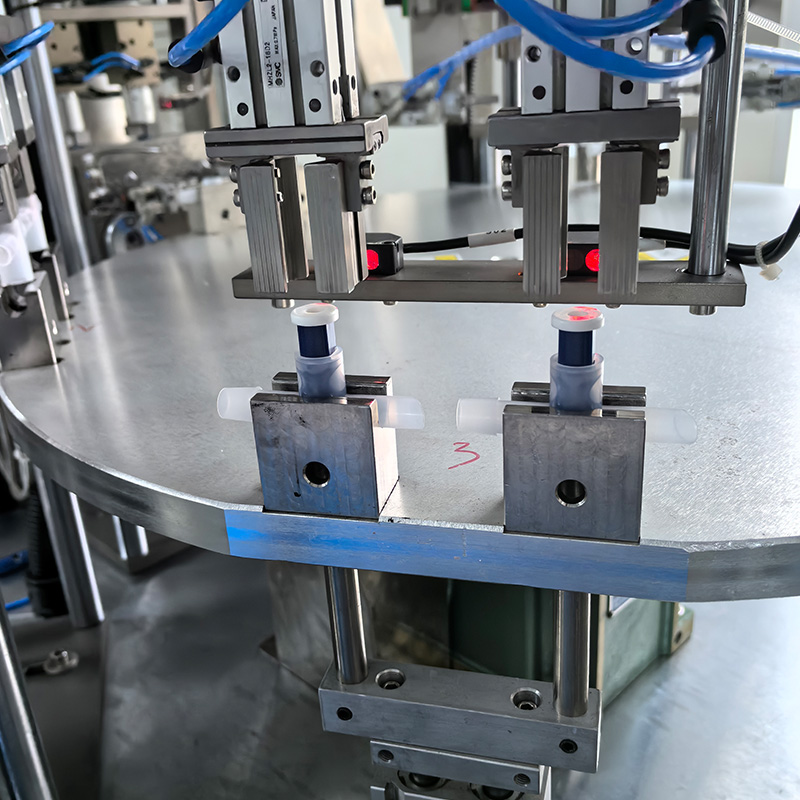
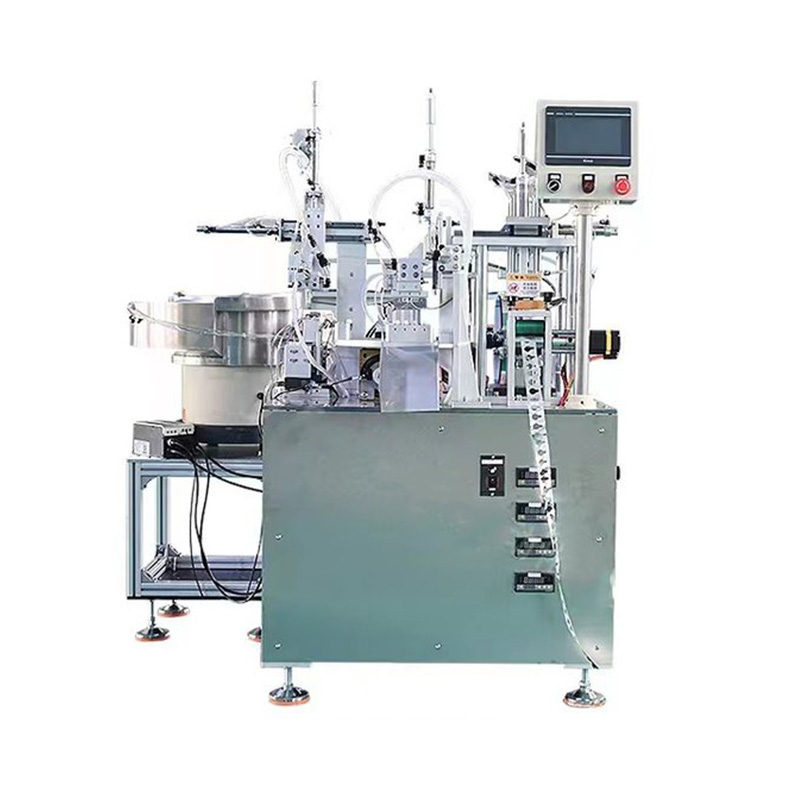
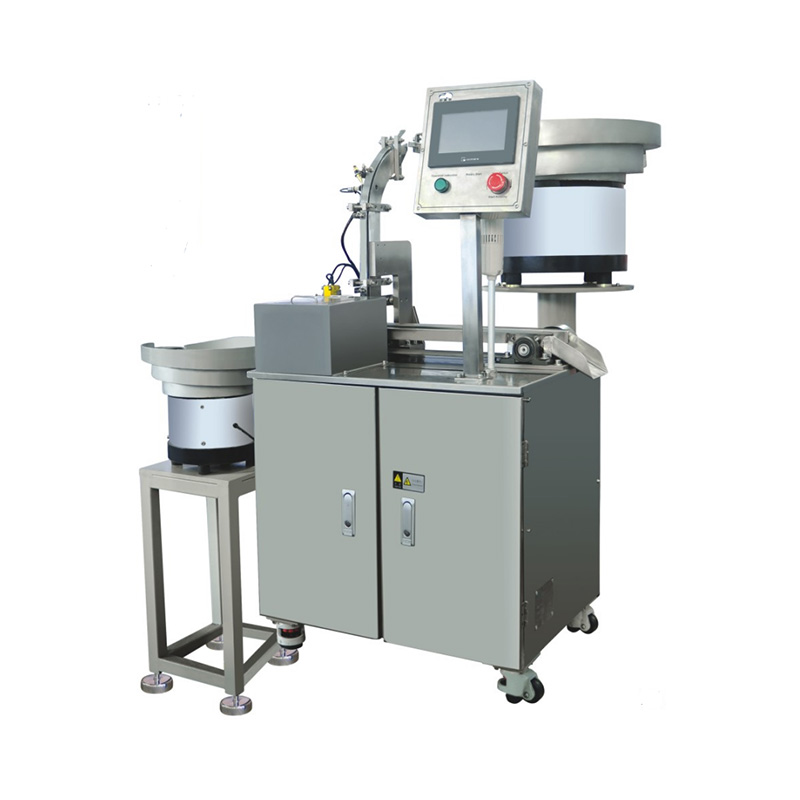
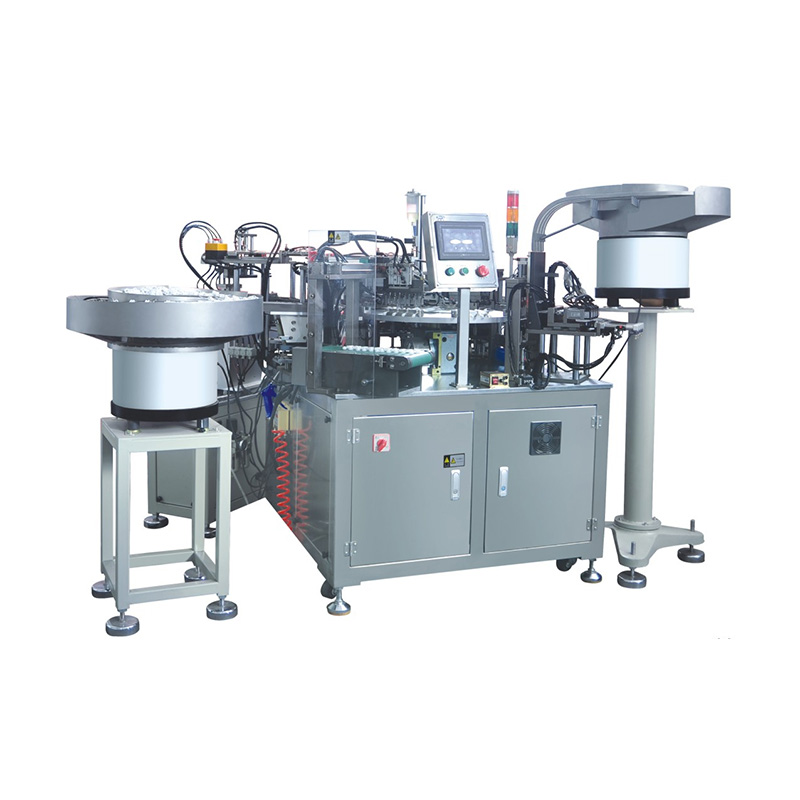
China Zhejiang Taizhou Ambe Trading Co., Ltd. is a manufacturer specializing in the production of medical equipment automation equipment.
Medical plastic products are not something people usually notice at first glance. They sit quietly in the background of hospitals, clinics, laboratories, and even home care settings. Yet they are used everywhere, often in repeated daily routines that keep healthcare systems moving.
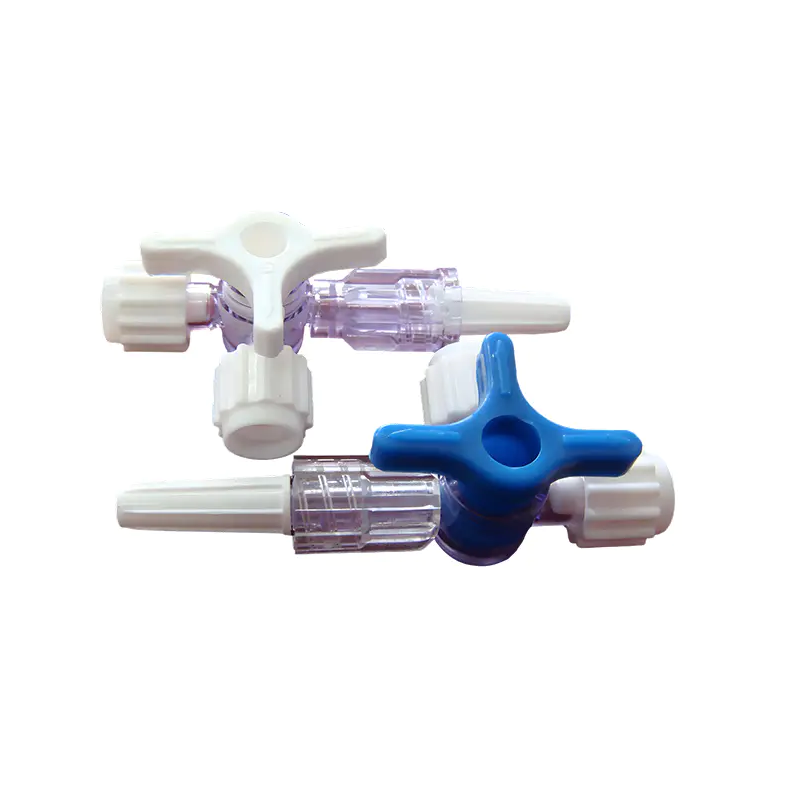
What makes them so widely used is not a single feature. It is a combination of practicality, handling convenience, and adaptability to different environments. They show up in small tools, storage systems, protective items, and many supporting roles that are easy to overlook.
The interesting part is how these products blend into both simple and complex medical activities without drawing attention to themselves.
Why Do Medical Plastic Materials Fit So Well in Healthcare Environments?
Healthcare spaces tend to be busy, structured, and constantly changing. Staff move quickly between tasks. Equipment needs to be easy to pick up, use, and replace.
Medical plastic materials naturally fit into that rhythm.
They are light in weight, which sounds simple, but it changes how tools are handled throughout the day. Items can be moved between rooms without effort. Storage becomes less complicated. Even transport inside facilities becomes smoother.
There is also the way these materials are shaped. Plastic allows a wide range of forms without making items heavy or difficult to handle. Rounded edges, compact designs, stackable structures—these are all easier to achieve with plastic-based materials.
Another point that often goes unnoticed is surface behavior. Many medical products are designed to reduce residue buildup and support easier cleaning routines. In environments where hygiene is part of every step, this becomes very important.
So instead of being "special" materials, they become practical ones. That is why they appear so often.
Where Are Medical Plastic Products Used in Disposable Healthcare Items?
Disposable items are probably the most familiar use of medical plastics, even for people outside the healthcare field.
These are the items used once and then discarded. Not because they are low quality, but because they are designed to reduce unnecessary handling steps and support cleaner workflows.
In daily hospital routines, disposable plastic-based products appear in examination rooms, patient wards, and emergency care areas. They are opened quickly, used briefly, and removed from the process just as fast.
This approach helps reduce the need for cleaning and sterilization cycles in certain situations. It also helps keep workflow uninterrupted during busy periods.
There is a quiet efficiency in this system. Instead of managing reuse and cleaning, attention stays on patient care.
How Are Medical Plastic Products Used in Disposable Medical Supplies?
Disposable medical supplies are one of the most visible areas where medical plastics are applied. These products are designed for single use to reduce cross-contact risks in clinical environments.
Common examples include items used for basic patient care, examination procedures, and short-term clinical tasks. They are designed to be practical, easy to open, and simple to discard after use.
In many healthcare settings, disposable items help reduce cleaning workload. They also support time-sensitive tasks where quick replacement is more efficient than sterilization cycles.
Common Disposable Applications in Healthcare
| Application Area | Typical Usage Scenario | Functional Purpose |
|---|---|---|
| Patient care items | Daily hospital routines | Maintain hygiene and simplify handling |
| Examination tools | Routine medical checks | Support quick and clean usage |
| Protective items | Clinical contact situations | Reduce exposure risks |
| Fluid handling items | Basic collection tasks | Improve safety and containment |
Disposable medical plastics continue to evolve in design, focusing on ease of use and reliability. Their role in infection control practices has made them an important part of modern healthcare workflows.
What Role Do Medical Plastic Products Play in Patient Care?
Patient care is not a single action. It is a collection of repeated daily tasks, many of them small but necessary.
Plastic products appear in these routines more than people realize.
They are used in feeding tools, hydration support items, hygiene assistance, and general care accessories. These are not high-visibility tools, but they are part of daily comfort and function.
In hospital rooms, plastic storage and organization tools help keep supplies in order. This reduces time spent searching for items and keeps workflows more predictable.
Even simple objects like trays or containers make a difference. They help structure movement and reduce unnecessary steps during care routines.
There is also a comfort factor. Smooth surfaces and lightweight structures make these products easier for patients to interact with, especially in long-term care situations.
It is not about complexity. It is about reducing small difficulties throughout the day.
How Are Medical Plastic Products Used in Clinical and Surgical Spaces?
Operating and clinical areas run on tight standards of neatness and control. Every piece of equipment has a set spot, and items must stay in place while medical staff carry out treatments and surgeries.
Plastic medical supplies offer straightforward, hands-on support to keep this orderly system running smoothly.
Staff rely on them to sort surgical tools, cover work surfaces, and divide sterile zones in controlled spaces. These tasks might not seem critical at first glance, yet they keep work areas tidy during complex procedures that demand full focus.
Plastic trays and holders are widely used to lay out instruments in fixed, easy-to-locate arrangements. With all tools neatly visible, medical teams can work steadily without unnecessary pauses.
Many single-use plastic accessories also make room setup and cleanup far faster. They cut down prep work and let clinical spaces switch between different patient cases with ease.
These plastic items won't change standard surgical methods. Their core function is to simplify space and workflow management for medical staff.
How Do Medical Plastic Products Work in Pharmaceutical Packaging and Handling?
Pharmaceutical facilities have very strict rules for storage and product handling. Medicines have to be fully shielded from outside contaminants, yet still simple for staff to sort and move daily.
That explains why medical-grade plastic is such a common pick for all kinds of pharmaceutical packaging.
Factories produce bottles, lids, protective films and shipping frames out of these plastics. All these pieces keep pharmaceutical goods stable through storage and transit alike.
Visibility is one huge plus. Clear or semi-transparent plastic packaging lets workers see what's inside right away, no need to open every single pack and touch the product unnecessarily.
Plastic packaging also makes bulk distribution far more orderly. Medications can be separated into batches and tightly sealed, which lowers breakage risks and makes every logistics step run more smoothly.
Transport equipment fitted with plastic parts also guarantees tight seals and steady movement for all medical shipments.
Keeping products safe is not the only target. It's equally vital to design packaging that stays easy and uncomplicated for regular handling work.
Are Medical Plastic Products Expanding Into New Healthcare Areas?
Healthcare is changing, and the use of medical plastics is changing with it.
One growing area is home-based care. More people are managing health needs outside traditional facilities. This creates demand for simple tools that are easy to use without professional setup.
Products fit into this space because they are lightweight, intuitive, and easy to store. They do not require complex handling.
Another area is portable healthcare support. Small, mobile tools are becoming more common, especially in situations where care needs to move between locations.
Plastic materials make these designs possible without adding weight or bulk.
There is also increasing attention on how materials are used after their lifecycle ends. Disposal systems and reuse planning are becoming part of product thinking, even if not always visible to end users.
Medical plastics are not standing still. Their applications are gradually shifting with healthcare needs.
How Do Medical Plastic Products Influence Daily Healthcare Efficiency?
Efficiency in healthcare is not always about doing things faster. Often, it is about reducing unnecessary steps.
Products contribute to this in subtle ways.
Lightweight tools are easier to move between departments. This reduces delays caused by handling or transport.
Storage systems made from plastic materials also help organize supplies in visible and accessible ways. When items are easy to find, tasks move more smoothly.
Standardization is another quiet benefit. When tools follow similar shapes or usage patterns, staff can adapt quickly without confusion.
Even small improvements in handling create noticeable differences in busy environments.
The result is not dramatic change. It is steady improvement in daily flow.
How Are Medical Plastic Products Connected to Infection Control Practices?
Infection control is part of almost every healthcare process. It influences how tools are designed, used, and handled.
Medical products support this through practical design choices.
Single-use items reduce repeated handling. This lowers the chance of cross-contact in fast-moving environments.
Barrier tools help separate different zones, especially in clinical spaces where movement needs to be controlled.
Storage containers also play a role. Keeping items enclosed and organized reduces unnecessary exposure during transport or use.
Even surface design matters. Smooth materials are generally easier to clean, which supports routine maintenance without adding extra complexity.
It is not about one solution. It is about many small design decisions working together.
How Do Medical Plastic Products Adapt to Modern Healthcare Needs?
Healthcare environments rarely stay the same for long. Needs shift, routines change, and new care methods appear.
Medical products adapt well to this kind of environment.
They can be designed in many forms, from simple tools to more structured systems. This flexibility allows them to fit into different settings without requiring major changes in workflow.
They also support modular use. Different components can be combined or separated depending on need. This makes them useful in both fixed facilities and temporary setups.
Mobility is another important factor. Lightweight tools can be moved easily when care settings change or expand.
Instead of locking systems into one form, medical plastics allow adjustment.
That flexibility is part of why they continue to appear across so many healthcare areas today.