
 English
 русский
 Español


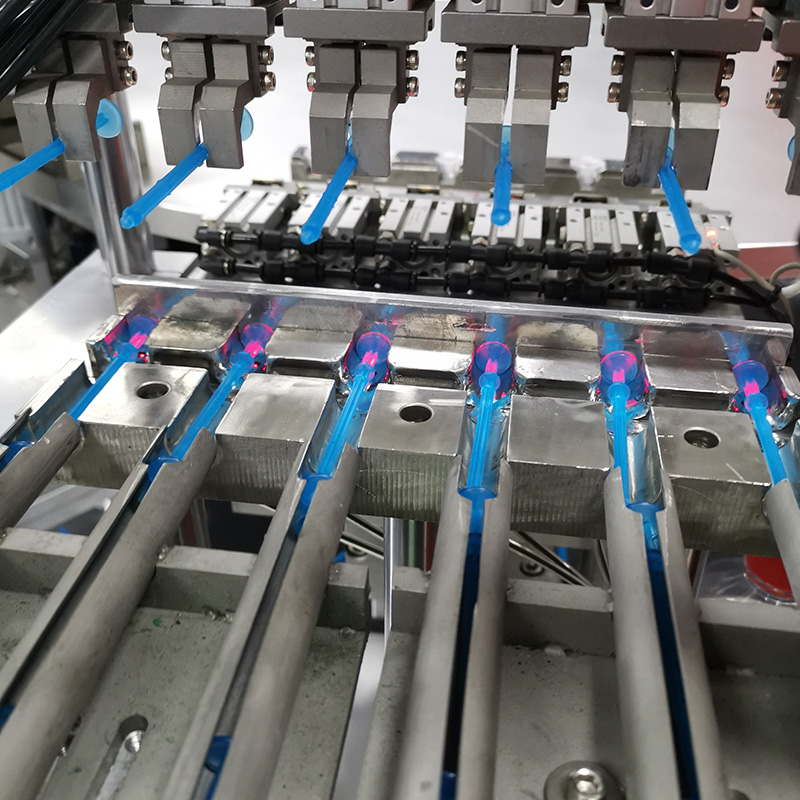
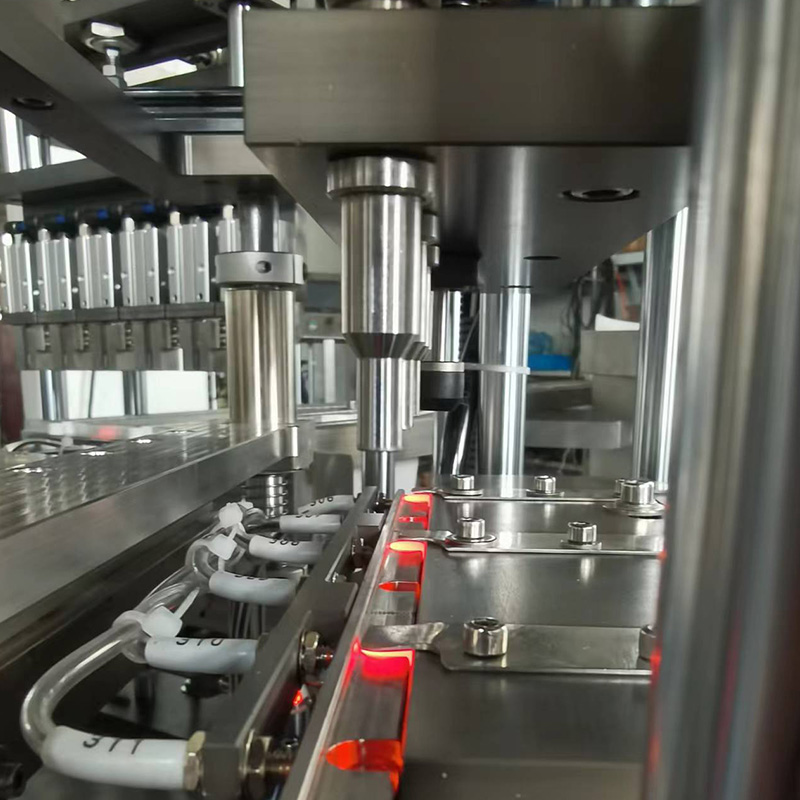
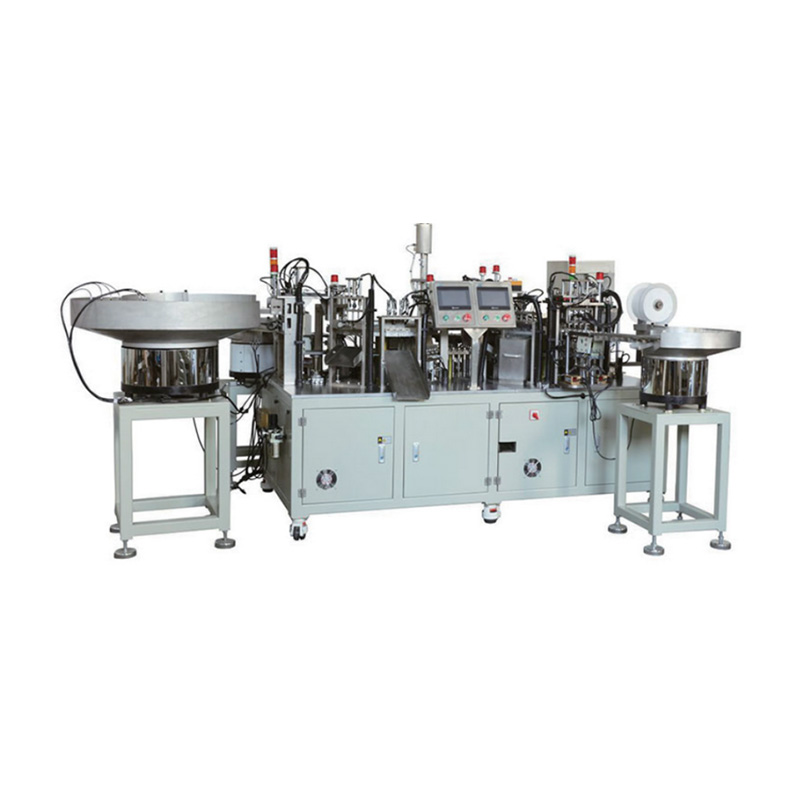
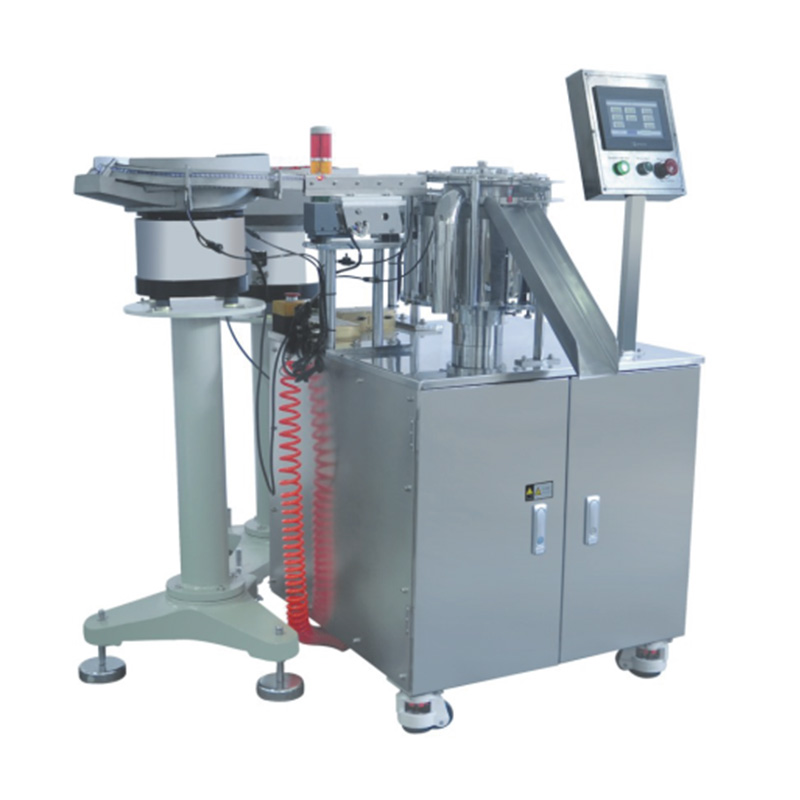
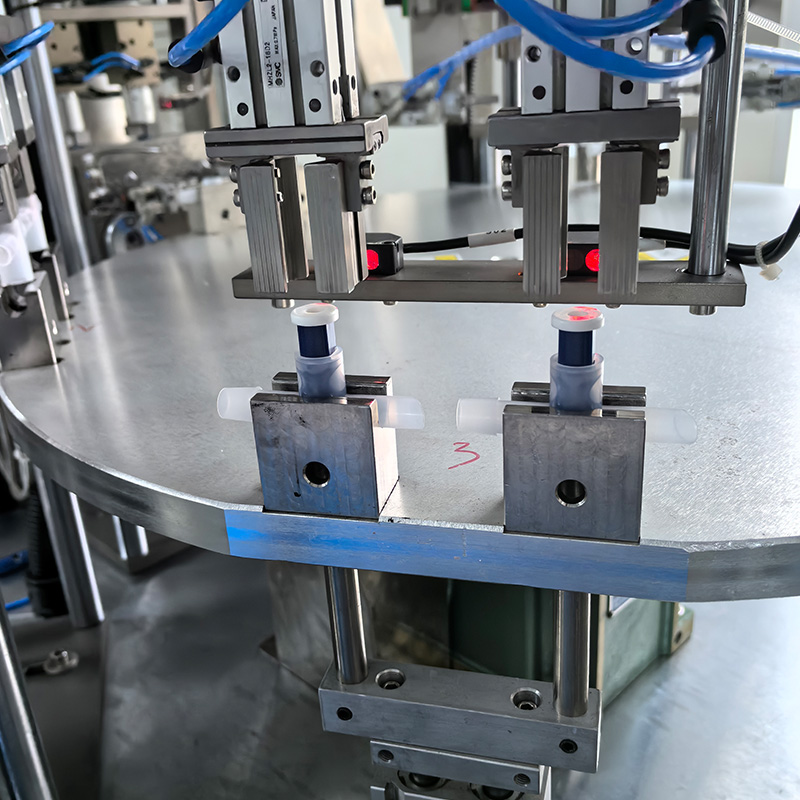
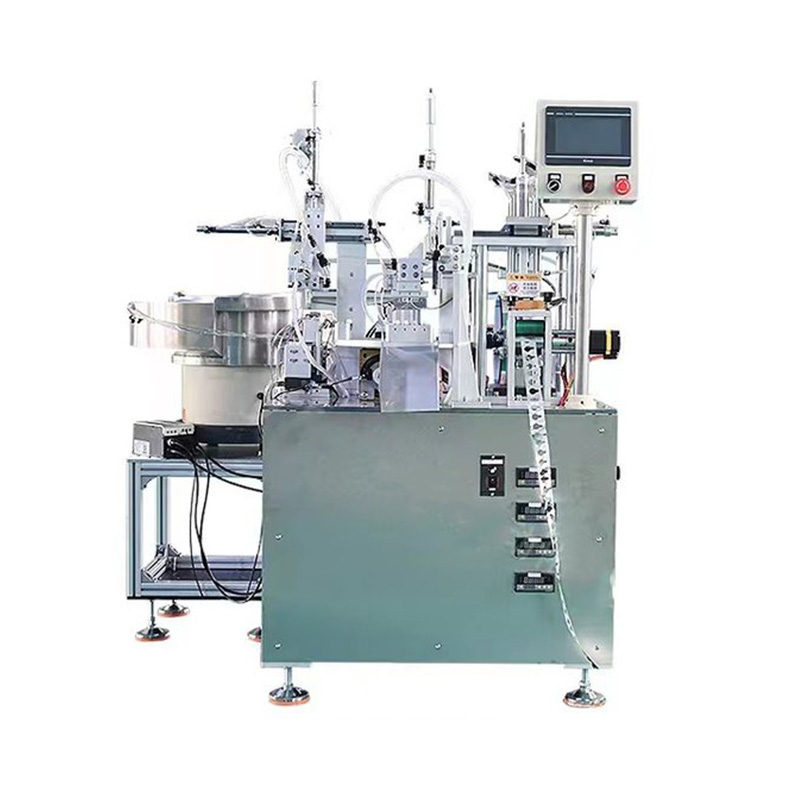
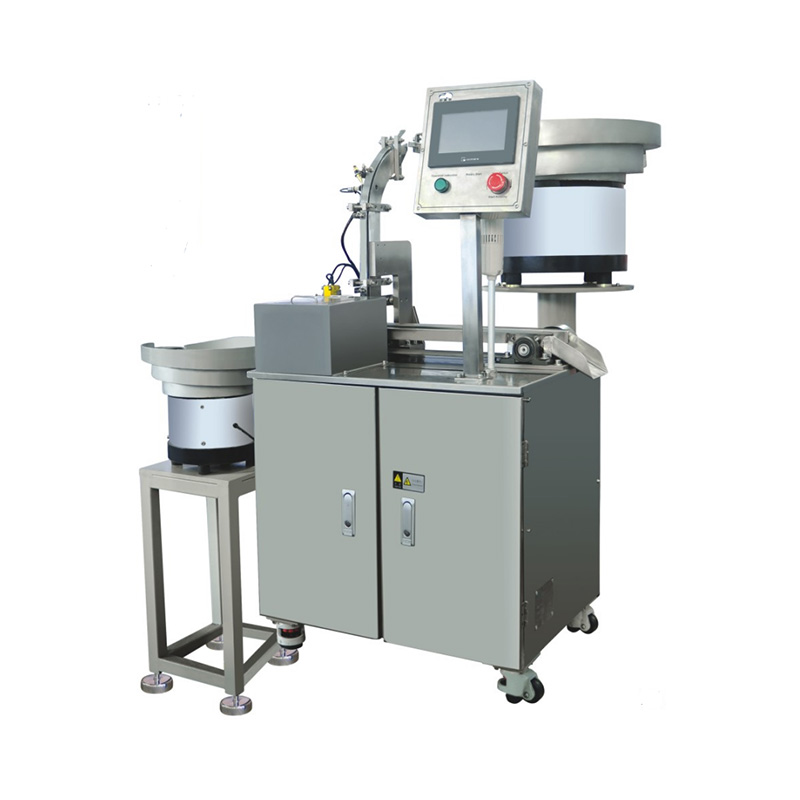
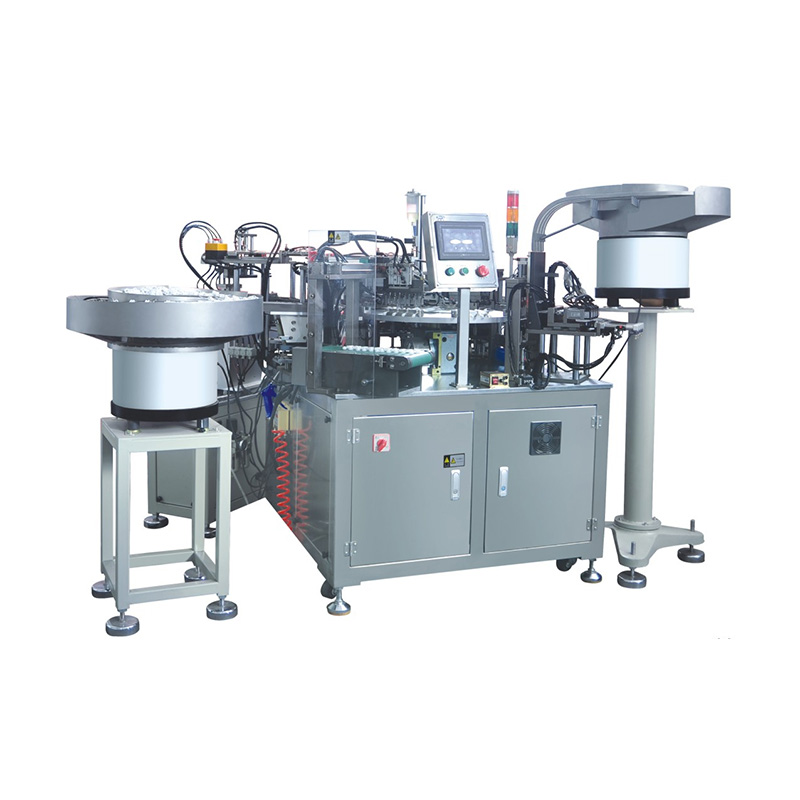
China Zhejiang Taizhou Ambe Trading Co., Ltd. is a manufacturer specializing in the production of medical equipment automation equipment.
Medical manufacturing is not only about producing healthcare products. Behind every finished item, there are many steps involving preparation, assembly, inspection, and packaging. As demand for medical products continues to change, companies are paying more attention to how these processes are managed.
This is where Medical Automation Equipment becomes part of the discussion.
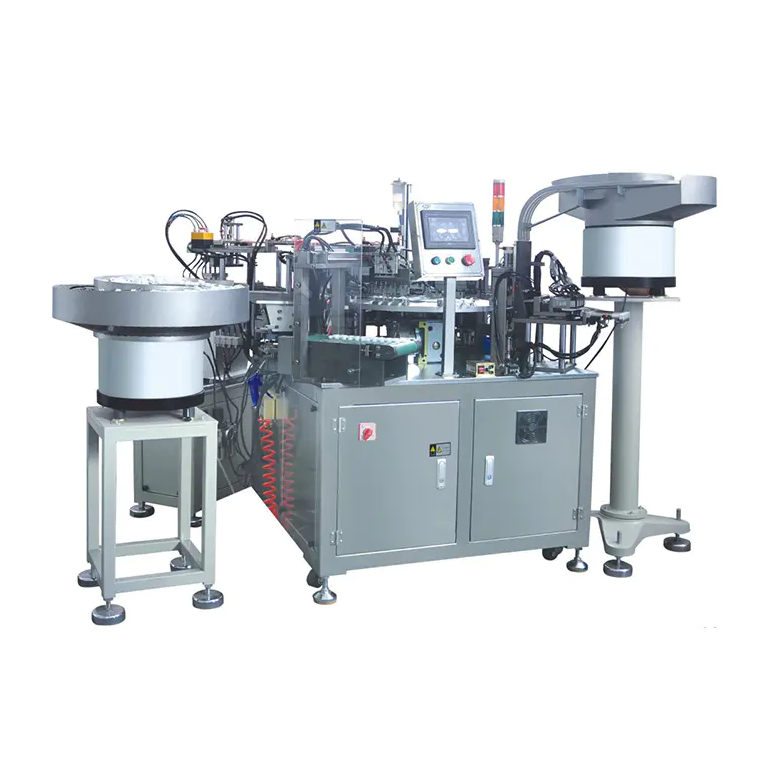
Automation equipment has gradually moved into different areas of medical production. It helps companies handle repeated tasks, organize workflows, and create a more stable working environment.
The purpose of automation is not simply to replace manual work. In many cases, it works alongside skilled employees and helps them manage complex production activities more easily.
Why is Medical Automation Equipment becoming common in medical industries?
Medical industries have special requirements compared with many other manufacturing fields. Products need careful handling, organized production, and consistent processing methods.
Manual work remains important, especially in areas that require experience and judgment. However, repeated tasks can become time-consuming when production demand increases.
Automation equipment provides another way to manage these situations.
Companies may introduce automation systems for reasons such as:
- Reducing repeated manual operations
- Creating a more organized production flow
- Helping workers manage daily tasks
- Supporting changing market requirements
The decision to use automation depends on each company's situation. Some businesses may need support for one production stage, while others may look for wider manufacturing improvements.
Where is Medical Automation Equipment commonly applied?
The application range of automation equipment is growing. It can be found in different parts of medical manufacturing and related operations.
Common application areas include:
| Field | Application Direction |
|---|---|
| Medical Product Manufacturing | Supporting assembly and production activities |
| Laboratory Work | Assisting repeated laboratory operations |
| Packaging | Helping organize product preparation |
| Inspection | Supporting checking and sorting activities |
| Material Handling | Moving and arranging production materials |
Each area has different expectations. A company producing medical components may focus on assembly support. A laboratory may pay more attention to workflow organization.
Because of these differences, automation equipment is often developed around specific working conditions.
How does automation equipment support medical product manufacturing?
Manufacturing medical products involves many small steps. Some processes may appear simple, but they require attention when repeated over a long production period.
Automation equipment can assist with these tasks by creating a more structured workflow.
For example, in product assembly, automation may help organize the movement of parts and reduce unnecessary manual handling. During packaging, it may help companies manage products before shipment.
Typical manufacturing applications include:
- Product assembly assistance
- Production line coordination
- Packaging preparation
- Material movement
- Process monitoring support
The role of automation depends on the product type and manufacturing environment.
A medical manufacturer usually evaluates where automation can create value instead of applying it everywhere.
Can Medical Automation Equipment improve laboratory operations?
Laboratories often involve repeated activities. Handling samples, preparing materials, and organizing testing steps may require careful management.
Automation equipment can help laboratories create a more structured working process.
Some possible uses include:
| Laboratory Activity | Automation Support |
|---|---|
| Sample Management | Helping organize handling procedures |
| Testing Preparation | Supporting repeated preparation work |
| Workflow Management | Improving daily operation organization |
| Equipment Coordination | Connecting different working steps |
For laboratory teams, automation can reduce time spent on repetitive activities.
This allows professionals to focus more attention on analysis, research, and other tasks that require human experience.
Why is packaging an important application area for medical automation?
Packaging is often the final stage before medical products enter distribution. This step requires careful organization because products need proper preparation before leaving the production environment.
Automation equipment can help companies manage packaging activities in a smoother way.
Common packaging-related tasks include:
- Product arrangement
- Package preparation
- Label handling
- Final checking support
As medical products become more diverse, companies need packaging methods that can adapt to different requirements.
Automation provides flexibility for businesses that need to manage changing product categories and production schedules.
What should companies consider when selecting Medical Automation Equipment?
Choosing automation equipment is not only a purchasing decision. It is closely connected with production planning.
Before making a choice, companies usually need to understand their current workflow and future needs.
Important considerations include:
| Consideration | Reason |
|---|---|
| Production Requirements | Helps match equipment with actual tasks |
| Application Environment | Influences equipment selection |
| Future Changes | Allows room for adjustment |
| Supplier Communication | Helps create clearer project planning |
A suitable choice depends on the company's own situation.
Equipment that works well in one production environment may not provide the same value in another. Understanding the working process is an important step before investment.
How do suppliers help companies develop medical automation solutions?
The role of automation suppliers is changing. Many customers now expect more than equipment delivery.
They want suppliers who can understand production challenges and provide practical suggestions.
A supplier may help with:
- Project discussions
- Equipment planning
- Application suggestions
- Production adjustment ideas
- Ongoing communication
Good cooperation often begins before manufacturing starts. Clear discussions can help both sides understand what the project needs.
For medical companies, supplier experience can influence how smoothly automation is introduced into existing operations.
How is Medical Automation Equipment adapting to new industry demands?
Medical industries continue to change. Production methods, customer expectations, and product types are becoming more diverse.
Automation equipment is also developing with these changes.
Manufacturers are paying more attention to:
- Flexible equipment design
- Easier operation methods
- Support for different applications
- Better connection with production needs
The future demand for medical automation is not only about faster production. Companies are also looking for equipment that can fit their specific working environment.
Medical Automation Equipment will continue to play a role in helping manufacturers organize production, manage repeated tasks, and respond to changing market needs.