
 English
 русский
 Español


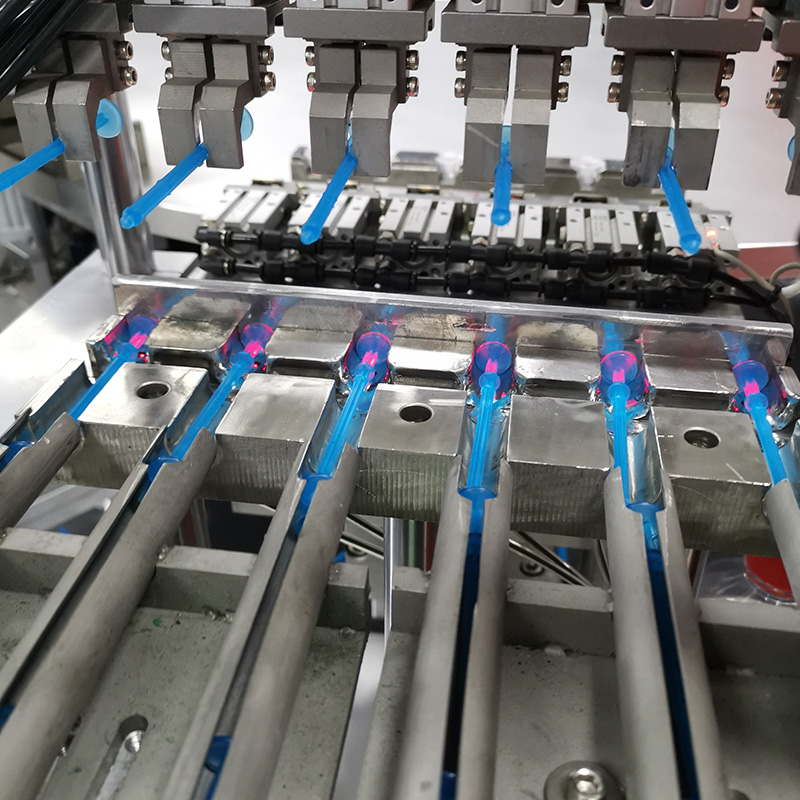
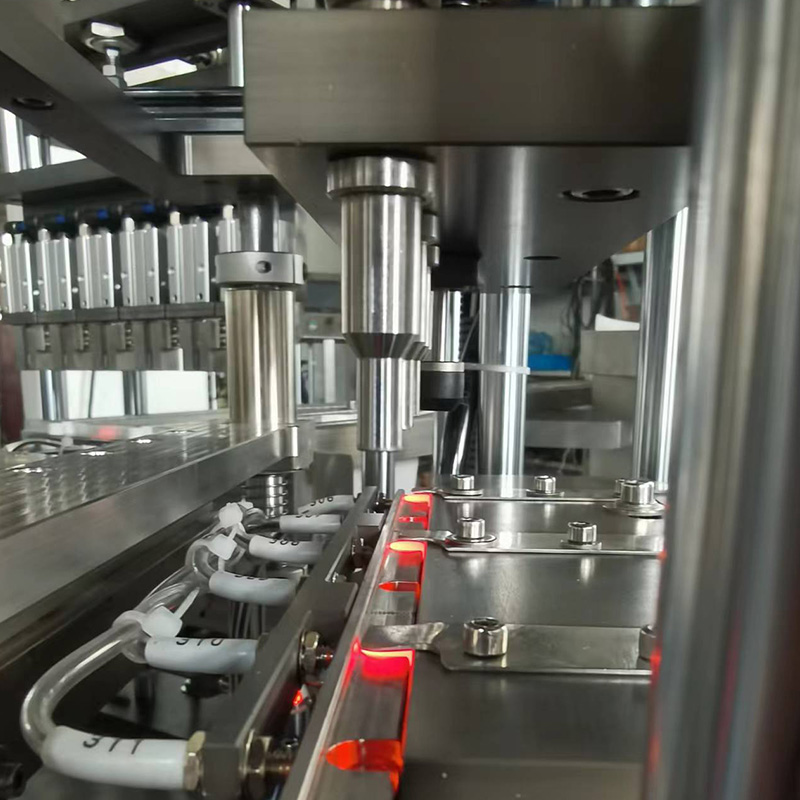
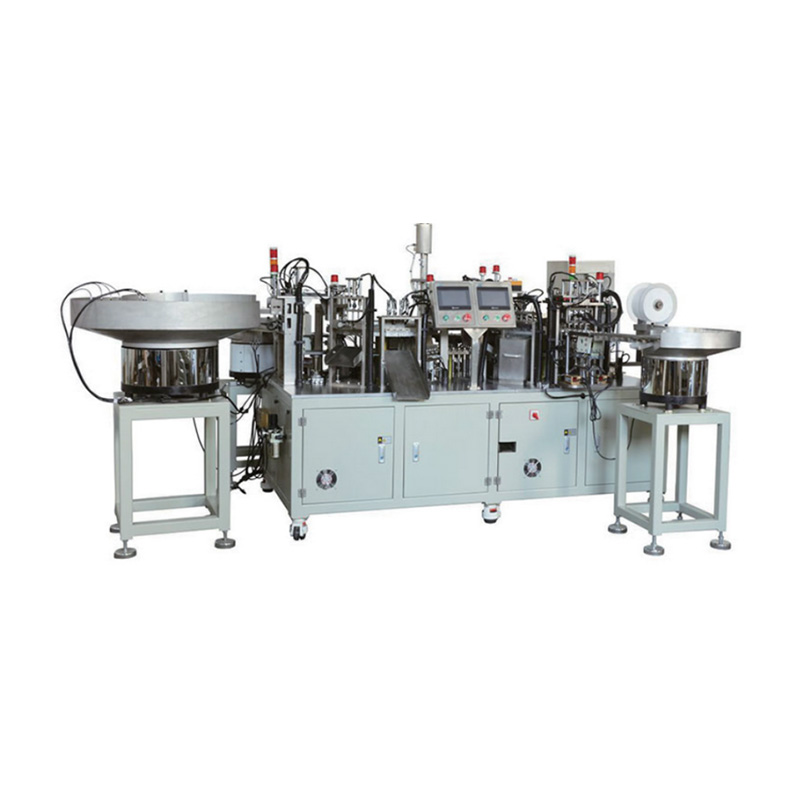
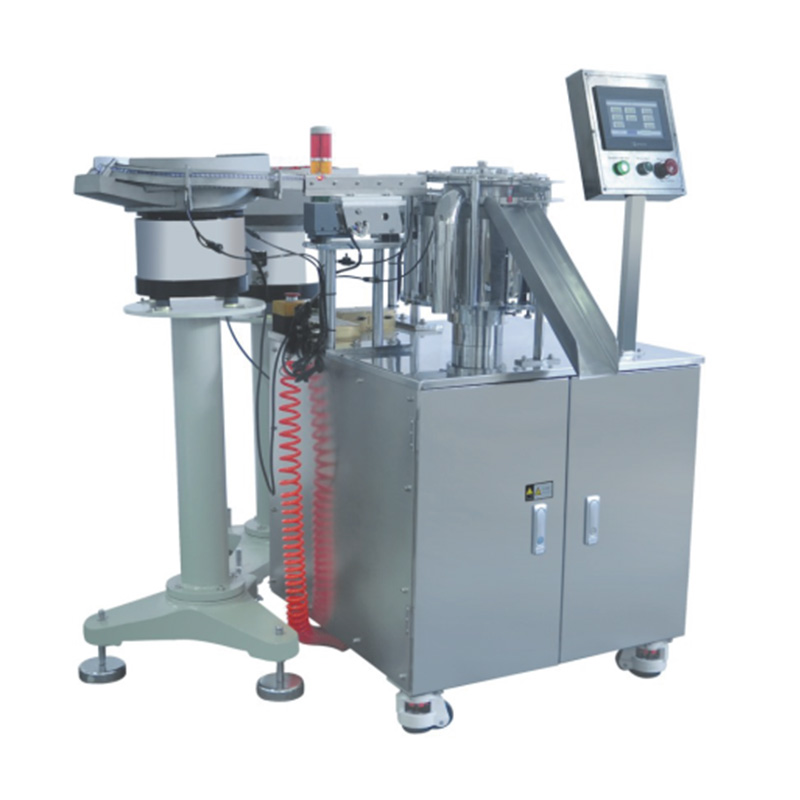
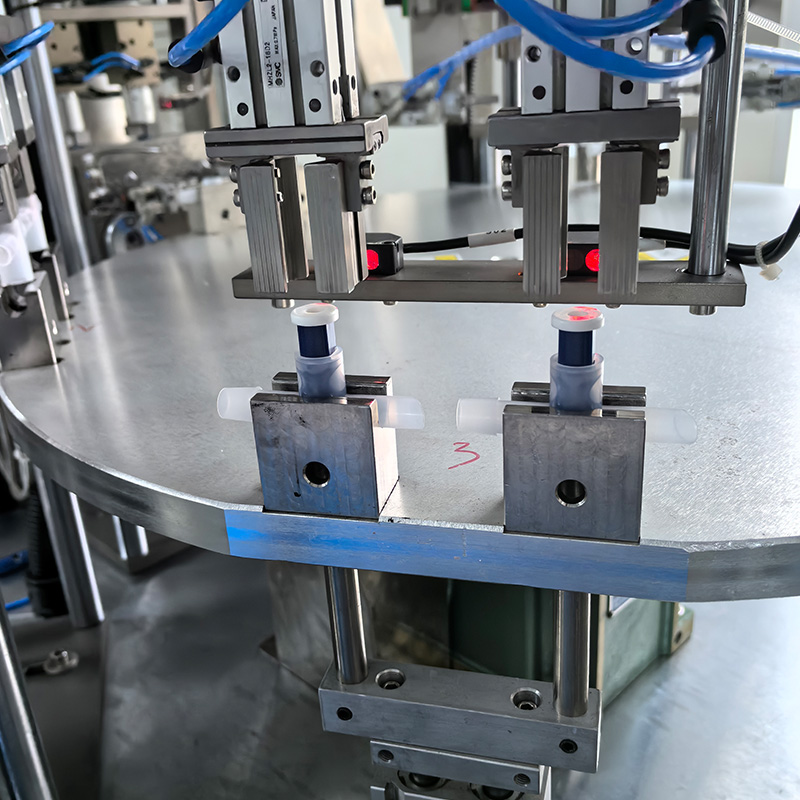
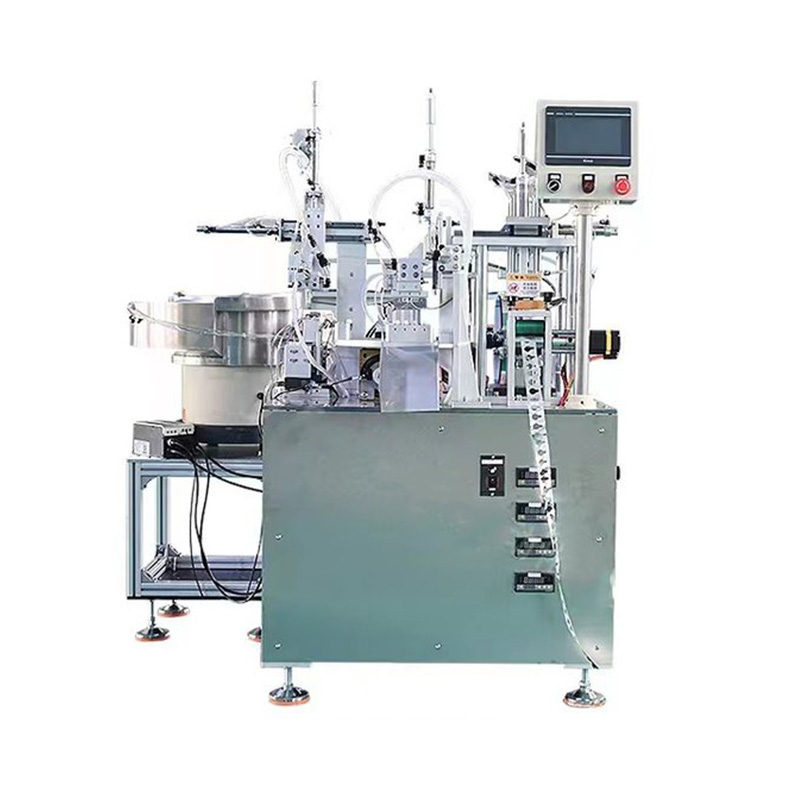
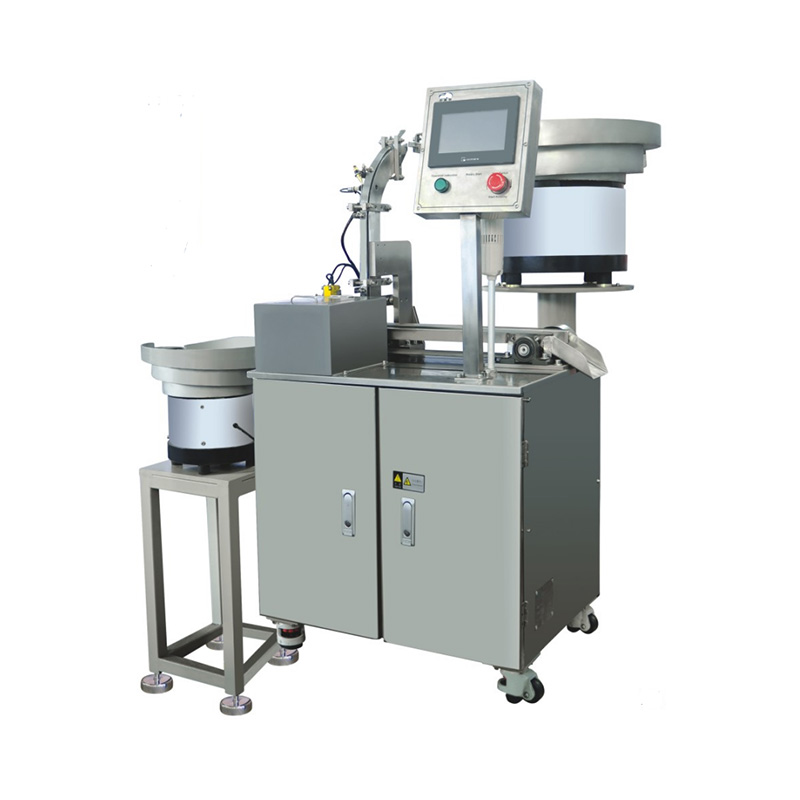
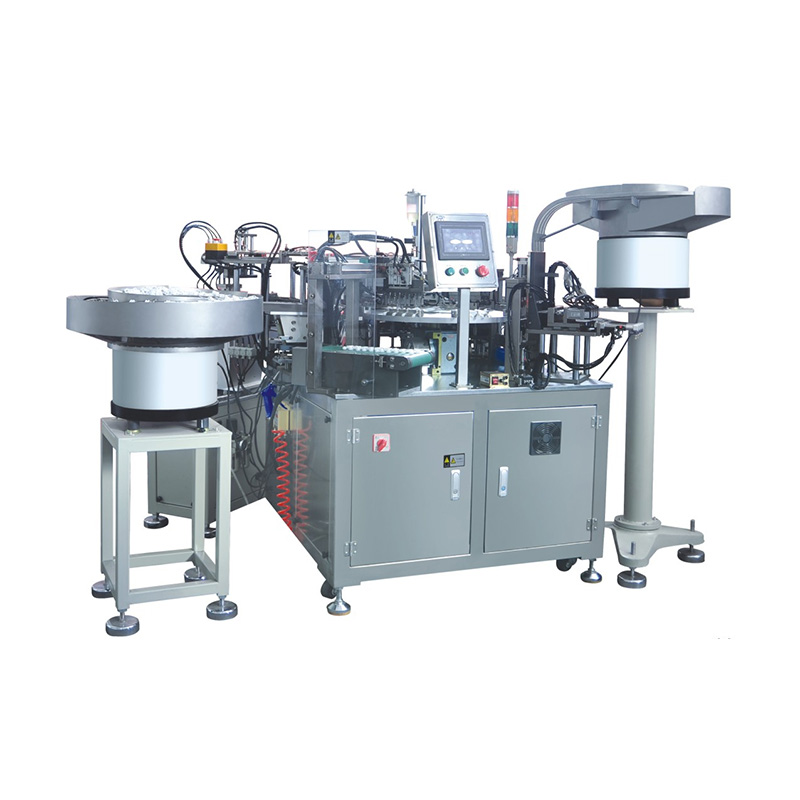
China Zhejiang Taizhou Ambe Trading Co., Ltd. is a manufacturer specializing in the production of medical equipment automation equipment.
In everyday medical settings, China Syringe is so common that people rarely stop to think about how they are made. Yet behind this simple tool, there is a steady shift taking place. In China, manufacturers are adjusting their approach, not through sudden changes, but through quiet refinements that respond to how healthcare is practiced today.
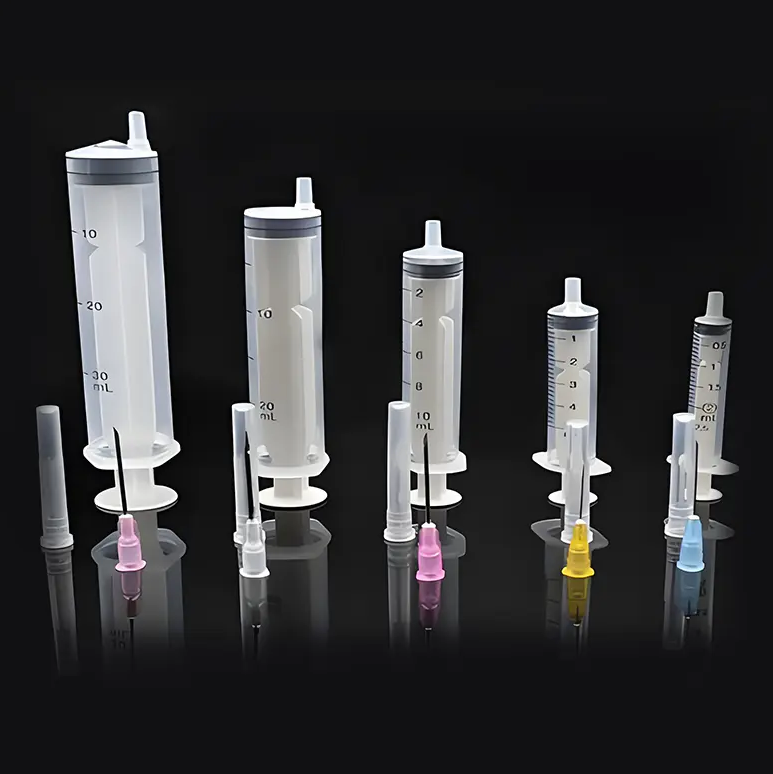
These changes are not driven by a single factor. They come from material choices, user habits, production needs, and a growing awareness of long-term impact. When viewed together, they reveal a direction that feels more practical, more balanced, and more connected to real-world use.
Why are material decisions becoming more careful?
Material selection used to follow a familiar path. Availability and basic performance were often enough to guide decisions. That approach is now giving way to something more deliberate.
Manufacturers are paying closer attention to how materials behave beyond the production line. A syringe may sit in storage, travel across regions, or be handled in different environments. Each step can affect its condition. Because of this, stability has become a quiet priority.
There is also a growing interest in how materials feel during use. A slightly smoother surface or a more stable structure can make handling easier. These are small differences, but they are noticed in daily practice.
Some producers are also experimenting with adjusted material combinations. These are not dramatic changes. Instead, they aim to find a better balance between usability and reliability. At the same time, conversations around environmental impact are starting to influence early-stage decisions, even if those changes are still cautious.
How is design becoming more straightforward?
Design is moving in a simpler direction. This does not mean removing function. It means reducing unnecessary complexity.
A syringe that is easy to understand can reduce hesitation during use. This matters in situations where clarity supports confidence. For this reason, manufacturers are rethinking details such as grip shape, plunger movement, and connection structure.
Some designs now focus on making actions feel more natural. When a user does not need to adjust their grip or rethink a step, the process becomes smoother. This kind of simplicity often comes from repeated observation rather than large design changes.
The goal is not to create something new for its own sake. It is to make something that works without effort.
What is changing inside production environments?
Production lines are becoming more adaptable than before. Demand does not always follow a steady pattern, so manufacturers are adjusting how they organize their processes.
In some facilities, workflows are arranged in a way that allows quicker changes between product types. In others, equipment is set up to support gradual adjustments rather than fixed output. These shifts help reduce interruptions when requirements change.
There is also a stronger focus on maintaining balance. Instead of pushing for speed alone, many producers are working toward stable and predictable output. This approach helps reduce waste and supports more consistent supply.
Flexibility, in this sense, is not about rapid movement. It is about controlled adjustment.
How are safety expectations shaping daily practice?
Safety has always been important, but the way it is handled is becoming more detailed. Rather than focusing only on the finished product, attention is now spread across the entire process.
Materials are handled with more care before production begins. During assembly, small interactions between components are being examined more closely. Even packaging is considered part of the safety process.
There is also a growing awareness of how users interact with the product. A design that supports clear and predictable use can help reduce mistakes. In this way, safety is no longer limited to manufacturing conditions. It extends into everyday use.
These changes often appear subtle. Still, they reflect a deeper understanding of where risks can arise.
Are environmental concerns influencing decisions?
Environmental awareness is gradually becoming part of the conversation. The shift is not fast, and it is not simple. Medical products must remain reliable, so any adjustment requires careful thought.
Some manufacturers are looking at ways to reduce excess material during production. Others are reviewing packaging to see where simplification is possible. These steps may seem small, but they signal a broader change in mindset.
There is also interest in how materials interact with disposal systems. While large-scale changes are still developing, the direction is becoming clearer.
Environmental considerations are no longer separate from production. They are slowly being included in planning discussions.
What role does user experience now play?
Manufacturers are putting far more thought into how people actually use their products, for medical workers and patients alike.
A syringe that handles smoothly and reliably makes daily routine work much simpler. That's why makers carefully refine every detail you feel while operating it: how the plunger slides, how comfortably you hold the barrel, and how easy it is to read the printed measurement lines.
For clinics and hospitals that use Fully Automated Production Line for Syringes all day long, even tiny design upgrades cut down hand fatigue. These small tweaks add up and create a much better working experience in the long run.
Manufacturers also rely heavily on real feedback from end users. Notes and suggestions collected during actual clinical use drive steady improvements to product shapes and material choices.
How is packaging being reconsidered?
Packaging is no longer treated as an afterthought. It is becoming part of the overall design process.
Manufacturers are exploring ways to make packaging easier to handle. This includes opening methods that feel more natural and structures that support cleaner storage.
At the same time, there is a focus on protection. A well-designed package helps maintain the condition of the syringe during transport and storage.
Here is a simple comparison of how packaging approaches are shifting:
| Aspect | Earlier Approach | Current Direction |
|---|---|---|
| Structure | Multiple layers | More streamlined forms |
| Opening | Standard tearing | Easier, smoother access |
| Storage | General stacking | More organized placement |
| Protection | Basic coverage | More stable support |
These changes are practical. They aim to support both safety and efficiency.
How do global expectations influence local production?
Chinese syringe factories don't only cater to domestic demand; overseas market requirements heavily shape their production standards.
Standards and priorities differ from region to region. Some buyers prioritize comfortable, easy-to-operate syringes, while others care most about consistent stock supply. This pushes local manufacturers to stay adaptable.
Good communication with foreign clients is key. Learning how medical staff use syringes in different countries guides every production call—from product design to outer packaging and shipping arrangements.
Worldwide market demands don't force all factories to follow one uniform standard. Instead, they bring diverse requirements, and each producer adjusts their lines to match their target customers'needs.
What does consistency mean in this context?
Consistency is becoming more important, but it is not limited to appearance. It relates to how each product performs in real use.
Manufacturers are refining their processes to reduce variation. This involves careful attention at each stage, from material handling to final assembly.
Consistency also affects supply. Delivering products in a steady and reliable way supports long-term cooperation.
These improvements are often gradual. They come from repeated adjustments rather than sudden change.
Where are material and production decisions meeting?
Material choices and production methods are becoming more closely connected. A change in one area often leads to adjustments in another.
For example, a different material may require changes in shaping or assembly. At the same time, improved production techniques can allow for new material options.
This connection encourages a more integrated way of thinking. Decisions are not made in isolation. Each step is considered as part of a larger process.
The result is a smoother and more coordinated approach to manufacturing.
How do small changes shape long-term direction?
Many of the changes in syringe manufacturing do not stand out at first. They happen through daily work. A slight adjustment in handling, a small design change, or a new way of organizing materials can all have an impact.
These improvements often come from experience. People working on the production floor notice patterns over time. Their observations lead to refinements that gradually improve the process.
Over time, these small steps build momentum. They shape the direction of manufacturing in a steady and practical way.