
 English
 русский
 Español


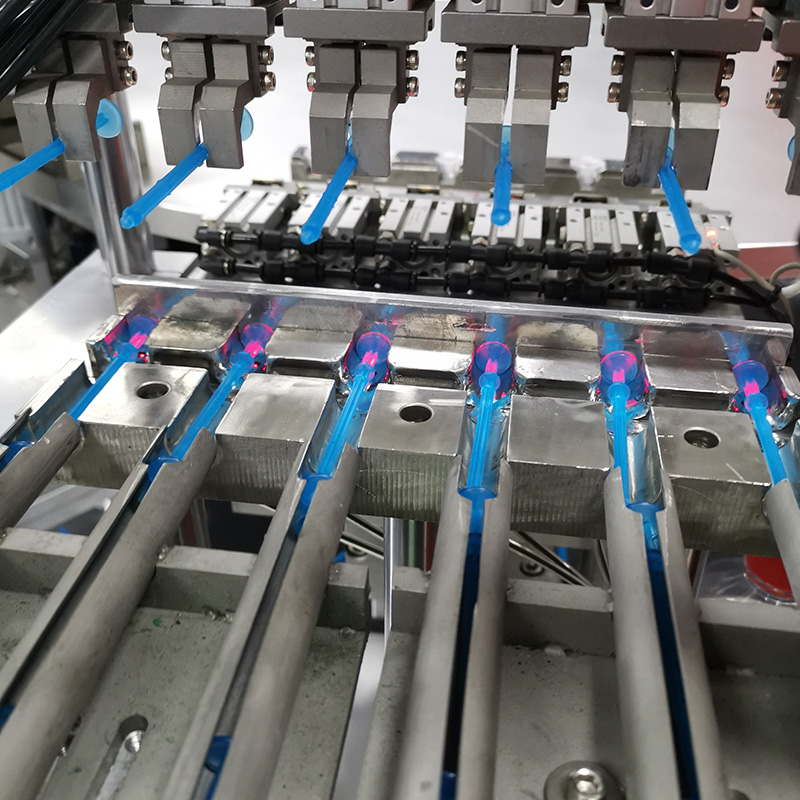
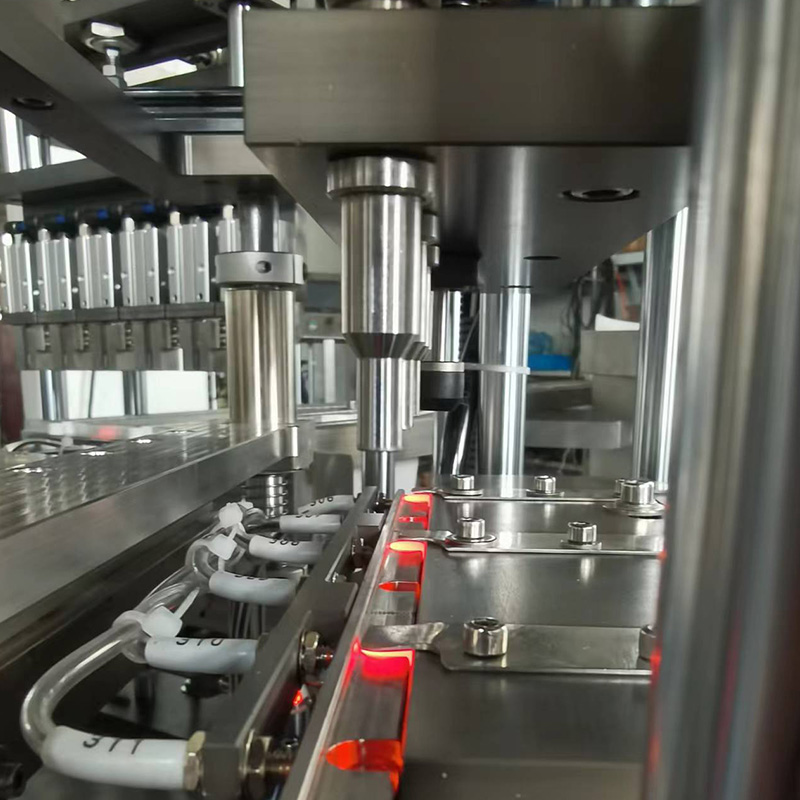
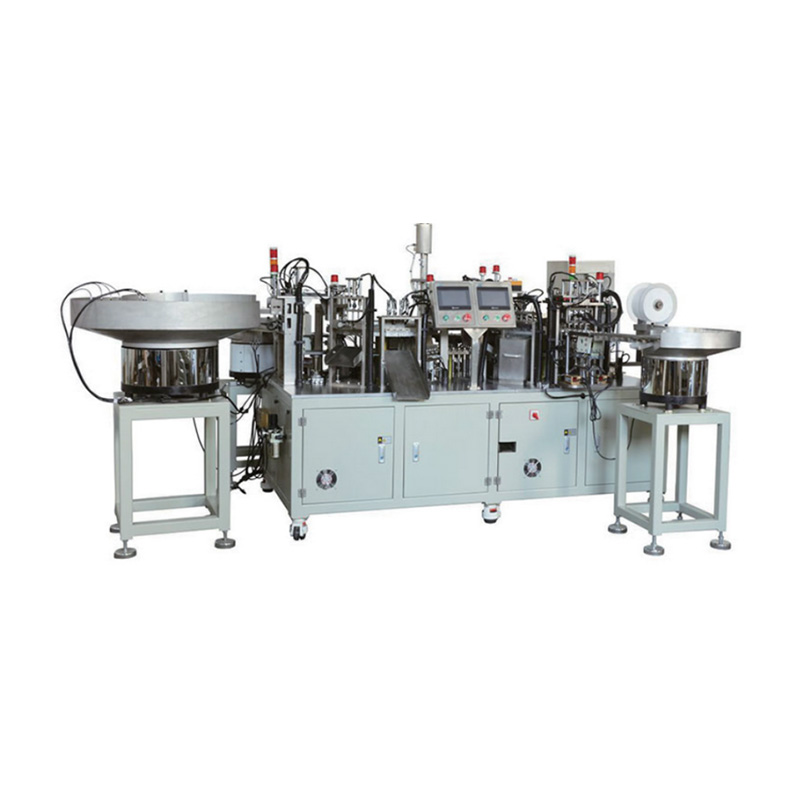
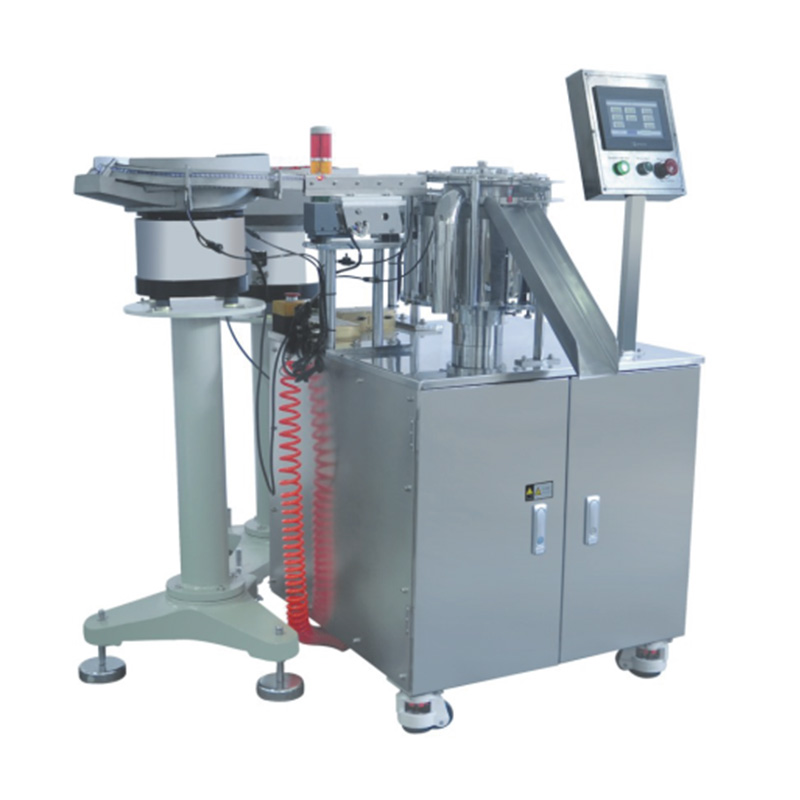
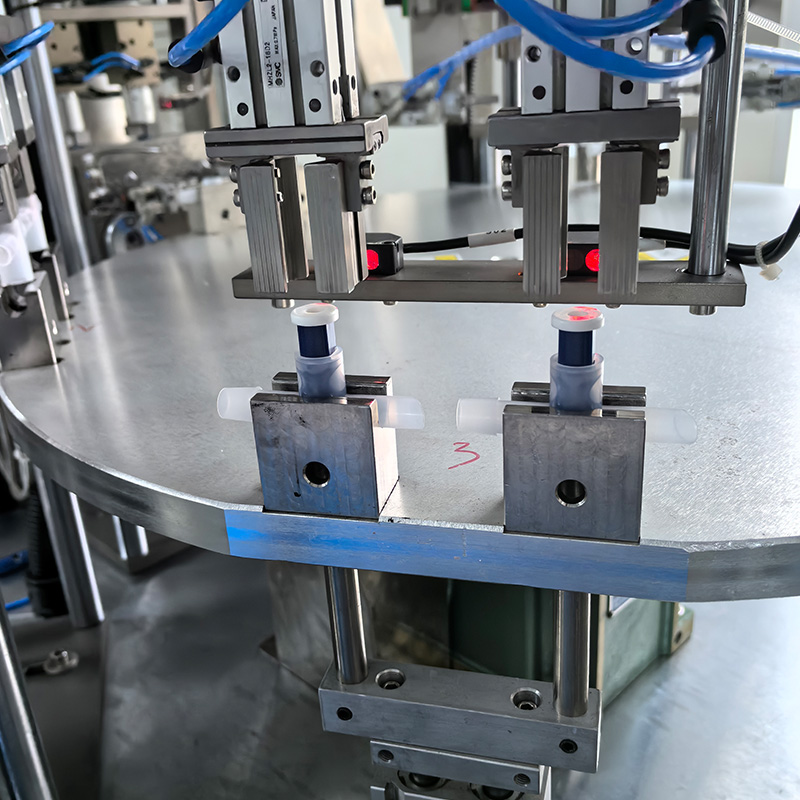
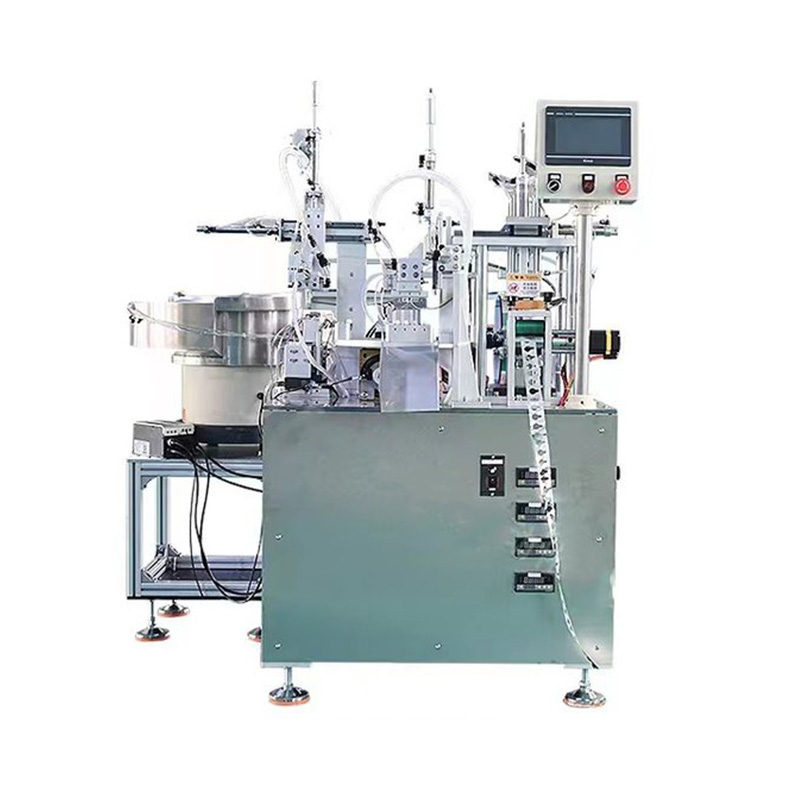
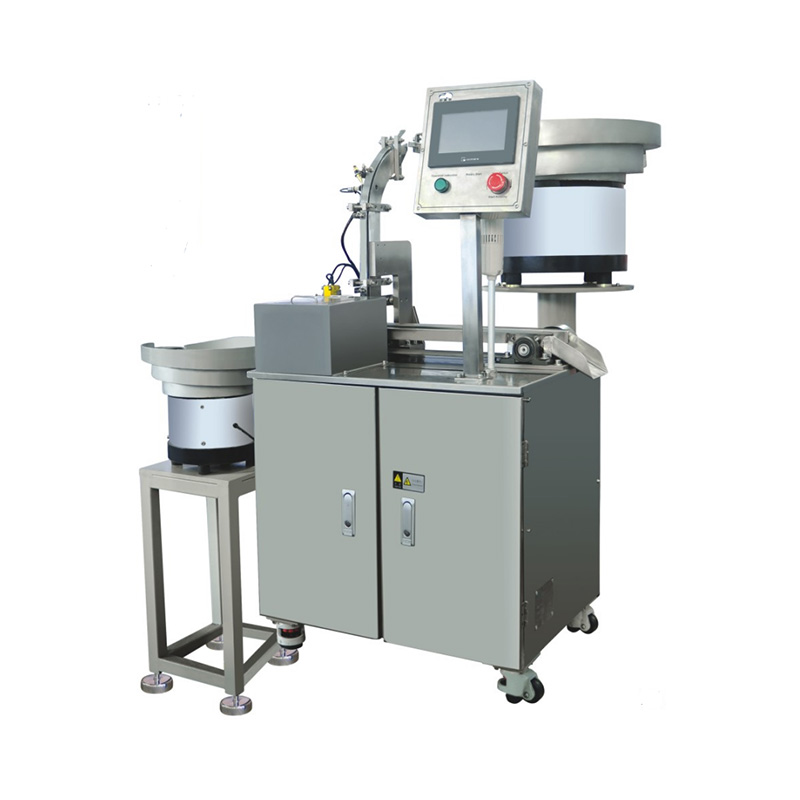
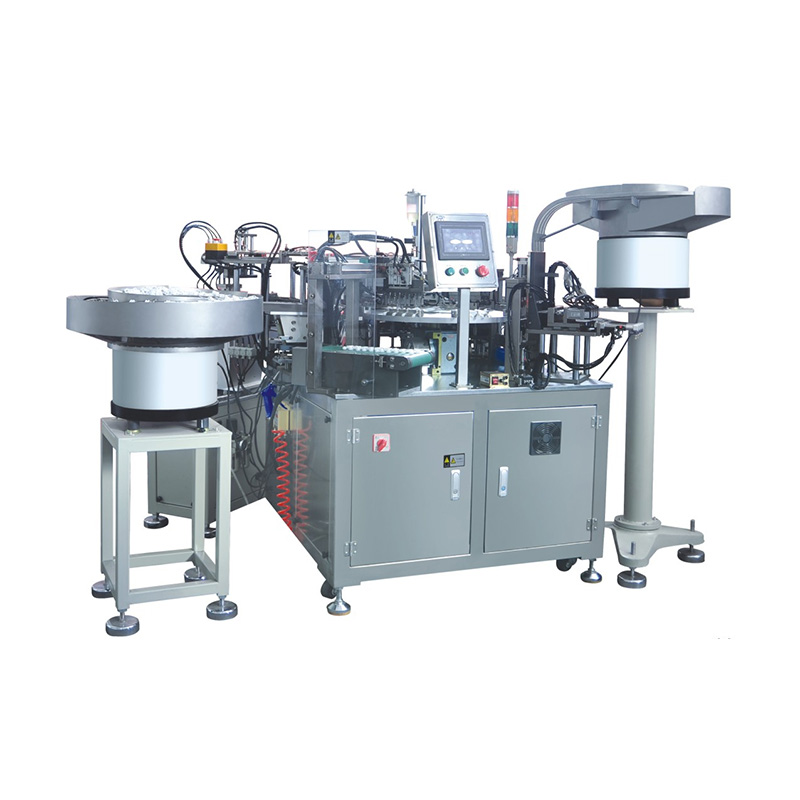
China Zhejiang Taizhou Ambe Trading Co., Ltd. is a manufacturer specializing in the production of medical equipment automation equipment.
Healthcare experiences are shaped by many details. Patients usually remember the way they are treated, the comfort of the environment, and how smoothly the whole process feels. While medical services and professional skills remain important, the products used during daily care also influence these experiences.
Medical plastic products are a part of this process. They are often used quietly in the background, supporting different healthcare activities and helping medical teams complete their work more easily.
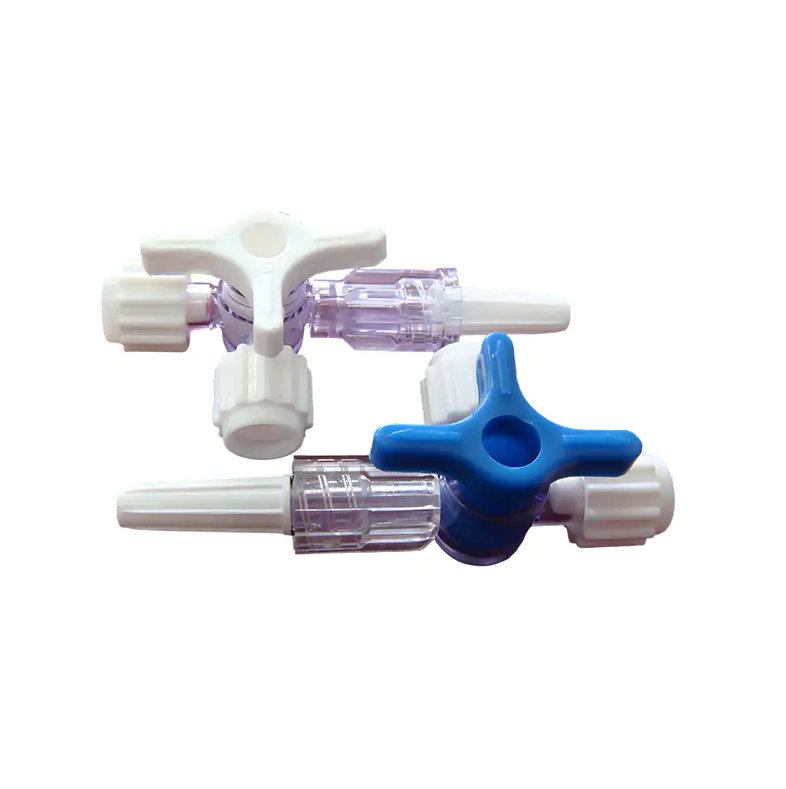
From patient care areas to medical supply management, these products provide practical support in many situations. Their value is not only related to the products themselves. It is also connected with how they help create a more organized, comfortable, and convenient healthcare environment.
As healthcare expectations continue to change, medical organizations are paying more attention to products that can support better patient experiences. Products are becoming an important part of this development because they connect everyday operations with patient needs.
Why Are Medical Plastic Products Becoming More Important in Healthcare?
A healthcare experience is created through many small moments. The waiting area, the communication with staff, the care process, and even the tools used during treatment can affect how patients feel.
Products support many of these everyday moments. They may include products used for patient care, medical organization, and routine healthcare activities. Although patients may not always notice them, these products help healthcare workers provide smoother services.
One reason products are receiving more attention is their flexibility. Healthcare environments have different requirements, and products need to support various situations. Practical design and convenient use allow these products to fit into different care processes.
Medical facilities are also focusing more on improving workflow. When healthcare workers can access suitable products easily, they can spend more time focusing on patients.
| Healthcare Focus | Contribution of Medical Plastic Products |
|---|---|
| Patient experience | Supports more comfortable and convenient care processes |
| Daily operations | Helps healthcare workers manage routine activities |
| Workplace organization | Supports better arrangement of medical supplies |
| Service improvement | Creates smoother healthcare experiences |
The connection between products and patient care may seem simple, but it has a direct influence on daily healthcare activities. Small improvements in supporting products can make the overall process feel more organized.
How Do Medical Plastic Products Help Create a More Comfortable Patient Experience?
Today's medical settings really focus on how patients feel during every visit. When people come for treatment, they hope to feel comfortable, safe, and that everything is straightforward.
Plastic medical supplies help create that experience in simple, everyday ways. Most of these items are designed to make routine tasks easier. When supplies are intuitive and easy to use, nurses and doctors can spend less time fiddling with equipment and more time actually caring for patients.
Patient comfort often builds from lots of little things — fewer awkward moments during exams, tidy and well-organized spaces, and care routines that feel simple and smooth.
Medical plastics contribute to this in several practical ways:
- Reducing clumsy or complicated steps during procedures
- Being lightweight and easy for staff and patients to handle
- Helping keep wards and consultation rooms neater and better organized
- Creating a softer, less harsh environment for patients who stay longer
Healthcare goes beyond just treating the medical condition. Every part of the visit should make patients feel seen and well looked after.
The plastic tools and disposables used in treatment play a big part in shaping that impression. Good-quality plastic items remove small frustrations from the workflow, giving medical staff more space to offer attentive, personal care.
That's why many medical centers now look beyond basic functions when choosing supplies. They also think about how each product affects the patient's entire experience.
How Do Medical Plastic Products Support Better Healthcare Organization?
Every medical location runs a long list of daily tasks. Messy storage and unarranged supplies slow down even basic care routines and create extra work for staff.
Plastic medical goods make it simpler for care teams to keep work areas tidy. These items hold, separate and store all kinds of clinical supplies for regular use.
Clean, structured workspaces bring benefits to everyone on site. Staff finish routine tasks without unnecessary delays, and patients move through their appointments with less waiting time.
When supplies are sorted into dedicated plastic containers, nurses and clinicians do not waste minutes hunting for tools or single-use materials. More time opens up to focus fully on people receiving treatment.
How well a clinic organizes its space directly changes how patients feel during visits. Neat, orderly wards and exam rooms build quiet trust in the care being provided.
Plastic medical hardware delivers small, practical fixes for all these daily operational needs. Their work often stays unnoticed by visitors, yet these items keep every part of medical service running without interruption.
Why Are Disposable Medical Plastic Products Widely Used in Patient Care?
Disposable products have become common in many healthcare settings. Their popularity comes from their convenience and ability to support organized care processes.
Healthcare facilities often need products that can be used in different situations while keeping daily operations simple. Disposable options can help medical teams manage changing needs more easily.
The use of disposable products also supports better workflow planning. Healthcare workers can prepare necessary items more conveniently, allowing patient services to continue smoothly.
Some key advantages include:
| Area | Healthcare Benefit |
|---|---|
| Convenience | Makes daily medical tasks easier to manage |
| Organization | Helps maintain structured workflows |
| Flexibility | Supports different healthcare situations |
| Practical use | Provides simple solutions for routine needs |
The demand for disposable products reflects wider changes in healthcare. Medical organizations are looking for products that balance convenience, usability, and patient needs.
Patients may not think about these products directly, but they often influence how comfortable and organized a healthcare experience feels.
How Do Medical Plastic Products Support Healthcare Workers?
Medical staff carry a wide range of duties through every shift. The supplies they work with directly change how smoothly they finish each task.
Plastic medical items lend a hand in all regular daily work. They tidy up workstations and remove small, avoidable hurdles that slow staff down during long hours of care.
When staff have fitting plastic tools within reach, they get more space to talk with patients and tend to individual care needs. Facilities now see clear links between practical workplace supplies and how positively patients respond to treatment.
Plastic medical goods ease daily pressure for care teams in a handful of straightforward ways.
Making Routine Work Easier
Many healthcare activities require careful preparation. Products that are easy to manage can help reduce unnecessary steps.
This allows medical workers to spend less time handling basic tasks and more time supporting patients.
Improving Daily Efficiency
A smoother workflow can improve the overall healthcare environment. When staff can complete tasks more comfortably, patients may receive more responsive care.
Supporting Better Communication
Healthcare is built on human interaction. When routine processes become easier, healthcare workers have more opportunities to communicate with patients.
Medical plastic products do not replace professional care. Instead, they provide support that allows healthcare teams to focus on the human side of medicine.
How Are Environmental Considerations Influencing Medical Plastic Product Development?
Environmental responsibility is becoming a growing topic across many industries, including healthcare. Medical organizations are paying more attention to how products are designed, used, and managed.
Medical plastic product development is also influenced by this change. Manufacturers and healthcare providers are exploring ways to balance healthcare needs with responsible practices.
The challenge is finding solutions that continue to support patient care while considering environmental factors.
Current industry discussions often focus on:
- More responsible material choices.
- Better product management.
- Reducing unnecessary waste.
- Improving production practices.
Healthcare requires reliable products, but it also needs to consider long-term development. This balance is encouraging new ideas in medical plastic product design.
As patient care continues to evolve, environmental awareness may become an increasingly important factor in product selection.
What Future Changes May Influence Medical Plastic Products?
The healthcare industry continues to develop around changing patient expectations. People want services that are more convenient, comfortable, and organized.
Products will continue to adapt to these needs. Future development may focus on improving usability, supporting healthcare workers, and creating better patient experiences.
Several areas may influence future product development:
- More attention to patient comfort.
- Greater focus on practical design.
- Improved support for healthcare workflows.
- Stronger consideration of environmental needs.
The role of medical plastic products is becoming broader. They are no longer viewed only as supporting items. They are becoming part of the overall healthcare experience.
As medical facilities continue to improve their services, products that support daily care processes will remain an important part of creating smoother and more patient-friendly environments.