
 English
 русский
 Español


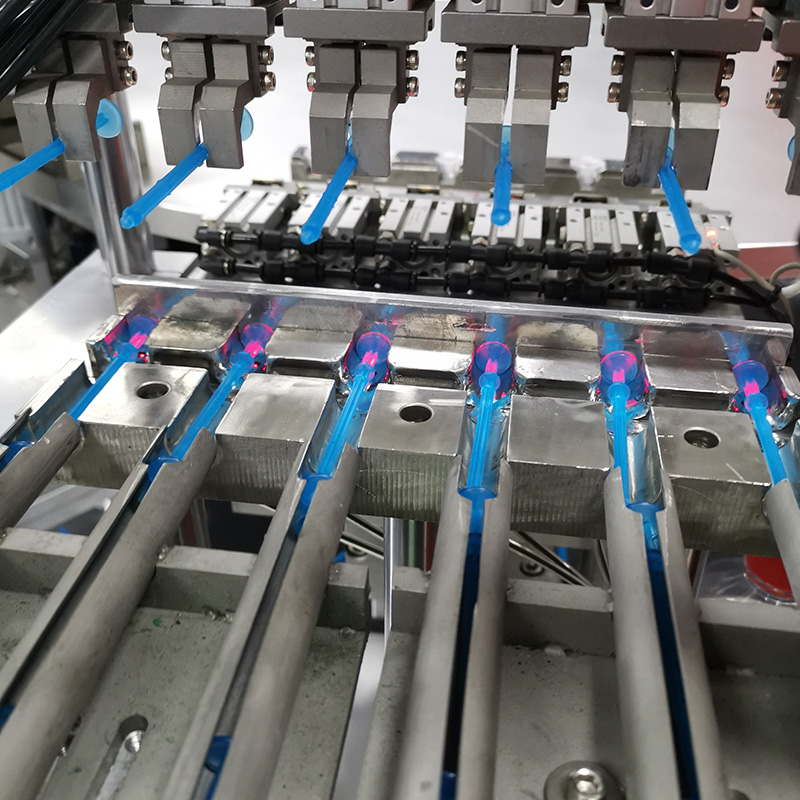
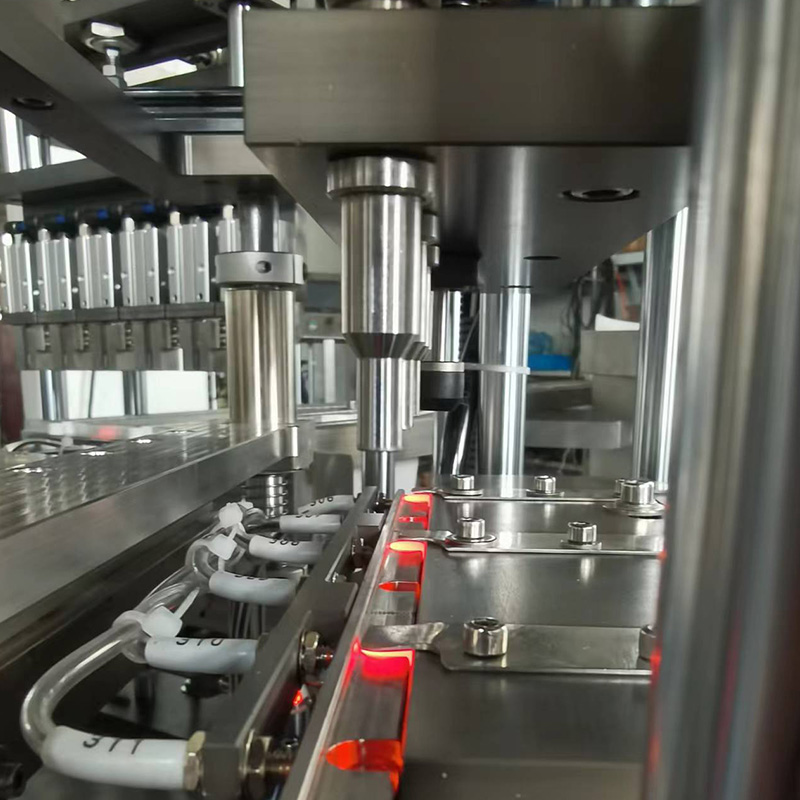
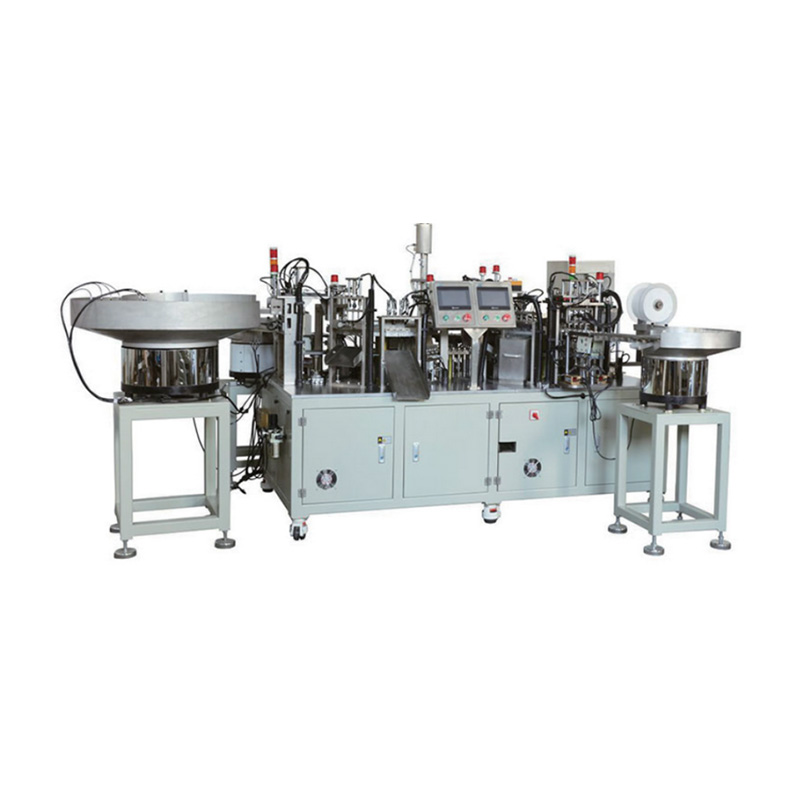
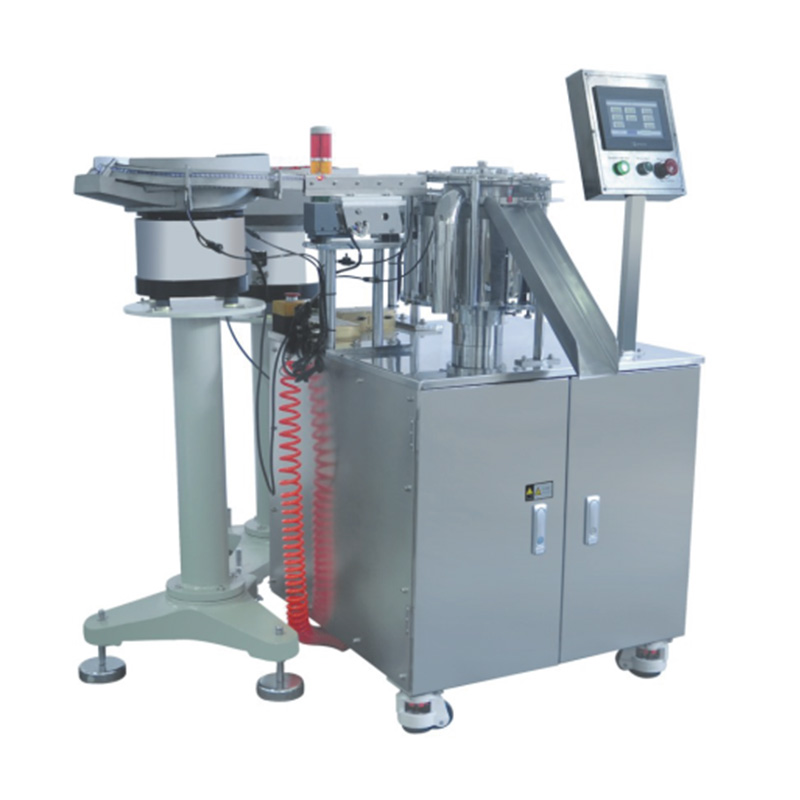
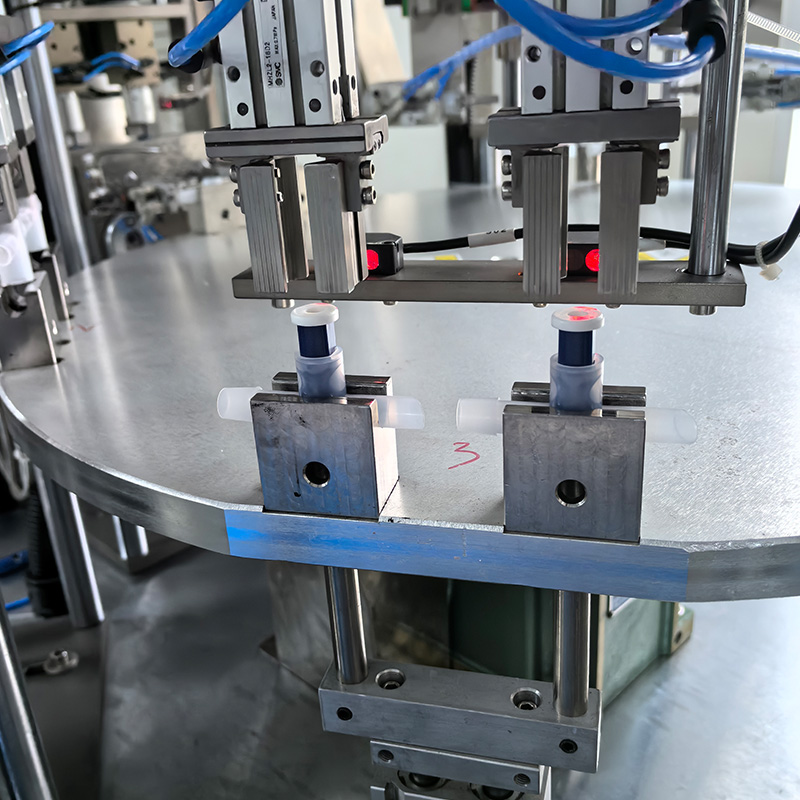
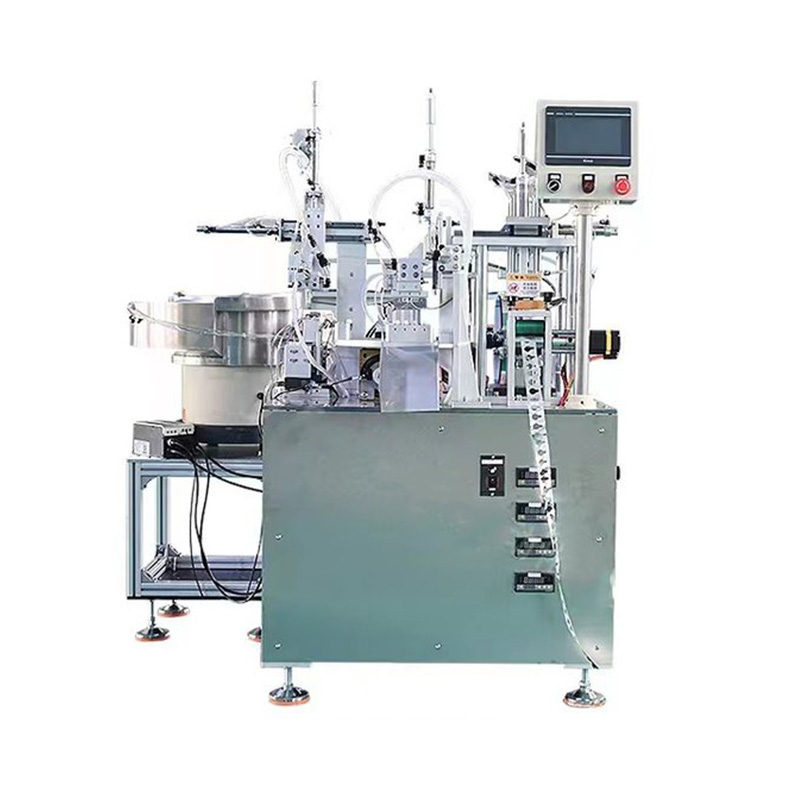
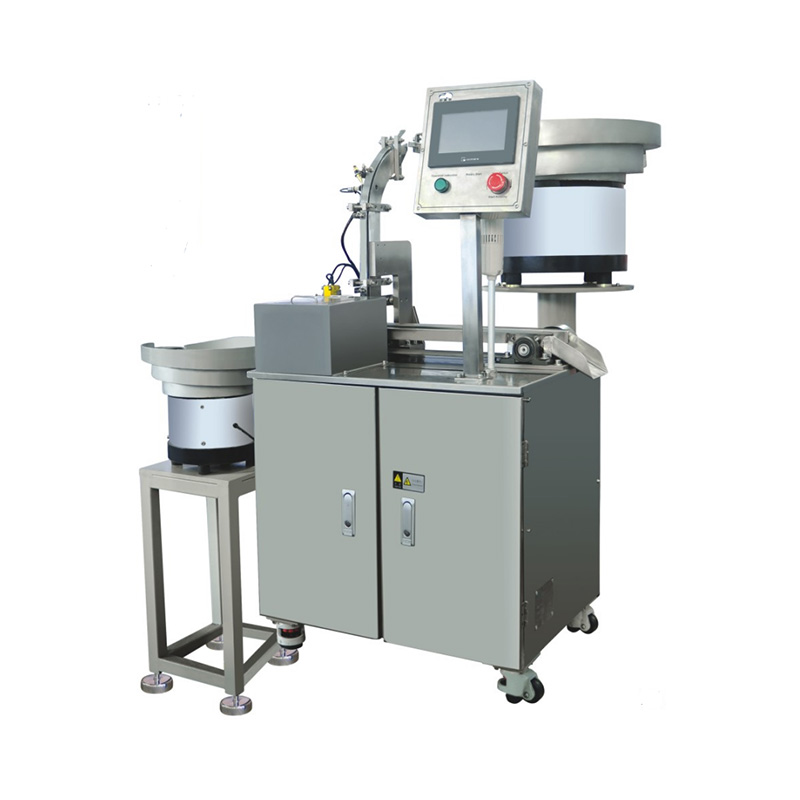
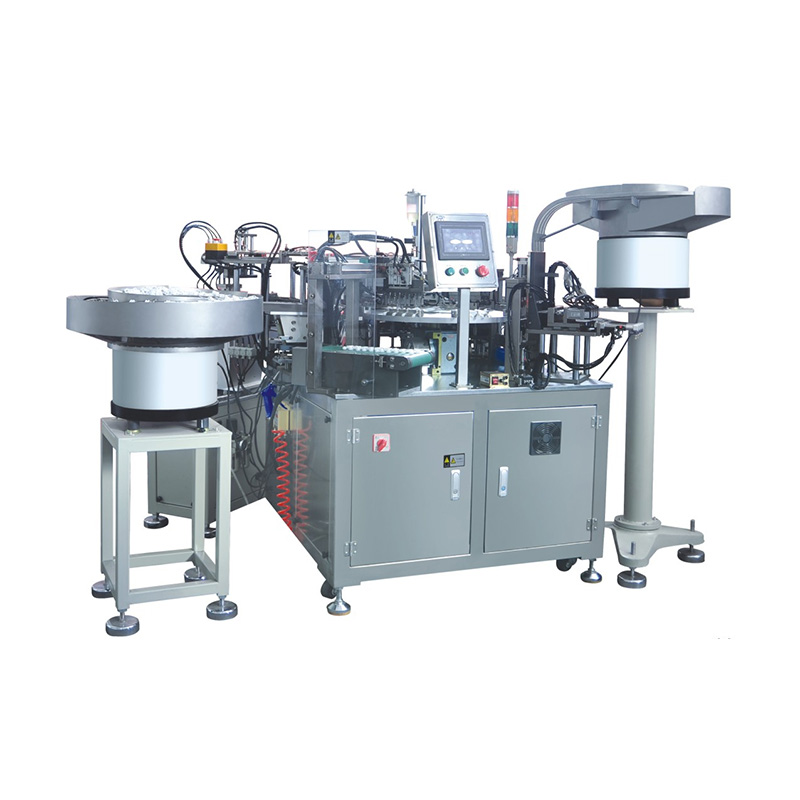
China Zhejiang Taizhou Ambe Trading Co., Ltd. is a manufacturer specializing in the production of medical equipment automation equipment.
Medical consumables are easy to overlook because many of them are small, familiar products. A syringe, needle, medical glove, dressing, catheter, or collection tube may only be used for a short period. Yet these products are part of many daily healthcare activities.
Behind these simple items is a broad manufacturing industry. China medical consumables cover many product groups, production processes, packaging methods, and supply channels. Some products are used directly by patients. Others support medical staff, laboratories, treatment rooms, or healthcare facilities.

The industry is also closely connected with medical device manufacturing. Products that contact the human body, transport liquids, support wound care, or are supplied in a sterile condition may fall under different regulatory categories depending on their intended use and characteristics. China's medical device framework classifies products according to factors such as intended purpose, structure, body contact, and risk.
So, what exactly is included in the China medical consumables industry?
What Types of Disposable Medical Consumables Are Included?
Disposables make up a huge chunk of this market. Each product gets built for one specific use, then discarded according to whatever handling rules apply.
Syringes and needles are the obvious starting point. They handle injections, medication delivery, sample collection — the bread-and-butter procedures of clinical work. Structure varies quite a bit depending on exactly what the product is meant to do.
Beyond that, you're looking at exam gloves, protective gowns, caps, masks, collection containers, suction devices, and a long tail of single-use accessories. Different functions, sure, but a shared purpose underneath it all — keeping clinical work hygienic and safe to handle.
| Product Category Common Role | |
|---|---|
| Syringes | Support injection and fluid handling |
| Medical Needles | Support injection, sampling, and related procedures |
| Medical Gloves | Provide hand protection during healthcare activities |
| Masks | Support respiratory protection and controlled environments |
| Protective Gowns | Provide protection during selected medical activities |
| Collection Containers | Hold samples or medical materials |
| Suction Products | Assist with the removal or transfer of fluids |
| Disposable Accessories | Support specific medical procedures or equipment |
The disposable nature of these products also affects how they are produced and packaged. Manufacturers need to consider the complete product path, from component preparation to assembly, inspection, packaging, and final handling.
How Important Are Syringes and Needles in the Industry?
Syringes and needles represent a recognizable part of China medical consumables. They are used in many healthcare settings and are often produced through organized manufacturing and assembly processes.
A syringe may include a barrel, plunger, sealing element, and other components. A needle product may include a needle tube, hub, protective cap, and supporting parts. The components need to work together as one finished product.
Production can therefore involve more than simply forming plastic or metal parts. Components must be handled, positioned, connected, checked, and prepared for packaging. Automation has also become relevant in areas where repeated assembly tasks need to be carried out in an organized production flow.
The same principle applies to other needle-related products. Blood collection needles, injection needles, safety-related needle products, and other specialized medical needles can require different assembly arrangements.
This creates opportunities for manufacturers that focus on equipment, components, molds, inspection systems, and packaging solutions. The consumables industry is not limited to the finished medical product. It also includes the manufacturing chain behind that product.
What Role Do Medical Tubes and Catheters Play?
Medical tubing and catheters make up another sprawling product category. Depending on the design, these move fluids, provide access points into the body, or support specific procedures altogether.
Some tubes are genuinely straightforward. Others get built up with extra components until they become full-fledged medical products. Which path a given product follows comes down almost entirely to its intended application.
Catheters are a good illustration of how much manufacturing can hide behind a small object. Material prep, forming, cutting, connection work, inspection, packaging — a single catheter might touch every one of those stages before it's ready to ship.
China's classification framework specifically calls out liquid transportation devices and body-contacting products as their own categories, which says a lot about how functionally diverse this space really is.
For manufacturers, that translates into product development that has to account for the entire use cycle, not just what the finished item looks like. A tube or catheter has to actually perform its intended medical role, and its components and packaging need to support that from start to finish.
Are Wound Care Products Part of China Medical Consumables?
Yes. Wound care is another important area within the medical consumables industry.
Dressings, gauze products, adhesive materials, wound pads, and related products can be used to cover, protect, or manage wounds. Their functions vary according to the type of product and intended use.
Some products are designed for routine wound coverage. Others may be developed for particular types of wound care. The materials, structure, packaging, and handling method can therefore differ between products.
Wound care products also show why packaging is closely connected with consumable manufacturing. A medical dressing may need to remain protected until it is ready for use. If the product is supplied in a sterile state, its packaging becomes part of the overall product system.
China's medical device rules specifically recognize medical dressings within the classification framework and consider factors such as their intended use and contact with tissue.
This creates a broad manufacturing field. It includes not only the dressing material itself, but also cutting, folding, assembly, packaging, inspection, and related production activities.
What Laboratory Consumables Are Included?
Medical consumables are not limited to products used directly on patients. Laboratories also depend on a wide range of disposable items.
Sample tubes, collection containers, test-related plastic products, pipette products, specimen bags, and other laboratory items can form part of this category. They support the collection, storage, preparation, and handling of samples.
Laboratory consumables often need to be easy to identify and handle. Product shape, labeling, packaging, and material selection can influence how they fit into laboratory workflows.
The laboratory side of the industry also connects medical consumables with diagnostic activities. Some products may be simple containers, while others form part of a larger testing process.
This creates another layer within the China medical consumables industry. Manufacturers may focus on injection molding, extrusion, assembly, packaging, or other processes depending on the product.
The range of medical device standards in China also covers laboratory equipment and general medical apparatus, showing how broad the wider medical device field can be.
How Do Sterilization and Packaging Fit Into the Industry?
A medical consumable does not end its production journey when the physical product is complete. Packaging and sterilization can be closely connected to the final product.
Medical products may be packed individually or in groups. Packaging can help protect the product during storage, transportation, and handling. It can also provide information needed by healthcare workers.
Self-seal sterilization pouches, medical paper packaging, trays, wraps, and other packaging products can therefore form an important supporting category.
Sterilization is also relevant to products that are supplied in a sterile condition. The manufacturing process needs to account for the relationship between the product, packaging, and sterilization method.
Product labeling is another part of this process. Chinese medical device requirements cover information such as product identification, manufacturer information, registration or filing information, use instructions, warnings, storage conditions, and relevant handling information. Disposable products also need appropriate identification as single-use products under the applicable requirements.
| Supporting Area Role in Medical Consumables | |
|---|---|
| Primary Packaging | Protects the individual product |
| Sterilization Packaging | Supports products supplied for sterile use |
| Labels | Provide product and handling information |
| Protective Packaging | Helps reduce damage during storage and transport |
| Inspection | Checks product and package condition |
| Final Packing | Prepares products for distribution |
This is why packaging suppliers, sterilization-related companies, inspection equipment manufacturers, and consumable producers can all become part of the same supply chain.
What Manufacturing Processes Are Common in China Medical Consumables?
The China medical consumables industry involves many different manufacturing processes. The right process depends on the product.
Plastic components are often produced through molding or other forming methods. Tubes can be produced through specialized forming processes. Metal needle components require their own manufacturing and finishing steps. Products with several components may then move into an assembly process.
Assembly is especially important for products such as syringes, needles, catheters, infusion-related products, and other multi-part consumables.
A modern production line may combine feeding, positioning, assembly, inspection, packaging, and product transfer. Automation can reduce the amount of repetitive manual handling and help organize production around a consistent workflow.
At the same time, manual operations remain relevant for certain products and production environments. The appropriate approach depends on product structure, production requirements, and the manufacturing system.
| Manufacturing Area Examples of Activities | |
|---|---|
| Material Preparation | Preparing materials for production |
| Component Forming | Producing plastic, metal, or other parts |
| Component Processing | Preparing individual parts for assembly |
| Assembly | Connecting multiple components |
| Inspection | Checking product condition and assembly |
| Packaging | Protecting finished products |
| Sterilization | Processing products that require sterile supply |
| Final Handling | Preparing products for storage or distribution |
Quality management is an important part of this manufacturing structure. China's medical device manufacturing rules require manufacturers to follow relevant laws, regulations, mandatory standards, and manufacturing requirements while maintaining accurate and traceable production information.
How Does the China Medical Consumables Industry Connect Different Suppliers?
The industry is more than a collection of finished products. It is a connected manufacturing network.
A medical consumables manufacturer may depend on plastic material suppliers, metal component suppliers, mold manufacturers, assembly equipment companies, inspection equipment providers, packaging suppliers, sterilization service providers, and logistics partners.
This connection becomes especially clear when looking at a product such as a disposable needle. The finished item may require a molded hub, a metal needle tube, a protective component, bonding materials, packaging, inspection, and final handling.
A syringe can involve a similar network. The barrel and plunger may come from different production stages. Assembly brings the components together. Inspection checks the finished product. Packaging prepares it for use.
For buyers, this means evaluating a medical consumables supplier is not only about looking at the finished item. Production capability, quality management, product documentation, packaging arrangements, and communication can all matter.
For manufacturers, the supply chain can influence how easily they respond to changes in product requirements. Stable cooperation between different production partners can help keep the manufacturing process organized.
The industry therefore includes a wide supporting network behind the products that appear in hospitals, clinics, laboratories, and other healthcare environments.
What Should Buyers Understand About China Medical Consumables?
Buyers approaching China medical consumables may encounter a wide range of products and suppliers. The category is broad, so defining the actual product requirement is an important starting point.
A buyer looking for medical needles has different concerns from someone sourcing wound dressings or laboratory containers. Even products that appear similar may have different intended uses, packaging arrangements, or regulatory requirements.
Several areas deserve attention during supplier communication:
- Product category
Identify exactly what type of consumable is needed and how it will be used. - Component structure
Understand which parts make up the finished product and whether assembly is required. - Packaging
Check how the product will be protected, labeled, stored, and transported. - Quality management
Ask how production and inspection are organized. - Documentation
Confirm that the available product information matches the intended market and application. - Production capability
Consider whether the supplier can support the required product structure and production workflow. - Supply chain coordination
Look at how components, packaging, inspection, and final delivery are managed.
Medical consumables are closely regulated products. Their classification can depend on intended purpose, structure, body contact, and other characteristics.
For this reason, buyers should avoid treating every disposable medical product as the same type of commodity. The product category, intended application, manufacturing process, and applicable requirements all need to be considered together.