
 English
 русский
 Español


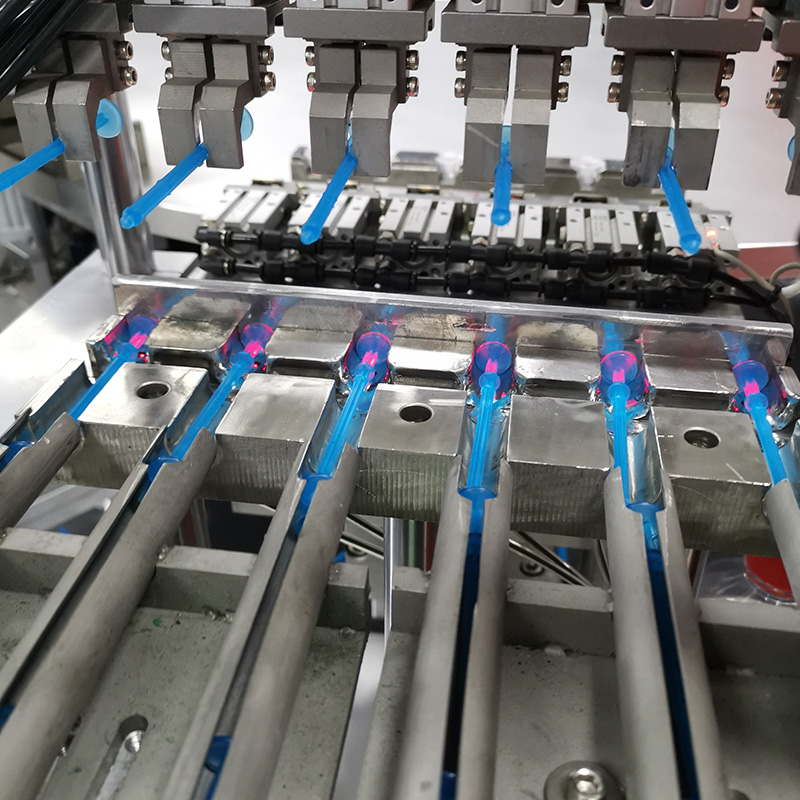
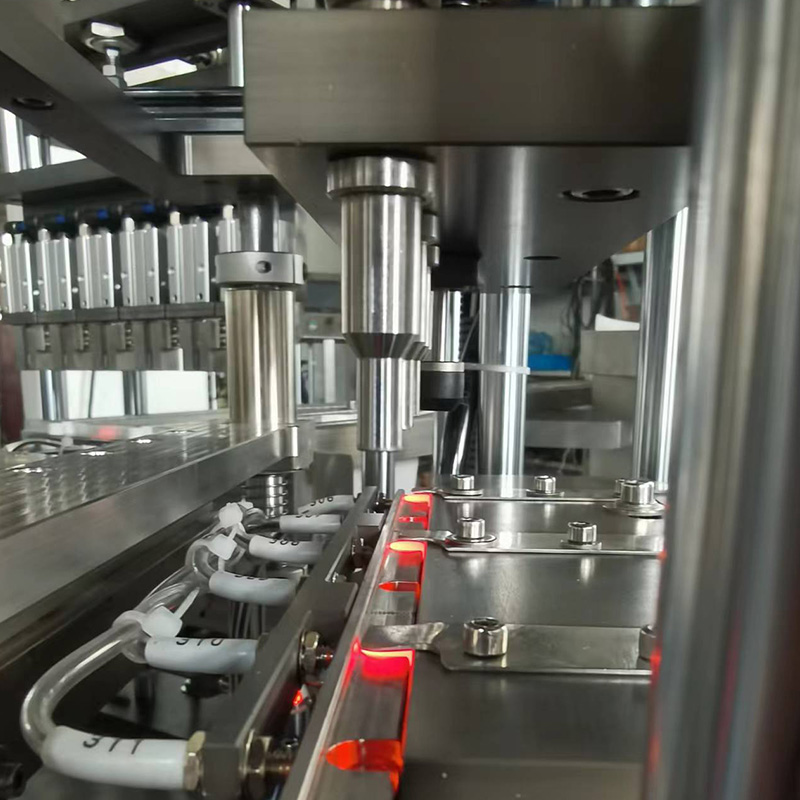
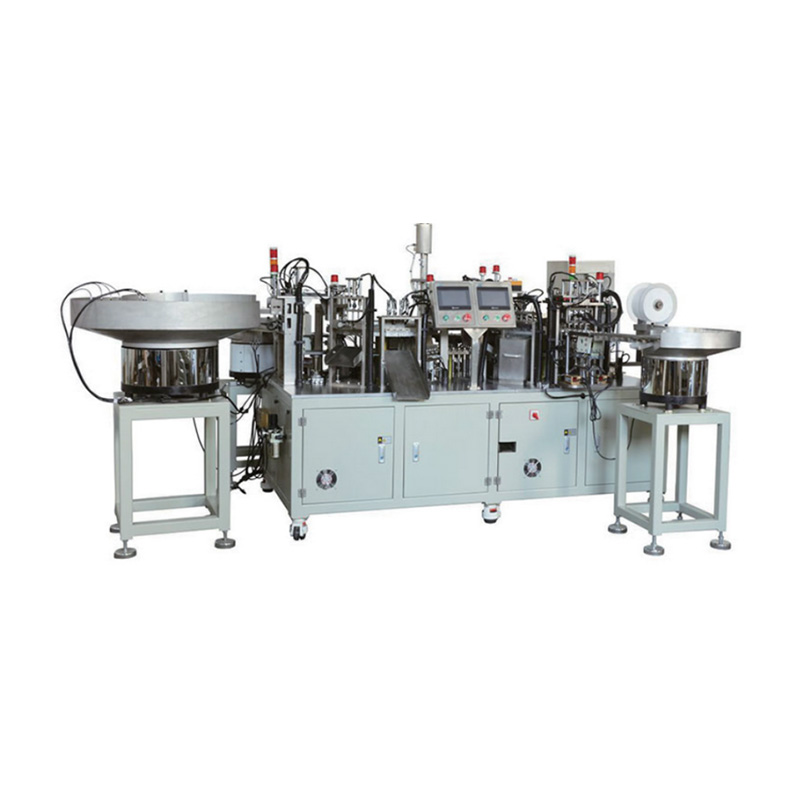
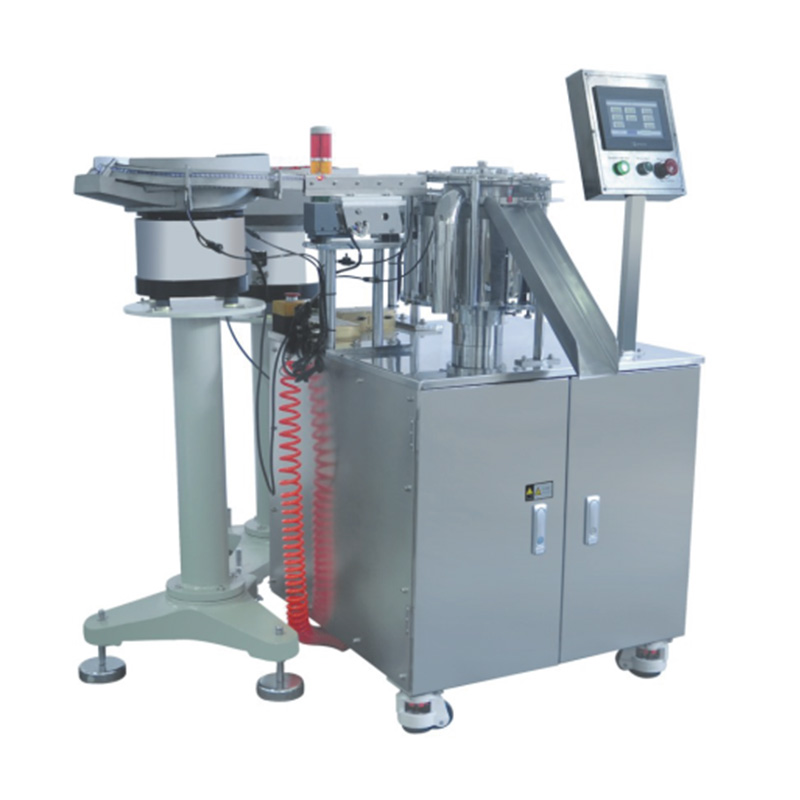
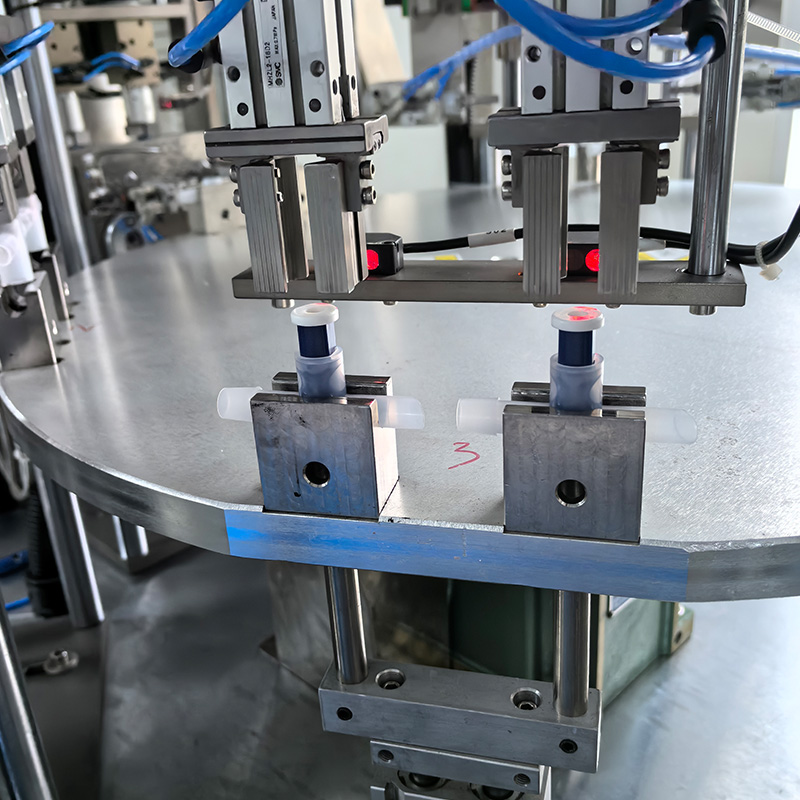
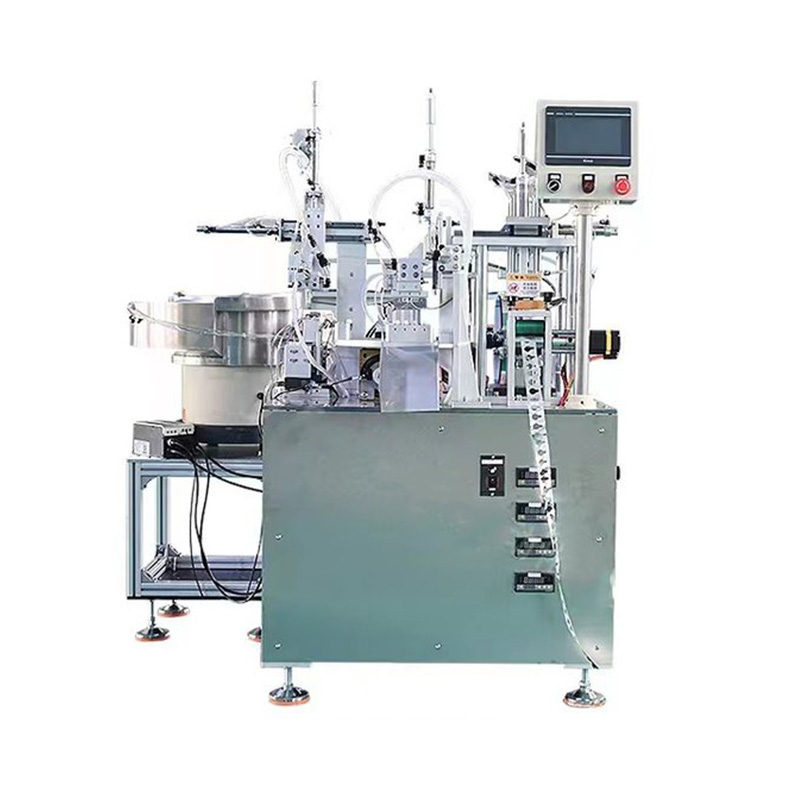
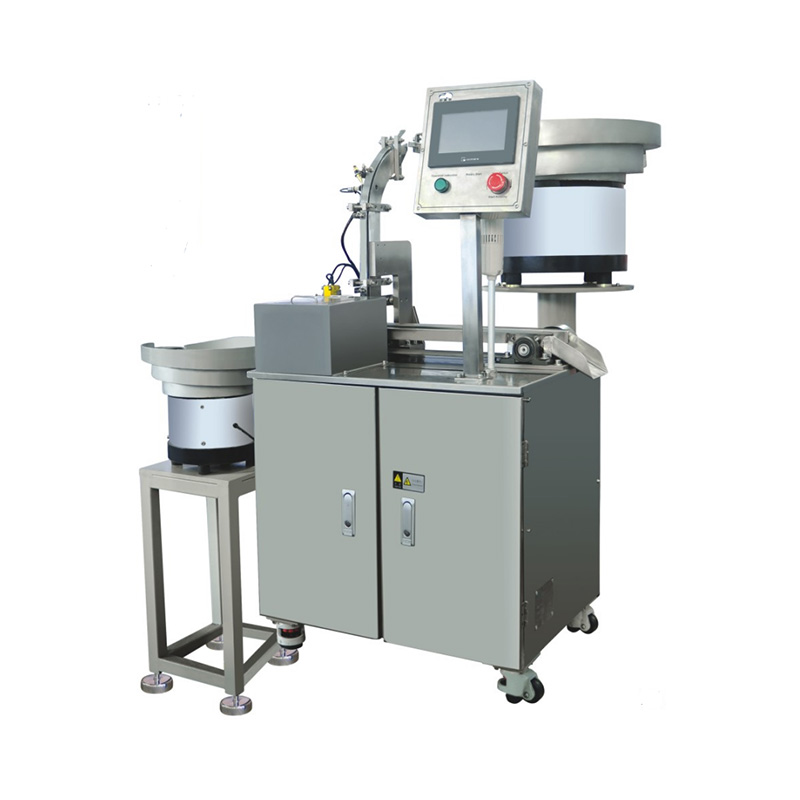
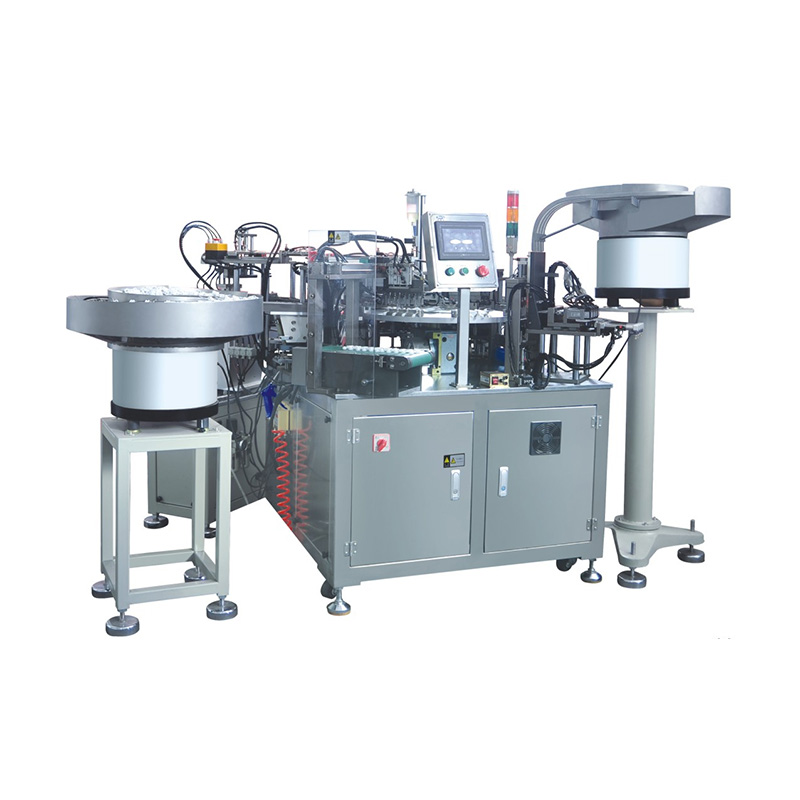
China Zhejiang Taizhou Ambe Trading Co., Ltd. is a manufacturer specializing in the production of medical equipment automation equipment.
Needle production can look deceptively straightforward from the outside. A needle's a small medical component, after all, and its basic shape seems simple enough at a glance. But the actual process behind a finished needle product often involves a surprising number of connected steps.
Assembly sits right in the middle of that process. It pulls individual components together and turns separate parts into something actually usable. Handle this work manually, and production teams end up juggling repeated movements, product swaps, inspection tasks, and constantly shifting working arrangements.
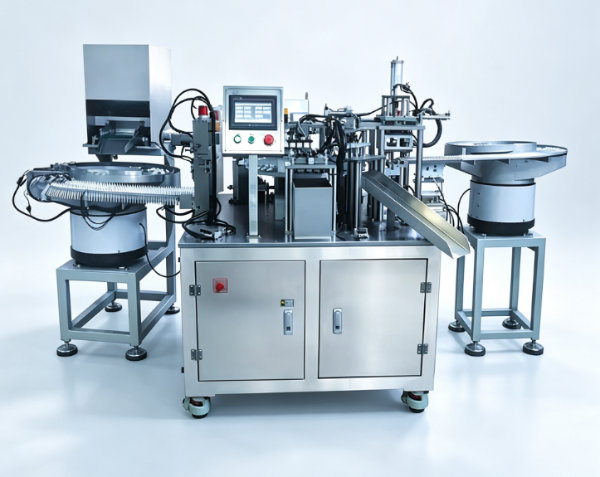
That's exactly where the Automatic Needle Assembly Machine keeps drawing more attention.
Automation usually gets framed around production efficiency alone. Flexibility deserves just as much airtime in that conversation, though. Medical product manufacturers constantly need to respond to shifting product requirements, different assembly needs, and production plans that never quite sit still. A manufacturing process that adapts without kicking up unnecessary disruption becomes genuinely valuable in an environment like that.
Automatic needle assembly isn't just about swapping manual labor for machinery, either. It reshapes how manufacturers organize production, manage different products, and plan for whatever manufacturing needs come next.
What Does Flexibility Mean In Needle Production?
Flexibility in manufacturing does not have a single meaning. For needle production, it can relate to how easily a production process can respond when the product, order, workflow, or assembly requirement changes.
A production line may handle one type of needle assembly for a period of time and later need to support another product. The components may differ. The assembly sequence may change. The packaging process may also require a different arrangement.
A flexible production approach needs to account for these changes.
| Traditional Production Concern | Flexible Production Approach |
|---|---|
| Repeated manual operations | More organized automated operations |
| Product changes may require extra preparation | Production can be arranged around different product needs |
| Greater dependence on manual coordination | More structured process control |
| Difficulties with repeated tasks | Automated handling of routine assembly work |
| Production planning may be less adaptable | Manufacturing plans can respond to changing requirements |
This does not mean every production task needs to become fully automated. Human workers can continue to play important roles in production planning, quality checks, material handling, and process management.
The broader idea is to create a production environment where machines and people can work around changing requirements more effectively.
Why Are Manufacturers Looking Beyond Simple Automation?
Automation is often associated with reducing repetitive manual work. That remains an important reason to consider an automatic assembly system. However, the value of automation can extend beyond repetitive movement.
Manual assembly requires people to repeat similar actions throughout the working process. Over time, this can make production organization more demanding. Workers may also need to move between different tasks as production requirements change.
An Automatic Needle Assembly Machine can take on many routine assembly activities in a more organized way. This gives manufacturers another way to arrange their workforce.
Instead of viewing automation only as a machine performing a task, manufacturers can look at the wider production structure. A machine may handle repeated assembly work while employees focus on activities that require observation, decision-making, material preparation, or production coordination.
This can create a different balance between equipment and human involvement.
The change is especially relevant when manufacturers want to support multiple product types or adjust their production plans. A flexible manufacturing environment is not necessarily one where every process is automated. It is one where the overall system can respond to change without excessive disruption.
How Can An Automatic Needle Assembly Machine Support Different Production Needs?
Different needle products can require different assembly arrangements. Even when the general production purpose is similar, the components and assembly sequence may not be identical.
This creates a challenge for manufacturers. A production system designed around only one fixed process may become difficult to adapt when product requirements change.
Automatic assembly equipment can provide a more organized foundation for handling these differences. Depending on the machine design, production teams may be able to arrange the assembly process around different product requirements.
The important point is not that one machine can automatically handle every possible product. That would oversimplify the role of manufacturing equipment. Instead, flexibility comes from how the equipment is designed, configured, and integrated into the production workflow.
Several factors can influence this flexibility:
- Product variety
Manufacturers may work with different needle products that require different assembly arrangements. - Production planning
A production schedule may change as orders and manufacturing priorities shift. - Workforce organization
Automated routine tasks can change how workers are assigned across the production area. - Process arrangement
A well-organized assembly process can make changes easier to manage. - Future production needs
Manufacturers may want equipment that can remain useful as their product range develops.
This makes flexibility a broader consideration than simply changing from manual to automatic assembly.
Could Automation Make Product Changes Easier To Manage?
Product changes are just a normal fact of manufacturing life. A company rolls out a new product, tweaks an existing one, or produces several variations to cover different applications.
With a heavily manual process, shifts like these ripple across huge swaths of the production workflow. Workers need fresh instructions. Workstations need rearranging. Coordination across the floor gets a lot messier.
An automatic assembly system offers a much more structured foundation for absorbing these changes.
Once production equipment gets designed with adaptability baked in from the start, manufacturers can organize different assembly requirements within a genuinely clearer production framework. That cuts down on unnecessary ripple effects across the wider workflow.
The real benefit here isn't just about tweaking machine settings, though. The bigger question is how easily the entire production process bends when it needs to.
Take a manufacturer producing several needle products, for instance — they'd want to organize production around distinct product groups. The equipment becomes part of that planning process, rather than sitting off to the side as some isolated machine doing its own thing.
That reframes the whole role of an automatic needle assembly machine. It slots into production planning itself, instead of just standing in as a replacement for manual labor.
How Does Automatic Assembly Affect The Role Of Workers?
Automation does not necessarily remove the need for people. It can change what people do.
Needle assembly involves repetitive activities that can be suitable for automated handling. When machinery takes responsibility for these routine operations, workers may have more opportunities to focus on tasks that require judgment and attention.
This can include:
- Production preparation
- Material organization
- Process observation
- Product inspection
- Equipment management
- Workflow coordination
- Response to production changes
The exact division of responsibilities depends on the manufacturing environment.
This shift can also influence how manufacturers think about workforce planning. Instead of assigning people mainly to repetitive assembly work, a production team may place greater attention on managing the overall process.
There is also a practical side to this change. Repetitive work can require continuous human attention. When the same task is performed again and again, maintaining a consistent working rhythm can become difficult.
Automation offers another way to organize these activities.
The machine handles a defined production role, while people remain involved in the areas where human observation and decision-making are useful. This creates a more balanced production model.
Can Flexible Needle Assembly Help Manufacturers Respond To Changing Demand?
Manufacturing demand does not always remain the same. Product preferences can change. Customers may request different product combinations. Production priorities can also shift.
A rigid manufacturing process may make these changes harder to handle.
Flexible assembly can give manufacturers more room to reorganize their production activities. This can be particularly useful for businesses that do not want their production system to depend entirely on one product or one fixed workflow.
An automatic needle assembly machine can support this approach by providing a repeatable structure for routine assembly.
The relationship between automation and flexibility can be viewed in several ways:
| Production Situation | Potential Role Of Automated Assembly |
|---|---|
| Repeated needle assembly | Supports a structured workflow |
| Different product requirements | Helps organize production around product variations |
| Changing production plans | Provides another way to arrange routine assembly |
| Growing product range | Creates a more adaptable production foundation |
| Workforce changes | Reduces dependence on people for repetitive operations |
Flexibility can also help manufacturers think beyond immediate production needs.
Equipment is often considered in relation to what a company is producing today. Yet manufacturing decisions can remain relevant for much longer. If a production system is difficult to adapt, future changes may require significant adjustments.
A more flexible approach allows manufacturers to consider how equipment may fit into evolving production plans.
What Should Manufacturers Consider When Looking At Needle Assembly Automation?
Choosing an automatic needle assembly machine is not simply a matter of deciding whether automation is useful. The more important question is whether the equipment fits the production environment.
Manufacturers may need to consider several practical areas.
Product compatibility is an important starting point. The equipment needs to match the type of needle products being assembled and the way their components come together.
Production organization also matters. A machine may perform its intended assembly task, but its value can be affected by how materials enter the process, how workers interact with the equipment, and how finished products move to the next stage.
Change management is another consideration. If a manufacturer expects to produce different products, flexibility should be considered during equipment selection rather than after installation.
Workforce interaction should also receive attention. Automated equipment still operates within a human-managed production environment. Workers need to understand how the machine fits into daily production activities.
Long-term usefulness can be equally important. Manufacturing needs can change over time. Equipment that supports a wider range of production arrangements may offer manufacturers more options as their operations develop.
These factors show why flexibility should be treated as part of the equipment decision rather than an added feature.
Where Could Automatic Needle Assembly Develop Next?
The role of automatic needle assembly may continue to expand as manufacturers look for production systems that can respond to more varied needs.
The direction is not simply toward more machines. It is toward better-organized production.
Future manufacturing environments may place greater attention on how different stages connect with one another. Assembly may need to work smoothly with material handling, inspection, packaging, and production planning.
This creates opportunities for automatic needle assembly machines to become part of a wider manufacturing system.
The idea of flexibility may also become more closely connected with product development. When manufacturers can adjust production more easily, they may have greater freedom to consider different product structures and production arrangements.
This does not mean automation removes every manufacturing challenge. Materials still need to be managed. Products still need to be checked. Workers still need to oversee production. Equipment still needs appropriate care.
What changes is the way these responsibilities are organized.
Automatic needle assembly can provide a stable structure for routine work while allowing manufacturers to build a more adaptable production environment around it. As needle manufacturing continues to involve different products, workflows, and customer requirements, the ability to adjust production may become just as important as the ability to automate it.
The discussion around an Automatic Needle Assembly Machine is therefore moving beyond simple machine replacement. It is becoming part of a broader conversation about how needle production can remain organized while responding to change. For manufacturers, that flexibility can influence not only today's assembly process, but also how future production plans are shaped.