
 English
 русский
 Español


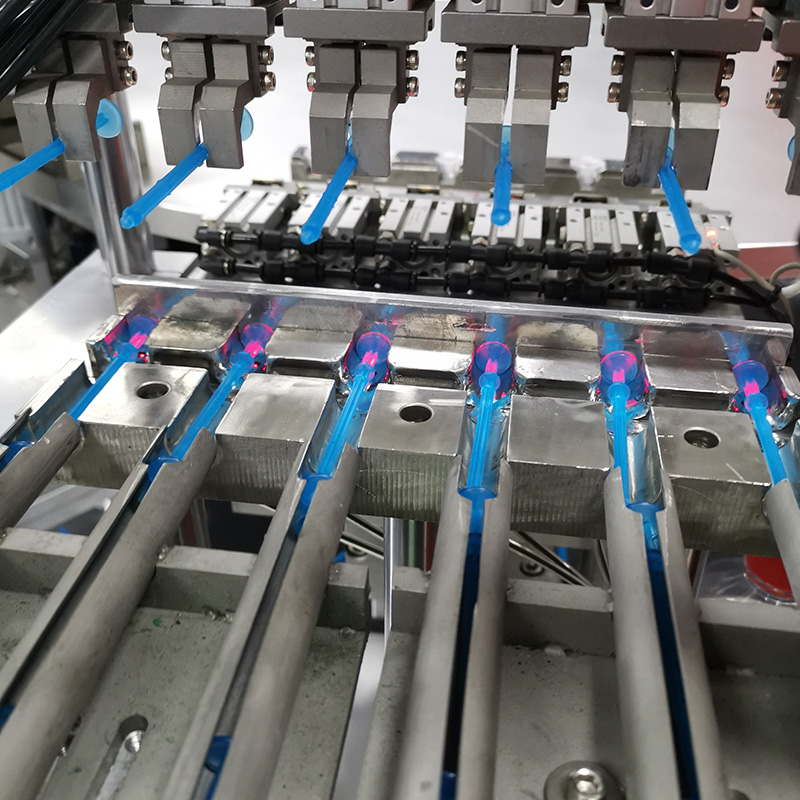
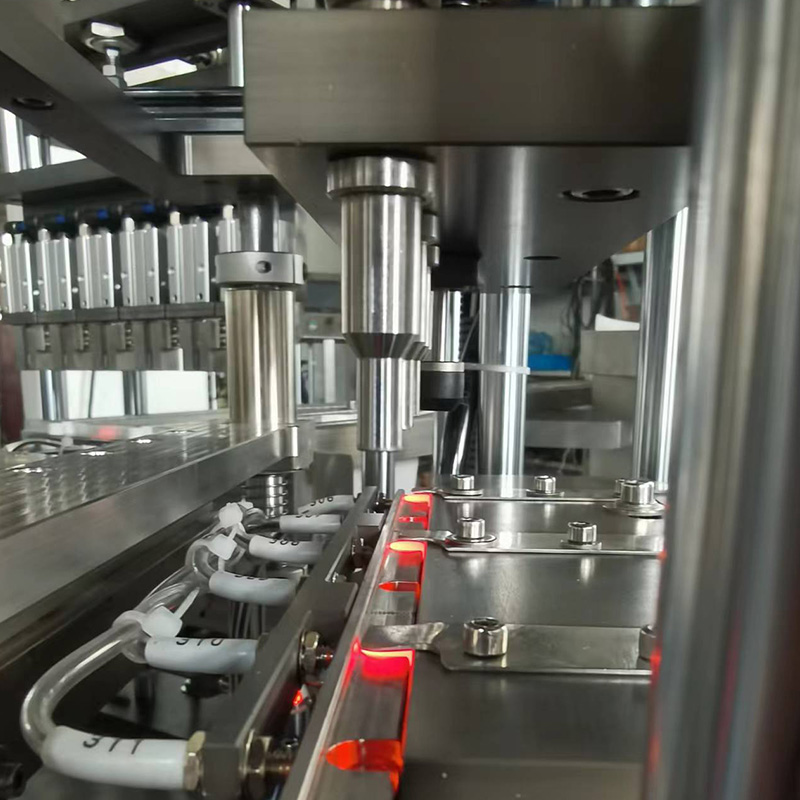
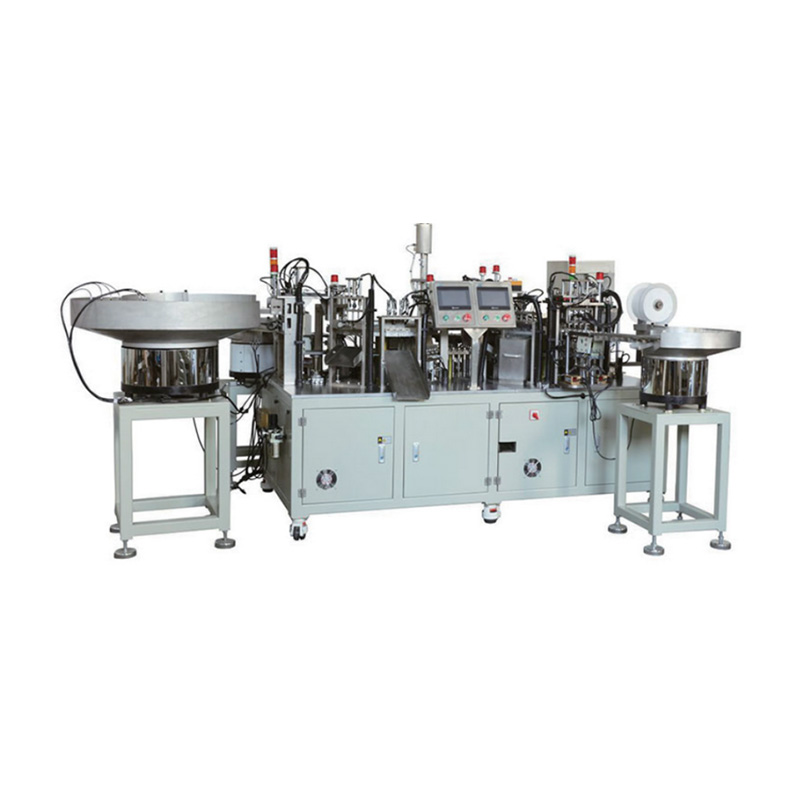
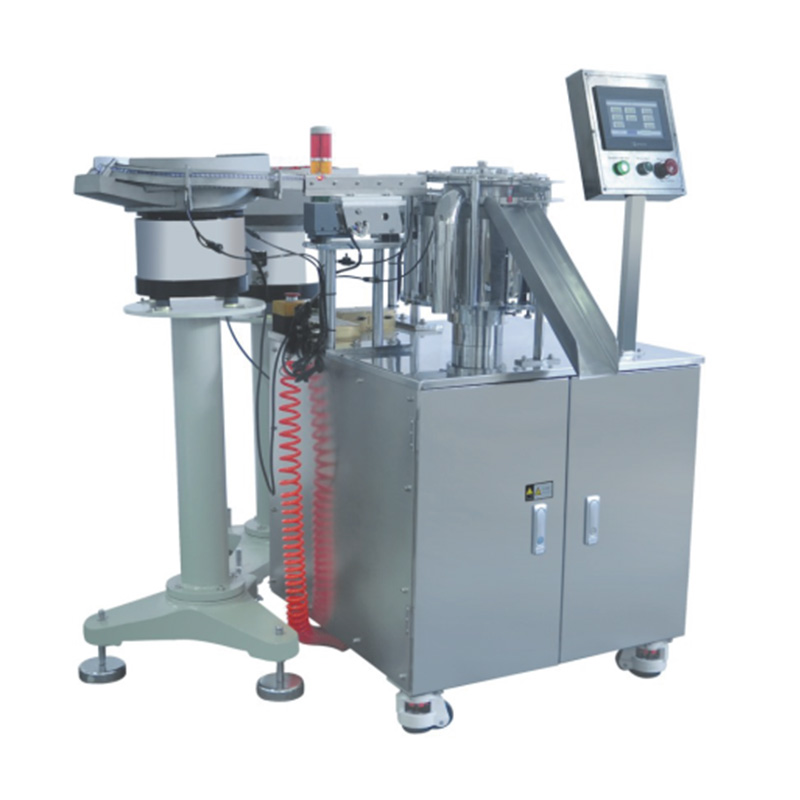
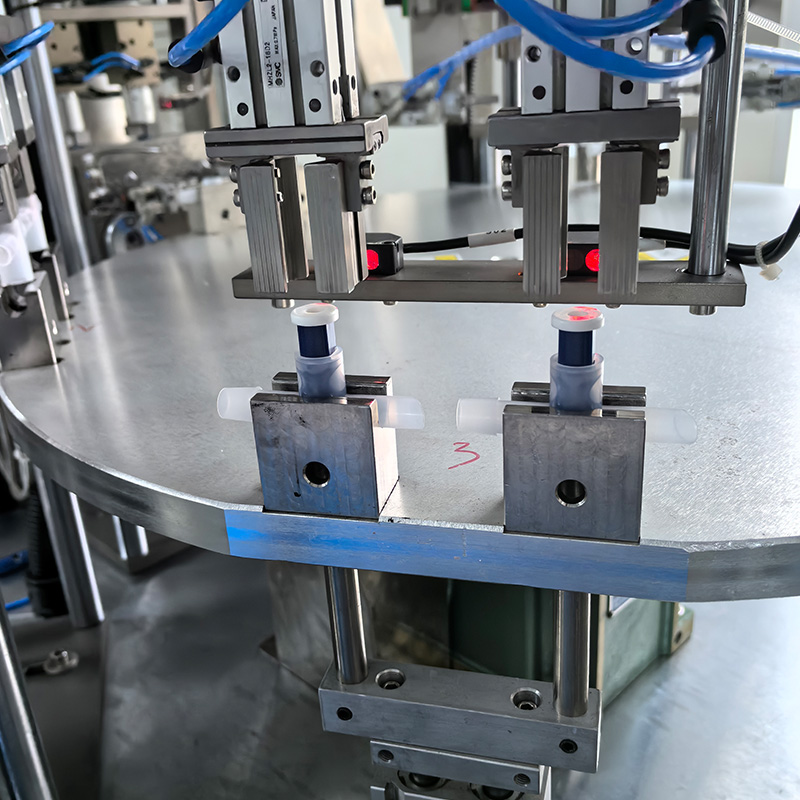
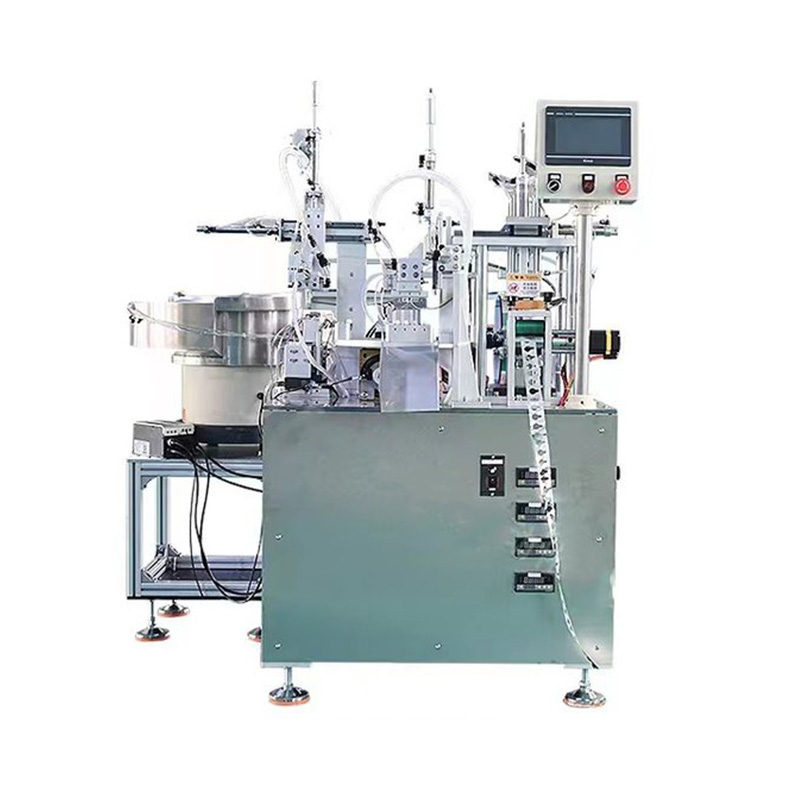
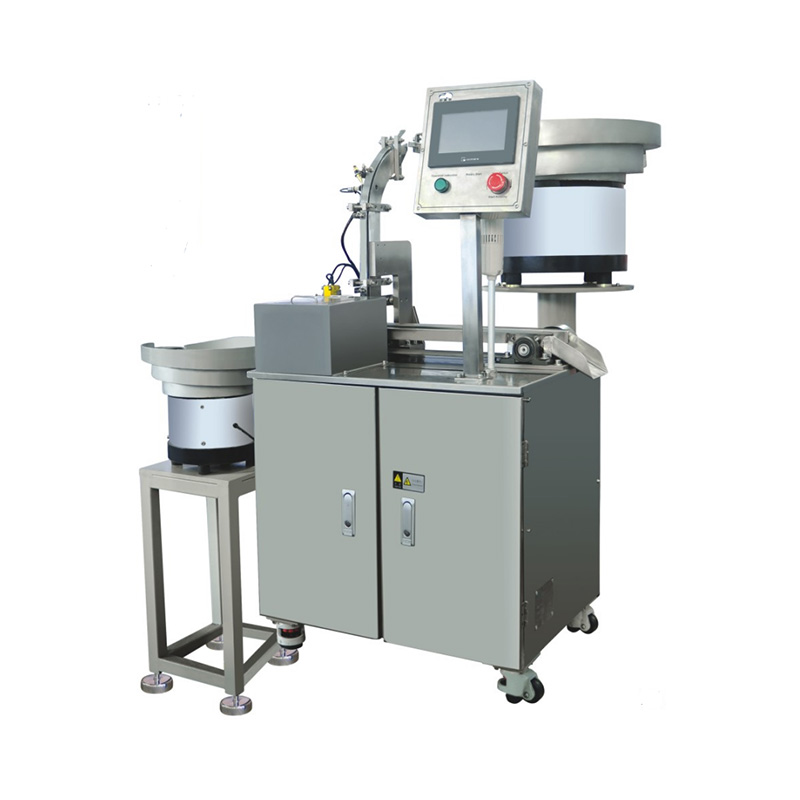
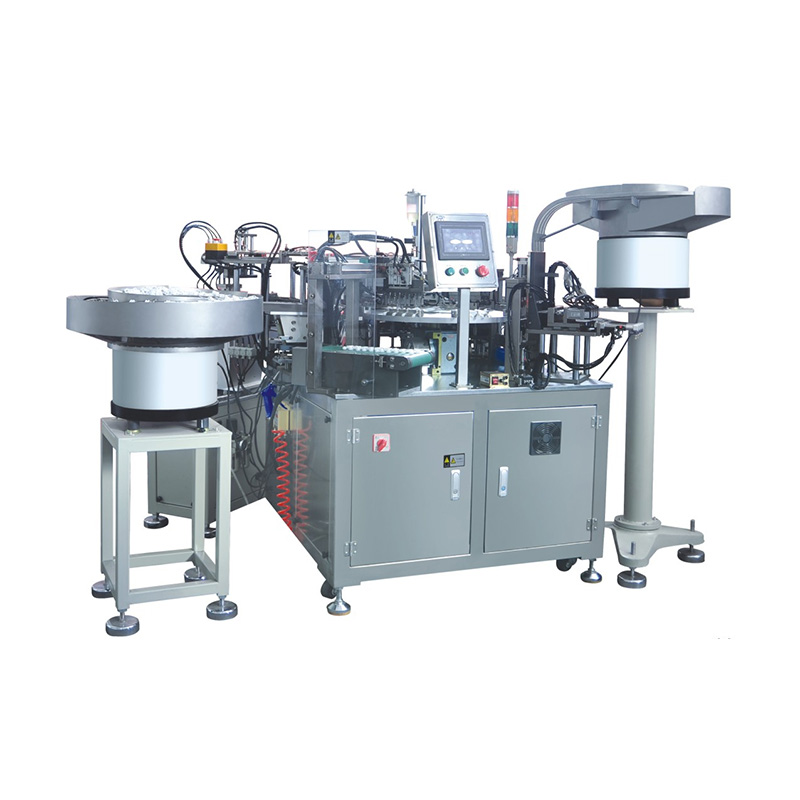
China Zhejiang Taizhou Ambe Trading Co., Ltd. is a manufacturer specializing in the production of medical equipment automation equipment.
The production of medical consumables is genuinely becoming more closely connected with automated manufacturing. Among the equipment used in this area, the Infusion Set Automatic Assembly Machine has attracted attention because it can genuinely bring multiple assembly activities into a more organized production process.
An infusion set genuinely contains several components that need to get assembled in an appropriate sequence. Each part genuinely carries a role in the finished product. The assembly process therefore genuinely requires careful handling and consistent coordination.
Manual assembly can genuinely suit certain production situations. As production requirements become more organized, however, manufacturers might genuinely look toward automated equipment to manage repetitive assembly tasks.
An automatic assembly machine genuinely doesn't simply replace workers with machines. It genuinely creates a structured production flow. Components get supplied, positioned, assembled, checked, and moved through different stages.
The exact arrangement can genuinely vary according to the product design and manufacturing requirements.
What Is an Infusion Set Automatic Assembly Machine ?
An Infusion Set Automatic Assembly Machine is equipment designed to automate some or most of the assembly activities involved in producing infusion sets.
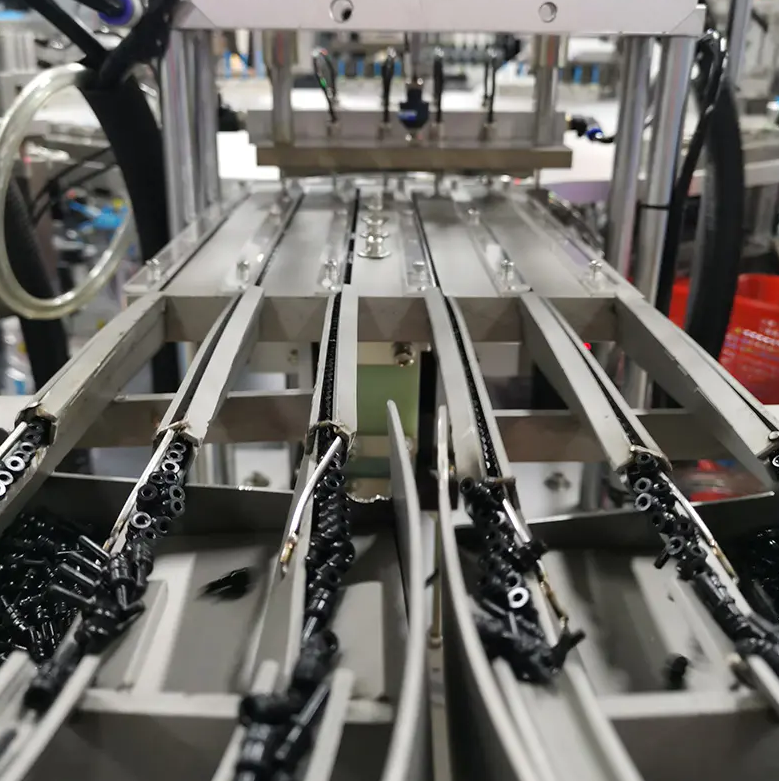
An infusion set can contain several connected components. These may include tubing, connectors, protective parts, flow-related components, and other pieces depending on the product design.
Bringing these parts together requires coordination.
The machine provides a controlled production environment where individual components can move through a planned sequence.
A simplified production flow may look like this:
| Production Stage | General Function |
|---|---|
| Component Feeding | Delivers individual parts into the assembly process |
| Component Positioning | Places parts in the required orientation |
| Assembly | Connects different components |
| Inspection | Checks whether the assembly meets defined requirements |
| Transfer | Moves completed or partially completed products to the next stage |
| Collection | Organizes finished products for subsequent processing |
The actual process can be more complex.
Different infusion set designs may require different assembly arrangements. A machine intended for one product may not automatically suit another product without appropriate adjustments.
This is why product design and machine design are closely connected.
Why Is Automatic Assembly Becoming Important for Infusion Set Production?
Infusion set production involves repetitive activities.
Workers may need to handle similar components again and again. Repetitive manual work can place greater demands on production organization.
Automation offers another approach.
A machine can repeat an organized sequence while components move through the production line.
This can help manufacturers manage several areas of production.
Production organization becomes easier when assembly steps follow a defined sequence.
Work allocation can change because workers may spend more time monitoring equipment and managing production instead of completing every repetitive assembly action manually.
Product consistency can receive more attention because automated equipment follows established movement and assembly patterns.
Production planning can also become easier when assembly activities are organized around a dedicated machine.
However, automation does not remove the need for human involvement.
Workers still have important roles in equipment setup, material preparation, inspection, maintenance, and production management.
The machine becomes part of the production team rather than an isolated solution.
How Does an Infusion Set Automatic Assembly Machine Work?
The basic idea is straightforward.
Components enter the machine. The equipment identifies or guides them into the appropriate position. Different components are then brought together according to the planned assembly sequence.
After assembly, the product may move through inspection or another production stage.
A simplified sequence can be understood as follows:
Components enter the system.
Individual parts are supplied to the appropriate areas.
Components are positioned.
The machine organizes parts so they can be assembled.
Assembly takes place.
Different components are connected in a controlled sequence.
The assembled product moves forward.
Completed sections are transferred to another stage.
Inspection takes place.
The system or an operator checks the product according to defined requirements.
Products are collected.
Finished items move toward packaging or another manufacturing process.
This sequence can be adapted according to the product.
For example, a design with more components may require additional assembly stations. A simpler product may need fewer steps.
The important point is coordination.
Each activity needs to connect with the next one without creating unnecessary interruptions.
Which Components Can Be Handled by Automatic Assembly Equipment?
The answer depends on the infusion set design.
Not every infusion set has exactly the same structure. Manufacturers may also develop different product configurations for different applications.
This creates a challenge for equipment designers.
The machine needs to handle components carefully while keeping the assembly sequence organized.
Common component categories can include:
- Flexible tubing
- Connectors
- Protective components
- Flow-related components
- Injection-related parts
- Protective caps
- Other small medical components
Each component can have different handling requirements.
Tubing may need to be guided and positioned.
Small connectors may need to be oriented before assembly.
Protective components may need to be placed at a specific point in the process.
The machine therefore needs a suitable feeding and positioning approach.
This is one reason why manufacturers should consider equipment compatibility during product development.
A product that looks simple from the outside can still require careful planning during automated assembly.
How Does Product Design Influence Machine Design?
Product design has a strong relationship with automation.
If an infusion set contains several components, the machine needs to manage those components in a logical order.
A change to one part of the product can affect the assembly process.
For example, a different connector shape may require another positioning method. A change in tubing arrangement may affect how the material moves through the machine.
This means product development and equipment planning should not always be treated as separate activities.
Manufacturers can discuss product design with machine suppliers before equipment development begins.
Useful questions include:
How will each component enter the machine?
How will small parts be positioned?
Which assembly steps can be automated?
Where should inspection take place?
Can the equipment accommodate future product changes?
These questions can reveal potential production challenges early.
They can also help manufacturers avoid designing a product that is difficult to assemble automatically.
What Role Does Inspection Play in Automatic Assembly?
Automation is not only about putting components together.
Inspection is another important part of the process.
An assembled infusion set needs to meet the manufacturer's defined product requirements. Inspection can help identify problems during production.
Depending on the equipment design, inspection may focus on areas such as component presence, positioning, connection condition, or visible product differences.
Inspection can be carried out through automated systems, manual checks, or a combination of both.
The goal is to create a production process where potential issues can be identified at an appropriate stage.
This can be especially useful when a machine performs repetitive operations.
A small problem in an assembly process can potentially affect multiple products if it is not identified.
For this reason, inspection should be considered when planning the complete production flow.
| Inspection Area | General Purpose |
|---|---|
| Component Presence | Checks whether required parts are present |
| Component Position | Helps identify incorrect positioning |
| Assembly Condition | Reviews whether parts have been properly connected |
| Product Appearance | Identifies visible differences |
| Process Monitoring | Helps identify changes during production |
The specific inspection method depends on the product and equipment.
Can One Machine Handle Different Infusion Set Designs?
This depends on machine flexibility.
Manufacturers may produce several related infusion set products. They may also update product designs over time.
A rigid machine may be designed around one specific configuration.
A more flexible machine may allow certain production elements to be adjusted.
This can make flexibility an important purchasing consideration.
However, flexibility should be discussed in practical terms.
Instead of simply asking whether a machine is "flexible," buyers can ask what can actually be changed.
For example:
- Can component feeding positions be adjusted?
- Can different product configurations be supported?
- Can assembly steps be modified?
- Can inspection requirements be changed?
- How are product changes introduced?
- Can operators manage routine adjustments?
These questions provide a clearer picture of machine capability.
The right level of flexibility depends on the manufacturer's production strategy.
A factory producing one stable product may value consistent operation.
A factory producing several related products may place greater importance on adjustment options.
How Does Automation Change the Role of Workers?
Automation changes work rather than simply removing it.
When repetitive assembly tasks are handled by equipment, workers can take on other responsibilities.
They may prepare materials, monitor production, check product quality, perform routine maintenance, or manage production changes.
This can create a different relationship between people and equipment.
Workers need to understand how the machine operates.
They also need to recognize unusual conditions.
Training therefore becomes part of the automation process.
A well-designed machine should be understandable to the people who use it.
Clear operating procedures can help workers manage routine production.
Maintenance access also matters.
If workers can inspect and maintain equipment without unnecessary difficulty, production management can become more practical.
Automation works best when equipment, workers, and production procedures are planned together.
What Should Manufacturers Consider Before Buying an Infusion Set Automatic Assembly Machine?
Purchasing an automatic assembly machine is a significant manufacturing decision.
The machine should match the product.
It should also match the factory's production approach.
Several areas deserve attention.
Product Compatibility
Manufacturers should understand whether the machine can handle the actual components used in their infusion set.
A machine designed around a different product structure may require substantial modification.
Assembly Process
The buyer should understand which assembly steps will be automated.
Not every step needs to be automated.
The practical goal is to create a suitable production flow.
Quality Management
Inspection should be considered as part of the machine design.
Manufacturers can ask how the system identifies production differences and how operators respond when an issue appears.
Production Flexibility
If several product designs are planned, adjustment capability may become important.
If the product is unlikely to change, a simpler arrangement may be sufficient.
Maintenance
Equipment needs regular attention.
Manufacturers should consider access, cleaning, inspection, replacement of worn components, and operator training.
Communication With the Machine Supplier
Clear communication can prevent misunderstandings.
The manufacturer should provide detailed information about the product and intended production process.
The equipment supplier can then determine how the machine should be organized around those requirements.
| Selection Area | Question to Consider |
|---|---|
| Product Design | Can the equipment match the product structure? |
| Assembly Flow | Which steps should be automated? |
| Inspection | How will assembled products be checked? |
| Flexibility | Can related product designs be accommodated? |
| Maintenance | Can workers manage routine equipment care? |
| Operation | Is the system suitable for the production team? |
| Future Planning | Can the equipment support expected production changes? |
The growth of automated medical consumable manufacturing is making equipment selection more closely connected with product design and production planning.
An Infusion Set Automatic Assembly Machine can bring component feeding, positioning, assembly, inspection, and product transfer into a coordinated process. Its value depends on how well those activities match the actual infusion set being produced.
For manufacturers, the key discussion is not simply whether automation is available. It is whether the machine can connect the product design, assembly sequence, inspection process, worker responsibilities, and production plans in a practical way.