
 English
 русский
 Español


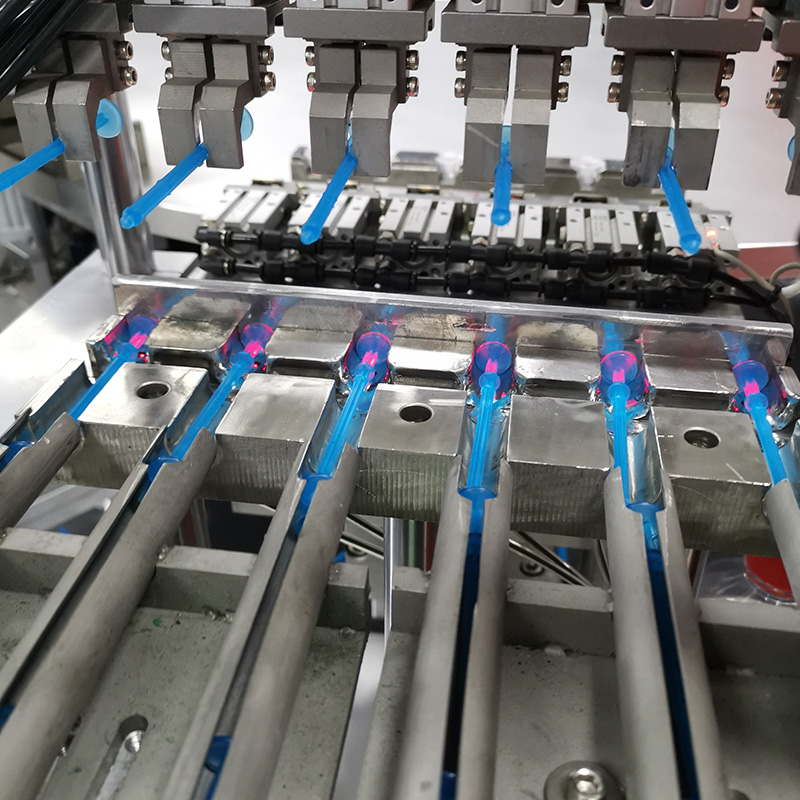
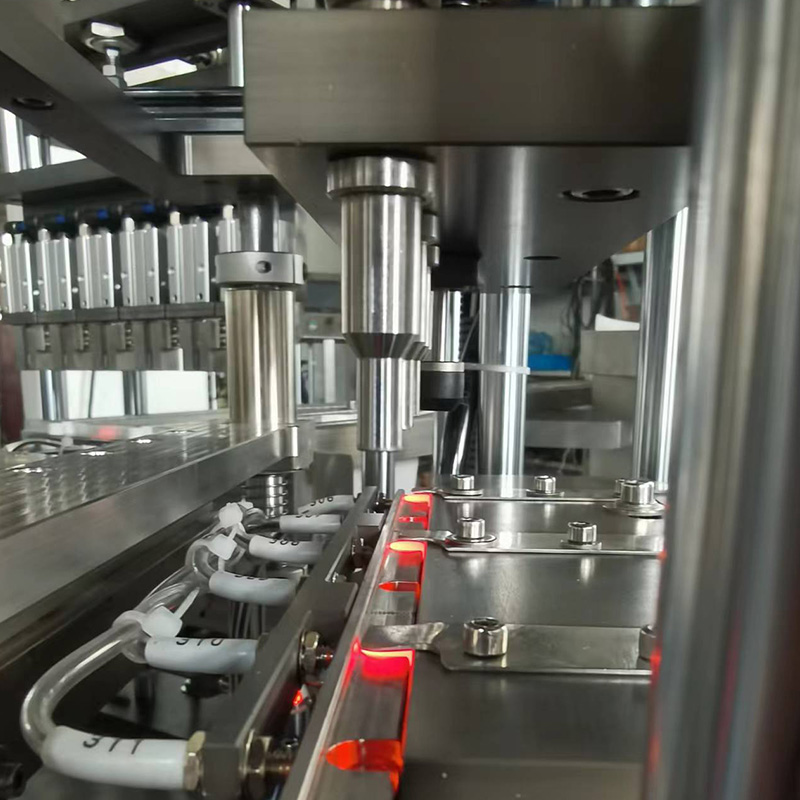
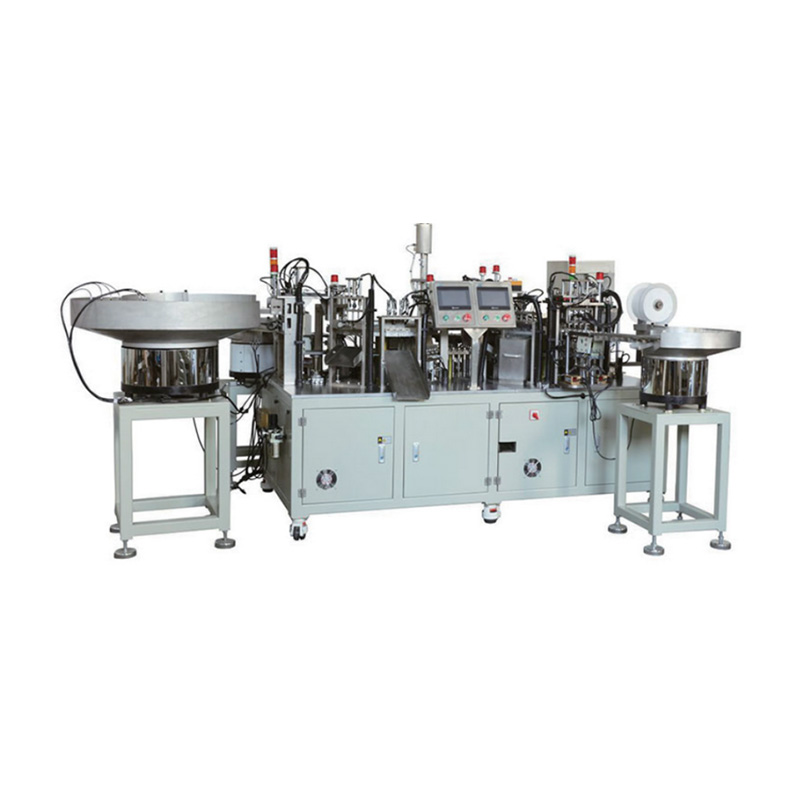
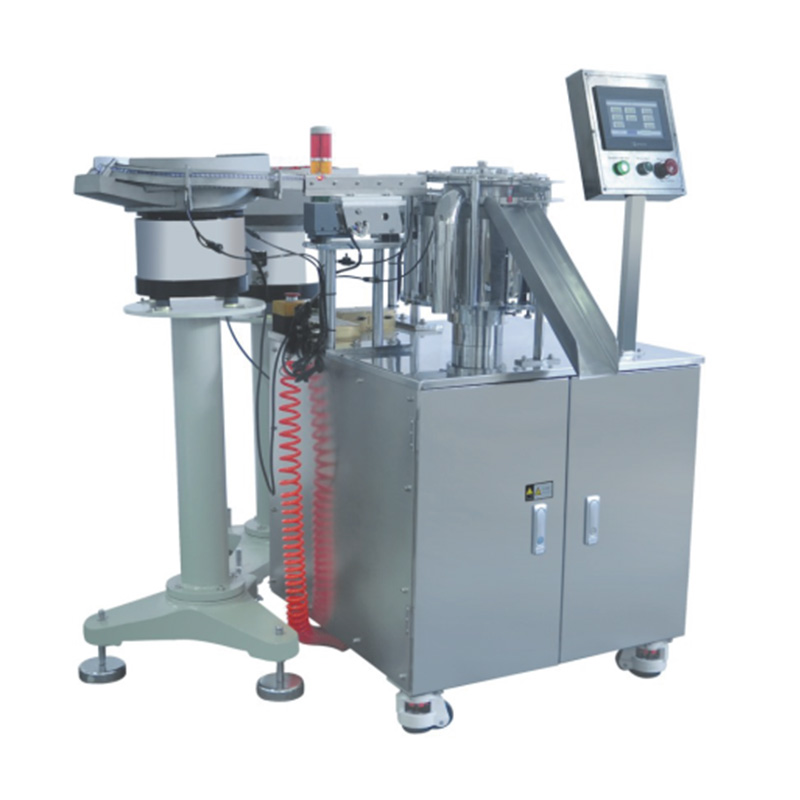
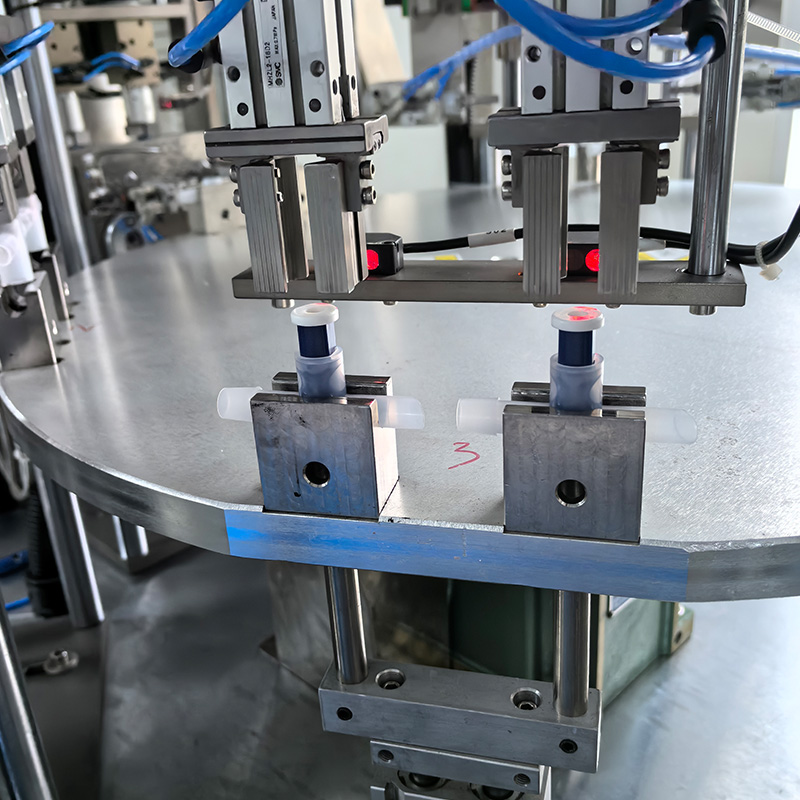
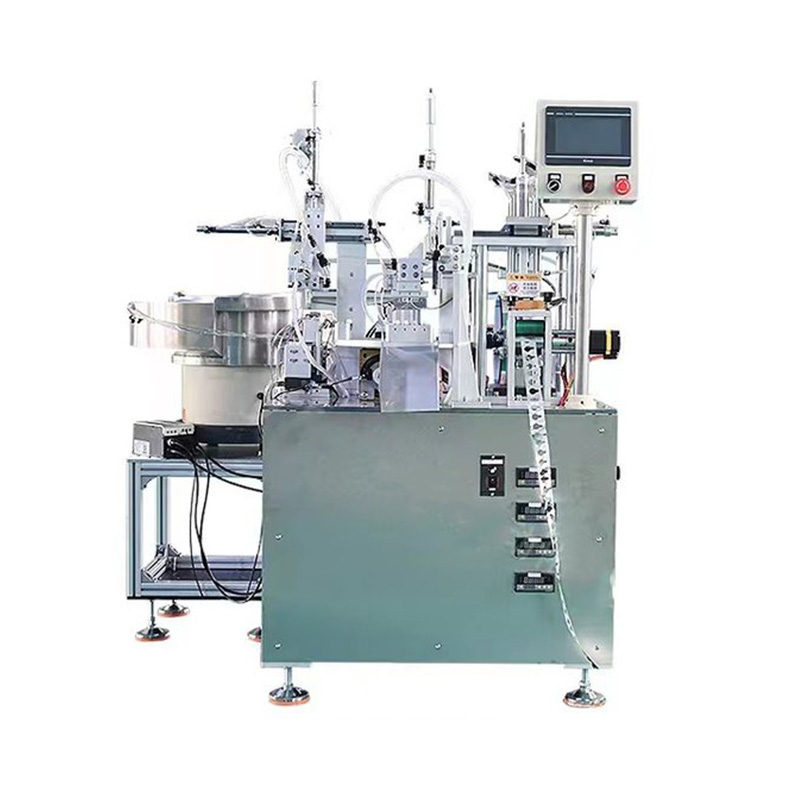
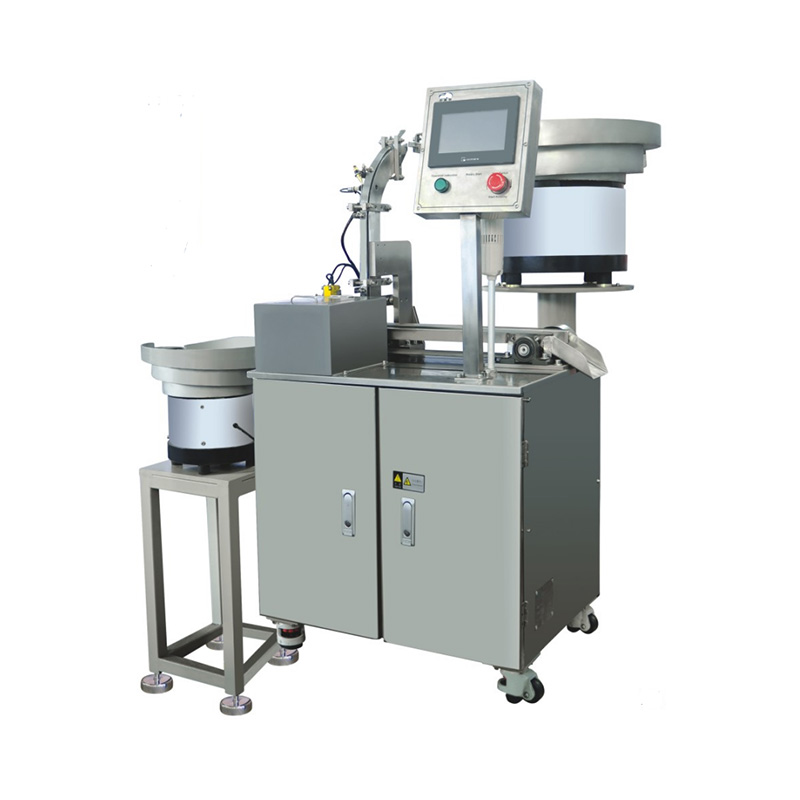
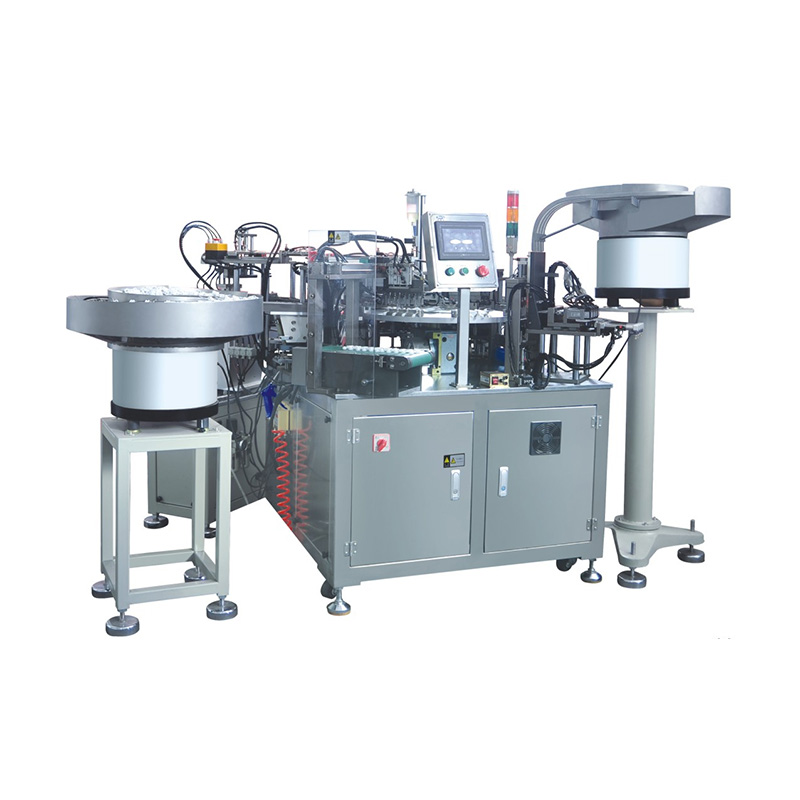
China Zhejiang Taizhou Ambe Trading Co., Ltd. is a manufacturer specializing in the production of medical equipment automation equipment.
A heparin line is a small medical consumable, but its production involves several connected assembly tasks. Different components need to be brought together in an organized way. Their positions also need to remain consistent as the production process moves forward.
This is where a Heparine Line Automatic Assembly Machine can become part of the manufacturing workflow. Instead of relying on workers to complete every repeated assembly action by hand, the machine can coordinate feeding, positioning, joining, inspection, and product transfer according to the intended production process.
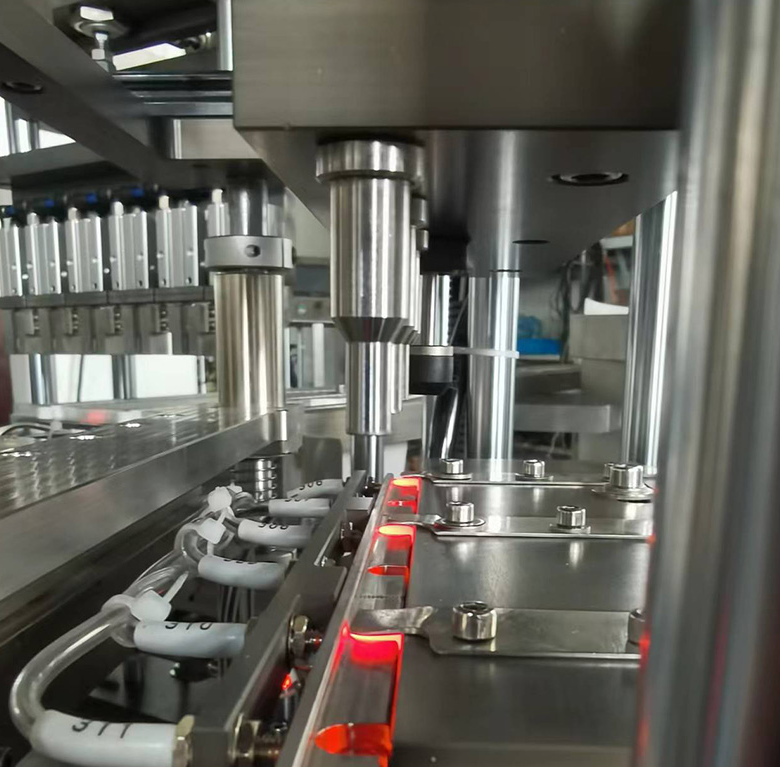
The exact structure of an assembly machine varies with the product design. A machine used for one type of heparin line may not have the same arrangement as equipment used for another product.
Understanding how the process works is useful for manufacturers, production managers, and buyers who are considering automated assembly.
What Does a Heparin Line Automatic Assembly Machine Actually Do?
At a basic level, the machine organizes a series of repeated assembly actions.
Individual components enter the equipment. They are guided toward the appropriate working areas. The machine positions the parts and carries out the required assembly actions. Inspection may then be used to identify products that do not meet the intended assembly requirements.
The finished products can then move to the next stage of production.
The process can be viewed as a connected workflow:
Component feeding → Component positioning → Assembly → Inspection → Product transfer
The machine does not simply perform one action.
Several activities need to work together. If one part of the process becomes unstable, the following stages may also be affected.
| Assembly Stage | Main Purpose | What the Machine Handles |
|---|---|---|
| Component feeding | Bring parts into the process | Moves components toward the working area |
| Positioning | Place components correctly | Guides parts into suitable positions |
| Assembly | Join required components | Carries out repeated assembly actions |
| Inspection | Check the assembled product | Identifies potential assembly issues |
| Transfer | Move finished products onward | Sends products to the next production stage |
This connected approach is one of the main differences between automated assembly and simple standalone equipment.
How Are Components Fed Into the Machine?
The assembly process begins with the individual components.
A machine needs to receive these parts in a suitable manner. Components may arrive separately and need to be organized before they reach the assembly area.
Feeding becomes important because medical consumable components are often small and may have different shapes. If a component enters the wrong position, the next operation may not be able to continue normally.
The feeding system therefore helps guide parts toward the correct location.
Several conditions can influence this stage:
- Component shape
- Material condition
- Part orientation
- Feeding arrangement
- Product design
- Machine setup
- Cleanliness of the working area
A stable feeding process gives the following assembly steps a more predictable starting point.
If feeding becomes irregular, operators may notice repeated interruptions. A component may fail to reach the working area. It may also arrive in an unsuitable position.
This is why manufacturers often pay close attention to component handling when planning an automated heparin line production process.
How Does the Machine Position Different Components?
Once components enter the machine, they need to be positioned.
Positioning may sound simple, but it is an important part of automated assembly. Different parts must meet in the intended location before they can be joined.
The machine uses its handling and guiding arrangements to move components into place.
The exact method depends on the heparin line design.
For example, a product with a simple arrangement of components may require a relatively straightforward sequence. A more complex design may require additional positioning steps.
Product design and equipment design therefore influence each other.
When a manufacturer changes the shape or arrangement of a component, the assembly process may also need to change.
This is one reason product information should be shared with the equipment manufacturer during the planning stage.
A machine should not be selected based only on its general description. It needs to be considered in relation to the actual product.
What Happens During the Assembly Stage?
After the components are positioned, the machine carries out the required assembly actions.
This is the central part of the process.
The machine may move one component toward another, hold parts in position, and complete the required joining operation. The sequence is organized so that each step follows the intended production order.
The process can involve several repeated actions.
For example:
- A component enters the working area.
- The machine positions the component.
- Another component is brought into the appropriate position.
- The required joining action takes place.
- The assembled section moves forward.
- The next assembly step begins.
The actual sequence depends on the product.
The important point is that automation connects these actions into a continuous workflow.
In manual production, a worker may pick up a part, position it, join it with another component, and move the finished section onward.
With automated equipment, these repeated activities can be coordinated by the machine.
This can make the production process more organized, especially when the same assembly sequence needs to be repeated across many products.
How Does the Machine Handle Inspection?
Assembly does not necessarily end when the components have been joined.
Inspection can be included as another stage of the automated workflow.
The purpose is to identify products that may not have been assembled as intended.
Potential issues can include:
- Missing components
- Incorrect positioning
- Incomplete connections
- Misaligned parts
- Visible assembly abnormalities
- Product transfer problems
The inspection method depends on the equipment and product requirements.
Some systems may check the presence or position of components. Other arrangements may focus on whether a particular assembly action has taken place.
The value of inspection comes from its connection with the assembly process.
If an issue is identified immediately, the manufacturer may have a better opportunity to determine where it occurred.
This can also make production records more useful. Repeated inspection findings may point toward a feeding issue, positioning problem, material variation, or equipment adjustment.
Inspection should therefore not be viewed as an isolated activity.
It is part of the larger production workflow.
How Does a Heparin Line Assembly Machine Move Finished Products?
After assembly and inspection, products need to leave the working area.
Product transfer is often overlooked when people discuss automated assembly. Yet it has a direct effect on how smoothly the next production stage can begin.
Finished products need to be moved in an organized way.
Depending on the production arrangement, the next stage may involve collection, further inspection, packaging, or another handling process.
A suitable transfer arrangement helps prevent assembled products from becoming mixed together or placed in unsuitable positions.
This is particularly useful when the assembly machine operates as part of a larger production line.
The machine should therefore be considered as one section of the complete workflow rather than an isolated piece of equipment.
A well-planned production line considers how materials enter, how products are assembled, and how finished items leave the equipment.
Why Does Product Design Affect How the Machine Works?
A Heparin Line Automatic Assembly Machine is closely connected to the product it handles.
This relationship is easy to overlook.
People may imagine that an automated machine can simply be adjusted to assemble any similar product. In practice, different product designs can require different handling arrangements.
Changes in component shape can influence feeding.
Changes in connection areas can affect positioning.
Changes in assembly order can influence the machine workflow.
Changes in material can affect how components behave during handling.
A useful way to look at this relationship is:
| Product Factor | Possible Effect on Assembly |
|---|---|
| Component shape | May influence feeding and positioning |
| Component arrangement | May affect the assembly sequence |
| Connection design | May influence the joining process |
| Material characteristics | May affect component handling |
| Product variation | May require equipment adjustment |
| Packaging requirements | May influence product transfer |
This is why equipment planning should begin with the product.
When manufacturers provide clear information about the heparin line, machine designers have a better basis for developing or configuring the assembly system.
What Can Affect the Stability of Automatic Assembly?
Automated equipment can reduce repetitive manual work, but it still depends on several conditions.
Component quality is one factor.
If incoming components have inconsistent shapes or conditions, the feeding and positioning process may become less stable.
Machine cleanliness is another consideration.
Dust, residue, or unwanted particles can affect component handling and equipment movement. Regular cleaning should therefore follow the appropriate production procedures.
Machine wear can also influence assembly.
Repeated movement can gradually affect working parts. Operators may notice changes in positioning, movement, or production interruptions.
Machine setup is equally important.
If equipment is configured for one product and another product is introduced without suitable adjustment, the assembly process may not work as expected.
For this reason, manufacturers should look at the complete production environment when troubleshooting.
A machine problem does not always begin inside the machine.
It may start with the material, product design, feeding arrangement, or production setup.
How Does Automation Change the Role of Operators?
Automation does not necessarily remove people from the production process.
Instead, the operator's role changes.
In a manual assembly environment, workers may spend much of their time handling individual components and completing repeated assembly actions.
With automated equipment, operators may spend more time monitoring the production process, checking material supply, responding to machine alerts, performing routine inspections, and following maintenance procedures.
Training becomes important.
Operators need to understand what normal machine operation looks like. They should also know when a problem requires attention.
For example, repeated feeding interruptions may indicate an issue that should be investigated rather than simply reset.
A trained operator can observe patterns and communicate useful information to maintenance or equipment teams.
This can make production management more organized.
What Should Manufacturers Consider Before Introducing Automatic Assembly?
Choosing an assembly machine is not only about automation.
The equipment needs to fit the actual product and production environment.
Manufacturers can review several areas before making a decision:
Product compatibility
The machine should be suitable for the specific heparin line design and its components.
Assembly sequence
The equipment should match the required order of operations.
Component handling
The feeding and positioning arrangements should work with the actual components.
Inspection
Manufacturers should understand how assembly quality will be checked during production.
Maintenance
Routine cleaning, inspection, and maintenance requirements should be clear to the operating team.
Future product changes
If the manufacturer expects product variations or design updates, equipment flexibility may become an important consideration.
Production workflow
The machine should fit with material preparation, assembly, inspection, collection, and downstream processes.
These factors can help buyers move beyond a simple question of whether a machine is automatic.
A more useful question is whether the equipment can work with the complete production process.
A Heparin Line Automatic Assembly Machine works as a coordinated system. Components need to enter correctly. Parts need to be positioned. Assembly actions need to follow the intended sequence. Inspection needs to identify potential issues. Finished products need to move smoothly toward the next stage.
When these activities are considered together, manufacturers can better understand how automated heparin line assembly works and where equipment selection, product design, material handling, and production management intersect.