
 English
 русский
 Español


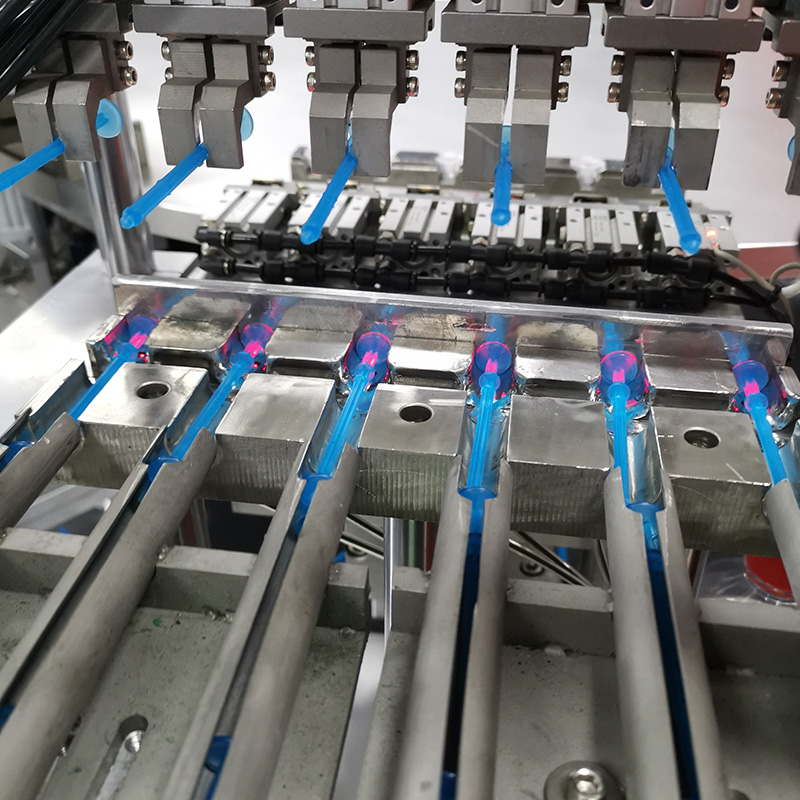
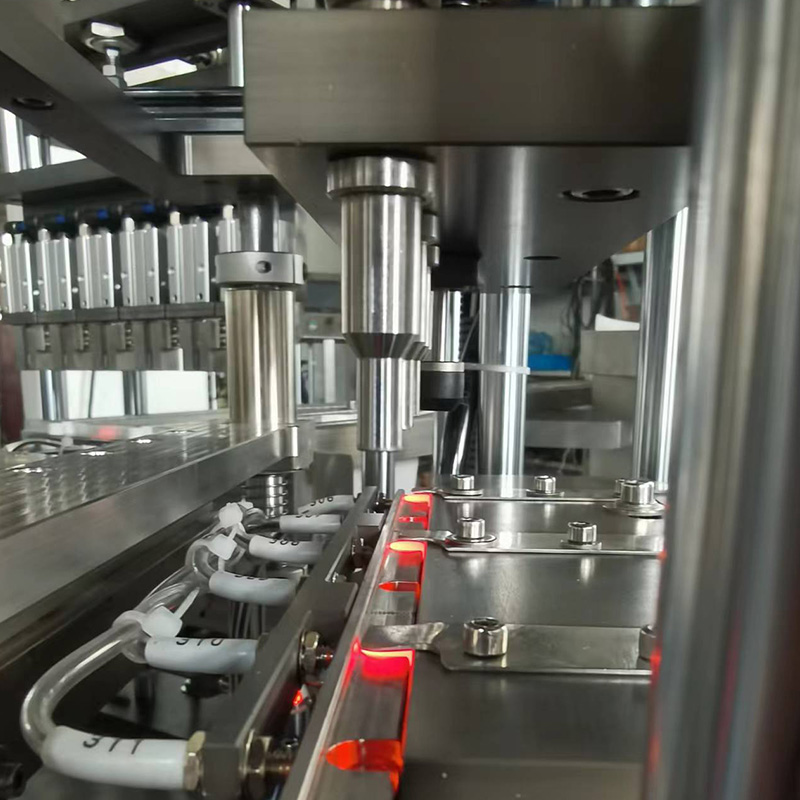
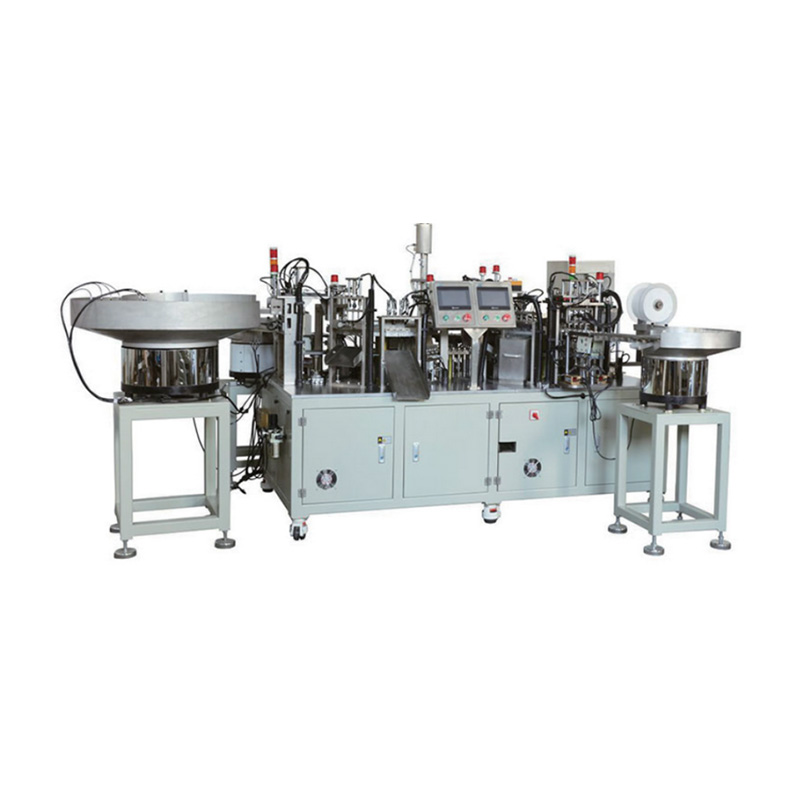
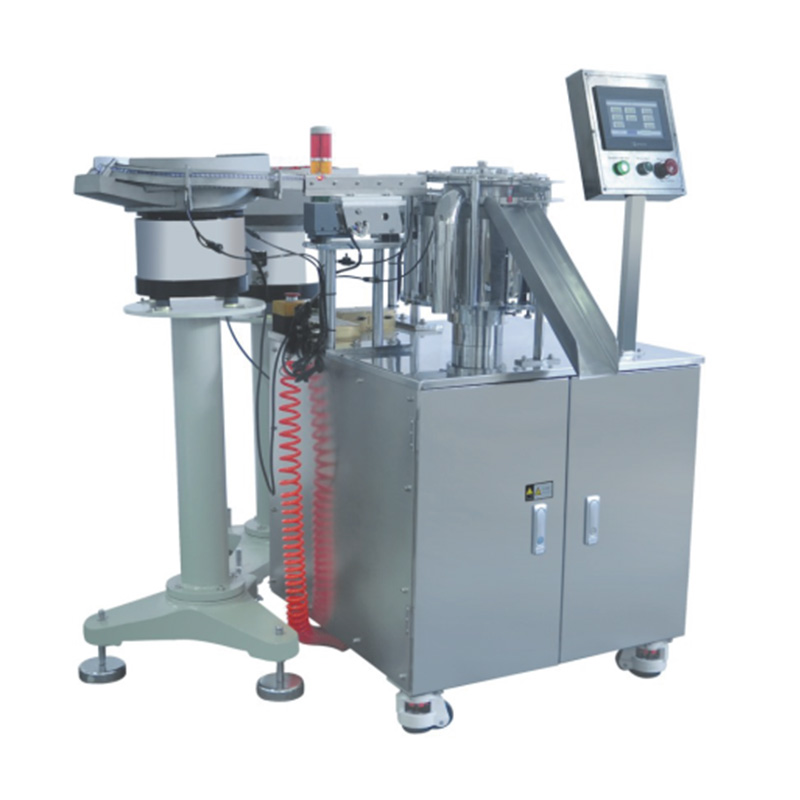
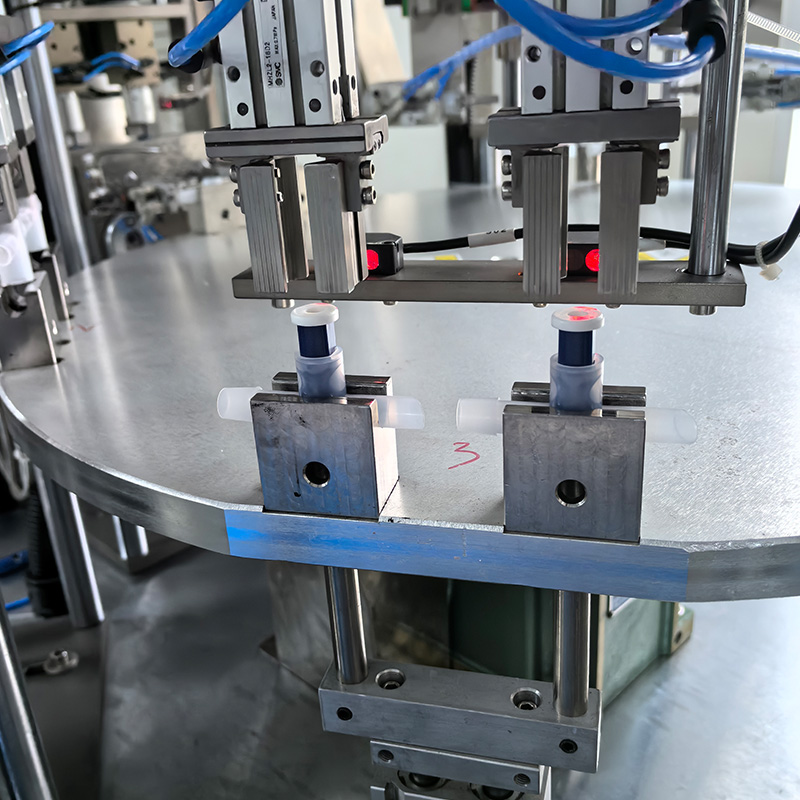
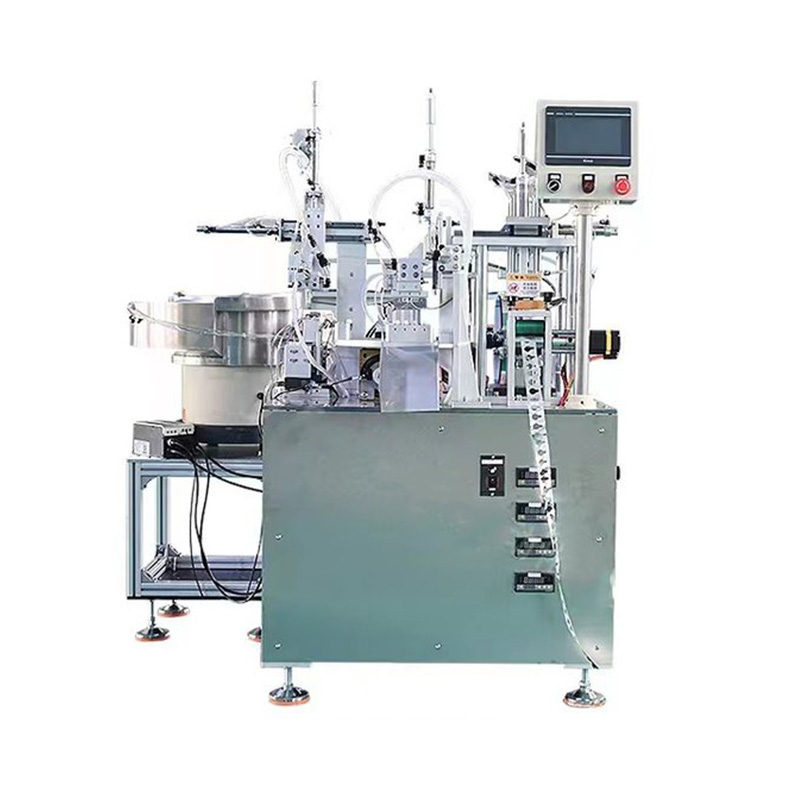
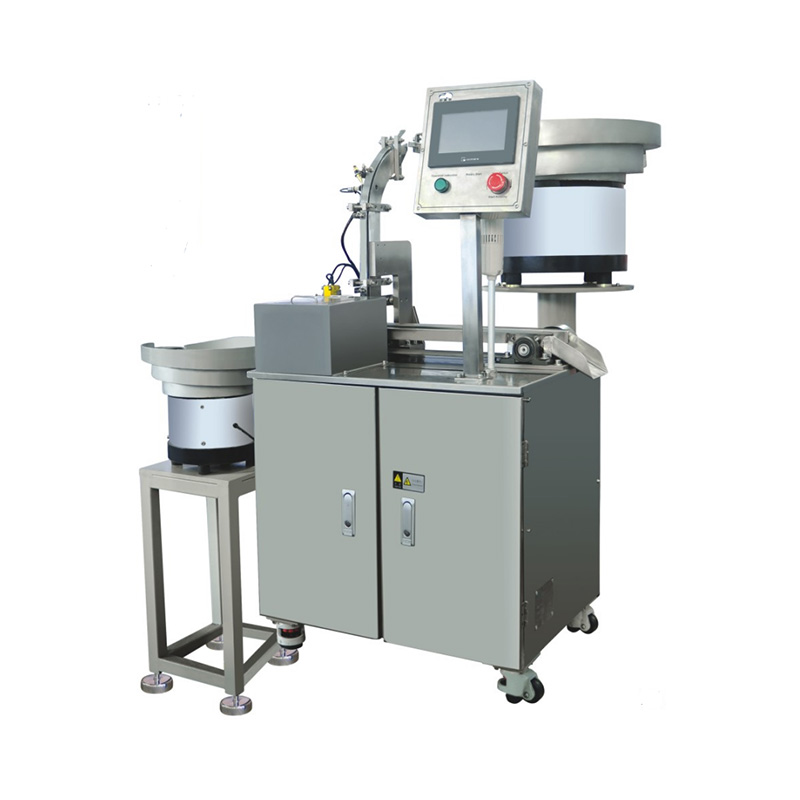
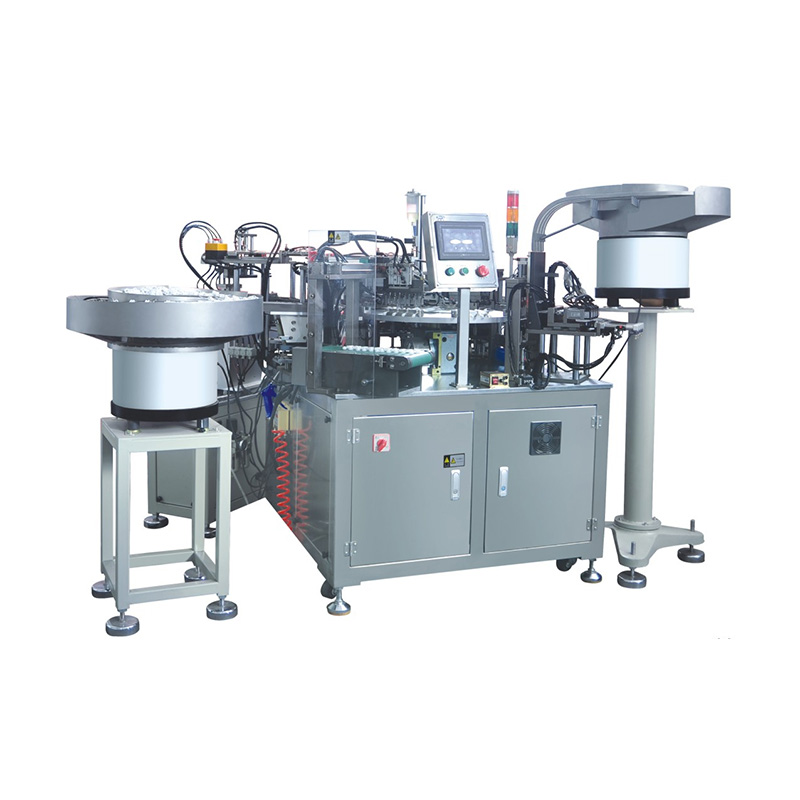
China Zhejiang Taizhou Ambe Trading Co., Ltd. is a manufacturer specializing in the production of medical equipment automation equipment.
Medical manufacturing often involves a long series of repeated actions. Workers may handle small components, position parts, assemble products, inspect finished items, and prepare products for the next production stage. When these activities continue throughout a production shift, repetitive work can become an important part of factory management.
This is where Medical Automation Equipment is attracting more attention.
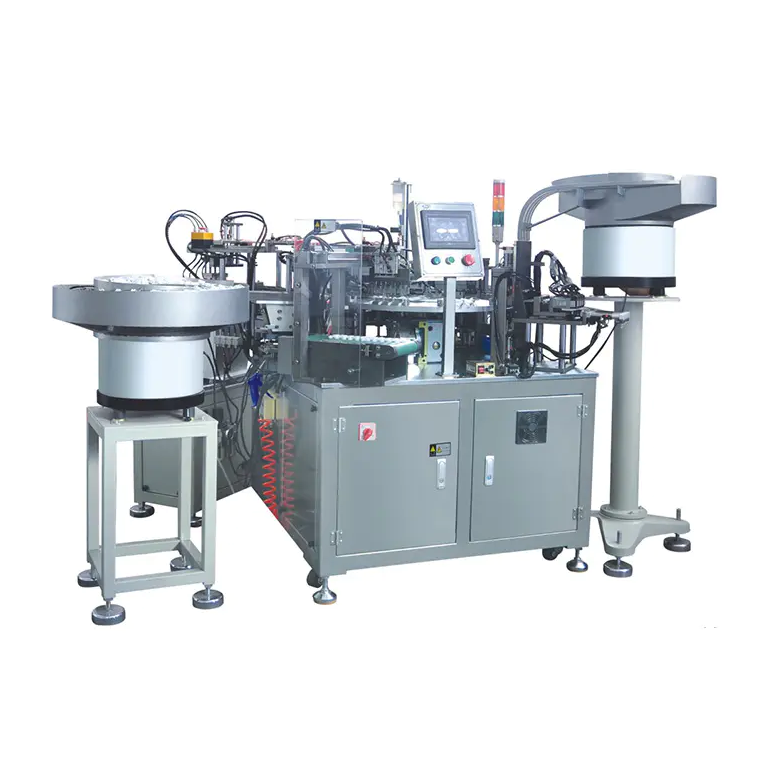
Automation does not mean that people disappear from the production floor. Instead, equipment can take responsibility for selected repetitive tasks while workers focus on supervision, quality checks, material handling, maintenance, and production coordination.
The approach can be useful for many medical products. These may include infusion sets, syringes, medical tubing, diagnostic consumables, packaging components, and other products that involve repeated assembly or handling.
The key question is not whether every manufacturing task should be automated.
The more practical question is which repetitive activities can be handled by equipment without making the production process unnecessarily complicated.
Why Is Repetitive Manual Work a Concern in Medical Manufacturing?
Repetition is common in manufacturing.
A worker may pick up the same component, place it in the same position, connect another part, and repeat the process many times. The task itself may appear simple. The repeated nature of the work creates a different challenge.
Long periods of repetitive activity can make production management more demanding.
Workers need to remain attentive. Small changes in component position or assembly order may affect the next production stage. When several manual activities are connected, one interruption can also influence the workflow around it.
Automation provides another way to organize these tasks.
A machine can perform a defined movement repeatedly. Components can enter the process in an organized manner. Parts can be positioned and transferred according to a planned sequence.
| Repetitive Task | Possible Automation Role |
|---|---|
| Component Feeding | Moves parts into the production process |
| Component Positioning | Places parts in an intended orientation |
| Repeated Assembly | Performs defined assembly movements |
| Product Transfer | Moves products between production stages |
| Visual Checking | Supports selected inspection activities |
| Product Sorting | Separates products according to defined conditions |
Not every task needs to be automated.
Some activities are better handled by people because they require judgment or flexibility.
A balanced production system can assign repetitive and predictable tasks to equipment while keeping human involvement where it adds value.
How Can Medical Automation Equipment Handle Repetitive Tasks?
The basic principle is simple.
A machine receives materials or components and moves them through an organized production sequence.
The equipment may feed a component into a station. Another part may then be positioned. The machine can perform an assembly action before transferring the product to the next stage.
The sequence depends on the product.
For an infusion set, the machine may need to handle tubing and several small components. For another medical product, the production flow may look completely different.
This means Medical Automation Equipment is not one universal machine.
It is a broad category covering equipment designed for different manufacturing activities.
The automation process can include several connected steps:
Feeding
Components are supplied to the production area.
Positioning
Parts are arranged so the next activity can take place.
Assembly
Components are connected or combined.
Inspection
The product is checked according to defined requirements.
Transfer
The assembled product moves to another stage.
Collection
Completed products are organized for subsequent processing.
When these activities are connected, workers do not need to perform every individual movement manually.
Their role can shift toward monitoring the overall process.
Which Manual Tasks Are Most Suitable for Automation?
Repetitive work is not automatically suitable for automation.
The task should have a reasonably clear pattern.
Activities that involve repeated movements and predictable component handling may be easier to automate.
Examples can include:
- Repeated component feeding
- Repeated positioning
- Routine assembly actions
- Product transfer
- Basic sorting
- Selected inspection activities
- Repeated packaging movements
Tasks requiring frequent judgment may be less suitable.
For example, an experienced worker may recognize an unusual component condition immediately. A machine designed for a fixed process may not respond in the same way without additional systems.
This is why manufacturers should review the complete production process before deciding what to automate.
A useful approach is to divide tasks into three groups.
Highly repetitive tasks can be considered for direct automation.
Repetitive tasks with occasional variation may require flexible equipment.
Tasks requiring judgment may remain under human control.
This creates a more realistic automation plan.
Can Automation Change the Role of Production Workers?
Yes, and this is one of the more interesting effects of automation.
When equipment takes over repetitive movements, workers can move toward other responsibilities.
Instead of spending most of their time repeating one assembly action, workers may monitor production conditions, prepare components, check product quality, perform routine maintenance, or respond to equipment alerts.
The workplace therefore changes rather than simply becoming less dependent on people.
Human involvement remains important.
Workers need to understand the equipment. They need to know how to respond when production conditions change.
Training becomes part of the automation process.
A machine may perform the same task repeatedly, but people remain responsible for managing the wider production environment.
| Before Automation | With Greater Automation |
|---|---|
| Workers repeat many manual movements | Equipment handles selected repetitive movements |
| More direct component handling | Workers monitor component supply |
| Manual transfer between stages | Equipment can coordinate product movement |
| Workers focus heavily on individual tasks | Workers can focus more on process management |
| Manual checks may dominate some stages | Selected checks can be supported by equipment |
The actual balance depends on the product and factory.
Automation should support workers rather than create unnecessary complexity.
How Does Automation Influence Production Consistency?
Repetitive manual work can involve natural differences in movement.
People may position components slightly differently from one cycle to another. Attention can also vary during long periods of repetition.
Automation can provide a more standardized sequence.
A machine follows its programmed production pattern. This can help create greater consistency in repetitive activities.
However, consistency depends on more than the machine.
Material quality, equipment condition, maintenance, product design, and production management all play a role.
If components arrive in an inconsistent condition, the machine may still face difficulties.
If equipment is poorly maintained, the production process can also change.
Automation should therefore be viewed as part of a larger manufacturing system.
Manufacturers can monitor the production process and identify where variation occurs.
This may help them determine whether the issue comes from material handling, equipment operation, product design, or another part of the workflow.
The goal is not to remove every difference.
The goal is to create a controlled and understandable production process.
Can Medical Automation Equipment Support Different Product Designs?
Product variety is one of the major considerations in medical manufacturing.
A factory may produce several related products. Their components may look similar but require different assembly arrangements.
This creates a challenge for automation.
A machine designed around one fixed product may not easily support another configuration.
Manufacturers therefore need to consider flexibility when selecting equipment.
Flexible equipment may allow certain production elements to be adjusted.
These can include component feeding, positioning, assembly sequence, or product transfer.
The amount of flexibility required depends on the manufacturing strategy.
A factory producing one stable product may prefer a straightforward production arrangement.
A factory handling several products may place greater value on adjustment capability.
| Production Situation | Equipment Consideration |
|---|---|
| One stable product | Consistent production flow |
| Several related products | Flexible production arrangement |
| Frequent product changes | Easier adjustment |
| New product development | Adaptable assembly approach |
| Different customer requirements | Broader production flexibility |
Product design should also be considered early.
If a product is difficult to handle automatically, the manufacturer may need to rethink part geometry, assembly order, or component placement.
This is why automation can influence product development as well as production.
What Role Does Inspection Play in Automated Medical Manufacturing?
Automation and inspection often work closely together.
A machine may assemble a product, but the finished product still needs to meet defined requirements.
Inspection can be performed at different stages.
Some checks can take place during assembly. Others may happen after the product has been completed.
Depending on the equipment, inspection can involve component presence, positioning, connection condition, appearance, or other product characteristics.
The purpose is to identify problems before they move further through production.
A simple production structure might look like this:
Component Supply → Assembly → Inspection → Transfer → Further Processing
Inspection does not always need to be fully automated.
Some checks may still require human involvement.
The important point is to place inspection where it can provide useful information without disrupting the production flow.
This can also help manufacturers understand where a problem originates.
If an issue appears immediately after one assembly step, production teams have a clearer place to investigate.
How Should Manufacturers Decide What to Automate?
Automation should begin with the production process.
Manufacturers can map out the work that employees currently perform.
The next step is to identify repetitive activities.
Then they can ask whether each task has a predictable sequence.
Several questions can help:
- Is the task repeated frequently?
- Does it follow a consistent pattern?
- Are the components easy to identify and position?
- Does the task require human judgment?
- Would automation simplify the workflow?
- Can workers safely monitor the equipment?
- Can the machine be maintained without unnecessary difficulty?
- Will the product design remain stable?
These questions help avoid a common mistake.
A manufacturer may see a new machine and assume that more automation is automatically better.
That is not always the case.
An automated process should have a clear purpose.
If a simple manual task takes little time and changes frequently, automation may add unnecessary complexity.
If a task is highly repetitive and occupies significant production effort, automation may make more sense.
The decision should be based on the actual workflow.
What Should Buyers Look for in Medical Automation Equipment?
Choosing equipment involves more than reviewing machine appearance.
Manufacturers need to consider whether the equipment fits the product, workers, production environment, and future plans.
Several areas deserve attention.
Product compatibility is essential.
The machine should be designed around the components and assembly sequence of the intended product.
Production flexibility matters when product variety is expected.
The equipment should provide a practical way to manage appropriate changes.
Inspection capability is also important.
Manufacturers should understand how product checks fit into the production process.
Maintenance should not be overlooked.
Equipment needs routine care. Workers should be able to access relevant areas and understand basic maintenance procedures.
Communication with the supplier can also influence the project.
The buyer should provide clear information about the product and manufacturing process. The supplier can then determine how the equipment should be configured.
| Selection Area | Key Question |
|---|---|
| Product Compatibility | Can the equipment handle the intended components? |
| Automation Scope | Which repetitive tasks will actually be automated? |
| Flexibility | Can the equipment accommodate planned product changes? |
| Inspection | How will production quality be checked? |
| Maintenance | Can workers manage routine equipment care? |
| Operation | Is the system practical for the production team? |
| Integration | Can it connect with other production stages? |
The value of Medical Automation Equipment is therefore not limited to replacing manual movements.
Its broader role is to organize repetitive activities into a controlled production flow.
When the equipment is matched with the right tasks, workers can spend less time repeating the same physical actions and more time managing production, checking products, maintaining equipment, and responding to changes.
This makes automation a production planning decision as much as an equipment decision. The most useful approach is to identify repetitive work, understand where human judgment remains important, and then build an automation process around those boundaries.