
 English
 русский
 Español


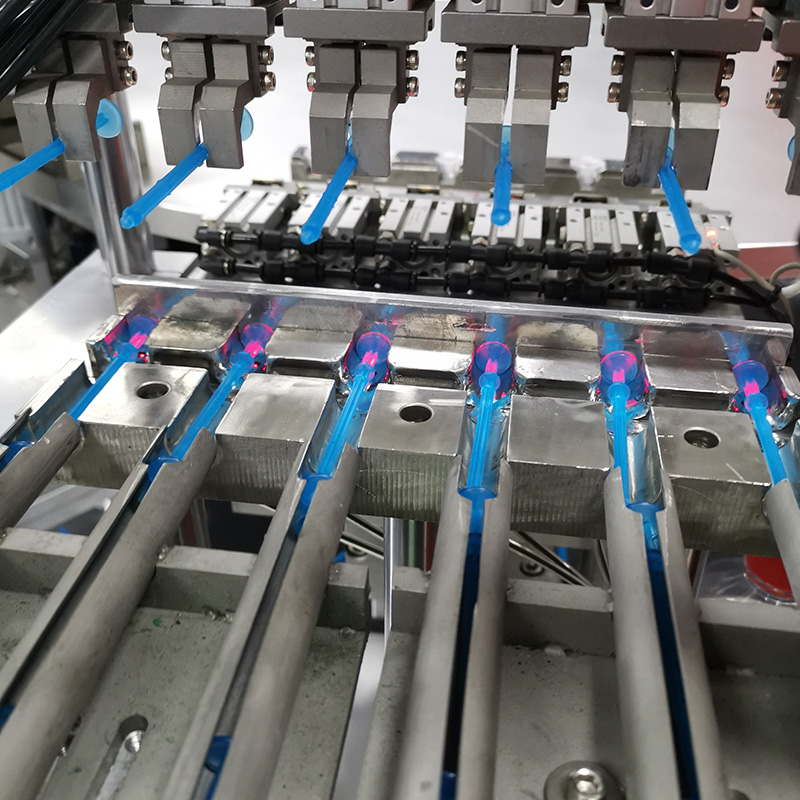
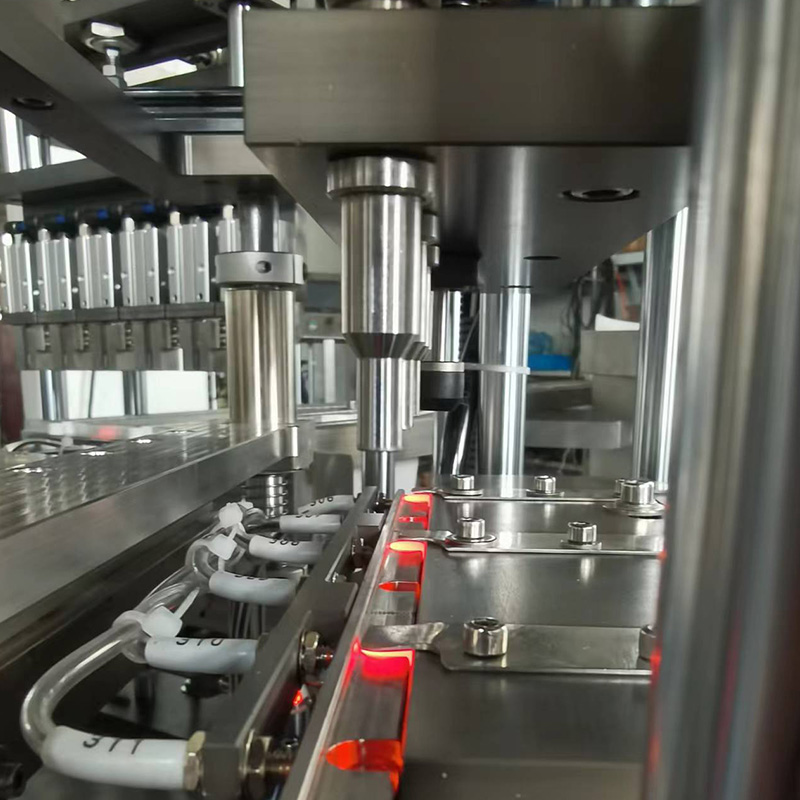
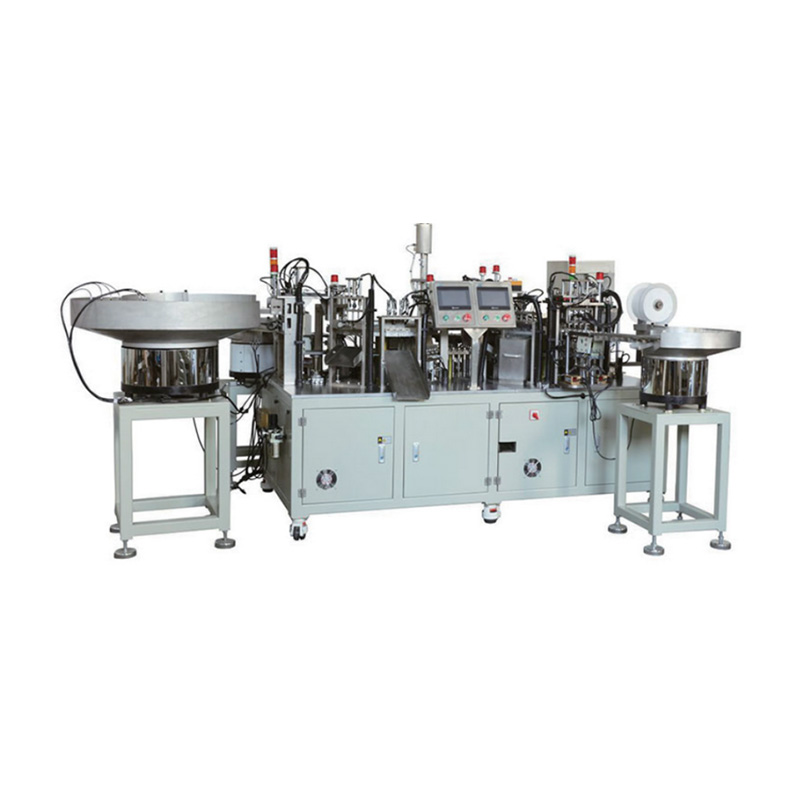
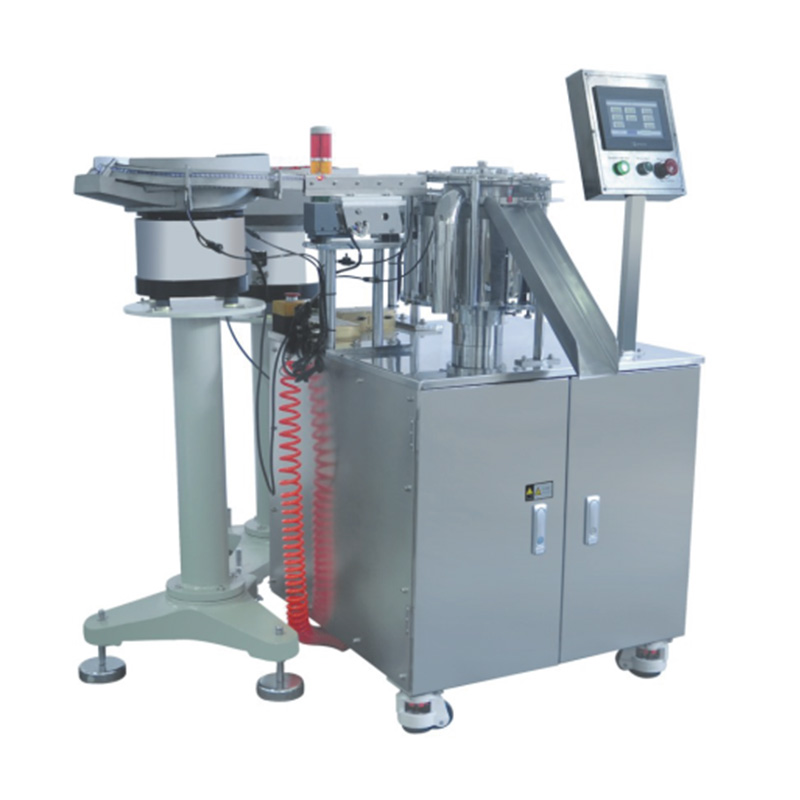
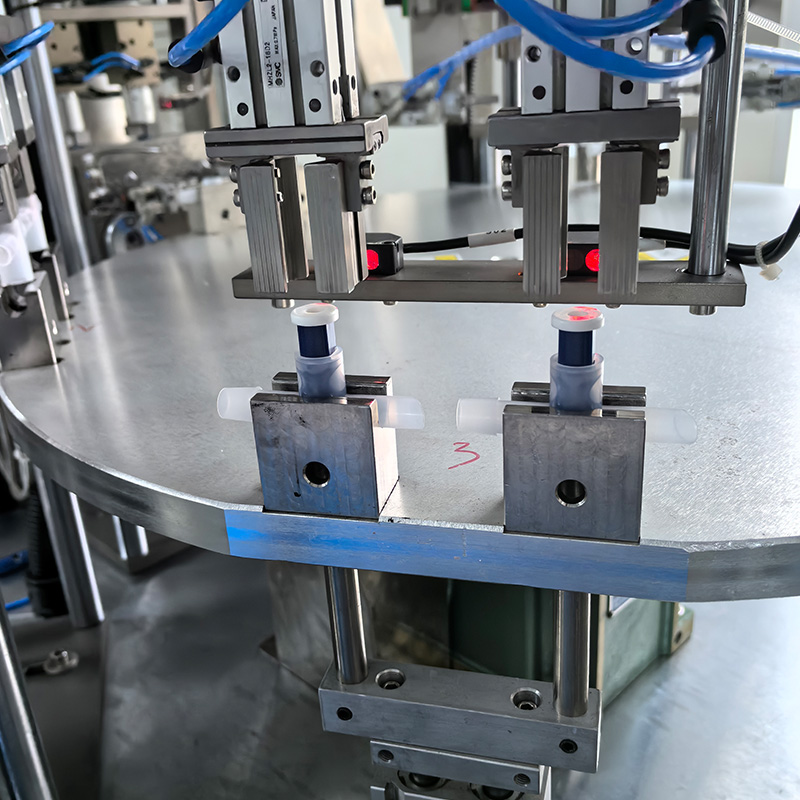
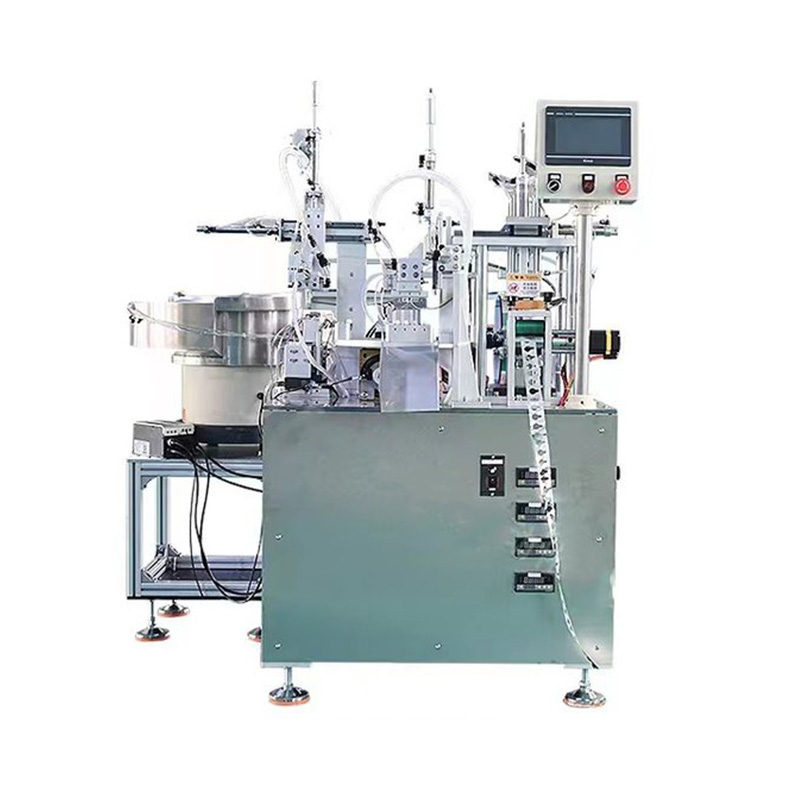
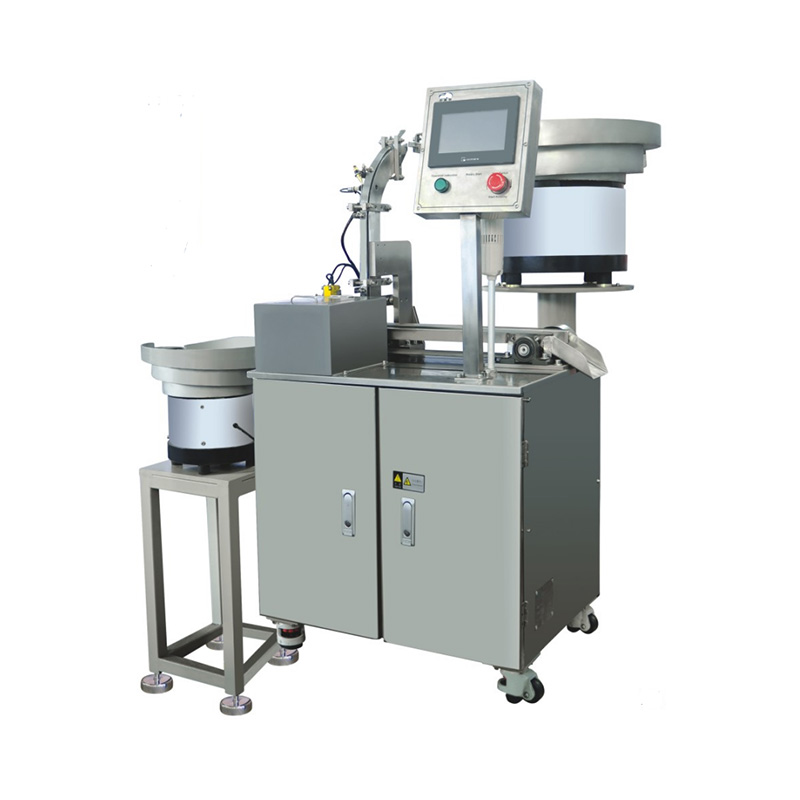
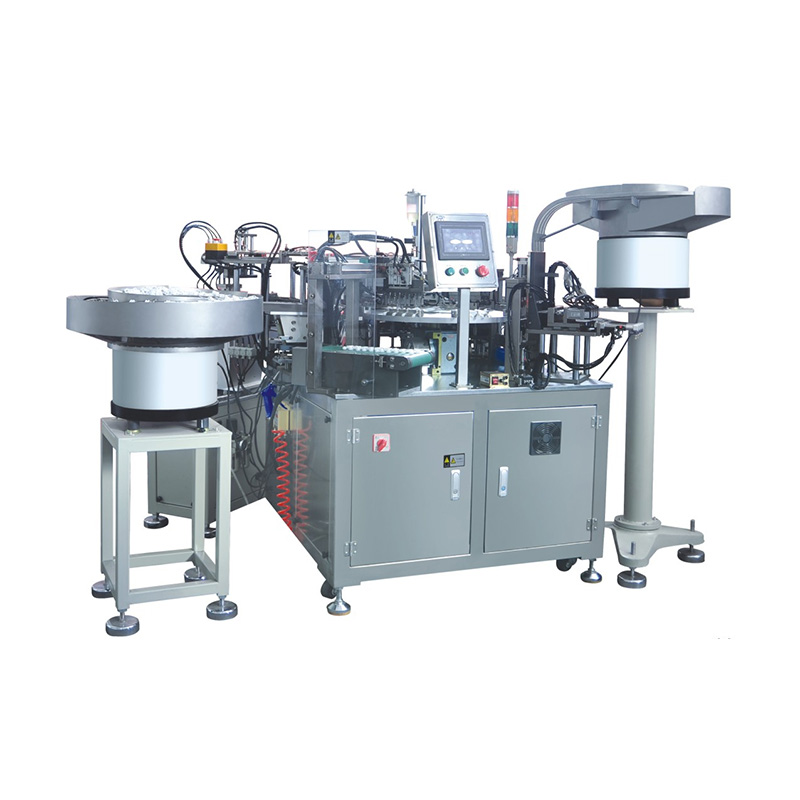
China Zhejiang Taizhou Ambe Trading Co., Ltd. is a manufacturer specializing in the production of medical equipment automation equipment.
Plastic medical equipment is something most people rarely notice, yet it sits in almost every corner of healthcare work. It shows up in storage rooms, patient areas, laboratories, and even home care kits. It is not designed to stand out. It is designed to be used, replaced, and handled without friction.
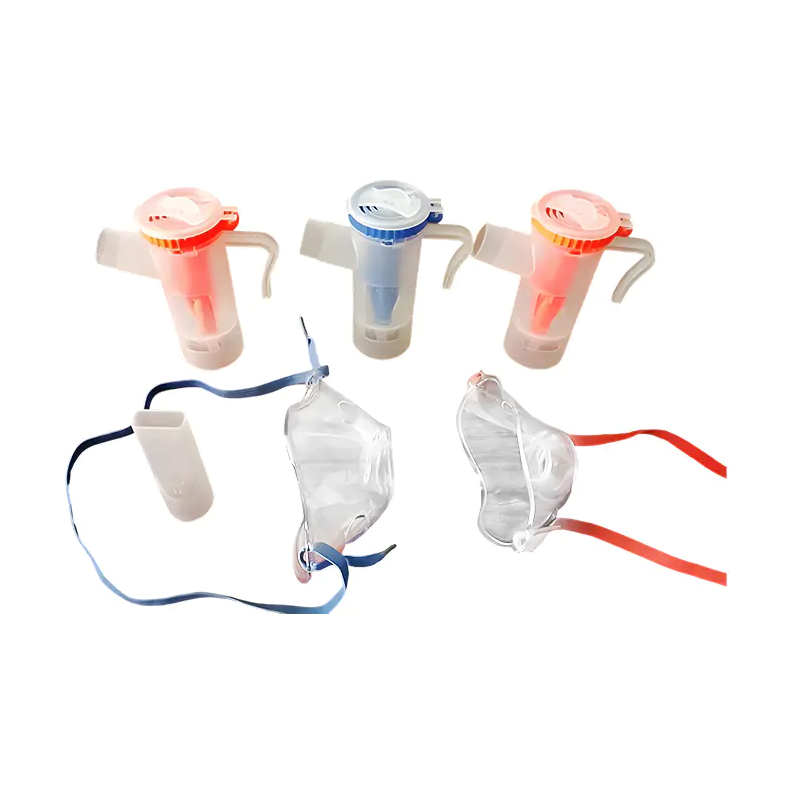
Plastic medical equipment manufacturers behind these products usually work in a very practical mindset. What matters is not how the product looks in isolation, but how it behaves in real working environments. Hospitals are busy. Workflows are repetitive. Conditions change quickly. Production choices reflect that reality.
How Do Manufacturers Decide What Matters Most in Production?
There is rarely a single starting point. Most production decisions begin with use scenarios.
A product might be held many times in a short period. It might need to be passed between staff. It might sit in storage and then suddenly be used in urgent conditions. These small details shape the design direction more than anything else.
Manufacturers often pay attention to how a product feels in hand. If it is awkward or unbalanced, it will slow down work. If it is too complicated, it creates hesitation. So many designs move toward clarity and simplicity.
Even the shape is not random. Curves, openings, and grip areas usually follow natural movement patterns. Nothing is added just for decoration. If something does not help handling, it is usually removed early in development.
Why Does Material Choice Matter So Much in Medical Plastic Equipment?
Material selection is not a background step. It sits very close to the core of production.
Different environments require different behavior from the same type of product. Some tools need to stay stable during repeated cleaning. Some are exposed to constant handling. Others are used briefly and then replaced.
Manufacturers often look at how a material responds over time rather than how it performs at the beginning. Early performance is easy. Long-term stability is harder.
Surface texture is another quiet factor. A smoother surface usually means easier cleaning and less buildup during use. In real work settings, this reduces interruptions and keeps routines moving.
Weight also comes into play. Lighter products are easier to move between departments. In large facilities, that difference adds up more than expected.
What Makes Simplicity a Common Direction in Design?
If you look closely at medical plastic equipment, most designs are not complex. There is a reason for that.
Simple shapes reduce uncertainty. When someone picks up a tool, they should not need time to figure it out. That moment of hesitation is something manufacturers try to avoid.
So unnecessary parts are often removed. Extra layers, decorations, or complex structures rarely survive early design stages. What remains is usually the most direct version of the function.
Simple design also helps in storage. Items can be stacked, aligned, or grouped without wasting space. This sounds minor, but in real facilities, storage efficiency matters every day.
There is also something less obvious. Simple tools are easier to replace in routines. People remember them faster, which reduces training time and confusion.
How Do Manufacturers Handle Hygiene and Safety Concerns?
Hygiene requirements shape almost every decision in this field.
Instead of relying on complex systems, manufacturers often focus on surface behavior and structure. Smooth surfaces are easier to clean. Fewer gaps mean fewer places where residue can remain.
Safety is handled in a similar practical way. Sharp angles are avoided. Grip areas are designed to reduce slipping. Bases are shaped to improve stability during use.
Some products are designed for limited use cycles, which helps reduce unnecessary handling across different users. This is not about being disposable for its own sake. It is about reducing interaction layers in busy environments.
Even storage design plays a role. When tools are kept organized and separated, the chance of accidental contact drops significantly.
How Do Production Lines Maintain Consistency Without Overcomplication?
Consistency is one of those things that sounds simple but is not easy in practice.
Manufacturers try to keep each unit as close as possible to the same form and behavior. Not because variety is bad, but because healthcare environments depend on predictability.
Production lines are usually arranged to minimize variation during shaping and finishing. Small differences in shape or surface can affect handling later on.
Quality checks are not just placed at the end. They appear throughout the process. That helps catch small changes early, before they become larger issues.
Still, the focus is not on perfection in a strict sense. It is more about stable repetition. A product should behave the same way every time it is used.
How Do Different Healthcare Environments Influence Production Choices?
Manufacturers rarely design for a single setting.
Hospitals, labs, and home care environments each bring different expectations. The same type of product might need different handling logic depending on where it is used.
In hospitals, speed matters. Tools are moved quickly, often between different people. That creates a need for clarity and durability in handling.
In laboratories, control matters more. Items are often used in structured steps, where separation and organization are important.
Home care is different again. Simplicity becomes more important. Products need to be easy to understand without instruction.
These differences quietly guide how production decisions are made long before manufacturing starts.
What Role Does Storage and Movement Play in Product Design?
Storage is not always the most visible part of medical equipment, but it influences design more than it seems.
Many products spend most of their time stacked or stored rather than in use. That changes how shape and size are considered.
Flat, stackable, or modular designs are often preferred because they reduce wasted space. This also helps during transport, where stability matters.
Movement inside facilities is another factor. Equipment is often carried between rooms or departments. Lighter items reduce physical strain and make daily routines smoother.
Even packaging flow becomes part of the thinking. Products need to move from production to storage to use without unnecessary steps interrupting that path.
How Are Manufacturing Decisions Changing With Healthcare Needs?
Healthcare needs are not fixed. They shift with time, workload, and care models.
Manufacturers respond by adjusting design focus rather than rebuilding everything from zero.
One visible change is flexibility. Products are increasingly designed to work in more than one environment. This reduces the need for separate tool sets.
Another change is simplicity under pressure. Workflows are becoming faster, so tools need to reduce steps instead of adding them.
Portability is also gaining attention. Lightweight, compact designs make it easier to move tools between different care settings.
Instead of dramatic changes, most evolution happens through small adjustments. A slightly better shape, a more stable base, a more intuitive form. These details slowly reshape how equipment is used.