
 English
 русский
 Español


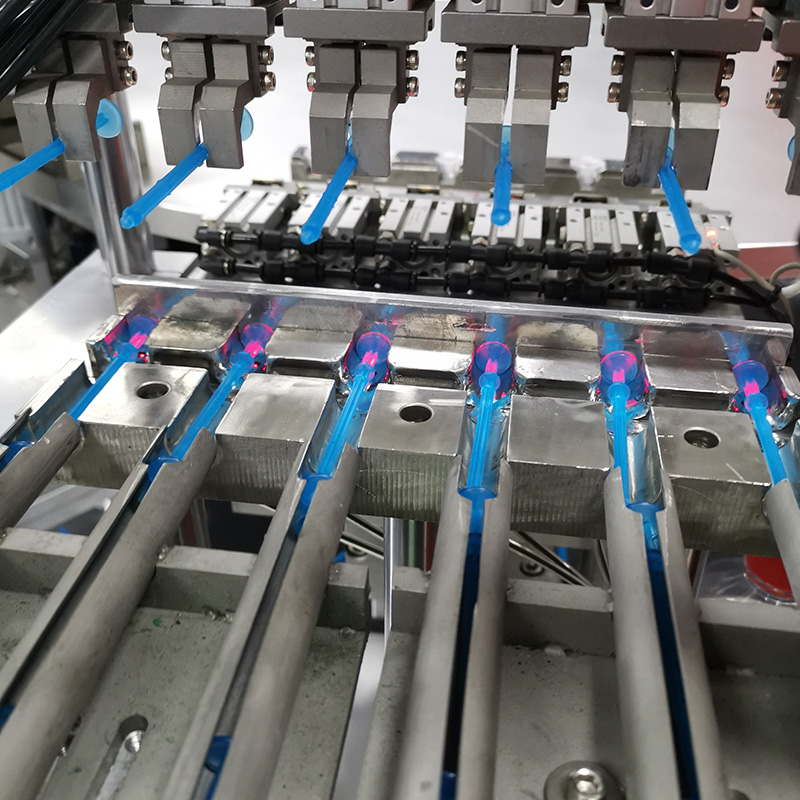
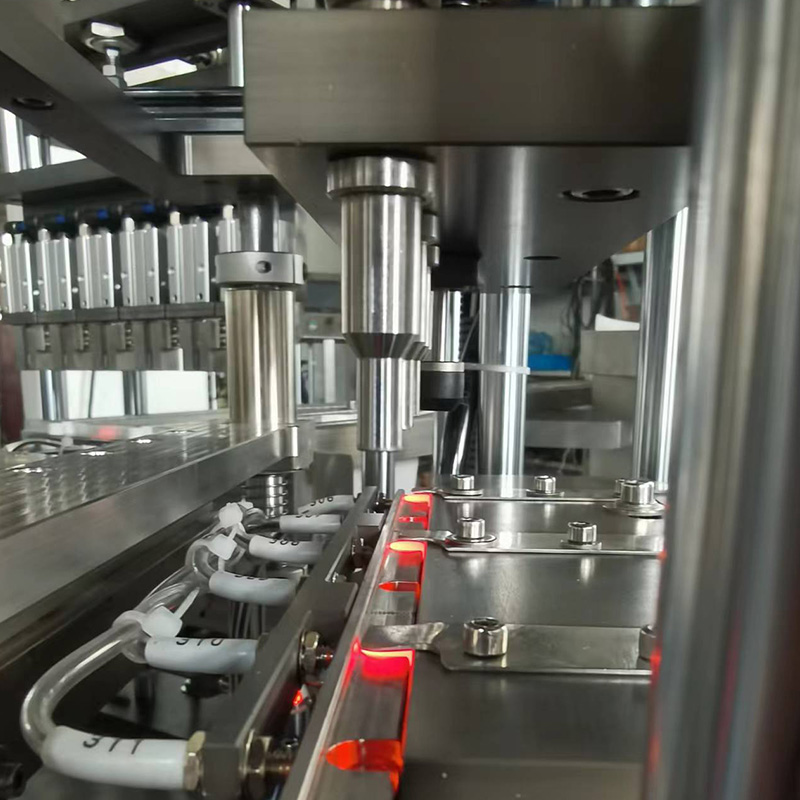

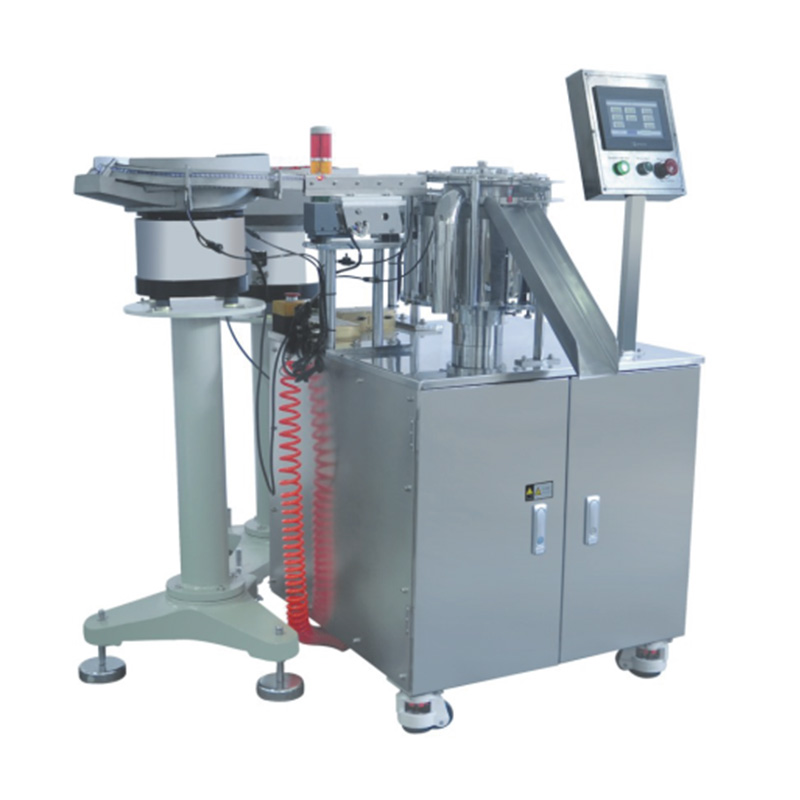
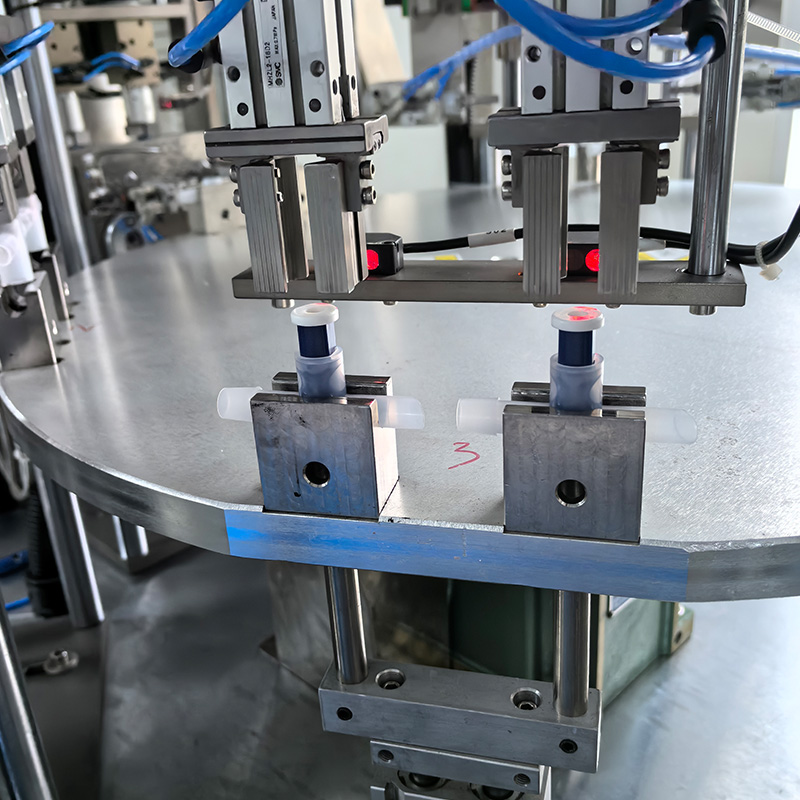
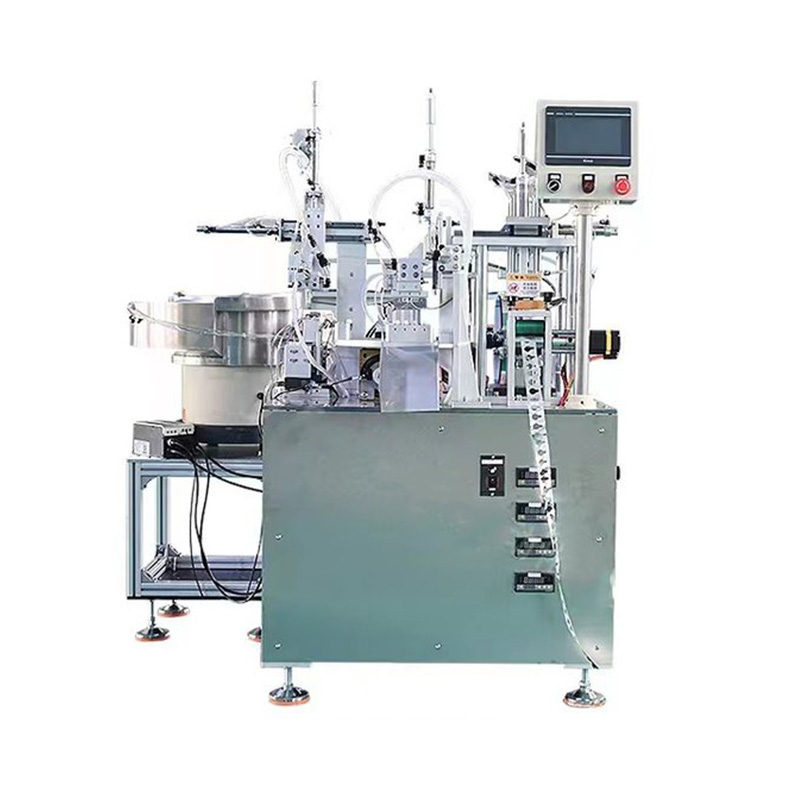
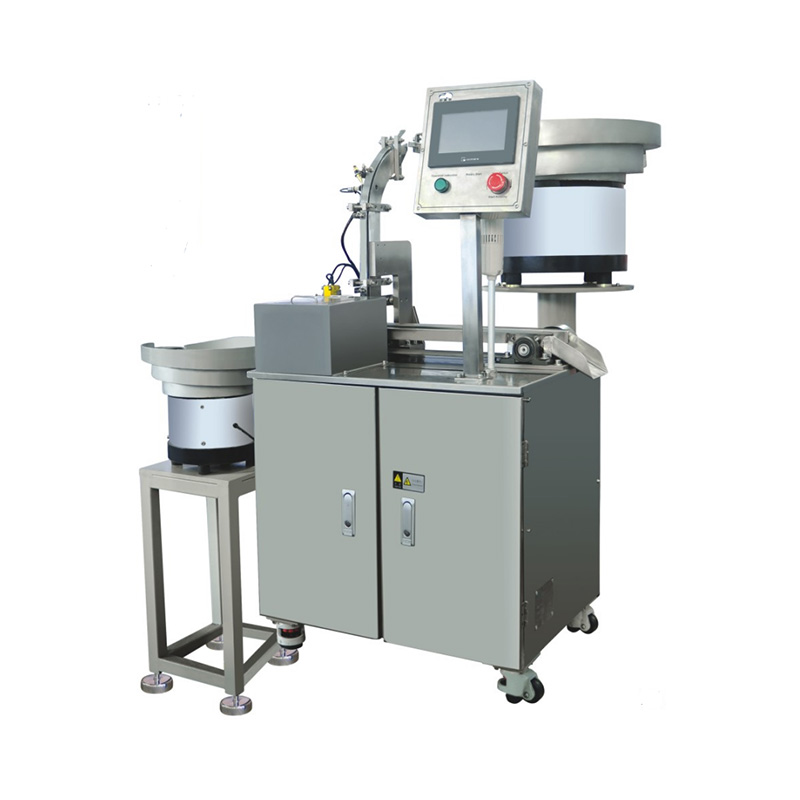
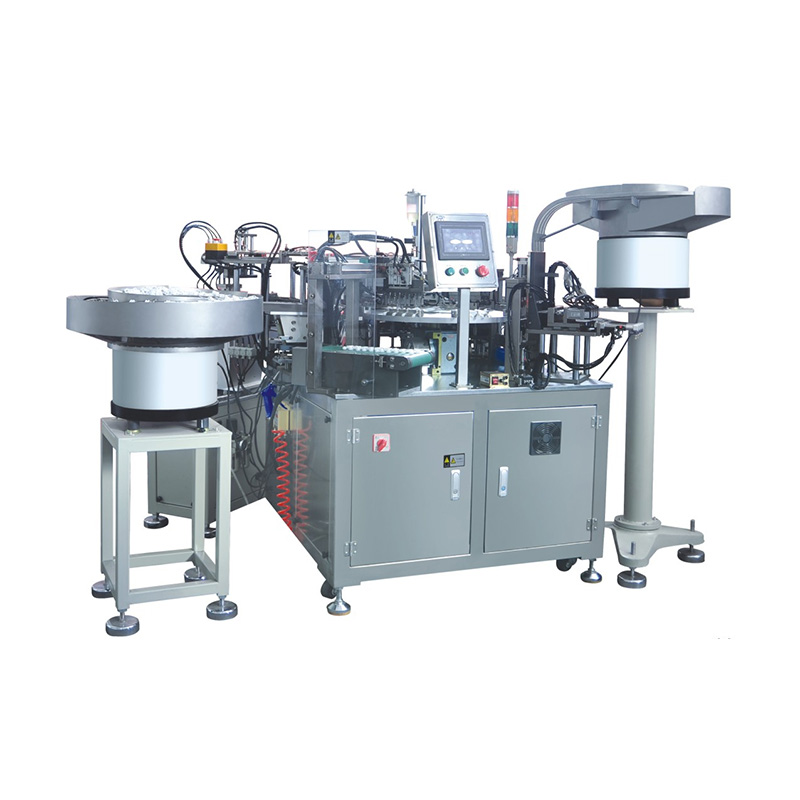
China Zhejiang Taizhou Ambe Trading Co., Ltd. is a manufacturer specializing in the production of medical equipment automation equipment.
Why is sustainability becoming part of everyday decisions in healthcare?
Walk through any medical space and plastic is never far away. It sits quietly in trays, storage rooms, and sealed packages. It helps keep things clean. It makes many tasks easier to manage. For a long time, its presence was accepted without much debate.
That mood has changed. Conversations about waste and resource use have reached healthcare environments. Hospitals and clinics are no longer seen as separate from environmental responsibility. They are part of the same system as any other industry.

Staff members notice how much material is used in a single day. Procurement teams review purchasing habits. Even patients are more aware of what happens after a product is used. These small shifts add up. Sustainability is no longer abstract. It becomes part of routine thinking.
Medical plastic products are now viewed through two lenses. One focuses on safety and reliability. The other looks at long-term impact. Balancing these views shapes many current decisions.
How are material choices quietly evolving?
Material selection does not change overnight. In healthcare, stability matters. A familiar material offers predictable behavior. That matters when products are used in sensitive settings.
Still, subtle changes are taking place. Some materials are being reconsidered. The aim is not dramatic replacement, but gradual adjustment. Manufacturers explore options that may reduce environmental pressure while keeping performance steady.
Another shift appears in how materials are structured. Simpler compositions are gaining attention. When a product uses fewer mixed layers, it becomes easier to handle after use. This can support more organized waste processes.
There is also a move toward reducing unnecessary thickness. A slight reduction across large volumes can make a visible difference over time. These changes are often invisible to the user, yet they shape the overall footprint.
What role does product design play beyond function?
Design used to focus on usability. That is still true, but the scope has expanded. Now, design includes how a product moves through its entire life.
A well-designed item uses only what it needs. It avoids extra bulk. It fits easily into storage and transport systems. These small efficiencies reduce pressure on resources.
Packaging design is part of the same story. Lighter packaging reduces handling effort. It also limits the amount of waste generated after opening. Some packaging is being simplified to make disposal easier.
There is a practical side to all of this. Medical staff rely on familiarity. They need products that feel intuitive. Designers must respect that. Sustainable changes often happen in ways that do not disrupt daily routines.
How are manufacturing practices shifting in response?
All the shifts across the industry are reshaping daily factory work. Teams now spend more time tracking how raw materials are consumed, and cutting waste has become a regular part of every shift.
Instead of throwing leftover materials away immediately, many plants take extra steps to manage surplus stock wisely. They reuse leftover pieces within their own production lines whenever they can. Simple small tweaks to process monitoring already help cut down avoidable material loss.
Medical Plastic Products Manufacturers also pay much more attention to energy usage these days. Teams check how all their machinery runs and rearrange work sequences to run more efficiently. Smoother production steps cut power use without slowing down how many finished goods they make.
Transparency is another obvious change. Clients now ask thorough, specific questions about how items are produced. This pushes factories to record every step clearly and keep improving their production methods over time.
How does single-use culture shape sustainability discussions?
Single-use medical products serve a clear purpose. They help maintain hygiene. They reduce the need for repeated cleaning. They support efficient workflows in busy environments.
At the same time, they generate large volumes of waste. This creates tension within sustainability discussions. The question is not simple. Removing single-use products entirely is not realistic in many cases.
Instead, the focus shifts toward smarter use. Healthcare providers look at where single-use is essential and where alternatives might be considered. This evaluation is ongoing and often cautious.
There is also interest in improving how single-use items are handled after use. Better sorting and clearer guidelines can reduce confusion. When disposal becomes more structured, the overall impact can be reduced.
What changes are happening in waste handling and disposal?
Waste management has become more visible inside healthcare facilities. It is no longer treated as a background task. Staff are more aware of how waste is sorted and where it goes.
Clear separation is one of the main goals. Different types of waste require different handling. When items are sorted properly, they can follow more suitable disposal paths.
Training plays a role here. Staff need simple and clear instructions. Labels, color systems, and routine checks help maintain consistency. Without these, even well-designed systems can break down.
Below is a simplified view of how waste handling approaches are being refined:
| Area of Focus | Traditional Approach | Evolving Approach |
|---|---|---|
| Waste Sorting | General separation | More detailed categorization |
| Staff Awareness | Basic guidance | Regular training and reminders |
| Packaging Disposal | Discarded with product waste | Separated where possible |
| Internal Processes | Fixed routines | Ongoing review and adjustment |
These changes may seem small on their own. Over time, they build a more structured system.
How are supply chains adapting to new expectations?
Supply chains are no longer hidden. Buyers want to understand how products are sourced and delivered. This includes the path from raw material to final use.
Suppliers are being asked to share more information. Transparency helps build trust. It also allows healthcare providers to make more informed choices.
Logistics are also under review. Efficient transport reduces unnecessary movement. Better planning can limit delays and reduce excess storage.
In some cases, shorter supply routes are explored. Local sourcing can reduce transport steps. However, this depends on availability and capacity. It is not always possible, but it remains part of the discussion.
How do healthcare institutions respond in practical terms?
Healthcare institutions respond in quiet but steady ways. Procurement teams review product lists. They compare options not only by cost, but also by how they align with broader goals.
Staff behavior is another key factor. Even the most thoughtful product design will not have much impact if it is not used properly. Training helps bridge that gap.
Some facilities introduce simple internal guidelines. These may cover product selection, usage habits, and disposal routines. Over time, these guidelines become part of daily work.
A closer look at practical actions inside healthcare settings:
Review of product usage patterns
Teams observe which items are used frequently and how they are handled. This helps identify areas where small adjustments can reduce waste.
Improved storage and inventory control
Better organization prevents unnecessary damage or expiration. This reduces the need to discard unused items.
Clear disposal instructions at point of use
When guidance is visible and easy to follow, staff are more likely to sort waste correctly.
Ongoing communication with suppliers
Feedback flows both ways. Healthcare providers share their needs, while suppliers offer updated options.
These steps are not dramatic. They are practical and repeatable.
What challenges slow down the transition?
Change in healthcare moves carefully. Safety cannot be compromised. Any adjustment to materials or processes must be reliable.
This creates a natural pace. New ideas are tested gradually. Even small changes require time to evaluate. This can slow visible progress.
Cost also plays a role. Budget constraints influence purchasing decisions. Sustainable options may involve different processes or supply conditions.
Coordination is another challenge. Many parties are involved, from manufacturers to healthcare staff. Each group has its own priorities. Aligning them takes effort.
Despite these limits, movement continues. It may not always be visible from the outside, but steady progress is taking place within daily routines.