
 English
 русский
 Español


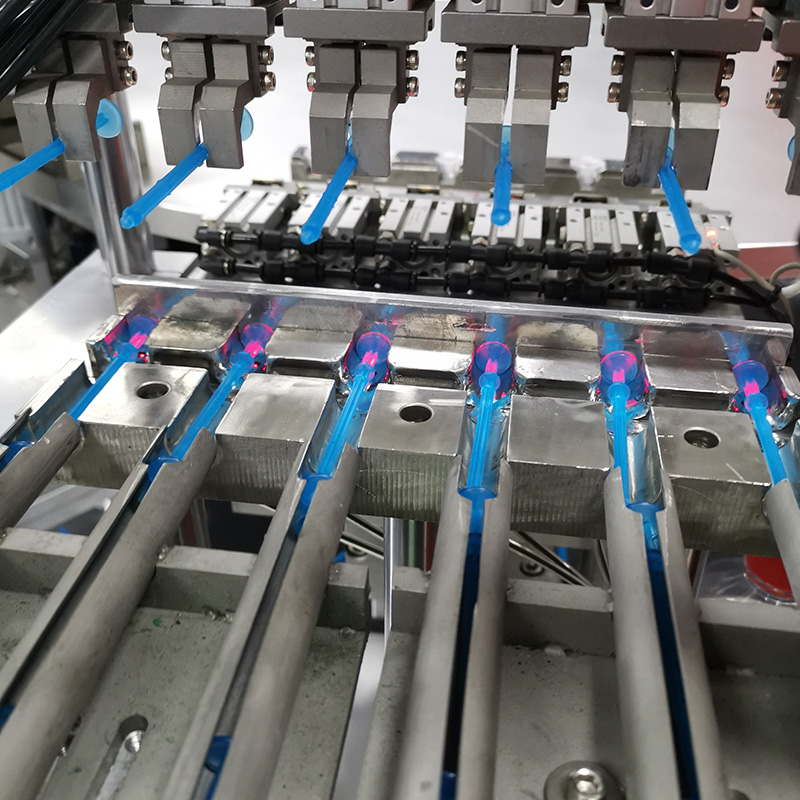
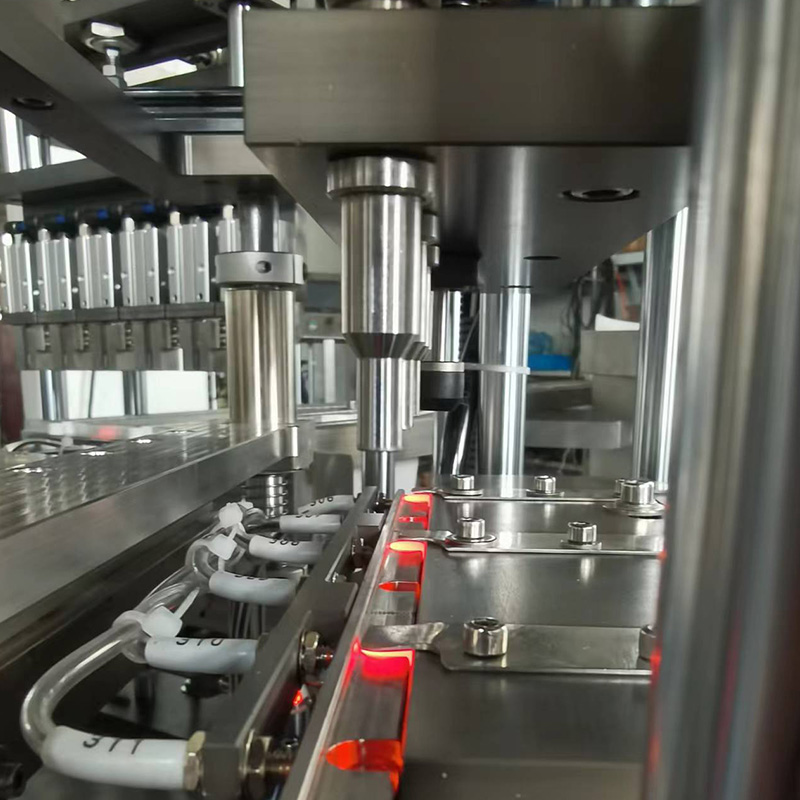
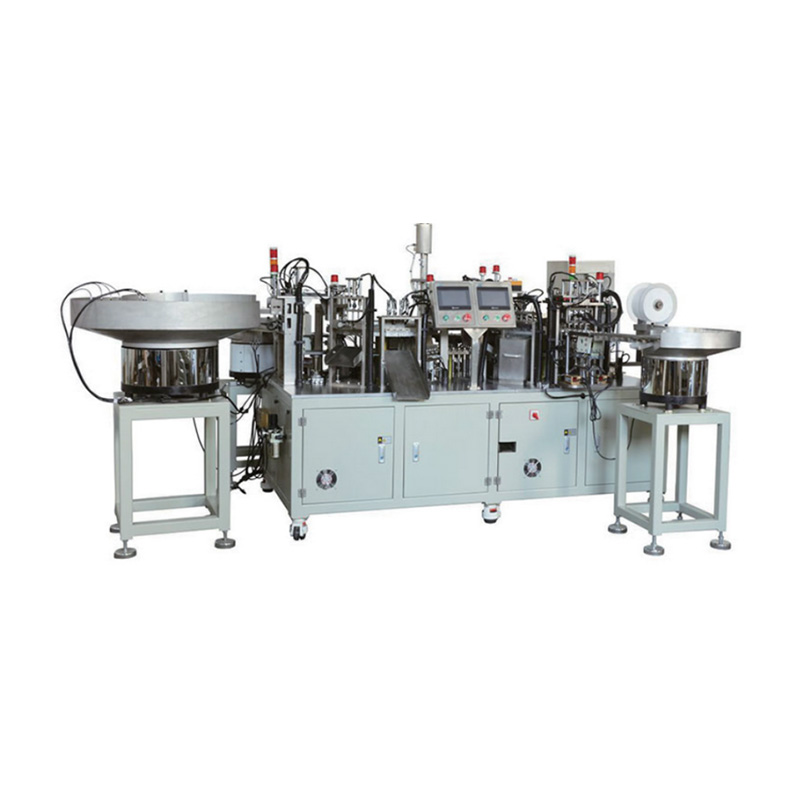
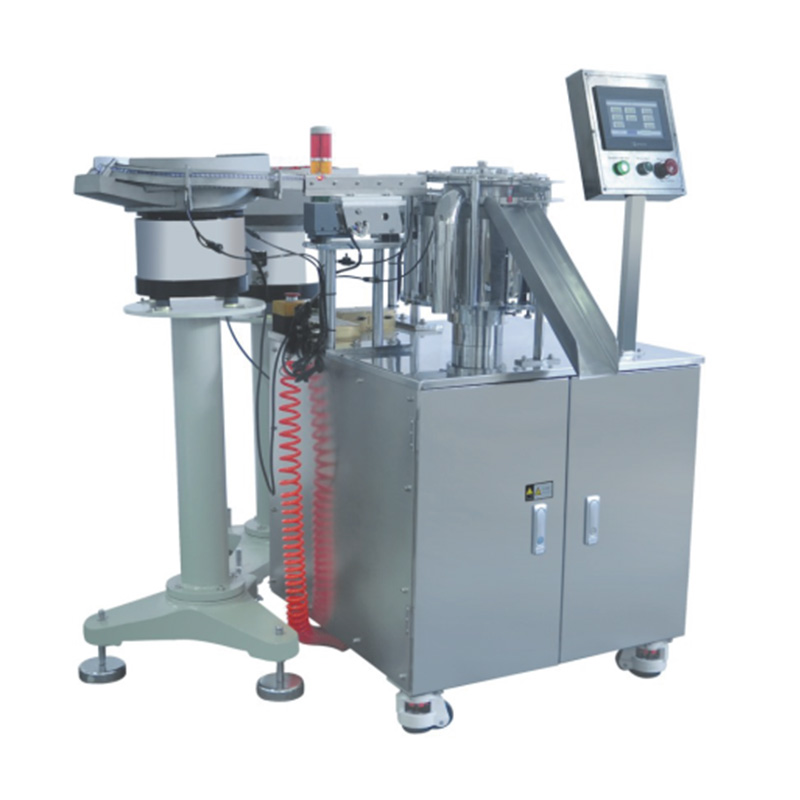
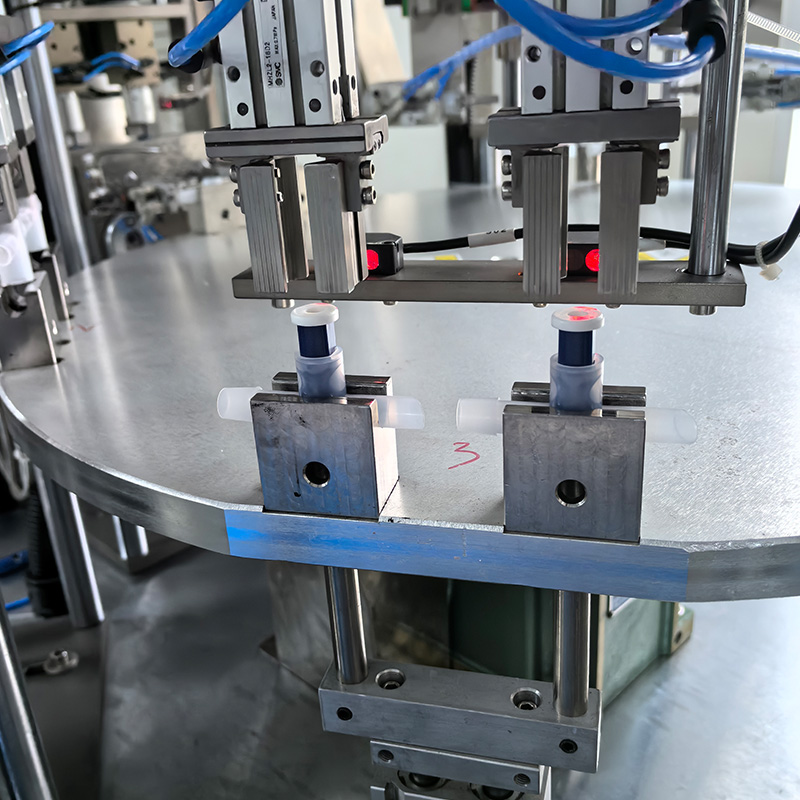
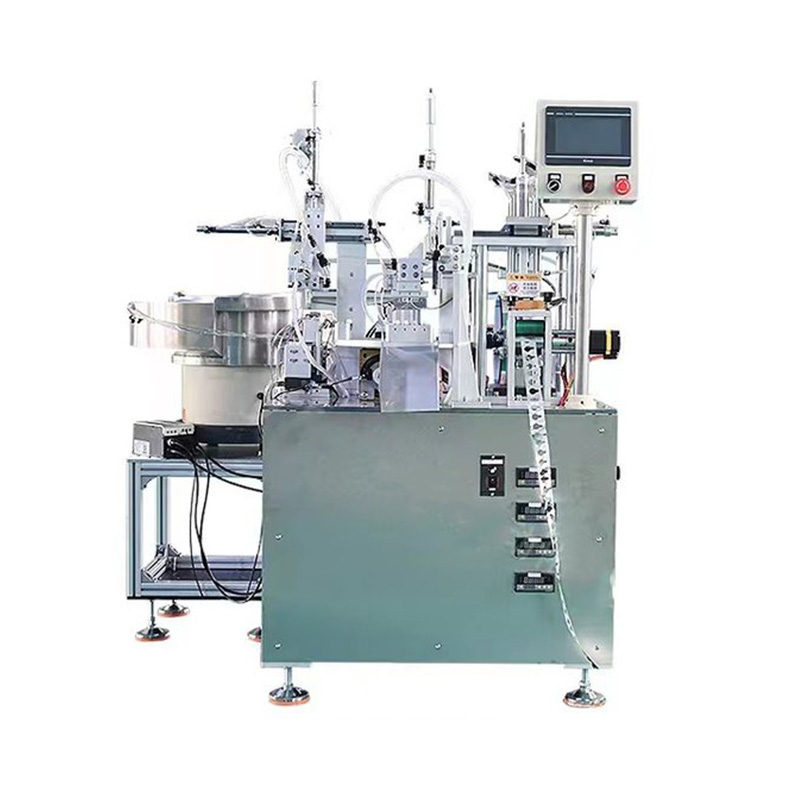
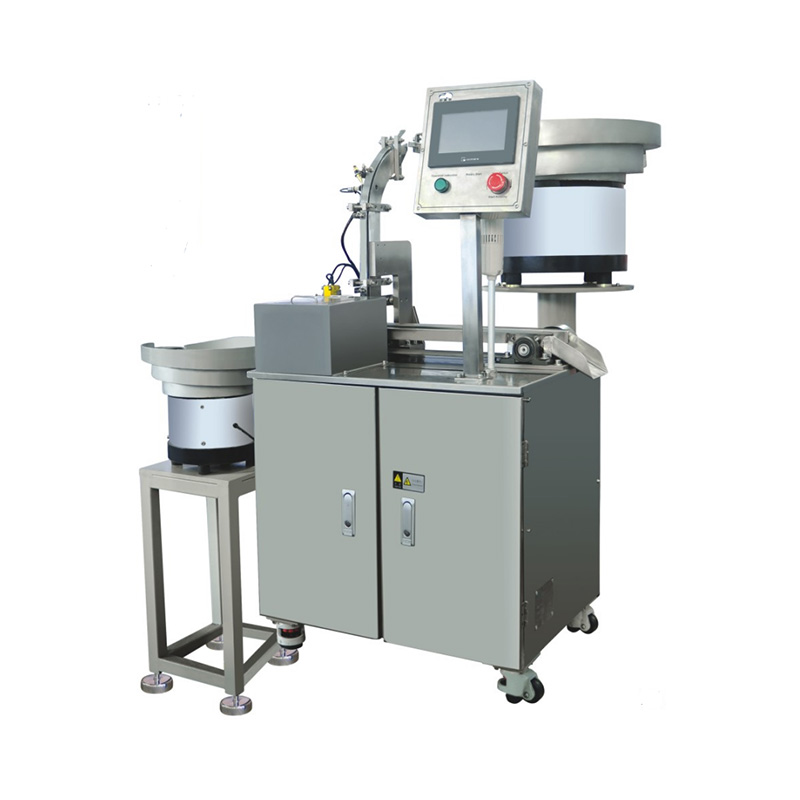
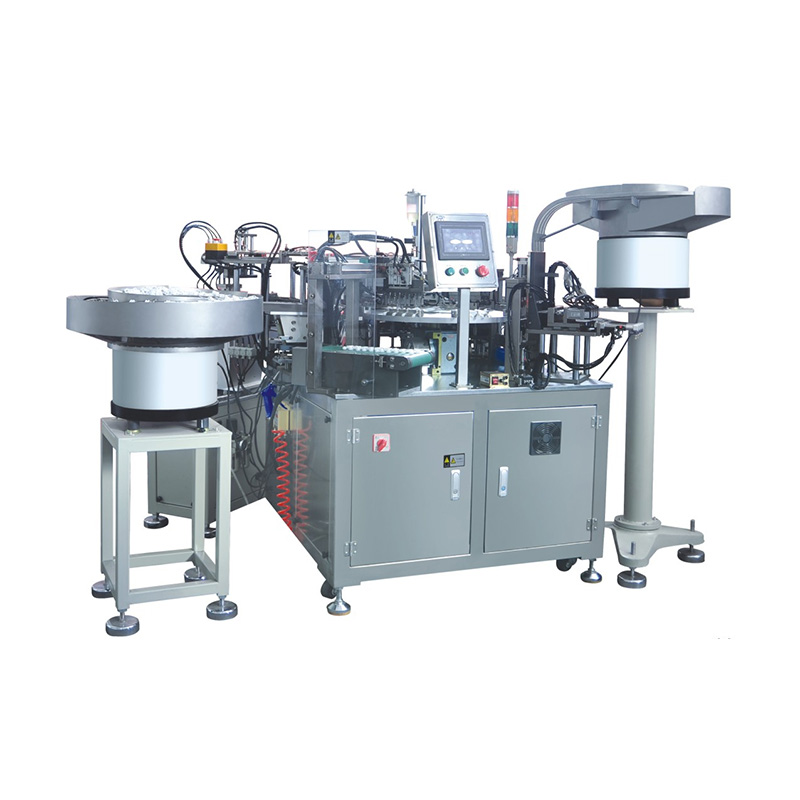
China Zhejiang Taizhou Ambe Trading Co., Ltd. is a manufacturer specializing in the production of medical equipment automation equipment.
Medical plastic products manufacturers are active across many healthcare-related fields. Their output is not limited to one category or one type of use. Instead, it spreads across daily clinical care, laboratory testing, surgical support, packaging systems, and even home treatment.
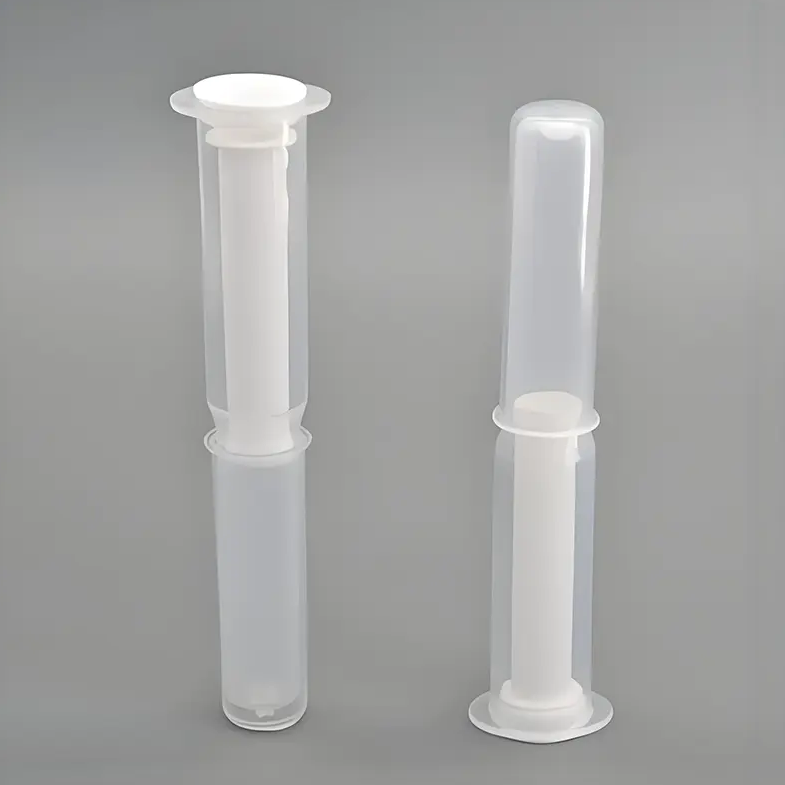
The interesting part is how "ordinary" many of these products look. Most are simple in shape. Some are barely noticed by patients. Yet they are used repeatedly in sensitive environments where hygiene and consistency matter.
What is produced today reflects real working conditions in healthcare. Items are designed to be replaced, handled quickly, or connected with other systems without difficulty.
Which Disposable Medical Items Are Common in Daily Use?
Disposable medical products form a large share of production. They are used once and then discarded. This reduces cleaning time and lowers contamination risks in busy environments.
These items often include injection-related tools, sample holders, small fluid containers, and basic procedural accessories. Many are lightweight and designed for quick handling.
There is a clear pattern in how they are made. Shapes stay simple. Parts stay consistent. This makes large-scale production easier and usage more predictable in clinics.
A simple overview helps show how broad this category has become:
| Product Category | Typical Use Situation | Design Focus |
|---|---|---|
| Injection-related items | Routine patient treatment | Stable structure, easy handling |
| Sample containers | Laboratory and testing work | Sealability, clarity |
| Protective barriers | Clinical procedures | Isolation and hygiene |
| Fluid collection tools | Patient care and monitoring | Leak control, simple shape |
| Small connectors and caps | Device assembly and support | Compatibility and fit |
These products may look basic, but they are part of fast-moving medical workflows. Staff rely on them being consistent, especially when time is limited.
Disposable gloves and protective coverings also fall into this area. They act as a physical barrier between users and external exposure. Their role is simple but important in daily practice.
What Role Does Medical Packaging Play in Product Safety?
Packaging in the medical field is not just about holding items together. It helps protect tools before they are even used. Without proper packaging, many sterile products would lose their purpose.
Manufacturers produce sealed pouches, rigid trays, compartment boxes, and layered protective containers. Each type serves a slightly different handling need.
Some packaging is flexible and easy to store. Others are rigid and built to resist pressure during transport. Both types aim to keep contents stable and protected from external contact.
Packaging also helps organize medical tools. Instead of handling individual items separately, healthcare staff often receive grouped sets. This saves time during preparation.
Small design details matter. Clear labeling areas help users identify contents without opening packages. Structured compartments reduce confusion when multiple items are included.
In many cases, packaging is the first layer of control between production and usage. It supports storage, transportation, and final delivery into clinical environments.
How Are Laboratory Plastic Tools Used in Testing Work?
Laboratory environments depend on plastic tools for handling samples and carrying out tests. These tools are used repeatedly throughout different stages of analysis.
Common items include tubes, small containers, sample trays, and storage racks. Many are transparent so users can observe contents easily. Some are designed to fit into organized storage systems.
There are also smaller tools used for liquid transfer and measurement support. These items are shaped for controlled movement of fluids. The goal is not complexity, but stability in handling.
In many laboratories, automation systems are used alongside manual work. This means plastic tools must maintain consistent shapes and sizes. Even small differences can affect how machines process them.
A simple breakdown of typical laboratory plastic products helps illustrate their roles:
- Sample tubes for collection and storage
- Transparent containers for observation
- Small-volume transfer tools for liquids
- Organized racks for grouping samples
- Sealed transport containers for movement between stations
Because contamination risk exists in testing environments, many of these tools are designed for limited reuse or single use. This creates steady demand for continuous production.
What Patient Care Products Are Common in Healthcare Settings?
Patient care products are some of the most visible medical plastic items. They are used directly in treatment and daily support activities within hospitals and care facilities.
These include feeding tools, hygiene-related containers, mobility aids, and basic support accessories. Many are designed to be easy to hold and simple to clean or replace.
Respiratory components are also included in this group. Masks, tubing parts, and connection accessories are widely used in both short-term and long-term care. Comfort and stable function are both important.
Fluid management tools are another common area. These products help collect or guide liquids during treatment. Their shapes are usually stable to reduce accidental spillage.
In long-term care environments, these items are used frequently throughout the day. That creates a need for durability and smooth handling.
Design often focuses on small practical details. Rounded edges, lightweight structure, and simple forms help reduce difficulty for both patients and caregivers.
How Are Surgical Plastic Components Used During Procedures?
In the operating room, everything has to stay under tight control. Plastic components aren't usually the star instruments — they mostly act as helpful supporting pieces that keep things running smoothly.
You'll often find protective covers, tubing sets, various connectors, and adapters that link different pieces of equipment together. These parts help keep the workspace tidy and everything in its proper place while the procedure is going on.
Barrier materials are particularly important. They create clear divisions between sterile areas and everything else, which helps cut down the chance of contamination.
Fluid management systems do a lot of the heavy lifting too — they direct liquids away from the surgical site so the doctor can maintain a clean, unobstructed view of the working area.
There are also small protective caps and covers that shield instruments when they're not in active use. These simple items make it easier to keep things clean between different steps or procedures.
In this kind of environment, reliability is way more important than appearance. The components have to stay put even when things are being moved or under pressure. That's why their design tends to be simple, straightforward, and completely focused on doing the job well.
Why Is Home Healthcare Changing Product Demand?
Home healthcare is becoming more common, and this is influencing what Medical Plastic Consumable Products Manufacturers produce.
Products used at home are usually simpler. They are designed for people without medical training. Ease of use becomes the main focus.
Common items include medication organizers, portable collection tools, and basic monitoring accessories. These products help users manage daily routines without professional assistance.
Some products support mobility or basic care needs. Lightweight design helps users handle them independently.
Respiratory-related items are also used in home environments. Tubing and mask components are often simplified for easier setup and cleaning.
Medication storage is another growing area. Containers are designed to separate doses clearly and reduce confusion during daily use.
In home settings, safety is closely linked to clarity. Clear labels, simple shapes, and easy opening methods reduce user error.
What Materials and Design Approaches Are Used in Production?
Medical plastic products are made using materials selected for specific needs. Some are chosen for clarity, others for flexibility or strength.
Different environments require different material behavior. Laboratory tools need transparency. Patient care items may need softness or comfort. Packaging may need strength and sealing ability.
Production often relies on shaping processes that create consistent results. This allows large quantities of identical products to be made efficiently.
Surface quality also matters. Smooth finishes help reduce residue buildup and support easier cleaning or disposal.
Design trends are gradually shifting toward more practical forms. Products are becoming more compact and easier to store. At the same time, unnecessary material use is often reduced.
There is also more attention on usability. Items are shaped to fit natural hand movement or simple workflow steps.
Visual clarity is another factor. Some products use transparent sections or simple markings to help users identify parts quickly.
These changes reflect a steady move toward practical design rather than complex structure.