
 English
 русский
 Español


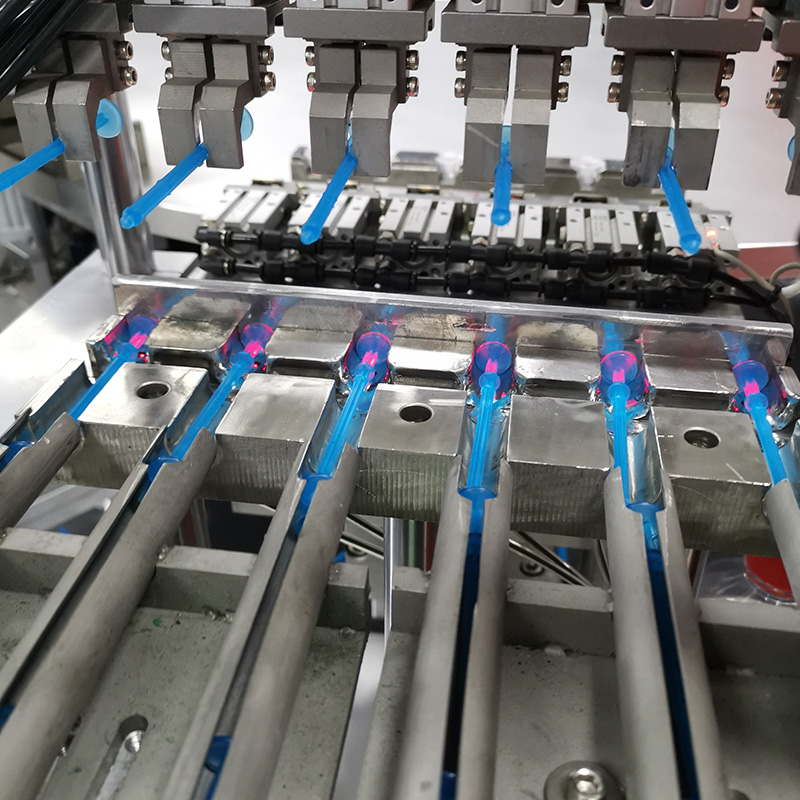
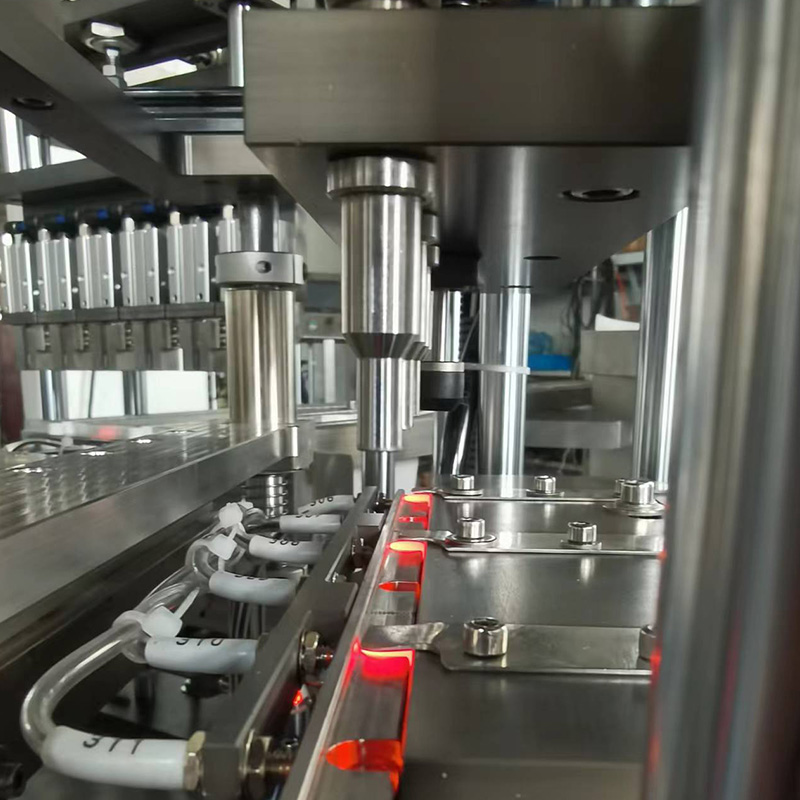
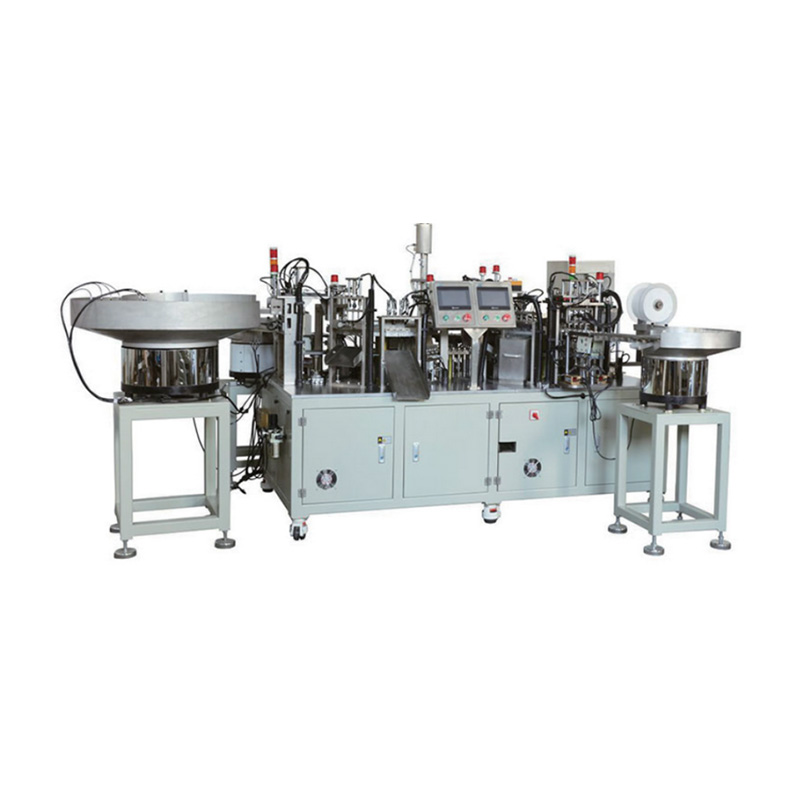
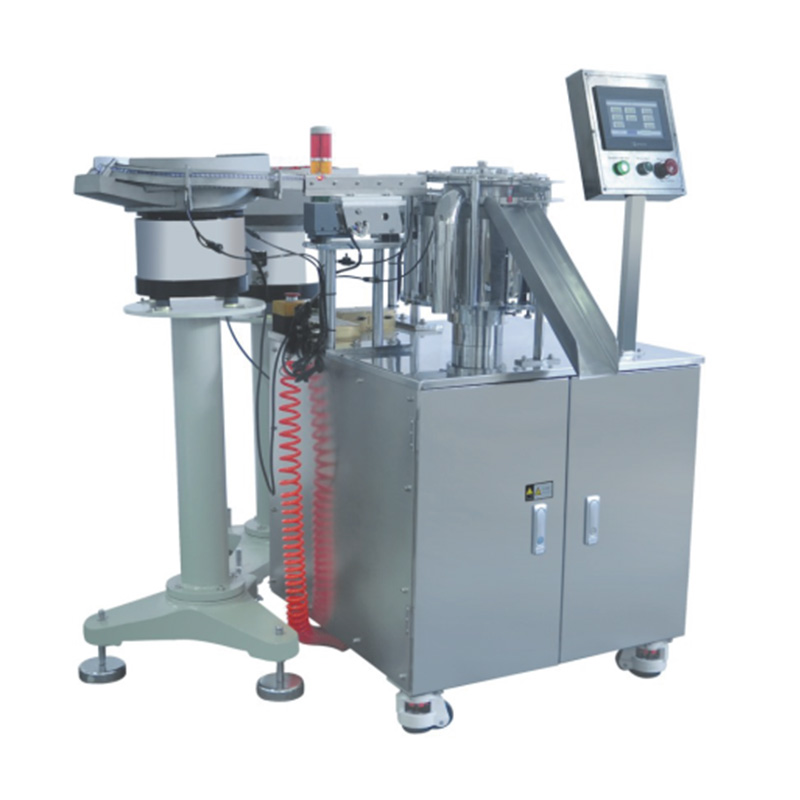
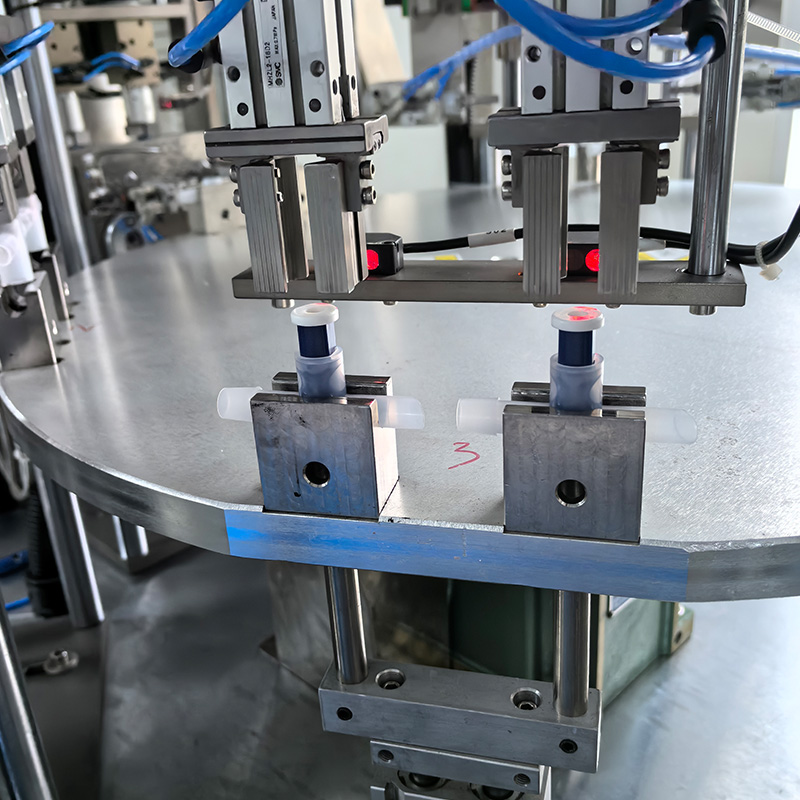
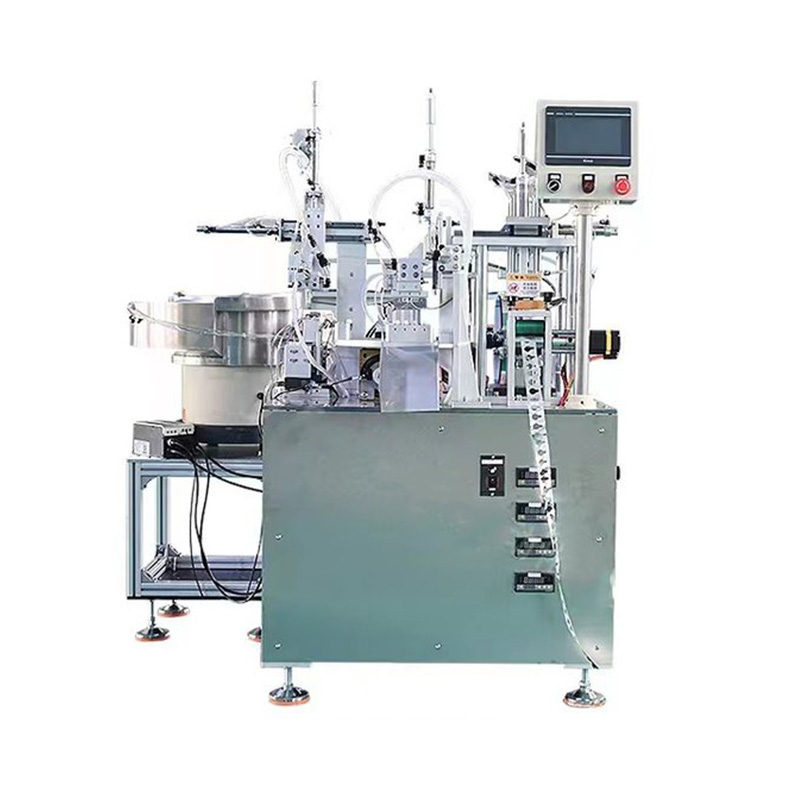
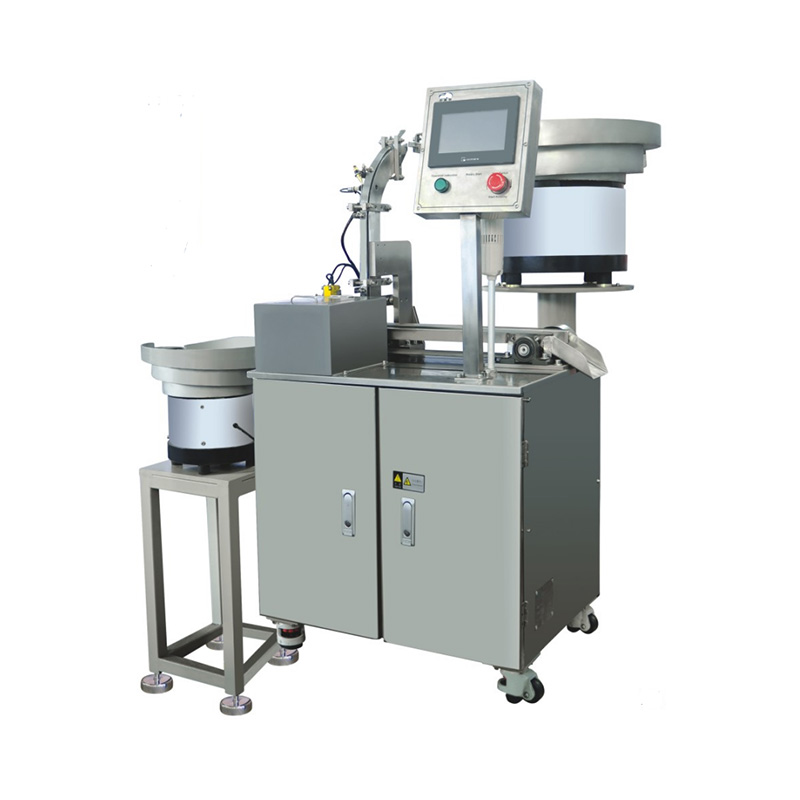
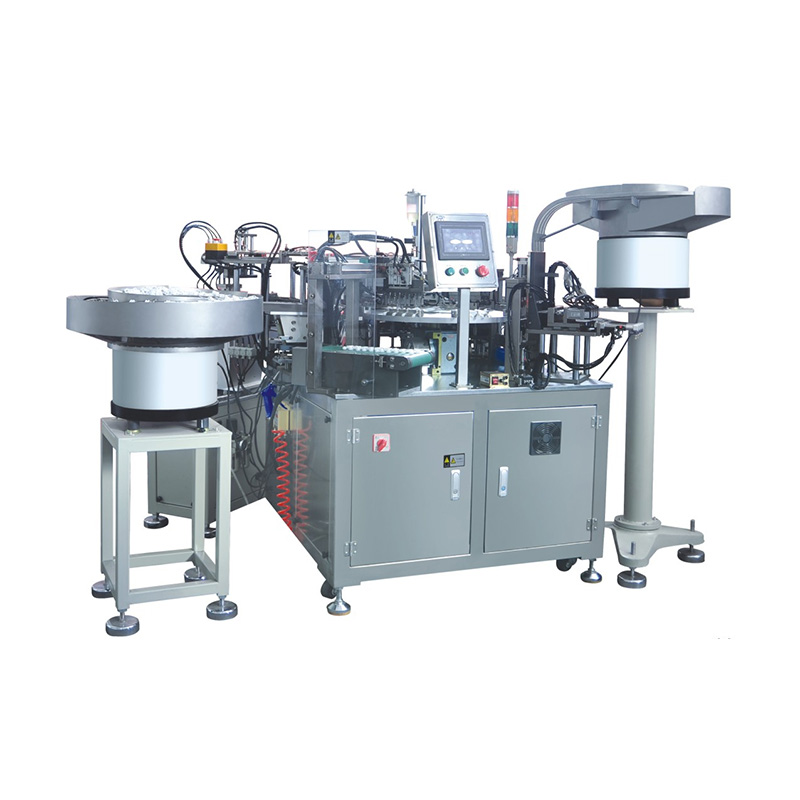
China Zhejiang Taizhou Ambe Trading Co., Ltd. is a manufacturer specializing in the production of medical equipment automation equipment.
A quiet shift runs through many healthcare production sites. It does not arrive with a single upgrade or a sudden change in layout. It grows in small steps. A conveyor replaces a manual transfer. A vision unit assists with inspection. A packing step becomes enclosed and timed. Over time, these changes begin to reshape how work feels on the floor.
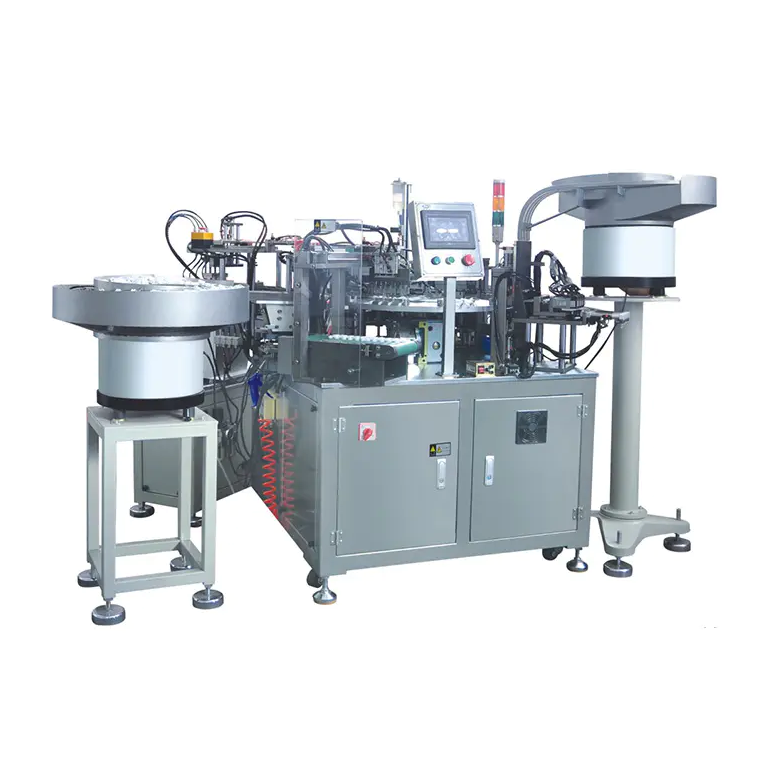
Medical automation equipment now sits close to the center of this shift. It affects how materials move, how parts come together, and how finished goods leave the line. The changes are not only about speed. They touch routine, responsibility, and even the way teams think about daily work.
What Is Driving The Adoption Of Medical Automation Equipment ?
Several forces push manufacturers toward automation, though they rarely appear all at once. Demand for healthcare products tends to move in waves. Some periods feel steady. Others bring sudden pressure. Production systems must handle both.
Automation offers a form of stability. It allows tasks to follow a repeatable path, even when volumes change. This does not remove uncertainty, but it softens its impact.
Workforce conditions also play a part. Repetitive tasks can be tiring. Over time, small inconsistencies appear. Automation does not get tired in the same way. It repeats motion without pause. This makes it useful in areas where uniformity matters.
Another factor is the growing attention to handling conditions. Many products require controlled environments. Each human touch introduces a small variable. Automation reduces the number of touchpoints, which helps keep processes steady.
These drivers do not act alone. They overlap and reinforce each other. A factory might begin with one automated step, then expand as needs become clearer.
How Do Production Floors Look Different Today?
Walking through a modern healthcare manufacturing site feels different from older setups. The change is not only visual. It is also about movement and rhythm.
In a more traditional space, workers move materials from one station to another. There is a visible flow of hands, tools, and partial products. The pace depends on coordination between people.
In an automated environment, movement becomes more guided. Materials travel along defined paths. Stations connect more closely. The flow appears smoother, even when output remains similar.
The difference can be outlined in a simple way:
| Area | Earlier Pattern | Current Pattern |
|---|---|---|
| Material Movement | Carried or pushed by workers | Guided along set routes |
| Work Rhythm | Dependent on individual pace | More uniform across stations |
| Task Coordination | Verbal or visual signals | System-linked transitions |
| Work Position | Frequent relocation | More fixed monitoring points |
This comparison does not suggest that one method replaces the other entirely. Many sites operate with a mix. Still, the direction of change is easy to notice.
Why Does Consistency Become Easier To Manage?
Consistency is often discussed in abstract terms. On the floor, it shows up in small details. A cut placed in the same position. A seal applied with similar pressure. A package closed in the same way each time.
Manual work can achieve this level of consistency, yet it requires constant attention. Even skilled workers experience small variations over time. Automation reduces this variation by following set instructions.
Machines repeat motion in a steady manner. They do not adjust unconsciously. This helps create a more predictable output.
However, consistency does not come automatically. Systems need setup and supervision. If a setting drifts, the result will drift as well. The difference is that changes can often be detected earlier. Monitoring systems highlight patterns that might go unnoticed in manual work.
Consistency also relates to traceability. Automated lines often record steps as they occur. This creates a clearer path for understanding how a product moved through production.
How Are Human Roles Shifting On The Shop Floor?
The introduction of automation does not remove people from the process. It changes where they stand and what they focus on.
Workers spend less time on repeated motion. Instead, they watch systems, respond to alerts, and make adjustments. This shift can feel subtle at first. Over time, it becomes a new routine.
A worker who once assembled parts by hand might now oversee several stations. Their role involves checking alignment, ensuring flow, and stepping in when something does not match expectations.
Training also evolves. New workers learn how to interact with systems rather than only perform manual tasks. They become familiar with interfaces, signals, and patterns of operation.
This change can influence how teams communicate. Instead of coordinating each step verbally, they rely on shared system feedback. When a line slows down, everyone can see it. The response becomes more coordinated.
Does Automation Affect The Pace Of Work?
Pace in a manufacturing setting is not only about speed. It is about rhythm. A steady rhythm can make work feel manageable. An uneven one can create stress.
Automation tends to smooth out this rhythm. Tasks occur in a more regular pattern. Interruptions still happen, but they are often easier to identify.
Workers may find that their day feels less fragmented. Instead of moving between many small tasks, they focus on maintaining flow. This does not remove pressure, yet it changes its nature.
At the same time, the pace becomes more visible. When a line slows, it is noticeable across the system. This visibility can help teams respond quickly, though it also means that delays are harder to hide.
Can Automation Support Safer Working Conditions?
Safety remains a constant topic in manufacturing. Automation contributes in ways that are both direct and indirect.
Some tasks involve repetitive motion or close contact with moving parts. Automation can handle these tasks, reducing physical strain. Workers spend more time at a distance, observing rather than engaging directly.
Workspaces often become more structured. Automated systems require clear layouts. Paths are defined. Equipment has designated zones. This reduces the chance of unexpected movement.
Yet new considerations appear. Workers must understand how to interact with automated systems. They need to know where boundaries lie and how to respond when something stops or changes.
Safety, in this sense, shifts from physical effort to awareness and understanding.
How Does Automation Influence Clean Handling?
In healthcare manufacturing, clean handling is not an abstract goal. It is part of daily work. Each step must limit unnecessary exposure.
Automation reduces the number of times a product is touched. Instead of passing through many hands, it moves through controlled stages. This helps maintain stable conditions.
Enclosed systems can also support controlled environments. Airflow, surfaces, and movement patterns are easier to manage when processes follow a defined path.
Workers remain present, but their interaction becomes more selective. They intervene when needed rather than at every step.
What Makes Flexibility Still Possible In Automated Systems?
Automation often suggests fixed routines. Yet manufacturing rarely stays fixed. Product types change. Demand shifts. New requirements appear.
Modern automated systems allow a degree of flexibility. Settings can be adjusted. Lines can be reconfigured within limits. This does not happen instantly, but it is more manageable than rebuilding processes from scratch.
A production line might switch between similar products with minimal adjustment. Operators prepare the system, confirm settings, and monitor the transition.
This balance between structure and adaptability is part of why automation continues to expand. It offers stability without locking processes into a single form.
How Do Small Changes Add Up Over Time?
The impact of automation is rarely the result of one large decision. It comes from many small ones.
A factory might begin by automating a single step. The result feels manageable. Over time, adjacent steps are adjusted to match. The system grows piece by piece.
Workers adapt along the way. They develop new habits. They learn to read system signals. What once felt unfamiliar becomes routine.
These gradual changes often go unnoticed until someone compares the present with the past. The difference then appears more clearly.
How Is Information Used In Automated Production?
Automated systems generate information as they operate. Each movement, pause, and adjustment can be recorded.
This information does not need to be complex to be useful. Even simple records help teams understand patterns. They can see when a line slows, when a station pauses, or when variation appears.
Workers and supervisors use this information to guide decisions. Instead of relying only on observation, they have a clearer view of what is happening.
This does not replace experience. It adds another layer to it. A worker might notice a subtle change and confirm it through system feedback.
What Challenges Come With This Transition?
The move toward automation is not without difficulty. Changes in routine can feel uncomfortable. Workers must adjust to new roles and new ways of thinking.
Systems also require maintenance. When something stops, it can affect multiple stages at once. This makes response time important.
There is also a learning curve. Understanding how to interact with automated equipment takes time. Training becomes an ongoing process rather than a one-time step.
Despite these challenges, many manufacturers continue to move in this direction. The benefits tend to appear gradually, making the transition easier to manage over time.
How Does Automation Shape The Broader Manufacturing Mindset?
Beyond physical changes, automation influences how teams think about production. There is a shift from task-based work to system-based thinking.
Workers consider how each step connects to the next. They pay attention to flow rather than isolated actions. This broader view can improve coordination.
Decision-making also becomes more structured. Teams rely on both observation and system feedback. This combination helps them respond to changes with greater clarity.
Over time, this mindset becomes part of the culture. New workers enter an environment where automation is already present. They learn within this context rather than adapting to it later.
How Might This Evolution Continue?
The path forward does not suggest a sudden transformation. It points to steady adjustment. Automation will likely expand into areas where it fits naturally, while other tasks remain in human hands.
The balance between human input and system operation will continue to shift. Each factory will find its own point of balance based on its needs.
What remains consistent is the direction of change. Customized R&D for Non-Standard Automated Production Lines of Medical Consumables continues to influence how healthcare products are made. It shapes routines, roles, and expectations in ways that become clearer over time.
The transformation is ongoing. It is built from small steps, repeated actions, and gradual adaptation across the manufacturing landscape.