
 English
 русский
 Español


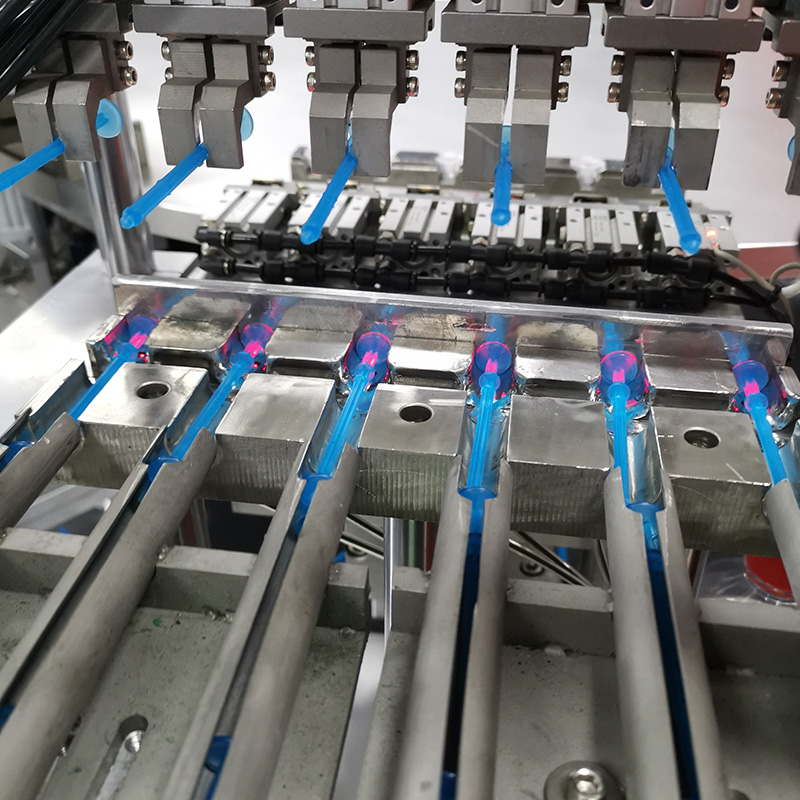
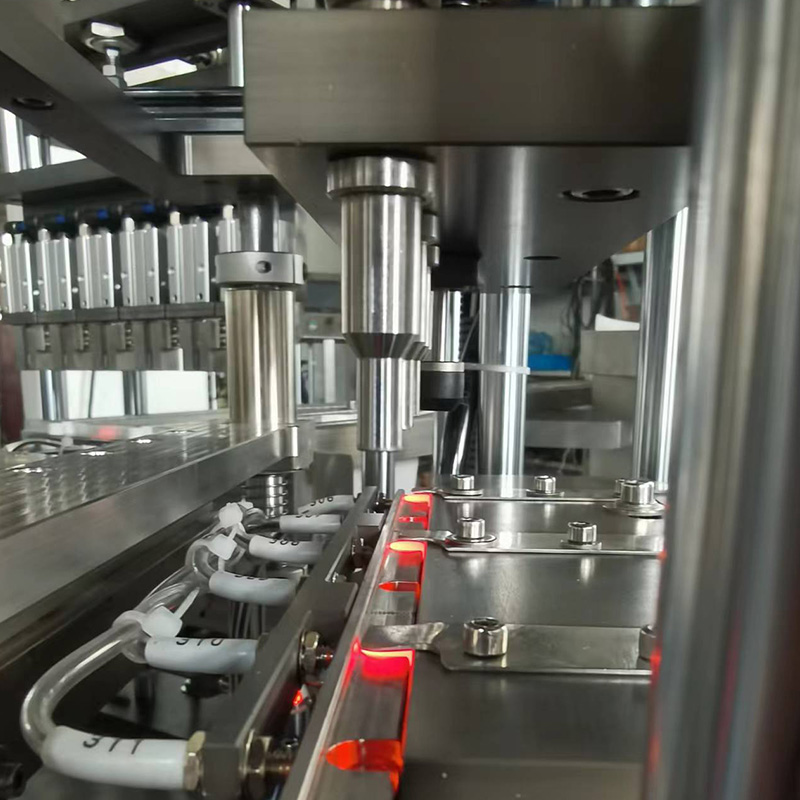
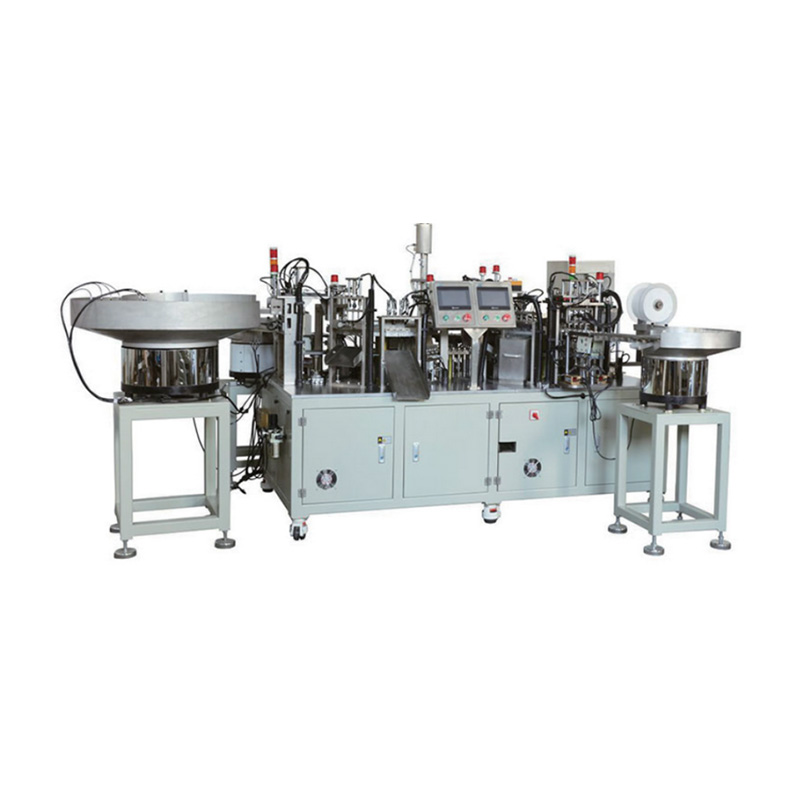
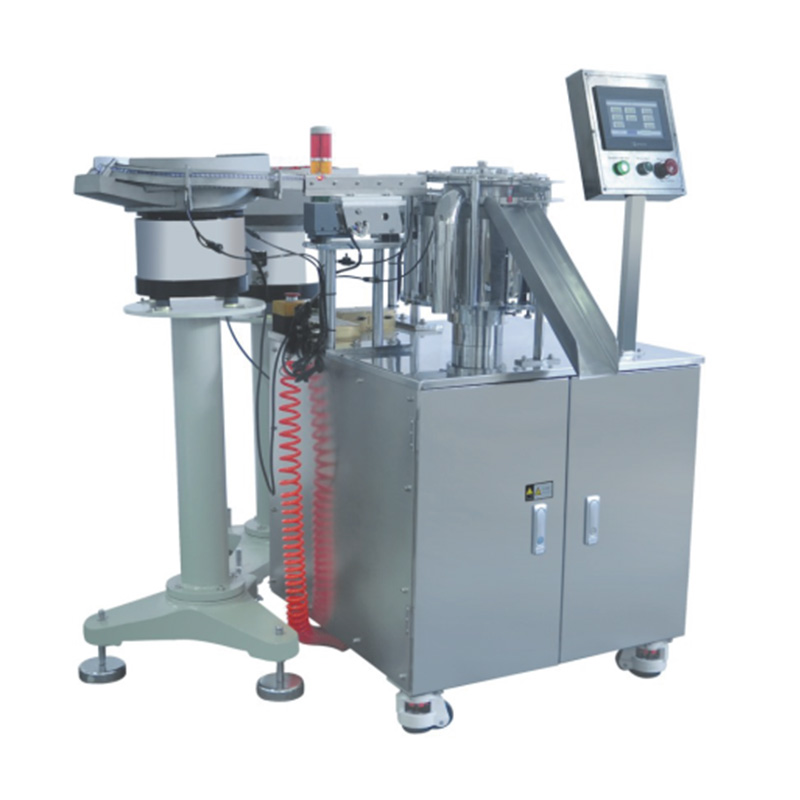
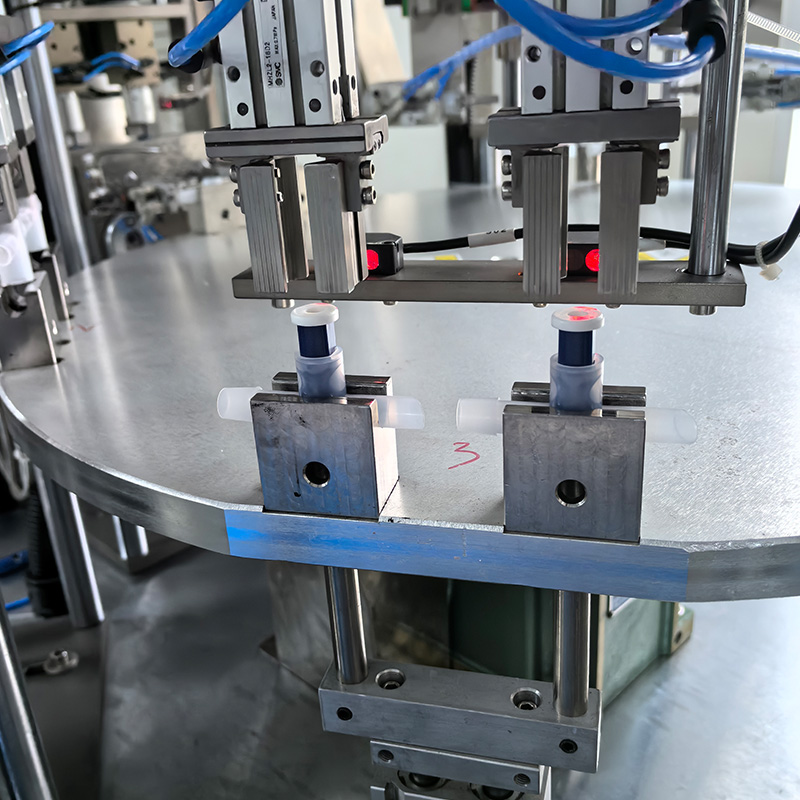
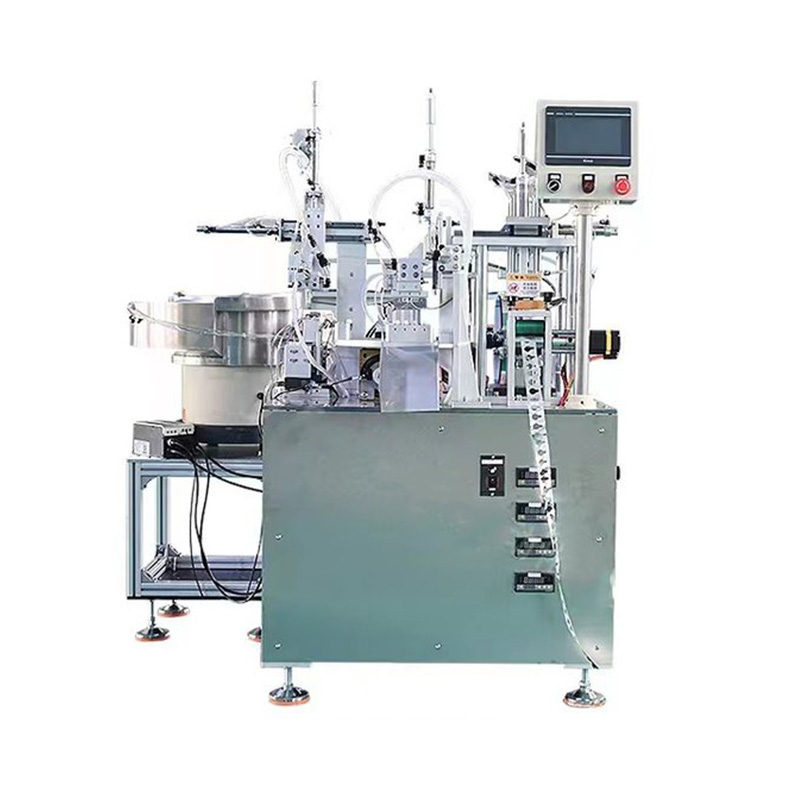
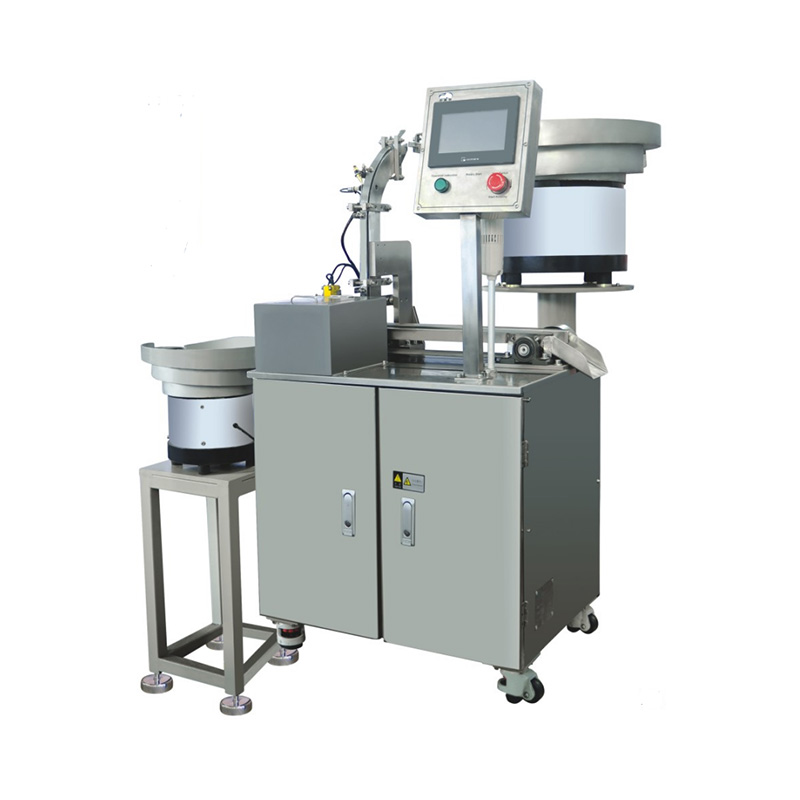
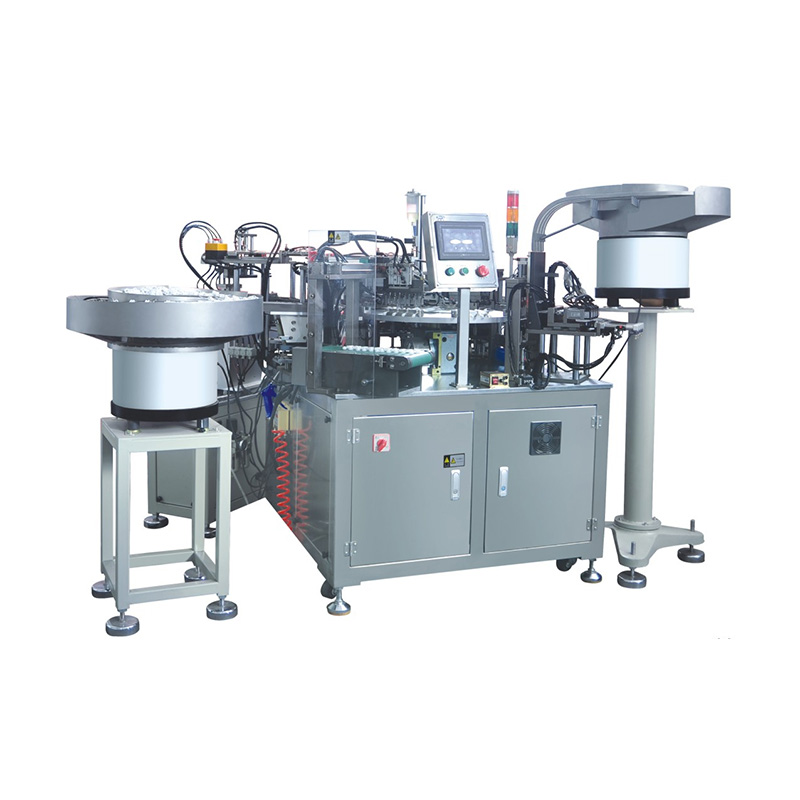
China Zhejiang Taizhou Ambe Trading Co., Ltd. is a manufacturer specializing in the production of medical equipment automation equipment.
Walk through almost any healthcare setting today, and plastic consumables are everywhere. They appear in packaging, protective tools, diagnostic components, and countless single-use items. They are light, clean, and practical for controlled environments. At the same time, they raise a growing question in the background: what happens after they are used?

The topic is not simple. Medical Plastic Consumable Products sit between two priorities. One is safety in clinical use. The other is environmental responsibility. These two goals do not always move in the same direction. That is where most of the discussion begins.
Why are medical plastic consumables used so widely?
Healthcare environments rely on consistency. Every item used near patients must behave in a predictable way. Plastic consumables support this need because they are stable, lightweight, and easy to produce in controlled conditions.
Another reason is hygiene. Single-use items reduce the need for repeated cleaning cycles. This lowers the chance of contamination moving from one patient to another. In fast-paced environments, this simplicity matters.
There is also a practical side. Plastic materials can be shaped into a wide range of forms. Thin films, rigid containers, flexible tubes, and protective covers all come from similar base materials. This flexibility supports many medical functions without requiring heavy or fragile alternatives.
So the widespread use is not accidental. It is tied closely to how modern healthcare operates on a daily basis.
Can medical plastic consumables actually be recycled?
The short answer is: sometimes, but not always in the way people expect.
In theory, many plastic materials can be processed again after use. In practice, medical environments introduce additional complexity. Items used in clinical settings are often exposed to biological materials, fluids, or controlled environments that make standard recycling difficult.
Even when the base material could be reused, contamination concerns often change the path it takes after disposal. Safety rules tend to prioritize separation and controlled handling rather than reuse.
There are also different types of medical plastics. Some are designed for structural stability. Others are designed for flexibility or transparency. These differences affect how they behave in recovery systems. Mixed material streams can be harder to sort efficiently.
So recycling is not a single process. It depends on material type, usage context, and handling conditions after use.
What makes recycling medical plastics more complex than regular plastics?
In everyday environments, plastic recycling is already a multi-step process. In medical environments, additional layers appear.
One key factor is contamination risk. Items that come into contact with biological materials cannot be processed in the same way as clean household plastics. This changes how they are collected and sorted.
Another factor is material blending. Some consumables combine different plastic types or include additional layers for performance. These combinations can improve functionality during use, but they make separation after use more difficult.
Storage conditions also play a role. Medical waste is often handled under strict procedures, which means materials may not enter standard recycling channels at all.
All of this leads to a situation where recyclability exists in theory, but practical recovery depends heavily on context.
Are there eco-friendly options in medical plastic consumables?
The idea of eco-friendly medical plastics is developing, but it is not a single category. Instead, it appears in different approaches.
Some efforts focus on reducing material volume. Lighter designs use less raw material while maintaining function. This reduces overall resource demand without changing how the product is used.
Other approaches explore recyclable material structures that are easier to separate after use. The goal here is not only to make recycling possible, but to make it more realistic within existing systems.
There are also controlled-use designs that aim to balance safety and material efficiency. These products are developed with both clinical needs and environmental considerations in mind.
Eco-friendly does not always mean fully recyclable. In many cases, it means reducing environmental pressure at different stages of the product life cycle.
What happens to used medical plastic consumables after disposal?
After use, medical plastic items usually follow controlled handling pathways. These pathways are designed to prioritize safety first.
A portion of materials is directed toward specialized treatment processes. These methods focus on neutralizing risk before final disposal. Another portion may enter broader waste management systems depending on local handling rules.
Recycling streams exist in some areas, but they are often limited to specific types of clean or uncontaminated materials. This means only a small fraction of total medical plastic waste may enter recycling channels.
The remaining materials are managed in ways that prevent exposure risk. This structure is shaped more by safety requirements than by material value recovery.
Can design changes improve environmental performance?
Design plays a quiet but important role in how medical plastics interact with the environment.
One direction is simplification. Products made from fewer material layers are easier to manage after use. This can support more consistent handling across different systems.
Another direction is material selection. Some plastics behave more predictably in recovery processes, which can make downstream handling smoother.
Packaging design also influences waste volume. Compact layouts reduce unnecessary bulk, even when the product itself remains single-use.
These changes do not remove environmental impact completely. Instead, they adjust how that impact is distributed across production, use, and disposal stages.
How do healthcare facilities balance safety and sustainability?
Healthcare environments operate under strict safety expectations. Any change to materials or processes must maintain that standard.
Because of this, environmental decisions are often incremental rather than immediate. Facilities may start by improving waste separation practices or adjusting procurement choices toward more efficient designs.
Training also plays a role. Staff awareness of sorting and handling procedures can influence how materials move after use. Small improvements in handling can affect overall waste pathways.
At the same time, sustainability goals are increasingly part of planning discussions. The challenge is finding approaches that do not interfere with clinical reliability.
The balance is not fixed. It shifts as new materials and methods become available.
Is recycling always the main environmental solution?
Recycling is often seen as the primary answer, but in medical plastics, it is only one part of a wider picture.
Reduction is another key factor. Using less material at the source lowers environmental pressure before waste is created.
Reuse is limited in clinical contexts due to safety concerns, but some supporting tools and non-critical items may follow controlled reuse cycles.
Recovery and energy conversion methods also exist in some systems, offering alternative pathways when recycling is not possible.
Each approach contributes differently. None operates alone.
A closer look at material flow in medical plastic consumables
The journey of medical plastics does not follow a single line. It moves through different paths depending on use and handling.
| Stage | Typical Condition | Common Outcome |
|---|---|---|
| Use in care setting | Direct patient contact or support use | Immediate disposal after use |
| Collection | Separated by handling rules | Directed into controlled waste streams |
| Sorting | Based on material and risk level | Limited recycling or treatment |
| Processing | Safety-focused treatment methods | Neutralization or conversion |
| Recovery (where possible) | Clean, suitable material types | Material reuse in selected cases |
This flow shows that environmental handling is closely tied to safety classification.
Why does the conversation around eco-friendly medical plastics keep growing?
The discussion continues because both sides of the issue are important.
Healthcare systems cannot reduce safety standards. At the same time, material use is large and constant. This creates natural interest in finding better balance points.
Material science is also evolving. New formulations and processing methods continue to appear, opening possibilities that were not practical before.
Public awareness of environmental impact adds another layer. Even in specialized fields like healthcare, sustainability is becoming part of long-term planning.
The result is an ongoing adjustment rather than a fixed solution.
Medical plastic consumables sit in a space shaped by responsibility on both sides. Safety defines how they are used. Environment concerns influence how they are viewed after use. Between these two points, the industry continues to explore ways to reduce impact while maintaining essential function.