
 English
 русский
 Español


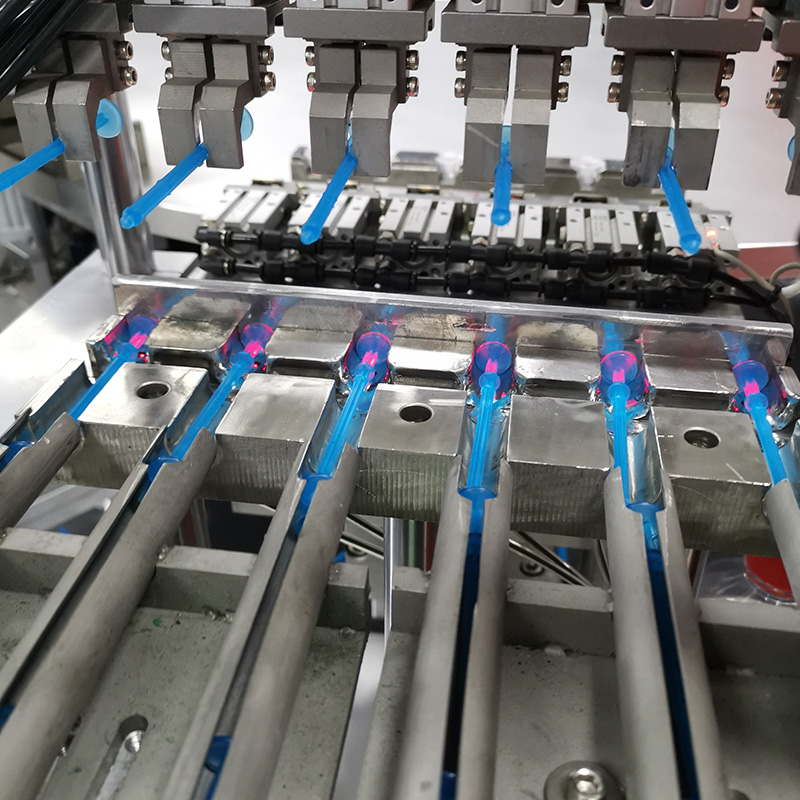
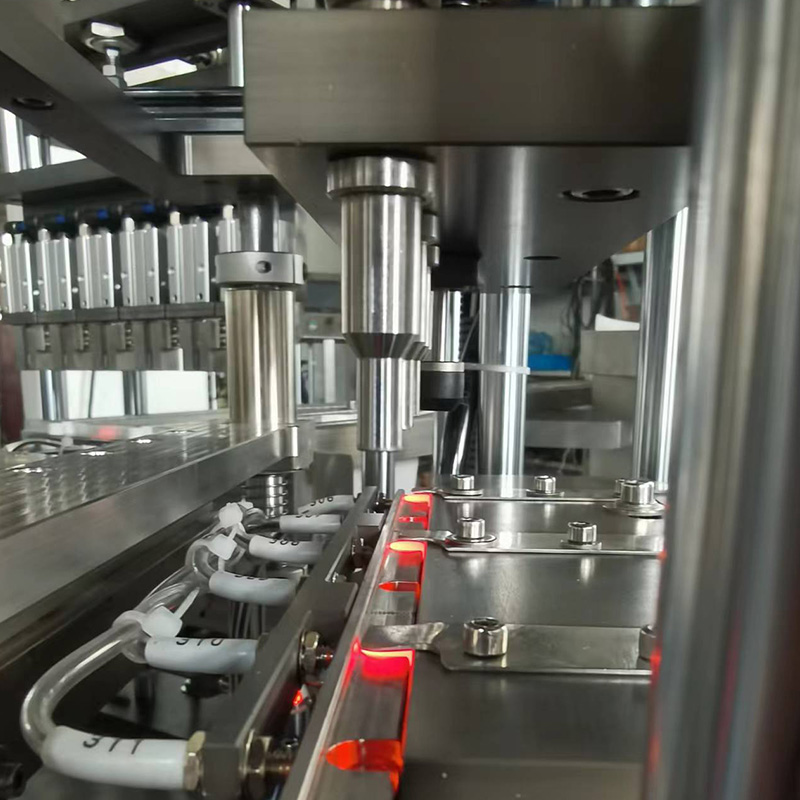
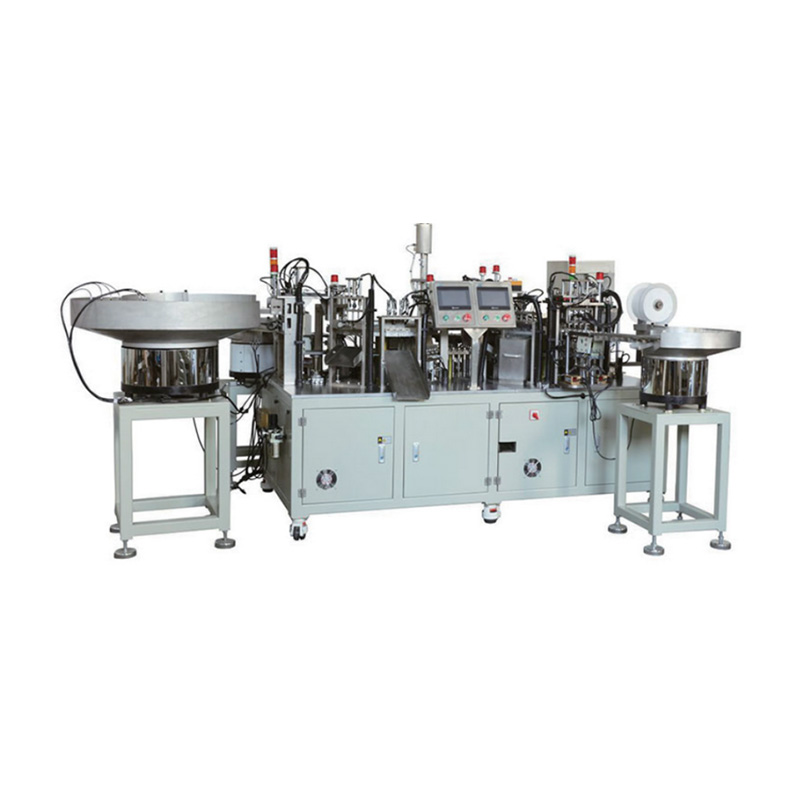
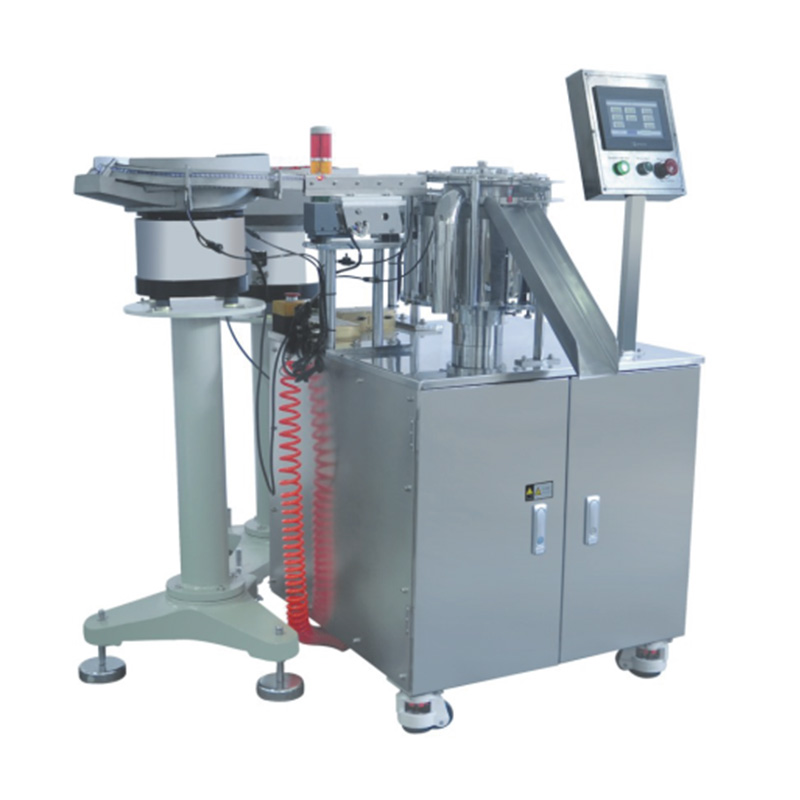
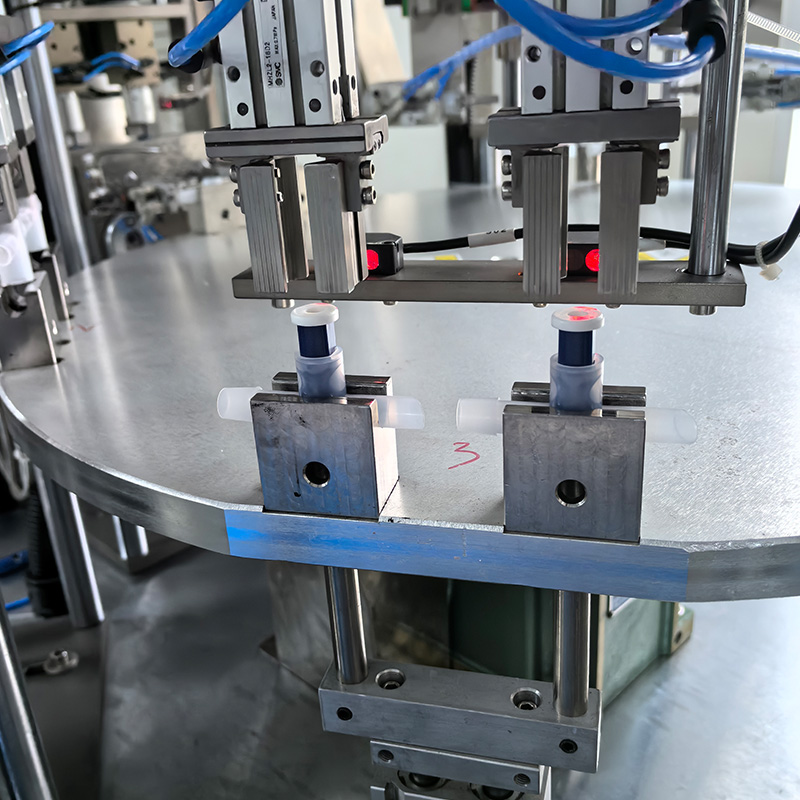
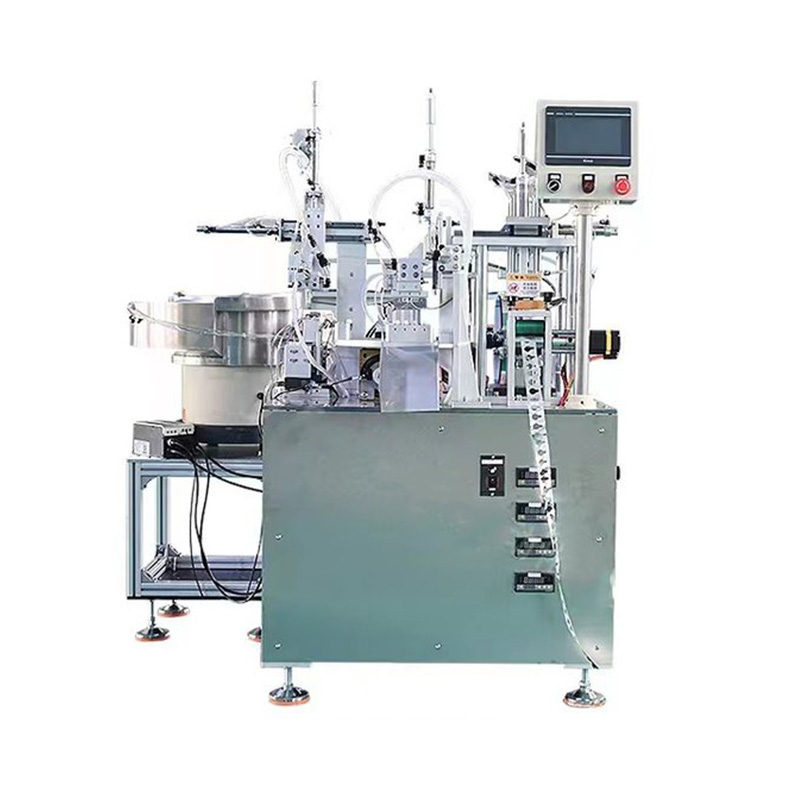
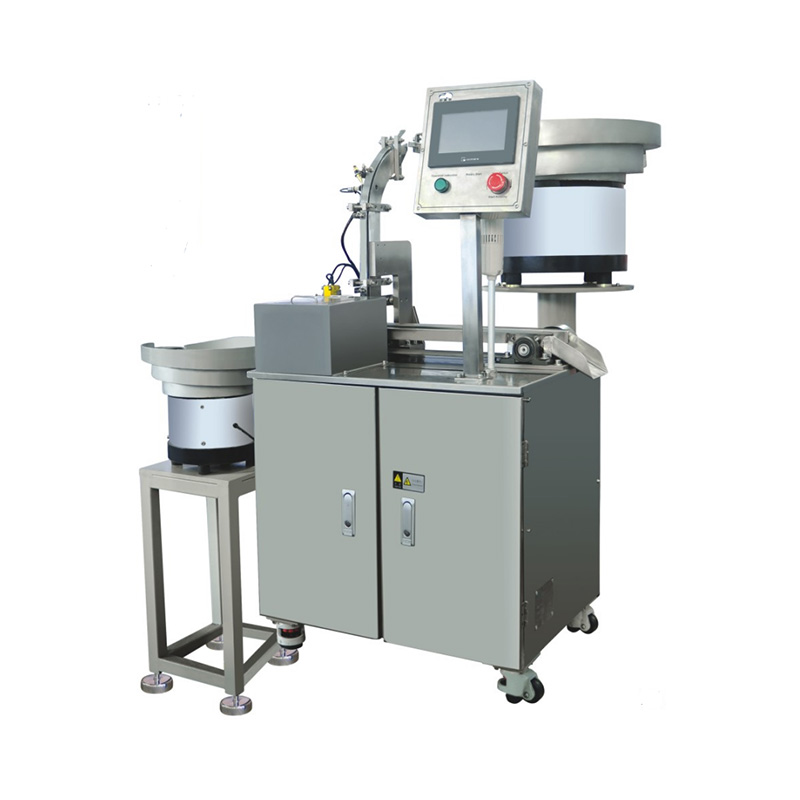
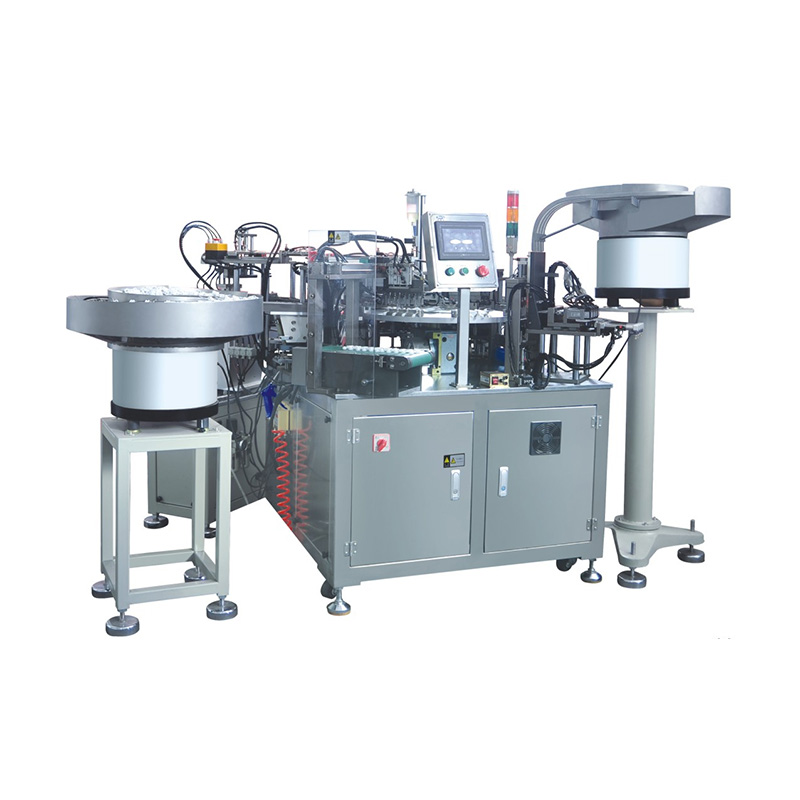
China Zhejiang Taizhou Ambe Trading Co., Ltd. is a manufacturer specializing in the production of medical equipment automation equipment.
Infusion sets are widely used in medical care, so their production involves more than simply assembling individual components. Each part needs to fit into the intended production process. The assembly equipment also needs to work in a stable and organized way.
An infusion set assembly machine can bring automation into repetitive production tasks. It can help arrange, position, join, or handle different components according to the product design. This can reduce the amount of repetitive manual work involved in some production environments.
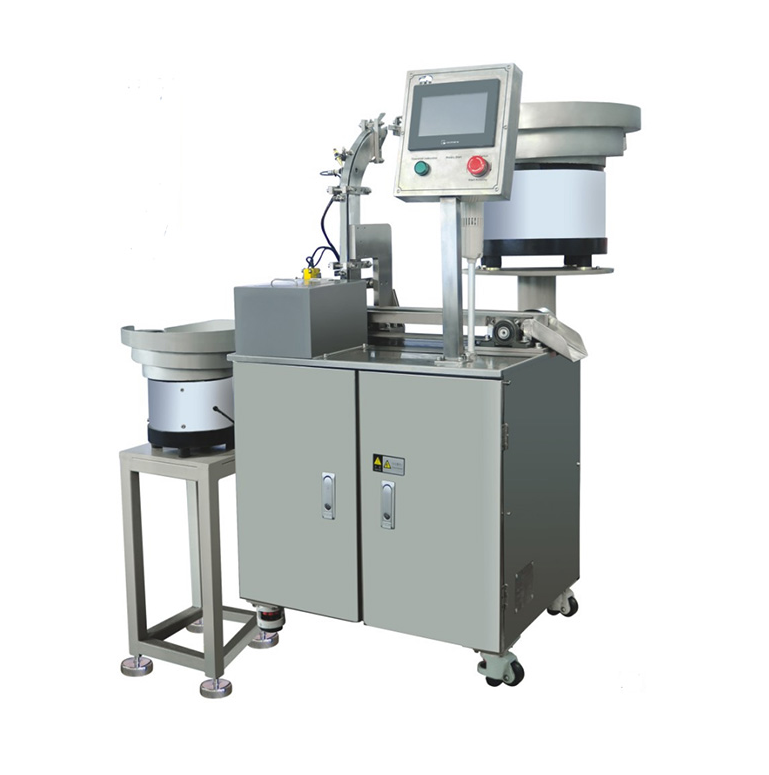
At the same time, automated equipment is not free from problems. A machine may experience interruptions because of component positioning, material feeding, connection issues, contamination, wear, incorrect settings, or maintenance gaps.
Recognizing these problems can help manufacturers organize production more effectively. It can also help buyers understand what to discuss with an infusion set assembly machine supplier before introducing equipment into a production line.
What Common Problems Can Affect Infusion Set Assembly Machines?
Different problems can appear at different points in the assembly process. Some are related to the machine itself. Others may come from the components being assembled or from the way the production line is managed.
| Common Problem | Possible Effect on Production |
|---|---|
| Component misalignment | Parts may not enter the intended assembly position |
| Irregular feeding | Production flow may become interrupted |
| Loose connections | Components may not remain properly joined |
| Material variation | Assembly consistency may be affected |
| Sensor or detection issues | Some operations may not respond as expected |
| Machine wear | Movement and assembly may become less stable |
| Contamination | Product handling and assembly may be affected |
| Incorrect setup | The machine may not match the intended product |
| Poor maintenance | Small problems may develop into larger interruptions |
| Product design changes | Existing equipment may need adjustment |
Not every problem has the same cause.
A machine that stops unexpectedly may not have a serious mechanical fault. The cause could be a component that has shifted position or material that has not entered the feeding area correctly.
This is why troubleshooting should begin with the actual production situation rather than immediately replacing machine parts.
Why Can Component Feeding Become a Problem?
Component feeding is an important part of automated assembly.
An infusion set contains multiple components that need to reach the assembly area in an organized way. If a component arrives in the wrong position, the machine may not be able to complete the next operation.
Several situations can contribute to feeding problems.
Components may overlap. They may turn in an unexpected direction. They may move unevenly through the feeding area. Some pieces may also behave differently because of small variations in their shape or surface.
When this happens, production can slow down or stop.
The problem may become more noticeable when a machine is operating continuously. A minor feeding issue that happens occasionally can still create repeated interruptions over a longer production cycle.
Manufacturers can reduce confusion by checking whether the issue is connected to:
- Component shape
- Component placement
- Material condition
- Feeding arrangement
- Machine setup
- Cleaning condition
- Wear in the feeding area
The solution depends on the actual cause.
Changing the machine setting may help in one situation. Rechecking the components may be more appropriate in another.
How Can Misalignment Affect Infusion Set Assembly?
Alignment is another common concern.
Different components need to meet in the correct position during assembly. If one part shifts, the following operation may not proceed normally.
Misalignment can occur for several reasons. A component may not enter the assembly area correctly. A holding part may have become worn. The machine may have been adjusted for a different product configuration.
Product design can also influence alignment.
An assembly machine developed for one infusion set design may require adjustment when the product changes. Even a small change in component shape can affect how parts are positioned.
This is why manufacturers should not assume that one machine arrangement will work equally well for every infusion set.
Before production begins, the machine should be checked against the actual product design.
Clear product information can help machine manufacturers understand what the equipment needs to handle.
What Happens When Components Do Not Connect Properly?
Infusion set assembly often involves joining different components.
A connection that is not formed correctly can interrupt production and create the need for additional inspection.
Connection problems may appear when:
- Parts are not positioned correctly.
- Components have inconsistent shapes.
- The assembly process is not properly adjusted.
- A joining area becomes worn.
- Product design changes without corresponding machine adjustments.
- Materials are not handled as expected.
The machine may continue running even when a connection problem occurs if the production system does not identify the issue.
That makes inspection an important part of automated assembly.
Manufacturers may use appropriate inspection steps to identify whether components have been assembled as intended. The specific inspection method depends on the product and production system.
A useful approach is to consider assembly and inspection as connected activities rather than treating them as separate tasks.
Why Can Machine Wear Affect Assembly Performance?
Machines contain moving parts and working areas that are exposed to repeated use.
Over time, normal wear can affect how equipment moves or positions components.
A worn part may not immediately cause a complete machine failure. Instead, the machine may gradually become less stable.
Operators may notice signs such as:
- More frequent interruptions
- Changes in component positioning
- Unusual movement
- Increased adjustment requirements
- Less consistent assembly
- More frequent cleaning or inspection needs
These signs should not simply be ignored.
Regular inspection can help manufacturers identify changes before they interfere heavily with production.
Maintenance should follow the equipment manufacturer's recommendations. Operators should also avoid making changes without understanding how those changes may affect the machine and the finished product.
Preventive maintenance is often easier to manage than waiting for an unexpected production interruption.
How Can Contamination Affect an Infusion Set Assembly Machine?
Clean production environments are important when manufacturing medical products.
Dust, residue, particles, or other unwanted material can affect equipment and components. Even when contamination does not immediately stop a machine, it can interfere with feeding, positioning, joining, or inspection.
For example, a buildup around a component handling area may change how parts move through the machine.
A dirty surface may also make it harder to identify the source of another problem.
Cleaning routines should therefore be part of equipment management.
The cleaning method needs to follow the machine manufacturer's instructions and the production facility's procedures. Different machine materials and components may require different handling.
It is also useful to distinguish between routine cleaning and troubleshooting.
If contamination appears repeatedly, the manufacturer may need to examine where it is coming from instead of simply cleaning the machine more often.
The source could be the components, surrounding environment, handling process, or machine itself.
Why Can Product Changes Create Assembly Problems?
Medical product designs can change for different manufacturing reasons.
When the infusion set changes, the assembly machine may also need attention.
A new component shape can affect feeding. A revised connection area can influence positioning. A change in the assembly sequence can require adjustments to the equipment.
This creates a common production challenge.
The machine may have been working normally with the previous product. After the product changes, unexpected interruptions begin.
The problem may not mean that the machine has suddenly become unsuitable. It may indicate that the existing setup no longer matches the updated product.
A product change should therefore trigger a review of the assembly process.
| Product Change | Area to Review |
|---|---|
| Component shape changes | Feeding and positioning |
| Connection design changes | Joining process |
| Assembly sequence changes | Machine workflow |
| Material changes | Component handling |
| Product size changes | Equipment compatibility |
| New product version | Machine setup and inspection |
Communication between product designers and equipment teams can make these changes easier to manage.
When the machine supplier receives updated product information early, it may be easier to identify potential assembly issues before production begins.
What Role Does Incorrect Machine Setup Play?
An assembly machine can only perform properly when its setup matches the intended product.
Incorrect setup can happen for several reasons.
A machine may be prepared for another product. A component may have been replaced without adjusting the relevant part of the equipment. An operator may have changed a setting without fully understanding its effect.
These situations can create problems that appear to be mechanical failures.
Before production, operators should verify that the machine is configured for the correct product and assembly process.
Important areas can include:
- Component arrangement.
- Feeding direction.
- Assembly sequence.
- Product positioning.
- Inspection settings.
- Connection operations.
- Safety-related functions.
The exact checks depend on the machine.
Training also matters.
Operators who understand the basic production sequence can often identify unusual behavior earlier. They may recognize when a problem is related to materials, setup, or equipment movement.
This can make troubleshooting more organized.
How Can Manufacturers Reduce Repeated Assembly Machine Problems?
There is no single solution that prevents every equipment issue.
A more practical approach is to manage several areas together.
Keep product information clear.
The machine should be matched with the actual infusion set design. Changes should be communicated to the equipment team.
Monitor component quality.
If components arrive in inconsistent shapes or conditions, automated feeding and positioning may become more difficult.
Follow maintenance procedures.
Routine inspection can help identify wear and contamination before they create larger interruptions.
Train operators.
Operators should understand normal machine behavior and know when to stop and request technical support.
Record recurring problems.
A problem that appears repeatedly may reveal a deeper issue. Keeping simple production records can help identify patterns.
Review the complete workflow.
A machine problem may actually begin upstream. Components, feeding systems, assembly steps, and inspection processes can influence one another.
This broader view is useful when troubleshooting automated equipment.
What Should Buyers Ask Before Choosing an Infusion Set Assembly Machine?
Many assembly problems can be avoided through better planning before equipment is purchased.
Buyers should provide detailed information about the infusion set and its intended production process. A supplier needs to understand the components, assembly sequence, product design, and expected workflow.
Questions can include:
- Which components will the machine handle?
- Which assembly steps need automation?
- Can the machine accommodate the current product design?
- How are components fed into the assembly area?
- How are assembly problems identified?
- What maintenance is required?
- How are product changes handled?
- What operator training is provided?
- What technical support is available?
- Can the equipment be adjusted for future production needs?
These questions can help buyers compare equipment based on actual production requirements rather than machine appearance alone.
A machine may look suitable during an initial discussion. The more important question is whether it can work with the complete production process.
How Can Equipment Manufacturers Help Address Assembly Challenges?
The relationship between a machine manufacturer and an end user does not necessarily end when the equipment is delivered.
Assembly equipment can require adjustment, maintenance, training, and technical support during its working life.
A machine manufacturer can help by understanding the product before designing or configuring the equipment. Product samples and clear component information can help the supplier identify potential challenges.
Testing can also provide useful information.
When the machine is tested with the actual components, problems with feeding, positioning, joining, or inspection may become easier to identify.
This can give both sides an opportunity to make adjustments before regular production begins.
For buyers, this makes supplier communication an important part of equipment selection.
The goal is not simply to purchase an infusion set assembly machine. The equipment needs to fit the product, production process, operators, maintenance routine, and future changes.
When these areas are considered together, common issues such as feeding interruptions, misalignment, connection problems, contamination, machine wear, and product changes become easier to identify and manage within the broader infusion set assembly workflow.