
 English
 русский
 Español


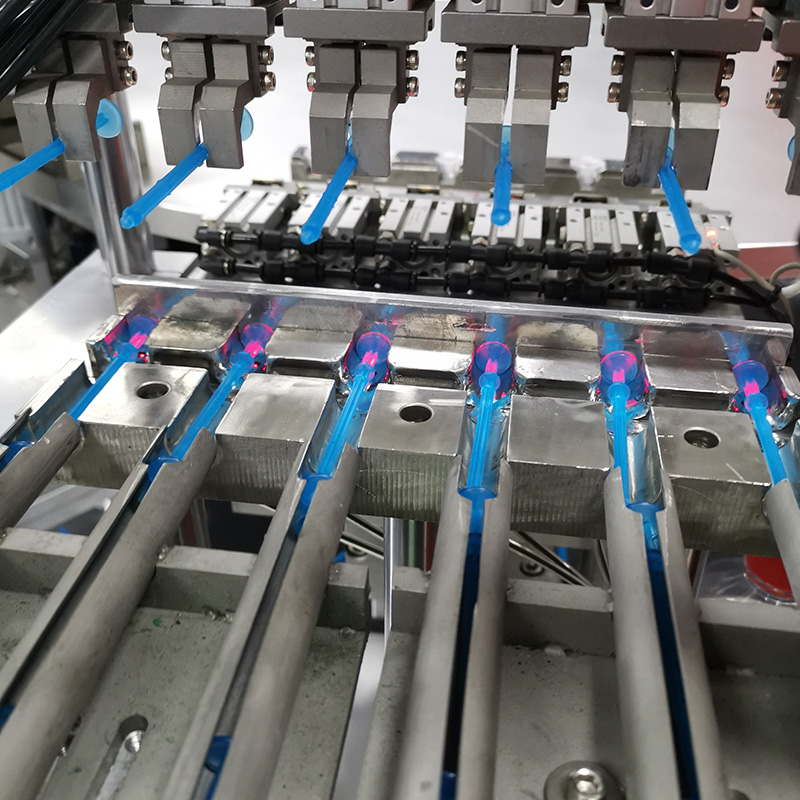
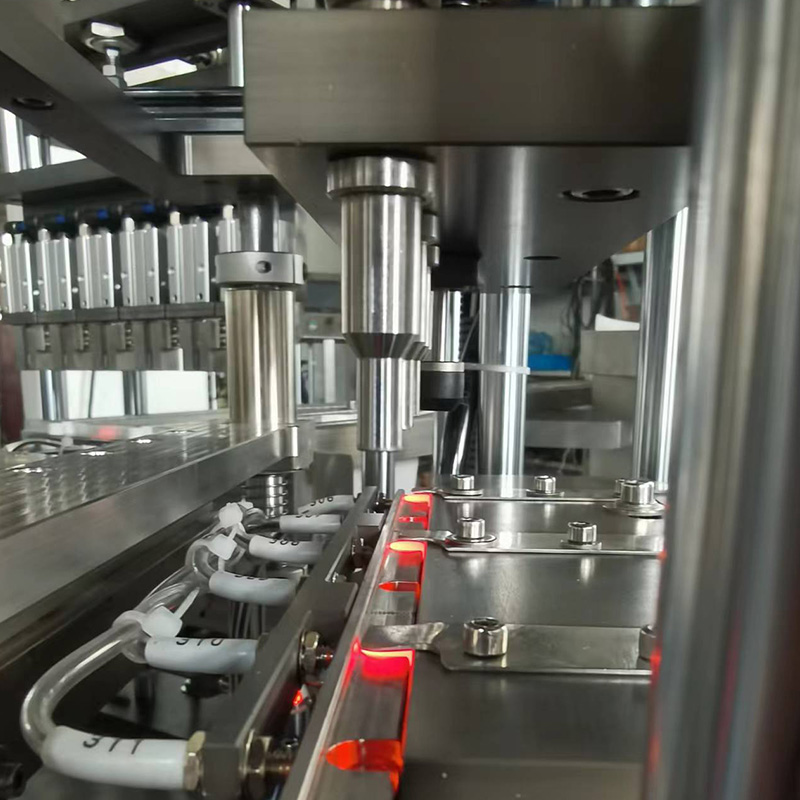
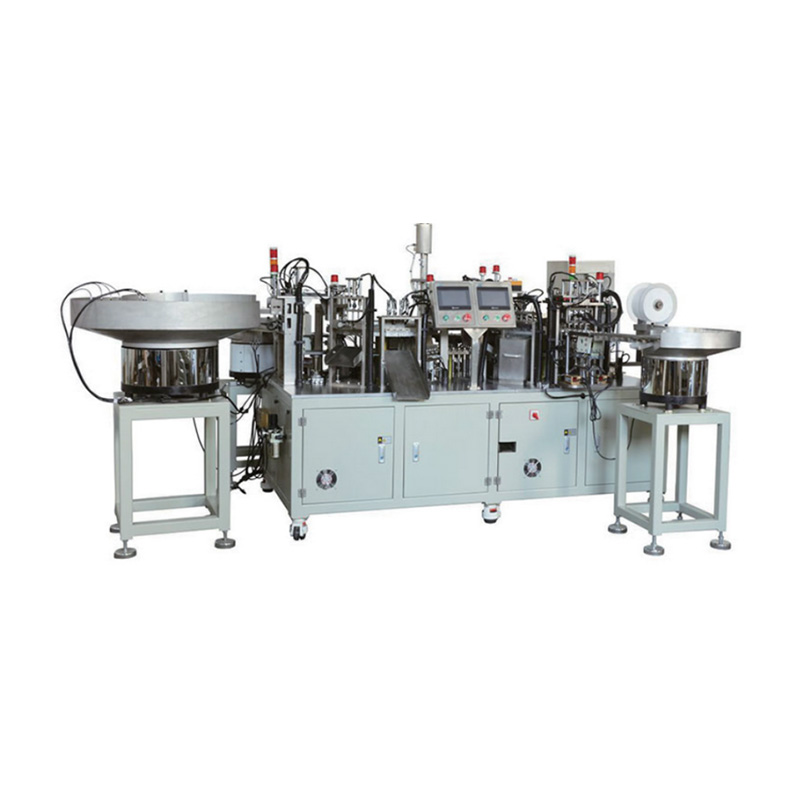
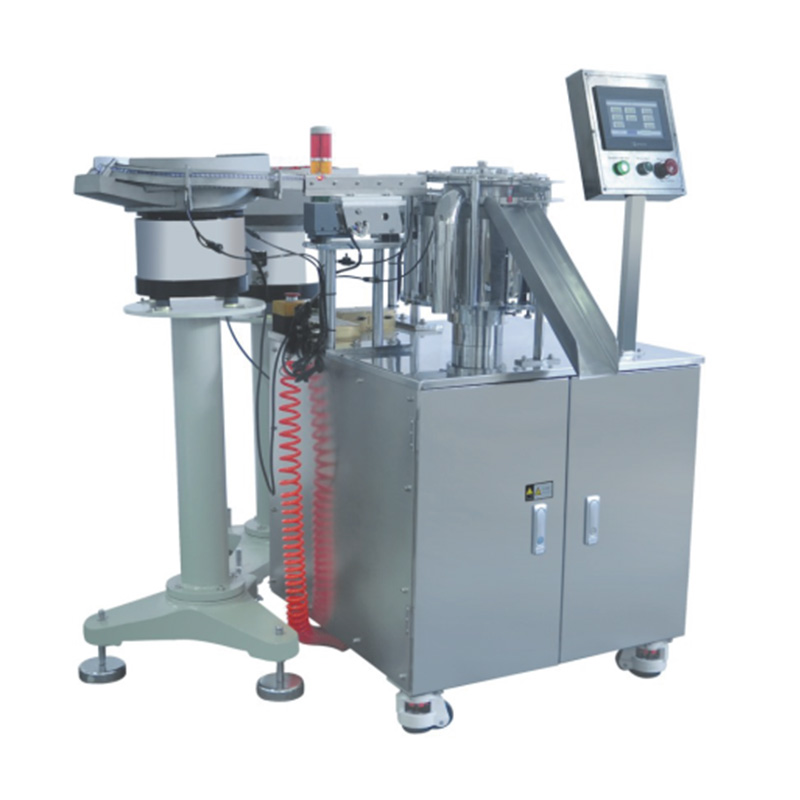
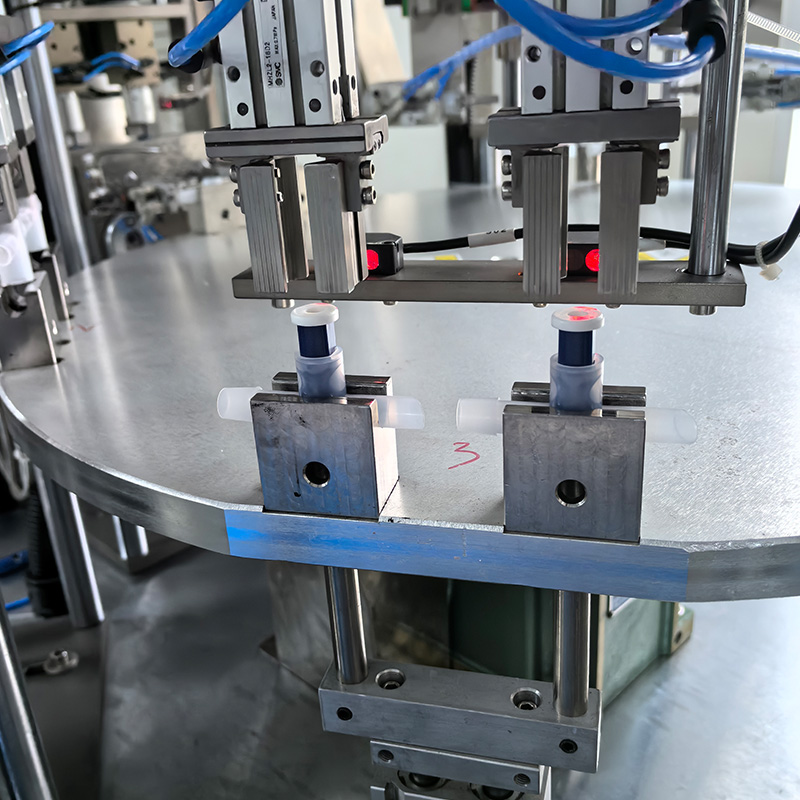
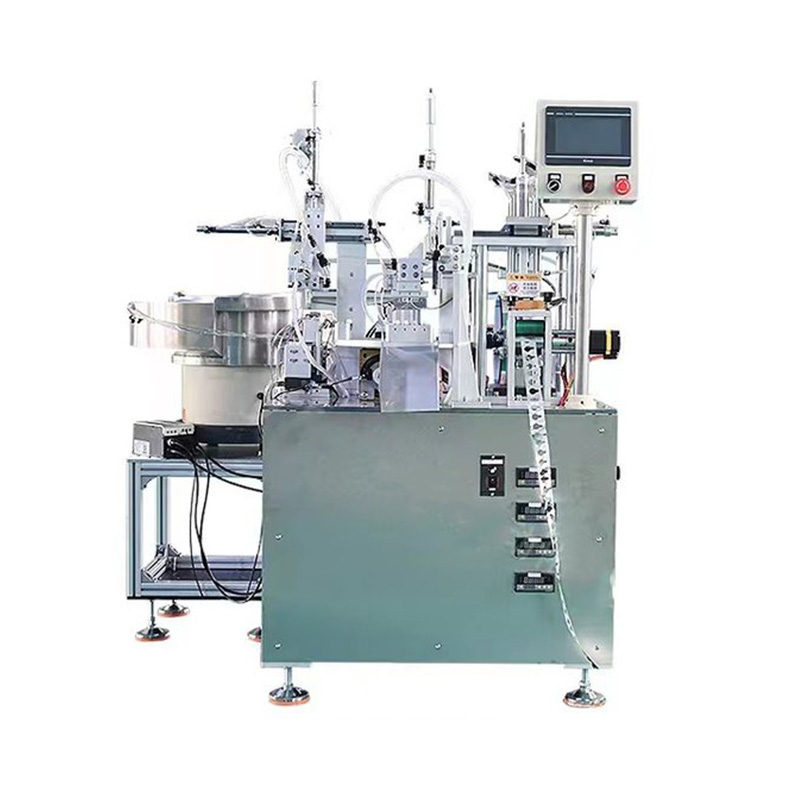
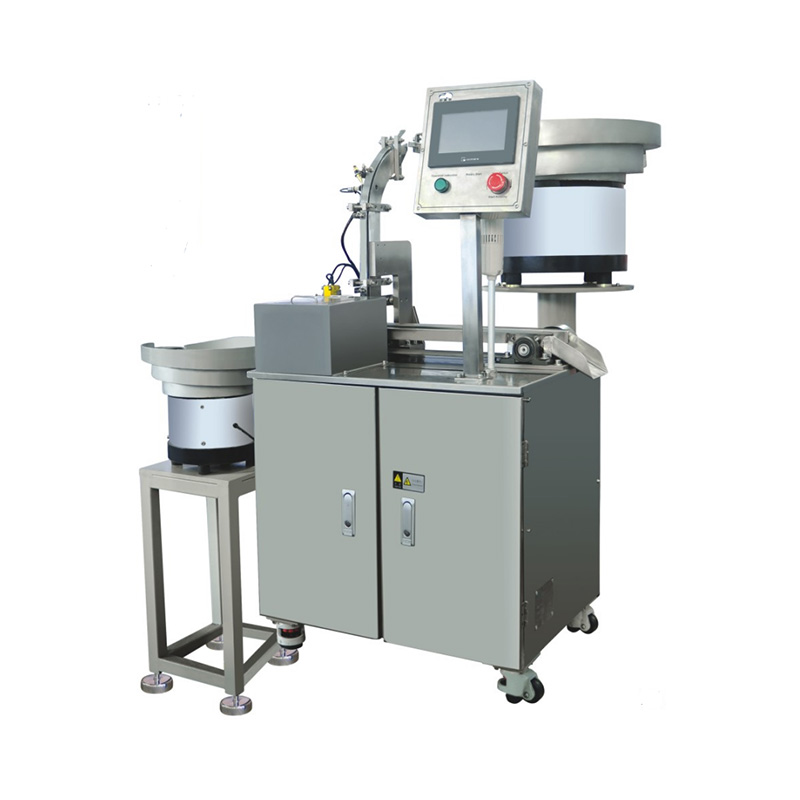
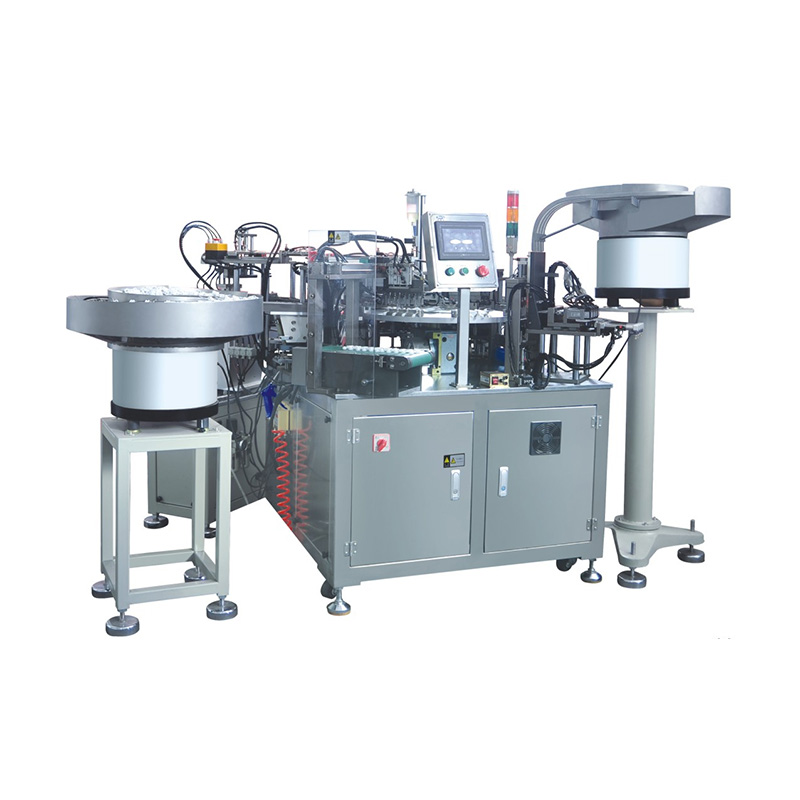
China Zhejiang Taizhou Ambe Trading Co., Ltd. is a manufacturer specializing in the production of medical equipment automation equipment.
Medical Plastic Products Manufacturing often looks controlled and predictable from a distance. Clean rooms, fixed procedures, and repetitive workflows give the impression of stability. Everything appears standardized, almost effortless.
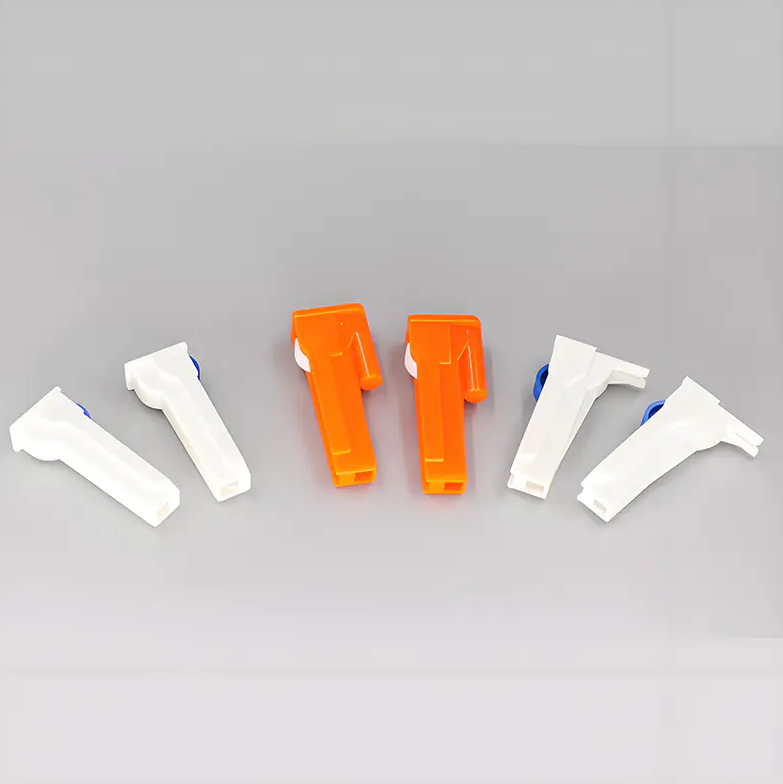
But once production actually starts running day after day, a different picture appears. Small shifts show up constantly. A material reacts slightly differently. A machine behaves a bit slower than yesterday. An operator makes a minor adjustment without thinking much about it.
None of these changes feels serious on its own. The challenge is that they rarely stay isolated.They accumulate quietly.
Why materials never behave exactly the same way twice?
Even when materials belong to the same specification, their behavior during processing can vary.
One batch may flow easily and form smoothly. Another may need extra adjustment to reach the same result. At first glance, both still look acceptable. But during continuous production, differences become more noticeable.
Storage conditions play a subtle but important role here. Temperature changes, humidity exposure, and waiting time before processing can all influence material response. These effects are not always visible until the production stage begins.
What makes this challenging is timing. The variation is often discovered only after production has already started.
In daily practice, teams don't simply "use" materials. They constantly adjust to how materials behave in real conditions.
Small process shifts that quietly reshape results
Manufacturing in this field is a connected chain. Each step depends on the previous one. That connection is where many issues begin.
A slight change in pressure. A small delay in timing. A minor speed difference between cycles. None of these sounds critical in isolation.
But after repeated production runs, they begin to influence output. The change is slow, almost invisible at first.
Later, it may appear as:
- Slight differences in surface finish
- Small deviations in shape alignment
- Inconsistent fitting between components
- Variation in transparency or texture
What makes this difficult is the delay. The cause is usually far from where the effect is seen.
Consistency is more fragile than it looks
It is easy to assume that stable machines produce stable products. In reality, consistency depends on many layers working together.
Several factors interact at the same time:
- Raw material variation between batches
- Gradual equipment wear
- Environmental fluctuations
- Operator adjustments during shifts
- Workflow timing differences
Each factor seems small when viewed alone. But together, they create variation that is noticeable over time.
This is why consistency is not a fixed achievement. It is something that must be actively maintained during every production cycle.
Clean production adds structure, but also pressure
Medical plastic products often require controlled environments. This is not optional. It is built into the nature of the industry.
Clean production means limited contact, controlled movement, and strict handling routines. Everything is designed to reduce contamination risk and maintain product integrity.
However, this structure also changes how work feels on the floor.
Operators must follow precise steps. Movement is guided. Flexibility is reduced. Even small deviations can affect downstream results.
Over time, this creates a working environment that is highly disciplined, but also demanding in terms of attention and consistency.
Machines are reliable, but not unchanged over time
Equipment plays a central role in keeping production stable. Most systems are designed for continuous operation, but they are not static.
With time, small changes naturally appear:
- Slight shifts in mechanical alignment
- Minor timing differences between cycles
- Gradual wear on moving parts
- Response delays under long operation
These changes do not usually stop production. Instead, they create subtle differences in output behavior.
When multiple machines operate together, even small differences between them can affect overall balance. Flow may become uneven, even if each unit seems fine individually.
That is why routine adjustment is part of normal production, not an occasional task.
Human involvement still shapes the process
Even in automated environments, people remain essential to production stability.
Operators and technicians make constant decisions throughout the day. They adjust settings, respond to alarms, manage transitions, and interpret system feedback.
These decisions are based on experience, but experience itself varies between individuals. Two skilled workers may approach the same situation differently.
This variation is not necessarily negative. In many cases, it helps solve unexpected problems. But it also adds another layer of variability to the system.
Training helps reduce differences, but cannot remove them completely.
Inspection helps, but it cannot see everything at once
Quality inspection is a critical part of Medical Plastic Consumable Products manufacturing, but it has natural limits.
Some variations are obvious and can be detected quickly. Others are extremely subtle and may only appear after time or further handling.
A product might pass inspection at one stage and still show variation later in use or storage conditions. This is why inspection is not a single checkpoint, but a repeated process across multiple stages.
Even with advanced systems, inspection is still about control and reduction, not complete elimination of variation.
Environmental conditions change more than expected
Temperature, humidity, and airflow are often treated as background factors. They are controlled, but not completely fixed.
In reality, these conditions shift slowly throughout production hours or between seasons. Even small fluctuations can influence material response or equipment behavior.
For example, a slight humidity change may alter how a material reacts during forming. A small temperature shift may affect cycle stability.
These changes are subtle, but they accumulate over long production periods.
This is why environmental monitoring is continuous rather than occasional.
Supply conditions create hidden variation before production even starts
One often overlooked source of variation comes before manufacturing begins.
Materials arrive from different conditions. Storage time, transport environment, and packaging protection all influence their state.
Even when materials meet specifications, they may not behave exactly the same way during processing. These differences are not always visible at the beginning.
This creates a situation where variation is already present before production starts, even if it is not immediately recognized.
Challenges often come from combination effects, not single causes
In medical plastic manufacturing, problems rarely come from one clear reason.
Instead, several small factors combine:
- Slight material variation
- Minor equipment drift
- Environmental fluctuation
- Human adjustment differences
Individually, none of these is enough to create a major issue. But together, they can produce visible inconsistency.
This makes troubleshooting less about finding a single root cause and more about understanding interaction patterns between variables.
Adjustments are constant, not occasional
Production stability is maintained through continuous small adjustments.
Operators fine-tune settings. Engineers refine processes. Teams respond to real-time feedback from the line.
These adjustments are not dramatic. They are small, frequent, and often invisible from the outside.
But over time, they shape the overall stability of the system.
In many ways, production is less about reaching a perfect state and more about staying within a controlled range despite ongoing change.
stability is a process, not a condition
Medical plastic product manufacturing does not stay still. Materials shift, machines age, environments fluctuate, and people adapt.
What keeps production working is not the absence of change, but the ability to manage it continuously.
Stability is not something achieved once. It is something maintained through constant attention, small corrections, and accumulated experience across the entire system.