
 English
 русский
 Español


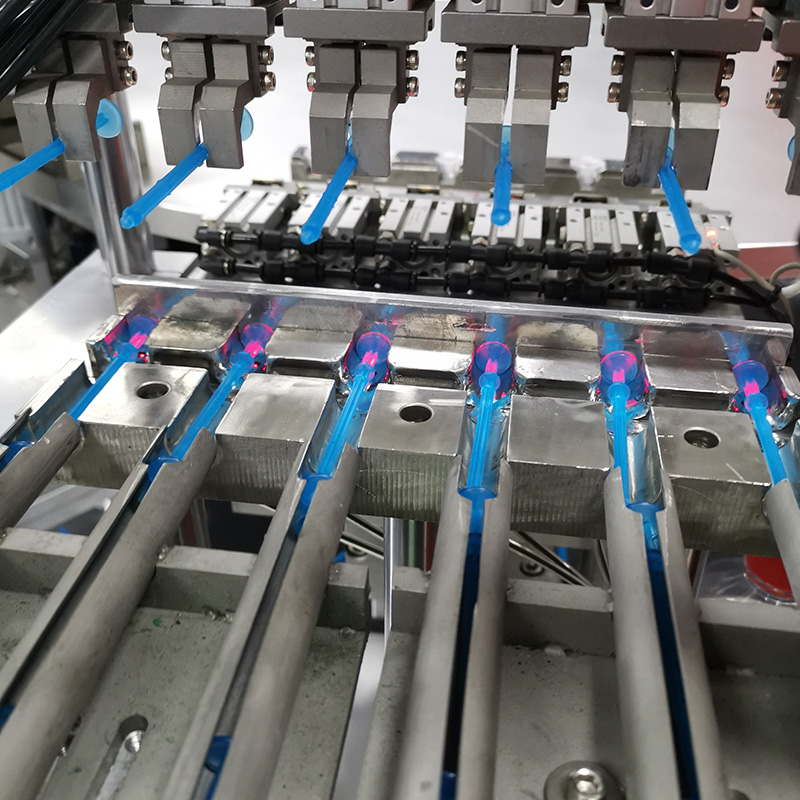
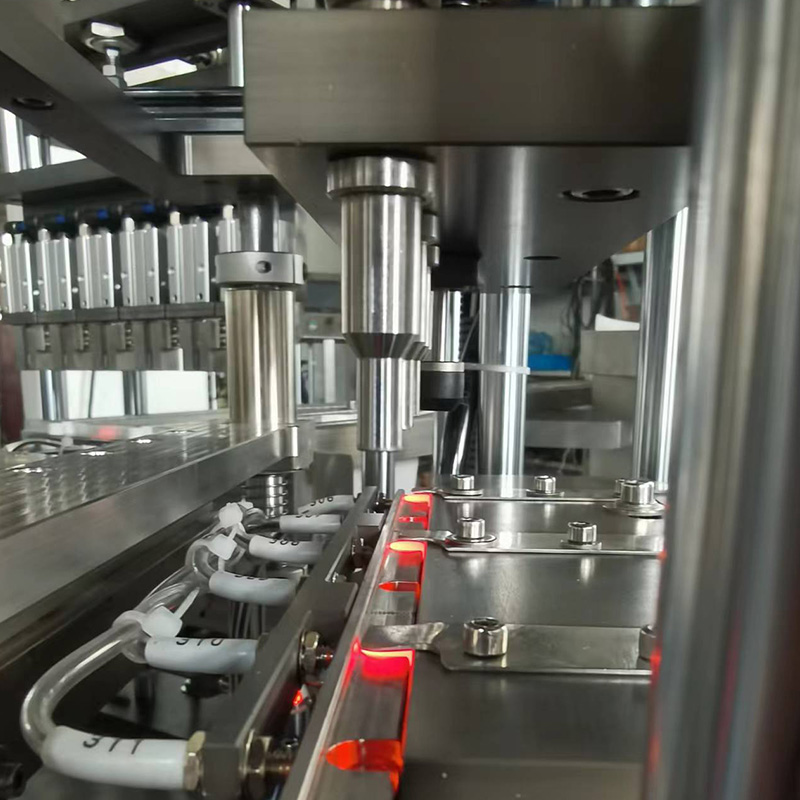
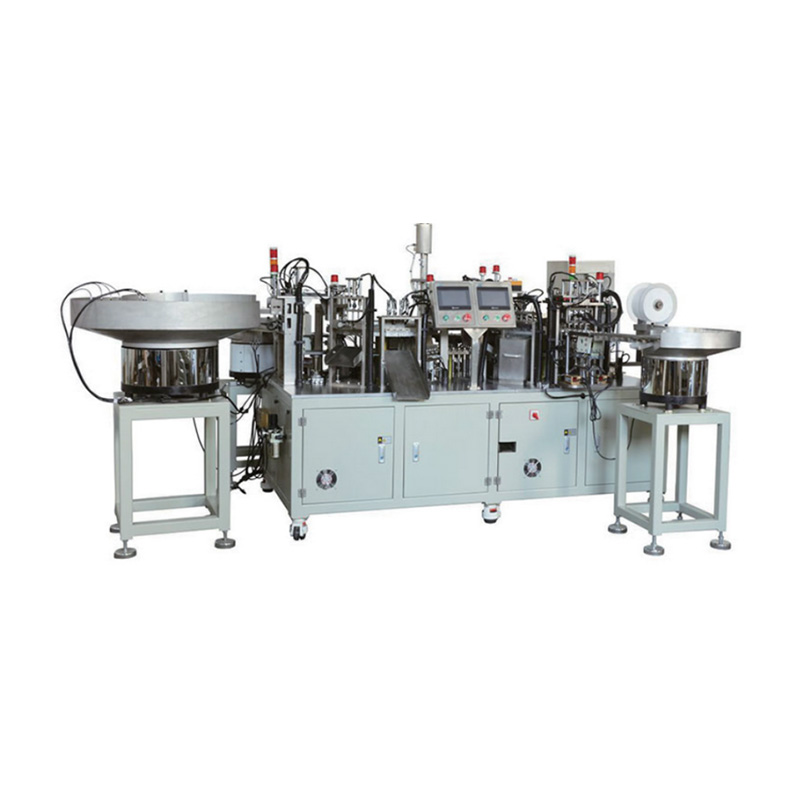
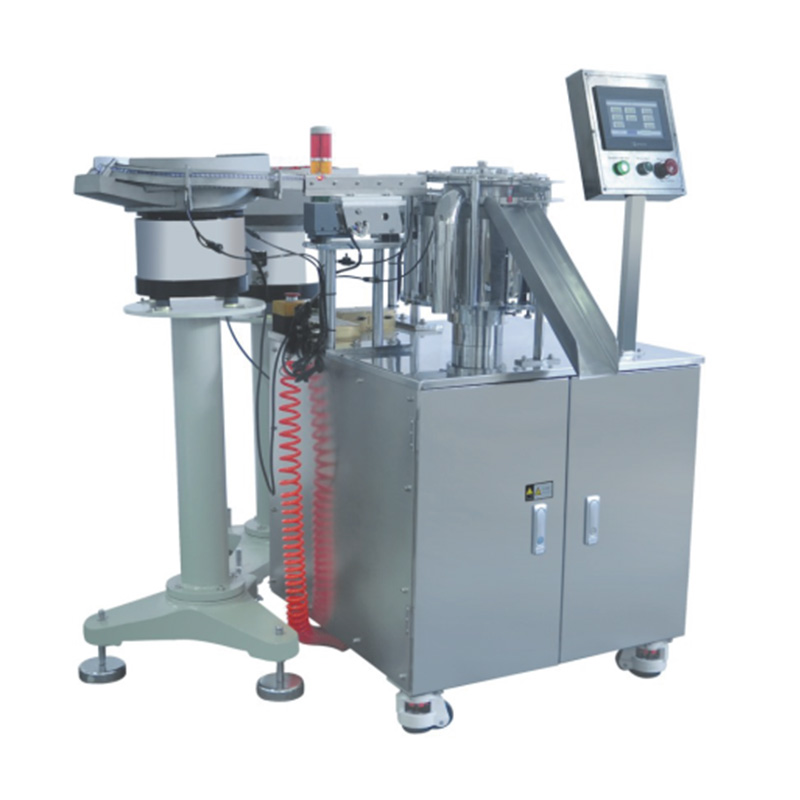
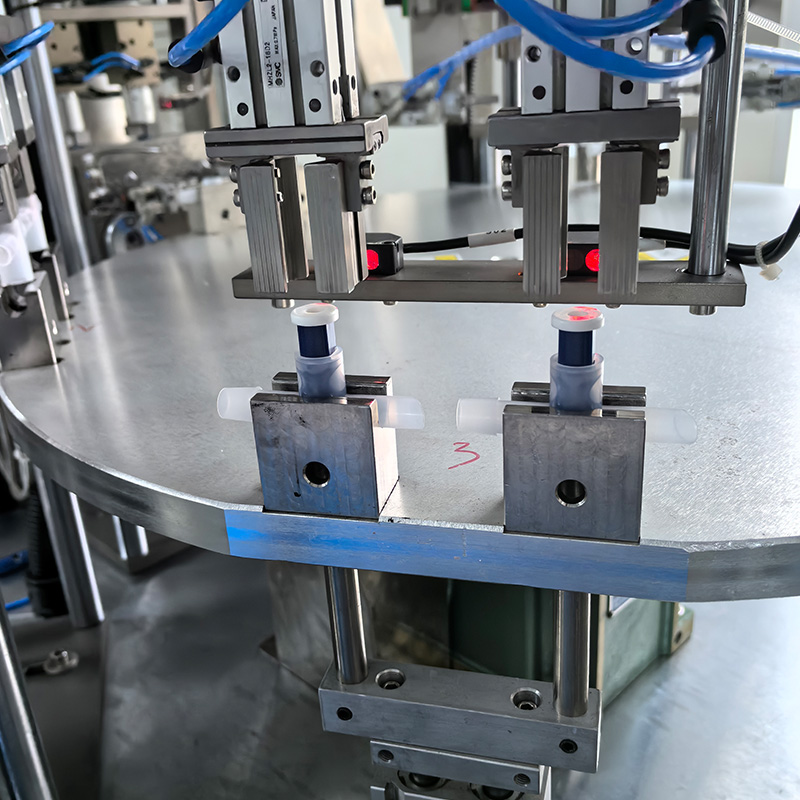
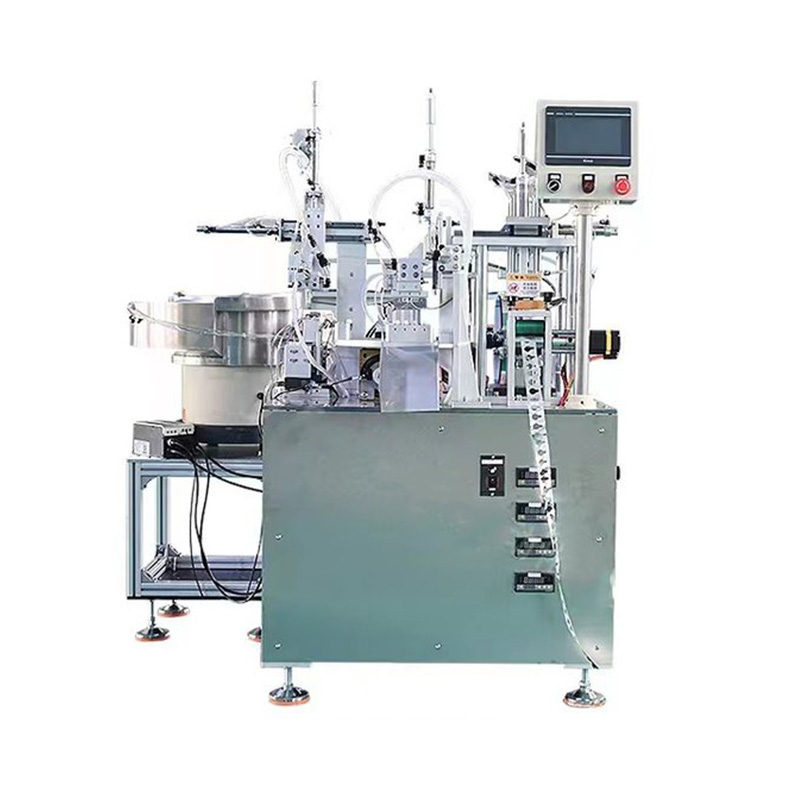
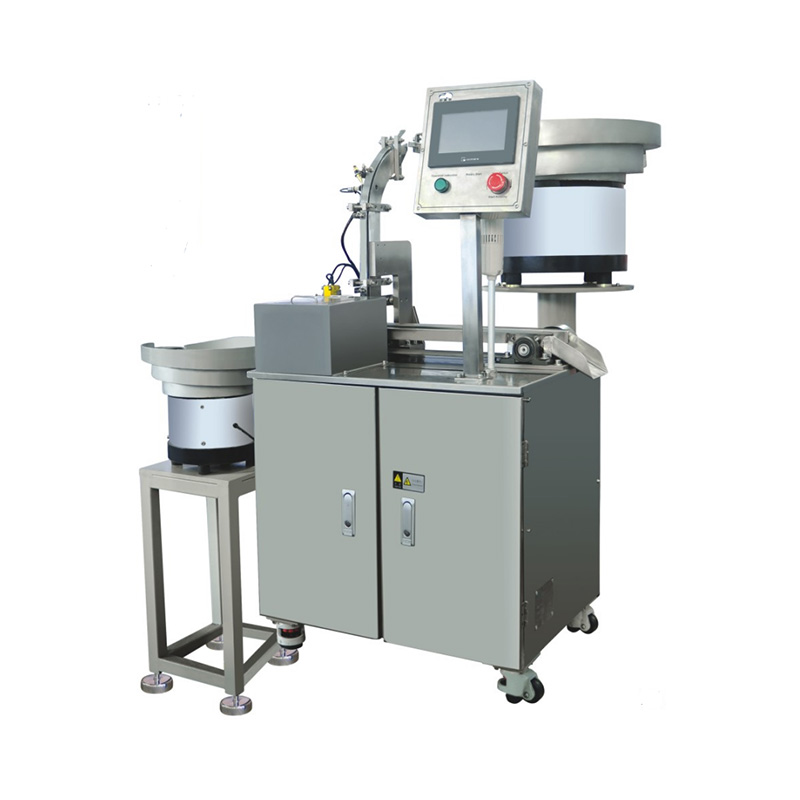
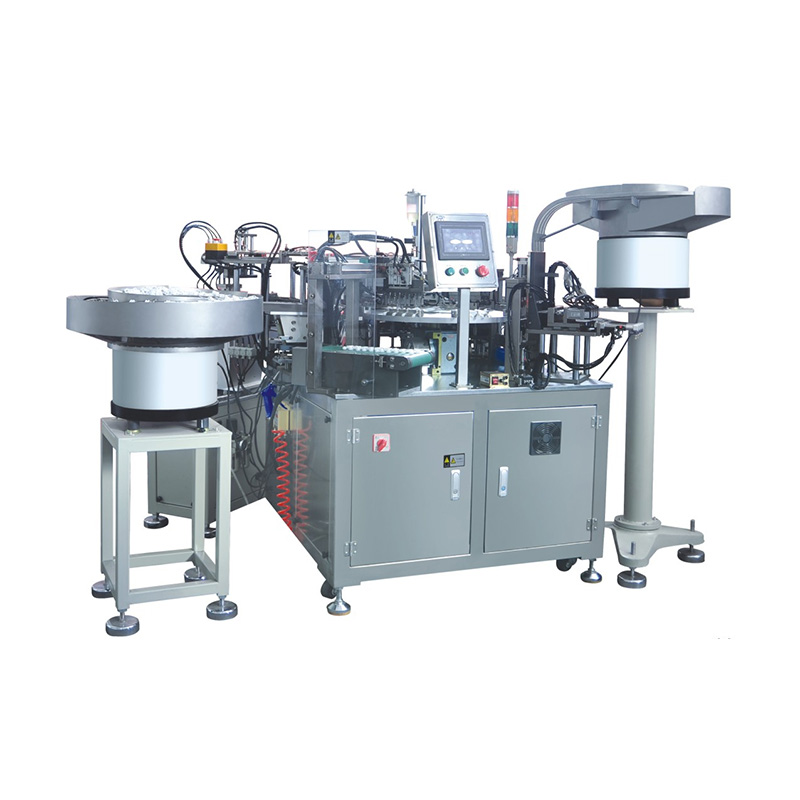
China Zhejiang Taizhou Ambe Trading Co., Ltd. is a manufacturer specializing in the production of medical equipment automation equipment.
Medical plastic manufacturing companies operate in a space where small details matter. Products often come into direct contact with patients, medical staff, or laboratory samples. There is little room for inconsistency. A slight flaw in shape, surface, or cleanliness can affect how an item performs in real use.
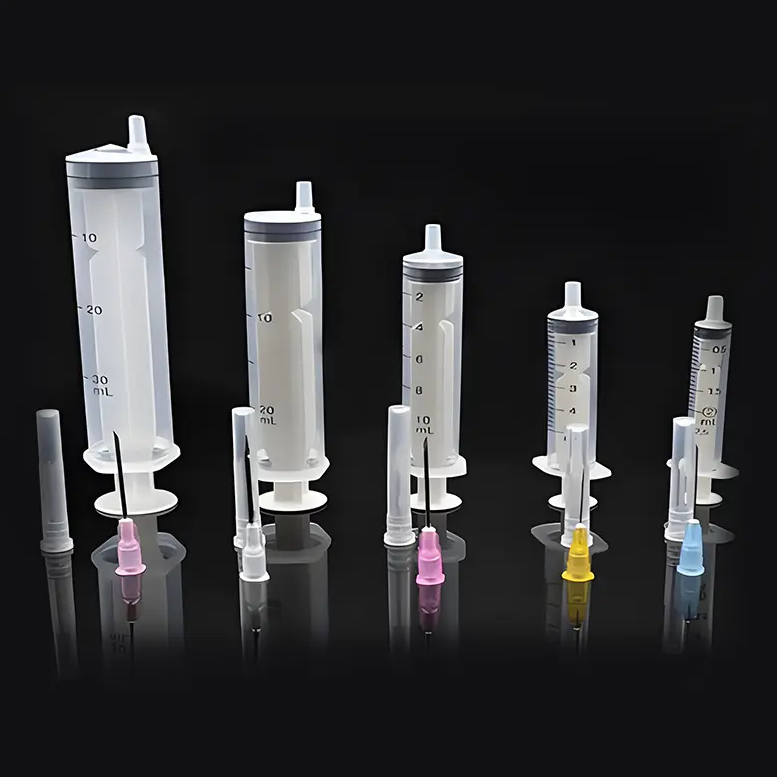
Safety is not treated as a single step. It is spread across material selection, production handling, environment control, inspection routines, and packaging. Each stage adds a layer of protection before a product reaches healthcare settings.
How Is Material Selection Linked to Product Safety?
Material choice is usually the starting point of safety control. Medical plastic products are made for different uses, so not every material behaves the same way.
Some materials are chosen for clarity. These are often used in laboratory containers or diagnostic tools where visibility matters. Others are selected for flexibility, especially in tubing or patient-contact products. Strength is also considered when items need to hold shape under pressure.
Manufacturers tend to match material behavior with real use conditions. A container used for sample storage may need a different material profile than a protective cover or a disposable tool.
Safety considerations begin early here. Materials are reviewed for stability and consistency. Anything that might react poorly under normal medical use conditions is avoided.
In many cases, materials are also tested for how they behave during shaping and cooling. This helps reduce variation in final products.
What Role Does Production Environment Play in Safety Control?
Production environments are controlled spaces. The goal is to limit unwanted particles and reduce outside interference during manufacturing.
Airflow, temperature balance, and surface cleanliness are monitored throughout production areas. Workers follow specific entry steps to reduce contamination risks. Even movement between zones is often structured.
Machines are placed in organized layouts. This reduces unnecessary handling of semi-finished items. Products often move through closed or guided systems rather than open exposure.
A simple table helps show how production areas are typically structured:
| Production Zone | Main Activity | Safety Focus |
|---|---|---|
| Raw material area | Storage and preparation | Clean handling and separation |
| Molding area | Shaping plastic products | Controlled environment stability |
| Assembly area | Connecting components | Reduced direct contact |
| Inspection area | Checking finished items | Visual and structural consistency |
| Packaging area | Final sealing and protection | Isolation from external exposure |
Each zone has a different role, but they are connected in sequence. Movement between them is controlled to reduce unnecessary exposure.
How Is Product Consistency Maintained During Manufacturing?
Consistency isn't just about quality — it's directly connected to safety. If parts vary too much in shape or structure, they might not fit correctly with other medical equipment or could behave unpredictably during use.
That's why manufacturers depend on stable, repeatable production processes. The same shaping methods are used over and over so that items from different production runs still match each other closely in size, shape, and performance.
Surface quality gets careful attention too. Rough edges or uneven spots aren't acceptable for medical use. Smooth, clean surfaces reduce the chance of residue building up and make cleaning or safe disposal much easier.
On the production floor, they usually do sample checks at several points along the line. This helps catch small variations early before the products move further along.
Even the packaging has to be consistent. If the sealing isn't reliable, the items could be exposed to outside contaminants before they're even used.
How Do Handling Practices Reduce Contamination Risk?
Handling is one of the most sensitive parts of production. Even if materials and machines are controlled, direct contact can introduce risk.
Manufacturers often reduce manual handling by using guided transfer systems. Products move through enclosed paths or trays instead of being carried openly.
Workers follow defined steps when interacting with products. Protective clothing and controlled entry areas are commonly used in production spaces.
There is also attention to contact points. Items are often designed so that handling areas are limited or clearly separated from functional surfaces.
Once products are shaped, they are rarely left exposed. They move quickly into protected storage or packaging stages.
This reduces the chance of dust, moisture, or other external elements affecting product surfaces.
What Inspection Methods Are Used Before Products Are Released?
Inspection is a repeated step rather than a single checkpoint. Products are reviewed at different stages to catch variation early.
Some checks focus on appearance. This includes surface smoothness, shape consistency, and visible defects. Others focus on structure, such as whether parts fit together correctly.
In many cases, inspection also involves simple functional testing. This does not involve complex equipment but focuses on whether the item behaves as expected during basic use simulation.
Rejected items are separated immediately. They do not return to the general production flow.
A typical inspection focus can be summarized as:
- Shape consistency and alignment
- Surface smoothness and clarity
- Proper sealing or closure
- Fit with related components
- Absence of visible defects
Inspection is often supported by repeated sampling. This helps maintain steady control without interrupting production flow.
How Is Packaging Used as a Safety Barrier?
Packaging isn't just the final step — it actually works as a real protective barrier between the factory and actual use on the patient side.
Right after production, medical plastic products are usually sealed in controlled packaging systems. These packages are made to protect the items from air, moisture, and extra handling once they leave the clean environment.
Some packaging is rigid to keep the shape safe during shipping and storage. Others are flexible but still tightly sealed to stop any contamination from getting in.
On top of protection, good packaging also helps with organization. Items that are often used together are grouped into single kits. This saves time in busy medical settings and reduces the chance of grabbing the wrong thing.
Most packages also have clear labeling areas so medical staff can see exactly what's inside without opening the seal, which keeps the contents protected longer.
How Do Manufacturers Manage Product Traceability Without Overcomplication?
Traceability in Medical Plastic Consumable Products manufacturing is handled in a structured but practical way. It is not about complexity, but about being able to follow a product's path from production to delivery.
Each batch of products is grouped during production stages. These groups move together through inspection and packaging. This makes it easier to track if any issue appears later.
Storage areas are often organized by production flow rather than random placement. This helps maintain order and reduces confusion during retrieval or shipment.
Documentation is kept simple and linked to production stages. The focus is on clarity rather than heavy detail.
If adjustments are needed in production, traceability helps identify where changes should be applied without affecting unrelated product groups.
How Is Staff Training Connected to Product Safety?
People involved in production play a direct role in maintaining safety standards. Training is not limited to one stage but continues across daily operations.
Workers are guided on how to handle materials, operate machines, and move products between zones. Small habits, such as how to touch surfaces or move trays, are part of routine practice.
Training also includes awareness of contamination risks. This helps reduce unintentional contact or improper handling during busy production cycles.
Supervisors often monitor workflow patterns rather than just output. This allows them to identify weak points in handling or movement.
In many facilities, training is updated gradually based on observed production behavior rather than sudden changes.
How Do Storage and Transport Conditions Affect Product Safety?
After production, storage becomes an important part of safety control. Products are usually kept in organized spaces where temperature, humidity, and exposure are kept stable.
Items are grouped based on production batches. This prevents mixing and helps maintain order during distribution.
Transport systems are designed to avoid direct exposure during movement. Packaging integrity plays a key role here, as it keeps items protected even when they move between different environments.
Some products are stored in layered arrangements to prevent pressure damage. Others are placed in separate compartments to avoid contact between items.
Even short transport routes are treated carefully, since movement can affect packaging stability if not managed properly.
How Do Continuous Adjustments Support Long-Term Safety Control?
Safety management in medical plastic manufacturing is not fixed. It changes gradually based on production feedback and usage patterns.
If small inconsistencies appear, adjustments are made in shaping processes or handling steps. These changes are usually focused on specific stages rather than entire systems.
Manufacturers also observe how products perform in real use environments. This helps guide improvements in design, material handling, or packaging structure.
Changes are often subtle. Instead of large shifts, small refinements are introduced to maintain steady product behavior.
Over time, these adjustments help keep production aligned with real healthcare needs, while maintaining stable safety conditions across different product types.