
 English
 русский
 Español


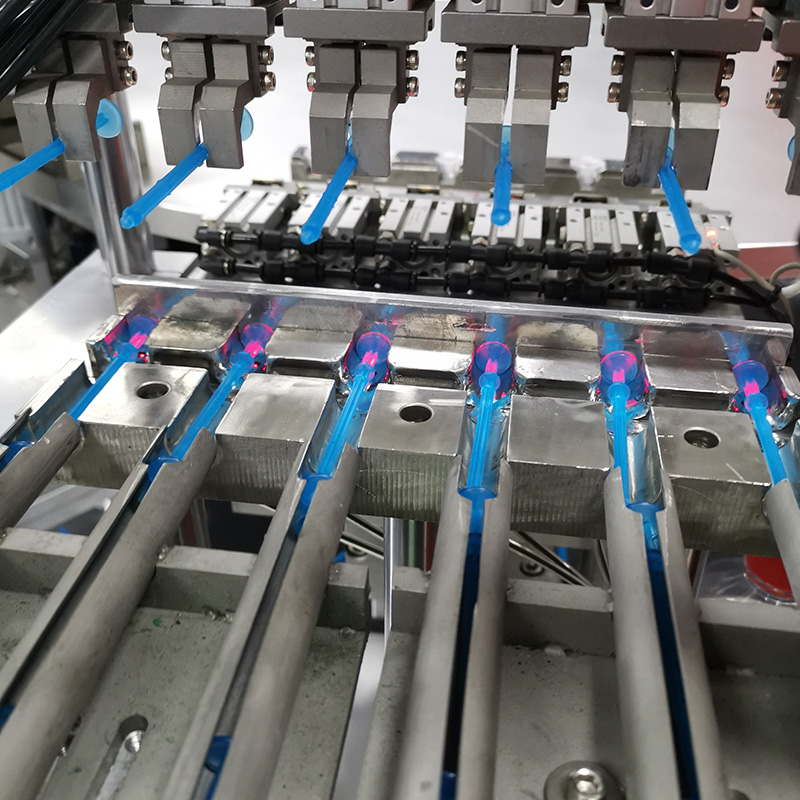
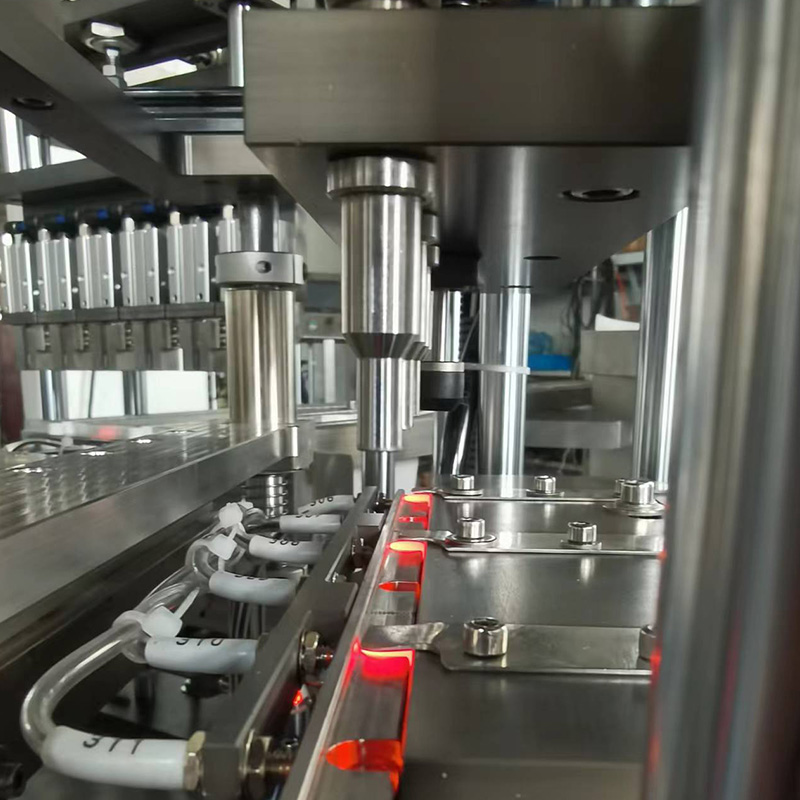
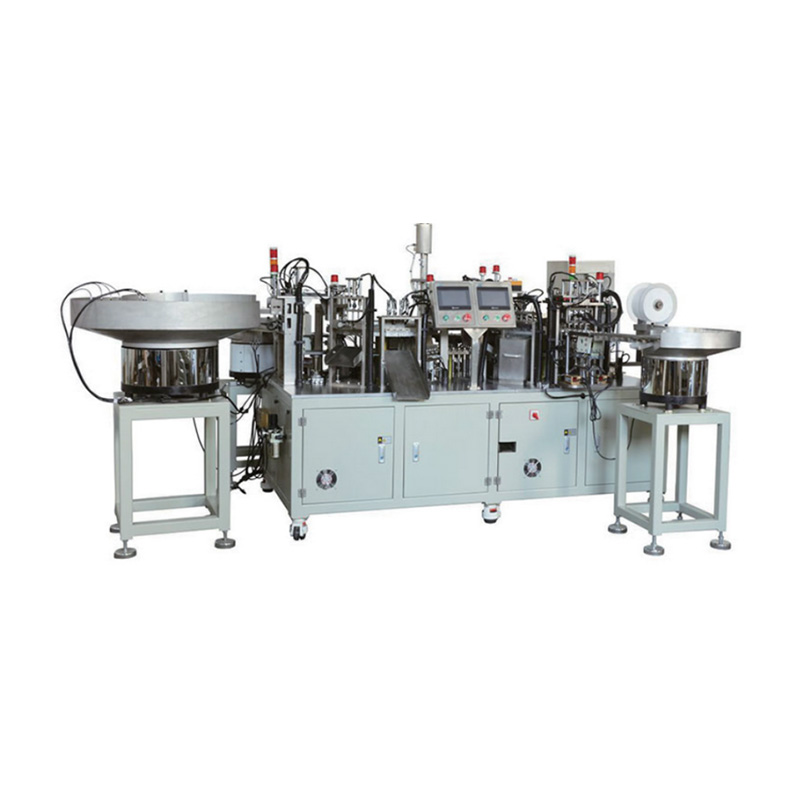
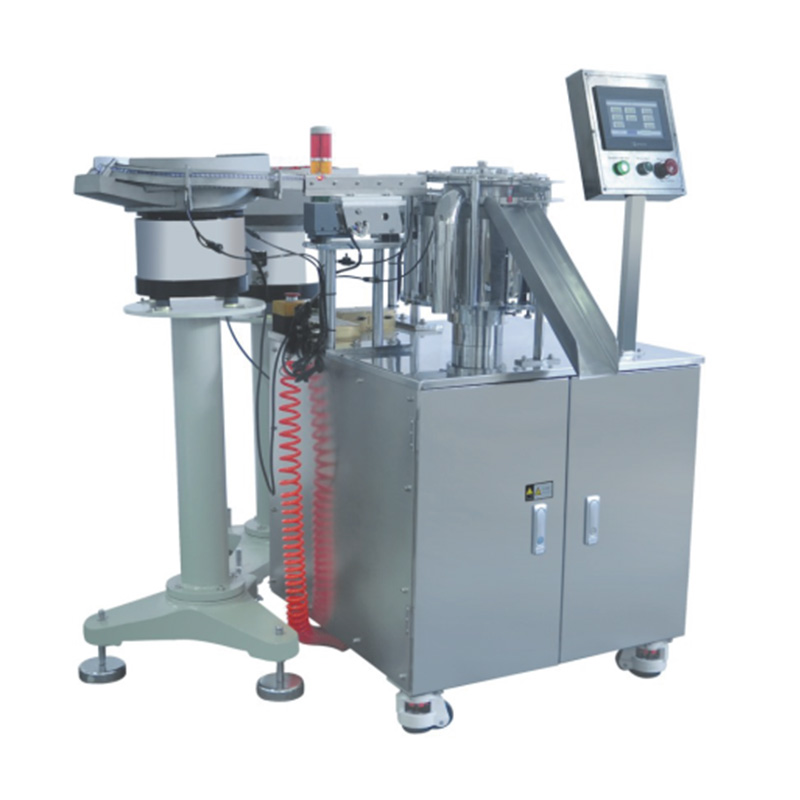
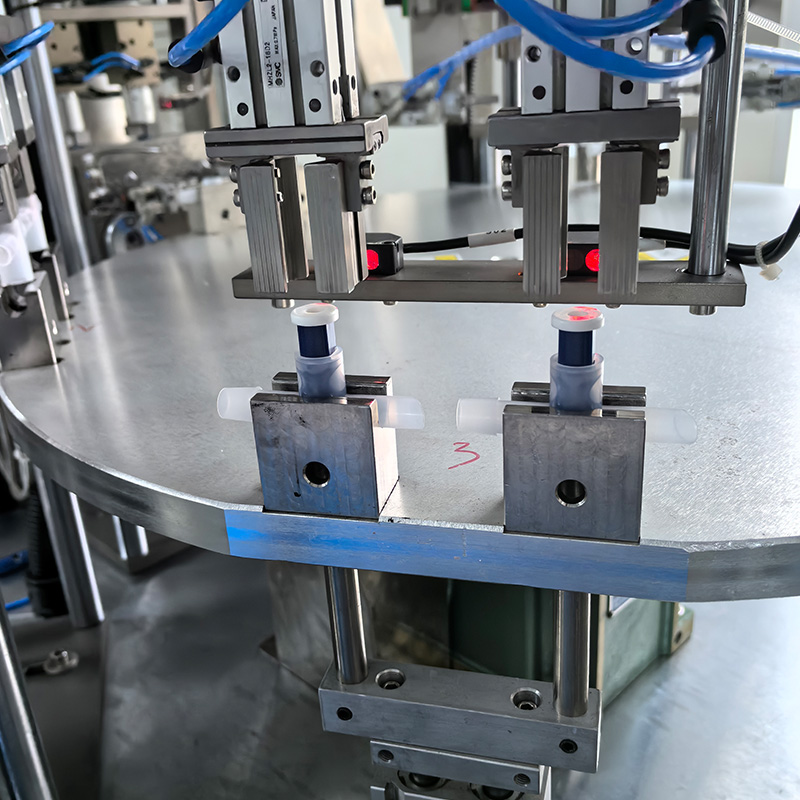
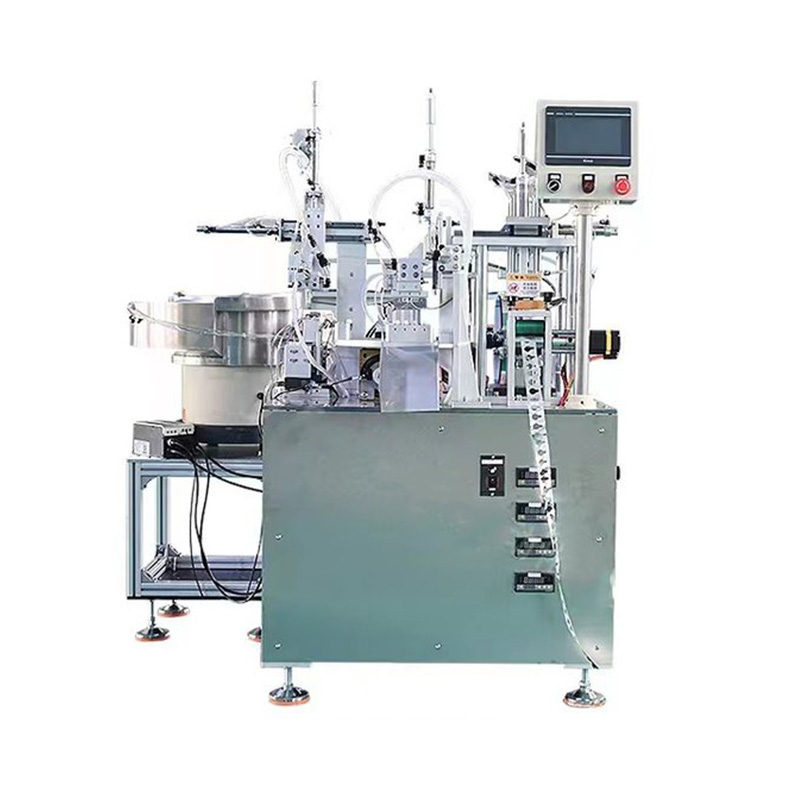
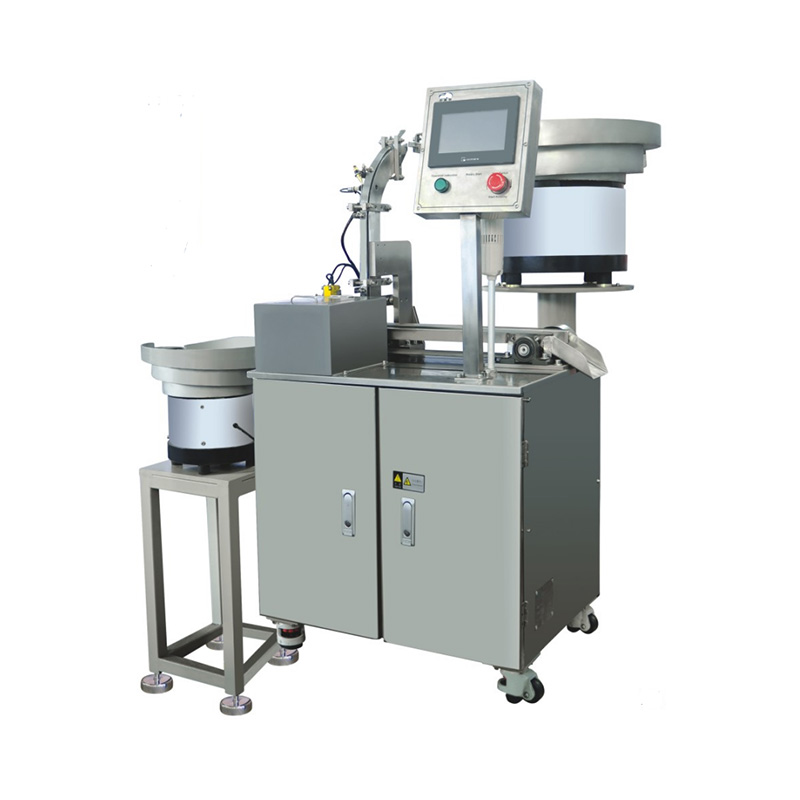
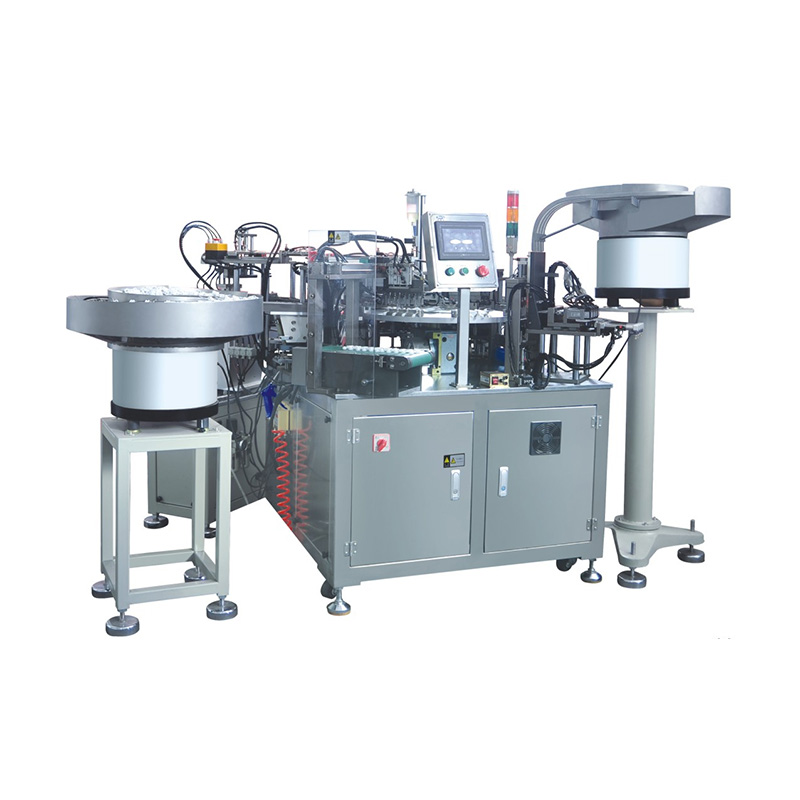
China Zhejiang Taizhou Ambe Trading Co., Ltd. is a manufacturer specializing in the production of medical equipment automation equipment.
Why do syringe systems depend so heavily on plastic medical equipment manufacturers ?
Disposable syringe systems look simple from the outside. A barrel, a plunger, a connector, and packaging that keeps everything protected. In practice, the structure behind them is not simple at all.
Plastic medical equipment manufacturers sit in the middle of this process. They turn raw materials into stable components, then move them into supply channels that reach healthcare environments. Their work connects production floors with clinical use in a continuous loop.
What makes this role important is not only production volume. It is consistency. Syringe systems are used repeatedly in daily healthcare routines. Even small variation can affect usability. That is why manufacturing is built around repetition and control rather than variation.
What exactly happens inside syringe system manufacturing?
The process is not a single action. It is a chain of connected steps that must stay aligned.
Manufacturers usually work through several layers:
- forming plastic components used in syringe structures
- shaping transparent barrels for visibility and control
- preparing plungers that move smoothly within the barrel
- assembling parts into a unified disposable system
- preparing packaging for storage and transport
Each step depends on the one before it. If one stage becomes unstable, the next stage has to adjust. Over time, this can affect overall flow.
What stands out is the steady rhythm of production. Syringe systems are not made in isolated batches. They move in continuous cycles that follow demand from healthcare users.
How do manufacturers support reliability in medical use?
Reliability in syringe systems is not about complexity. It is about repeatable behavior.
A healthcare worker expects the same movement every time. Smooth pushing, stable structure, predictable response. Plastic medical equipment manufacturers work to maintain this consistency across large production runs.
This is achieved through controlled production environments and strict internal routines. Instead of frequent redesign, the focus stays on stable output.
Key attention areas include:
- consistent shape across all components
- smooth interaction between moving parts
- secure fitting between connected sections
- packaging that protects during transport and storage
The goal is simple. Every unit should behave the same way in real use conditions.
How does production planning influence supply availability?
Syringe systems are not occasional products. They are used in a constant flow across healthcare systems. This creates a steady demand pattern that manufacturers must follow closely.
Production planning becomes a balancing act. Too much output can lead to storage pressure. Too little can create shortages in medical environments.
Manufacturers adjust production in small steps rather than large shifts. This helps keep the system stable.
Planning usually involves:
- matching output with ongoing demand signals
- adjusting internal production timing
- organizing short-term storage before shipment
- coordinating delivery schedules with logistics partners
The rhythm of production is closely tied to usage patterns. When they move together, supply remains smooth.
What role does material selection play in syringe systems?
All syringe setups rely entirely on the materials they are built from, and those materials need consistent, reliable performance both while being made and out in clinical use.
Factories that produce plastic medical gear pick raw materials after testing how they hold up through every stage of a product's lifespan. This covers molding parts, putting pieces together, shipping finished goods, and regular handling inside hospitals and clinics.
Teams rarely swap out materials on a whim; choices around raw components shift gradually over time instead.
When picking suitable materials, factories weigh several key practical factors:
- Sturdy structure that stays intact through repeated operation
- Seamless movement between the syringe's internal components
- Clear, transparent bodies that let staff view fluid levels easily
- Toughness to stop warping or damage while being shipped
Even tiny tweaks to the material formula need thorough testing first. Any minor change can create ripple effects that disrupt the whole manufacturing workflow.
How do manufacturers support supply chain movement?
Syringe systems travel through several stages before reaching healthcare settings. Raw materials enter production, finished systems move into storage, then into distribution channels.
Manufacturers are present at every step of this movement.
They help coordinate:
- material intake from suppliers
- timing of production cycles
- packaging before storage
- preparation for transport
- alignment with downstream demand
If any part of this chain becomes uneven, the effect can spread forward. That is why coordination is just as important as production itself.
What challenges appear in syringe system manufacturing?
Even with stable systems, challenges are always present.
One of the most noticeable is demand fluctuation. Healthcare needs do not always follow a fixed pattern. Changes in usage can affect production planning.
Another challenge is maintaining uniformity across long production cycles. Small shifts in process conditions can influence output consistency.
There is also coordination pressure. Materials, production, storage, and transport all need to stay aligned. When one side moves faster or slower than the others, adjustments are required.
Manufacturers usually respond with gradual changes rather than large corrections. This helps avoid disruption in supply flow.
How does distribution affect real-world availability?
Production alone does not determine availability. Distribution plays a major role in how quickly syringe systems reach healthcare users.
Once products leave manufacturing sites, they enter storage and transport stages. Each stage requires careful handling.
Manufacturers often coordinate with logistics partners to keep movement steady.
Important points include:
- safe handling during transport
- controlled storage conditions before delivery
- timing shipments based on demand cycles
- protecting product integrity during movement
Even when production is stable, delays in distribution can affect availability in healthcare settings.
A simple view of the syringe system supply chain
| Stage | Manufacturer involvement | Result in supply flow |
|---|---|---|
| Material input | Selection and preparation | Stable production start |
| Production | Component forming and assembly | Consistent output |
| Storage | Short-term holding | Flow balance control |
| Distribution | Coordination with logistics | Delivery timing control |
| Healthcare use | Final application | System demand cycle |
Each stage is connected. None of them works independently for long.
How do healthcare expectations influence manufacturing behavior?
Healthcare environments depend on predictability. Syringe systems must be available when needed and perform in a consistent way.
This expectation influences manufacturing routines. Plastic medical equipment manufacturers often prioritize stability over rapid change.
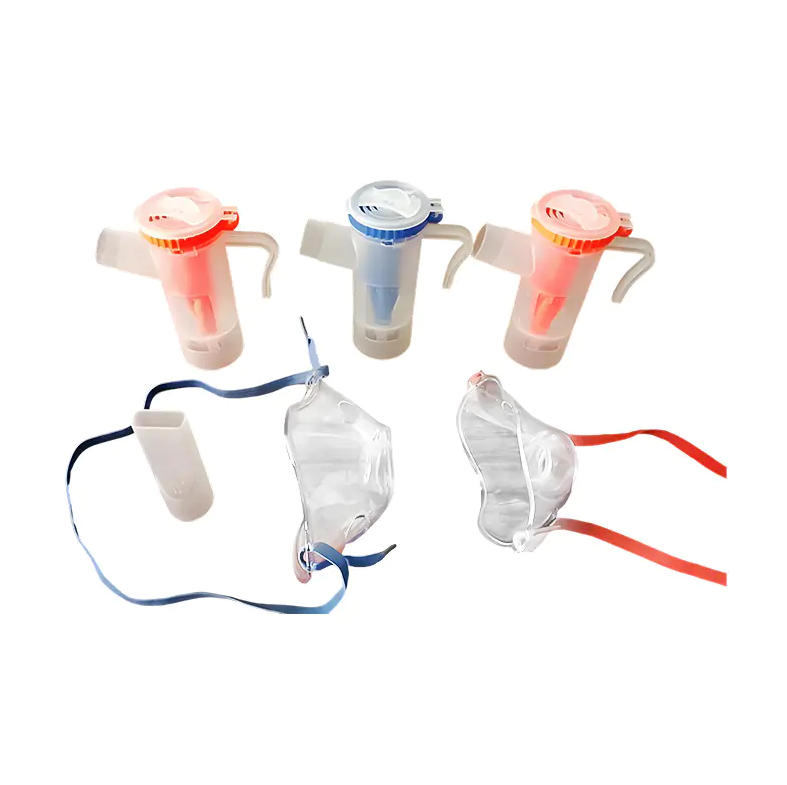
Production systems are designed to reduce variation. Communication with supply partners is also becoming more structured, allowing clearer planning.
Over time, this creates a system where expectations and production behavior move closer together.
Why is continuous demand important for production rhythm?
Syringe systems are used every day in many healthcare settings. This creates a continuous demand cycle rather than occasional spikes.
Manufacturers respond with ongoing production flow. Instead of stopping and starting, systems run in repeated cycles.
This rhythm includes:
- steady material preparation
- continuous component forming
- repeated assembly operations
- regular packaging and storage movement
When rhythm is stable, supply chains can function without interruption.
How do manufacturers balance stability with flexibility?
Both stability and flexibility are needed at the same time.
Stability keeps production consistent. Flexibility allows response to changing demand.
Manufacturers manage this by making small adjustments instead of large changes. Production may increase gradually or slow down slightly depending on signals from the supply chain.
This approach avoids disruption while still allowing movement. It keeps the system adaptable without losing structure.
How does the manufacturer's role extend beyond production?
Plastic medical equipment manufacturers are not only production units. Their influence continues after manufacturing ends.
They take part in packaging decisions, storage planning, distribution coordination, and supply chain communication. These steps shape how smoothly syringe systems move toward healthcare use.
Even though much of this work happens behind the scenes, it directly affects availability and consistency in medical environments.