
 English
 русский
 Español


China Zhejiang Taizhou Ambe Trading Co., Ltd. is a manufacturer specializing in the production of medical equipment automation equipment.
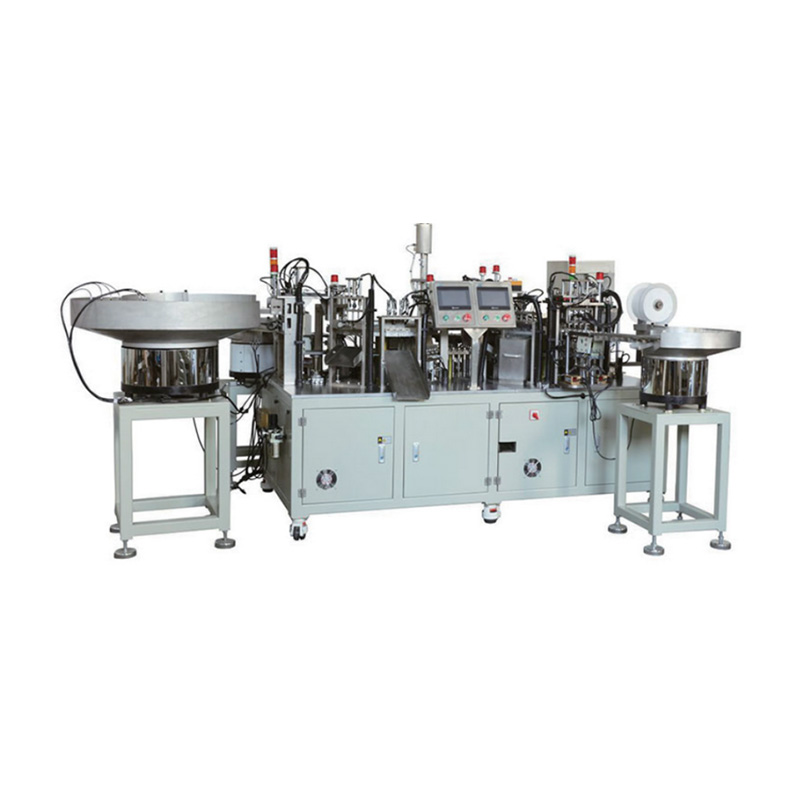
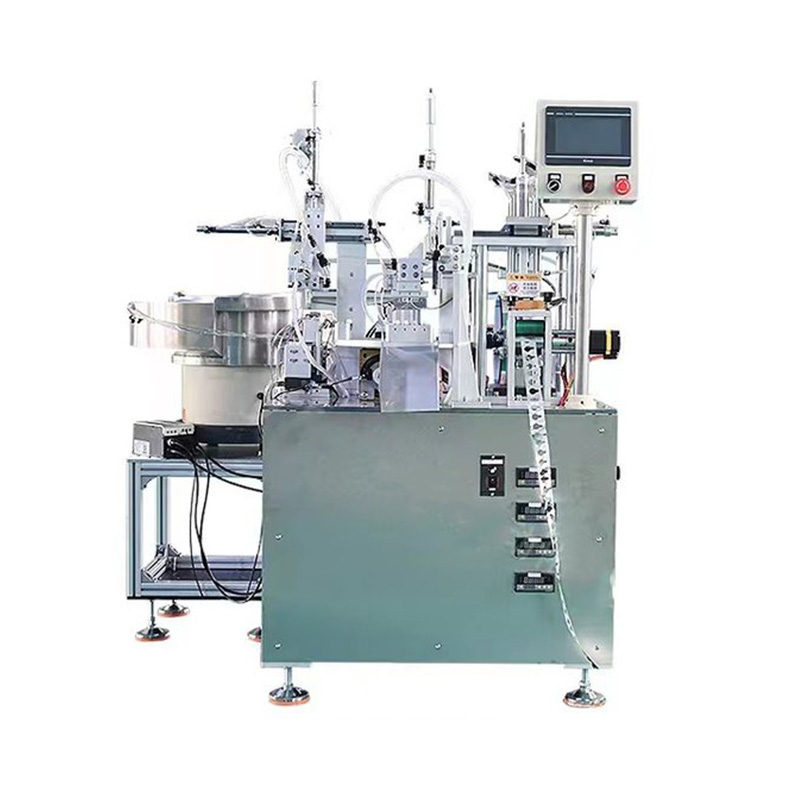
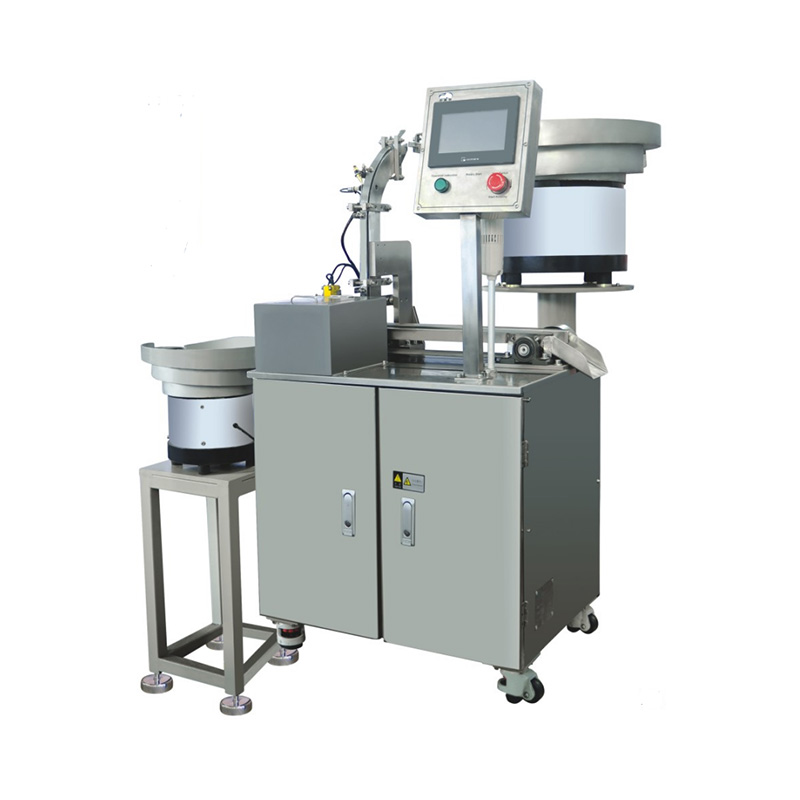
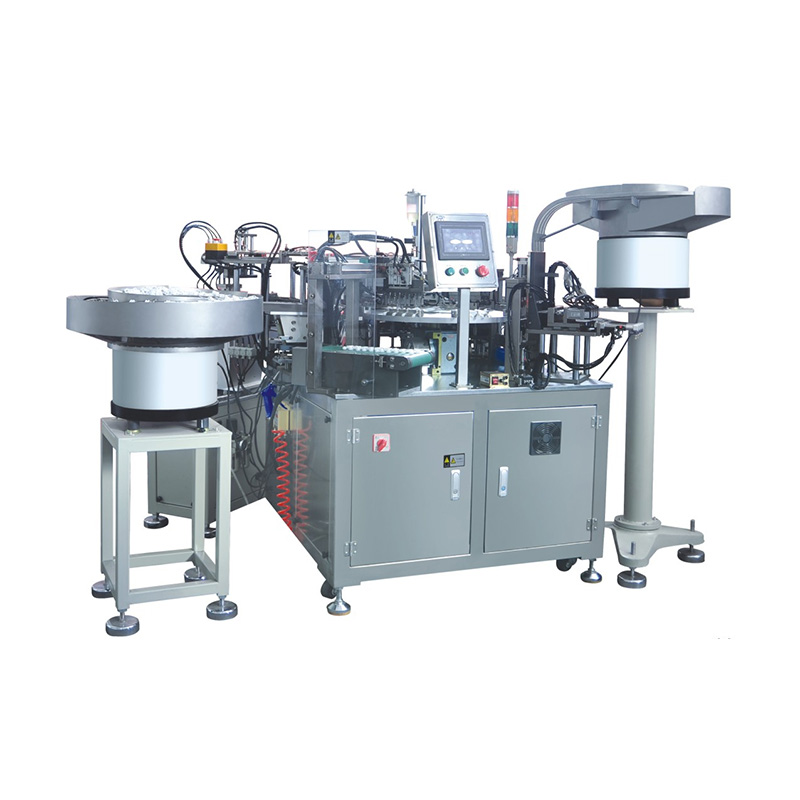
In many workshops today, the sound of production has changed. It feels more controlled. Movements are quieter. Steps follow one another in a steady rhythm. In this environment, automatic needle assembly machine have become part of a wider shift in how work is organized.
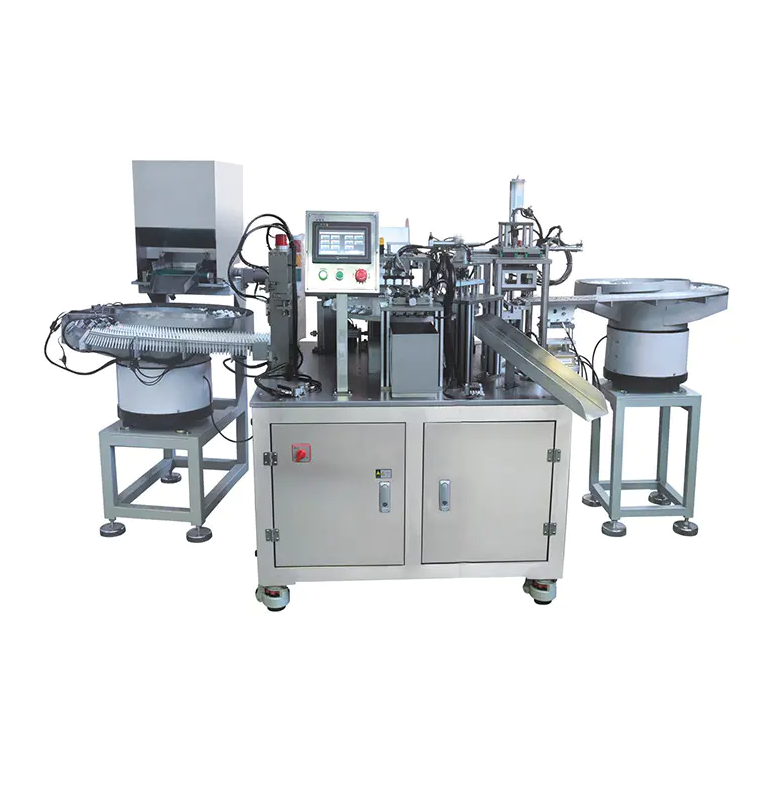
The focus is no longer only on output. It is also on how each stage connects. A smooth workflow often makes a bigger difference than raw speed. When the process feels stable, everything else becomes easier to manage.
How Does The Workflow Take Shape At The Start?
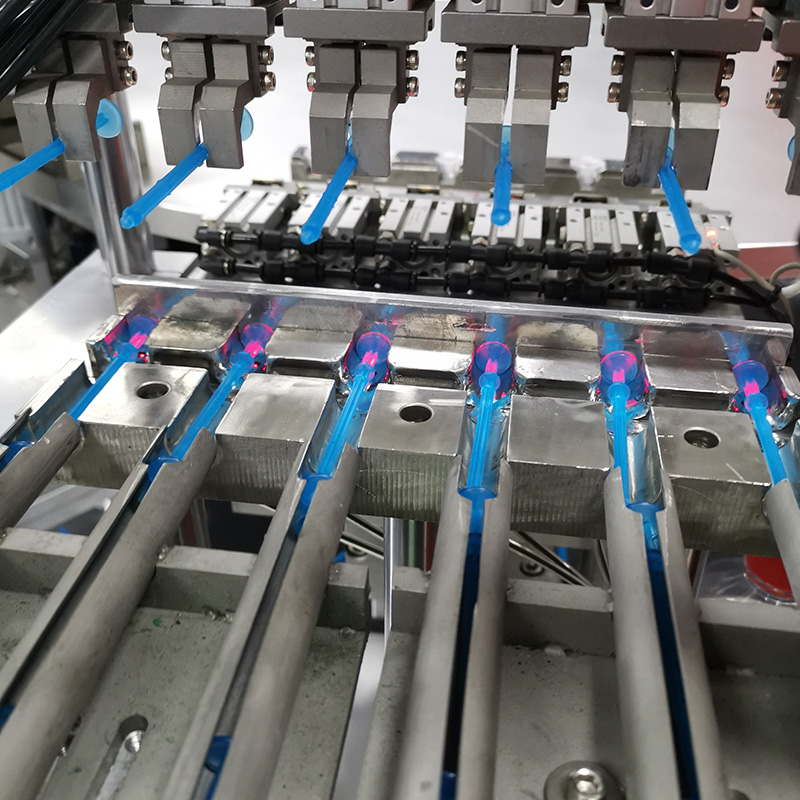
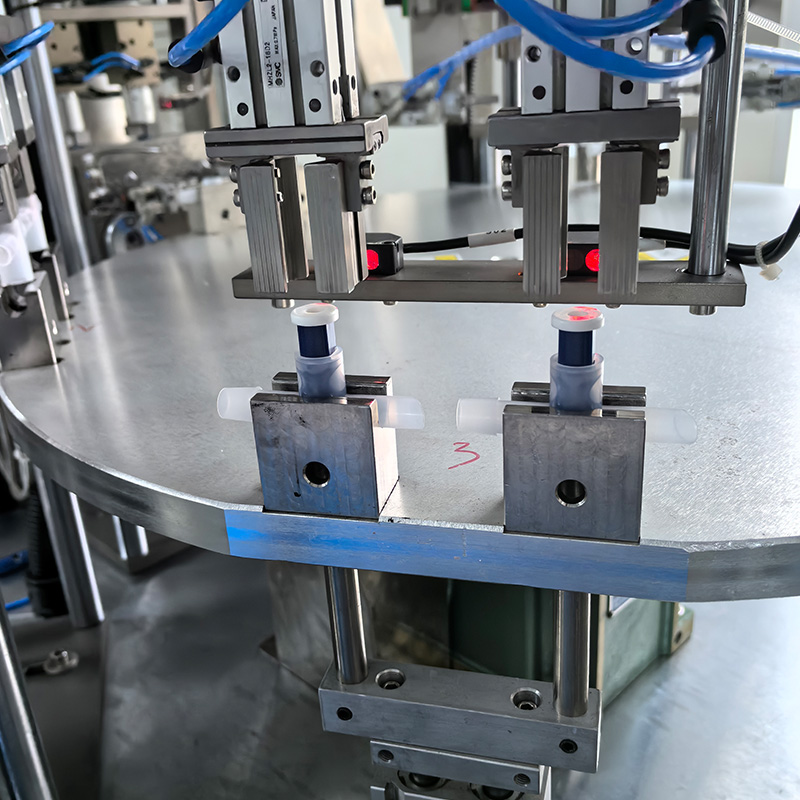
Every process begins with preparation. Components do not simply enter a machine at random. They are guided into place. Orientation matters. Position matters. Even small misalignment at the beginning can create trouble later.
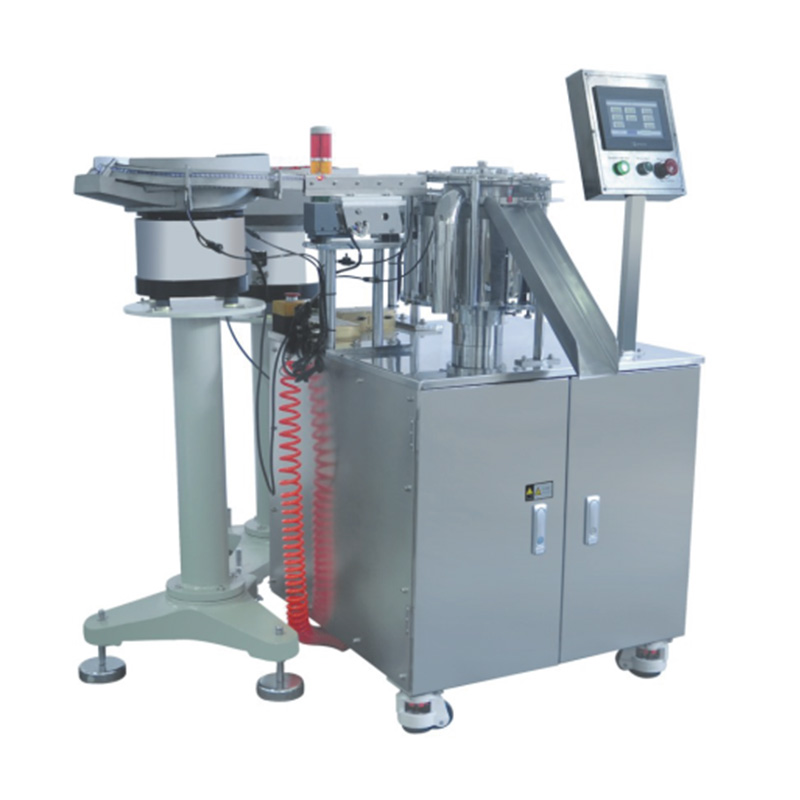
Feeding systems are designed to keep things orderly. Parts move forward in a consistent direction. There is a sense of quiet control in this stage. Nothing dramatic happens, yet it sets the tone for everything that follows.
Workers often pay close attention here. If materials arrive in a steady way, the rest of the line tends to behave more predictably. When something feels off at the start, it usually shows up again downstream.
What Does The Assembly Stage Feel Like In Practice?
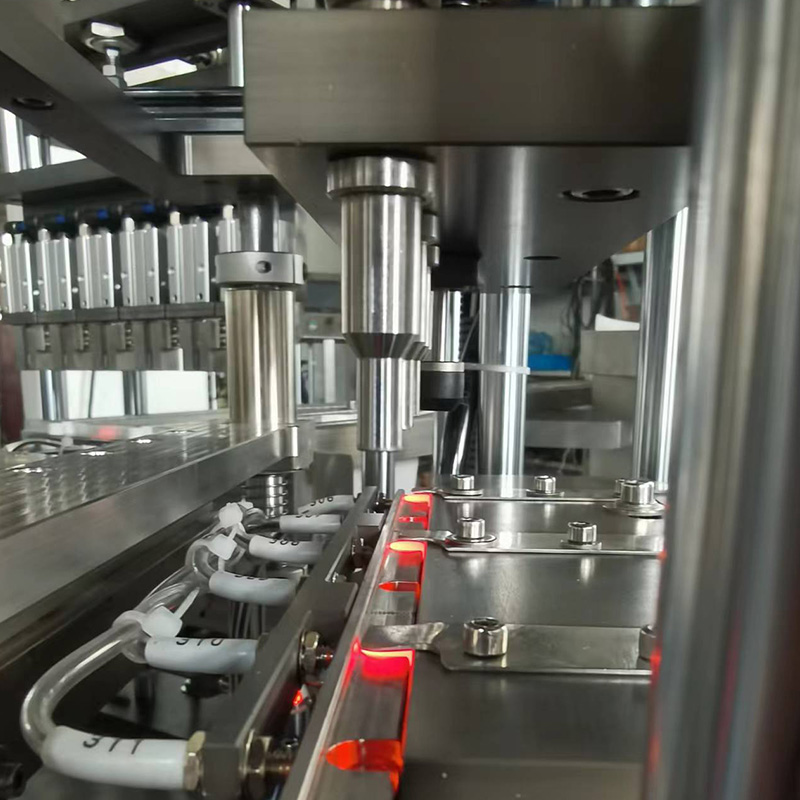
Once components are in place, the assembly stage begins. From the outside, it may look repetitive. Inside the process, it is more nuanced.
Each action has its own timing. Parts come together in a sequence that repeats again and again. The goal is not speed alone. It is steady repetition with minimal variation.
There is also a sense of flow. Movements are short. Transitions are quick. The machine does not rush, yet it does not pause without reason.
Operators often describe this stage as something you can "feel." When the rhythm is right, the process runs almost like a quiet loop. When something shifts, even slightly, the change is noticeable.
How Do Different Stages Stay Connected?
A production line works as a chain. Each section depends on the one before it. If one slows down, others feel the effect.
To avoid disruption, the workflow is often divided into clear segments. Each segment handles a single task. The connection between them is just as important as the task itself.
Here is a simple way to look at how these stages interact:
| Section | What It Handles | How It Feels In Motion |
|---|---|---|
| Material Feed | Brings in components | Calm and consistent |
| Alignment | Adjusts position | Careful and controlled |
| Assembly | Joins parts | Repetitive and smooth |
| Checking | Observes condition | Light and continuous |
| Output | Moves items onward | Steady and uninterrupted |
When these sections work together, the line develops a natural rhythm. Interruptions become less frequent. The process feels easier to follow.
Why Does A Steady Pace Often Work Better Than A Fast One?
There is a common belief that faster always means better. In real production settings, that idea does not always hold.
A steady pace allows each step to settle. Components are handled with more care. The system experiences fewer sudden changes.
When machines run too fast, small issues can grow quickly. A slight misalignment can turn into repeated errors. Slowing down slightly often brings more stable results.
Many operators prefer a pace that feels balanced. Not slow, not rushed. Just consistent. That balance supports both output and reliability.
How Do People Stay Involved In An Automated Process?
Automation does not remove people from the process. It changes their role.
Instead of handling each item, workers observe patterns. They watch how the system behaves over time. A pause, a slight shift in timing, or a repeated irregular movement can signal something worth checking.
Their tasks often include:
- Watching the flow of materials
- Noticing changes in rhythm
- Making small adjustments when needed
- Communicating with nearby sections
This kind of involvement keeps the process flexible. Machines follow routines. People respond to variation.
What Shapes Production Efficiency Over Time?
Efficiency is not fixed. It develops through daily operation. Small factors build on each other.
Some of the influences are easy to notice:
- Materials that move smoothly through the system
- A workflow that avoids unnecessary stops
- Clear transitions between stages
- Quick responses to minor issues
Other factors are less visible. The way operators communicate. The layout of the workspace. The habits formed over time.
These elements work together quietly. When they align, the process feels stable. When they drift apart, the system becomes harder to manage.
How Is Quality Observed Without Slowing Everything Down?
Quality checks do not always require stopping the line. In many cases, they are built into the process itself.
Small observations happen along the way. Some are visual. Others rely on simple signals. The idea is to notice changes early.
Instead of waiting until the end, the system keeps an eye on each stage. If something begins to shift, it is easier to respond before it spreads.
This approach keeps the workflow moving while still maintaining control over the result.
Can The Workflow Adjust When Production Needs Change?
Production conditions do not stay the same. Orders vary. Product details shift. The workflow needs to adapt.
Adjustments are usually made in small steps. Timing may change slightly. Feeding patterns may be refined. Output handling may be rearranged.
These changes are often gradual. A sudden shift can disturb the rhythm of the line. Careful adjustment helps maintain stability while responding to new demands.
Flexibility here is not about constant change. It is about the ability to respond without losing balance.
How Does Physical Layout Influence Daily Operation?
The arrangement of machines affects how people and materials move. A clear layout reduces confusion. It makes the process easier to follow.
Equipment is often placed in a sequence that matches the workflow. Paths remain open. Access points are easy to reach.
When the layout supports the process, operators spend less time navigating the space. They can focus more on observation and adjustment.
Even small layout changes can make the environment feel more organized.
How Do Small Adjustments Build A More Stable System?
Long-term efficiency rarely comes from a single change. It grows through many small improvements.
A smoother transition between stages. A more consistent material feed. A clearer observation routine. Each of these adds a small layer of stability.
Over time, these layers build a process that feels more predictable. Interruptions become less common. The workflow gains a sense of continuity.
Operators often notice these changes gradually. The system does not transform overnight. It evolves through daily attention.
How Does This Reflect Broader Changes In Manufacturing?
The use of automatic needle assembly machines reflects a wider trend. Production is becoming more structured. Movements are more controlled. Processes are easier to repeat.
There is less focus on manual handling. More attention is given to how each step connects. The idea is to create a flow that can run with minimal disruption.
This shift affects not only machines, but also how people think about production. Stability, rhythm, and balance are becoming central ideas in many workshops.
The workflow continues, step by step. Each movement connects to the next. The process carries on in a steady and quiet way.