
 English
 русский
 Español


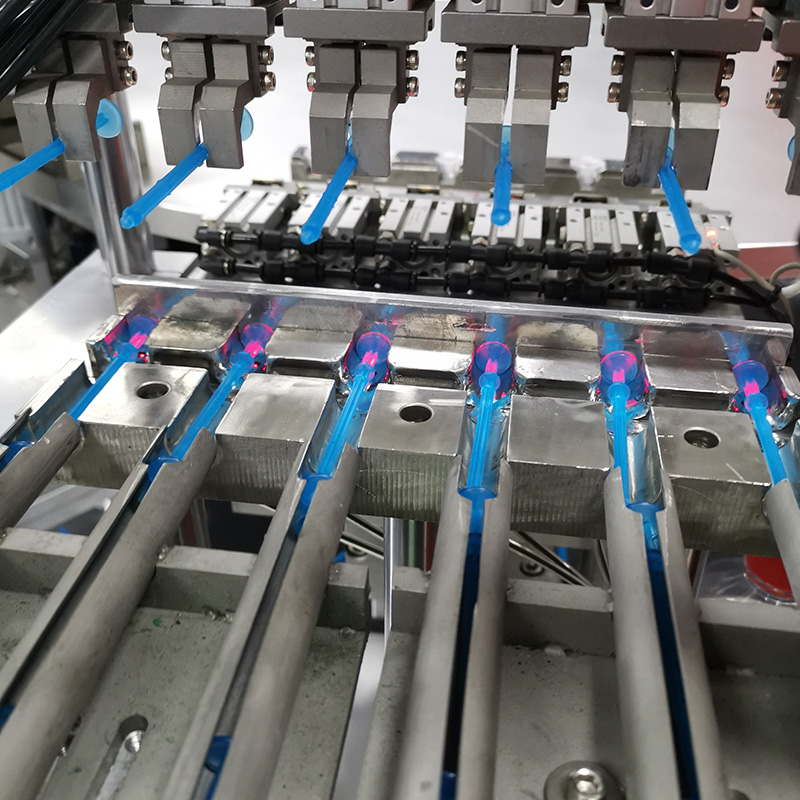
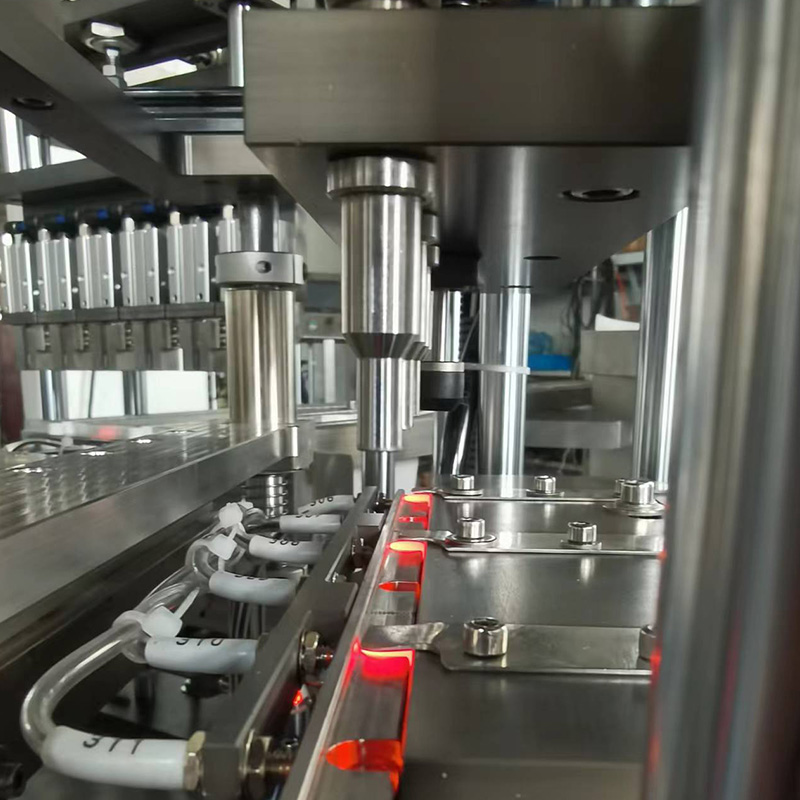
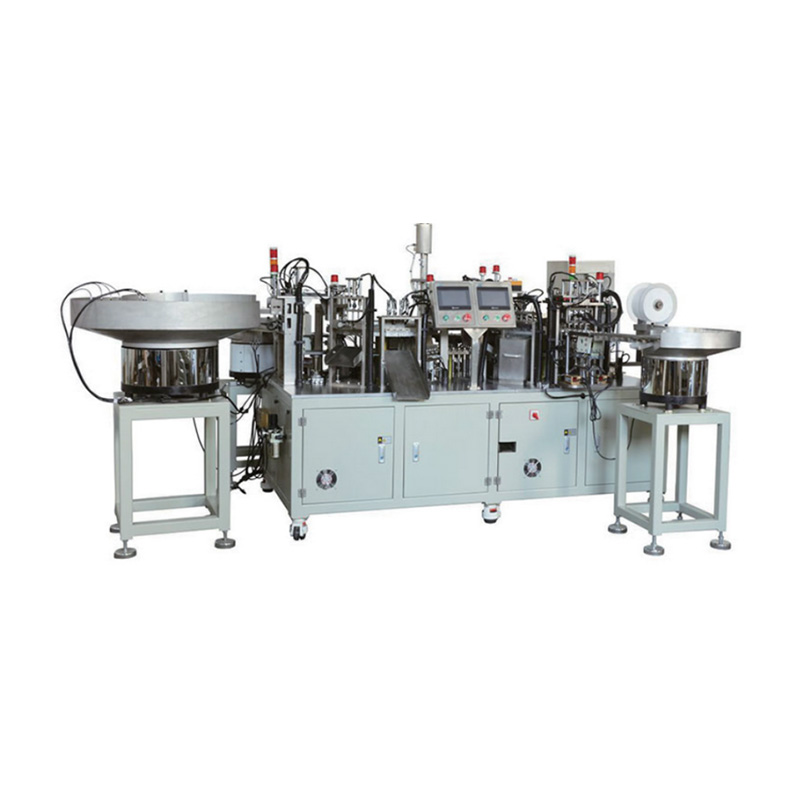
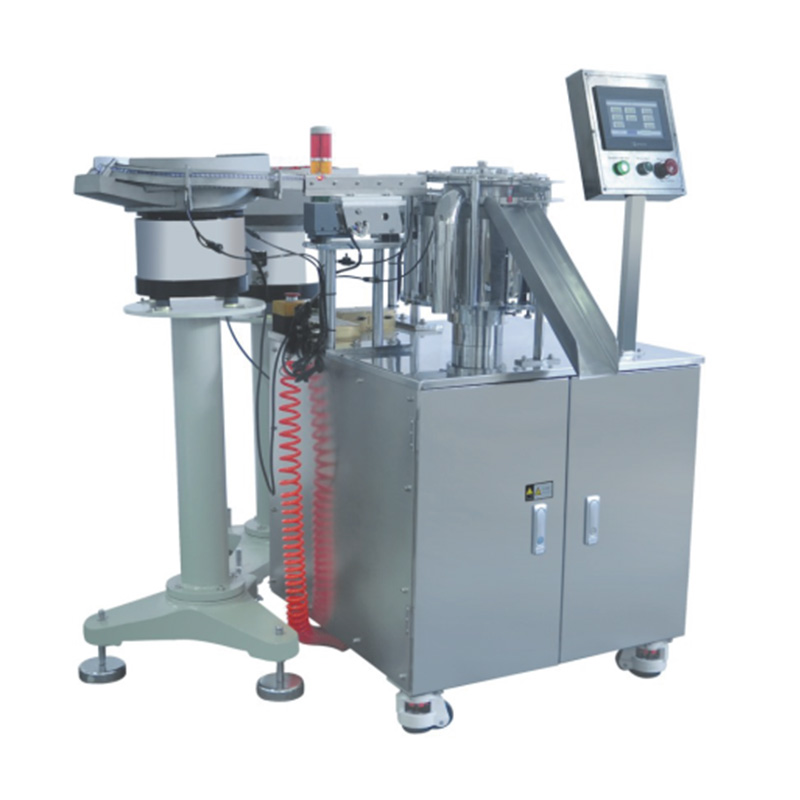
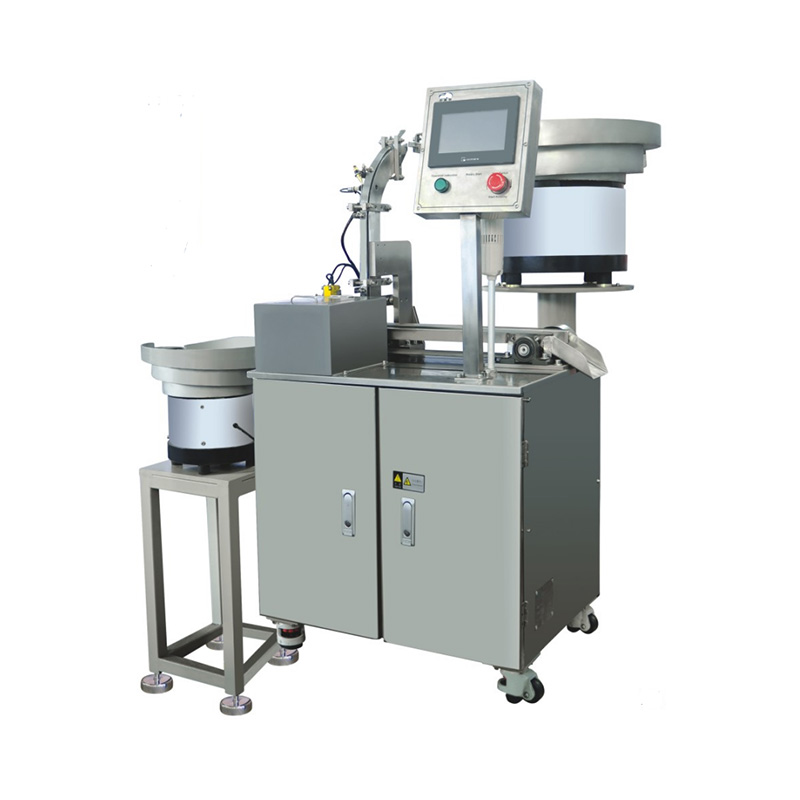
China Zhejiang Taizhou Ambe Trading Co., Ltd. is a manufacturer specializing in the production of medical equipment automation equipment.
Medical device manufacturing is moving toward higher automation levels as market demand grows. Syringe production requires stable assembly quality, continuous workflow, and reliable inspection systems. A modern production workshop benefits from structured robotic integration and digital monitoring.
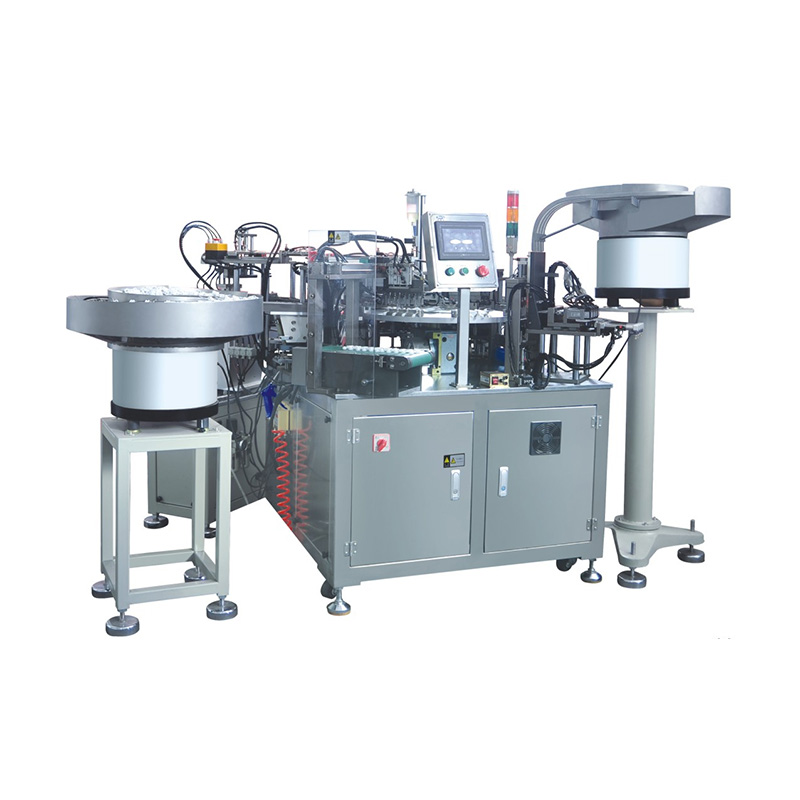
A Fully Automated Production Line for Syringes integrates multiple production stages into one coordinated system. Instead of separating processes into independent workshops, the production line connects material feeding, assembly, inspection, and packaging operations. This design reduces transfer time between stations and supports a smoother manufacturing rhythm.
Precision Assembly and Mechanical Control
Medical syringe manufacturing depends heavily on assembly precision. Small deviations during needle bonding or plunger installation may influence product performance.
The core of a Fully Automated Production Line for Syringes is advanced motion control technology combined with robotic execution systems. Servo-driven modules allow equipment to adjust movement speed and pressure according to process requirements.
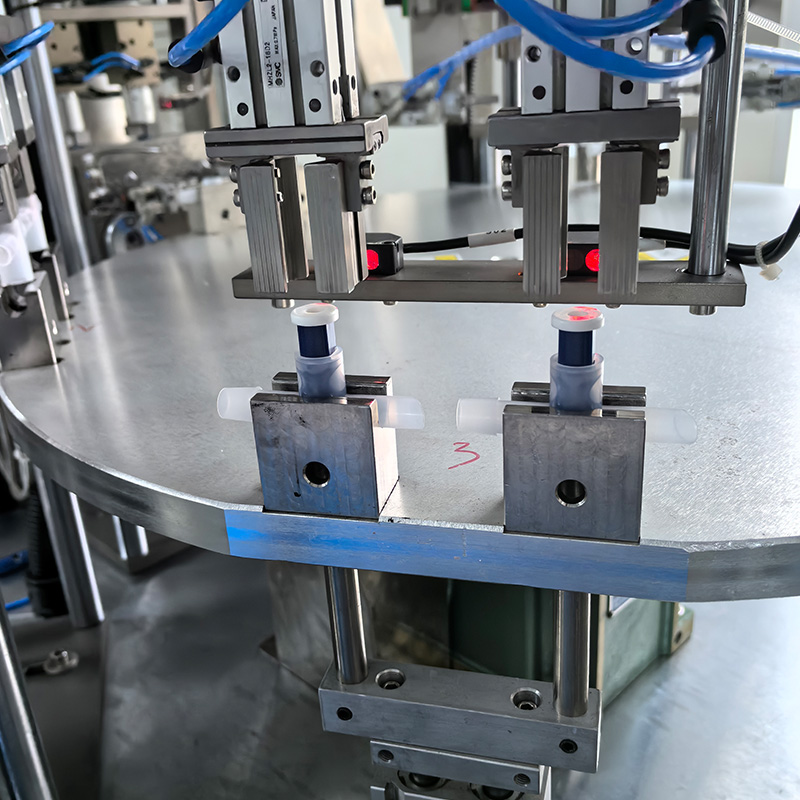
Robotic manipulators are programmed to follow micron-level positioning paths when handling small components. This reduces mechanical stress on plastic parts and helps maintain structural integrity during assembly.
The system also supports multiple material types. Medical-grade plastics, stainless steel needles, and sealing elastomers can be processed under controlled handling conditions. Dispensing modules manage lubrication or bonding agents with stable volume control, avoiding excessive or insufficient application.
A professional Fully Automated Production Line for Syringes Manufacturer usually tests mechanical synchronization performance before delivery to ensure long-term production reliability.
Labor Pressure and Operational Cost Considerations
Labor management remains a practical concern for medical device workshops. Production lines that rely heavily on manual operations often face staff training requirements and shift scheduling pressure.
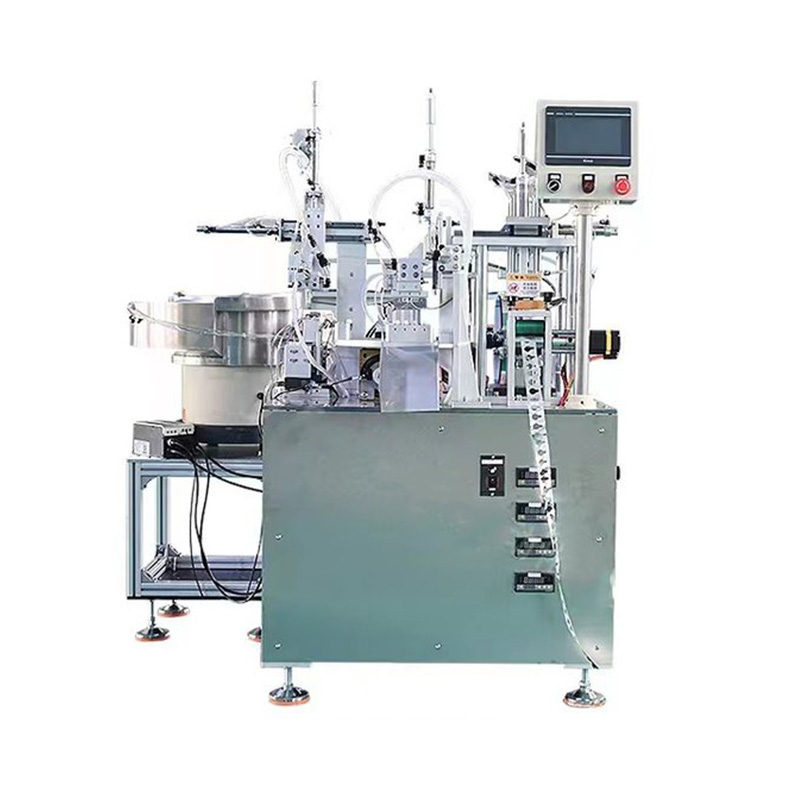
Implementing a Fully Automated Production Line for Syringes helps reduce repetitive manual tasks. Workers can focus on monitoring machine operation, performing maintenance checks, and analyzing production data.
Cost reduction mainly comes from:
- Lower defect rework rate
- Reduced manual sorting workload
- Stable machine operation reduces downtime
- Higher throughput per production hour
Although initial equipment investment is required, long-term operational cost distribution becomes more predictable. Many factories choose automation when production scale is expected to grow over several years.
Material Handling and Environmental Adaptation
Syringe components require careful handling because many parts are thin and sensitive to deformation. The automation system controls transfer force, acceleration speed, and gripping pressure during movement.
The production line can process various medical-grade materials under regulated environmental conditions. Dust protection design and closed transfer channels help reduce contamination risk during assembly and packaging.
Modern syringe manufacturing requires more than mechanical assembly. It requires coordinated engineering design, quality monitoring, and digital workflow management. A Fully Automated Production Line for Syringes provides a structured solution for these needs.
By integrating robotics, precision control, and real-time inspection, factories can maintain stable output while controlling labor pressure and quality variation. Cooperation with a professional, Fully Automated Production Line for Syringes Manufacturer helps ensure equipment compatibility with workshop conditions and production goals.
As medical device demand continues to grow, automation-driven manufacturing will play a larger role in supporting efficient and reliable syringe production.