
 English
 русский
 Español


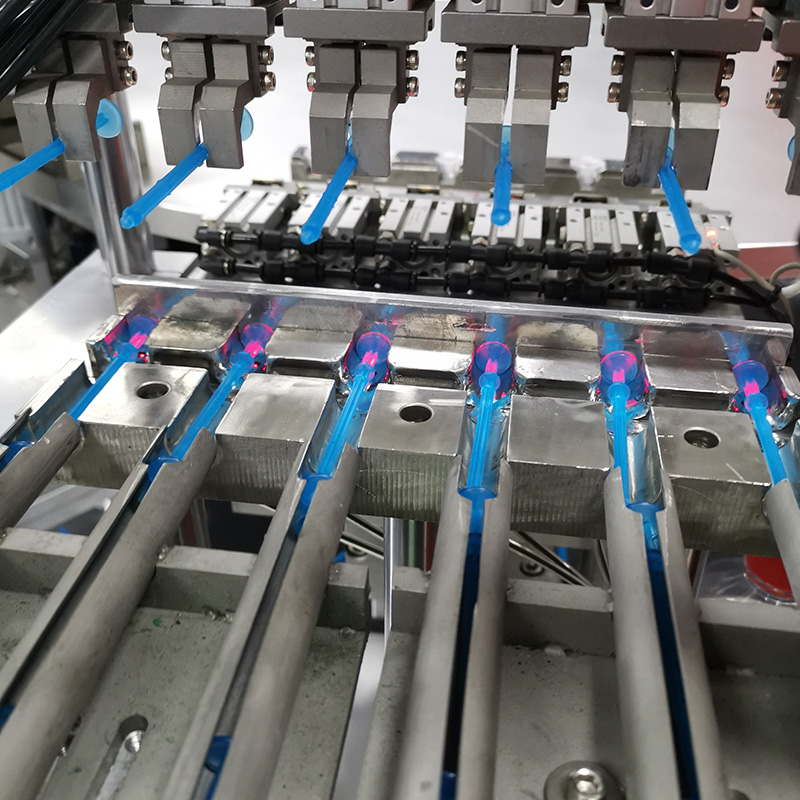
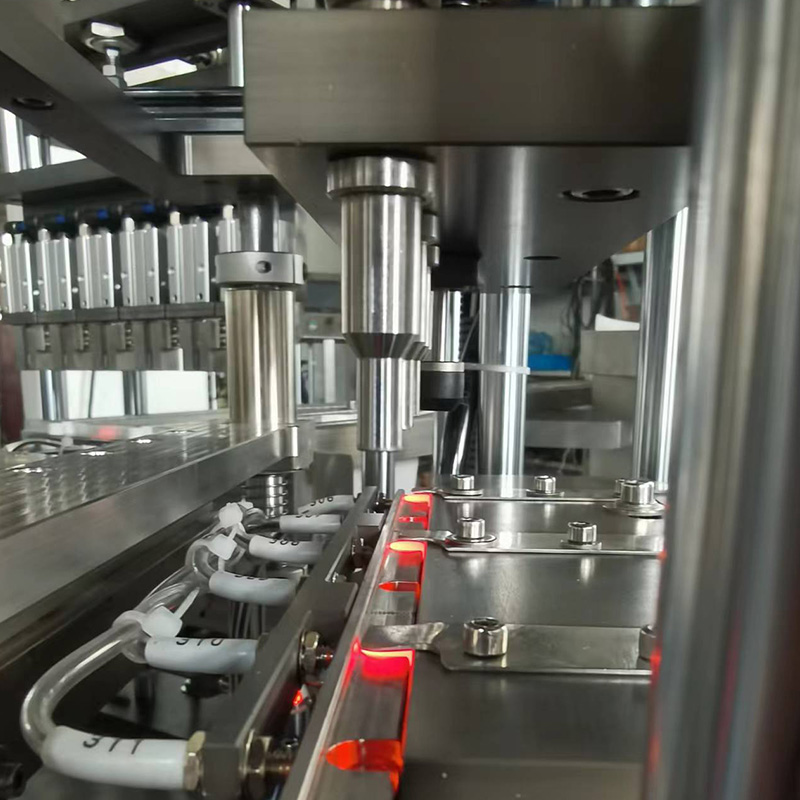
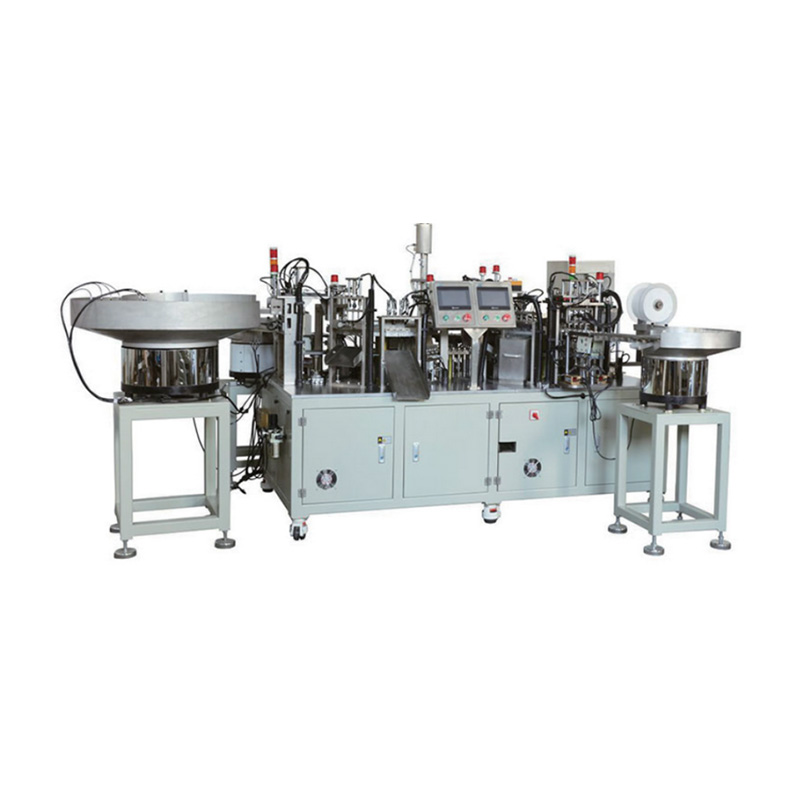
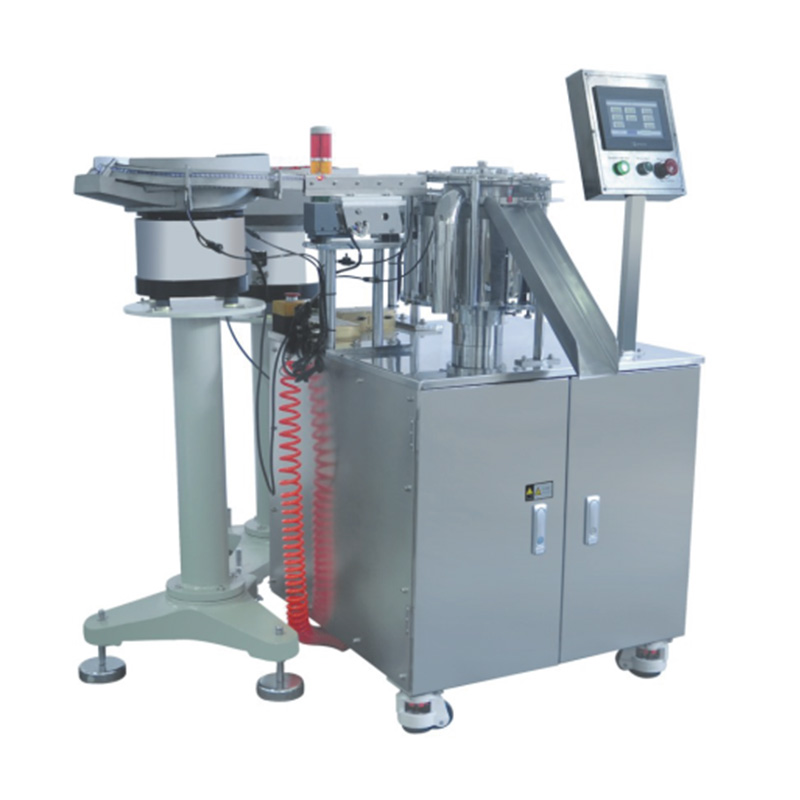
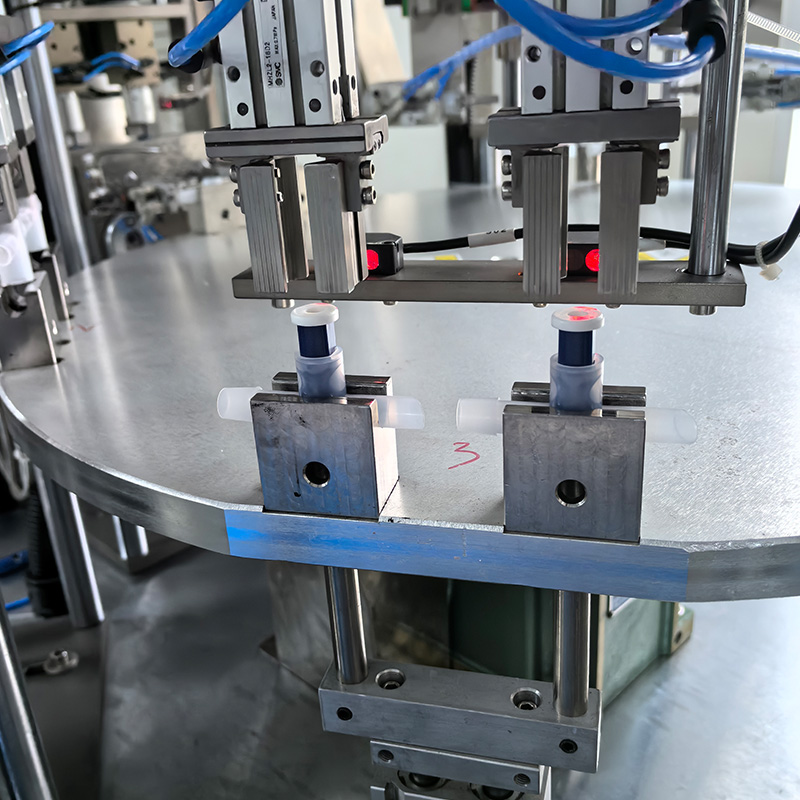
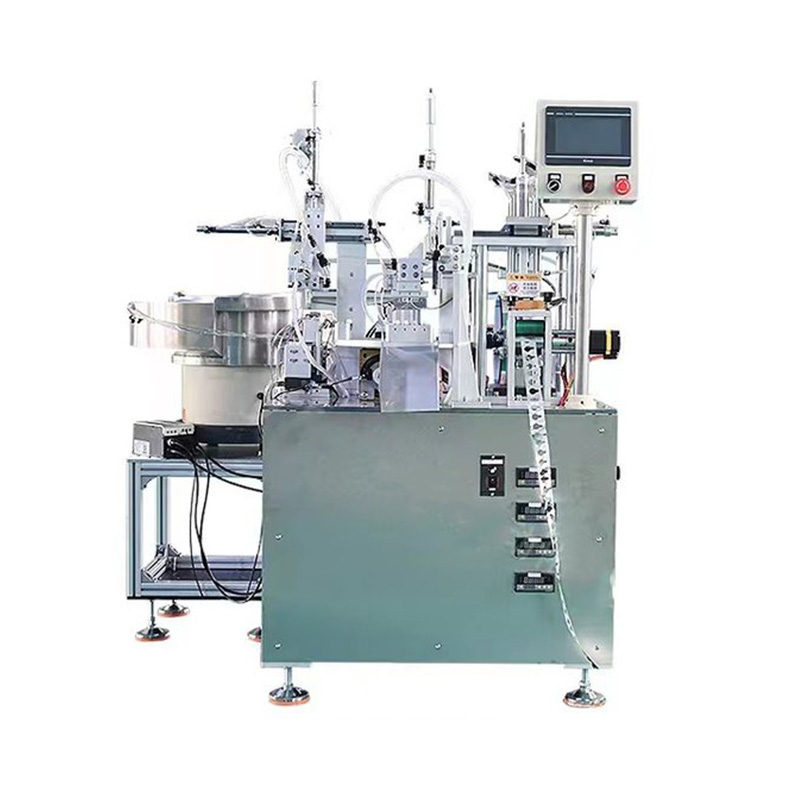
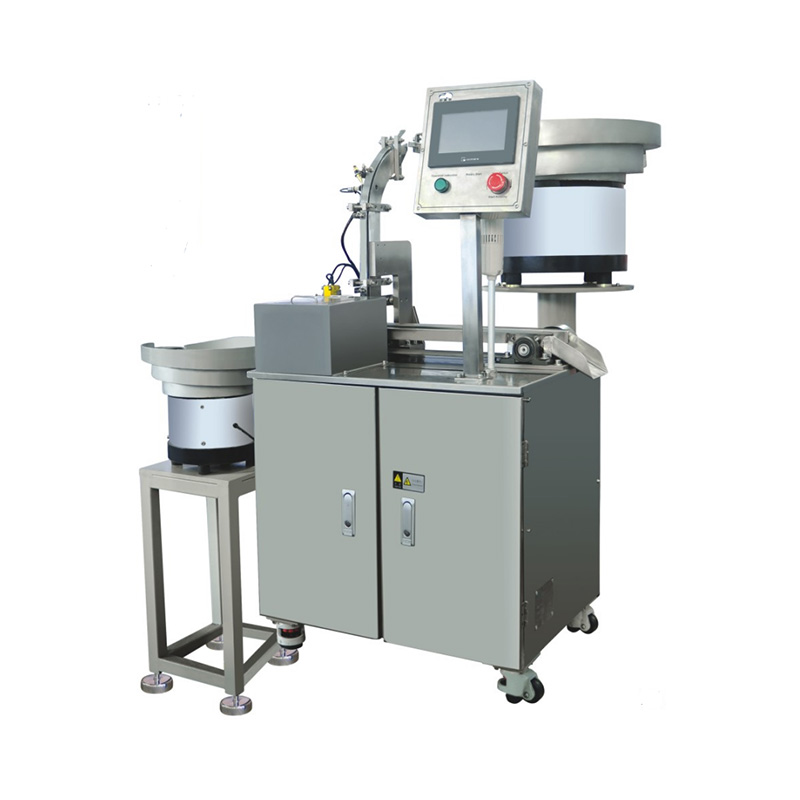
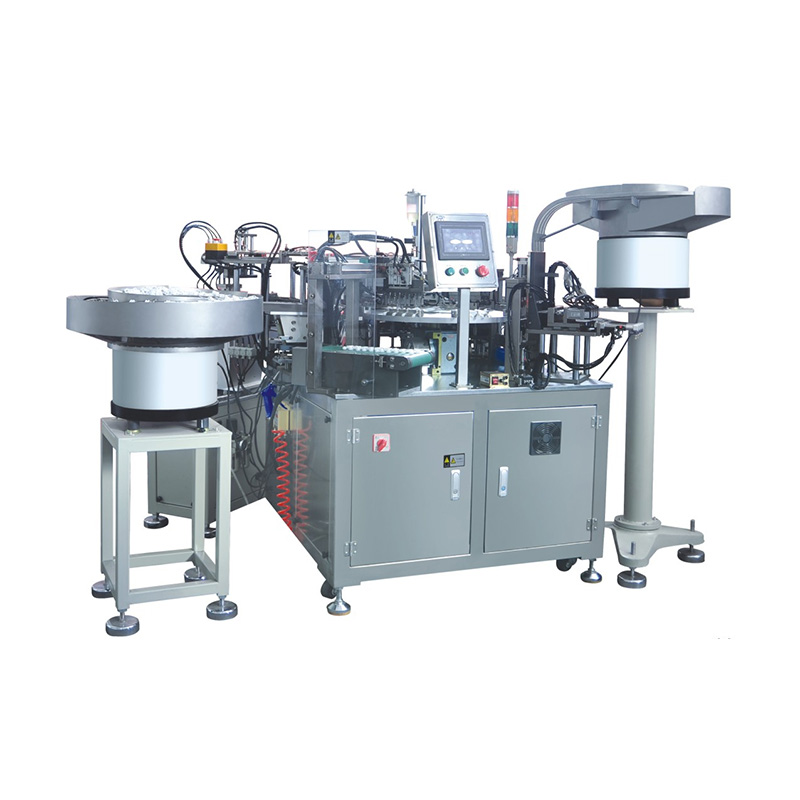
China Zhejiang Taizhou Ambe Trading Co., Ltd. is a manufacturer specializing in the production of medical equipment automation equipment.
What does a medical consumables factory look like behind the scenes?
Most people only really see medical supplies once they're already in use — at a hospital, a clinic, somewhere in a care setting — and honestly, hardly anyone stops to think about how those everyday essentials actually get made. Disposable medical items tend to look pretty simple and straightforward by the time they reach healthcare facilities, but the full production journey behind them is a lot more involved than that, running through rigorous, step-by-step procedures all the way from raw material prep to that final sealed package.
A China Medical Consumables factory is honestly a lot more than just some basic assembly site. It's a tightly coordinated operational system, where on-site staff, separate production zones, strict inspection protocols, and standardized management all work together to keep output reliable batch after batch.
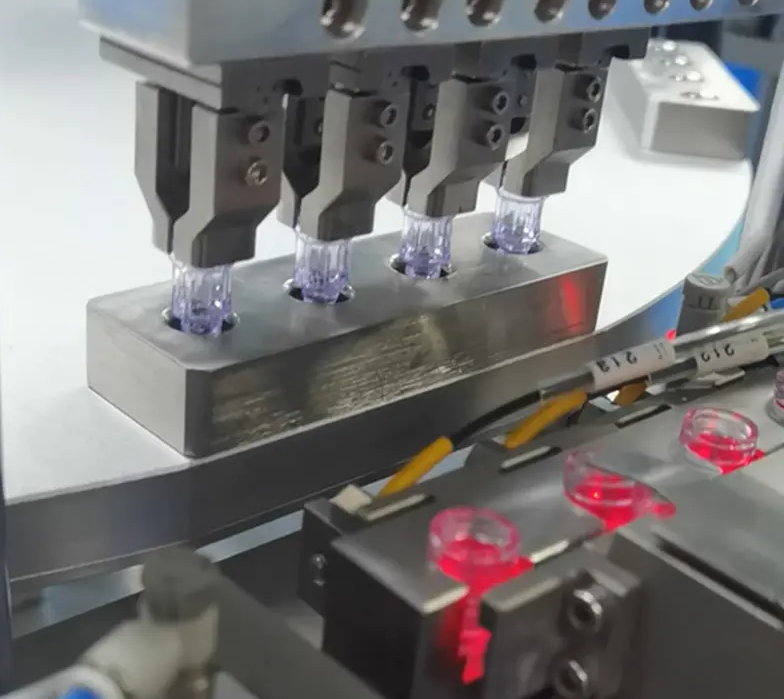
Every procedure on the floor follows a pretty clear, purpose-driven workflow. Raw materials get delivered to the right workstations right on schedule. Production staff stick to standardized daily routines. Finished goods get sorted, stored, and shipped out in a systematic, orderly way.
The whole manufacturing process really hinges on keeping quality consistent. Every single batch of medical supplies has to hold the same specifications and performance across every production run — and that's a goal that only really comes together through strict attention to countless small, mostly unseen details throughout the process.
Unlike a lot of general manufacturing workshops, medical consumables facilities are laid out with a lot more intention behind the space itself. Work zones are scientifically arranged, with fixed traffic routes for both people and materials moving through. Staff stick closely to strict standards around cleanliness, how materials get handled, and procedural order — and honestly, it's those fundamental details that end up underpinning the safety and reliability of the everyday medical supplies we all rely on.
How do medical consumables factories prepare materials before production?
Every medical product really starts with qualified raw materials, and honestly, thorough pre-production material prep is the first critical step for making sure everything downstream runs smoothly.
Different medical consumables need raw materials with pretty tailored physical and chemical properties. Some need high flexibility for clinical use, others need structural durability, and some just need stable performance under specific medical application environments.
Material prep goes way beyond just receiving incoming supplies, too. It covers comprehensive inspection, classification, and standardized arrangement — all of which clears out potential hurdles before they even have a chance to show up later in production.
The full pre-production material preparation workflow follows four core stages:
| Stage | Main Purpose |
|---|---|
| Material receiving | Organize incoming production materials |
| Condition checking | Confirm materials are suitable for use |
| Storage arrangement | Keep materials easy to identify and access |
| Production preparation | Deliver materials according to manufacturing needs |
A well-managed material storage and preparation area streamlines the entire factory workflow. It cuts down the time workers spend searching for materials or handling material-related anomalies, making daily production far more manageable and efficient.
Scientific storage conditions are equally vital. Medical consumables factories enforce strict rules for material placement and handling. Disorganized storage easily causes operational confusion and delays, while standardized storage systems enable seamless cross-department collaboration and smooth workflow.
Though often overlooked, the pre-production material preparation stage dictates the efficiency and quality of every subsequent production link.
Why is the production environment important for healthcare products?
The production environment is the most prominent feature that distinguishes medical consumables manufacturing from ordinary industrial production, and it serves as the core guarantee for product safety.
As medical consumables are directly applied in clinical diagnosis, treatment and patient care, they require ultra-rigorous production and handling conditions. A clean, zoned and well-organized production space enables precise, controllable manufacturing processes.
Factory spaces are strictly divided according to functional needs, including independent zones for material preparation, formal production, quality inspection and finished product packaging. This functional segmentation effectively reduces unnecessary personnel and material flow, preventing cross-contamination and ensuring each production stage proceeds in an orderly manner.
On-site staff follow standardized daily routines to sustain a stable, qualified production environment at all times:
- Maintain tidy and standardized workstations
- Adopt standardized and gentle material handling methods
- Strictly follow formulated production procedures
- Stick to good hygiene and operational habits
The goal of these strict norms is not merely a visually clean workshop, but a fully controlled production environment where every operational step can be standardized, monitored and optimized.
A standardized workplace also boosts team collaboration efficiency. When all staff are clear about the fixed placement of materials, equipment and semi-finished products, the entire production line runs steadily with minimal interruptions.
How are everyday medical products created inside the factory?
The formal production stage transforms processed raw materials into finished, usable medical consumables. While different products have customized manufacturing flows, most follow a universal, standardized production logic: material shaping, component assembly, in-process inspection and final packaging preparation.
Modern medical factories adopt a combination of automated equipment and manual supervision. Automated machinery undertakes repetitive, high-precision production tasks to maintain a stable production rhythm and consistent product specifications. Meanwhile, experienced production workers remain indispensable throughout the process.
No two production cycles are completely identical. Skilled workers can spot subtle on-site changes, adjust operational parameters in real time, and handle unexpected anomalies that automated equipment cannot identify, ensuring production stability.
The complete production workflow consists of four core steps:
Material forming
Process and shape qualified raw materials in strict accordance with product design standards to form the basic structural framework of finished medical supplies.
Component assembly
For multi-part medical consumables, professional assembly workers fit all components together accurately, ensuring structural integrity and functional conformity of each product.
Product inspection
Real-time quality checks are conducted during production, rather than only after completion. This allows staff to detect potential defects early and prevent unqualified semi-finished products from entering subsequent processes.
Preparation for packaging
Qualified finished products are sorted, counted and transferred to the professional packaging area for subsequent standardized packaging and storage.
All production stages are closely interconnected. A minor delay or error in one link will affect the overall production schedule, which is why cross-team coordination and synchronous operation are emphasized throughout the factory.
How do medical consumables factories maintain product consistency?
Stable and consistent product quality is the top priority of medical consumables manufacturing. Healthcare institutions rely on standardized, predictable medical supplies to ensure safe and accurate clinical work.
To achieve uniform product quality, factories implement full-process quality management, covering every production link instead of relying solely on final finished product inspection.
Key inspection nodes are set throughout the entire workflow to achieve whole-process quality control:
| Inspection Point | Reason for Attention |
|---|---|
| Incoming materials | Check preparation before production |
| Production process | Monitor daily manufacturing conditions |
| Finished products | Identify possible issues |
| Packaging stage | Protect products before delivery |
This full-coverage inspection mechanism enables quality problems to be discovered and resolved at the earliest stage, effectively reducing batch defective products and production losses.
Professional quality inspection staff accumulate rich practical experience from daily work. Familiar with the entire production process, they can capture tiny quality deviations that are easily overlooked, ensuring rigorous product quality control.
A sound quality management system relies on more than just inspection work. Smooth information communication between production and quality teams supports timely process optimization and continuous quality improvement.
What happens after products leave the production line?
Once products finish production and pass quality inspection, they enter the final packaging stage, a key link that guarantees product safety and usability before delivery.
Packaging serves two core functions for medical consumables: it provides effective protection against dust, pollution and damage during storage and transit, and features standardized labeling to help medical staff quickly identify product specifications and usage information.
Workers in the packaging area adhere to strict operational norms, focusing on precision and standardization in every step:
- Sort and arrange finished products neatly for standardized packaging
- Inspect packaging materials and sealing quality one by one
- Complete finished product labeling and classify products for transportation
- Store packaged finished goods in designated zones in an orderly manner
Production and packaging are closely linked and cannot be operated independently. Packaging progress and efficiency need to be dynamically adjusted according to real-time production output to ensure seamless connection of the entire assembly line.
Standardized finished product storage also plays a key role in later shipment management. Classified and orderly storage simplifies inventory statistics and outbound scheduling, avoiding confusion and errors during product delivery.
How do employees influence daily factory operations?
Despite the widespread application of automated equipment in modern manufacturing, employees remain the core of medical consumables production. Manual experience and judgment are irreplaceable for ensuring refined and stable production.
Workers can capture subtle on-site changes that automated systems may miss, feed back operational anomalies in a timely manner, and adjust production details flexibly to maintain smooth daily operations.
Different professional teams undertake divided responsibilities and cooperate closely to support the complete production chain:
- Production teams are responsible for daily manufacturing operations and process implementation
- Quality teams conduct full-process monitoring and quality verification
- Packaging teams complete standardized finishing and packaging of qualified products
- Maintenance teams regularly inspect and maintain production equipment to ensure stable operation
Cross-departmental teamwork is particularly critical in medical manufacturing. Problems in any single link will quickly affect the overall production rhythm, making efficient collaboration essential.
Long-term on-site work enables experienced employees to master practical operational skills. They are familiar with the performance characteristics of raw materials, the operating state of equipment and the key points of process control, and can effectively guarantee continuous and stable production.
Systematic pre-job and regular on-the-job training further standardizes employee operations. Clear understanding of procedural norms helps unify operational standards and stabilize the overall factory workflow.
How are medical consumables factories adapting to new healthcare demands?
The healthcare industry is constantly evolving, with updated clinical standards and diversified market demands putting forward higher requirements for medical consumables manufacturing. Factories need to flexibly adapt to changing demands while maintaining stable product quality and standardized production.
Operational flexibility has become a key capability for modern medical consumables factories. Manufacturers adjust production plans dynamically, optimize internal workflow processes, and respond to market changes without compromising product consistency and safety.
Many factories are committed to optimizing internal workflow layouts and improving cross-departmental communication and coordination efficiency. At the same time, advanced manufacturing technology and intelligent monitoring equipment are introduced to assist staff in managing production information and monitoring operational status in real time.
Nevertheless, equipment and technology alone cannot determine overall factory operational levels. The organic combination of advanced automated equipment, rich employee practical experience and standardized management systems forms the solid foundation of reliable medical consumables manufacturing.
The future development of the medical consumables industry will continue to focus on refined management of production details. Optimized workflow, efficient team collaboration and rigorous operational standards will remain the core of factory sustainable development.
Every link in medical consumables production is closely connected — from meticulous material preparation and standardized on-site production, to rigorous quality inspection and standardized packaging. Every trivial detail in factory operations contributes to the safe, reliable medical supplies that underpin daily clinical healthcare services.