
 English
 русский
 Español


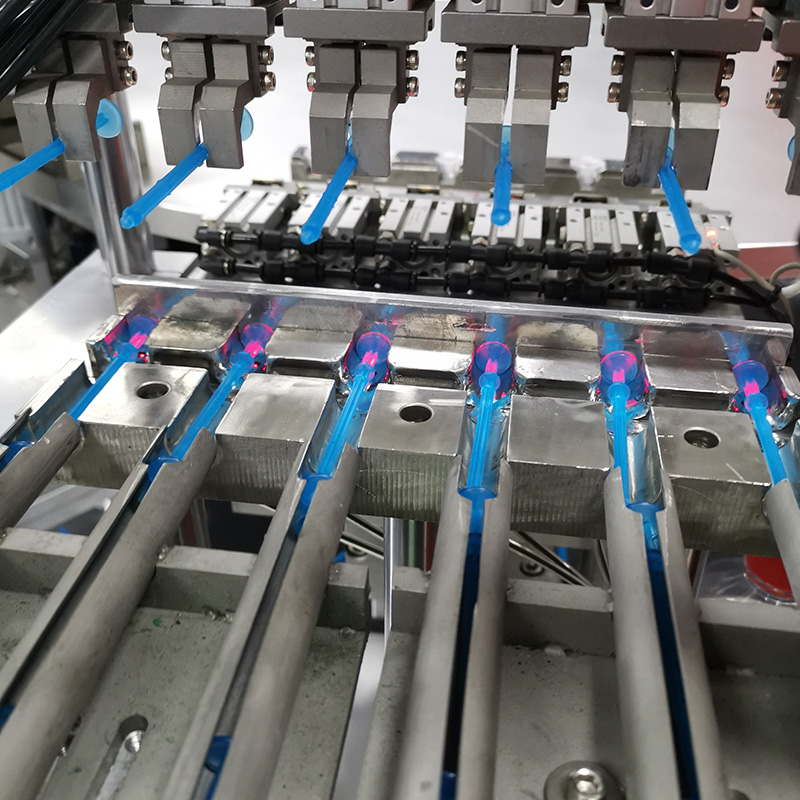
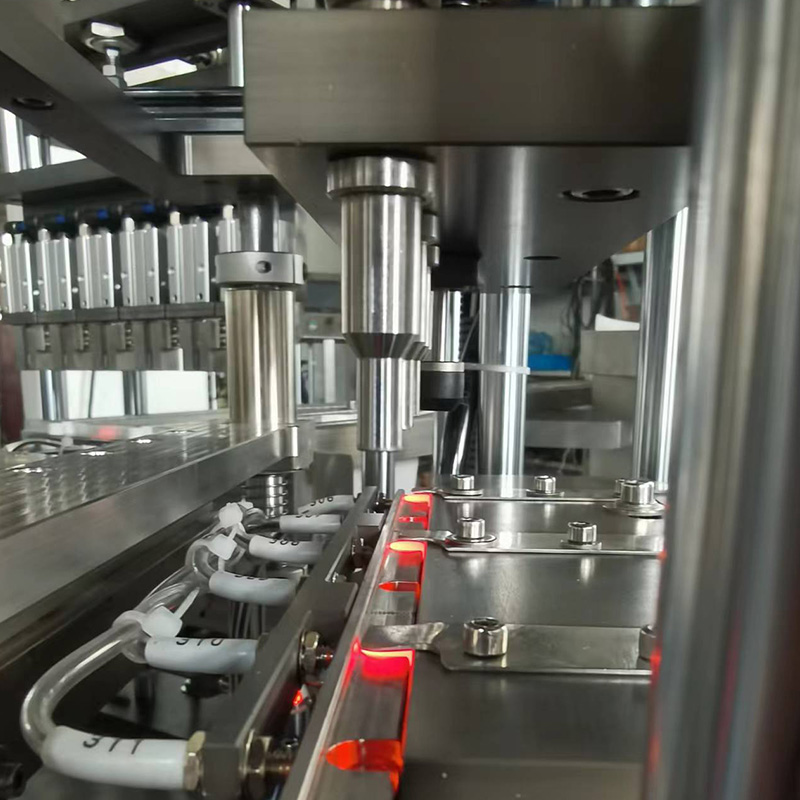
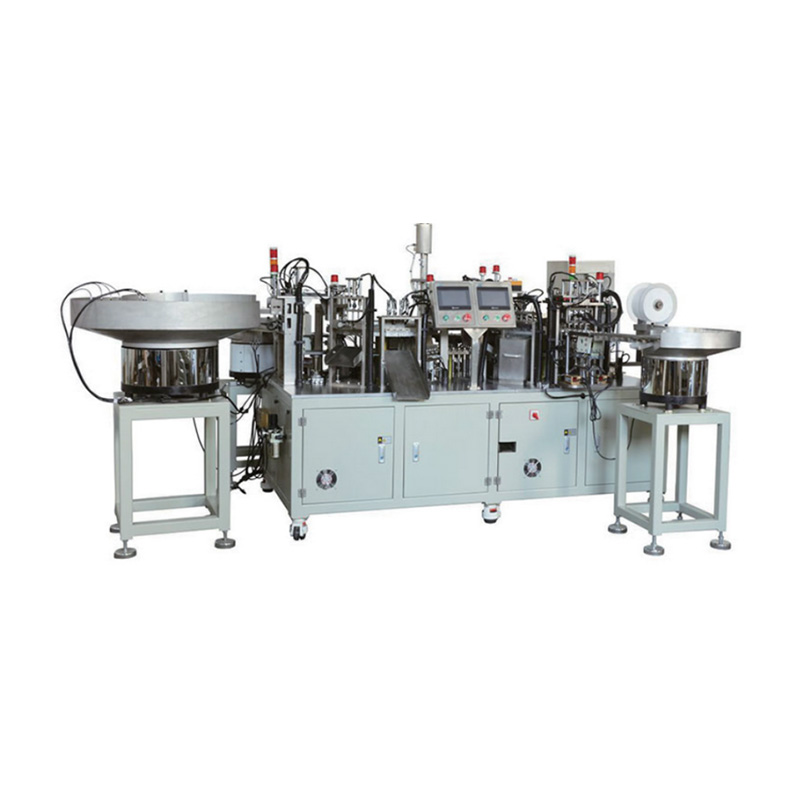
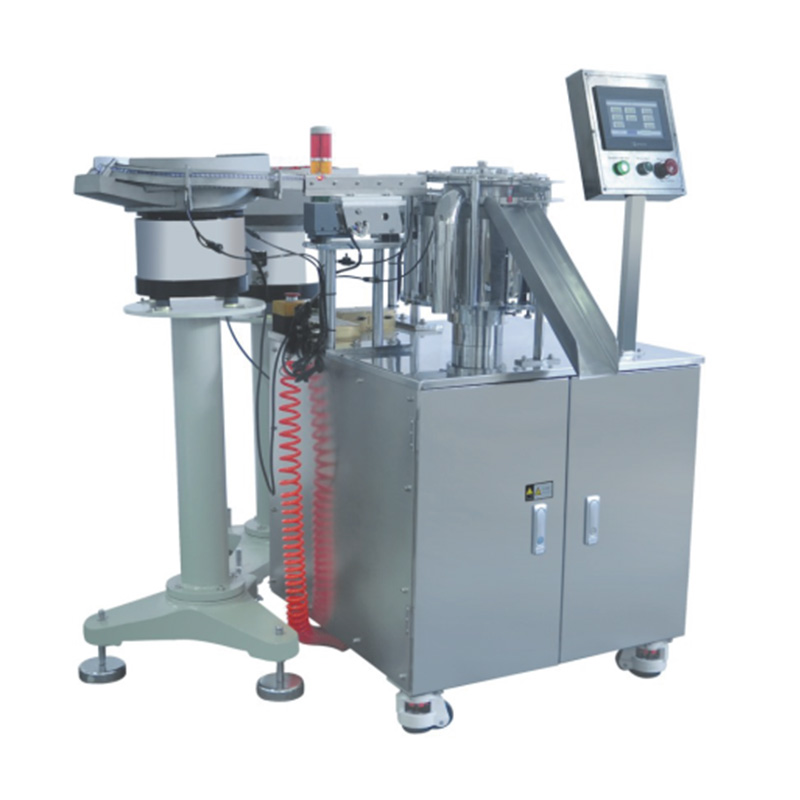
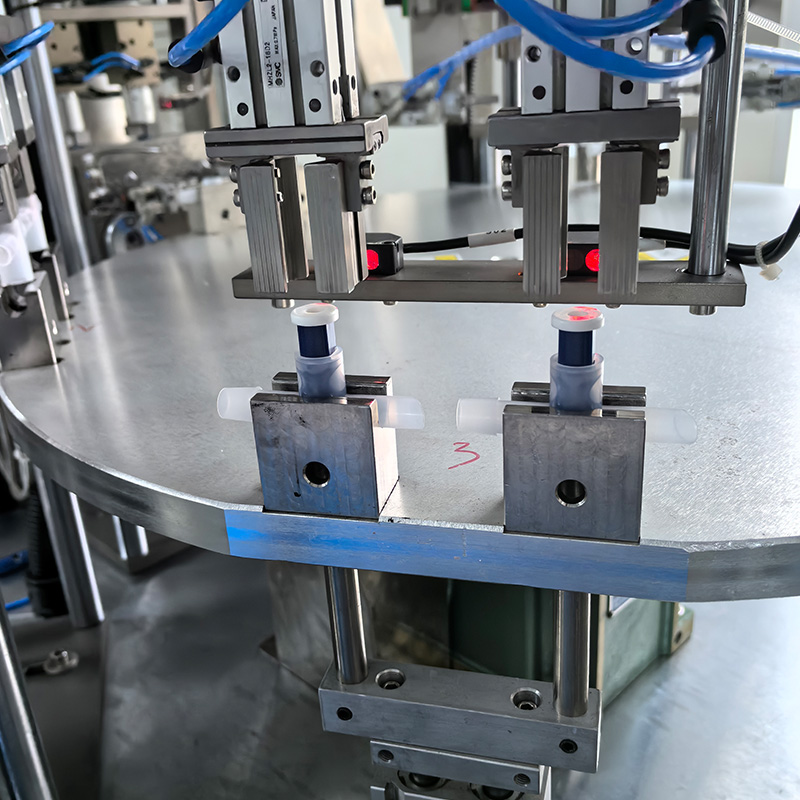
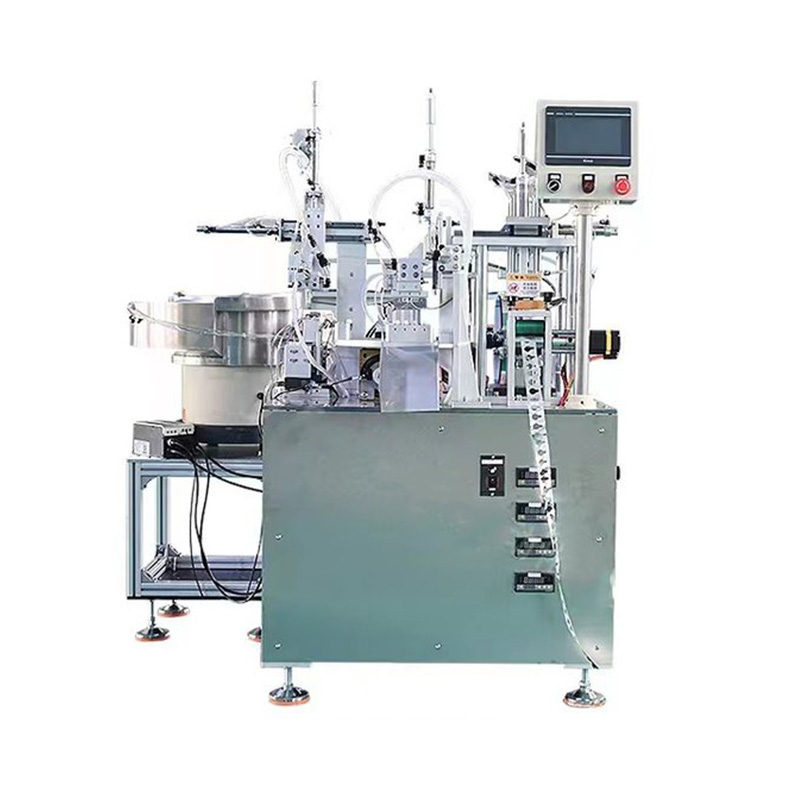
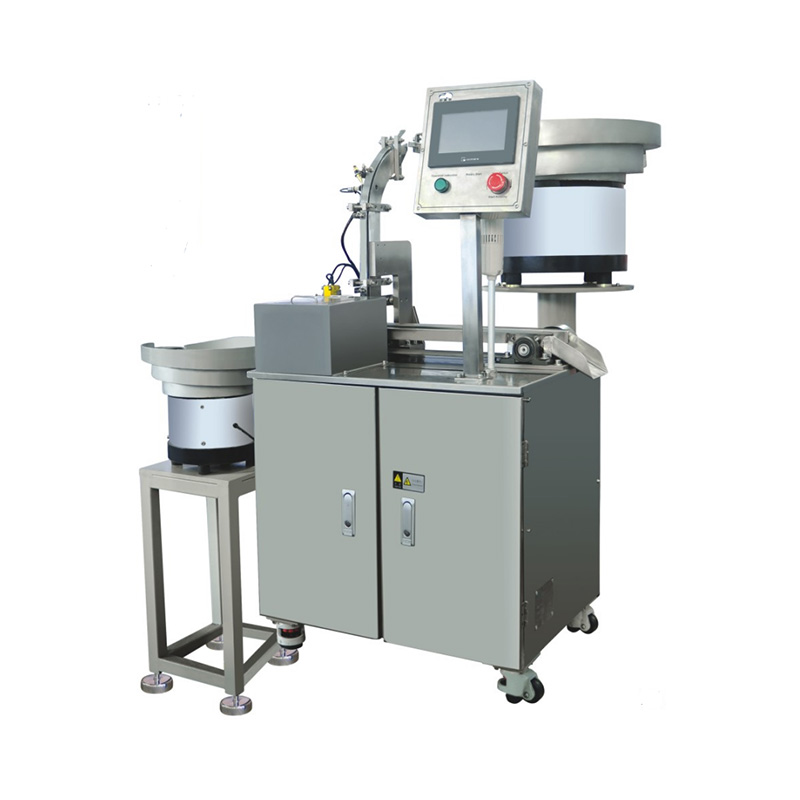
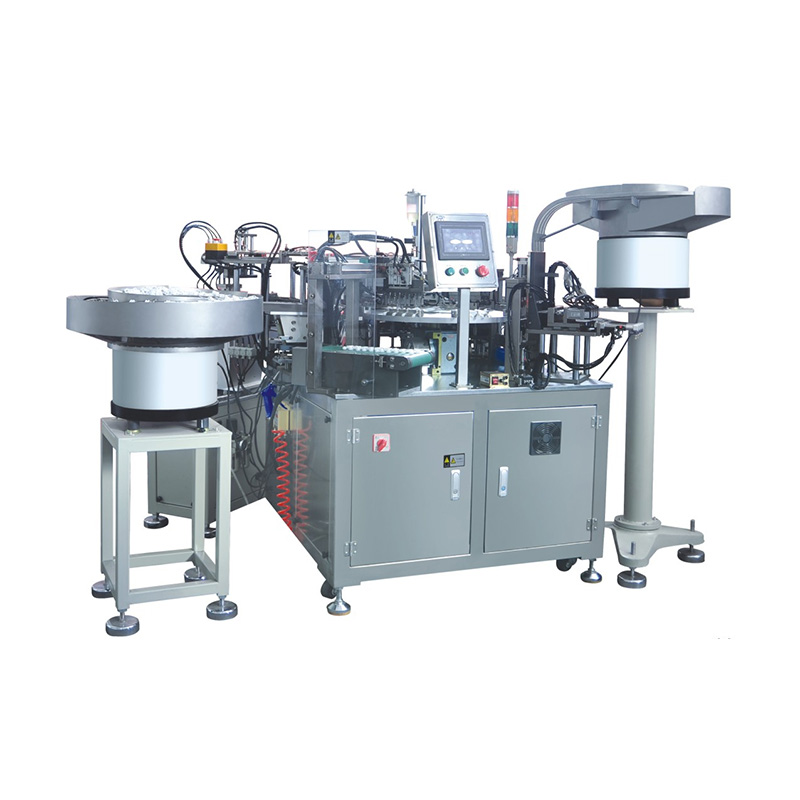
China Zhejiang Taizhou Ambe Trading Co., Ltd. is a manufacturer specializing in the production of medical equipment automation equipment.
Why have wholesale disposable syringes become an important part of healthcare supply planning?
A disposable syringe may look like a small item in a large healthcare system. It often stays unnoticed until a medical team needs it. At that moment, availability becomes important.
Behind every treatment room, clinic cabinet, and emergency supply area is a purchasing process that keeps daily work moving. Medical facilities need to know that basic supplies are ready when required. This is one reason why wholesale disposable syringes have become a common choice for many healthcare organizations.
Buying in larger quantities is not simply about ordering more products at one time. It is also about creating a more predictable supply routine. Purchasing teams can plan stock levels, storage areas, and delivery schedules with fewer interruptions.
Different healthcare facilities have different reasons for choosing wholesale supplies. A large hospital may need regular access across multiple departments. A small clinic may prefer fewer purchasing tasks. A laboratory may focus on having materials available for scheduled work.
Although their needs are different, the purpose is similar. They all need a stable connection between medical supply sources and daily healthcare activities.
How do hospitals manage their demand for disposable syringes?
Hospitals are among the healthcare facilities with the widest range of medical supply needs. A single hospital may include emergency rooms, outpatient departments, patient care areas, and specialized treatment sections.
Each department has its own working rhythm. Some areas experience constant activity throughout the day. Others may require supplies based on specific patient services.
For purchasing teams, managing these differences can be challenging. They need to avoid two situations. One is having too little inventory when supplies are needed. The other is storing more products than the facility can reasonably manage.
Wholesale disposable syringes help hospitals create a more organized supply structure. Instead of making frequent small purchases, hospitals can arrange supply plans around their operational needs.
Inside a hospital, supply management often involves several steps:
| Department | Supply Management Focus |
|---|---|
| Emergency areas | Quick access to essential medical items |
| Patient rooms | Supporting routine healthcare activities |
| Treatment departments | Maintaining organized supply availability |
| Storage areas | Managing incoming and outgoing products |
The work behind medical supplies is often invisible to patients. However, smooth supply coordination allows healthcare workers to spend more attention on patient services.
For hospital purchasing teams, supplier communication is also an important part of the process. Clear information about availability, packaging, and delivery arrangements helps them prepare more effectively.
Why do clinics choose wholesale disposable syringe suppliers?
Not every healthcare provider is running at hospital scale, obviously. Clinics tend to have smaller teams and services that are a lot more focused. That said, their dependence on reliable medical supplies really doesn't let up much.
A local clinic might be handling daily appointments, routine treatments, patient follow-ups — all that day-to-day stuff. Even with a smaller operation though, an unexpected supply shortage can throw off normal activities pretty fast.
Wholesale purchasing gives clinics a practical way to keep their inventory organized. Rather than placing small orders over and over, staff can spend less time on purchasing tasks and more time actually managing patient care.
Different clinics tend to have different supply patterns:
- General medical clinics usually handle routine patient care
- Specialty clinics often focus on specific treatment areas
- Community healthcare centers tend to serve a wider range of local needs
- Private practices often prefer more flexible supply arrangements
Purchasing decisions at smaller healthcare facilities usually come down to convenience more than anything. They're often looking for suppliers who actually understand their order frequency, their storage limitations, and how their business runs day to day.
A good supply relationship isn't just about the product itself, either. Communication, response time, and consistency all end up shaping whether that partnership lasts long-term.
What role do laboratories play in the demand for disposable syringes?
Laboratories operate pretty differently from hospitals and clinics. Their focus tends to be tied more to testing, research, and sample handling.
In those kinds of environments, organization really matters. Lab teams usually follow planned procedures, and having the right supplies on hand just makes the daily work go smoother.
Wholesale disposable syringes often end up factored into lab supply planning because labs need materials prepped before scheduled activities even start. A missing item can throw off the whole workflow and mean extra prep time down the line.
Laboratory purchasing teams tend to pay close attention to:
- Supply availability
- Product organization
- Storage conditions
- Ordering efficiency
Unlike some healthcare facilities where supply usage shifts pretty quickly, labs often plan their needs around specific projects or ongoing work.
That creates a different kind of purchasing relationship altogether. Suppliers need to understand that lab customers tend to value stable communication and predictable supply arrangements over anything flashy.
The role labs play in healthcare keeps expanding too, which naturally puts more attention on reliable medical consumable management.
Are specialty healthcare centers increasing their need for disposable syringes?
Healthcare's becoming more diverse these days. Alongside the traditional hospitals and clinics, there's a growing number of specialized facilities offering pretty targeted services.
Dental centers, outpatient treatment centers, and other professional healthcare locations often need disposable syringes as part of their regular operations too.
These places usually have pretty unique working environments — smaller storage areas sometimes, fewer employees, more specific supply requirements overall.
For buyers like these, wholesale purchasing can really simplify the routine. Staff don't have to spend nearly as much time checking stock and reordering frequently used items.
Specialty healthcare facilities tend to focus on the practical stuff:
- Can supplies actually arrive when needed?
- Are the products easy to organize once they're in?
- Does the supplier actually get their usage patterns?
- Can orders flex when demand changes up or down?
These kinds of questions really reflect a bigger trend across healthcare purchasing in general. Buyers are paying a lot more attention to the overall supply experience these days, not just the product sitting on the shelf.
How do emergency healthcare services prepare their syringe supply?
Emergency medical environments depend heavily on preparation. Unlike planned appointments, emergency situations can change quickly.
Hospitals, urgent care centers, and mobile healthcare teams need supplies that are ready before unexpected situations happen.
In these environments, supply organization becomes part of daily planning. Products need to be easy to locate, simple to manage, and available when healthcare workers need them.
Wholesale disposable syringes can support this preparation by helping emergency teams maintain organized inventory.
Mobile healthcare services have additional challenges. They may work in temporary locations or travel between different areas. Their supplies need to be managed carefully because storage space is often limited.
For these teams, purchasing decisions may focus on:
| Consideration | Reason |
|---|---|
| Supply planning | Helps prepare for changing situations |
| Storage convenience | Supports mobile working conditions |
| Order reliability | Reduces uncertainty during operations |
| Product organization | Makes daily management easier |
Emergency healthcare shows how important small medical supplies can become during critical moments.
What should buyers consider before ordering wholesale disposable syringes?
Different healthcare facilities may have different purchasing goals, but several common factors influence their decisions.
The first consideration is usually supply reliability. Healthcare organizations need confidence that their suppliers can support regular demand.
Product information is another important area. Buyers need clear details to understand whether supplies match their intended use.
Packaging also affects daily management. Medical facilities often need products that are easy to store, organize, and distribute between departments.
Supplier communication can influence the entire purchasing experience. A supplier who understands customer needs can make ordering easier and reduce unnecessary confusion.
Many buyers now look beyond simple transactions. They prefer working with suppliers who understand healthcare environments and can provide consistent support.
This change reflects a broader movement in medical supply purchasing. The relationship between buyers and suppliers is becoming more connected.
How does wholesale purchasing influence the future of medical supply management?
Healthcare supply management is changing. Facilities are paying more attention to efficiency, organization, and long-term planning.
Wholesale disposable syringes represent one part of this larger system. While the product itself is simple, the supply chain behind it involves manufacturers, distributors, purchasing teams, and healthcare workers.
A well-organized supply process helps different departments work with fewer interruptions. It allows healthcare organizations to focus resources on patient-related activities instead of constant supply adjustments.
The future of healthcare purchasing will continue to focus on cooperation. Hospitals, clinics, laboratories, and specialty centers all have different needs, but they share the same goal of maintaining smooth daily operations.
From large medical centers to smaller healthcare providers, disposable syringes remain a common item within healthcare supply networks. Their journey from supplier warehouses to treatment areas reflects the importance of careful planning behind everyday medical services.