
 English
 русский
 Español


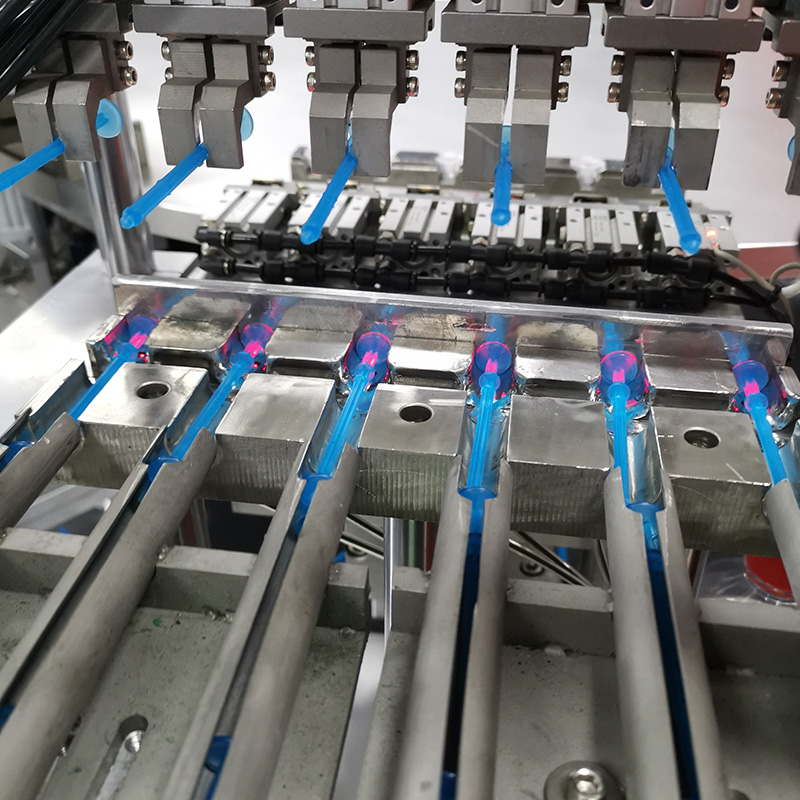
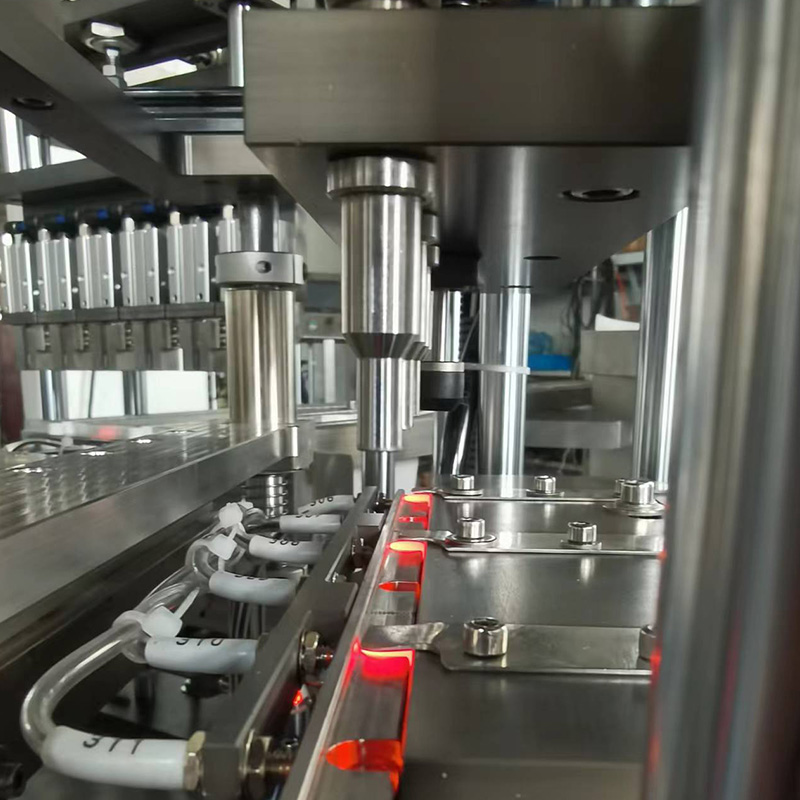
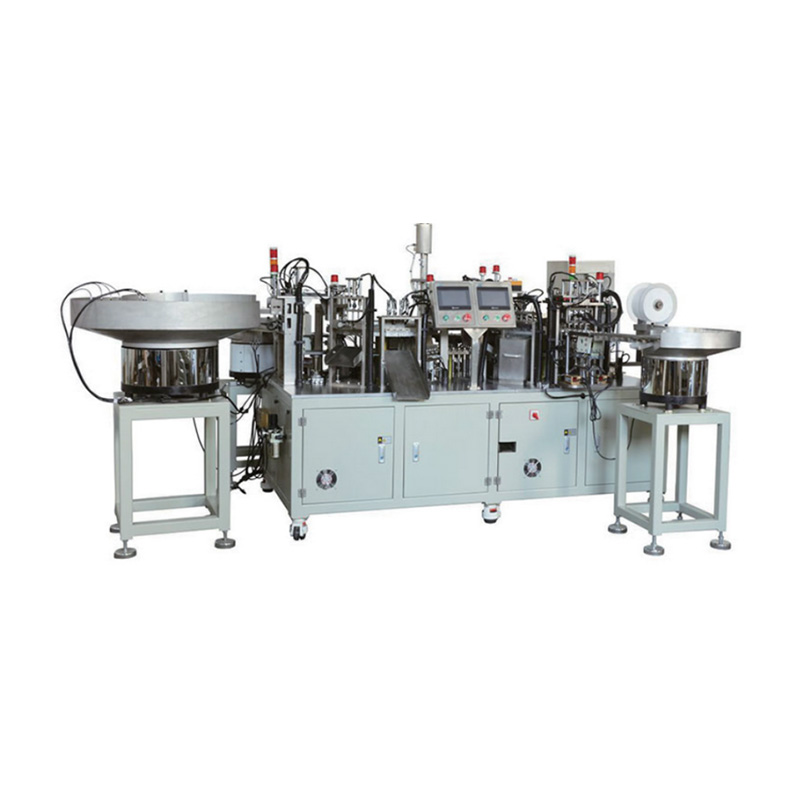
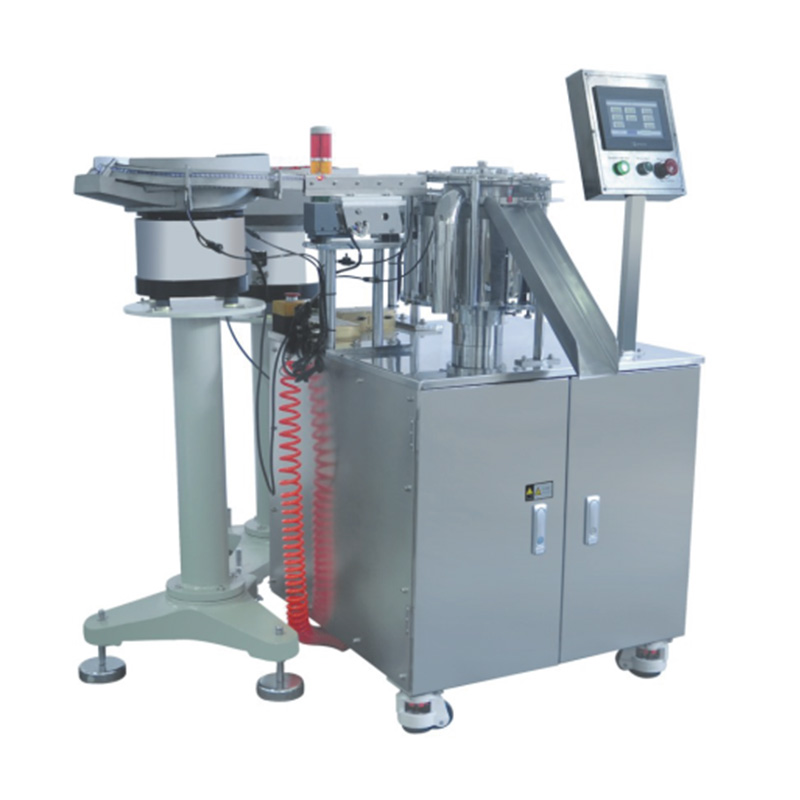
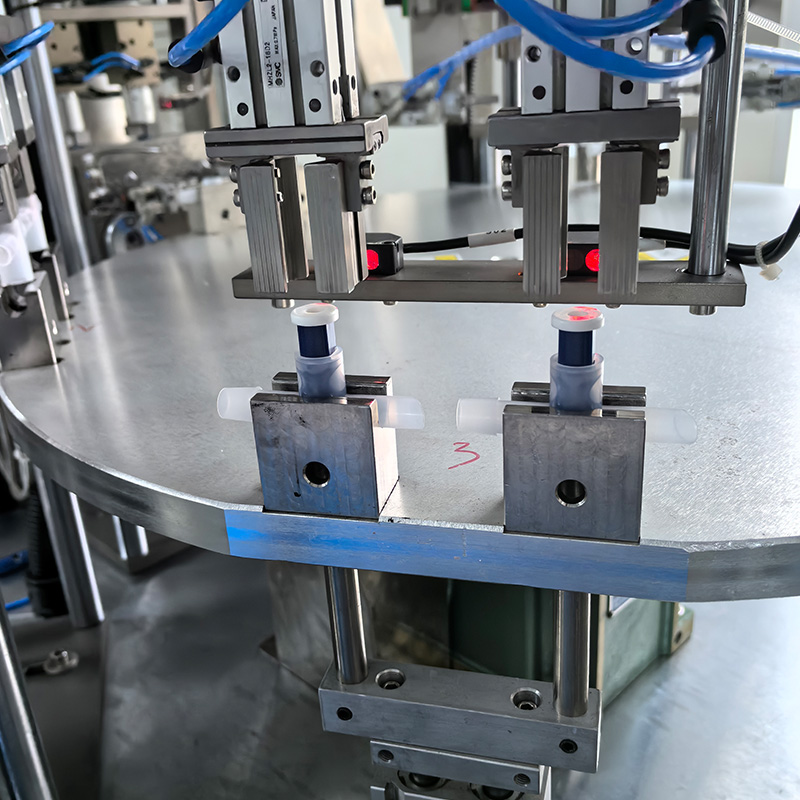
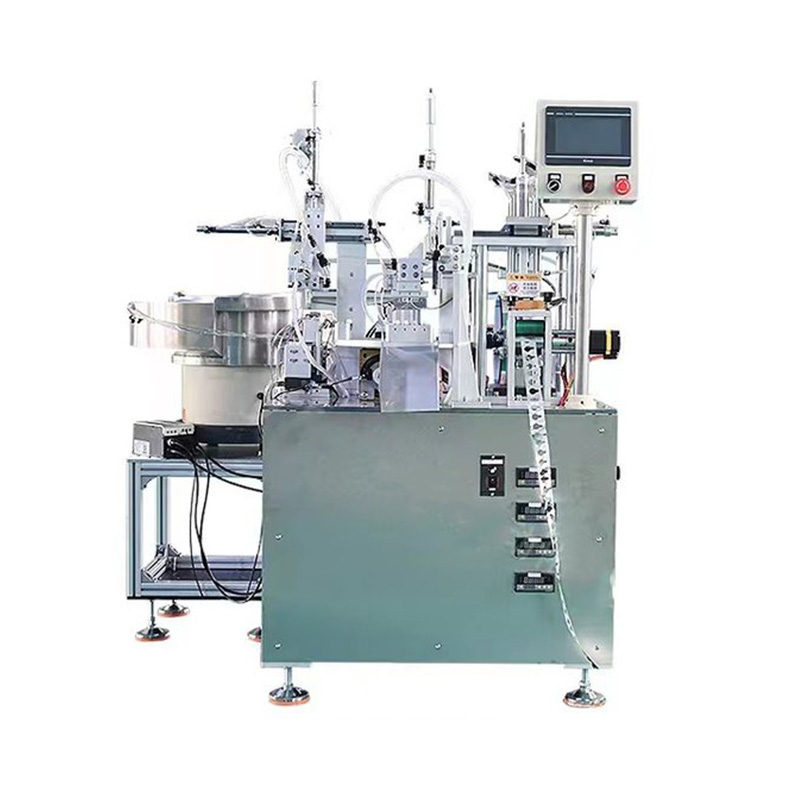
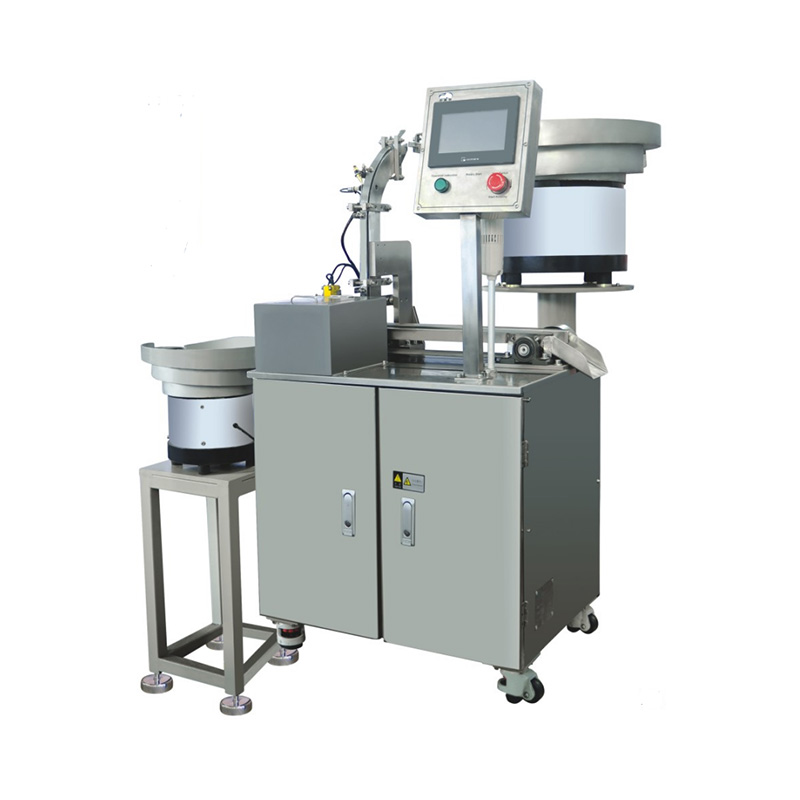
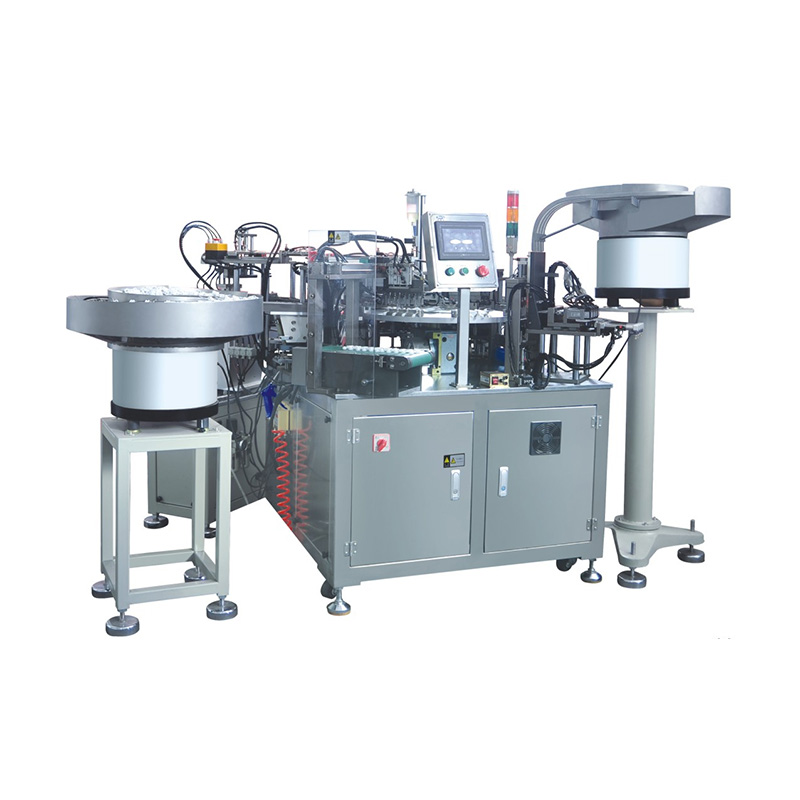
China Zhejiang Taizhou Ambe Trading Co., Ltd. is a manufacturer specializing in the production of medical equipment automation equipment.
Medical molds are central to producing precise medical devices and consumables. Every device, from simple syringes to complex implants, starts with a well-engineered mold. These tools define the shape, durability, and accuracy of the final product. Without high-quality molds, even great automated production lines may deliver inconsistent results.
Healthcare manufacturers often face challenges in maintaining consistent product quality, especially when producing high-volume or highly intricate devices. By using Medical Mold, factories can improve precision, reduce waste, and maintain uniformity across production batches. Integrating Customized R&D for Non-Standard Automated Production Lines of Medical Consumables further allows manufacturers to adapt molds to unique specifications, meeting specialized medical demands efficiently.
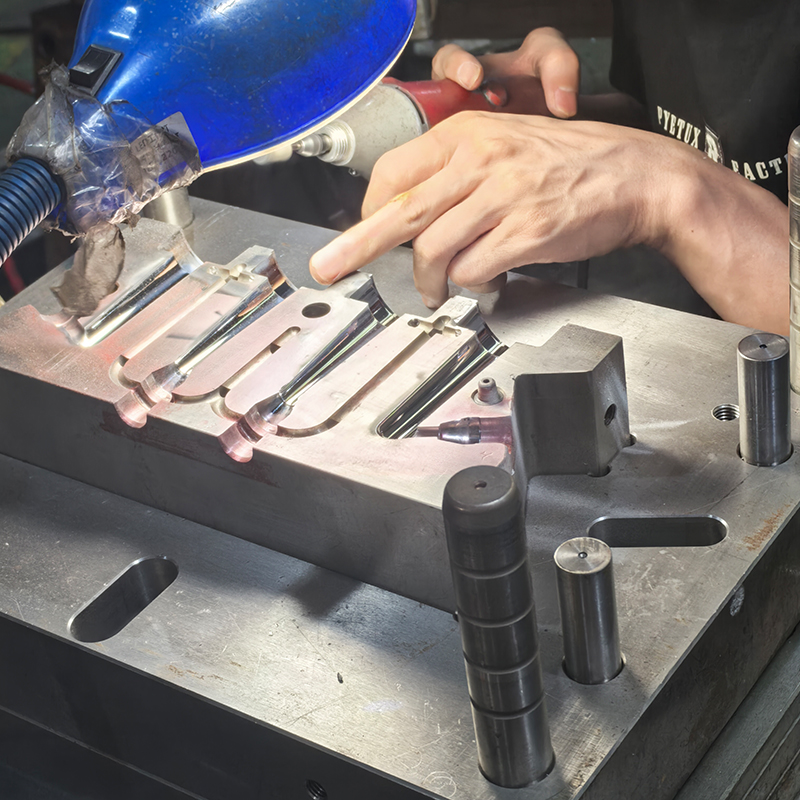
Material and Design Considerations
Choosing the right material for a medical mold is as important as its design. Molds must be durable, biocompatible, and resistant to wear during repeated production cycles. Metals like stainless steel or hardened alloys are common, ensuring molds withstand the pressures of injection molding, compression molding, or other forming processes.
Design also plays a crucial role. Precision-engineered molds can reproduce fine details required in surgical implants or diagnostic components, such as CT scan inserts or X-ray masks. Even minor deviations can compromise functionality, making meticulous design essential. Utilizing Medical Mold alongside Customized R&D for Non-Standard Automated Production Lines of Medical Consumables ensures molds are tailored to specific product needs while keeping production reliable and repeatable.
Enhancing Automated Production
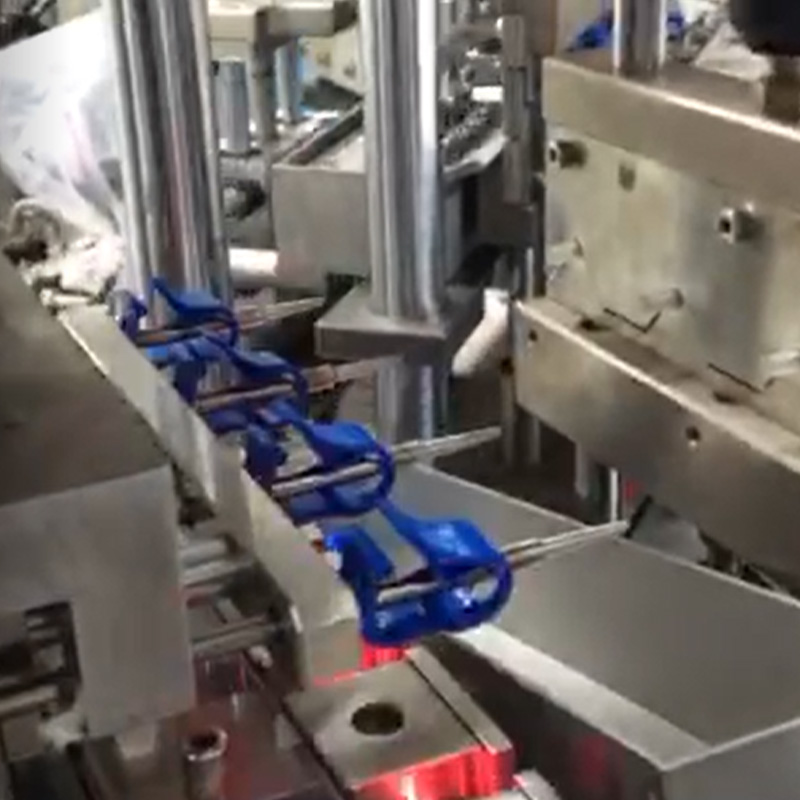
Modern medical manufacturing increasingly relies on automation. Automated production lines can deliver high-volume output, but only if molds are precisely matched to the equipment. Medical Mold, designed with automation in mind, minimizes downtime and reduces human error during production.
Customized R&D for Non-Standard Automated Production Lines of Medical Consumables allows factories to adapt molds to unique machinery setups. For example, non-standard lines producing specialized catheters or complex surgical instruments require molds with specific tolerances, cooling channels, or ejector systems. By optimizing molds for these setups, manufacturers can maintain consistent quality and reduce production delays.
Meeting Regulatory and Quality Demands
Medical devices must meet strict regulatory standards for safety and performance. Using high-quality Medical Mold ensures components meet these standards consistently. A mold's precision directly affects product dimensions, surface finish, and functionality, all critical factors in regulatory compliance.
Integrating Customized R&D for Non-Standard Automated Production Lines of Medical Consumables also supports traceability and repeatable quality. By customizing molds and production methods, manufacturers can address regulatory requirements more effectively, avoid product recalls, and maintain credibility with healthcare clients.
Future Outlook of Medical Mold Technology
Medical molds are evolving with great materials and design technologies. Innovations like 3D simulation for mold flow, modular mold components, and adaptive cooling systems are helping manufacturers produce more reliable devices faster.
As hospitals and clinics increasingly demand specialized consumables, Medical Mold, combined with Customized R&D for Non-Standard Automated Production Lines of Medical Consumables, will continue to play a pivotal role. Factories capable of adapting molds to unique requirements will be better positioned to serve healthcare providers efficiently while maintaining high-quality standards.