
 English
 русский
 Español


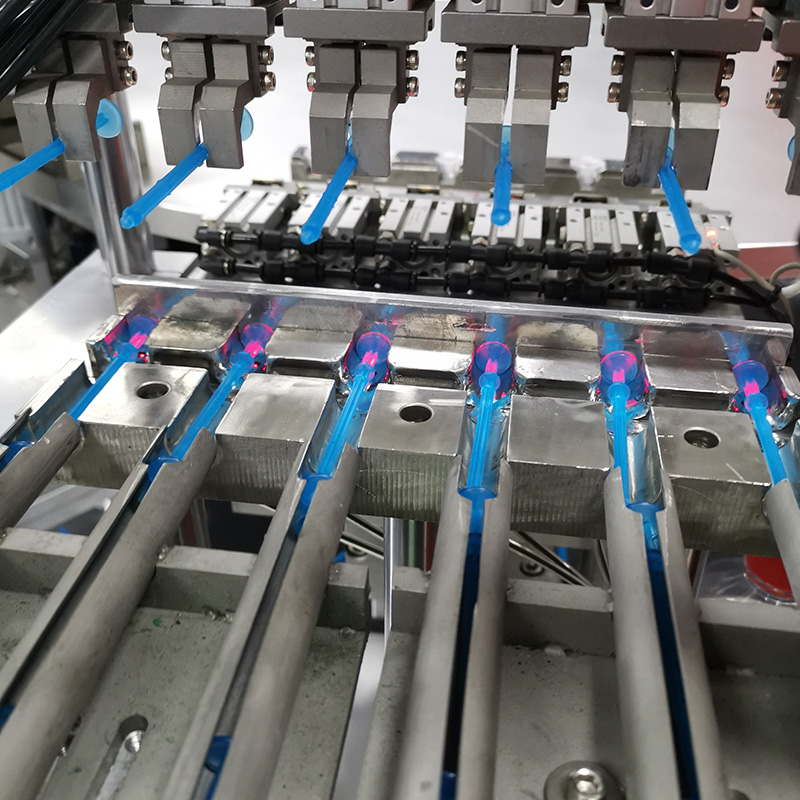
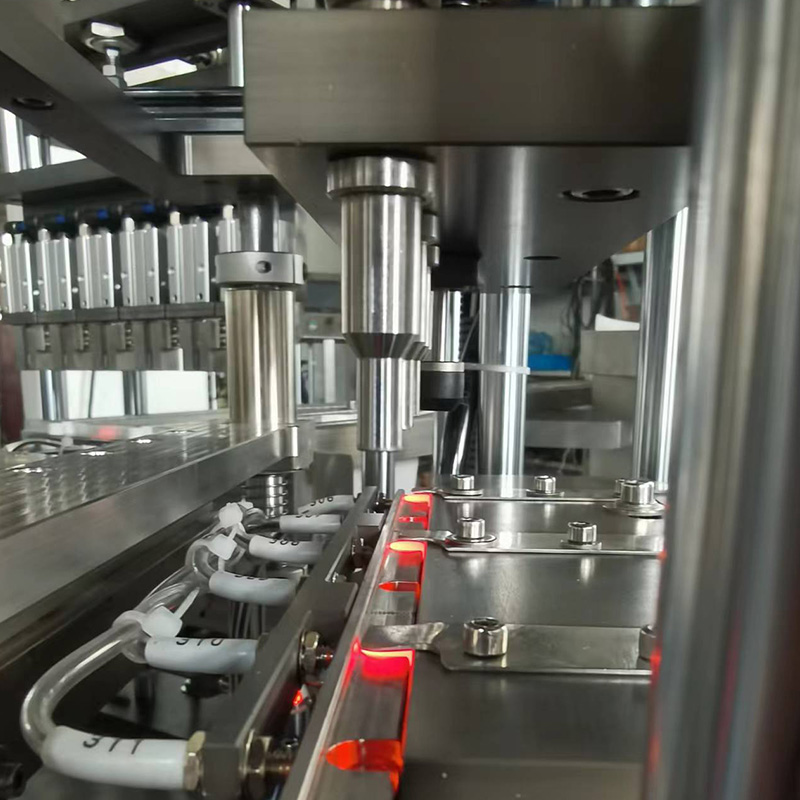
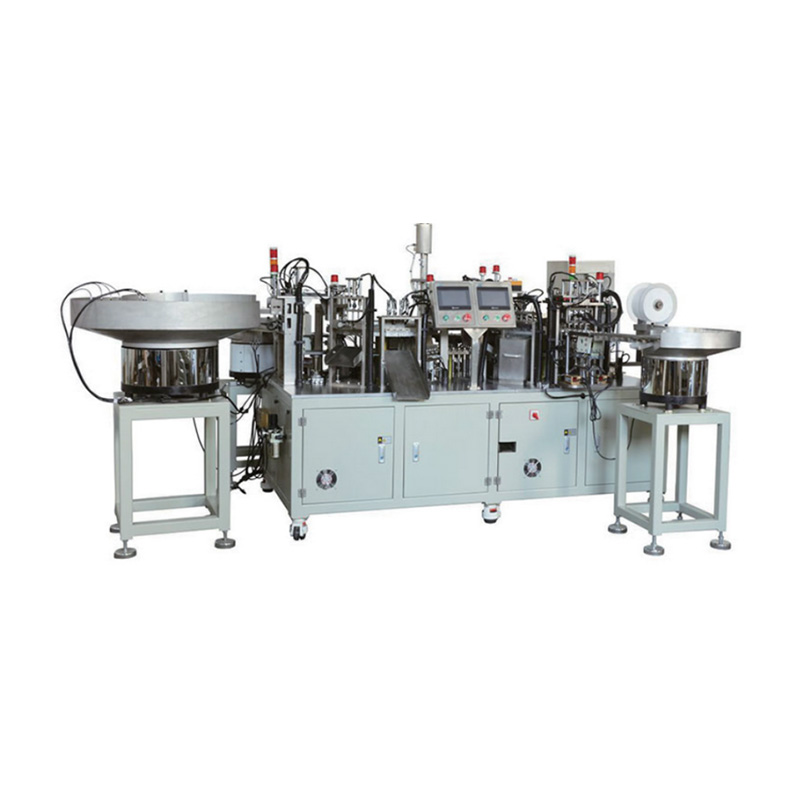
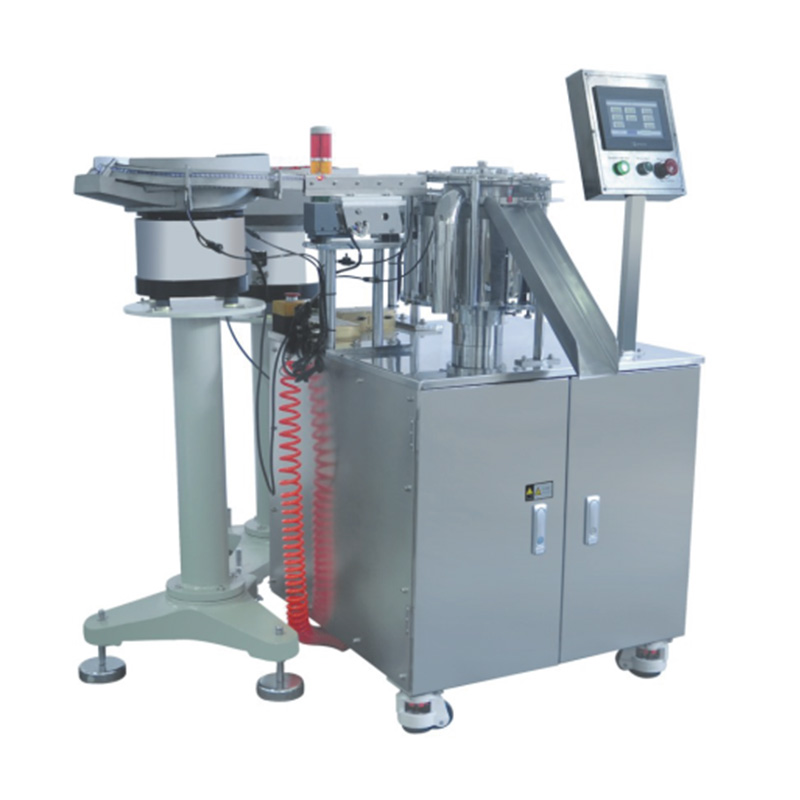
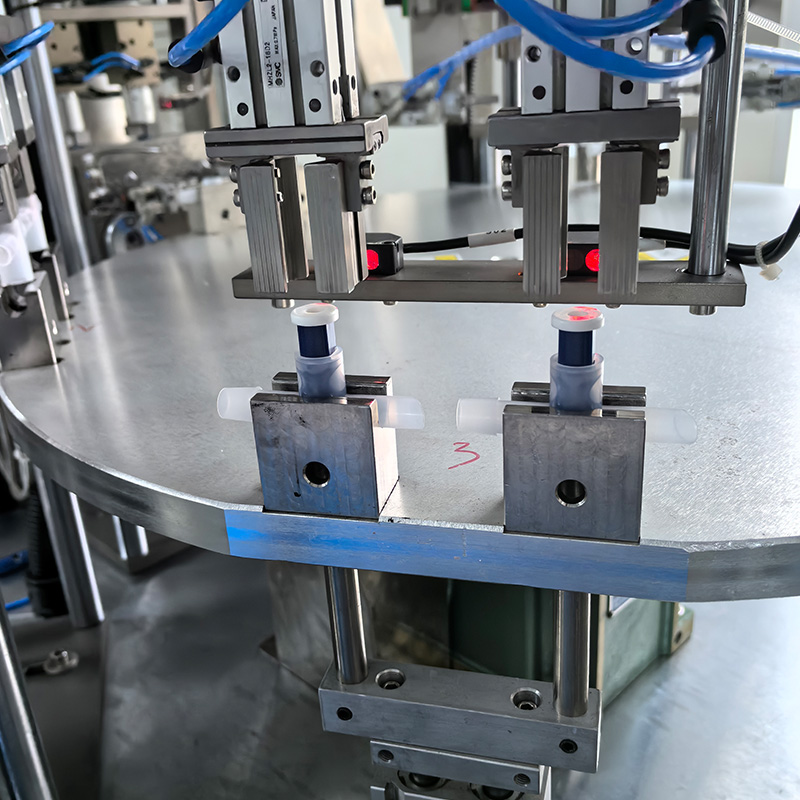
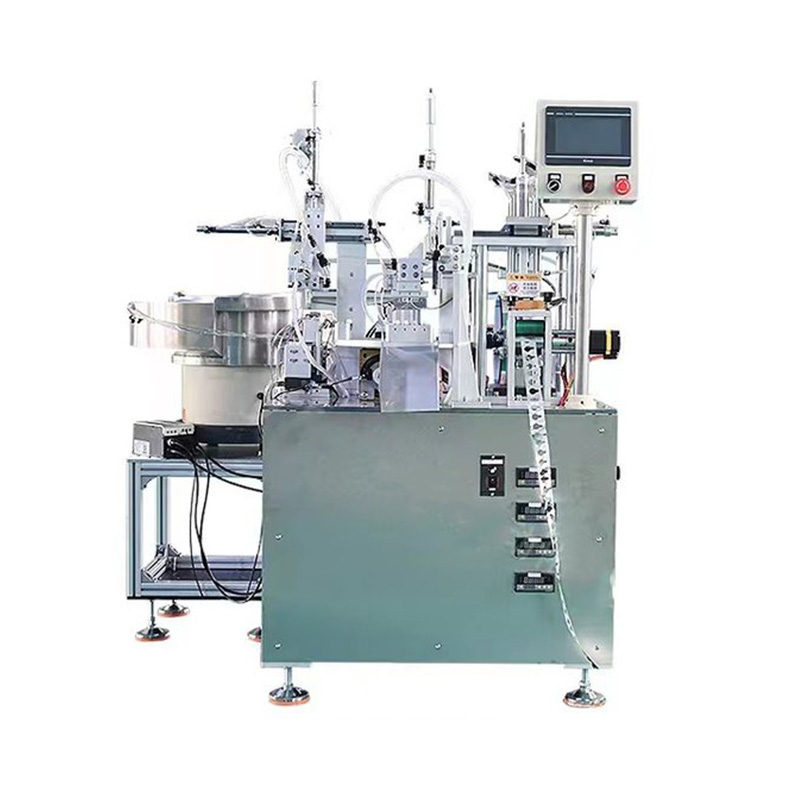
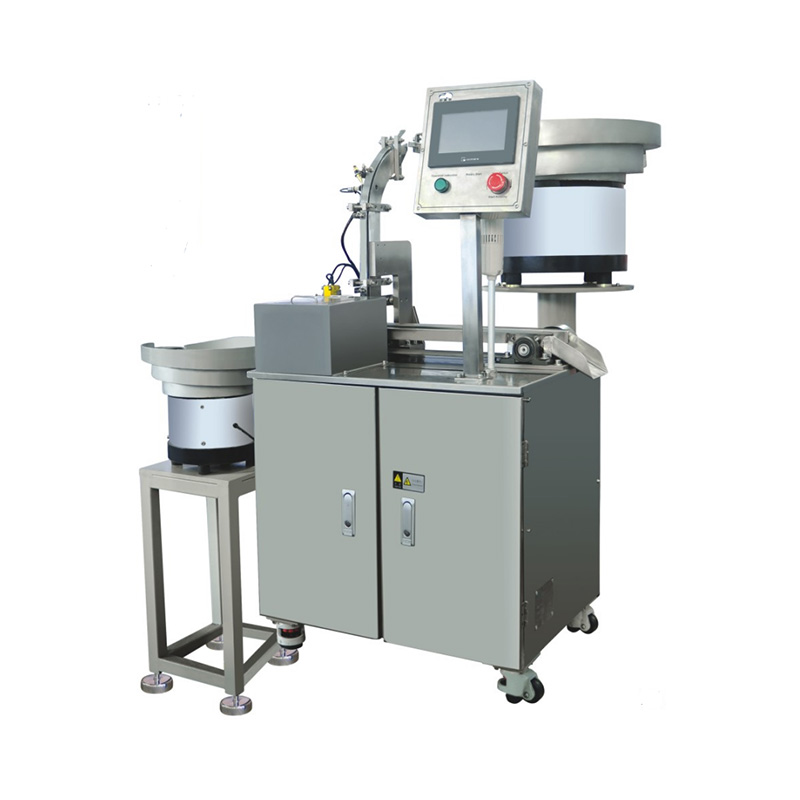
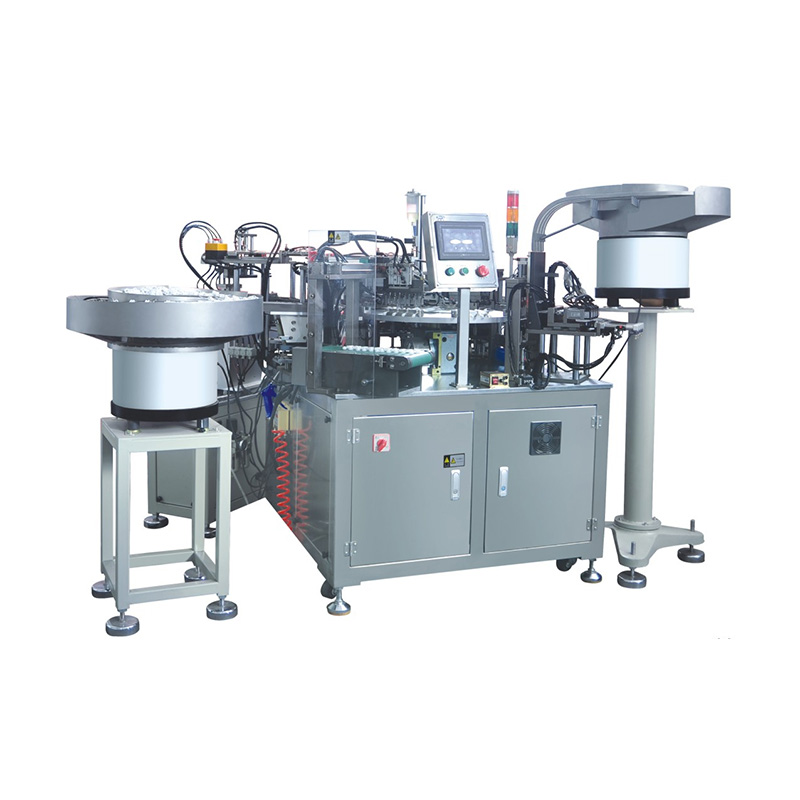
China Zhejiang Taizhou Ambe Trading Co., Ltd. is a manufacturer specializing in the production of medical equipment automation equipment.
Medical products typically pass through several production stages before they're even ready for packaging and distribution. A single product might need feeding, assembly, inspection, handling, labeling, and packaging all in sequence. Each stage carries its own role, sure, but how these stages actually work together shapes the whole production process far more than any one step alone.
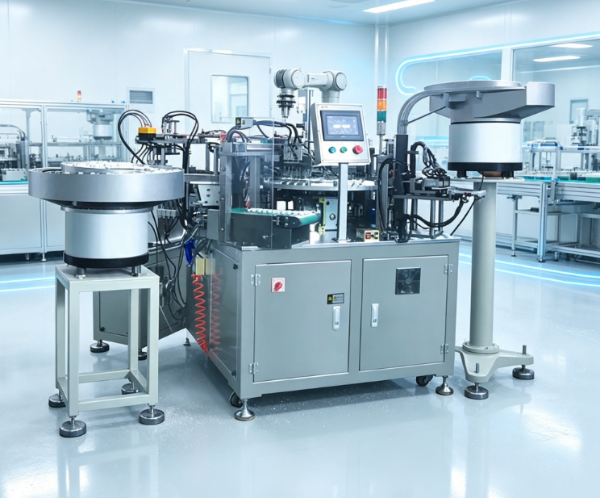
That's exactly where Medical Automation Equipment earns its place.
Rather than treating every production stage as its own isolated task, automated equipment helps stitch activities into a much more organized workflow. Materials move from one stage to the next with a lot less manual handling involved. Production information also gets a lot easier to manage once different operations are planned as part of the same connected process.
The value of automation, then, isn't just about swapping out manual work for machines. It's building a genuine connection between different corners of manufacturing that might otherwise operate in isolation.
For medical product manufacturers, this connection matters because production so often demands careful handling and genuinely consistent operations. A disconnected workflow tends to create unnecessary waiting, repeated handling, or communication gaps between production areas that nobody planned for.
Medical Automation Equipment offers a way to pull these activities a lot closer together.
What Role Does Medical Automation Equipment Play in Production?
Medical Automation Equipment shows up across plenty of different parts of a manufacturing workflow. Its exact role depends on the product, the production method, and how much automation the process actually calls for.
Some equipment zeroes in on assembly alone. Other systems get built for material handling, inspection, feeding, packaging, or product transfer instead. These functions can run separately, sure, but they can also get linked up to form one broader production process.
Take a medical consumable built from several individual parts, say. Those parts need to reach the assembly area in a genuinely organized way. Once assembly wraps up, the product needs to move toward an inspection stage. From there, it continues on toward packaging.
Skip the connection between these stages, and workers end up hauling products manually between different areas, one by one.
An automated workflow closes that gap considerably.
| Production Stage | Possible Automation Role | Connection With the Next Stage |
|---|---|---|
| Material preparation | Organizes parts for production | Sends materials toward assembly |
| Part feeding | Provides components to the working area | Keeps assembly supplied |
| Assembly | Brings product parts together | Transfers assembled products |
| Inspection | Checks product condition | Separates or directs products |
| Product handling | Moves products between areas | Maintains production flow |
| Packaging | Prepares products for further handling | Connects production with storage or distribution |
This does not mean every manufacturing line needs complete automation. Different factories may use different levels of automation according to their products and production plans.
The important point is that automation can help separate activities work as one process rather than a collection of unrelated tasks.
How Does Automation Connect One Production Stage to Another?
A production line becomes easier to manage when each stage has a clear relationship with the next one.
Imagine an assembly process where workers manually collect components, assemble them, place the finished product in another area, and wait for inspection. Each action may be simple. The overall workflow, however, can become fragmented.
Medical Automation Equipment can help create a more direct path.
Components can be prepared before they reach an assembly area. Once assembly is completed, the product can move toward the next operation. Inspection can then take place without requiring unnecessary product movement.
This connection can be built around several basic activities:
- Material movement
Products and components need to move between stages in an orderly way. - Production timing
Each stage needs to work with the pace of surrounding operations. - Product transfer
Finished or partly finished products need a clear route to the next activity. - Process coordination
Different machines or work areas need to operate as part of the same workflow. - Handling decisions
Products may need to be directed to different paths depending on their condition or production status.
When these activities are planned together, the production line can become easier to understand.
This is particularly useful when several operations take place within one manufacturing environment. Instead of viewing each machine as an independent unit, manufacturers can consider how the equipment interacts with the stages around it.
Why Is Production Flow Important in Medical Manufacturing?
Production flow affects more than the movement of products.
It can influence how workers organize their tasks, how materials are supplied, and how production areas communicate with each other. When one stage stops or becomes disconnected, the effect may spread to other parts of the workflow.
For this reason, manufacturers often look beyond individual machines when planning automation.
A piece of Medical Automation Equipment may perform its own task well, but that task still needs to fit into the larger production process. An assembly system, for example, needs access to the right components. Once assembly is complete, the product needs somewhere to go.
This creates a chain:
Material preparation → Feeding → Assembly → Inspection → Handling → Packaging
The exact sequence can vary by product. The principle remains similar.
Each stage depends on the surrounding stages.
A well-planned workflow can also make production areas easier to organize. Materials do not need to move back and forth without a clear purpose. Workers can focus on tasks that require human attention, while automated equipment handles suitable repetitive operations.
The result is not simply a faster production line. It is a more connected manufacturing process.
How Can Medical Automation Equipment Support Assembly and Inspection?
Assembly and inspection are often closely related.
A product may need to be assembled before its appearance, position, or general condition can be checked. If these operations are separated by unnecessary handling, the workflow may become more complicated.
Medical Automation Equipment can help connect the two stages.
During assembly, components are brought together in a planned sequence. Once the product reaches the inspection stage, it can be presented for checking without unnecessary movement.
Inspection can involve different forms of product review depending on the manufacturing process. Some operations may focus on whether parts are present. Others may consider product appearance, assembly condition, or packaging status.
The key point is that inspection does not have to exist as an isolated activity.
It can become part of the production flow.
For example, an automated process may direct assembled products toward an inspection area. Products that meet the required production conditions can continue. Products that require attention can be separated for further handling.
This creates a simple relationship between production and checking.
| Connected Activity | Purpose in the Workflow |
|---|---|
| Component feeding + assembly | Keeps required parts available for assembly |
| Assembly + product transfer | Moves completed products toward the next stage |
| Assembly + inspection | Allows products to be checked after assembly |
| Inspection + handling | Directs products according to inspection results |
| Inspection + packaging | Connects product checking with final preparation |
Such connections can reduce unnecessary manual movement and make the overall process easier to follow.
What Should Manufacturers Consider When Connecting Production Stages?
Automation planning should begin with the production process rather than with a machine alone.
Manufacturers can look at how materials enter the production area, how products move between operations, and where workers interact with the process. This helps reveal areas where disconnected activities may create unnecessary work.
Several questions can guide the planning process:
- What materials enter the production workflow?
- Which components need to be assembled?
- Where does each product go after assembly?
- Which stages require human attention?
- Where is inspection needed?
- How should products move between different operations?
- What happens when a product needs additional handling?
- How will production areas communicate with each other?
These questions may seem simple, but they can reveal important differences between production lines.
A manufacturer producing one type of medical consumable may have a very different workflow from a factory handling several product categories.
Flexibility is another consideration.
Production needs can change. Product designs may be adjusted. New production steps may be introduced. If equipment is planned without considering these changes, the production line may become difficult to adapt.
A Medical Automation Equipment supplier can therefore play a useful role during the planning stage. Clear communication about the product, production sequence, material handling, and future needs can help both sides understand what the equipment needs to accomplish.
Could Automation Reduce Gaps Between Manual and Automated Work?
Not every production activity needs to be fully automated.
Some tasks may still require workers because they involve judgment, product handling, process supervision, or other activities that are difficult to standardize. Automation can work alongside these human roles rather than remove them entirely.
This creates a mixed production environment.
For example, automated equipment may move components into an assembly area while workers handle a specific production task. After that activity, the equipment may transfer products toward another automated operation.
The worker remains part of the process, but the movement between tasks becomes more organized.
This approach can be useful when manufacturers are gradually introducing automation. Instead of changing an entire production line at once, they can examine individual stages and identify where automation can create a useful connection.
A practical workflow might look like this:
Manual preparation → Automated feeding → Assisted assembly → Automated transfer → Inspection → Manual review when needed → Packaging
The exact arrangement depends on the product and production environment.
What matters is that the relationship between manual and automated work is clearly planned.
Automation should support the production process rather than create additional separation between workers, machines, and materials.
How Does Equipment Integration Affect Future Production Planning?
A production line rarely remains unchanged forever.
Manufacturers may introduce new products, modify existing designs, adjust packaging methods, or change how materials are handled. These changes can affect several production stages at the same time.
This is why equipment integration should be considered as part of longer-term production planning.
When different stages are connected, changes can be easier to identify. A modification in assembly may affect feeding, inspection, or product transfer. Understanding these relationships allows manufacturers to consider the wider workflow instead of looking at one operation in isolation.
Integration can also help production teams communicate more clearly.
A manufacturer may need to discuss production requirements with a Medical Automation Equipment Manufacturer or Medical Automation Equipment Supplier. The discussion is more useful when it covers the complete process rather than only one machine.
| Planning Area | Questions to Discuss |
|---|---|
| Product | What needs to be produced and handled? |
| Materials | How should components enter the process? |
| Assembly | Which production activities need automation? |
| Transfer | How should products move between stages? |
| Inspection | Where should product checking take place? |
| Packaging | How does the production line connect with packaging? |
| Future needs | Could the workflow need changes later? |
This broader view can help manufacturers make equipment decisions based on the production process as a whole.
How Can Medical Automation Equipment Create a More Connected Workflow?
The connection between production stages is often built from many small interactions.
Materials need to arrive at the right place. Components need to move into assembly. Products need to leave assembly in an organized way. Inspection needs access to the products that require checking. Packaging needs a reliable flow of finished items.
When these activities are planned separately, the production line may contain gaps.
When they are considered together, the workflow can become more continuous.
This does not mean that every stage must use the same equipment or operate in exactly the same way. Different operations can have different requirements. The goal is to create a clear relationship between them.
For manufacturers, this may involve combining several types of Medical Automation Equipment within one production environment. Feeding equipment can support assembly. Transfer systems can connect work areas. Inspection equipment can work alongside production equipment. Packaging operations can receive products directly from the preceding stage.
The equipment becomes part of a larger production structure.
This also changes how buyers evaluate automation solutions. Instead of asking only what a machine can do, they can ask how it will interact with the equipment and people around it.
A connected workflow depends on more than machinery.
It depends on product information, production planning, communication, material handling, worker involvement, inspection practices, and future manufacturing needs. When these elements are considered together, Medical Automation Equipment can serve as a link between separate production activities and help create a clearer path from incoming components to finished medical products.