
 English
 русский
 Español


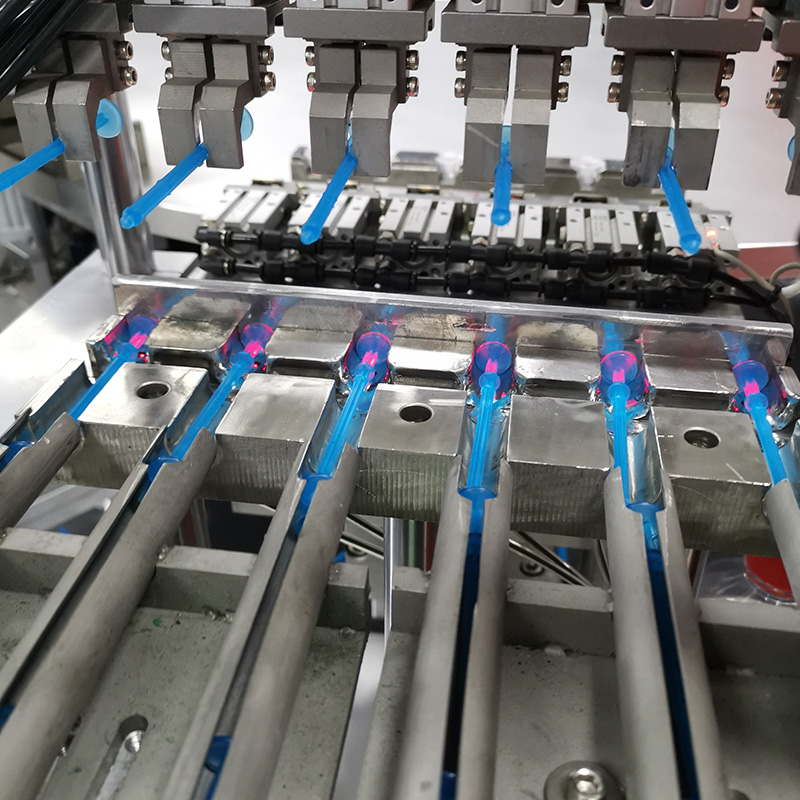
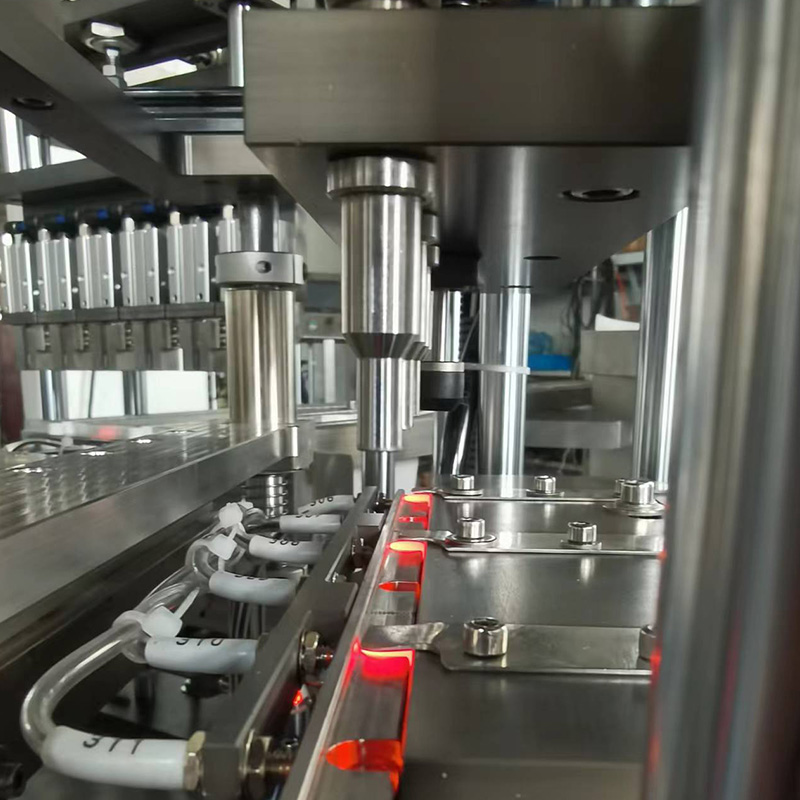
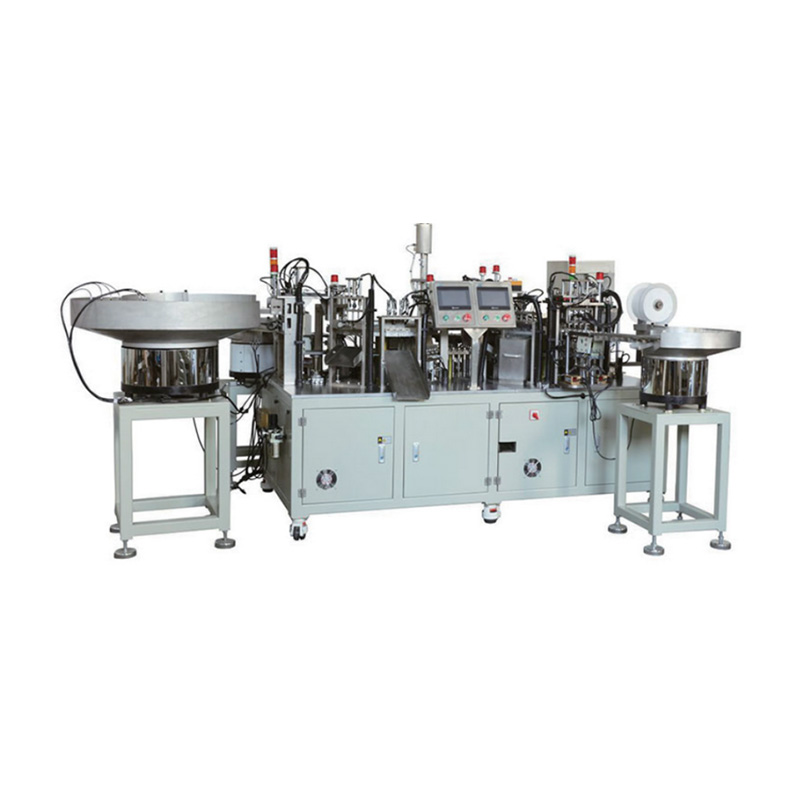
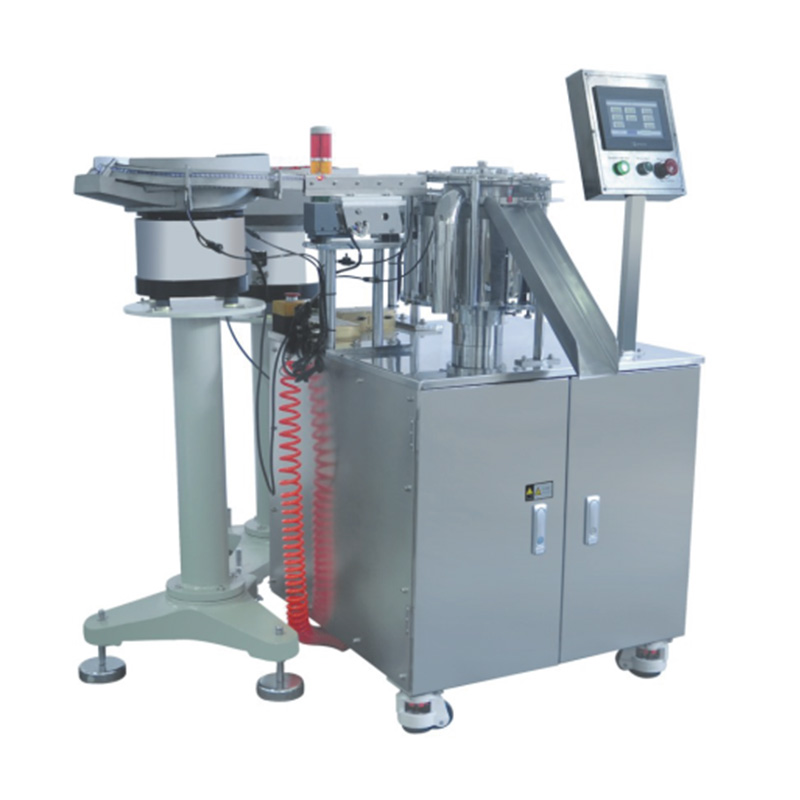
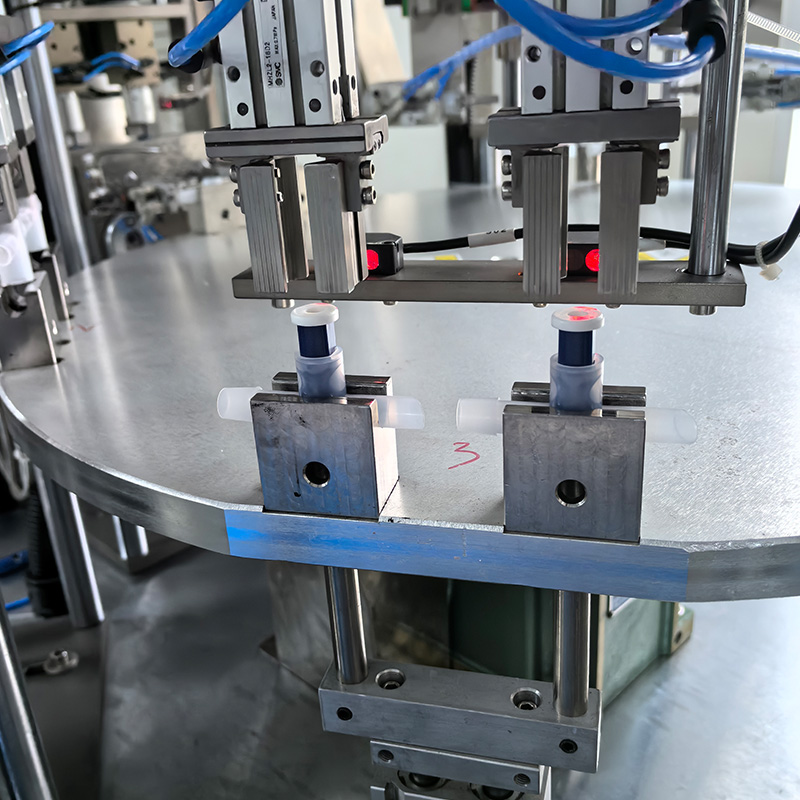
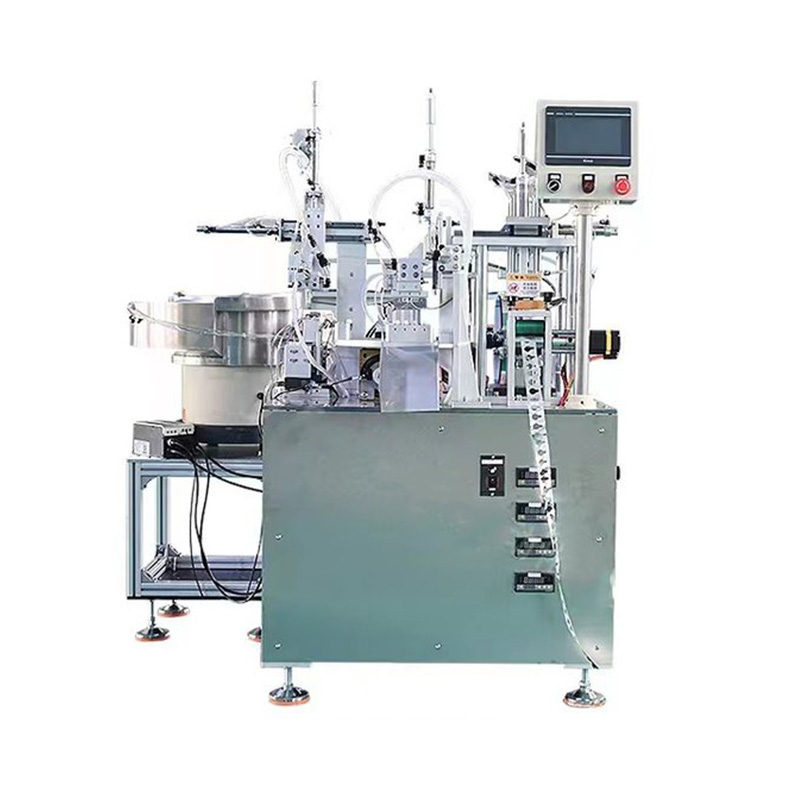
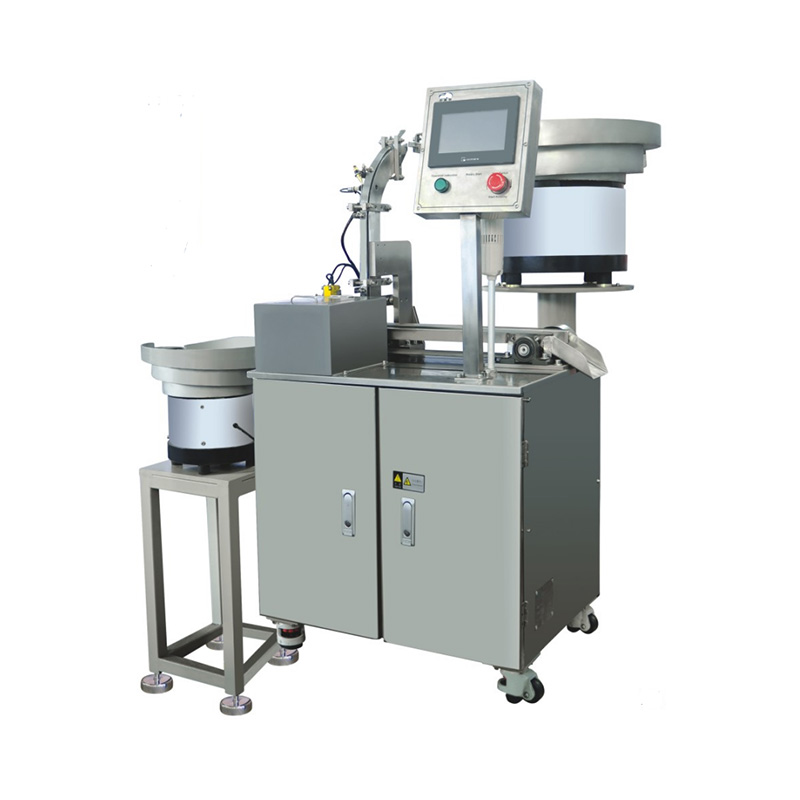
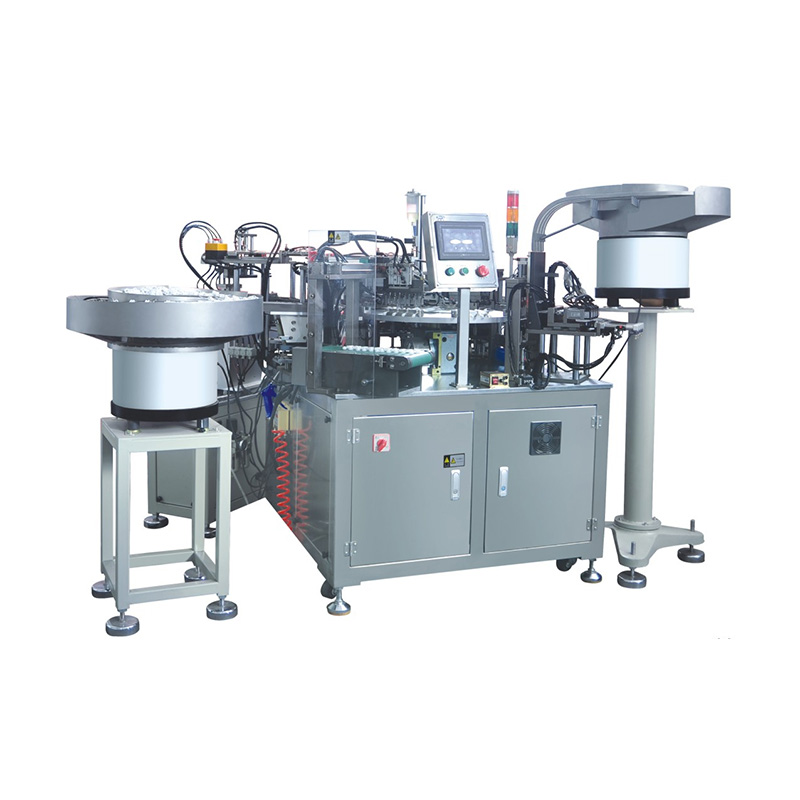
China Zhejiang Taizhou Ambe Trading Co., Ltd. is a manufacturer specializing in the production of medical equipment automation equipment.
A syringe looks like just about the simplest medical product imaginable, sitting on a shelf or packed away for use. Its familiar shape can trick people into assuming the manufacturing process behind it is equally simple. In reality, turning out a finished syringe pulls together several connected activities that all need to work in sync.
Components have to move through the production process in some kind of orderly fashion. Assembly tasks have to follow a sequence that actually makes sense. Workers and equipment need to cooperate smoothly. Finished products then need to flow cleanly toward inspection and packaging.
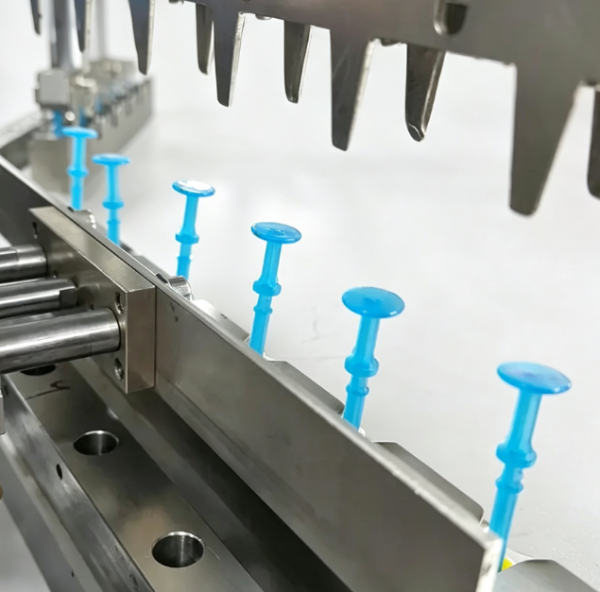
That's exactly why the Automatic Syringe Assembly Machine keeps drawing growing attention from medical manufacturing businesses.
Automation usually gets framed purely around production speed. But there's another shift here that matters just as much. Automated assembly brings real structure to a manufacturing process that badly needs it.
Rather than treating each assembly activity as some isolated task floating on its own, manufacturers can organize production around one connected workflow instead. Materials, equipment, workers, inspection, and packaging all get clearer, better-defined roles.
That shift makes syringe production a lot easier to understand and manage day to day. It also mirrors a much wider change happening across how medical consumables manufacturing gets organized overall.
Why Is Organized Production Becoming More Important For Syringe Manufacturing?
A manufacturing process turns into a real headache once too many separate tasks get handled without any clear connection linking them together.
Syringe production juggles different components across several assembly stages. Each stage earns its own place in the overall process. Delay one activity, or handle it differently than the last time, and that ripple travels straight into the rest of the workflow.
Organized production helps manufacturers build a genuinely clearer relationship between all these moving pieces.
| Production Area | More Organized Approach |
|---|---|
| Material preparation | Materials are arranged around the production workflow |
| Component handling | Parts move through defined production stages |
| Assembly | Repeated tasks follow a planned process |
| Inspection | Checking activities are connected with production |
| Packaging | Finished products move into the next stage in an orderly way |
| Workforce | Employees have clearer responsibilities within the process |
This structure does not mean every part of production has to be automated.
People remain important in manufacturing. Workers may prepare materials, observe production, handle unusual situations, check products, and manage equipment.
The role of automation is to create a more consistent framework for routine work.
For syringe manufacturers, this can be useful because organization affects more than the assembly task itself. It can influence how a production area is planned and how different activities interact.
How Can An Automatic Syringe Assembly Machine Bring More Structure To Production?
An automatic syringe assembly machine can take a series of repeated assembly activities and place them within a defined production process.
This changes the way a production team may approach its daily work.
With a highly manual workflow, employees may need to coordinate individual activities closely. The way a task is performed can depend on the person carrying it out and the arrangement of the workstation.
Automated equipment provides a more structured environment for routine operations.
The machine performs its assigned role within the production line, while employees manage the surrounding activities. This creates a clearer division of responsibilities.
The difference can be seen in the relationship between people and equipment.
A worker does not necessarily need to remain focused on one repetitive assembly movement throughout the entire production process. Instead, the worker may take responsibility for broader production activities.
This can include material preparation, equipment observation, product checking, workflow management, and responding to production needs.
The result is not simply a machine doing work that a person once performed. It is a different way of organizing the work itself.
Could Automation Make Component Handling More Orderly?
Syringe assembly hinges on moving separate components through the manufacturing process in a way that actually holds together.
Handle these components manually, and production teams need to pay close attention to how parts get prepared, positioned, transferred, and assembled at every turn.
An automated process offers a much clearer path for handling components routinely.
That matters because production organization ties tightly into how materials actually move. Once components have a defined place in the workflow, workers grasp what's happening at each stage a lot faster.
A structured process also makes production areas genuinely easier to manage.
Materials, for instance, get arranged according to their role in the assembly process. Equipment gets positioned around the expected workflow. Employees focus on specific responsibilities instead of constantly juggling every tiny movement by hand.
That builds a much more connected production environment overall.
It's worth recognizing, too, that automation doesn't erase the need for careful material management. Components still need proper prep. Production staff still need to monitor everything closely. The machine still needs to run within a genuinely suitable manufacturing environment.
Automation just offers another method for making repeated movement a lot more organized.
How Does Automated Assembly Change The Relationship Between Workers And Machines?
The introduction of automated equipment can change the role of workers without removing human involvement.
Manual assembly often places people directly at the center of repeated production tasks. Workers handle components, perform assembly movements, and monitor the immediate result.
An automated system can take over some of these routine activities.
This allows employees to move toward tasks that involve observation and coordination.
A manufacturing team may divide its responsibilities across areas such as:
- Production preparation
Workers prepare the materials and production area before assembly begins. - Equipment management
Employees monitor the machine and respond when attention is required. - Quality observation
Workers can remain involved in checking products and identifying unusual conditions. - Workflow coordination
Production staff can pay attention to how assembly connects with inspection and packaging. - Process adjustment
When production requirements change, people remain responsible for organizing the appropriate response.
This relationship can make the production floor more structured.
Instead of having people spend most of their time repeating the same physical action, the manufacturing team can distribute attention across the wider process.
That can also affect how companies think about employee training. Workers may need a stronger understanding of the production workflow rather than focusing only on one assembly task.
Can Automatic Syringe Assembly Support More Consistent Workflows?
Consistency is an important part of organized production.
A manufacturing process becomes easier to manage when routine activities follow a recognizable pattern. Workers know what happens at each stage. Materials move through familiar steps. Equipment has a defined role.
Automatic syringe assembly can support this type of structure.
The machine carries out its assigned operations within an established workflow. This can reduce the need to coordinate every repeated movement manually.
The value is not limited to the assembly area.
When the assembly process becomes more organized, other production activities can be planned around it. Inspection can be arranged according to the flow of finished products. Packaging can be connected more naturally with completed assembly. Material preparation can also be planned according to production needs.
This creates a chain of connected activities.
| Workflow Stage | Role In Organized Production |
|---|---|
| Material preparation | Creates a clear starting point |
| Component assembly | Brings parts together through a defined process |
| Product checking | Provides an opportunity to observe finished products |
| Transfer | Connects assembly with the next production stage |
| Packaging | Continues the organized movement of finished products |
A clear workflow can also make production easier to communicate.
When responsibilities and process stages are visible, employees can understand how their work affects other parts of the manufacturing operation.
Why Does Production Planning Matter When Using Automatic Assembly Equipment?
Buying an automatic syringe assembly machine is only one part of an automation decision.
The equipment needs to fit into the wider manufacturing process.
A machine can perform its intended assembly activities, but the surrounding workflow still needs attention. Materials must reach the right place. Employees need to understand their responsibilities. Inspection and packaging need to connect with assembly.
This means production planning becomes increasingly important.
Manufacturers may consider questions such as:
- Where should materials enter the workflow?
- How should employees interact with the equipment?
- How will assembled products move to inspection?
- Where will finished products be transferred?
- How should different production tasks be coordinated?
These questions help prevent automation from becoming an isolated part of the factory.
The goal is not simply to place a machine in an existing production area. The wider process may need to be reorganized around the equipment.
This can lead to a more connected manufacturing environment.
Such planning can also help manufacturers identify areas where manual work remains useful. Not every activity needs to be automated. Some tasks may benefit from direct human attention because they involve judgment, observation, or changing production conditions.
Organized production is therefore about finding a suitable relationship between automated and human work.
Could Automated Syringe Assembly Make Production Changes Easier To Organize?
Manufacturing needs can change. A company may work with different syringe products or adjust its production plans according to customer requirements.
When a production process depends heavily on manual coordination, changes can affect many parts of the workflow at once.
Automated assembly can provide a more structured foundation for managing these changes.
The equipment has a defined role. The production team knows which activities take place around it. This can make it easier to identify what needs to change when the manufacturing plan changes.
Flexibility does not mean that an automatic machine can handle every possible product without adjustment.
Instead, it means that the production system can be designed with change in mind.
Manufacturers can consider how equipment, materials, workers, inspection, and packaging will interact when production requirements are different.
This approach can be especially useful for companies that want to avoid building a production process around one fixed arrangement.
A more organized workflow can provide room for adjustments while keeping the overall production structure clear.
Where Is Automatic Syringe Assembly Heading In Modern Medical Manufacturing?
The role of automatic syringe assembly is becoming connected with a broader question: how can medical manufacturing remain organized as production needs become more varied?
Automation provides one possible answer.
The future of syringe assembly is not simply about adding more equipment. It is about creating production environments where different activities can work together with less unnecessary disruption.
An automatic syringe assembly machine can become one part of that environment.
Its role may connect with material preparation, production management, inspection, packaging, and workforce planning. As these areas become more closely connected, the machine is no longer viewed only as an assembly device.
It becomes part of the manufacturing workflow.
This perspective also changes how manufacturers may evaluate equipment. Instead of asking only what a machine can assemble, they can consider how it fits into the entire production process.
Can it support an organized workflow? Can workers understand their role around it? Can materials move through the process clearly? Can production planning remain adaptable?
These questions place greater attention on the structure of manufacturing itself.
For syringe production, that structure matters because the finished product is only one part of the story. Behind every assembled syringe is a series of connected activities. When those activities are arranged clearly, the production process can become easier to manage, observe, and adapt.
Automatic syringe assembly machines are therefore becoming part of a wider movement toward more organized medical manufacturing, where automation is not simply about replacing repetitive work but about creating a clearer connection between people, equipment, materials, and the production workflow.