
 English
 русский
 Español


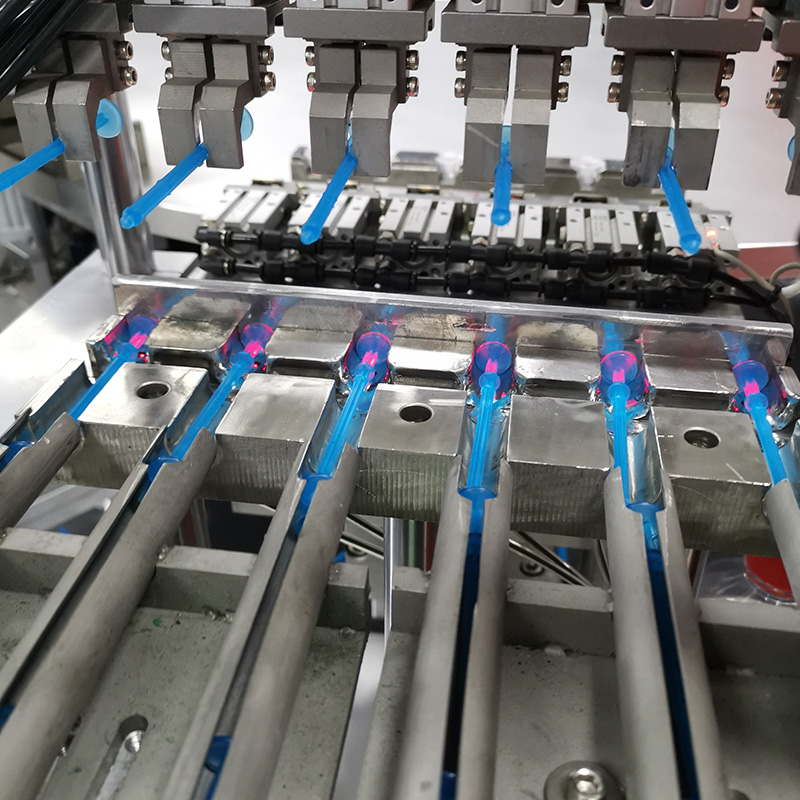
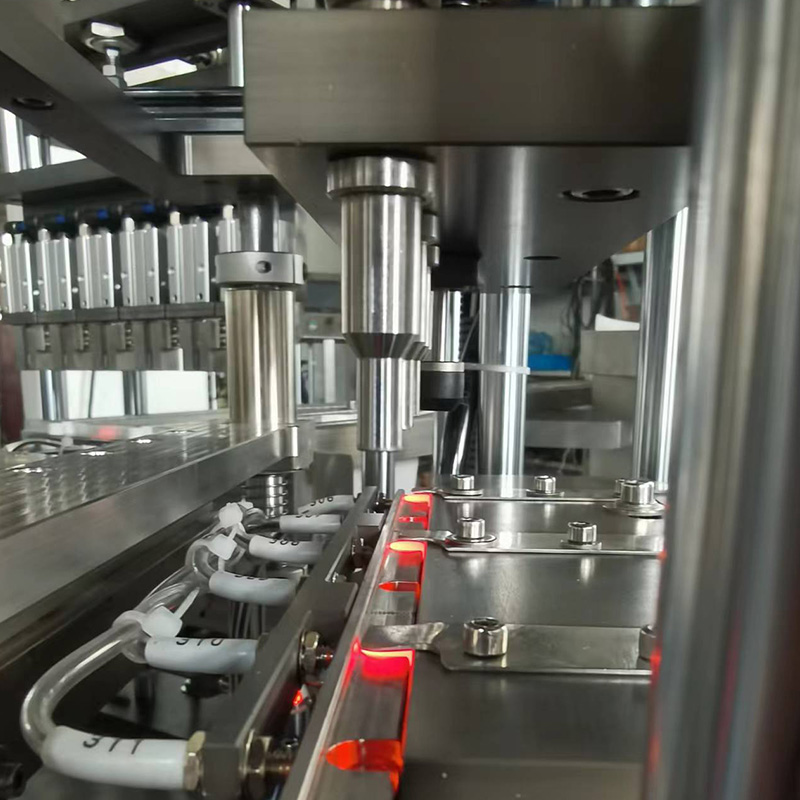
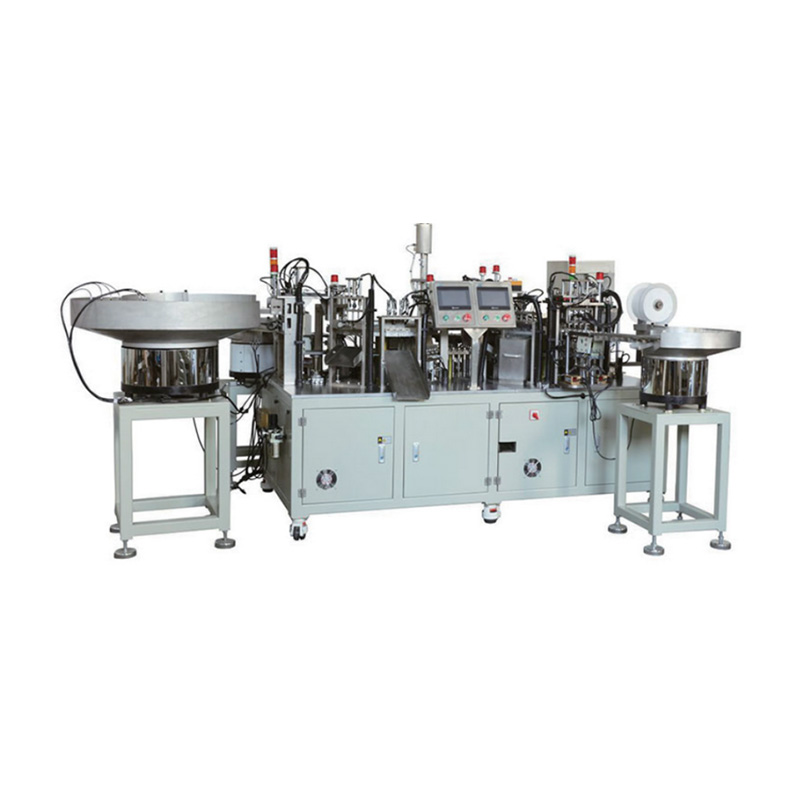
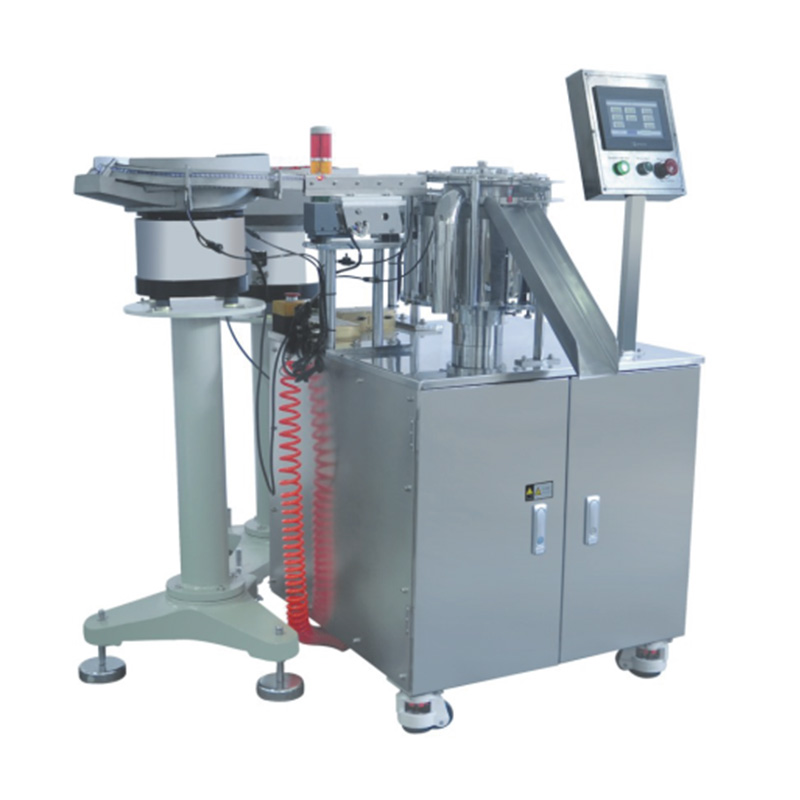
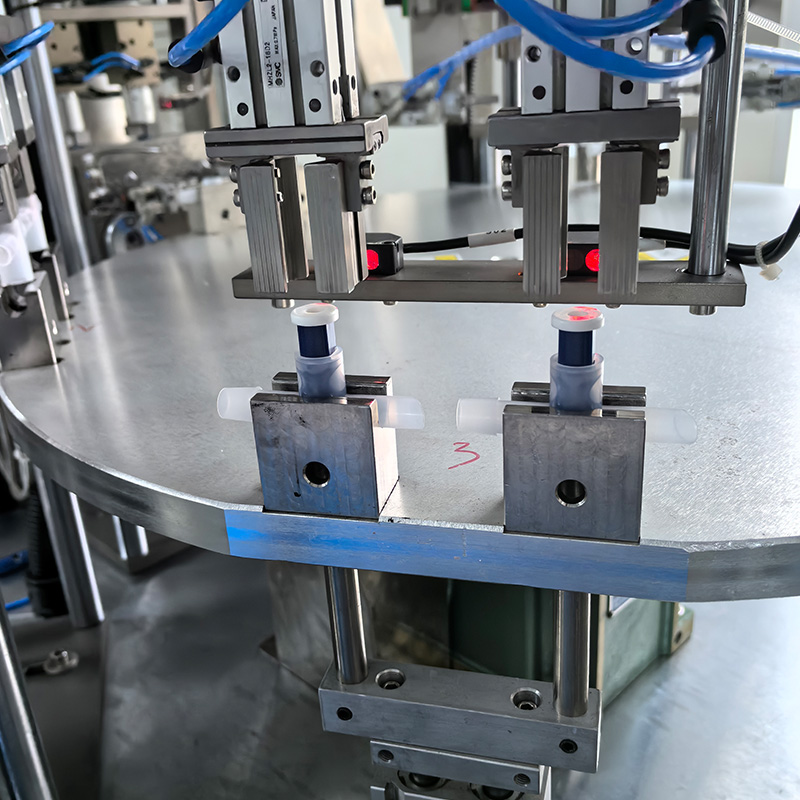
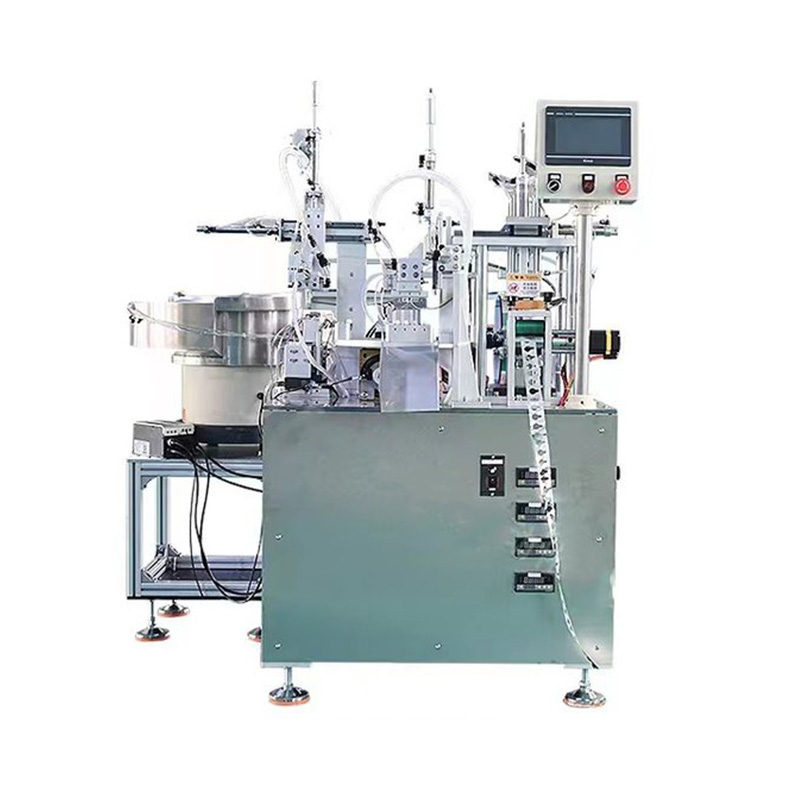
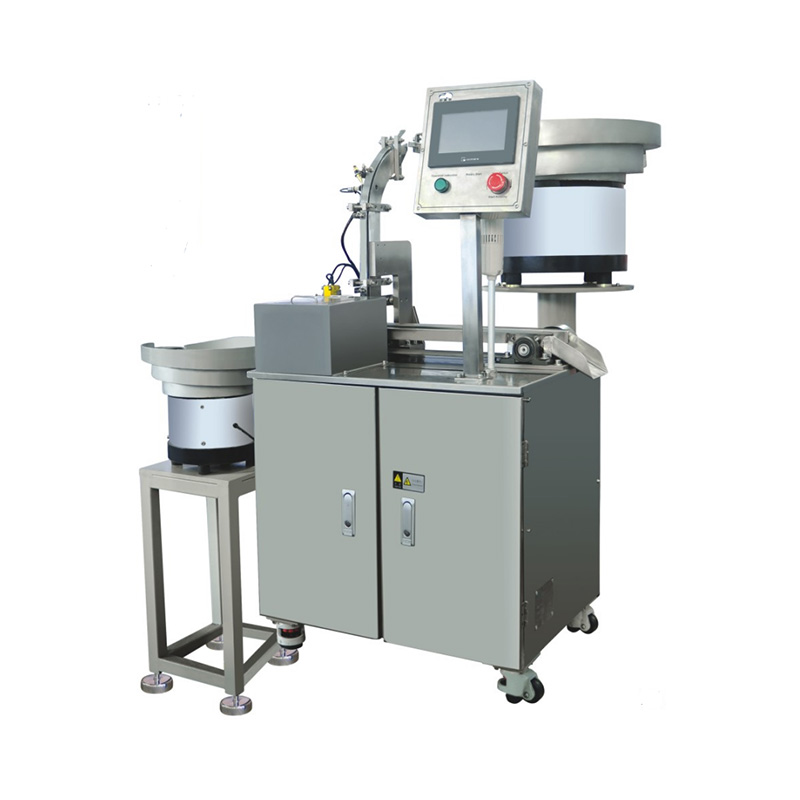
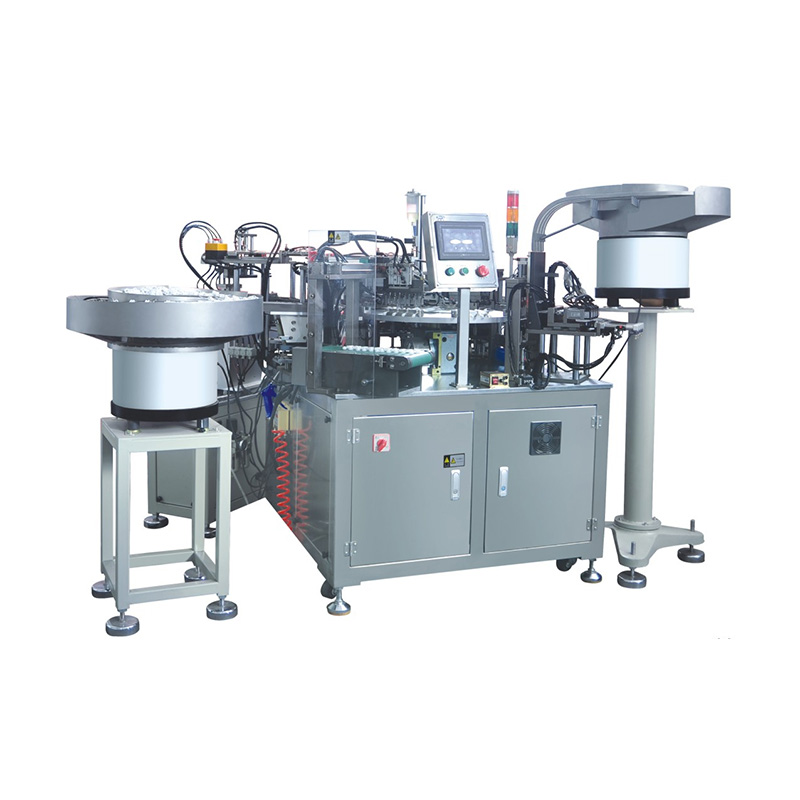
China Zhejiang Taizhou Ambe Trading Co., Ltd. is a manufacturer specializing in the production of medical equipment automation equipment.
Medical devices are becoming more compact, more functional, and in many cases, more complicated to manufacture. Plastic plays a big role in that change. From disposable medical products and diagnostic equipment to drug-delivery components, many parts need to be lightweight, dimensionally consistent, and suitable for large-scale production.
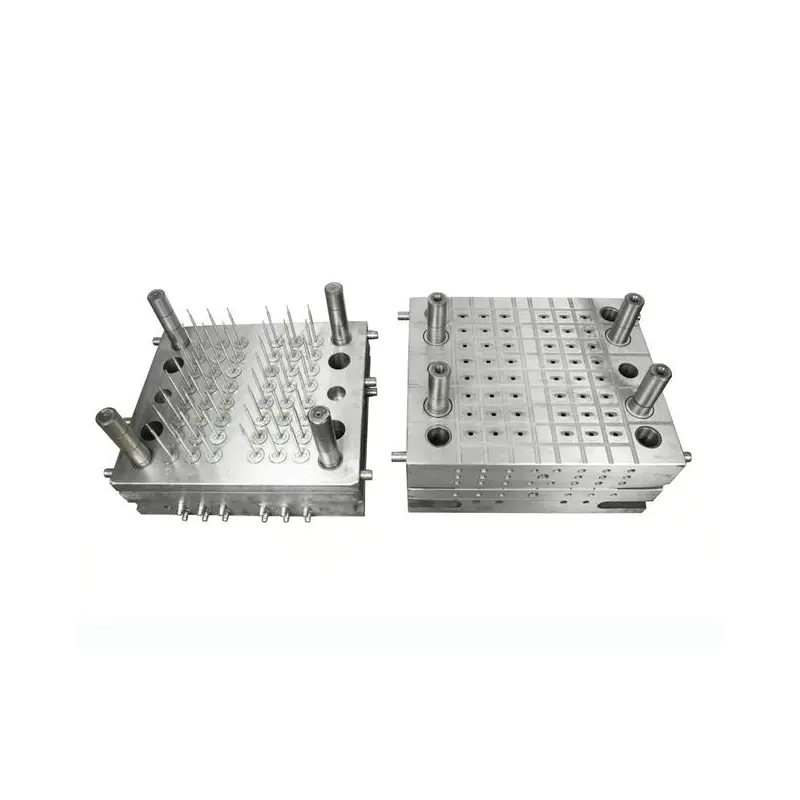
This is where Medical Plastics Injection Molding comes into the picture. Injection molding gives manufacturers a practical way to produce large quantities of plastic components with repeatable dimensions and carefully controlled features.
But medical molding is not simply ordinary plastic injection molding with a cleaner workshop. Material selection, mold design, process control, cleanliness, inspection, and documentation all need closer attention. A small molding problem can affect how a component fits into the final device, so the production process has to be planned from the beginning.
Why Plastics Are Widely Used in Medical Devices
Plastic is used in medical manufacturing for several practical reasons. Many engineering and medical-grade plastics are lightweight, easy to process, and available in different levels of strength, flexibility, chemical resistance, and temperature resistance.
For disposable products, plastics can also make high-volume production more practical. Components such as housings, connectors, caps, trays, and certain fluid-handling parts may need to be produced in very large quantities.
There is another advantage that is easy to overlook: design flexibility. Injection molding can produce small parts with holes, ribs, bosses, clips, channels, and other details in one molded component.
The material still needs to match the application, though. A plastic used for a diagnostic housing may have very different requirements from one used in a fluid-contact component.
How Injection Molding Supports High-Volume Medical Production
Once the mold and process have been properly developed, injection molding is well suited to repeat production.
Plastic pellets are heated until they reach the required processing condition and are then injected into the mold cavity under controlled pressure. After cooling, the part is ejected and the cycle starts again.
That sounds straightforward. In actual production, small changes in temperature, injection speed, holding pressure, cooling time, or material condition can affect the finished part.
For medical manufacturers, consistency is often just as important as production speed. If thousands of components are going into the same device, dimensional variation needs to stay within the agreed requirements.
Complex Medical Components Can Be Molded as One Part
Injection molding is also useful when a medical component has a fairly complicated shape.
Instead of assembling several small plastic pieces, designers may be able to combine certain features into a single molded part. Ribs can add stiffness, bosses can support screws or other components, and snap-fit structures can simplify assembly.
This does not mean every design should be molded as one piece. Sometimes separating components makes inspection, maintenance, or assembly easier.
The point is that injection molding gives medical device designers more options. Mold design, draft angles, wall thickness, parting lines, and ejection all need to be considered before production starts.
Material Selection Must Match the Medical Application
Material choice is one of the areas where a project can go wrong early.
Different medical applications may require resistance to chemicals, heat, moisture, impact, repeated handling, or sterilization. Some components may also need a particular level of stiffness or flexibility.
Common engineering plastics used in medical-related applications include materials such as PC, ABS, PP, PE, POM, and certain high-performance polymers. The right choice depends heavily on the actual component and its use conditions.
Buyers should also check whether the selected material meets the requirements of the intended application. A material being described as “medical grade” does not automatically mean it is suitable for every medical device.
Material documentation, traceability, processing recommendations, and applicable compliance information should be reviewed before mass production.
Mold Design Has a Direct Effect on Part Quality
A well-designed mold makes the production process easier to control.
Gate location, runner design, cooling channels, venting, draft angles, and ejection all have an effect on the finished component. For small medical parts, even a minor design issue may become noticeable when the part is produced repeatedly.
For example, poor venting can contribute to trapped air and surface defects. Uneven cooling can lead to warpage or dimensional changes.
Mold maintenance matters too. A mold may produce thousands or millions of cycles, depending on the project, so wear needs to be monitored throughout its service life.
Process Control Is Essential for Consistency
The injection molding machine needs to run within an appropriate process window. Temperature, injection pressure, speed, holding conditions, cooling time, and other parameters should be controlled and documented according to the project requirements.
This is especially relevant for small components. A slight dimensional change may not look serious when checking one part, but it can cause problems during automated assembly when repeated across a large production batch.
Good process control does not mean every production parameter stays frozen forever. Tool condition, material batches, machine condition, and environmental factors may require adjustments. Changes should be controlled and properly evaluated.
Cleanliness Requirements Are Different From Ordinary Plastic Manufacturing
Medical plastic components may have stricter cleanliness requirements than general industrial plastic parts.
Dust, oil, loose particles, mold-release residues, and other contamination can become a concern depending on the application. Production areas, equipment, operators, packaging, and storage conditions may all need to be managed accordingly.
The exact requirements depend on the type of medical product being manufactured. A plastic housing for diagnostic equipment does not necessarily have the same cleanliness requirements as a component used in a sterile product.
This is one reason buyers should understand how a supplier actually manages its production environment, instead of looking only at the machine list.
Quality Control Should Cover the Complete Production Process
Inspection should not be limited to checking finished parts at the end of production.
Incoming materials need to be controlled. Molds and machines should be checked. During production, operators or inspection systems may monitor dimensions, appearance, weight, and other characteristics defined by the project.
Finished components can then go through additional inspection according to the product requirements.
A simple way to look at it is:
| Production stage | Typical focus |
|---|---|
| Material receiving | Material type, documentation, batch information |
| Mold preparation | Tool condition and cleanliness |
| Trial production | Dimensions, appearance, molding conditions |
| Mass production | Process stability and repeatability |
| Final inspection | Product specifications and defects |
| Packaging | Protection, cleanliness, identification |
The exact inspection plan will vary from one medical product to another.
Dimensional Accuracy Matters During Device Assembly
A molded plastic component rarely works alone. It may need to connect with another molded part, a metal component, electronic equipment, tubing, a seal, or a precision mechanism.
That is why dimensional control matters.
Features such as hole diameter, wall thickness, flatness, clip dimensions, and mating surfaces can affect assembly. If tolerances are too tight for the molding process, production costs may rise. If they are too loose, the final device may not function as intended.
The practical approach is to identify which dimensions actually matter to the finished device and control those dimensions carefully.
Automation Can Improve Production Consistency
Automation is becoming more common in medical plastic manufacturing. Robots can remove molded parts, automated systems can inspect components, and production equipment can record process information.
Automation is not always necessary for every project. For high-volume production, though, it can reduce repetitive manual handling and make the process easier to standardize.
Automated inspection can also be useful when parts are small and production volumes are high. Cameras and measurement systems may detect certain dimensional or appearance defects that would be difficult to check manually on every piece.
Prototyping Helps Reduce Design Problems Before Mass Production
A mold is a significant investment, especially when the component has a complicated geometry.
Before moving into large-scale production, medical device manufacturers may use prototypes or trial molds to evaluate the part design. This gives engineers an opportunity to check fit, assembly, wall thickness, material behavior, and other practical issues.
Finding a problem at this stage is much easier than discovering it after a large production run has already started.
Design changes should also consider manufacturability. A feature that looks good in a CAD model may be difficult to mold consistently. Experienced molding engineers can often identify these problems early.
Different Medical Device Applications Have Different Molding Requirements
Diagnostic Equipment Components
Diagnostic equipment often contains plastic housings, covers, brackets, knobs, connectors, and internal structural parts.
These components may need good dimensional stability and a clean appearance. Some parts also need to accommodate electronic components or display systems.
Disposable Medical Products
Disposable products can require very high production volumes. Consistent cycle times and stable quality become important because even a small process problem can affect a large number of parts.
Packaging and cleanliness requirements may also play a major role.
Drug-Delivery Devices
Drug-delivery products can contain small precision components with tight dimensional relationships.
Parts may need to work with springs, seals, cartridges, or other mechanisms. Material compatibility and dimensional consistency therefore need to be considered together.
Surgical or Clinical Equipment
Plastic parts used in surgical or clinical equipment may have requirements related to strength, cleaning, chemical exposure, or sterilization, depending on the application.
The molding process needs to be developed around those actual conditions.
Sterilization Requirements Need to Be Considered Early
If a molded component will be sterilized, the process should be considered during material and product development.
Heat, radiation, chemicals, or other sterilization methods can affect certain plastics. Changes may include discoloration, dimensional changes, brittleness, or other material behavior.
It is better to check this before finalizing the material and mold. Otherwise, a component that works well in normal conditions may behave differently after repeated sterilization cycles.
Regulatory and Quality Requirements Should Be Built Into the Project
Medical manufacturing involves more documentation and quality controls than many ordinary plastic products.
The exact requirements depend on the product, market, intended use, and applicable regulations. Manufacturers may need controlled production procedures, traceability, inspection records, material documentation, and other quality records.
For buyers, it is worth asking a supplier what quality system and documentation they can actually support. A certificate on its own does not explain how a specific component is produced or inspected.
Customization Gives Medical Device Manufacturers More Design Flexibility
Medical injection molding projects are often customized around a particular device.
Customization can involve the plastic material, part dimensions, surface finish, mold structure, color, gate position, packaging, or production volume.
OEM projects may also require engineering support during mold development. This is where communication between the molding supplier and the device manufacturer becomes important.
A supplier that understands the actual application can identify manufacturing problems earlier, which can save time during later production stages.
Supplier Capabilities Matter for Long-Term Production
Choosing a medical injection molding supplier is not only about finding a machine with the right injection capacity.
Buyers should look at mold-making capability, material handling, process control, inspection equipment, production environment, documentation, and experience with similar components.
Production capacity matters too. A supplier may handle a small trial order comfortably but struggle when the required monthly volume increases.
It is worth discussing the expected production volume, tolerance requirements, inspection plan, material requirements, and future demand before placing a long-term order.
What Should Buyers Ask a Medical Injection Molding Supplier?
A few practical questions can make supplier evaluation easier:
- What medical plastic materials can you process?
- Can you provide material and batch documentation?
- How are critical dimensions inspected?
- How is mold maintenance managed?
- What production volume can the facility support?
- Can you assist with DFM and mold design?
- How are production changes controlled?
- What cleanliness controls are used for the intended application?
- Can you provide inspection reports and traceability records?
- Have you produced similar components before?
The answers will tell buyers much more about the supplier's actual capabilities than a general statement about being a medical molding manufacturer.
How Medical Injection Molding Supports Scalable Device Production
As medical device production grows, manufacturers need processes that can move from development into stable volume production.
Injection molding fits this model well when the component design, material, mold, machine, and inspection process have been properly developed.
The real challenge is keeping those elements working together. A good mold cannot compensate for unsuitable material, and a suitable material does not solve poor process control.
For medical manufacturers, scalability comes from building a controlled process that can be repeated as production volume increases.
Building a More Reliable Medical Plastic Manufacturing Process
Medical Plastics Injection Molding is supporting a wide range of medical device applications because it combines design flexibility with repeatable production.
But the molding machine is only one part of the picture. Material selection, mold design, cleanliness, process settings, inspection, documentation, and supplier experience all have a role.
For buyers, the better question is not simply whether a supplier can mold a particular plastic part. It is whether the supplier can consistently produce that part under the conditions required by the final medical device.
When those details are handled together, injection molding becomes a practical production method for reliable plastic components and for scaling medical device manufacturing.