
 English
 русский
 Español


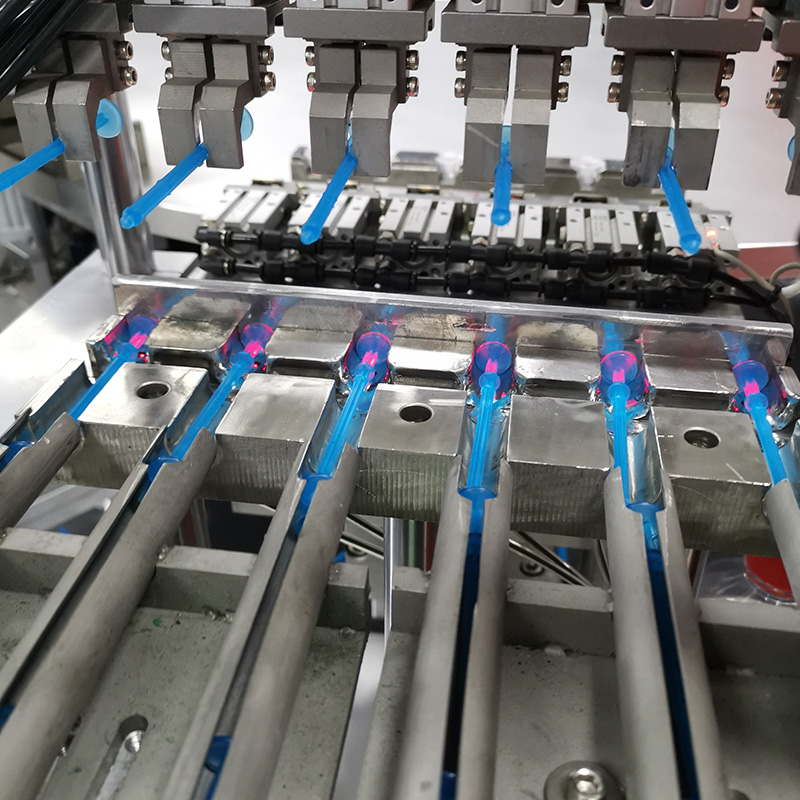
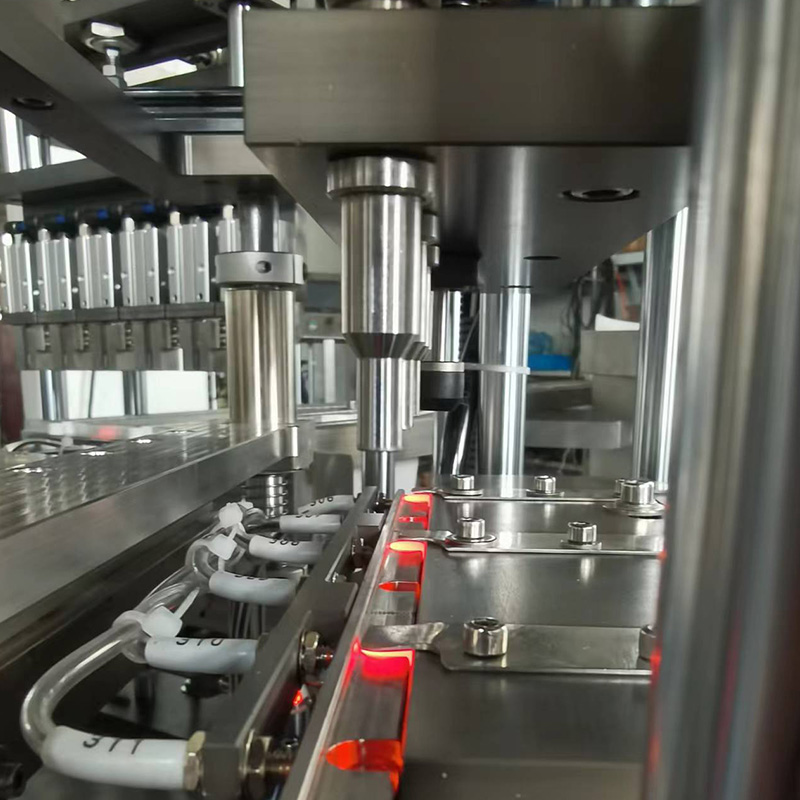
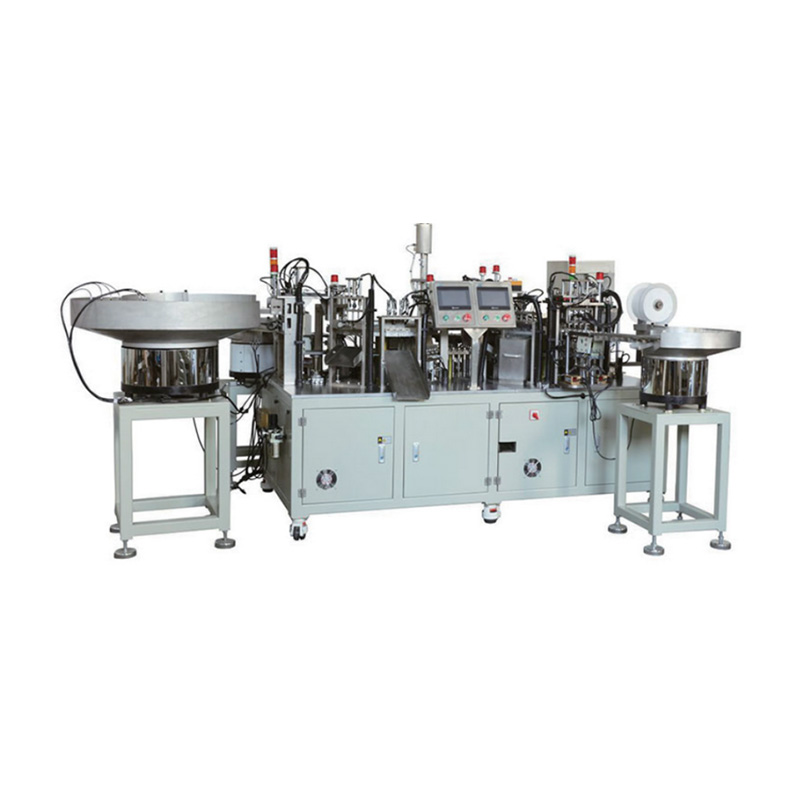
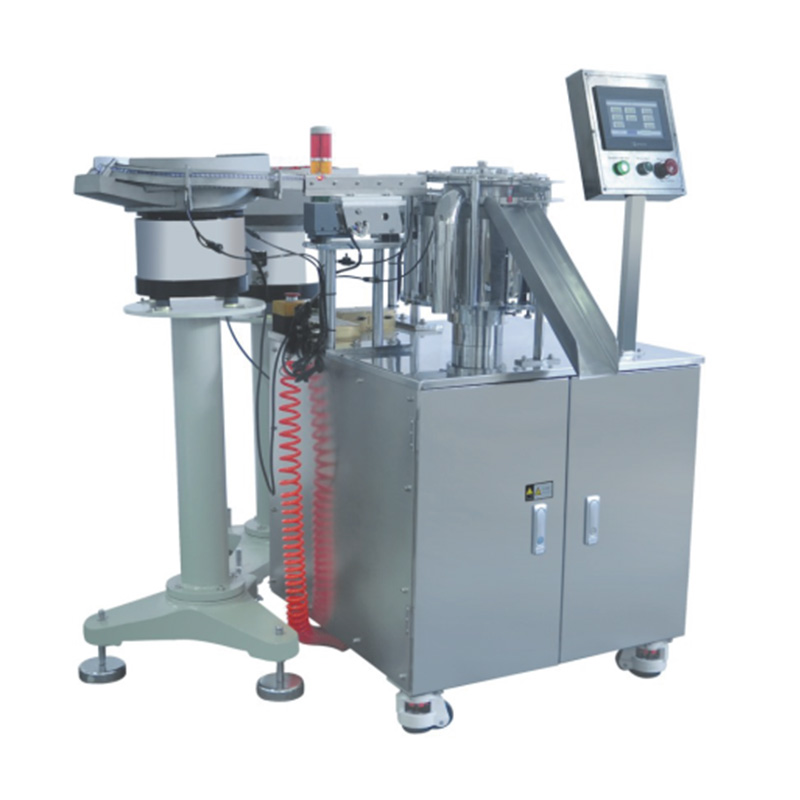
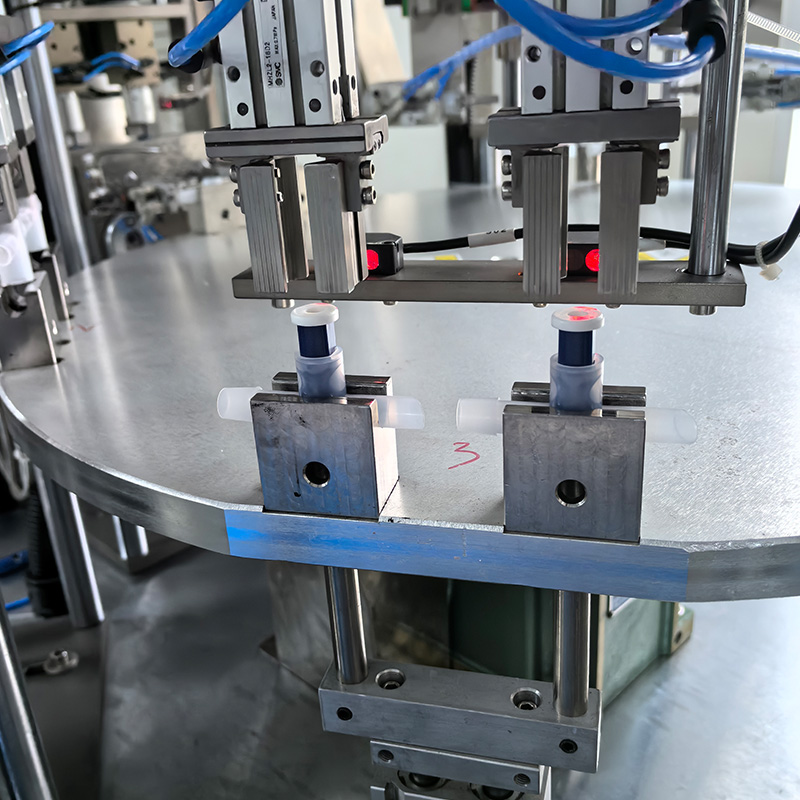
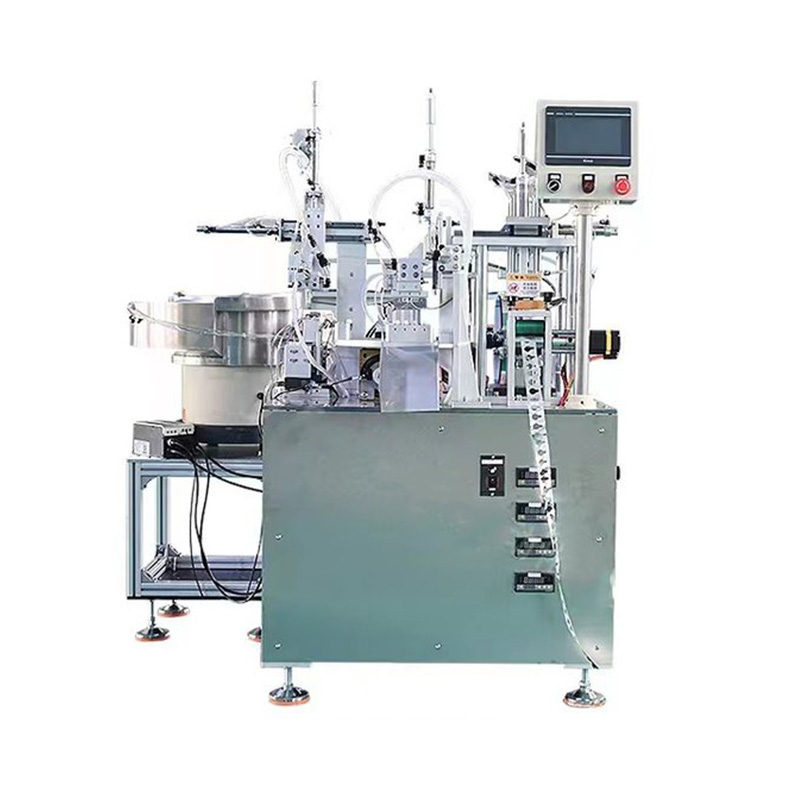
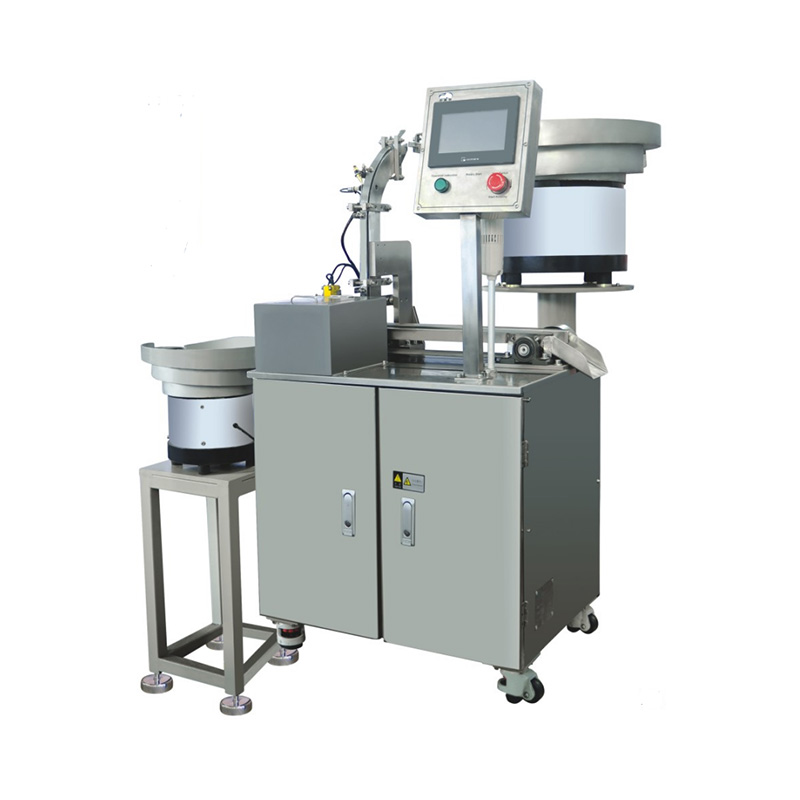
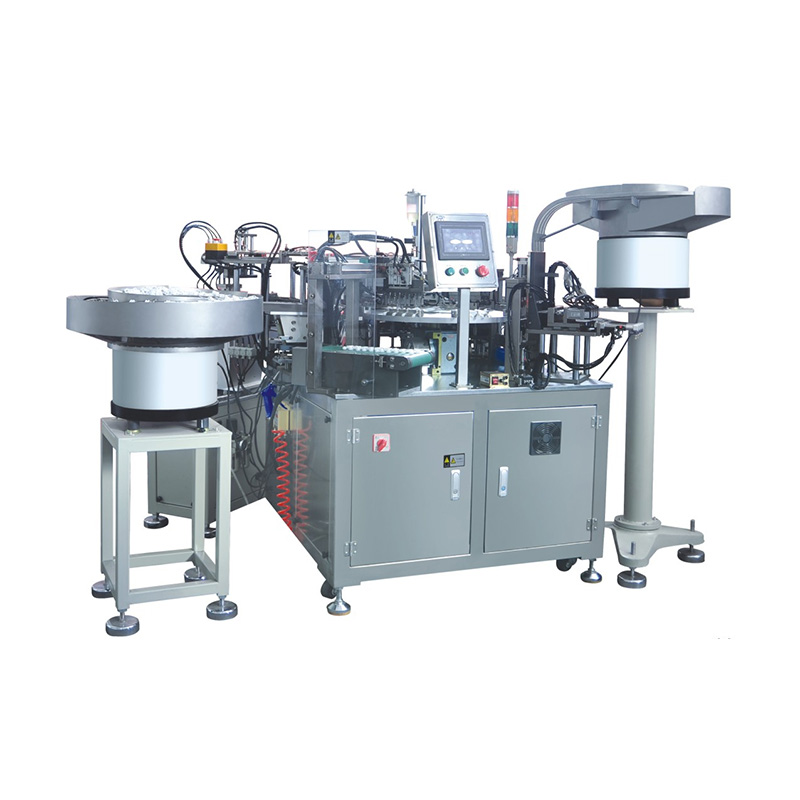
China Zhejiang Taizhou Ambe Trading Co., Ltd. is a manufacturer specializing in the production of medical equipment automation equipment.
The global healthcare landscape continues to evolve at a steady pace, with operational efficiency, patient experience, and clinical accuracy emerging as core priorities for medical institutions of all sizes. Across hospitals, diagnostic centers, pharmaceutical laboratories, and outpatient facilities, traditional manual workflows are gradually giving way to automated solutions. Medical automation equipment now serves as a foundational component of modern healthcare operations, supporting daily clinical work, sample processing, medication management, and routine medical testing. The sustained expansion of this market stems from a mix of shifting clinical demands, operational optimization needs, and evolving healthcare service models. Multiple interconnected trends are pushing more medical facilities to integrate automated tools into their daily workflows, reshaping how healthcare services are delivered and managed.
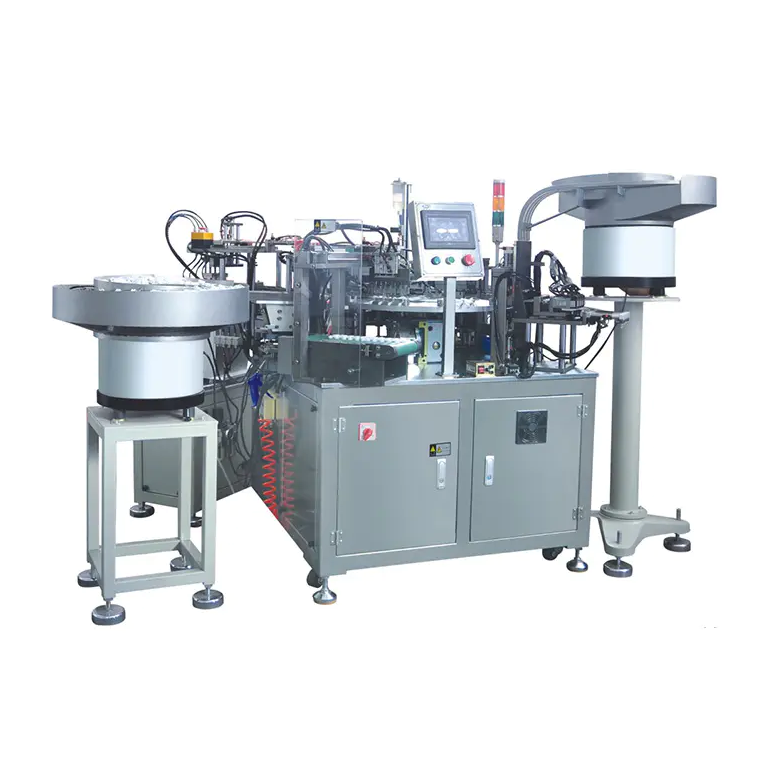
How Are Changing Clinical Workload Demands Fueling Automation Adoption?
Modern healthcare facilities face consistent pressure to handle growing patient volumes while maintaining stable service quality. Clinical staff undertake a wide range of repetitive, routine tasks every day, from sample sorting and reagent preparation to basic data recording and instrument calibration. These repetitive manual steps consume substantial working hours, leaving less time for medical teams to focus on direct patient care and complex clinical judgment.
Medical automation equipment addresses this core pain point by taking over standardized, repetitive operational steps. Automated sample processing systems handle the sorting, transfer, and preliminary testing of medical specimens with consistent operational rhythms. Automated medication management tools assist with dosage sorting, classification, and storage arrangement for routine medications. By shifting repetitive work to automated devices, medical teams can redistribute their manpower to high-value clinical work, including patient consultation, condition evaluation, and treatment scheme formulation.
This shift in workload allocation creates a positive cycle for medical institutions. Facilities can accommodate more stable service output without expanding staff scales excessively, and clinical staff experience reduced fatigue from long-term repetitive labor. The growing imbalance between routine operational tasks and professional clinical work continues to drive more medical institutions to introduce and upgrade automation equipment, forming a steady driving force for industry growth.
What Role Does Standardized Medical Service Development Play in Automation Growth?
Standardization has become a key development direction for modern healthcare services. Medical institutions worldwide are refining unified operational specifications for testing, diagnosis, medication, and laboratory management to reduce operational deviations caused by manual differences. Manual operation relies heavily on personal experience and operational habits, leading to inconsistent execution standards across different staff members and different time periods. These subtle deviations may affect the uniformity of medical service quality and the repeatability of clinical test results.
Medical automation equipment follows preset unified operational logic and execution standards. Every operational step, from sample processing to data recording, follows fixed specifications, eliminating the randomness inherent in manual work. In laboratory testing, automated equipment maintains consistent operational rhythms and parameter execution standards for each test sample. In medication management, automated devices follow unified classification and dispensing rules to standardize internal medication circulation.
As healthcare regulatory systems continue to improve, standardized operational requirements cover more medical links. Medical institutions need to align their internal workflows with unified industry norms to meet compliance requirements and stabilize service quality. Automated equipment provides a reliable carrier for standardized medical operations. It simplifies the supervision and management of internal workflows and ensures that daily medical work complies with unified industry standards. The continuous advancement of medical standardization construction directly promotes the popularization and upgrading of automation equipment in various clinical scenarios.
How Do Precision Medical Requirements Drive Equipment Iteration?
Precision medicine has gradually become a mainstream development direction in modern healthcare, placing higher requirements on the accuracy, refinement, and stability of medical links. Many clinical diagnosis and treatment links require highly refined operational control and accurate data feedback. Traditional manual operation has inherent limitations in operational precision, including subtle errors in sample handling, timing control, and data recording. These minor errors may interfere with test result accuracy and affect the formulation of precise treatment plans.
It is designed to adapt to refined medical scenarios. It achieves precise control over operational steps that are difficult to stabilize through manual work. Automated laboratory equipment completes micro sample extraction, quantitative reagent addition, and timed reaction control with stable precision. Automated diagnostic auxiliary equipment collects and sorts medical data in real time, providing accurate and consistent reference information for clinical judgment.
With the continuous deepening of precision medical applications, clinical scenarios require more refined operational support in subdivision fields. This demand drives the continuous iteration of medical automation equipment. New automated devices are constantly emerging to adapt to subdivided testing, treatment, and monitoring scenarios, filling the gaps in manual operational capabilities. The pursuit of higher precision in medical services keeps pushing the upgrading and market expansion of automation equipment.
Why Is Operational Cost Optimization Boosting Automation Popularity?
Cost control is a long-term operational focus for all medical institutions. The traditional manual operation model requires sustained manpower investment in routine operational links, including sample management, equipment maintenance data statistics, and material sorting. Long-term repetitive manpower input brings stable labor cost expenditure, and manual operational errors may also bring additional correction costs and material waste losses.
Medical automation equipment optimizes the overall operational cost structure of medical facilities in multiple dimensions. After stable deployment, automated devices reduce the reliance on manual labor for repetitive links, lowering long-term labor investment pressure. Standardized automated operations reduce operational errors, effectively cutting down material waste, repeated testing, and subsequent correction costs caused by manual mistakes.
In addition, automated equipment can maintain continuous and stable operational efficiency for a long time. It avoids efficiency fluctuations caused by staff fatigue, shift changes, and personal operational differences. Stable operational efficiency enables medical institutions to make more accurate operational plans and resource allocations, improving the overall utilization rate of medical resources. For small and medium-sized medical institutions with limited operational budgets, automated equipment provides a cost-effective way to stabilize operational efficiency. For large-scale medical groups, it helps achieve unified cost control and standardized management across branches. The dual demand of efficiency improvement and cost optimization makes automation equipment an indispensable part of modern medical operation construction.
How Does Expanding Outpatient and Community Healthcare Drive Market Demand?
The healthcare industry is experiencing a gradual shift in service scenarios. In addition to large-scale comprehensive hospitals, community medical centers, specialized outpatient clinics, and grassroots medical service stations are constantly improving their service capabilities. These grassroots medical institutions undertake daily basic testing, routine physical examination, chronic disease management, and preliminary diagnostic services, forming an important part of the medical service system.
Grassroots medical scenarios have unique operational characteristics. They need to cope with scattered service demands, maintain flexible operational rhythms, and ensure simple, efficient, and standardized service processes. Traditional manual operation models are prone to insufficient efficiency and non-standard processes in grassroots scenarios with relatively insufficient professional manpower. Portable and modular medical equipment perfectly adapts to the operational needs of grassroots medical institutions.
Small automated testing devices, automated chronic disease monitoring equipment, and intelligent medication management tools can quickly complete routine medical work in grassroots scenarios. They reduce the threshold of professional operation and enable grassroots medical institutions to provide standardized basic medical services. As the construction of grassroots medical systems continues to advance and basic medical service coverage continues to expand, the market demand for lightweight, easy-to-operate medical automation equipment keeps rising. This emerging scenario demand opens up new growth space for the entire equipment industry.
What Impact Does Digital Healthcare Integration Have on Automation Development?
Digital transformation has penetrated every link of modern healthcare. Medical data collection, sorting, storage, and analysis have become important supports for clinical diagnosis, treatment management, and hospital operational decision-making. Traditional manual data recording and sorting methods are slow and prone to omission and error, making it difficult to match the speed and accuracy requirements of digital medical systems.
Medical automation equipment forms an important data collection terminal for digital medical systems. Most automated medical devices can automatically complete real-time data collection, synchronous recording, and standardized information output in the process of completing operational tasks. The generated medical data can be directly connected to hospital information systems, realizing seamless docking of on-site operation data and digital management platforms.
This integrated model eliminates intermediate manual data entry links, improves the timeliness and accuracy of medical data circulation, and supports the intelligent analysis and management of hospital operational data. With the continuous deepening of digital medical construction, more medical institutions are building unified digital management platforms. These platforms require supporting automated terminal equipment to complete front-line data collection and operational execution. The integration of automation equipment and digital medical systems has become an inevitable trend, strongly driving the continuous upgrading and popularization of automation products.
How Are Improved Device Usability and Adaptability Promoting Industry Growth?
In the early stage of the industry, many medical automation devices had complex operation logic and single application scenarios, limiting their large-scale promotion in diverse medical environments. Equipment manufacturers continue to optimize product design based on actual medical operational scenarios, greatly improving the usability and scenario adaptability of automation equipment.
Modern medical automation equipment adopts humanized operational design, simplifying complex operational steps and reducing professional operation thresholds. Medical staff can master basic equipment operation through simple training, avoiding the problem of equipment idleness caused by overly complex operation. At the same time, product design is becoming more flexible and modular. Equipment functions and scales can be adjusted according to the scale, service types, and space conditions of different medical institutions.
Modular automated equipment can adapt to the compact space of grassroots clinics and can also be combined and expanded to meet the high-intensity operational needs of large hospitals. Diversified product forms cover full-scene needs from basic routine testing to professional refined diagnosis and treatment auxiliary work. The continuous improvement of product usability and scenario adaptability removes the core barriers to the popularization of medical automation equipment, allowing more medical institutions of different scales and types to apply automated solutions to daily work. This widespread scenario adaptation capability becomes a core internal driving force for the sustainable growth of the industry.