
 English
 русский
 Español


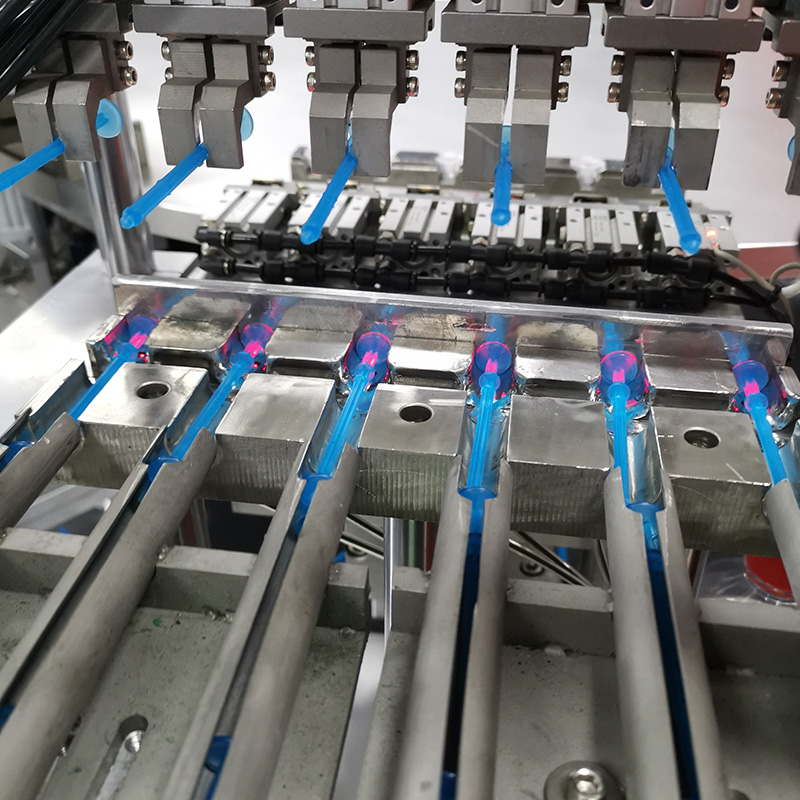
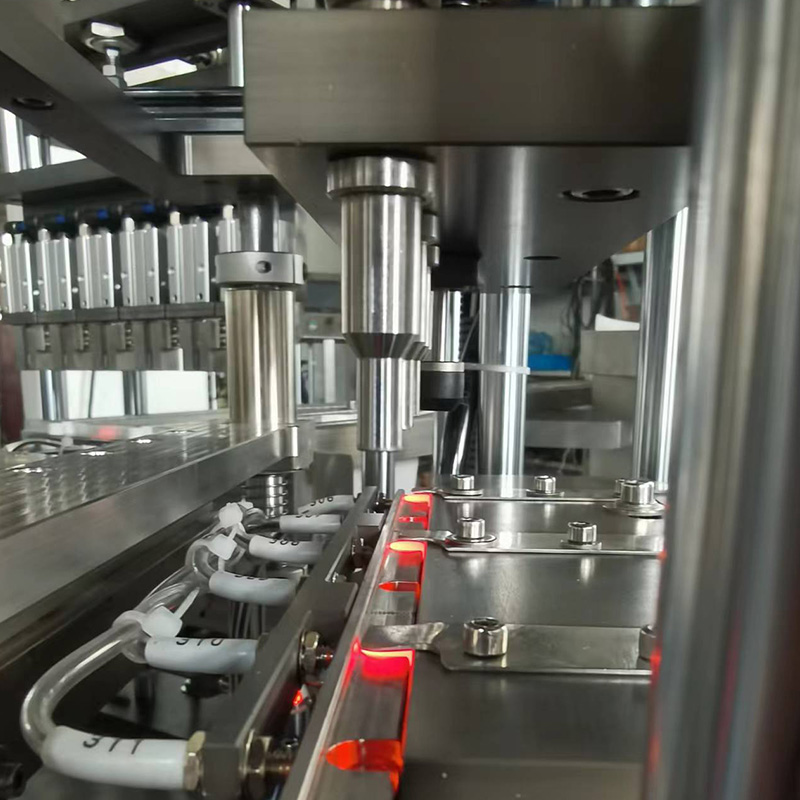
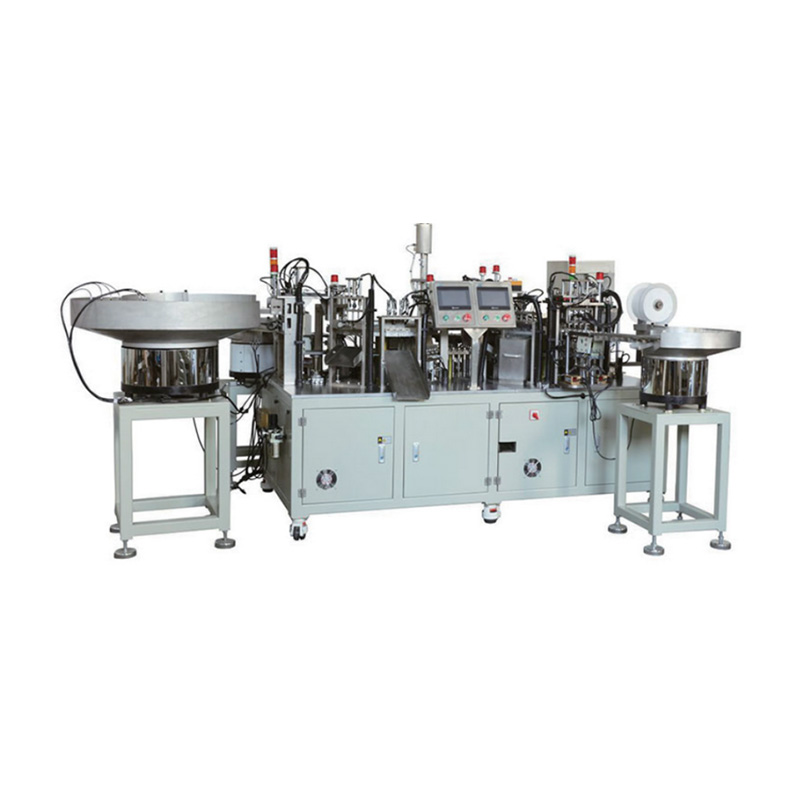
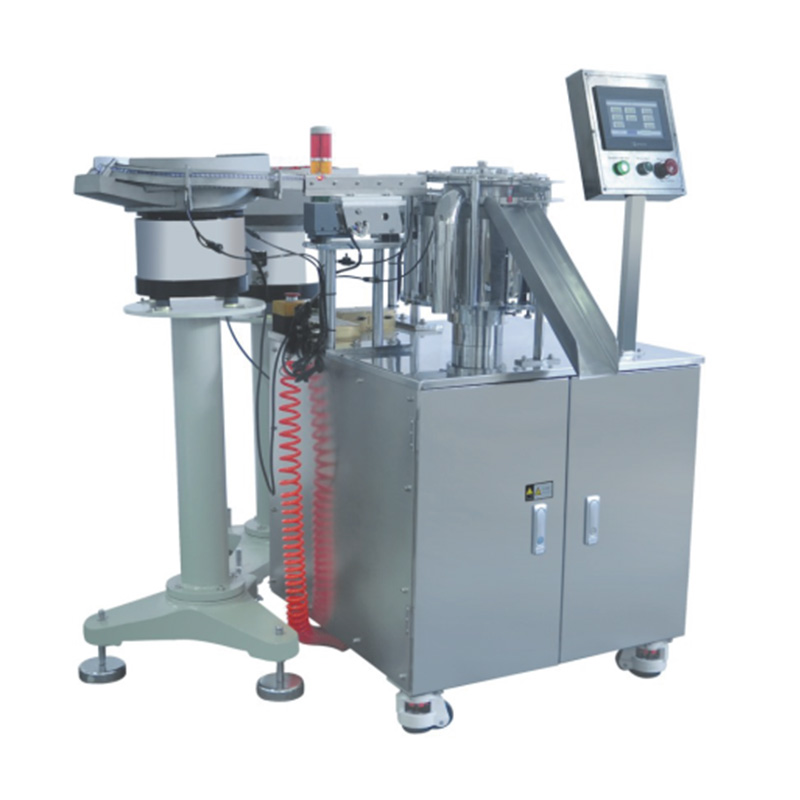
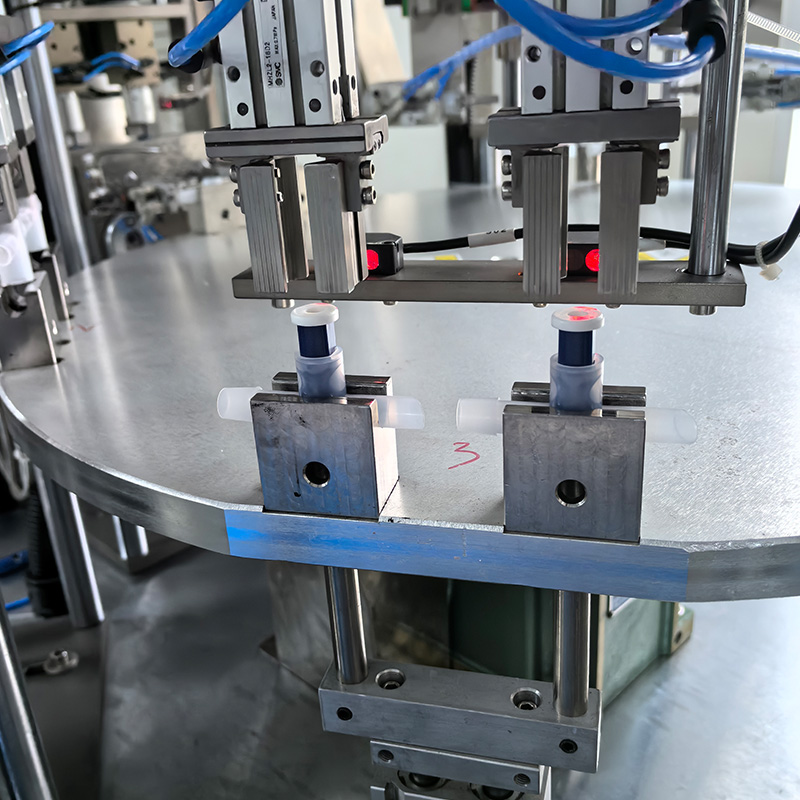
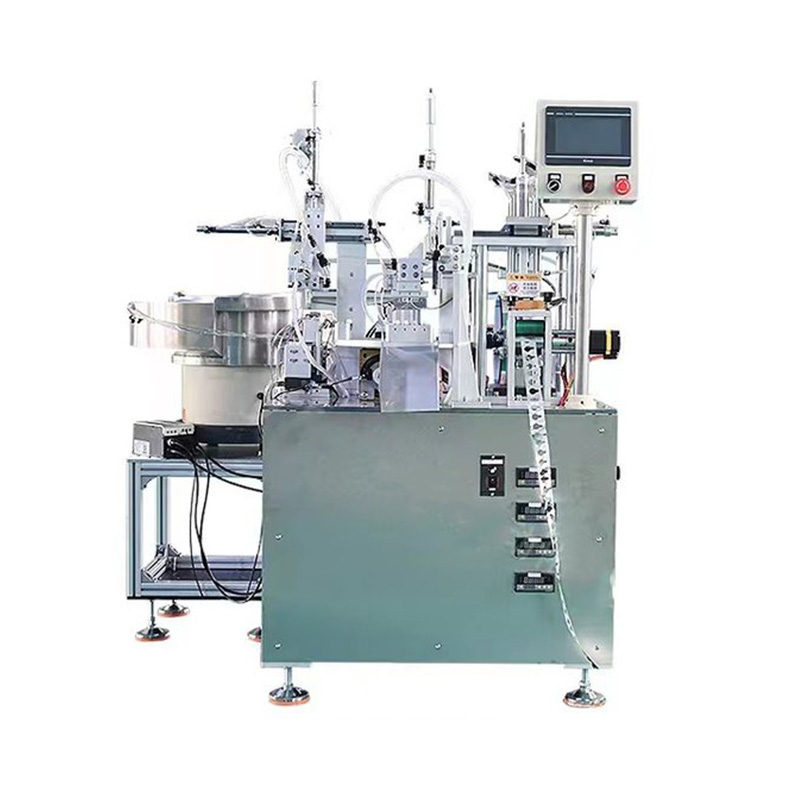
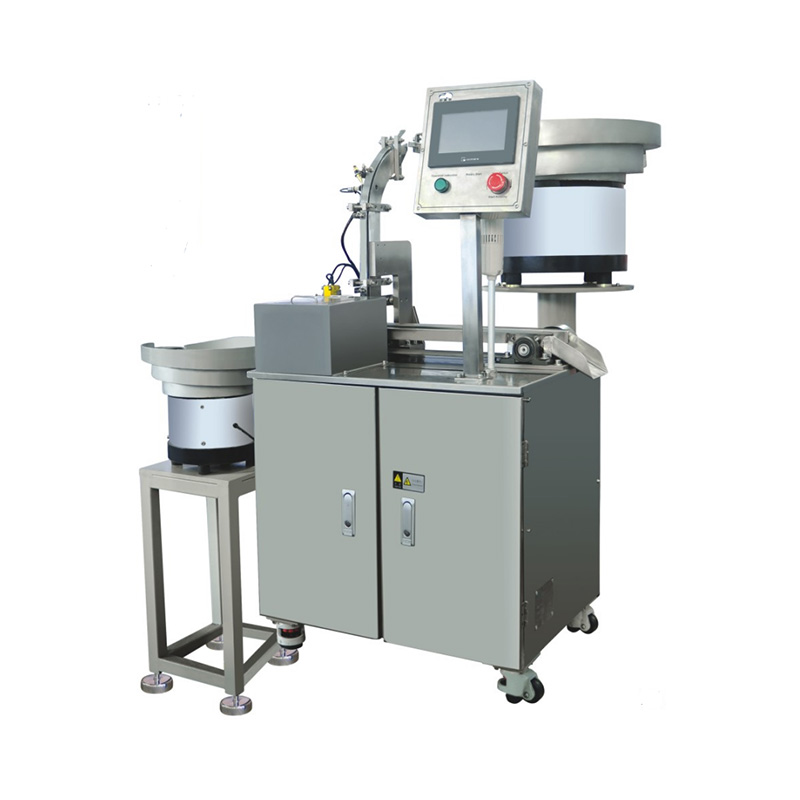
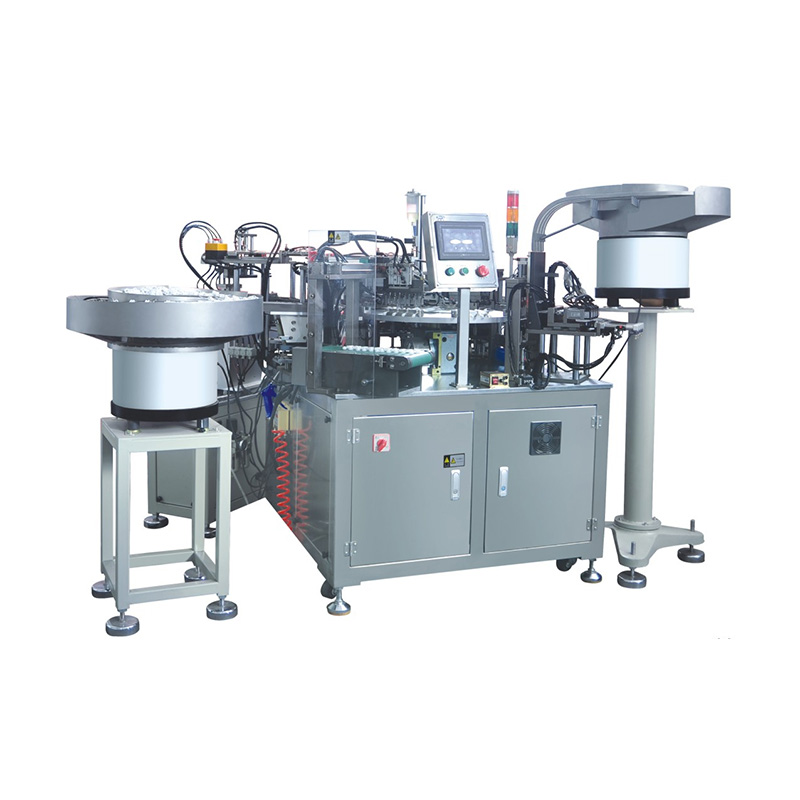
China Zhejiang Taizhou Ambe Trading Co., Ltd. is a manufacturer specializing in the production of medical equipment automation equipment.
Healthcare systems run on a steady, dependable flow of medical products, and syringes and needles remain firmly among the most essential tools across countless healthcare environments. Hospitals, clinics, laboratories, and medical facilities of every stripe need reliable access to these basics just to keep daily operations moving without interruption.
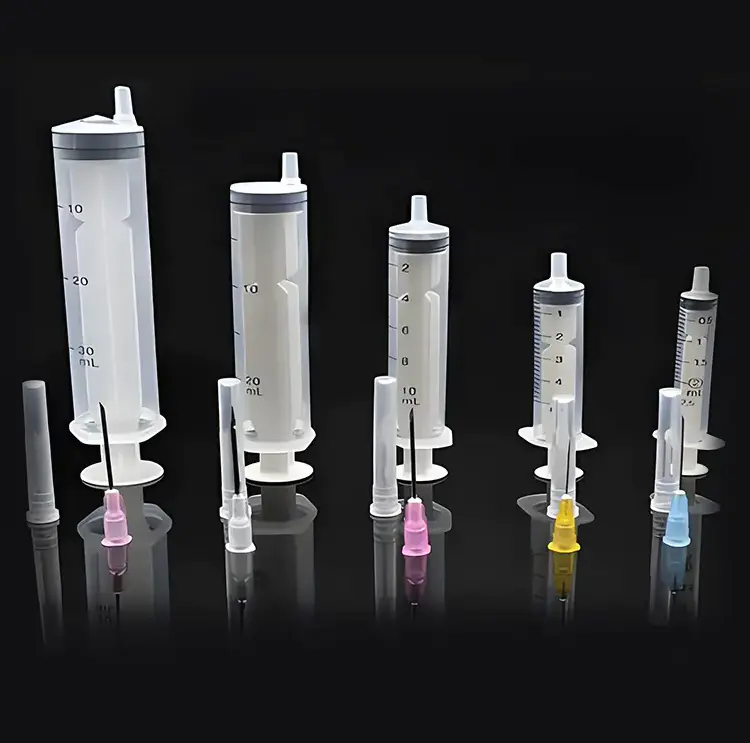
Syringes and needles supplier do a lot more than hand over product. They act as the connective link between production resources and healthcare users, and their real work stretches into supporting purchasing processes, supply planning, and distribution logistics behind the scenes.
As healthcare demand keeps expanding across regions, these suppliers have become a genuinely important part of the global medical supply network. Their ability to deliver suitable, well-matched solutions is really what helps healthcare organizations keep their operations running smoothly.
Why Are Syringes and Needles Suppliers Important for Healthcare Systems?
Medical facilities depend on a huge range of supplies just to support patient care and everyday activity. A stable supply chain frees healthcare providers up to focus on what actually matters — the care itself.
Suppliers build that connection between manufacturers and healthcare organizations. They organize product availability and help buyers actually get their hands on what they need, when they need it.
Their role tends to break down like this:
| Support Area | Contribution to Healthcare |
|---|---|
| Product sourcing | Connects healthcare buyers with production resources |
| Supply coordination | Helps organize regular product availability |
| Distribution support | Assists with delivery to different locations |
| Purchasing guidance | Helps buyers manage procurement activities |
A genuinely dependable supplier relationship goes a long way toward making medical supply management feel a lot more organized and efficient overall.
How Do Suppliers Support Hospitals and Clinics?
Hospitals and clinics run through a huge volume of healthcare activity daily, and different departments often need syringes and needles for very different medical procedures and services.
Suppliers back these facilities up by building stable purchasing channels. Rather than juggling a scattered mix of sources, healthcare organizations can lean on suppliers who genuinely understand what they need on a recurring basis.
That support tends to involve:
- Maintaining consistent product availability
- Supporting regular, predictable ordering processes
- Helping manage broader supply planning
- Keeping communication flowing between buyers and manufacturers
For hospitals, supply stability is a genuinely core piece of daily management. For smaller clinics, that same supplier support simplifies purchasing and cuts down on unnecessary friction along the way.
Can Suppliers Meet the Needs of Different Healthcare Environments?
Healthcare facilities don't all want the same thing. A large hospital, a community clinic, and a research laboratory tend to follow purchasing patterns that look pretty different from one another.
Syringes and needles need to genuinely understand those differences, since their services often have to flex to match wildly different healthcare environments.
| Healthcare Setting | Common Supply Considerations |
|---|---|
| Hospitals | Regular supply support for multiple departments |
| Clinics | Convenient purchasing and restocking |
| Laboratories | Suitable products for testing activities |
| Healthcare centers | Stable access to medical supplies |
Understanding what a given customer actually needs is really what lets a supplier offer support that fits. A flexible supply approach helps every one of these different organizations manage their own operations without unnecessary friction.
What Role Do Suppliers Play in Global Medical Distribution?
The healthcare market ties together different regions through supply networks that get genuinely complex fast. Products often get manufactured in one part of the world and end up serving healthcare providers somewhere else entirely.
Syringes and needles suppliers help manage that connection directly, supporting communication between manufacturers, distributors, and the healthcare buyers actually using the product.
Their role tends to include:
- Organizing product movement across the chain
- Supporting international purchasing activity
- Communicating buyer requirements clearly to producers
- Helping coordinate supply processes overall
For healthcare organizations operating globally, working with experienced suppliers genuinely makes procurement a lot less complicated.
How Do Suppliers Help Improve Medical Supply Management?
Healthcare supply management involves a lot more than simply buying product. Organizations also have to think through availability, planning, and how well communication actually flows.
Suppliers help improve all of this by offering genuinely organized services.
Better purchasing organization.
Suppliers help buyers build clearer purchasing processes, which cuts down significantly on time wasted chasing scattered sources.
Stable communication.
Regular back-and-forth lets suppliers and buyers both stay on top of changing needs as they come up.
Flexible supply support.
Healthcare demand shifts constantly, and suppliers who can adjust their services accordingly tend to support different situations far better.
Distribution coordination.
Organized delivery processes are really what get supplies to healthcare facilities exactly when they're needed.
Together, these services let healthcare organizations manage their resources a lot more effectively than they could alone.
Why Is Supplier Selection Important for Medical Buyers?
Picking the right supplier is a genuinely important call. Healthcare organizations tend to weigh several factors carefully before committing to a long-term relationship.
Common considerations include:
Supply reliability.
Buyers need suppliers capable of delivering consistent access to medical products, without gaps or surprises.
Product range.
Different healthcare applications often call for genuinely different product choices, so variety matters.
Communication quality.
Clear, ongoing communication helps head off misunderstandings before they turn into procurement headaches.
Service capability.
Suppliers who genuinely understand healthcare requirements end up offering support that's actually useful, not just generic.
The right supplier relationship really is what helps healthcare organizations build a smoother, more predictable supply process over time.
Are Syringes and Needles Suppliers Supporting Healthcare Changes?
Healthcare needs keep evolving, and medical organizations are paying closer attention than ever to supply flexibility, product access, and purchasing efficiency.
Suppliers have been adapting right alongside that shift, refining how they approach service delivery.
| Trend Area | Supplier Response |
|---|---|
| Growing healthcare demand | Expanding supply support |
| International purchasing | Improving distribution connections |
| Different facility needs | Offering flexible solutions |
| Supply management focus | Providing organized services |
Suppliers who genuinely understand these shifts are the ones best positioned to support healthcare organizations across different markets.
How Do Suppliers Support International Healthcare Buyers?
International buyers face a different set of challenges compared with local purchasing. They often need suppliers who genuinely understand cross-border communication, distribution logistics, and shifting market requirements.
Syringes and needles suppliers support international customers through:
Clear, accessible product information
- Coordinated purchasing processes
- Ongoing supply communication
- Distribution assistance across borders
For healthcare companies operating across multiple regions, strong supplier cooperation genuinely simplifies the whole process of getting medical products where they need to go.
A solid supplier connection helps different parts of the healthcare supply chain coordinate a lot more smoothly than they would working in isolation.
Could Syringes and Needles Suppliers Influence Future Healthcare Supply Networks?
The role medical suppliers play keeps expanding. Healthcare organizations increasingly want partners who offer something well beyond simple product delivery.
Future supply networks seem likely to focus on:
- Improved cooperation between suppliers and buyers
- More flexible purchasing methods
- Better supply planning overall
- Stronger distribution connections across regions
Suppliers are becoming a genuinely important link between manufacturing resources and healthcare services.
As healthcare systems keep developing, suppliers who understand customer needs and real supply challenges will keep supporting global medical operations in ways that matter.
How Do Suppliers Connect Manufacturers with Healthcare Providers?
The relationship between manufacturers and healthcare users usually runs through several stages, and suppliers are really what holds that whole process together.
The supply chain tends to break down like this:
- Manufacturers produce syringes and needles according to what the market actually needs.
- Suppliers organize product distribution and manage customer communication.
- Healthcare providers obtain supplies through channels that are already well-established.
That structure lets everyone across the healthcare industry work together far more smoothly than they could otherwise.
Syringes and needles suppliers support this entire process from start to finish. Their role is really what lets healthcare organizations access essential medical products while keeping their broader supply systems genuinely organized.