
 English
 русский
 Español


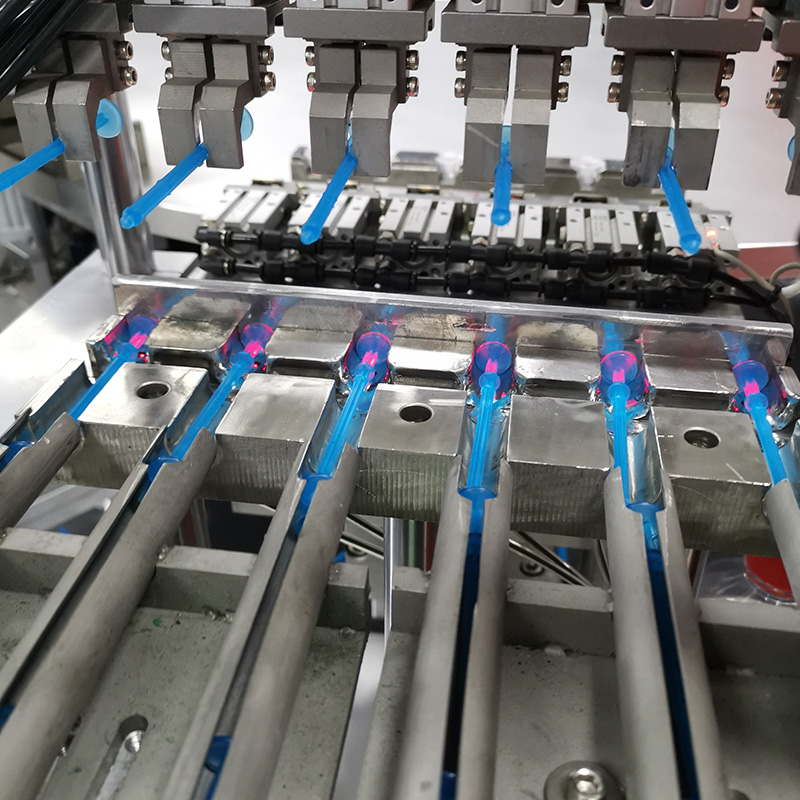
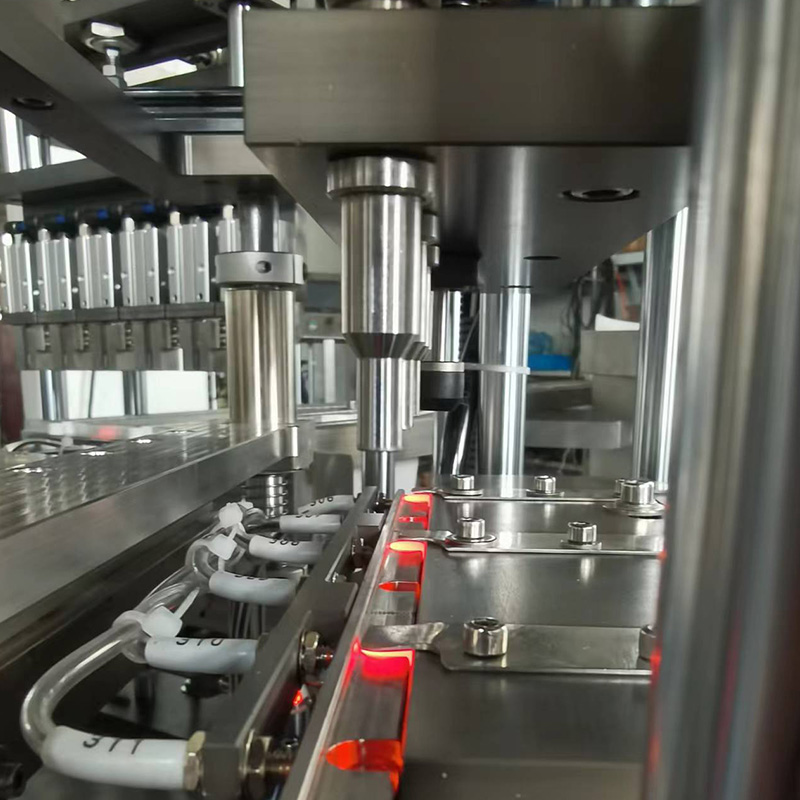
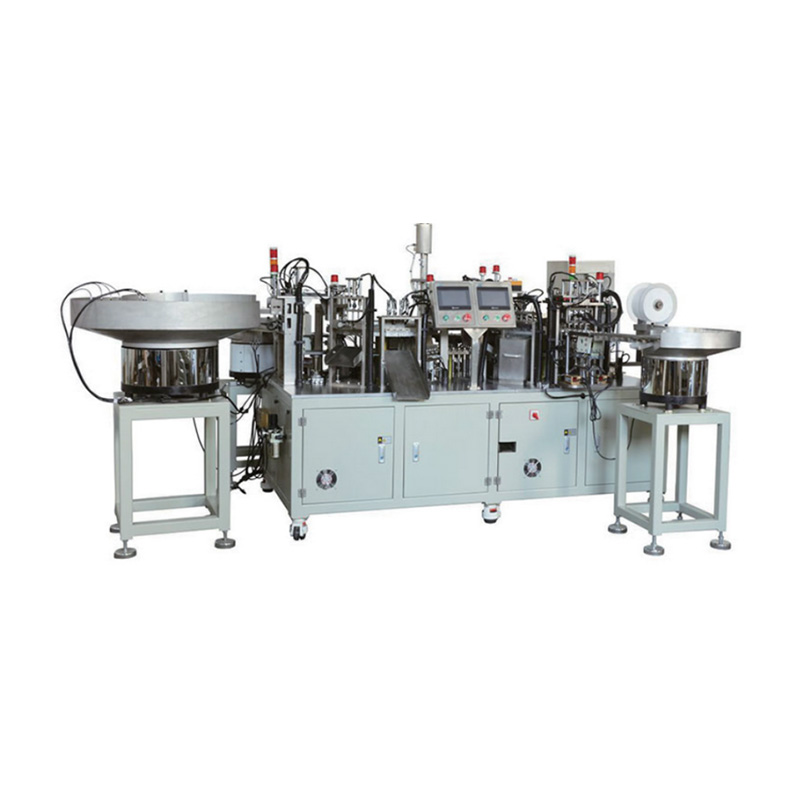
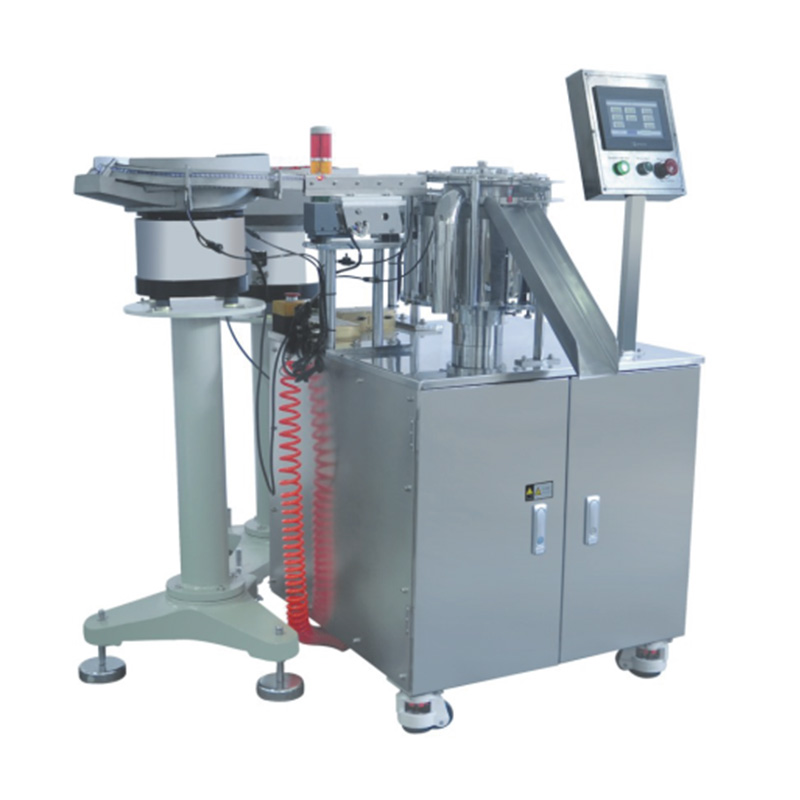
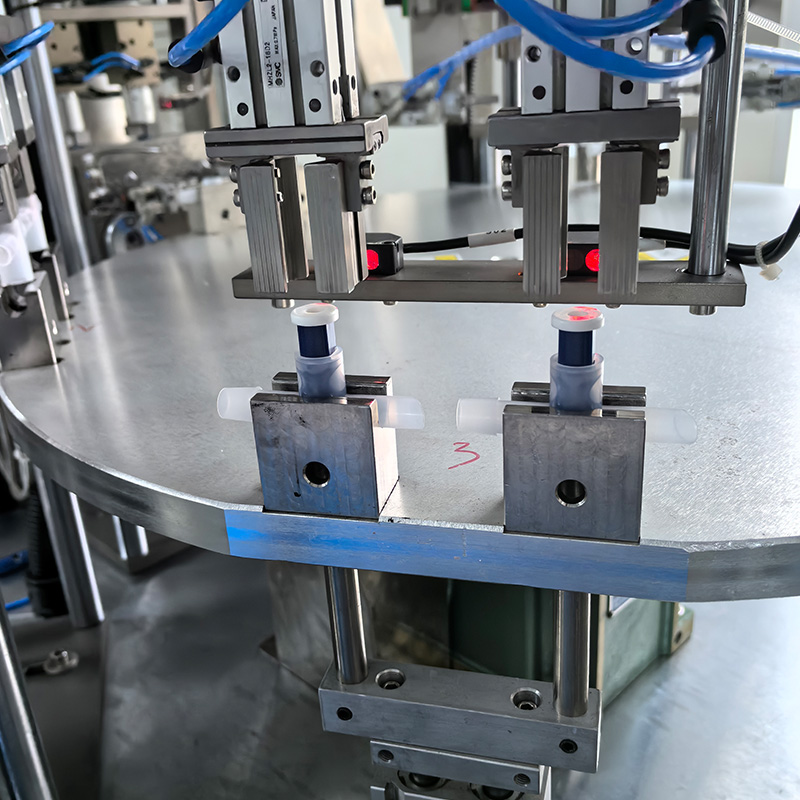
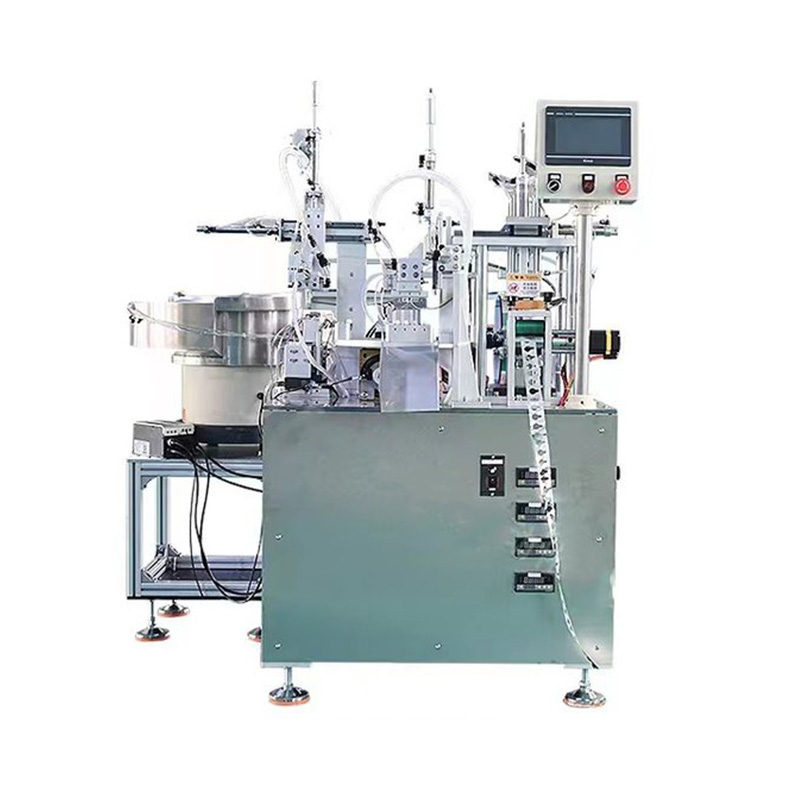
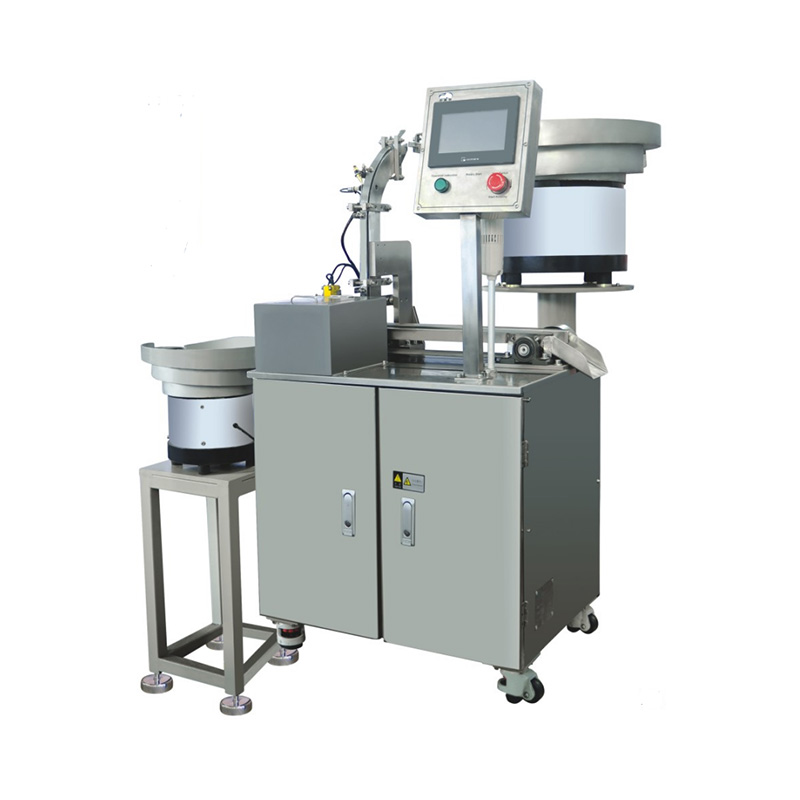
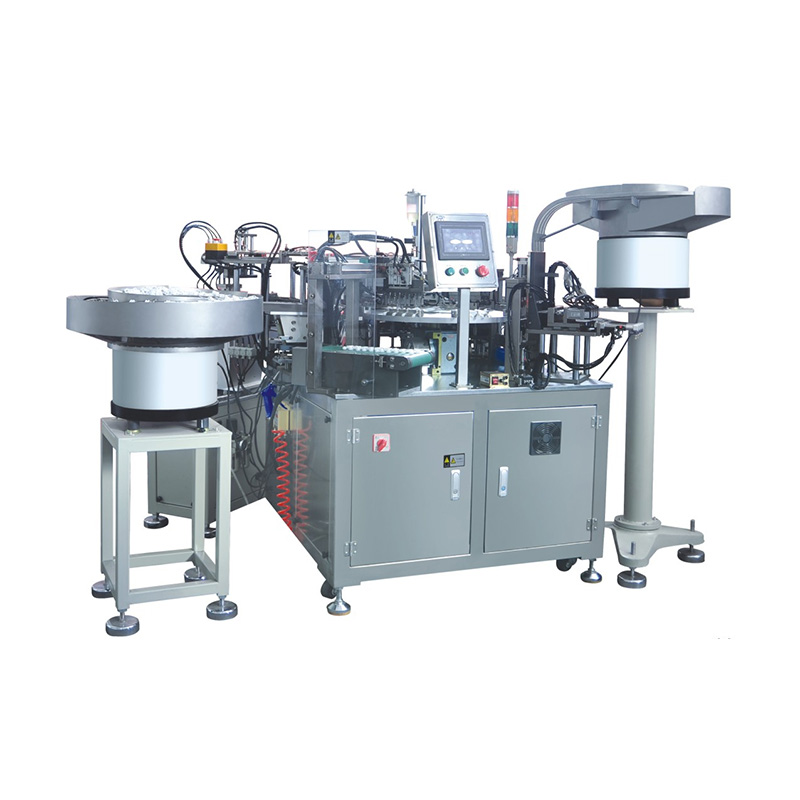
China Zhejiang Taizhou Ambe Trading Co., Ltd. is a manufacturer specializing in the production of medical equipment automation equipment.
Step into pretty much any hospital or clinic, and what catches your eye first is usually the equipment, the treatment rooms, maybe a doctor or nurse moving between patients. But there's a whole other layer of stuff working behind all that, quietly making the daily routine possible. Syringes that get used once and thrown away, gloves, protective gear, tubing—all these consumable supplies keep hospitals, clinics, and labs actually running without a hitch.
Nobody really thinks twice about a box of disposable gloves, and yet these small, unglamorous items end up tied directly to how patients get cared for. A single-use item might be what gets a routine checkup done, or it might be quietly assisting during a procedure, letting healthcare workers move through their day a little more efficiently.
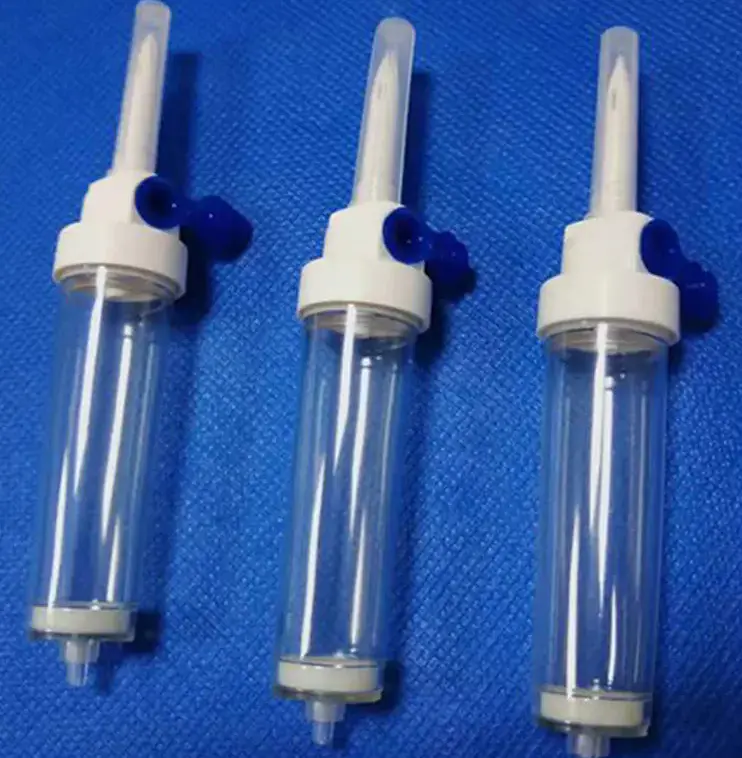
From where suppliers and purchasing teams sit, though, these aren't just products sitting on a shelf waiting to be used. They're threads woven into a much bigger supply chain—one that links manufacturers, distributors, hospitals, and, eventually, the patients themselves. And the demand pulling on that chain comes from everywhere: big hospitals, small private clinics, laboratories, even home healthcare setups.
Healthcare needs keep shifting, and that's pushed buyers to think harder about things like how varied their product options are, whether supply stays steady, and who they can actually trust to work with long-term. Getting a real handle on what these consumables and disposables are used for tends to make all the difference when a company's trying to build out a supply network that actually holds up.
Why Do Small Medical Products Matter in Healthcare Operations?
Large medical equipment often attracts attention because of its size and visible functions. However, many healthcare activities depend on smaller products that are used frequently throughout the day.
A hospital may have advanced machines and professional medical teams, but daily procedures still require a constant supply of basic consumables. Without these products, many routine tasks would become more difficult to manage.
Medical consumables support different parts of healthcare work, including:
- Patient examinations
- Medication-related procedures
- Sample collection
- Protection during medical activities
- Daily clinical operations
The value of these products comes from their regular use. Unlike large equipment that may remain in service for a long time, consumable products need continuous replacement. This creates ongoing demand from healthcare providers and purchasing organizations.
For medical facilities, a stable supply of consumables helps reduce interruptions. For suppliers, maintaining consistent production and delivery becomes an important part of customer cooperation.
What Types of Medical Consumables and Disposables Are Commonly Used?
Medical consumables cover a wide range of products. Different healthcare environments may require different items depending on their services.
Some common categories include:
| Product Category | Common Healthcare Applications |
|---|---|
| Disposable syringes | Medication delivery and routine medical procedures |
| Medical needles | Injection and sample-related applications |
| Gloves and protective products | Healthcare worker protection and patient care |
| Infusion supplies | Fluid-related medical procedures |
| Medical tubing | Connection and transfer purposes |
| Laboratory consumables | Testing and research activities |
| Sterilization packaging | Product protection before use |
Each category serves a different purpose. A hospital purchasing department may need multiple product types for different departments. A distributor may focus on selecting products that match the needs of local healthcare customers.
This diversity is one reason why medical consumables have become an important part of the global healthcare market.
How Are Disposable Medical Products Used in Different Healthcare Fields?
Disposable products are found in many healthcare environments. Their applications are not limited to hospitals.
Hospitals and medical centers
Hospitals usually have the widest range of requirements. Different departments use different supplies depending on their daily responsibilities.
Emergency areas, treatment rooms, laboratories, and patient care departments all rely on disposable products. The ability to quickly access suitable supplies helps medical staff focus on patient needs.
Clinics and outpatient facilities
Smaller healthcare facilities often require practical products that are easy to manage. Their purchasing plans may focus on regular procedures and efficient inventory control.
Laboratories
Laboratories use various disposable supplies during testing and research activities. Product consistency and proper storage are important considerations in these environments.
Home healthcare
Healthcare services are gradually expanding beyond traditional facilities. Some disposable products are now used in home care settings, allowing patients and caregivers to manage certain healthcare tasks more conveniently.
Different application areas create different expectations for manufacturers. A product designed for one environment may require adjustments in packaging, supply methods, or product combinations for another market.
Why Are Disposable Products Widely Used by Healthcare Providers?
The popularity of disposable medical products is connected with the practical needs of modern healthcare.
Healthcare workers often handle many procedures in a short period. Products that are ready for use can help simplify preparation and daily management.
Disposable supplies provide several practical benefits:
| Feature | Importance in Healthcare |
|---|---|
| Convenient replacement | Supports regular medical workflows |
| Easy inventory management | Helps facilities organize supplies |
| Wide application range | Fits different healthcare situations |
| Regular availability | Supports continuous operations |
However, the use of disposable products also requires responsible management. Healthcare facilities need suitable storage, handling, and disposal procedures.
For suppliers, providing products is only one part of the relationship. Understanding how customers use these items helps manufacturers create better solutions for different markets.
What Should Buyers Know When Choosing Medical Consumables Suppliers?
Selecting a supplier is an important decision for hospitals, distributors, and healthcare companies. Medical products are closely related to daily operations, so buyers usually look beyond simple product availability.
Several factors are commonly considered:
| Evaluation Area | Buyer Consideration |
|---|---|
| Product selection | Whether the supplier offers suitable categories |
| Manufacturing ability | Whether production can support regular demand |
| Quality management | Whether products are managed consistently |
| Communication | Whether cooperation information is clear |
| Supply support | Whether delivery planning is reliable |
For overseas buyers, communication often becomes a key part of cooperation. Different countries may have different expectations regarding packaging, documentation, and market requirements.
A supplier that understands these differences can provide smoother cooperation.
Many buyers also prefer working with manufacturers that can offer flexible solutions. These may include customized packaging, OEM cooperation, or product adjustments for specific markets.
How Do Medical Consumables Manufacturers Support Global Markets?
Making the products is really just one piece of what medical consumables suppliers actually do. Just as much of the job comes down to figuring out what customers actually need, keeping up with how the market keeps shifting, and understanding that healthcare gets applied differently depending on where you are.
There tend to be a handful of areas manufacturers keep circling back to:
Keeping production organized
Nothing about making medical products is casual—materials have to be tracked, processes managed carefully, and every product handled in a way that keeps output steady rather than erratic.
Staying on top of product development
Healthcare needs don't sit still, so neither can the product lineup. A lot of manufacturers end up tweaking what they offer based on feedback coming straight from customers or shifts they're noticing in the broader market.
Working across borders
Buyers in different parts of the world don't all expect the same things. Manufacturers dealing with overseas customers have to actually get familiar with how business gets done in those different environments, rather than assuming one approach fits everywhere.
Managing the supply chain
Before a medical product ever reaches a hospital or clinic, it usually passes through several hands and stages. Getting production, storage, and transportation to line up well is what keeps that whole chain running efficiently instead of stalling somewhere along the way.
None of this works, though, if suppliers only think in terms of output. Building relationships that actually last comes down to genuinely understanding what customers need—not just making products and hoping they fit.
Are Medical Consumables and Disposables Changing With Healthcare Demand?
Healthcare doesn't really sit still long enough to call it a fixed industry. What patients need, how services get delivered, even the way purchasing decisions get made—all of it keeps shifting, sometimes faster than manufacturers can fully catch up with.
And naturally, that pushes suppliers to rethink how they approach the market.
A handful of trends keep showing up:
Supply reliability is getting more weight than before
Healthcare organizations aren't just looking for products anymore—they want suppliers who can actually be counted on when things get tight. A shortage, even a small one, can throw off daily operations fast, which is exactly why supply planning has moved higher up on everyone's priority list.
Customization keeps coming up more often
Not every market wants the same packaging, the same product combinations, or even the same way of doing business. Suppliers who can bend a little—adjust based on what a specific region actually needs—end up in a much better position than those trying to force one standard approach everywhere.
Production efficiency is drawing more attention, too
Manufacturers are reworking their systems, trying to keep pace with customers whose expectations keep climbing, all while making sure product quality doesn't slip in the process.
Cross-border cooperation has become harder to avoid
Medical supply chains rarely stay contained to one region anymore. Manufacturers, distributors, and healthcare organizations increasingly find themselves working across borders just to keep local healthcare needs actually met.
Put all this together, and it becomes pretty clear that medical consumables aren't just throwaway items sitting at the bottom of the supply chain. They're woven into something a lot more complex—an entire network that healthcare, in one way or another, depends on.
Where Can Medical Consumables and Disposables Be Used in the Future?
The use of medical consumables continues to expand as healthcare services become more diverse.
Traditional healthcare facilities remain major users, but new application areas are also developing. Home care services, specialized clinics, and healthcare distribution networks all create new demand.
For manufacturers, understanding these changes is important. Different customers may require different approaches, from product selection to supply support.
For buyers, choosing suitable suppliers can help create a more stable healthcare supply system.
Medical consumables may be small compared with large medical equipment, but their role in healthcare operations is significant. Every day, these products support examinations, treatments, protection, and patient care across many different environments.
As healthcare markets continue to develop, suppliers that understand practical needs and provide flexible cooperation will have more opportunities to support healthcare organizations around the world.