
 English
 русский
 Español


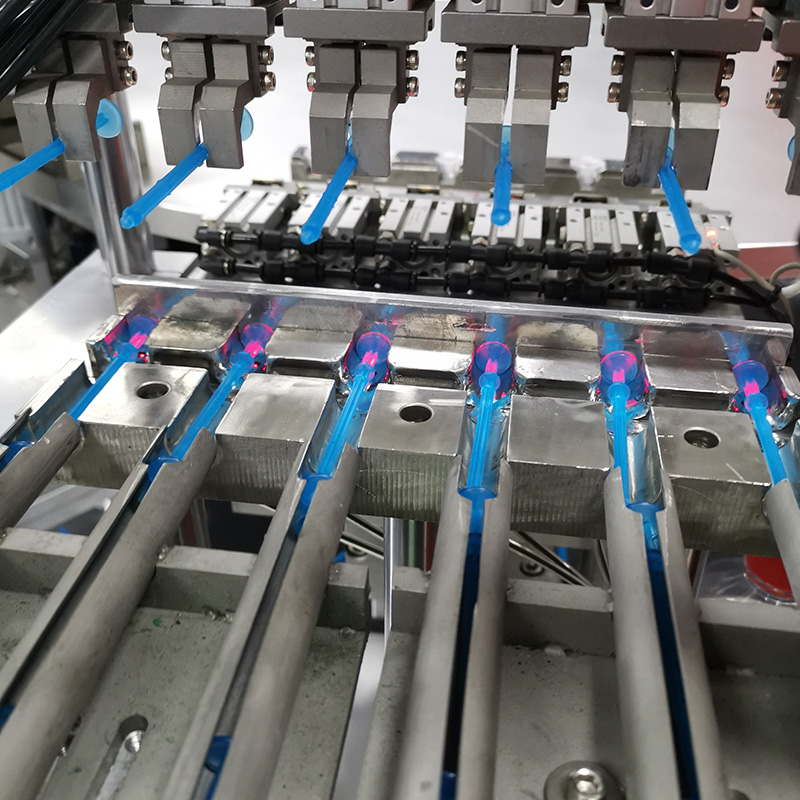
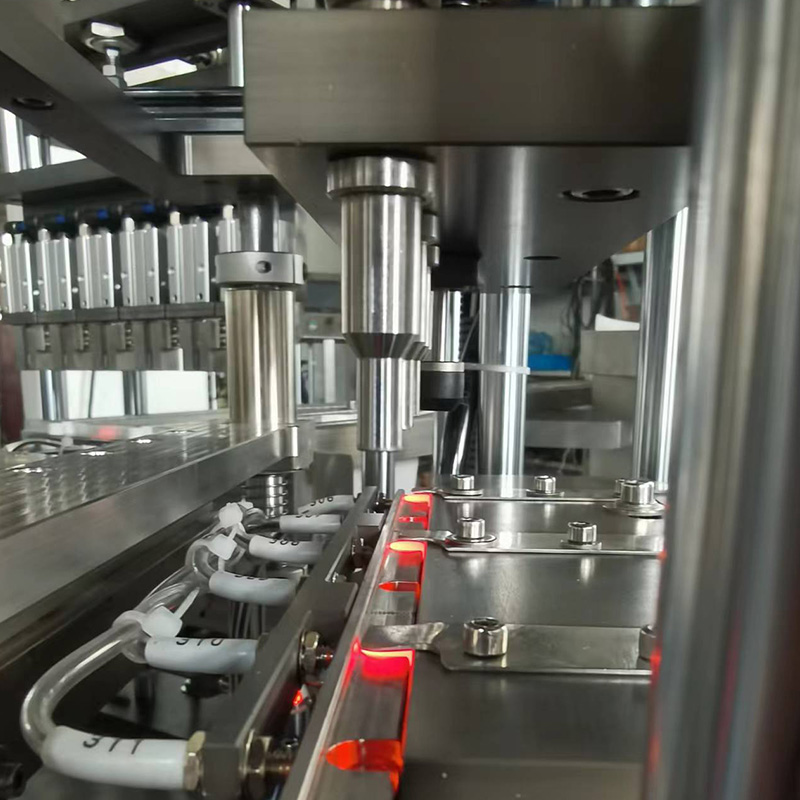
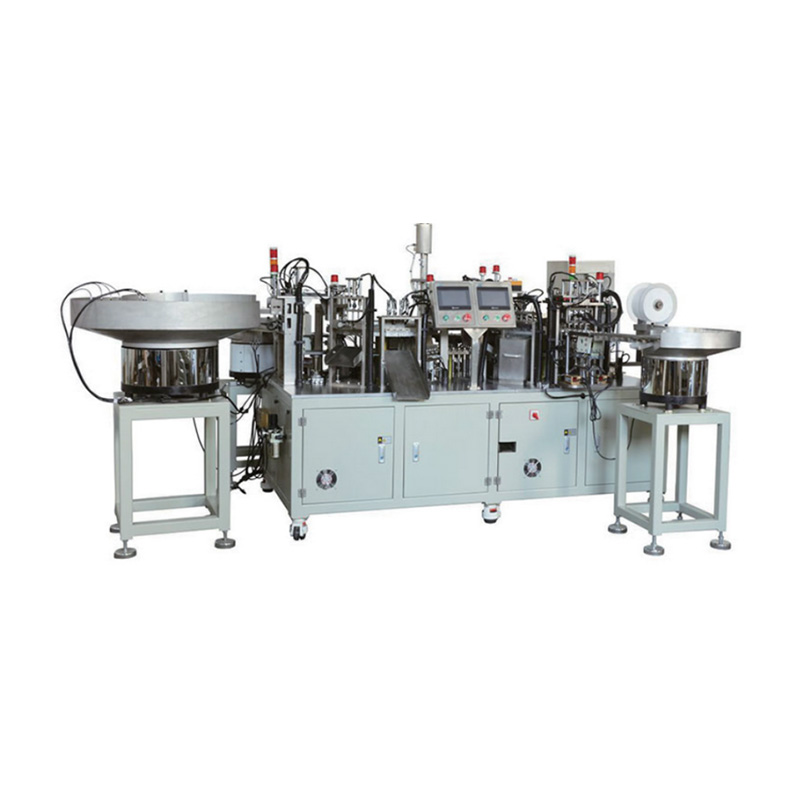
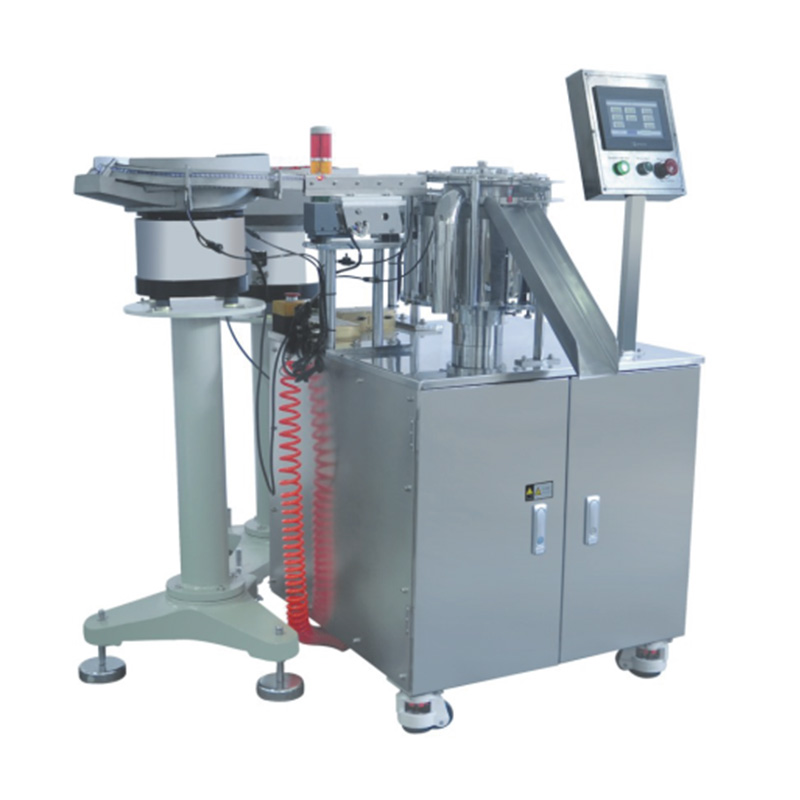
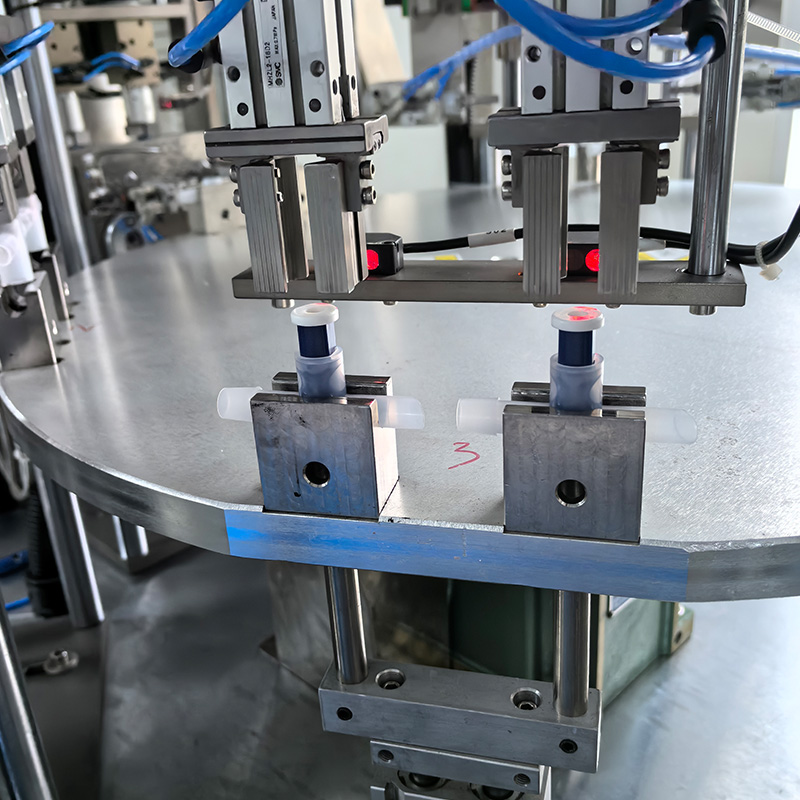
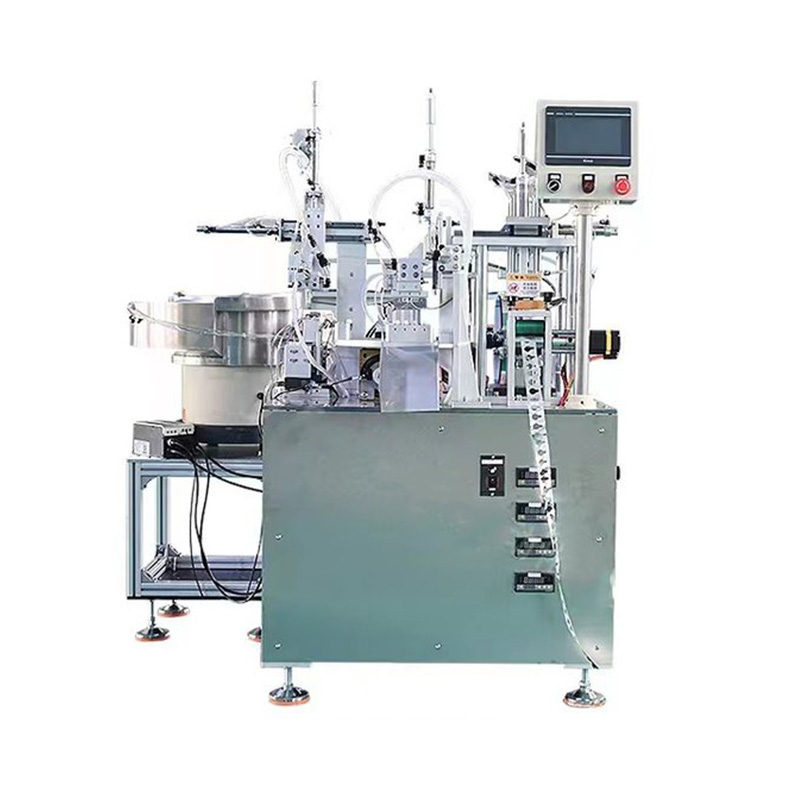
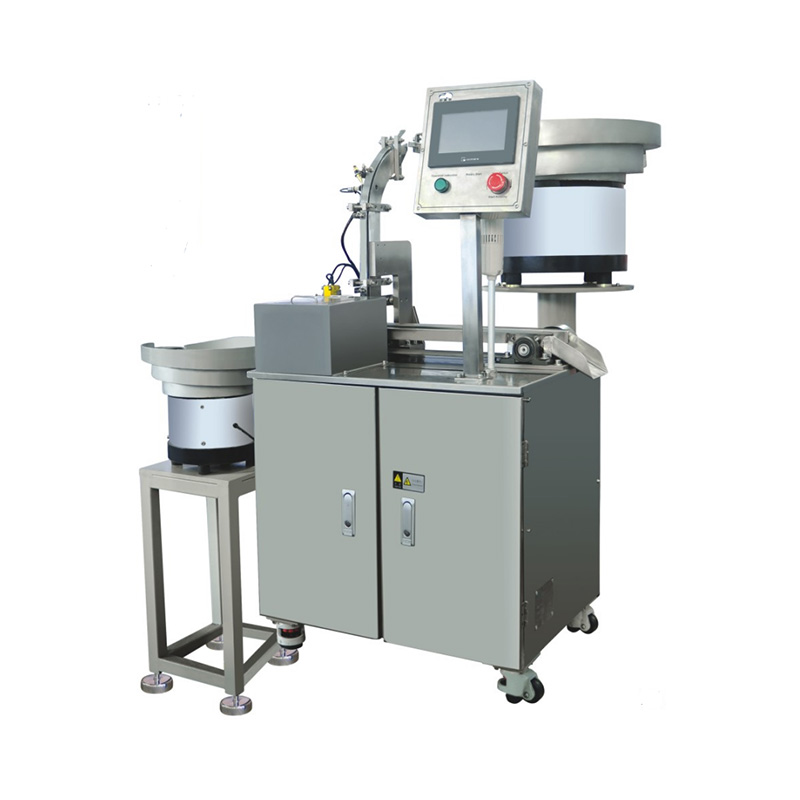
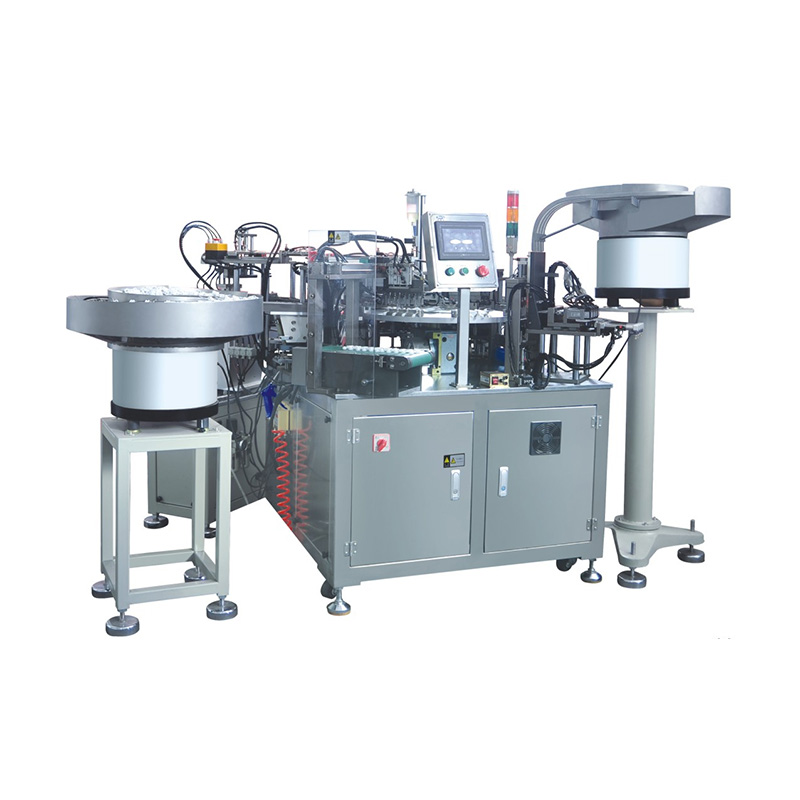
China Zhejiang Taizhou Ambe Trading Co., Ltd. is a manufacturer specializing in the production of medical equipment automation equipment.
Walk into a modern Medical Automation Equipment Factory and the rhythm feels different from traditional workshops. There is less scattered movement. Fewer unpredictable pauses. Work tends to follow a clearer flow.
This change is closely linked to automation. Machines handle repeated actions. People step back into roles that involve checking, adjusting, and coordinating rather than doing every step by hand.
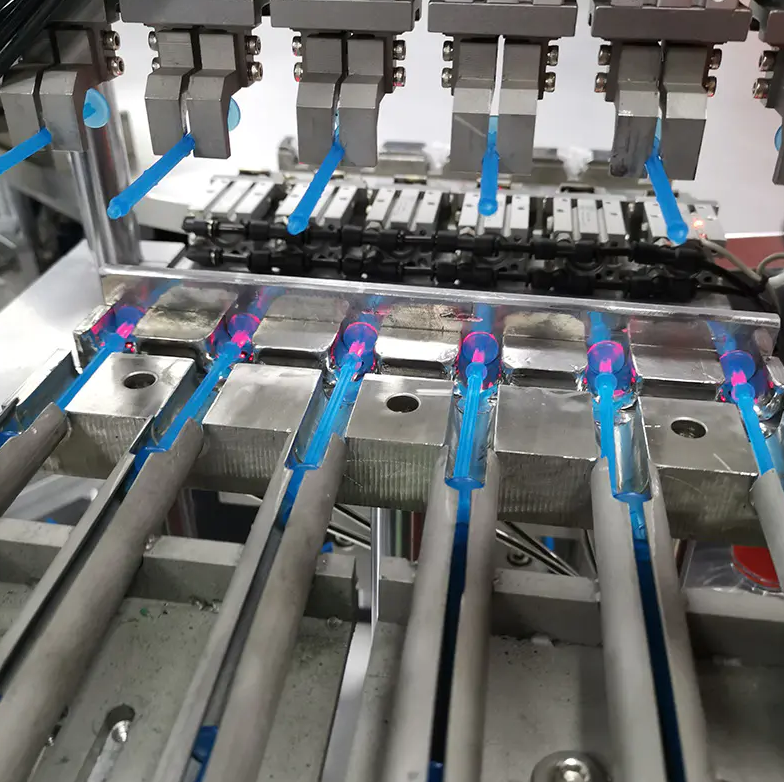
It is not a sudden transformation. Most factories move into it gradually, adjusting piece by piece as demand, cost pressure, and quality expectations shift.
Why Are More Factories Moving Toward Automation?
In medical equipment production, consistency matters more than appearance. Even small differences between products can create issues later in use.
Manual work can achieve good results, but it naturally varies from person to person. One operator may work slightly faster. Another may place parts with a different level of pressure or alignment. These differences are small, but they add up.
Automation reduces that spread. Once a process is defined, it tends to repeat in the same way each time. That gives production a more stable rhythm.
There is also the practical side. Demand is not always steady. Some periods are busy, others slow. Automated lines help smooth that imbalance without constantly reshaping the workflow.
How Does Automation Change Production Consistency?
Consistency is where automation shows its impact most clearly.
Instead of relying on repeated manual action, production follows a fixed pattern. Each step is connected in sequence. The movement from one stage to another becomes predictable.
This does not mean everything becomes identical in a strict sense, but the variation between units is reduced.
Over time, that creates a more uniform output. In medical-related products, that kind of stability is often more important than speed alone.
Does Automation Really Improve Production Speed?
Speed improves, but not in a dramatic or sudden way. It is more about reducing friction in the process.
In manual setups, there are natural pauses. One task finishes, another begins after a short delay. Even small pauses become noticeable when repeated across many steps.
Automated systems remove some of those gaps. One stage flows directly into the next. The transition is smoother.
Another factor is parallel work. While one unit is being processed, another may already be moving forward in a different stage.
So the improvement in speed comes more from flow than from rushing.
How Does Quality Control Change?
Quality control becomes less of a final checkpoint and more of a continuous presence in the process.
Some systems can observe production behavior as it happens. If something starts to drift from expected movement, it can be flagged early.
Human inspection still plays a role. It just shifts focus. Instead of checking every single detail from scratch, attention goes to areas that need closer review.
It becomes a mix of system awareness and human judgment rather than one replacing the other.
What Changes Inside The Factory Environment?
The layout and atmosphere of production areas often feel more organized with automation.
Movement becomes more structured. Materials follow defined paths instead of being passed around manually in different directions.
There is also less random handling of products. That alone can make the environment feel more controlled.
Machines are usually arranged according to workflow stages. This creates a kind of visual order that matches the production sequence.
It is not just about efficiency. It also changes how the space feels to work in.
What Happens To Workers In This Setup?
The role of workers shifts rather than disappears.
Instead of repeating the same physical steps throughout the day, attention moves toward monitoring and coordination.
That might include checking system status, responding when something is slightly off, or handling adjustments when conditions change.
It is a different kind of workload. Less repetitive motion. More observation and decision-making.
Some people find this change requires time to adjust. It is not just technical training, but also a change in work rhythm.
How Does Stability Improve Over Time?
Once automated systems settle into operation, the overall flow becomes more stable.
Machines do not get tired. They do not slow down unexpectedly due to fatigue. That alone reduces one layer of variation.
Of course, systems still need maintenance. Nothing runs without attention. But day-to-day fluctuations tend to be lower.
That stability is one reason many factories gradually shift toward automation instead of switching overnight.
How Does Material Handling Become More Organized?
Material movement becomes easier to track when automation is in place.
Instead of carrying or transferring items manually at each stage, materials move along set routes.
This reduces confusion about location and timing. It also helps keep the production floor more structured.
When flow is predictable, it becomes easier to manage inventory and reduce misplaced items.
A Simple Comparison Of Production Flow
| Area | Manual Approach | Automated Approach |
|---|---|---|
| Assembly rhythm | Depends on operator | Repeated sequence |
| Flow between steps | Small delays common | More continuous |
| Quality control | Mostly final inspection | Ongoing monitoring |
| Material movement | Manual handling | Guided routing |
| Work focus | Repetition-heavy | Supervision-based |
How Does Planning Become Easier?
Planning improves because processes become more predictable.
Instead of estimating wide variations, production timing becomes more consistent. That helps coordination between different stages.
It does not remove uncertainty completely, but it reduces how often plans need major adjustments.
Scheduling becomes clearer, and daily operation feels less fragmented.
What Challenges Still Remain?
Automation does not remove every difficulty.
Systems still require maintenance. If that is delayed, performance can drift.
Adjusting production setups is also more structured than manual change. It usually follows a planned process rather than quick switching.
Flexibility exists, but it is not always immediate. Changes tend to be more deliberate.
These are part of how automated environments function rather than unexpected issues.
How Is Medical Equipment Production Evolving?
Medical equipment manufacturing is slowly moving toward more system-based production environments.
Automation is part of that shift, but not the only factor. It works alongside human supervision, planning, and quality control.
The direction is not about removing people from the process. It is more about redistributing tasks so that repetitive work is handled by machines, while people focus on oversight and coordination.
The result is a production environment that feels more structured, more stable, and more connected from start to finish.