
 English
 русский
 Español



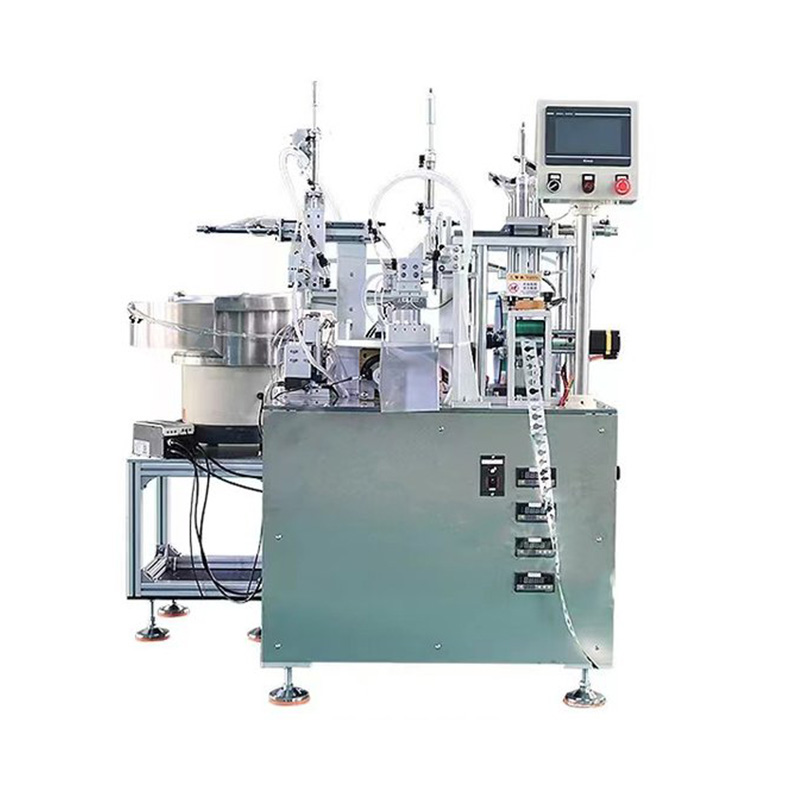
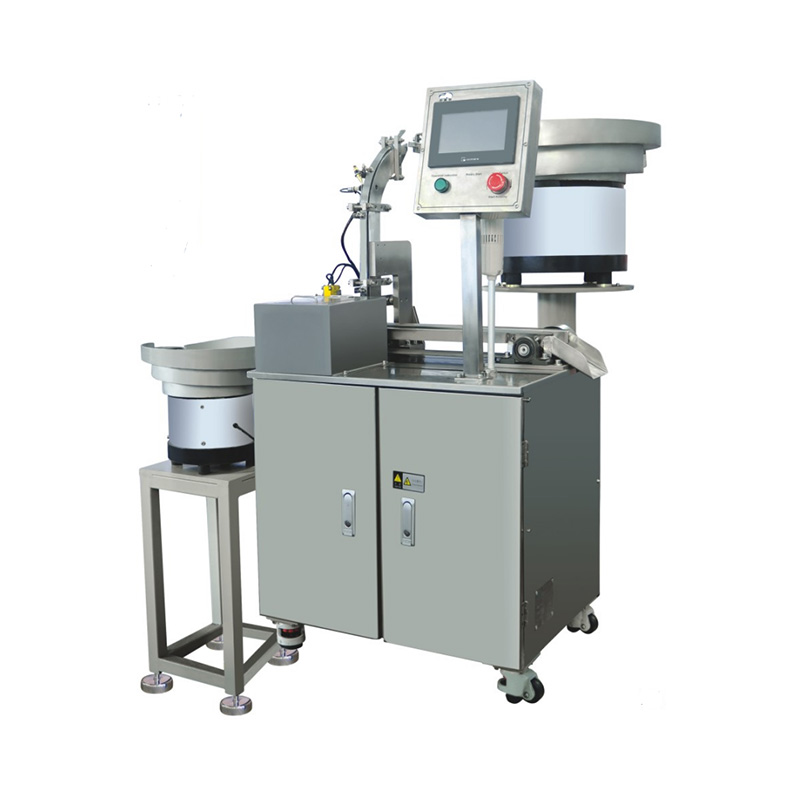
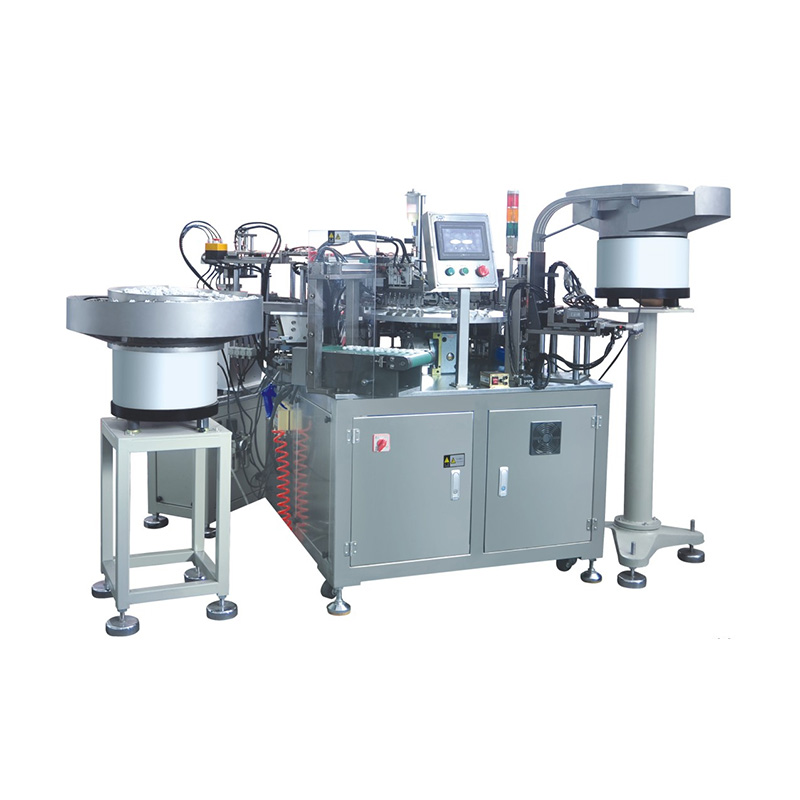
China Zhejiang Taizhou Ambe Trading Co., Ltd. is a manufacturer specializing in the production of medical equipment automation equipment.
Medical devices keep shrinking. Catheter connectors, syringe parts, diagnostic cartridges, microfluidic components, tiny electronic assemblies—they're all getting smaller, and that makes handling them a real headache. You can't just grab a 2mm plastic pin with the same force you'd use on a 20mm bracket. Delicate surfaces scratch. Static electricity makes parts stick where they shouldn't. Tolerances are tight enough that a tiny positioning error means the thing won't fit or won't work.
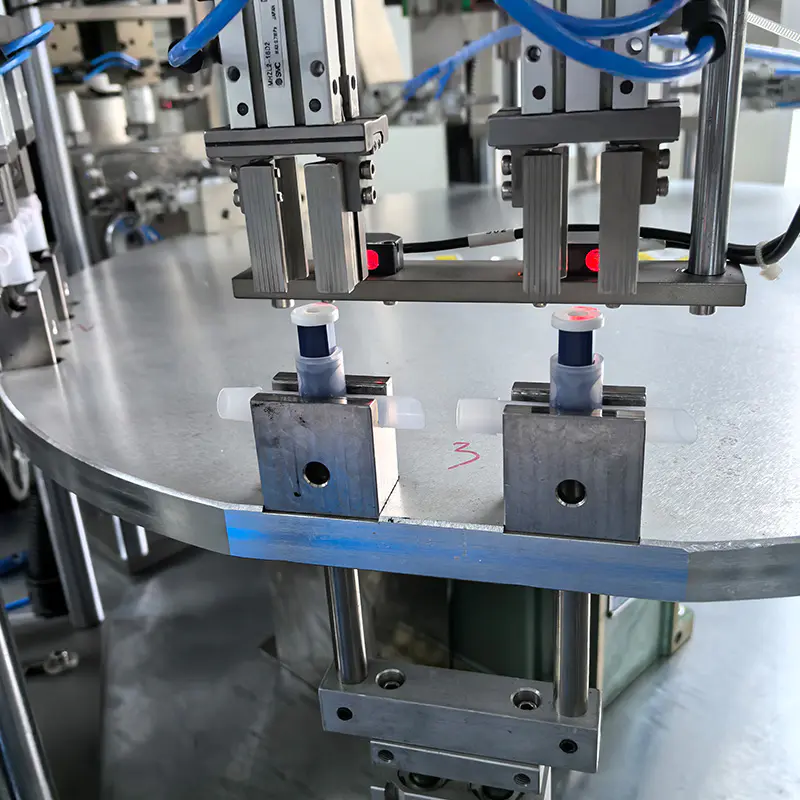
For equipment designers, micro-component handling is one of the tougher parts of building a modern Medical Assembly Machine. Small dimensions, lightweight materials, strict quality requirements—they all push machine design in directions that aren't always convenient. Reliable production depends on getting feeding, gripping, positioning, joining, inspection, and validation to work together. Fix one station and another one becomes the bottleneck.
Why Small Medical Components Are Difficult to Handle
Micro-components leave little room for error. Small plastic connectors and metal pins are sensitive to vibration, airflow, static, and mechanical contact. Dimensional tolerances are unforgiving. A minor positioning mistake can prevent components from fitting or cause damage during assembly.
Common headaches include:
- Unstable orientation: Small parts rotate or misalign during feeding.
- Electrostatic attraction: Plastic components stick to equipment or attract dust.
- Surface damage: Too much gripping force deforms or scratches delicate parts.
- Inconsistent feeding: Components overlap or enter stations incorrectly.
- Limited working space: Compact products require accurate movement in tight areas.
These problems drag down yield and drive up inspection and rework costs. Nobody wants that.
Precision Feeding Systems Maintain Component Orientation
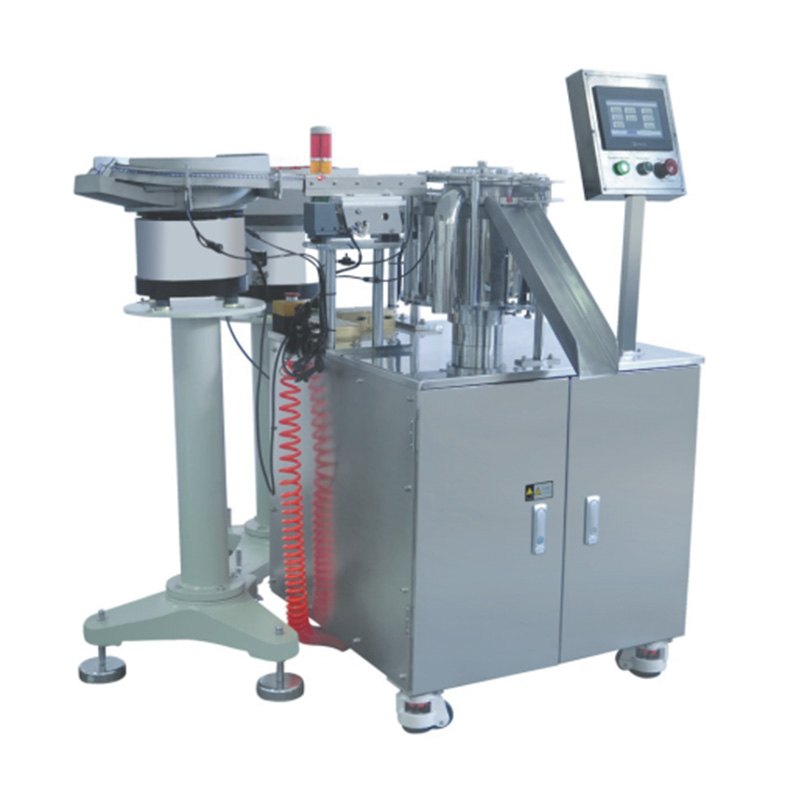
Feeding is the first critical stage. Components need to arrive at each workstation in a known orientation at a consistent rate. Vibratory bowl feeders are common for small parts, but performance depends on geometry, material, friction, and cleanliness. Too much vibration and delicate parts collide or get damaged.
Modern systems use different approaches:
- Vibratory bowl feeders: organize and orient compatible small parts.
- Linear feeders: transfer components between stations with controlled movement.
- Flexible feeding systems: use cameras and software to identify randomly positioned components.
- Precision trays: keep fragile or complex parts in predetermined positions.
The right solution depends on geometry, volume, and cleanliness needs. High-volume production often benefits from dedicated feeding. Flexible feeding supports product variety and frequent design changes.
Advanced Gripping Technology Protects Delicate Components
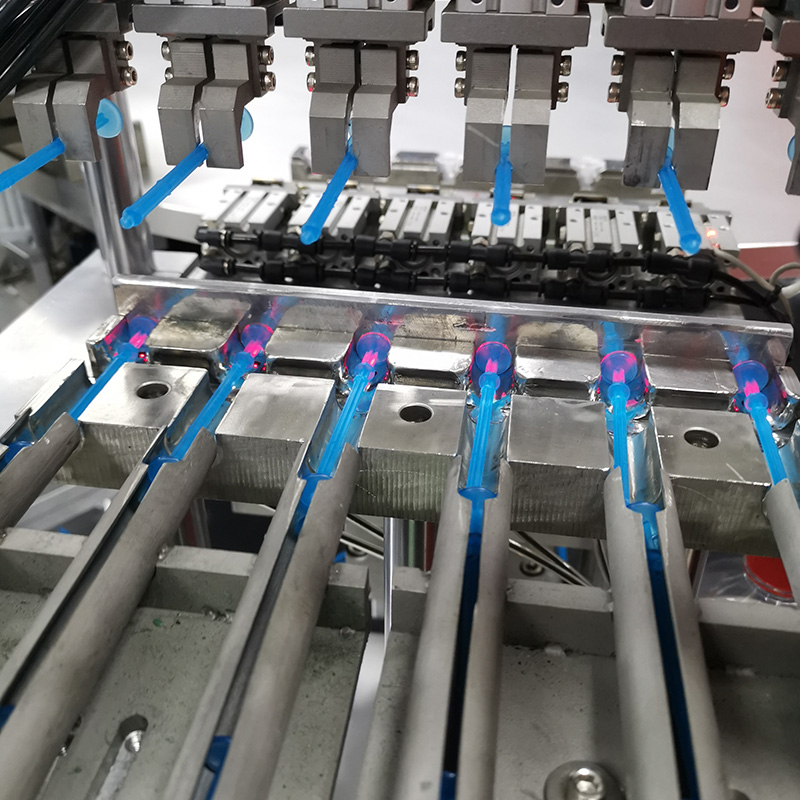
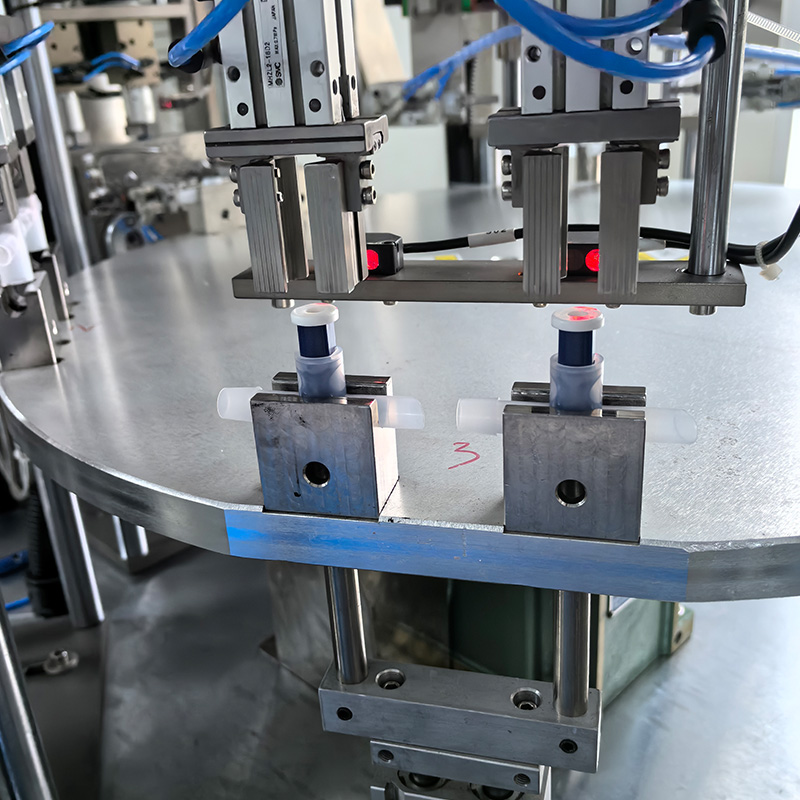
After feeding, components need to be picked up and positioned accurately. Excessive gripping force damages thin walls, flexible materials, and precision surfaces. Mechanical grippers provide controlled positioning for parts with suitable features. Vacuum grippers handle lightweight components, though porous surfaces and irregular shapes create sealing problems. Soft-contact grippers and custom tooling distribute force across delicate surfaces.
| Handling technology | Main advantage | Potential limitation |
|---|---|---|
| Mechanical gripper | Repeatable positioning | May create contact stress |
| Vacuum gripper | Suitable for lightweight parts | Requires an appropriate contact surface |
| Soft-contact gripper | Reduces localized pressure | Requires force and material testing |
| Precision tray | Maintains stable part positioning | Requires organized loading |
| Vision-guided robot | Adapts to different component positions | Needs accurate calibration and programming |
Test gripping systems with actual production components. Look at gripping force, positioning accuracy, surface damage, repeatability.
Machine Vision Improves Positioning and Inspection Accuracy
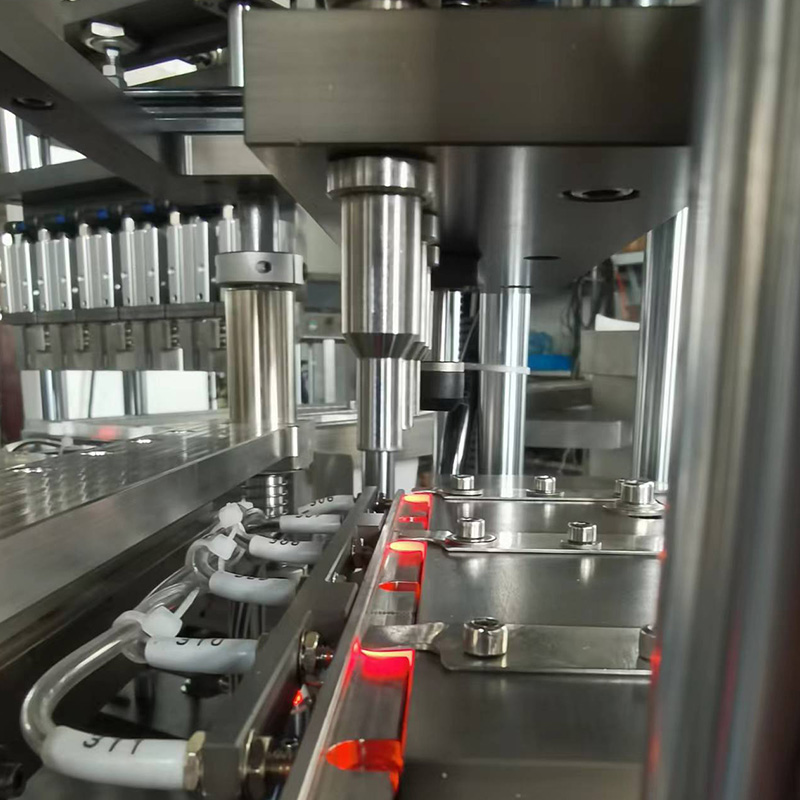
Machine vision helps equipment identify components, measure positions, and catch visible defects. High-resolution cameras locate small features and check orientation. Lighting is critical—backlighting, coaxial illumination, specialized optics improve contrast depending on shape and surface.
Vision-guided robots adjust movements based on detected positions. Inspection systems flag missing parts, wrong orientation, contamination, assembly defects. But vision performance depends on camera resolution, lighting consistency, calibration, and algorithms. Critical dimensions may need additional measurement tech.
Cleanliness and Contamination Control Influence Machine Design
Medical manufacturing often requires controlled environments. Micro-components collect particles, oils, residues from handling equipment. Cleanliness becomes a design consideration. Equipment designers should choose materials and surface finishes compatible with cleaning procedures. Lubricants, pneumatic components, wear surfaces—position them to minimize contamination risks.
For cleanroom applications, machines may need enclosures, filtered airflow, low-particle components, controlled material transfer. Cleanroom class depends on product, process, requirements. Automation reduces direct human contact, but it doesn't eliminate contamination risks. Cleaning, compressed air quality, maintenance, environmental monitoring remain essential.
Balancing Production Speed With Precision and Repeatability
Speeding up the machine introduces vibration, component instability, shorter positioning windows. These effects reduce consistency if the equipment isn't optimized. Evaluate performance with measurable indicators.
| Performance indicator | What it measures | Production value |
|---|---|---|
| Positioning accuracy | Difference between target and actual position | Supports precise alignment |
| Repeatability | Consistency across repeated operations | Reduces assembly variation |
| Cycle time | Time required for one assembly cycle | Determines production capacity |
| First-pass yield | Units passing without rework | Indicates process stability |
| Defect rate | Frequency of rejected assemblies | Identifies quality problems |
| Equipment downtime | Time lost to stoppages | Affects production efficiency |
For regulated medical manufacturing, equipment qualification and process validation matter. Installation, operating parameters, performance should be documented per the quality system and regulatory requirements.
Designing Medical Assembly Machines for Changing Production Needs
Micro-component handling needs an integrated engineering approach. Feeding, gripping, positioning, inspection, environmental control must work together. Improving one workstation alone won't fix problems caused by inconsistent component presentation elsewhere.
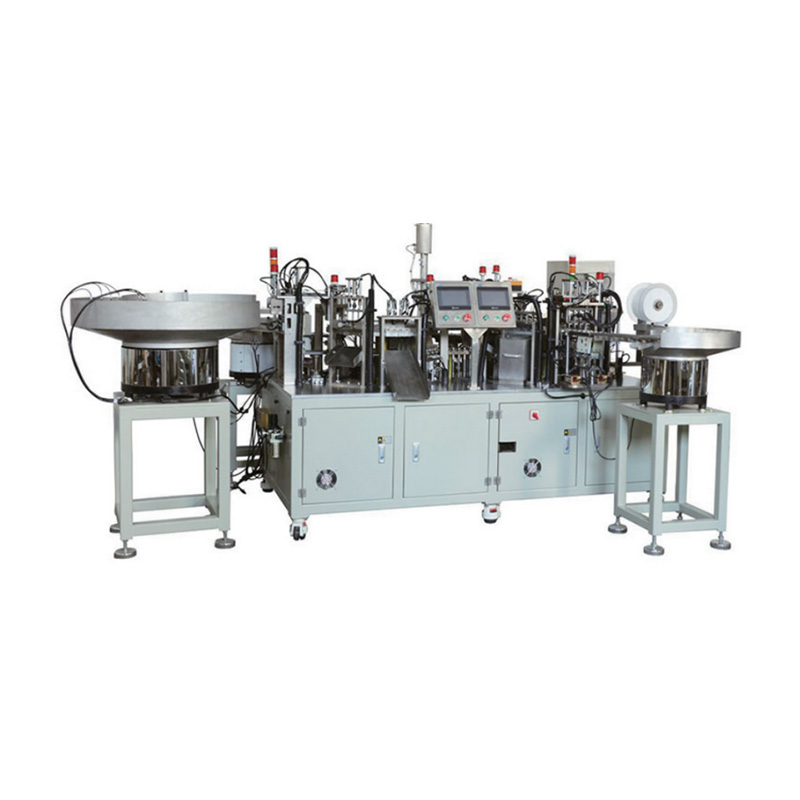
When selecting a Medical Assembly Machine, evaluate component dimensions, material properties, cleanliness requirements, target throughput, inspection needs, expected product changes. Modular tooling, adjustable handling systems, flexible control software simplify future upgrades.
Reliable micro-assembly depends on precise engineering, practical testing, documented process control. Address these during machine design and medical device manufacturers can improve production consistency and protect the quality of small, high-value components. That's the goal—not just making the machine run, but making it run right.