
 English
 русский
 Español



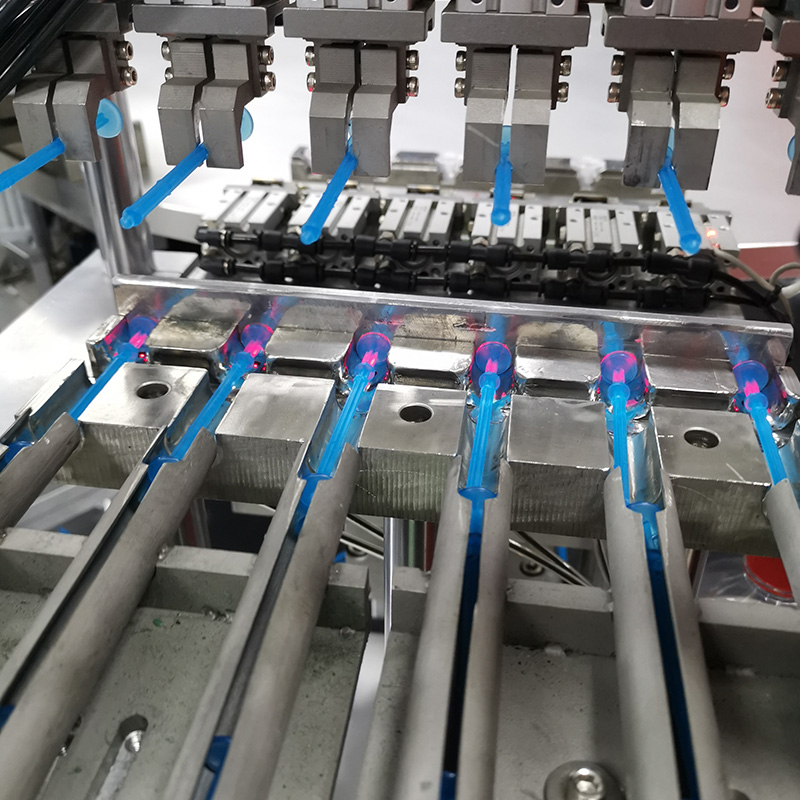
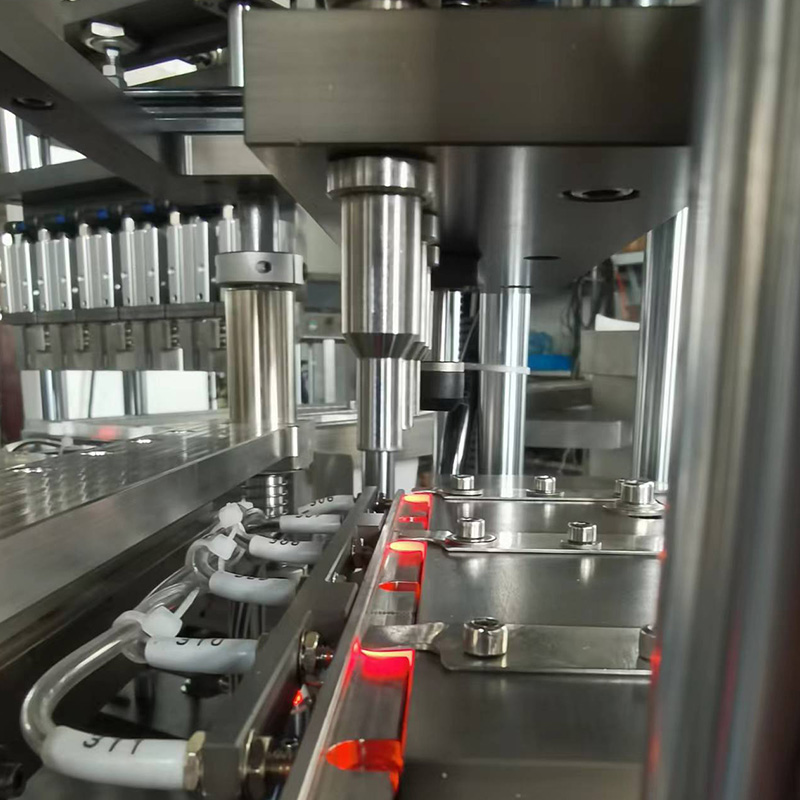
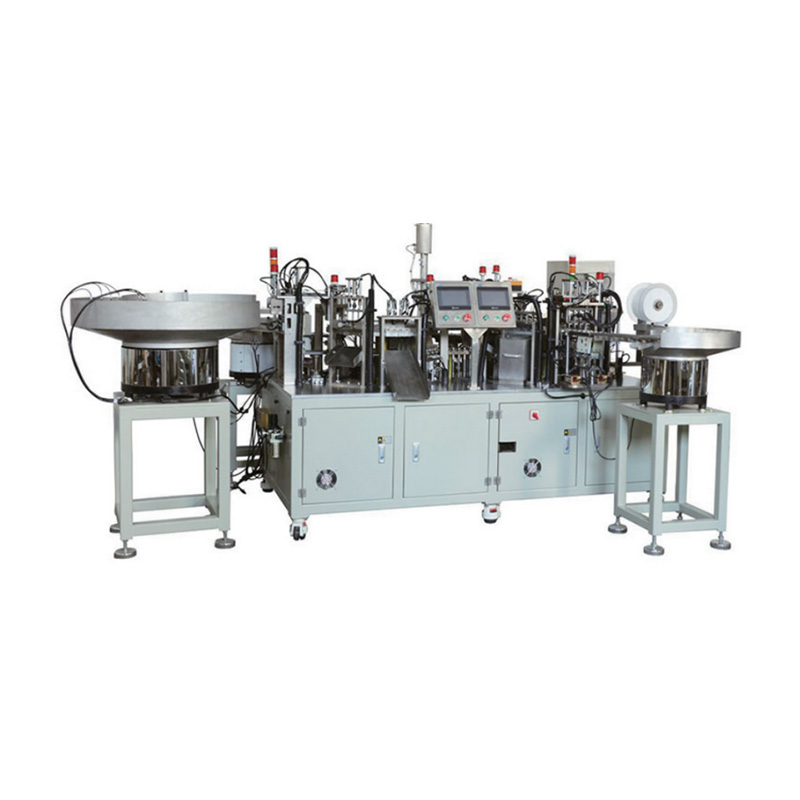
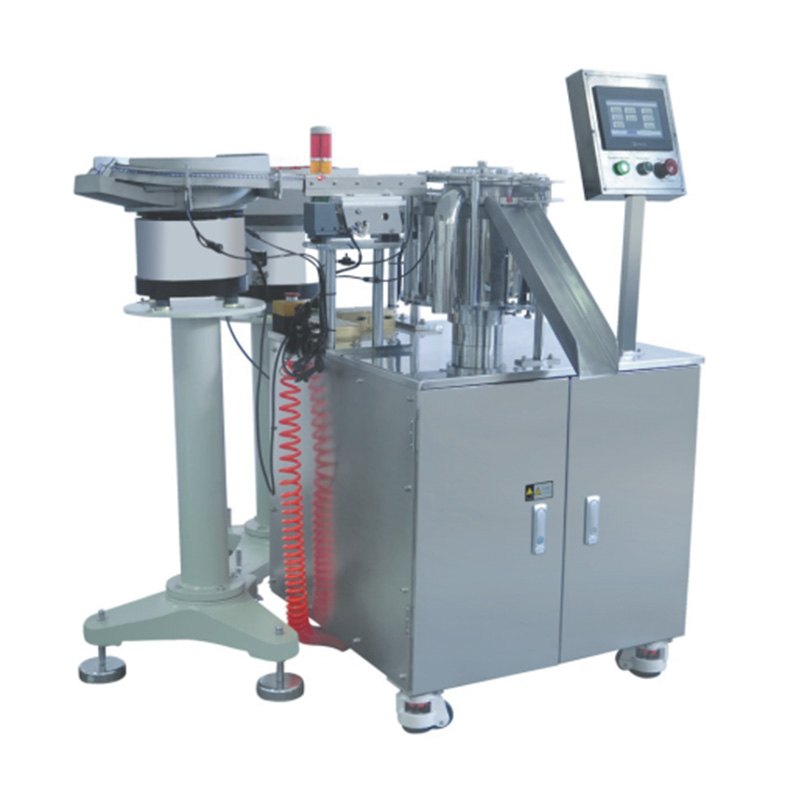
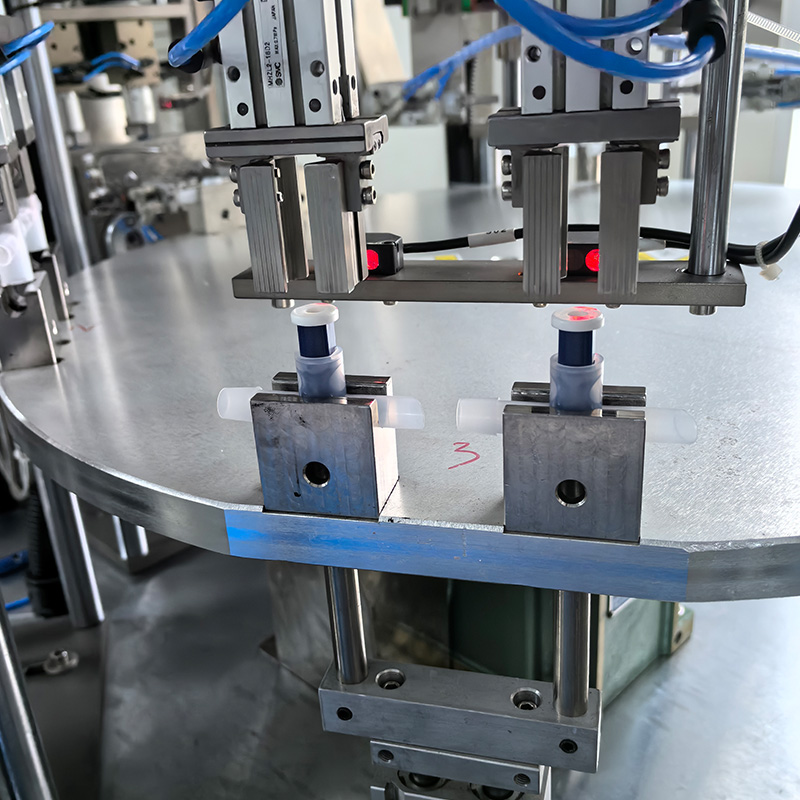
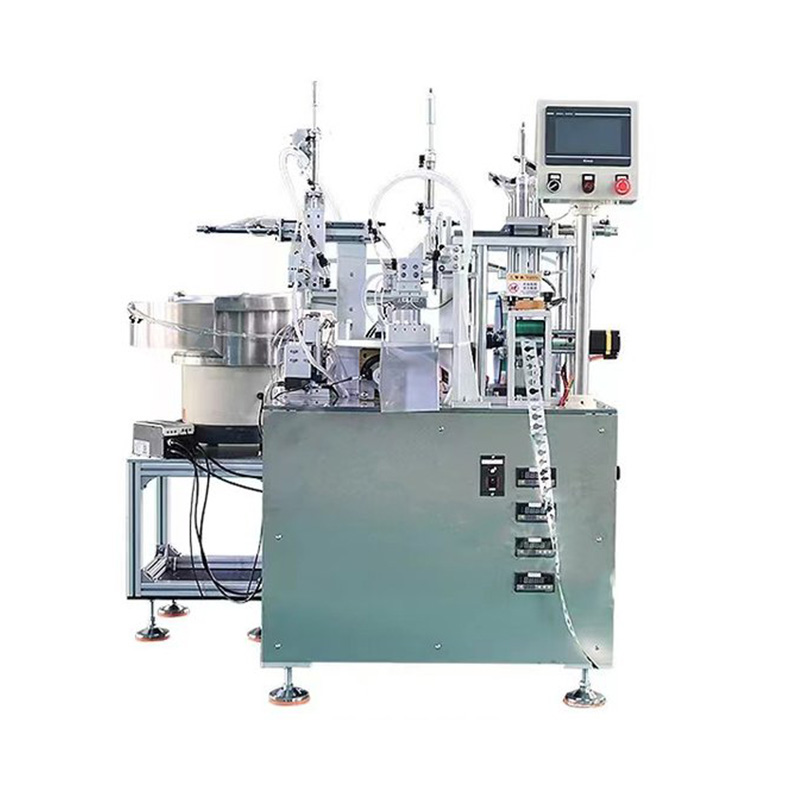
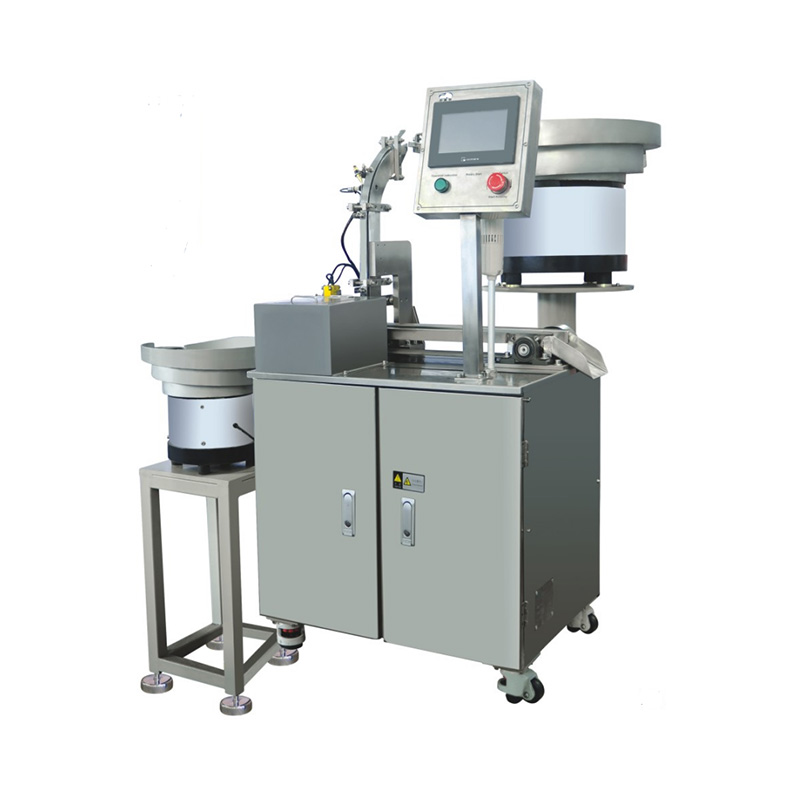
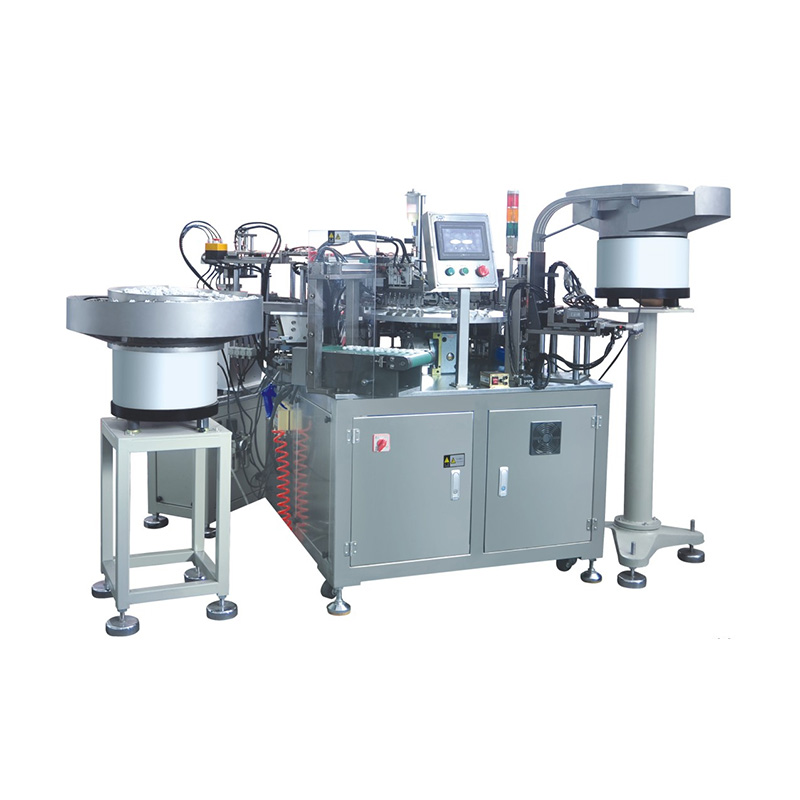
China Zhejiang Taizhou Ambe Trading Co., Ltd. is a manufacturer specializing in the production of medical equipment automation equipment.
Medical mold making—it's what turns plastic pellets into device components, diagnostic equipment parts, surgical instrument housings. Precision matters. Consistency matters. Material performance matters. So when mold development drags, product launches slip, validation gets pushed, supply planning falls apart. Buyers feel it in engineering costs and missed deadlines.
Here's the thing about delays: most of them are preventable. Not all—some things just happen. But the common causes? They follow patterns. Understand those patterns and you can evaluate suppliers better, control project risks, set timelines that actually hold up.
Incomplete Product Specifications and Late Design Changes
This one bites people constantly. Missing dimensions. Outdated CAD files. Tolerances that were never defined. Material specs that say "something like polycarbonate" without the grade. Mold makers hit pause and ask questions. Every clarification costs time.
Late design changes? Even worse. Adjust a component after machining starts and you're looking at revised cavity geometry, gate relocation, cooling channel changes, ejection system modifications. Depending on what changed, the supplier may need to redesign, remachine, rerun trials. Days turn into weeks.
Buyers can prevent this by getting documentation sorted before tooling starts. Approved 2D drawings, 3D models, resin specs, surface finish requirements, critical dimensions—all defined. A DFM review helps too. Let the mold maker flag wall thickness issues, draft angle problems, parting line concerns, molding feasibility questions before they become expensive tooling fixes.
Incorrect Mold Material Selection
Mold material affects everything—tooling durability, machining time, maintenance requirements, long-term production stability. Pick steel without considering the resin, expected volume, surface finish needs? Premature wear or extra processing follows.
Abrasive glass-filled plastics need wear-resistant mold materials. Corrosive resins or demanding surface finishes may need corrosion resistance and specialized polishing. Talk to the supplier about expected shot counts, resin characteristics, operating conditions, maintenance plans. Confirm the proposed steel grade, hardness, surface treatment, expected tooling life before approving the quote. Make these decisions early or you'll deal with material substitutions, procurement delays, costly modifications later. Nobody enjoys that conversation.
Unrealistic Lead Times and Complex Tooling Requirements
Medical components can have thin walls, intricate geometries, micro-features, tight tolerances. Producing those features requires precision CNC machining, EDM, specialized polishing, extra inspection. A quoted lead time may look reasonable until you realize it excluded design approval, steel procurement, electrode prep, mold assembly, trial molding, corrective work.
Request a milestone-based schedule. Each stage gets its own duration. Include time for engineering approvals and potential trial corrections. That way you can actually monitor progress instead of hoping for the best.
| Project stage | Potential delay | Recommended preventive action |
|---|---|---|
| Design review | Incomplete specifications | Approve drawings and DFM feedback early |
| Material procurement | Steel availability issues | Confirm material grade and delivery dates |
| Mold machining | Complex features or tight tolerances | Review the manufacturing plan |
| Mold assembly | Alignment or fit problems | Require inspection at critical stages |
| Trial molding | Defects or dimensional variation | Define acceptance criteria in advance |
| Qualification | Missing records or inconsistent samples | Plan documentation and testing early |
Insufficient Mold Trials and Process Optimization
A finished mold doesn't automatically make good parts. First trials reveal flash, short shots, sink marks, warpage, inconsistent dimensions. Fixing those problems may mean gate redesign, venting changes, cooling adjustments, cavity modifications, molding parameter tweaks. For medical applications, these issues carry extra weight—component variation affects assembly, device function, product quality.
Agree on trial procedures and acceptance criteria before the first sample run. Cover dimensional inspection, visual appearance, sample quantities, material identification, acceptable defect levels. Request trial reports documenting molding conditions, inspection results, identified defects, corrective actions. Those records tell you whether the mold is ready for the next stage and give you something to work with when troubleshooting.
Late Identification of Documentation and Validation Requirements
Medical projects need documentation—quality management, traceability, risk assessment, process validation. Depending on product and market: ISO 13485-based systems, customer procedures, regulatory obligations. Delays happen when buyers communicate these requirements after tooling is finished. Missing inspection records, material certificates, qualification evidence—suddenly you're doing extra work and postponing approval.
Establish documentation expectations during supplier selection. Mold design documents, material certificates, dimensional inspection reports, engineering change records, process qualification support. And distinguish mold acceptance from production process validation. A mold can meet its tooling specs while the manufacturing process still needs qualification before routine production. Different things.
Poor Communication Between Buyers and Suppliers
Slow approvals. Unclear responsibilities. Untracked engineering changes. These delay well-managed projects too. Problems get harder to solve when buyer, mold maker, molding facility, device manufacturer all work independently.
Appoint a project owner. Set regular progress reviews. Weekly updates covering completed milestones, unresolved technical questions, pending approvals, delivery schedule risks. Formal change-control matters too—every proposed change reviewed for its effect on tooling cost, delivery time, product quality, downstream validation.
How Buyers Can Choose a Reliable Medical Mold Making Supplier
Look at engineering capability, quality controls, communication practices, long-term support—not just price. Ask whether the supplier has experience with comparable medical components, provides documented DFM reviews, maintains inspection records for critical tooling features. Clarify what the quote includes, how design changes get priced, whether they support trial optimization and mold maintenance. Evidence of relevant project experience helps distinguish a realistic plan from an optimistic pitch.
Keep Medical Mold Making Projects on Schedule
Most preventable delays come from unresolved design requirements, unsuitable tooling decisions, unrealistic timelines, insufficient trial planning, late documentation requests. Buyers can reduce these risks by involving suppliers early, confirming specs before machining, defining acceptance criteria, monitoring milestones throughout development.
A capable supplier should explain how each stage gets managed—design review through mold trials and production support. Clear expectations and consistent communication control costs, protect launch schedules, establish a more reliable path to medical component manufacturing.