
 English
 русский
 Español



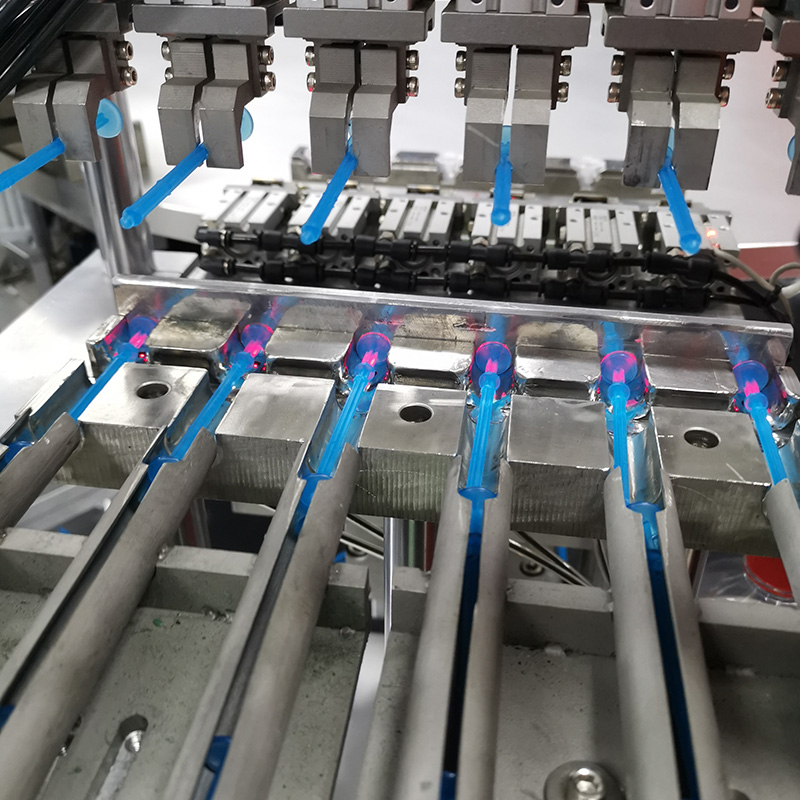
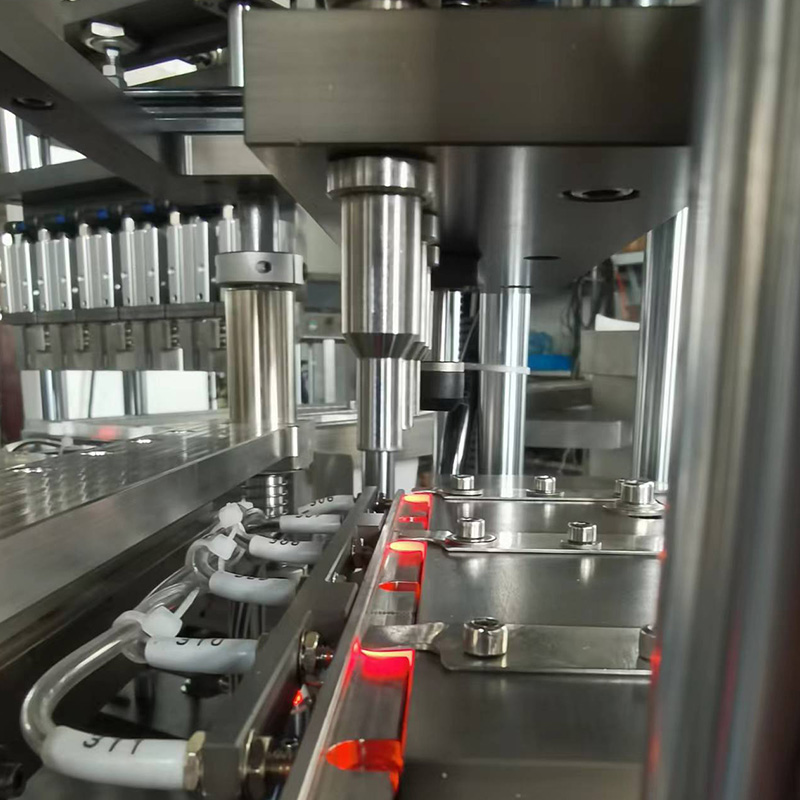
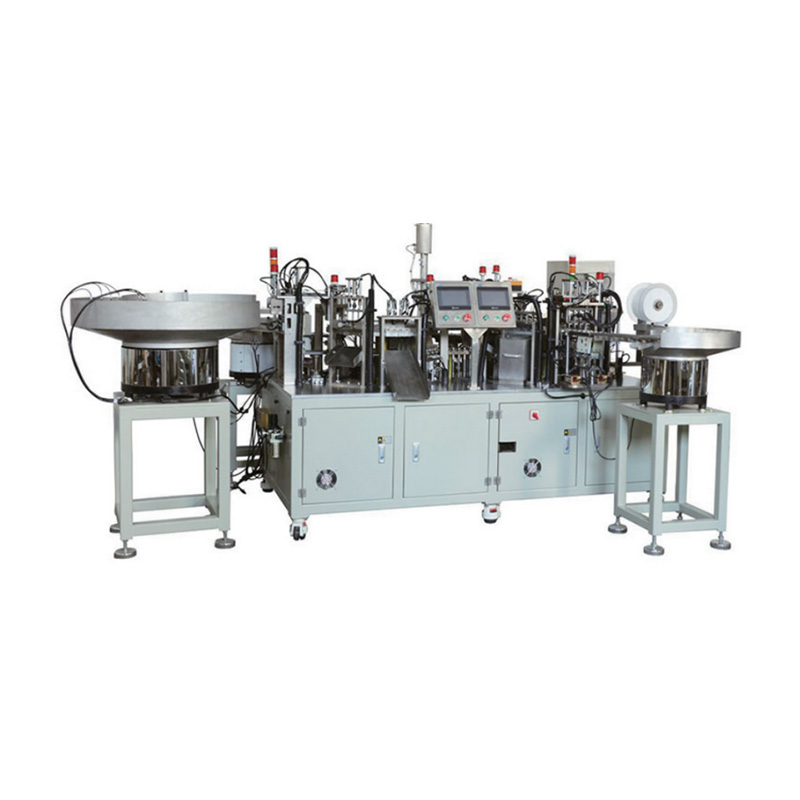
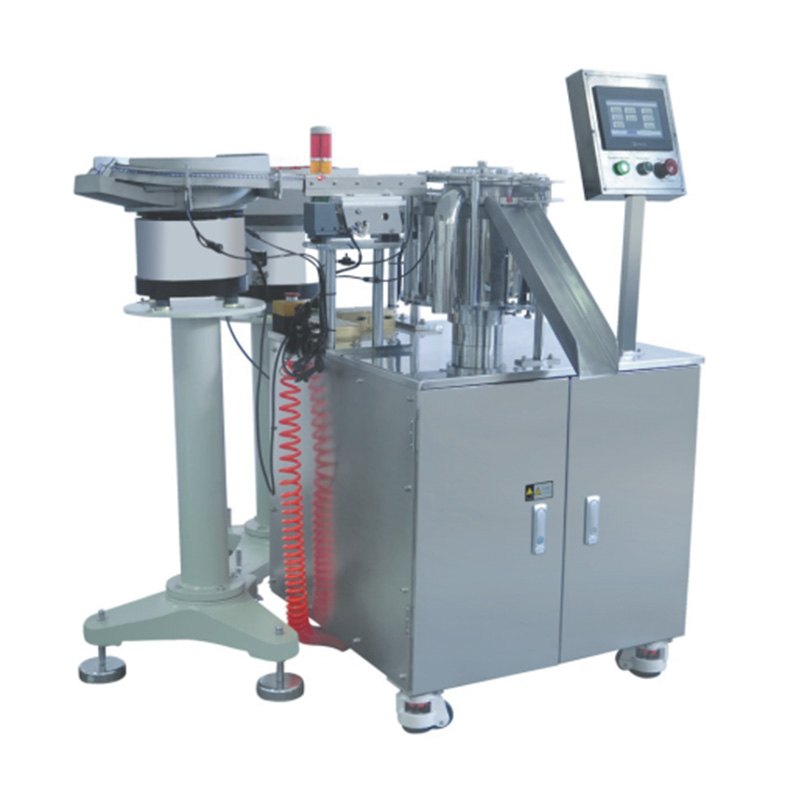
China Zhejiang Taizhou Ambe Trading Co., Ltd. is a manufacturer specializing in the production of medical equipment automation equipment.
Walk a medical device production line and you'll see the problem. Inspectors staring at tiny parts for hours. Rule-based vision systems flagging the same defect twice—once as a reject, once as a pass. The stakes are high, the margins are thin, and the defects don't always look the same way twice.
AI vision inspection uses machine learning to identify defects, verify assembly, support automated quality decisions. When it's implemented and validated properly, it improves inspection consistency, reduces repetitive manual work, strengthens automation. But—and this matters—successful implementation requires careful planning, representative training data, reliable integration, documented validation. Skip those steps and you've just built a faster way to make the same mistakes.
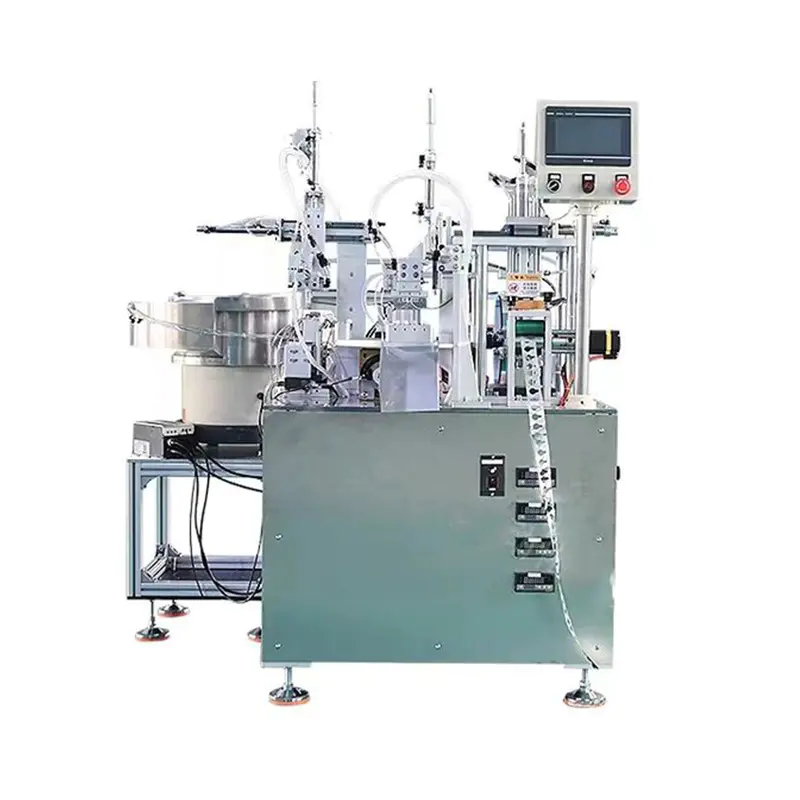
How Does AI Vision Inspection Work in Medical Device Manufacturing?
AI vision combines industrial cameras, controlled lighting, image processing, machine learning algorithms. Depending on the application, the system inspects components, identifies surface defects, verifies assembly, checks product markings. Deep learning models recognize visual patterns that rule-based inspection struggles with.
Say a manufacturer wants to detect cracks in molded plastic components, spot contamination on a device surface, verify small components are positioned correctly. The system captures images, evaluates them against established criteria, sends results to the production control system. Depending on risk level, the result may trigger automatic rejection, an alert, or additional human review.
Which Inspection Tasks Can Benefit From AI?
AI vision inspection is useful when products have complex geometries, small features, visual variations that make consistent inspection challenging. Common applications:
- Surface defect detection: scratches, cracks, discoloration, visible contamination.
- Assembly verification: component presence, orientation, positioning.
- Packaging inspection: damaged packaging or missing components.
- Label verification: printed information, barcodes, product identifiers.
- Visual dimensional checks: positional deviations when the imaging system supports the required measurement accuracy.
Not every task needs AI. Traditional machine vision may be more suitable for stable measurements with clearly defined parameters. Pick the inspection method according to product requirements, defect characteristics, quality risks. Sometimes the simpler tool wins.
What Benefits Can AI Vision Inspection Deliver?
When integrated into a controlled production process, AI inspection offers several operational advantages.
- Consistent inspection: Automated systems apply the same procedure across production batches, reducing variability from repetitive manual tasks.
- Faster production: Image analysis supports high-speed inspection when processing time meets the line's cycle-time requirements.
- Earlier defect detection: Identifying nonconforming components during manufacturing reduces the risk of defects progressing to later stages.
- Improved traceability: Digital records connect inspection results with product identifiers, timestamps, production batches, equipment information.
- Better quality analysis: Inspection data helps engineers identify recurring defect patterns and investigate process problems.
Actual improvements depend on system design, product complexity, validation results. AI inspection doesn't automatically eliminate errors or guarantee every defect gets detected. That would be nice, but no.
How Does AI Compare With Traditional Inspection Methods?
Different methods offer different advantages. Evaluate them against production requirements and the consequences of missed defects.
| Evaluation factor | Manual inspection | Traditional machine vision | AI vision inspection |
|---|---|---|---|
| Consistency | Depends on operator performance | High for defined rules | High when properly validated |
| Complex defects | Depends on experience | May require extensive programming | Can recognize learned patterns |
| Inspection speed | Limited by manual handling | Suitable for rapid automated checks | Depends on model and hardware performance |
| Process changes | Requires updated instructions | Often requires rule adjustments | May require additional data and validation |
| Digital records | Require manual documentation | Can generate inspection logs | Can integrate results with model and image records |
A hybrid approach—conventional machine vision, AI classification, human review—may suit applications with diverse defect types and strict acceptance requirements. Nobody said you had to pick one.
Why Are Data Quality and Model Validation Essential?
AI inspection performance depends heavily on training and validation data quality. If the dataset doesn't represent actual production conditions, the model performs poorly when deployed. Simple as that.
Include relevant variations in lighting, surface appearance, component orientation, material batches, defect severity. Qualified personnel should define inspection criteria and label images consistently.
Before deployment, evaluate the system using representative samples of conforming products and known defects. Key performance measures:
- False negatives: Defective products incorrectly accepted.
- False positives: Conforming products incorrectly rejected.
- Detection sensitivity: The proportion of relevant defects correctly identified in the test set.
- Repeatability: Consistency of results under equivalent conditions.
Acceptance criteria should reflect the consequences of missed defects. Document model versions, software changes, retraining activities, revalidation requirements. Keeps things under control.
How Can Manufacturers Integrate AI Into Automated Production Lines?
Start with a clearly defined inspection problem. Identify defect characteristics, inspection location, required cycle time, product presentation, consequences of incorrect decisions.
A practical implementation process: select appropriate cameras and lighting, collect representative images, train and test the model, integrate results with production equipment, validate the complete inspection process.
Evaluate performance under real operating conditions. Vibration, dust, lighting changes, equipment wear, product movement—they affect image quality and inspection accuracy. Inspection results must connect to established procedures for product segregation, nonconformance handling, investigation, corrective action. Where required, retain inspection images, system logs, audit records.
What Quality and Regulatory Requirements Should Manufacturers Consider?
AI inspection systems used for medical device acceptance should be part of the manufacturer's quality management system. Document intended use, risk assessment, inspection criteria, validation results, maintenance procedures, change-control requirements. Software controls, access permissions, data integrity measures should reflect the application's risk and applicable regulations. A defined response is necessary for equipment faults, unexpected model behavior, declining inspection performance. Human oversight and escalation procedures remain important when incorrect decisions could affect patient safety. That's not a box to tick—it's an ongoing obligation.
Strengthen Medical Device Production With Validated AI Inspection
AI vision inspection can improve automation in medical device manufacturing—defect detection, consistent inspection, traceable quality decisions. Its effectiveness depends on suitable applications, representative data, documented validation, ongoing performance monitoring.
Start with a specific inspection challenge. Define measurable acceptance criteria. Conduct pilot testing before expanding deployment. Integrating AI within an established quality management process helps manufacturers evaluate practical value while maintaining control over product quality and patient safety. That's the sensible path—not the fastest one, just the one that holds up.