
 English
 русский
 Español


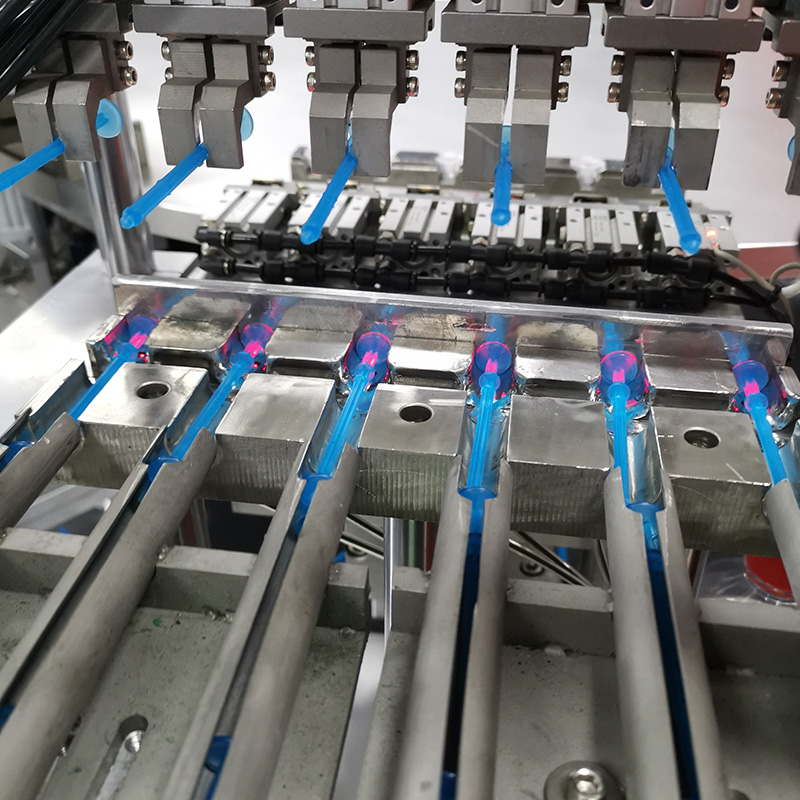
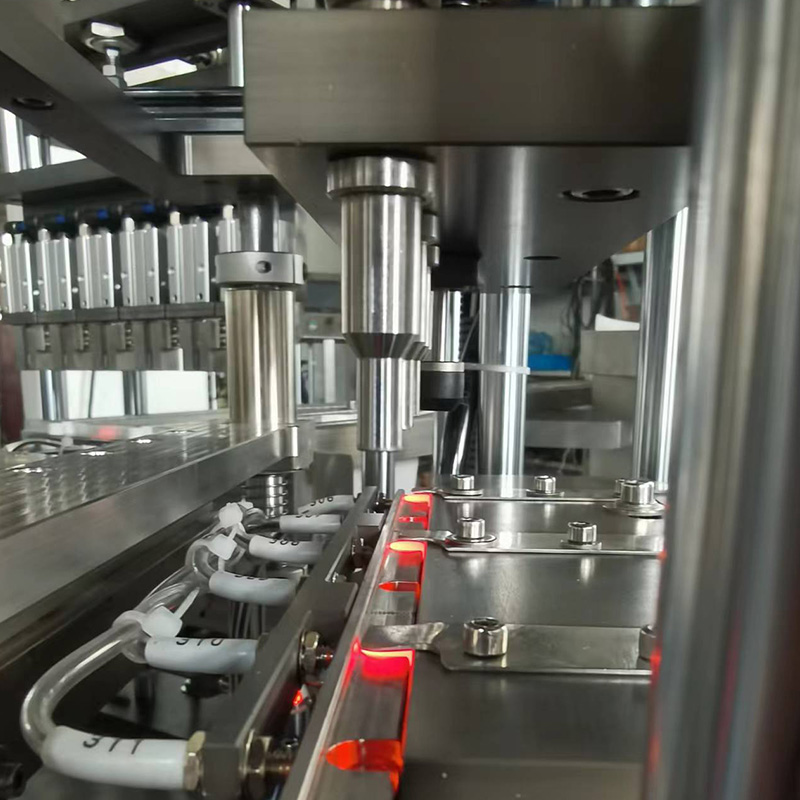
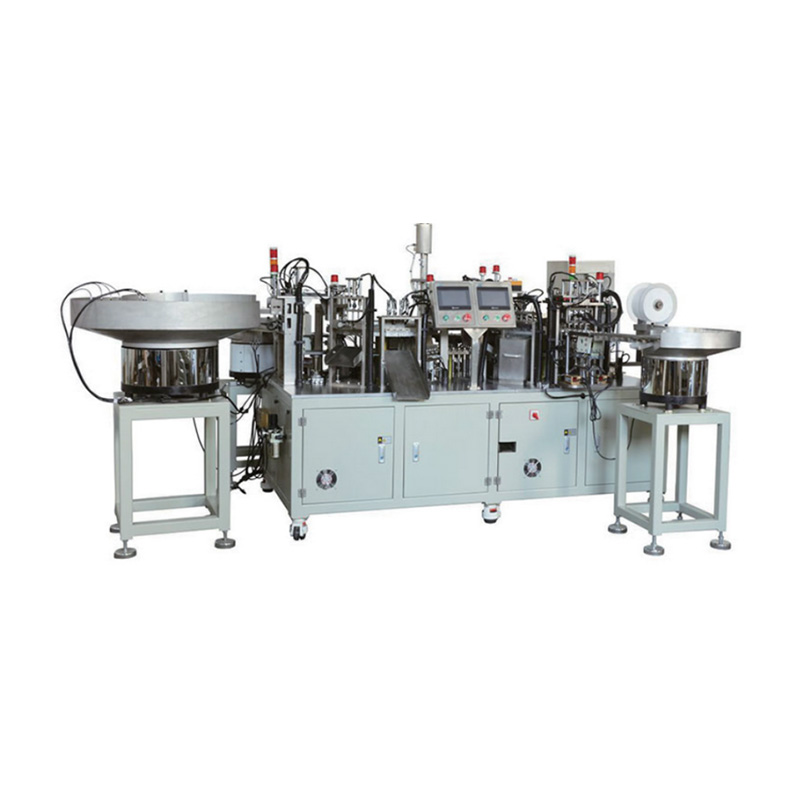
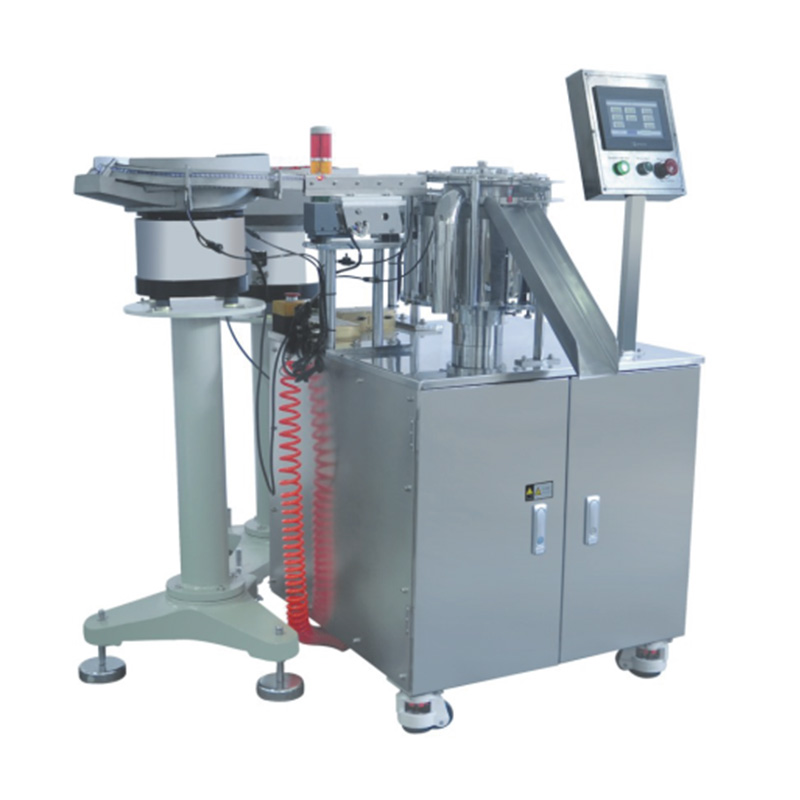
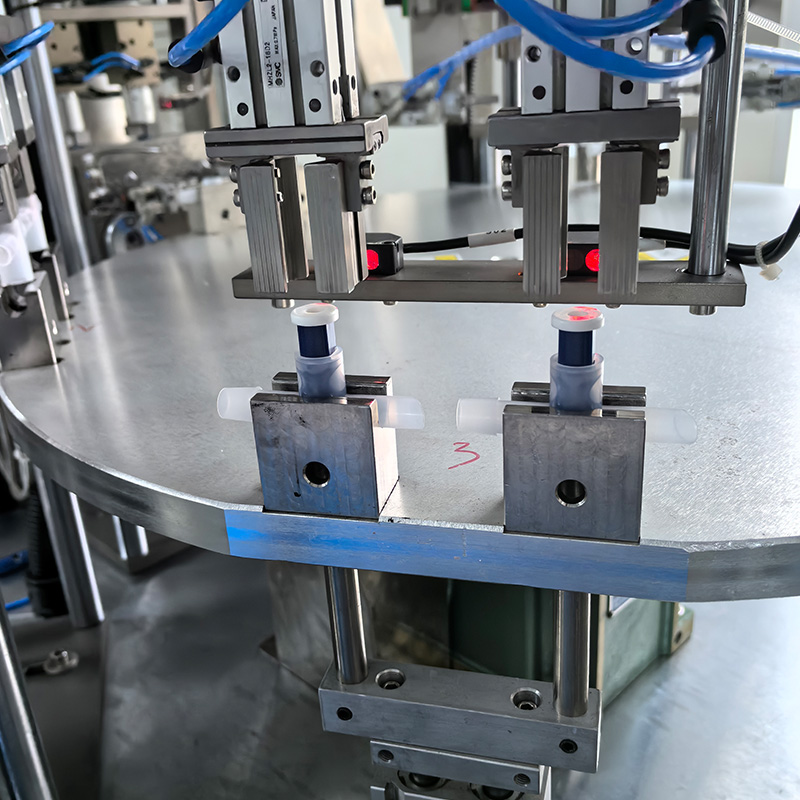
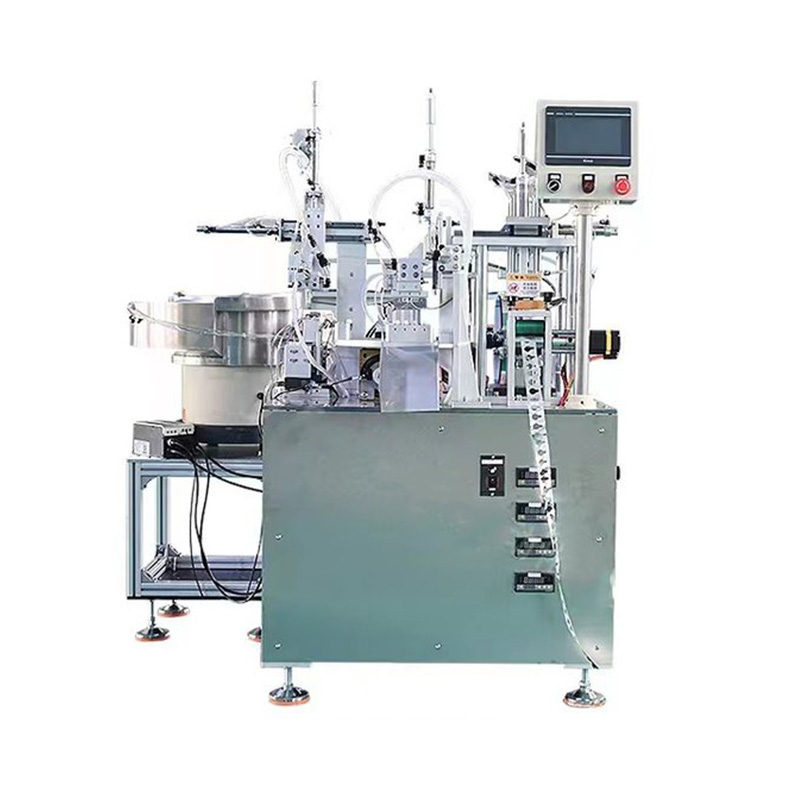
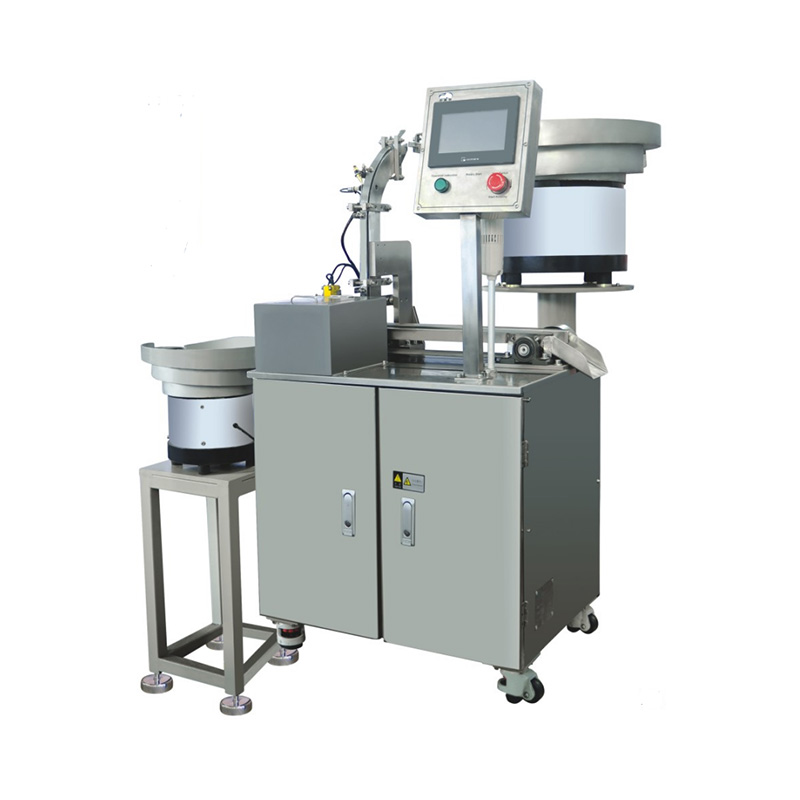
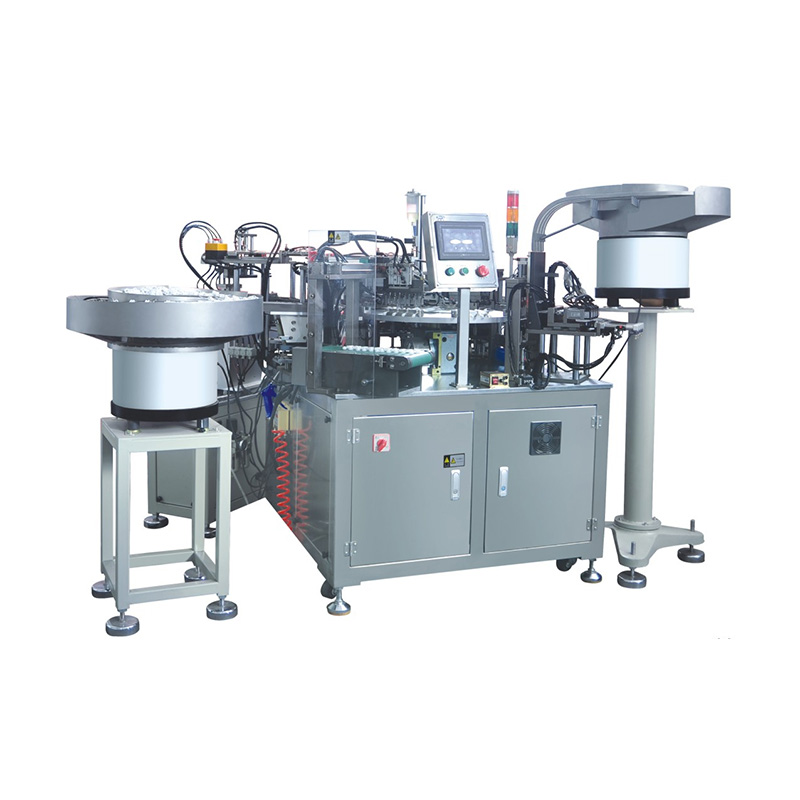
China Zhejiang Taizhou Ambe Trading Co., Ltd. is a manufacturer specializing in the production of medical equipment automation equipment.
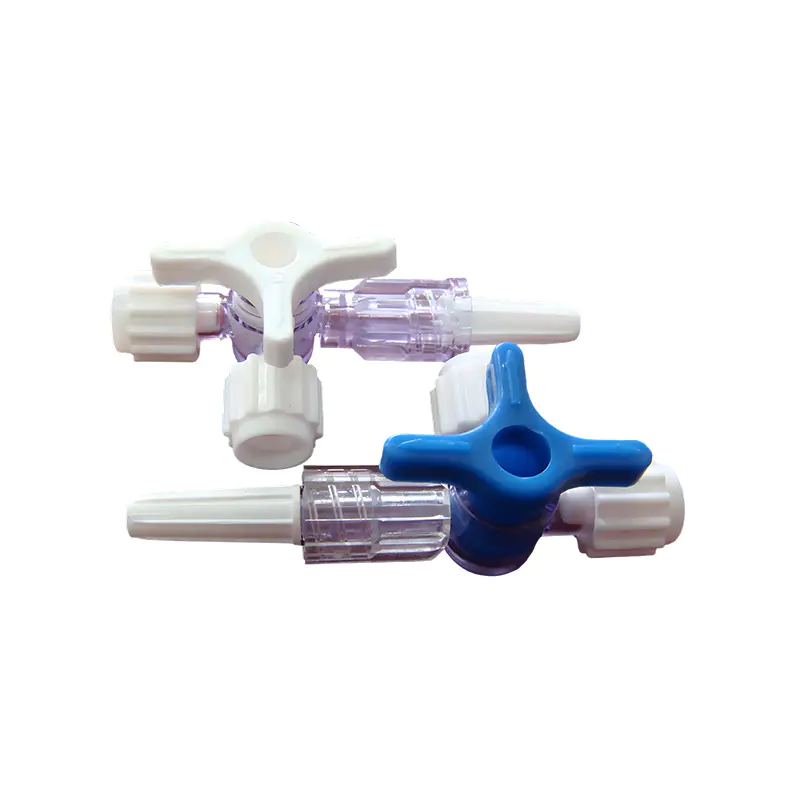
A Medical 3 Way Stopcock is a small part doing a fairly big job in IV therapy, infusion sets, and pressure monitoring lines. It lets a clinician steer fluid where it needs to go and connect several lines through one access point. Because it can come into contact with medications, blood, or infusion solutions, what it's made of shapes how the device performs, what it plays well with, and how safe it ends up being.
Different clinical jobs ask for different things from a material. Some call for clarity and mechanical strength. Others need chemical resistance, a dependable seal, or the ability to get through a sterilization cycle without falling apart. Knowing where common materials hold up — and where they don't — helps device makers and purchasing teams land on a stopcock that actually suits its intended use.
Why Material Selection Matters
The material has to keep fluid control reliable for as long as the device is meant to be used. A few things are worth weighing early on.
Biocompatibility comes into the picture whenever a material touches the patient or the fluid path. The finished device needs to meet the biological safety requirements that apply to that contact type and how long it lasts.
Chemical compatibility is about whether the material can handle the drugs, solutions, and whatever else it might meet. A material that's fine with saline isn't automatically fine with every drug formulation out there.
Mechanical strength is what gets the stopcock through normal handling and the operating pressures it's rated for. Transparency, meanwhile, helps clinicians actually see the fluid path, and a well-chosen sealing material cuts down on leaks.
No single material gives you all of that at once. You have to think about the whole device — body, plug, handle, seals, connectors — not one part in isolation.
Common Materials Used in Medical 3-Way Stopcocks
1. Polycarbonate for Strength and Visibility
Polycarbonate (PC) is a rigid thermoplastic known for impact resistance and clarity. Those two traits together make it a reasonable pick for stopcock bodies where a visible fluid path and a stable structure both matter.
Its transparency makes inspection easy, and the rigidity helps hold the geometry that reliable flow control depends on. That said, polycarbonate can be vulnerable to certain chemicals, solvents, and environmental stress cracking. Compatibility needs checking against the actual drugs and the sterilization method in question — not just in theory.
Typical application: stopcock bodies where visibility, rigidity, and mechanical durability are the priorities.
2. Polypropylene for Chemical Resistance
Polypropylene (PP) is light and stands up well to many aqueous chemicals. It's also a familiar material in disposable medical products, since it runs through established manufacturing processes without much fuss.
Against polycarbonate, PP has different stiffness and optical behavior. That can affect dimensional stability, how connections get designed, and how easy it is to check the fluid visually. Whether a given grade works depends on the mechanical demands of the device and what it's going to be exposed to.
Typical application: disposable fluid-control devices where chemical resistance and low weight are the priorities.
3. ABS for Selected External Components
ABS brings toughness, dimensional stability, and good moldability. Depending on the design, it may be worth considering for handles or other external parts that don't sit in the fluid path.
Whether it belongs anywhere near fluid contact is a different question, and it needs real evaluation — formulations differ in chemical resistance and in how they handle sterilization. Manufacturers should look at what each component actually does before reaching for ABS.
Typical application: selected handles or external structural parts, assuming the material meets the performance requirements that apply.
4. Silicone and Other Elastomers for Sealing
Silicone and other medical-grade elastomers bring flexibility, which is useful when you need something to seal. Depending on the stopcock design, elastomeric parts can help keep mating surfaces in contact and keep fluid where it should be.
How well they do that depends on formulation, hardness, how much they're compressed, what chemicals they see, and temperature. Plenty of stopcocks rely on the fit between a rigid body and a rotating plug, so a separate elastomeric seal may not be needed at all.
Typical application: seals and flexible interfaces in designs that call for elastomeric behavior.
Comparing Materials for Different Applications
|
Material
|
Main advantages
|
Potential limitations
|
Typical consideration
|
|---|---|---|---|
|
Polycarbonate (PC)
|
Rigid, transparent, impact-resistant
|
May clash with certain chemicals
|
Visible, structurally stable stopcock bodies
|
|
Polypropylene (PP)
|
Lightweight, resistant to many aqueous chemicals
|
Different stiffness and optical properties from PC
|
Disposable fluid-control devices
|
|
ABS
|
Tough and easy to mold
|
Compatibility depends on formulation and exposure
|
Selected external components
|
|
Silicone elastomers
|
Flexible and useful for sealing
|
Properties vary by formulation
|
Seals and flexible interfaces
|
These are general guidelines, not rules. Real performance depends on the specific grade, component geometry, manufacturing process, and conditions of use.
Matching Material Selection to Clinical Applications
Intravenous Infusion and Medication Delivery
For routine infusion, you want reliable flow control, secure connections, and compatibility with whatever is being infused. Polycarbonate is worth a look when visibility and rigidity matter; polypropylene tends to suit designs that lean toward chemical resistance and disposable construction.
Manufacturers should confirm compatibility against the real medications, concentrations, and contact times expected in use. The spec sheet rarely tells the whole story.
Pressure Monitoring and High-Pressure Procedures
When pressure runs higher, the whole assembly deserves scrutiny. Body material, wall thickness, connector design, how the plug fits, and how the seal is built all play into pressure performance.
A strong polymer on its own doesn't mean the stopcock can safely take a given pressure. Buyers should ask for validated performance data and make sure the product is actually rated for the procedure in question.
Sterilization and Extended Use
Sterilization doesn't treat all polymers and elastomers the same way. Heat, radiation, or EtO processing can shift material properties depending on the formulation and process conditions. Repeated exposure to certain chemicals adds to the wear.
The manufacturer should validate both the material and the finished device against the intended sterilization process and the expected conditions of use.
How to Verify Material Quality Before Purchasing
A material name on its own doesn't establish safety or suitability. Before signing off on a stopcock, manufacturers and purchasing teams should ask for:
- Biocompatibility documentation that relates to the finished device and its intended patient-contact conditions.
- Pressure and leakage test results showing performance against the product's stated requirements.
- Chemical compatibility data covering the relevant medications, infusion solutions, and other expected exposures.
- Sterilization validation confirming the process doesn't compromise device performance.
- Manufacturing quality controls covering material consistency, dimensions, molding defects, and assembly.
Which regulatory requirements apply depends on the target market and intended use. And the evidence should speak to the finished device — not just to a raw material's general properties.
Picking a Material for Your Application
Which material fits a medical 3-way stopcock really comes down to its clinical purpose and performance requirements. Polycarbonate is worth evaluating when rigidity and visibility matter. Polypropylene may suit cases where chemical resistance and low weight are the point. ABS and elastomers can take on specific roles when their properties line up with what that component needs to do.
A sound selection process pairs material specs with testing of the complete device. Confirming chemical compatibility, pressure performance, biocompatibility, sterilization suitability, and manufacturing consistency goes a long way toward making sure the stopcock holds up in the clinical setting it was meant for.