
 English
 русский
 Español


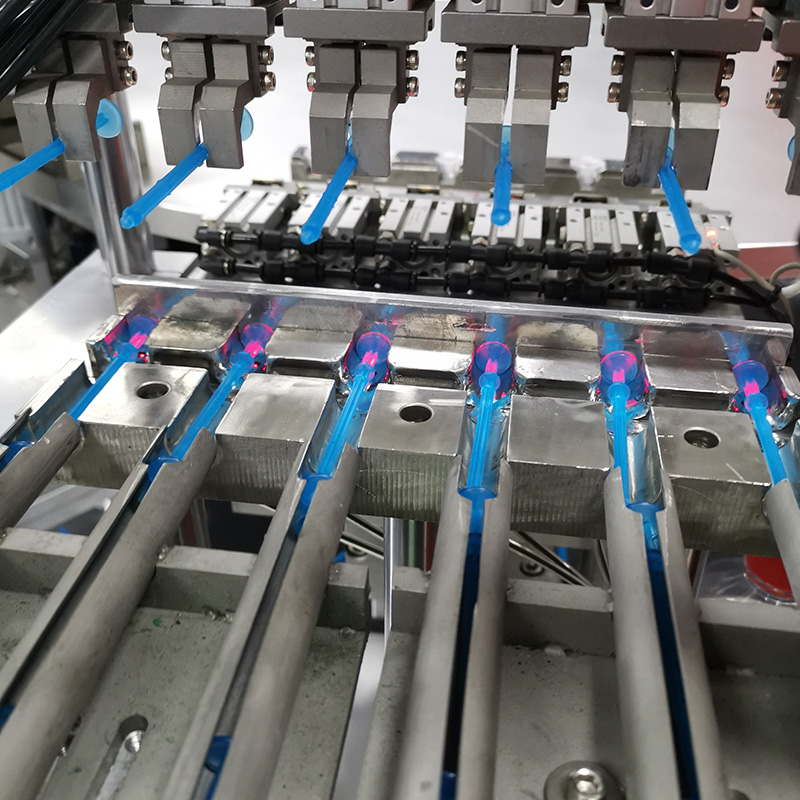
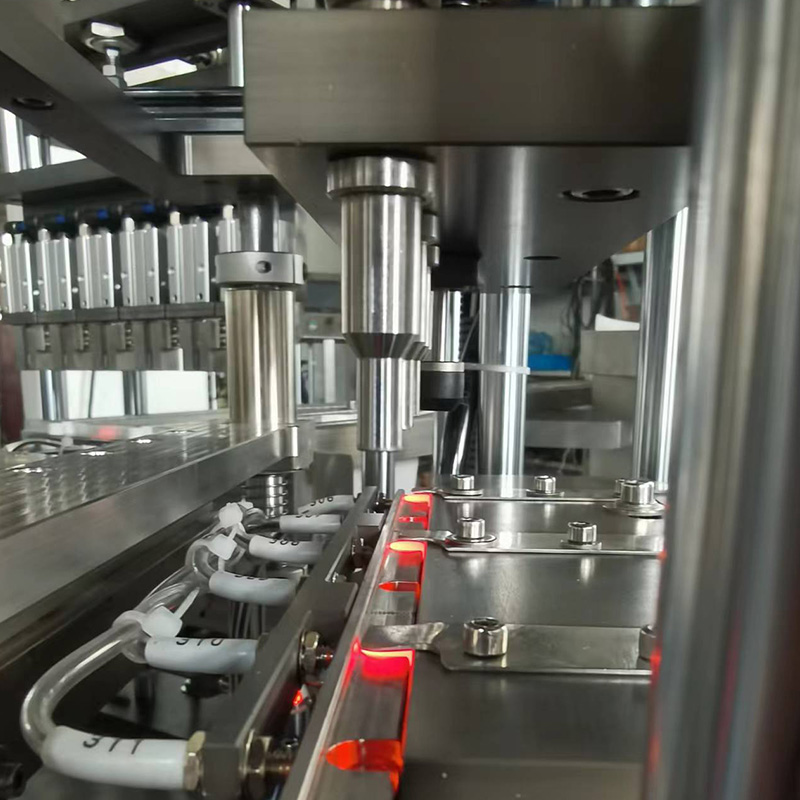
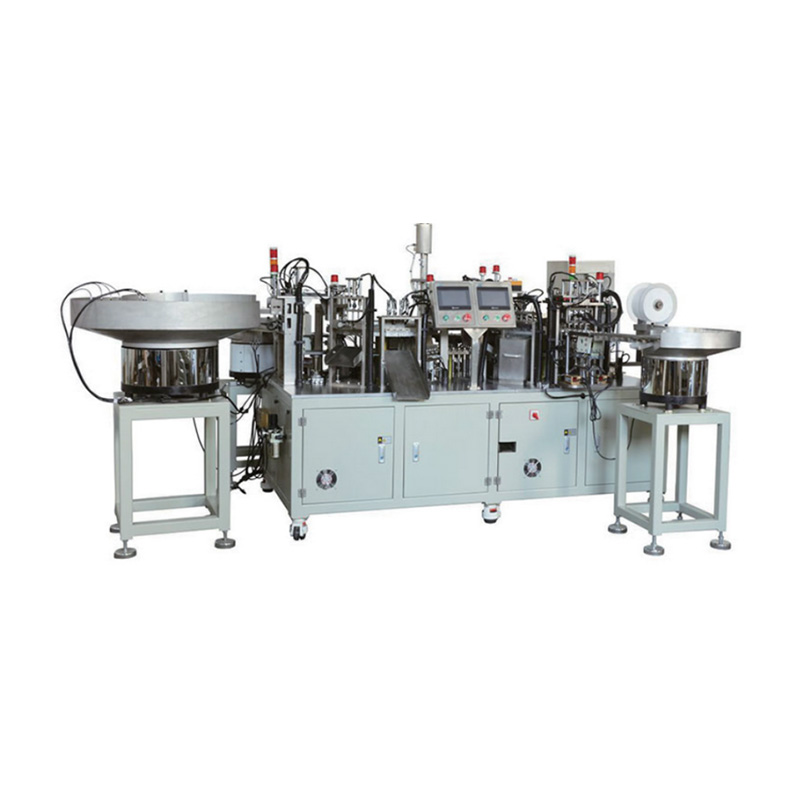
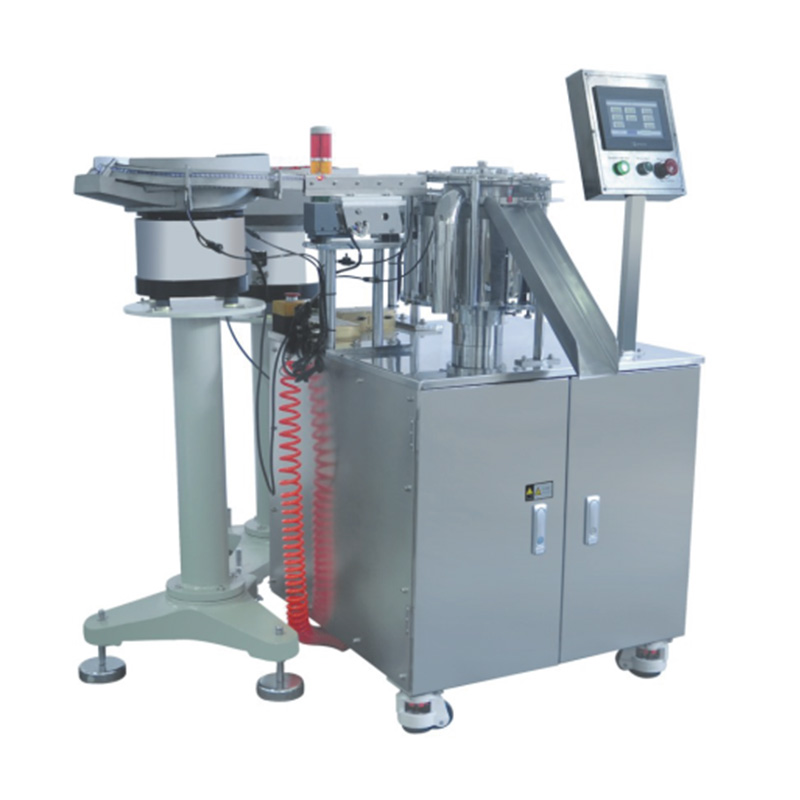
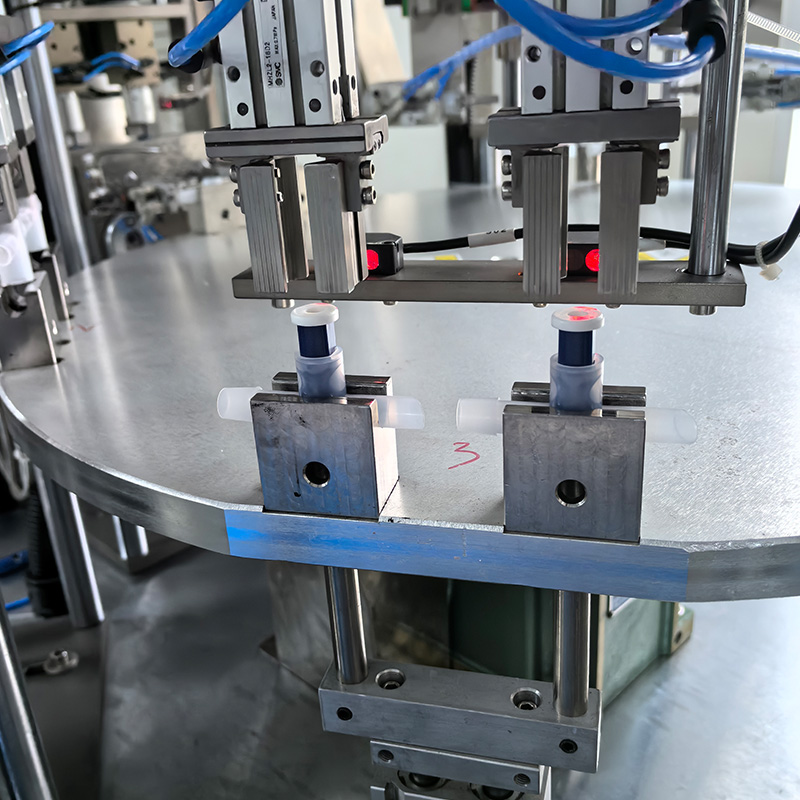
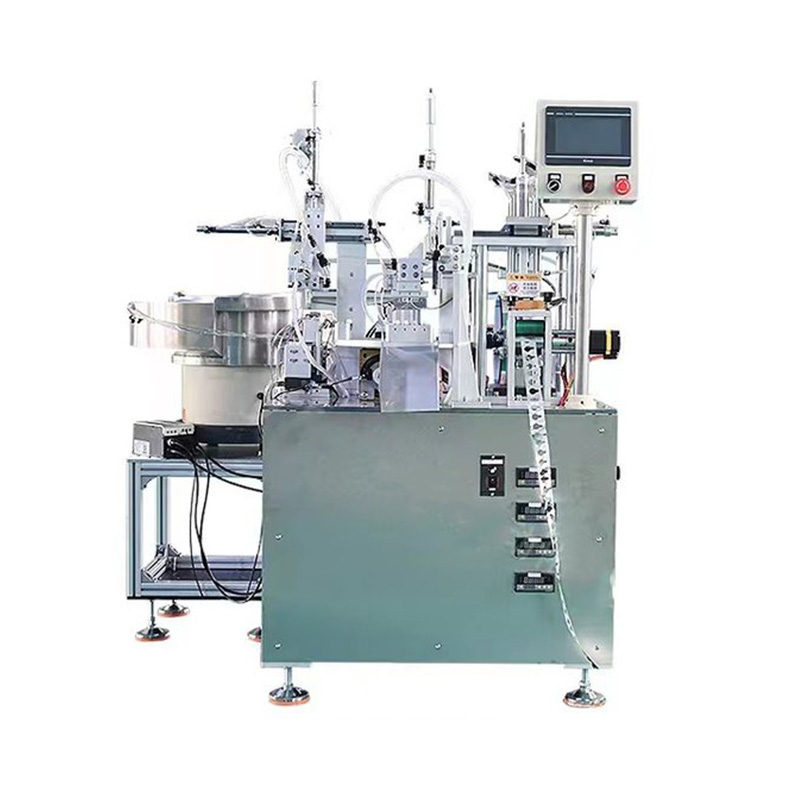
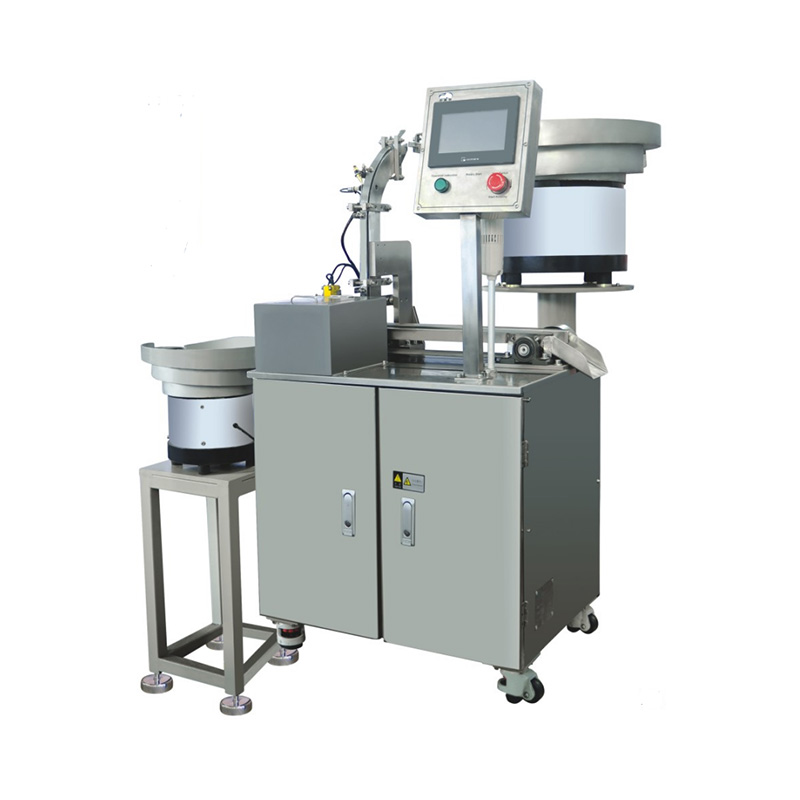
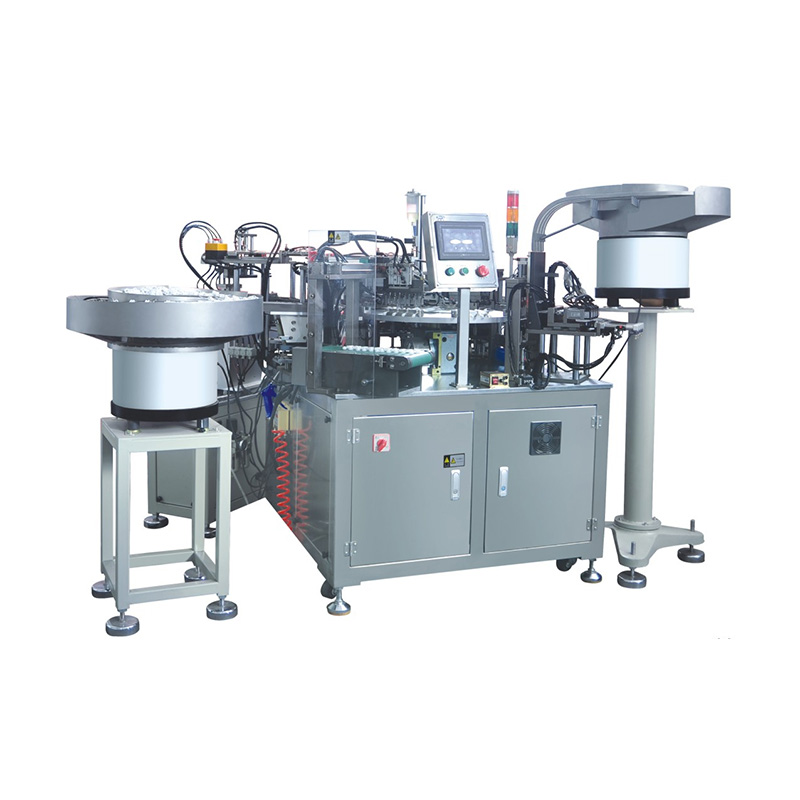
China Zhejiang Taizhou Ambe Trading Co., Ltd. is a manufacturer specializing in the production of medical equipment automation equipment.
Manual assembly still has a place in medical device manufacturing. For some products, operators can handle small production runs, frequent design changes, or simple assembly steps without the need for expensive automation.
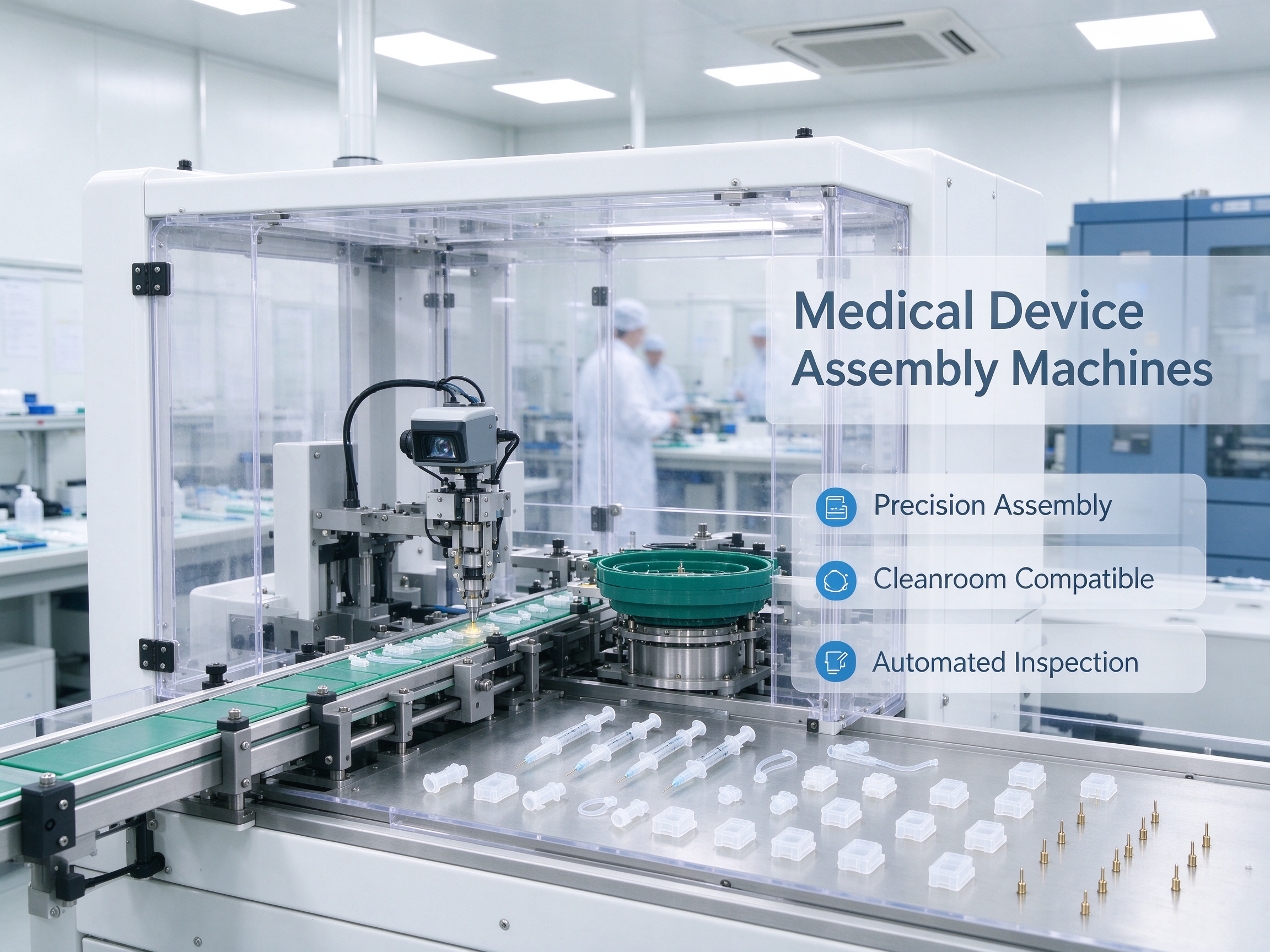
The situation changes when production volume increases, assembly steps become repetitive, or quality requirements become harder to maintain manually. At that point, Medical Device Assembly Machines can provide a more consistent way to handle production while giving manufacturers better control over process parameters and traceability.
However, automation is not automatically the right answer. A machine requires investment, engineering work, validation, maintenance, and operator training. Medical device manufacturers need to look at the complete production process before deciding when the change makes financial and operational sense.
What Makes Manual Medical Device Assembly Difficult to Scale?
Manual assembly may work well during product development and early production. An operator can inspect a component, position it, connect another part, and make small adjustments when necessary.
As order volume grows, the same flexibility can become a production challenge.
Repetitive work can introduce variation between operators and between shifts. Even experienced workers can experience fatigue during long production runs. Small differences in component positioning, insertion force, adhesive application, or assembly sequence may affect the final product.
The risk is not limited to labor productivity. For medical devices, process consistency is closely connected with product quality.
A manual process can therefore become difficult to manage when the manufacturer needs to increase output while maintaining the same assembly specifications.
Which Production Conditions Usually Point Toward Automation?
There is no single production volume at which every medical device manufacturer should automate. The decision depends on product design, labor requirements, quality risks, and expected demand.
Several conditions are common signals that an automated or semi-automated system deserves evaluation.
| Production condition | Why automation may make sense |
|---|---|
| High and stable demand | Equipment can support repeatable production cycles |
| Repetitive assembly steps | Machines can perform standardized motions consistently |
| Increasing labor requirements | Automation can reduce dependence on manual handling |
| Tight dimensional requirements | Automated positioning can improve process consistency |
| Multiple inspection points | Vision and sensors can be integrated into the process |
| High rejection or rework rates | Process controls can reduce certain sources of variation |
| Need for production traceability | Machine controls can record process data |
| Frequent operator fatigue | Repetitive tasks can be transferred to automated stations |
These factors should be evaluated together. A high-volume product with a very simple assembly process may justify automation quickly. A lower-volume device with complicated, changing assembly requirements may still be better suited to a flexible manual or semi-automatic setup.
Labor Cost Is Only One Part of the Calculation
Labor is often the first reason manufacturers consider automation, but calculating only hourly wages gives an incomplete picture.
A production manager should also consider training, supervision, overtime, turnover, quality inspection, rework, scrap, and production interruptions.
For example, if a manual assembly operation requires several operators per shift, the annual labor cost may become significant as production expands. A machine could potentially consolidate several repetitive operations into one automated cell.
At the same time, the machine has its own costs. These can include equipment purchase, installation, tooling, software, validation, maintenance, spare parts, and engineering support.
A useful comparison should therefore look at the total cost over the expected equipment life.
Medical Device Assembly Machines Can Improve Process Consistency
Consistency is one of the strongest reasons to automate medical device assembly.
A trained operator can perform the same operation repeatedly, but human movement naturally varies. A machine can control defined parameters such as position, speed, insertion depth, pressure, torque, or dispensing volume within its designed operating range.
For example, an automated assembly station may use sensors to confirm that a component is present before the next step begins. A vision system can check orientation or positioning. A force sensor can monitor whether an insertion falls within a defined range.
These controls do not eliminate the need for quality management. They provide additional process controls that manufacturers can integrate into their quality system.
The exact benefits depend on the product and machine architecture.
Repetitive Operations Are Good Candidates for Automation
Not every assembly step is equally suitable for machine automation.
Tasks with a clear sequence and repeatable component geometry are generally easier to automate. Examples can include feeding, orienting, inserting, pressing, dispensing, capping, connecting, and certain inspection operations.
Manual assembly becomes a stronger candidate when operators perform the same motions thousands of times per shift.
By contrast, an operation requiring frequent judgment or handling of highly variable components may need a different approach. In such cases, a semi-automatic workstation can sometimes provide a practical middle ground.
The goal is to automate the parts of the process where automation provides measurable value.
Automation Can Help With Small Parts and Difficult Assembly Sequences
Medical devices often contain relatively small components. Connectors, valves, seals, tubes, filters, caps, and other parts may need to be assembled in a specific order.
Small components can be difficult to handle consistently at high speed. Automated feeding and positioning systems can help organize these parts before assembly.
A machine can also enforce the assembly sequence. If a required component is missing or incorrectly positioned, sensors or vision systems may stop the cycle before the next operation begins.
This type of error prevention can be particularly useful when an incorrect assembly might be difficult to detect later.
However, component tolerances and material behavior need to be understood before designing the automation. Flexible tubing, soft plastics, elastomeric seals, and transparent components may require specialized feeding and inspection methods.
When Quality Inspection Is Becoming a Bottleneck
Inspection is another area where automation may provide value.
In a manual process, operators may visually inspect each component or finished assembly. The inspection result can depend on lighting, operator experience, fatigue, and the complexity of the inspection criteria.
Automated inspection systems can use cameras, sensors, dimensional checks, pressure testing, electrical testing, or other methods depending on the product.
For example, a vision system may check whether a connector is assembled in the correct orientation. A sensor may confirm the presence of a component. A pressure test may verify a required sealing condition.
Automation does not mean that every inspection has to be performed by a camera. The appropriate inspection method depends on the actual critical characteristics of the device.
Traceability Becomes More Important as Production Grows
As production volume increases, manufacturers often need better visibility into how each batch or unit was assembled.
Modern Medical Device Assembly Machines can be designed to collect process information such as cycle data, component verification results, machine alarms, inspection results, and other defined parameters.
Depending on the production system, this information can support lot tracking and process analysis.
Traceability requirements should be defined early in the automation project. Adding data collection after a machine has already been built can require significant redesign.
Manufacturers should also determine which data actually needs to be retained. Collecting large amounts of information is not useful if the data cannot be interpreted, protected, or connected to the manufacturer's quality processes.
When Does the Return on Investment Make Sense?
A machine becomes easier to justify when the production savings and process benefits can reasonably offset its total ownership cost.
A simple evaluation can include:
Annual benefit = labor savings + reduced scrap/rework + productivity gains + other measurable savings
These benefits then need to be compared with the complete investment, including equipment, integration, validation, maintenance, and other project costs.
For example, a machine that replaces one operator may not have an attractive payback if the production volume is low. If the same system supports several shifts and removes a significant repetitive workload, the economics can look very different.
Expected demand should also be considered. Automating a product that may be discontinued or redesigned shortly after installation carries more risk.
Manual Assembly May Still Be Better for Some Products
Automation has limitations.
If a medical device is produced in small batches, has frequent engineering changes, or requires complex manual judgment, a fully automated line may be difficult to justify.
Manual assembly can also be useful during new product introduction. Manufacturers may still be adjusting component tolerances, assembly sequences, or tooling requirements. Automating too early can lock an unstable process into expensive equipment.
A hybrid approach can make more sense. Operators may load components manually while machines handle insertion, dispensing, testing, or inspection.
This allows the manufacturer to automate high-risk or highly repetitive steps without trying to automate the entire process at once.
What Should Manufacturers Prepare Before Buying Assembly Equipment?
The machine should be designed around a defined manufacturing process.
Before contacting equipment suppliers, manufacturers should document the assembly sequence and identify the important process parameters.
Useful information includes:
- Component dimensions and tolerances
- Material properties
- Assembly cycle time
- Target production volume
- Required output per shift
- Critical assembly characteristics
- Inspection requirements
- Packaging or downstream processes
- Existing equipment interfaces
- Required data and traceability
- Applicable quality and regulatory requirements
Process samples are also valuable. A manufacturer may need to provide actual components and assemblies so that the equipment supplier can evaluate feeding, orientation, insertion, handling, and inspection.
A machine demonstration using real production parts can reveal problems that are difficult to identify from drawings alone.
Validation Should Be Considered From the Beginning
Medical device manufacturing has additional requirements that ordinary industrial automation may not address.
The equipment, software, tooling, process controls, and inspection methods may need to be qualified and validated according to the manufacturer's quality system and applicable regulatory requirements.
This is why validation should be discussed during machine design.
For example, if a process requires a specific insertion force, the machine should be capable of controlling and recording the relevant parameter if that information is part of the defined process requirements.
Documentation also matters. Equipment specifications, operating procedures, maintenance instructions, software controls, and change management should be considered as part of the project.
The exact validation strategy depends on the device, manufacturing process, facility, and regulatory framework.
How to Choose a Medical Device Assembly Machine Supplier
Equipment capability is only one part of supplier selection.
A machine builder should understand the actual assembly process and be able to discuss automation feasibility using real components. Experience with feeding, precision assembly, inspection, controls, and production integration can make the engineering process much smoother.
B2B buyers should also ask about:
| Supplier capability | What to evaluate |
|---|---|
| Engineering | Ability to develop the machine around the actual process |
| Testing | FAT, sample trials, and documented test procedures |
| Controls | PLC, HMI, sensors, vision, and data functions |
| Documentation | Manuals, drawings, software information, and maintenance records |
| Validation support | Available equipment and process documentation |
| Service | Spare parts, troubleshooting, and technical support |
| Customization | Ability to modify tooling and process stations |
| Future expansion | Options for additional stations or capacity |
A low purchase price does not necessarily mean a lower total cost. Service availability and engineering support can become very important once the equipment is running in production.
Making the Move From Manual Assembly at the Right Time
The decision to replace manual assembly with Medical Device Assembly Machines should come from the production process, not from a general assumption that automation is always better.
If demand is stable, assembly is highly repetitive, labor requirements are increasing, and quality controls are becoming difficult to maintain manually, automation may offer a strong business case.
If production volume is low or the product is still changing frequently, a manual or semi-automatic process may remain practical.
For many manufacturers, the most sensible path is gradual. Start with the operations that consume the most labor or create the greatest process variation. Test automation using real components, calculate the full cost of ownership, and include validation requirements from the beginning.
That approach gives manufacturers a clearer picture of where automation can actually improve production and where human flexibility still has value.