
 English
 русский
 Español


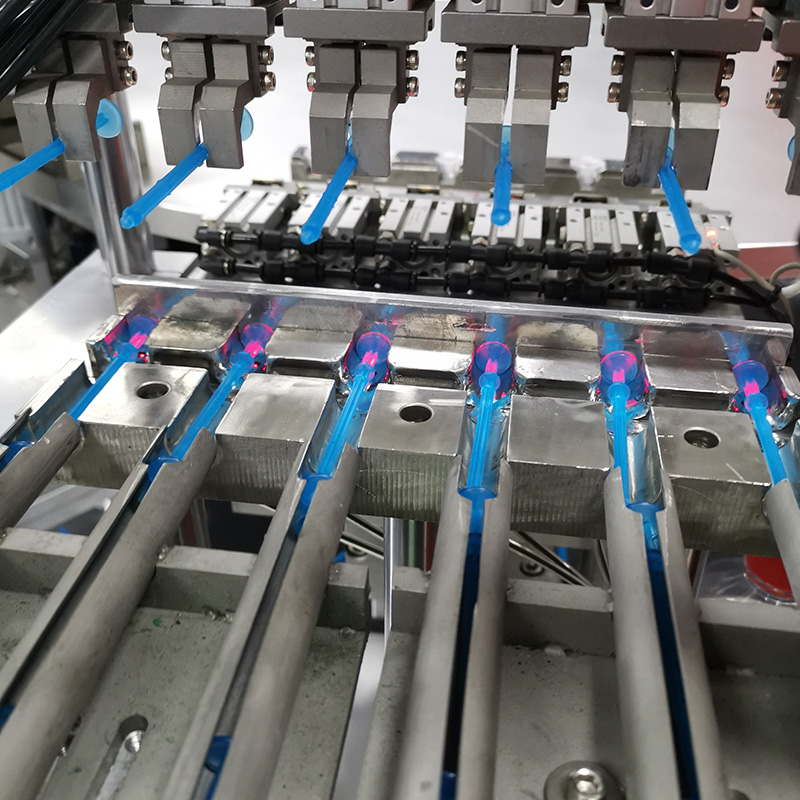
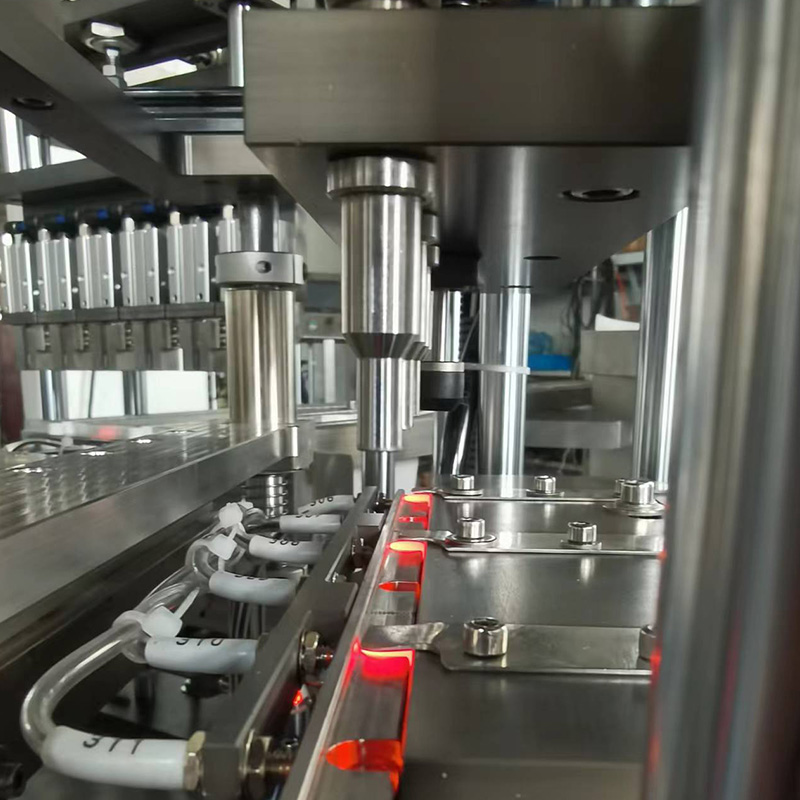
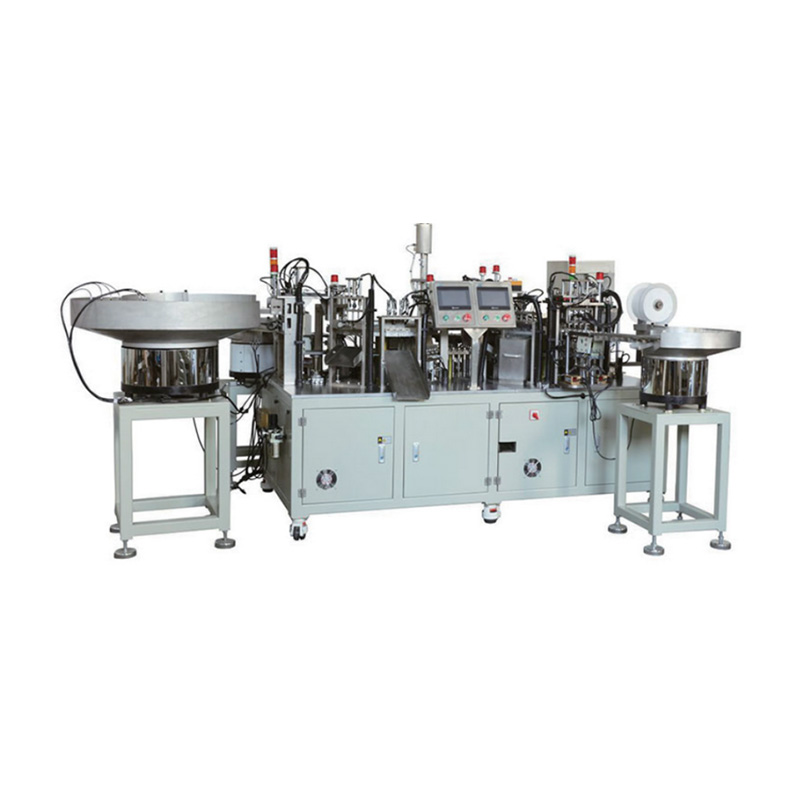
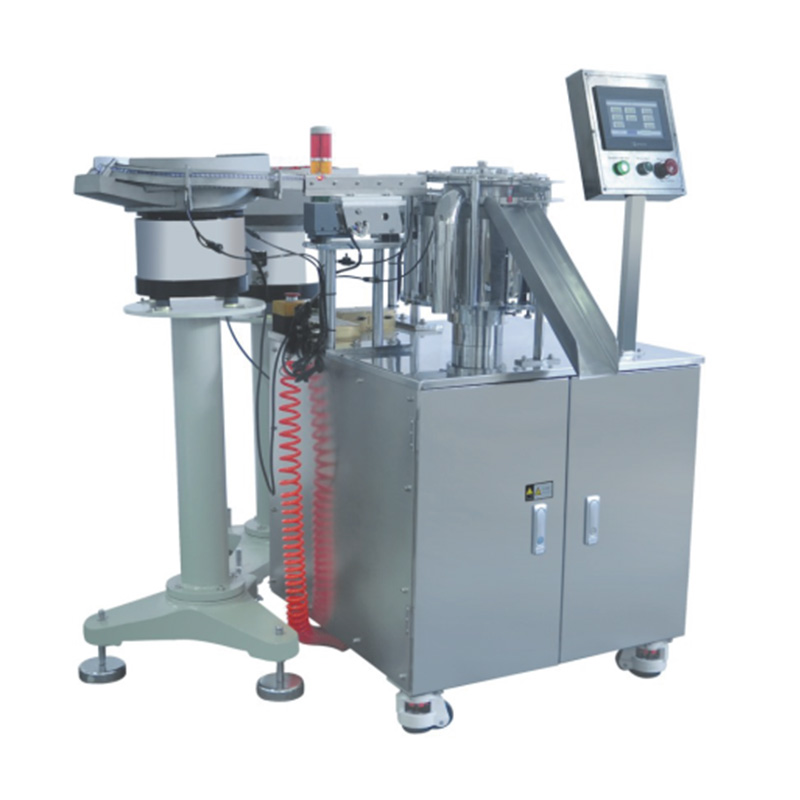
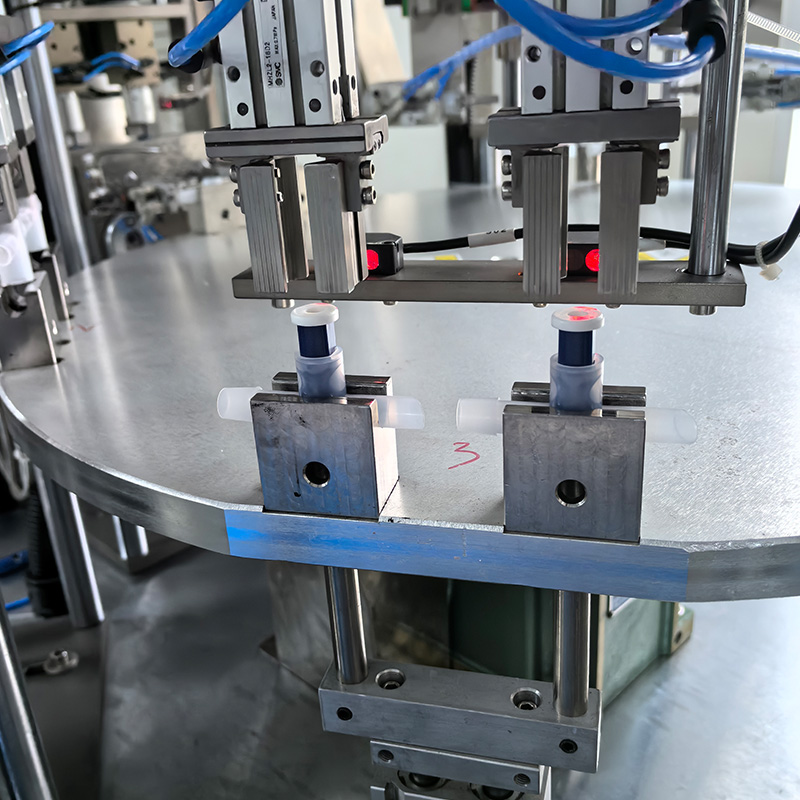
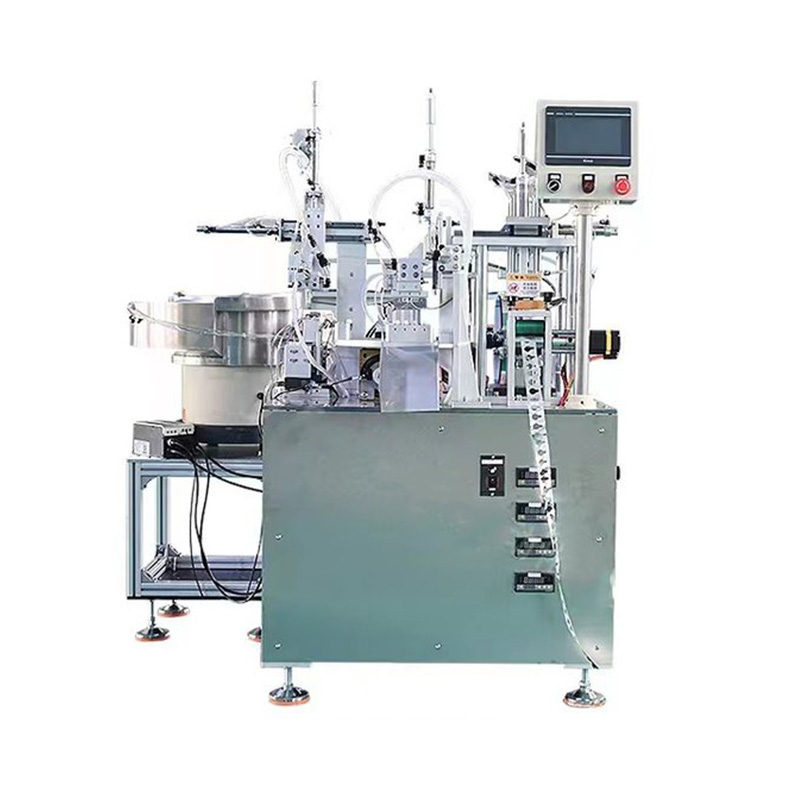
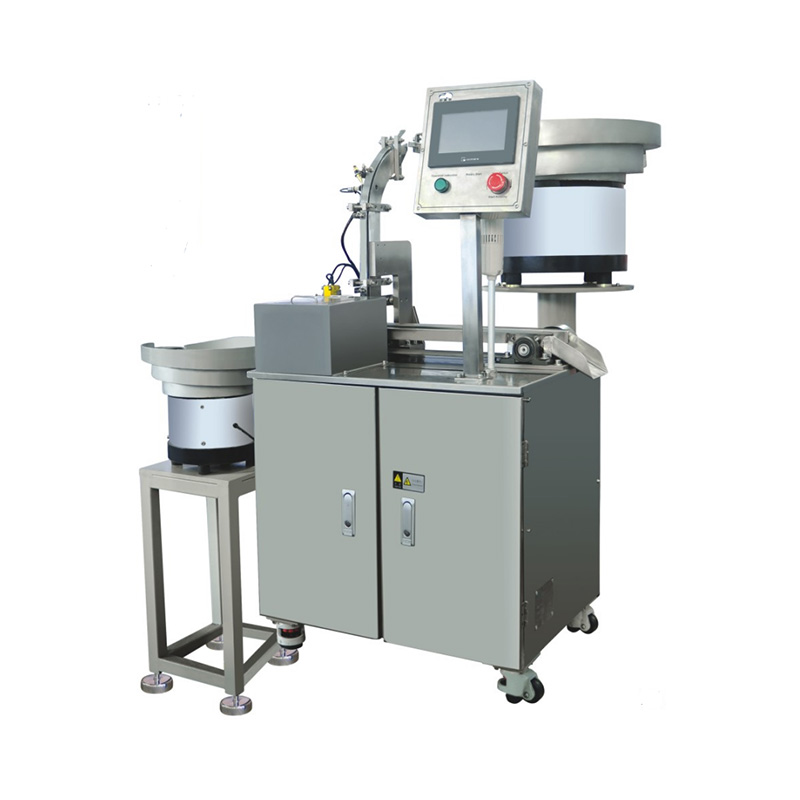
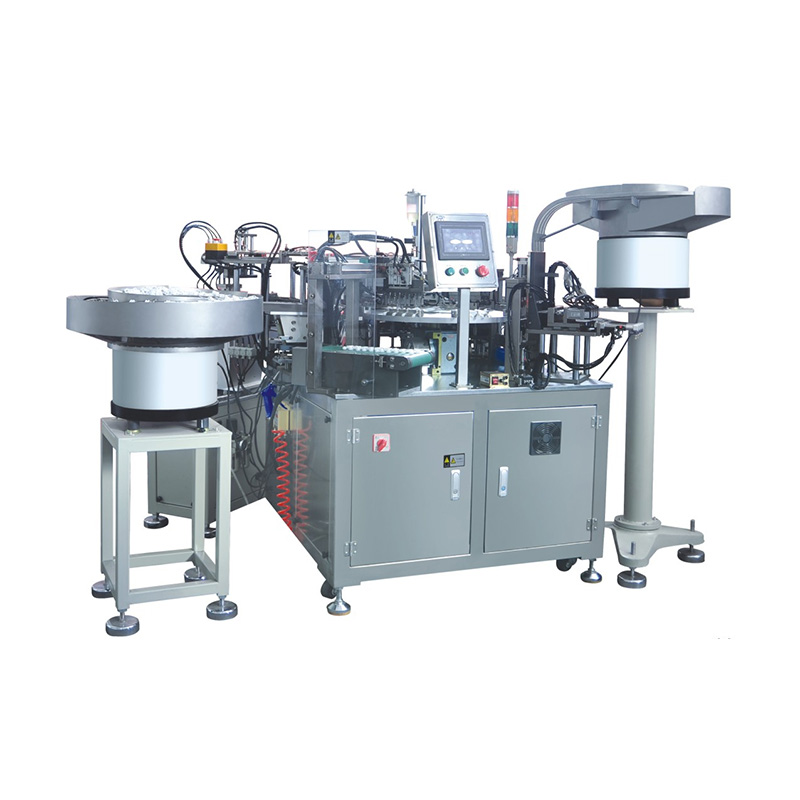
China Zhejiang Taizhou Ambe Trading Co., Ltd. is a manufacturer specializing in the production of medical equipment automation equipment.
A Medical Plastic Mould serves as the cornerstone of modern medical device manufacturing. Its precision directly affects product reliability, reproducibility, and patient safety. Whether producing surgical instruments, prosthetic devices, or laboratory consumables, these molds translate complex designs into tangible components with exacting tolerances.
Materials and Engineering Considerations
Selecting the right material for a Medical Plastic Mould is critical. Molds must withstand repeated thermal cycles, high-pressure injection molding, and contact with medical-grade plastics without deforming or deteriorating. Common materials include:
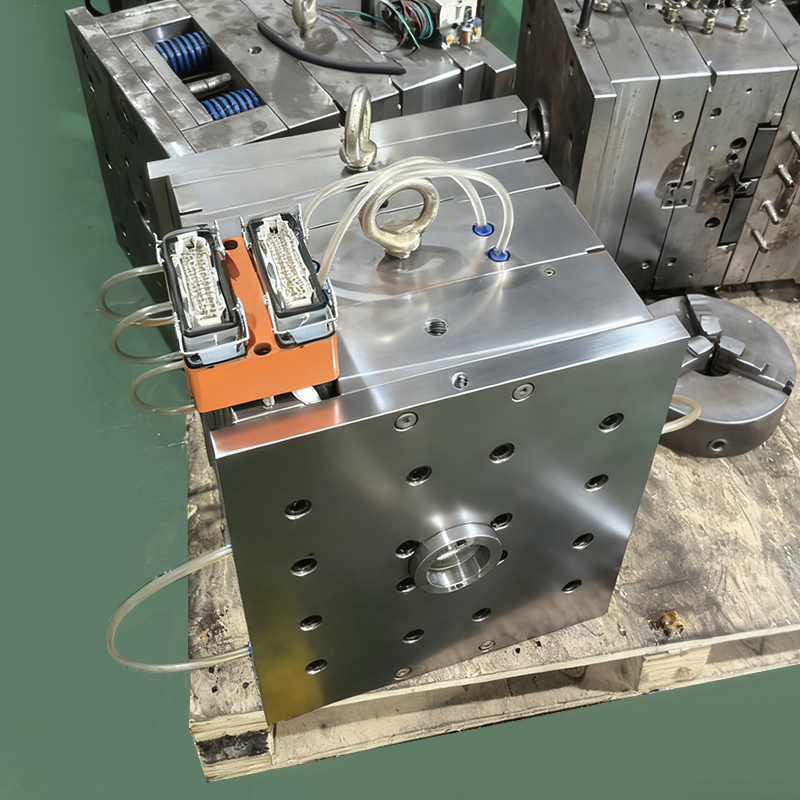
- Stainless steel: Highly durable and resistant to corrosion
- Aluminum alloys: Lightweight and suitable for lower-volume production
- Specialty polymers: For certain applications requiring chemical resistance or surface finish variation
High-precision machining and surface treatment enhance mold longevity and improve the quality of molded medical components. The engineering behind these molds ensures they can produce parts ranging from tiny catheter connectors to large orthopedic implants.
Applications Across Healthcare
Medical molds support a diverse array of products. Key applications include:
- Surgical instruments: Scalpels, forceps, clamps, and other precision tools
- Implants and prosthetics: Hip joints, dental implants, bone fixation devices
- Diagnostic and lab equipment: Test tubes, microplates, PET containers, and imaging components
- Consumables: Syringes, tubing, and sterile packaging
By leveraging a Medical Plastic Mould Factory, manufacturers can handle multiple product lines while maintaining consistent quality. Modular mold designs allow easy adaptation for different sizes, shapes, and materials, improving production flexibility.
High Precision in Complex Components
Producing anatomical or highly detailed parts demands extreme precision. Molds replicate intricate surfaces, curves, and internal features that match human anatomy for implants or functional medical devices.
Advantages include:
- Micron-level accuracy in critical dimensions
- Smooth surfaces to reduce friction and improve biocompatibility
- Repeatable quality for large-scale production runs
This precision is especially important for implants or diagnostic components where deviations could affect patient outcomes or imaging results.
Workflow and Factory Efficiency
A Medical Plastic Mould Factory optimizes production through streamlined workflows:
- Design and Prototyping: CAD and CAM software translate product designs into mold geometries.
- Machining and Fabrication: High-precision CNC machines and EDM systems cut and shape molds.
- Polishing and Finishing: Molds are refined to achieve the required surface finish and tolerances.
- Assembly and Testing: Complex molds with multiple components are assembled and tested before production.
- Injection Molding or Vacuum Forming: Molded products are produced under controlled conditions with quality monitoring.
Automation and real-time monitoring reduce errors, increase throughput, and allow quick adaptation to new product designs.
Quality Control and Compliance
Quality assurance is embedded at every stage of the Medical Plastic Mould lifecycle. A Medical Plastic Mould Factory implements rigorous testing protocols:
- Dimensional verification using 3D scanning and coordinate measuring machines (CMM)
- Surface quality inspections for smoothness, texture, and defect identification
- Functional testing for specific medical components, such as catheters or surgical guides
Medical Plastic Moulds are essential to medical manufacturing, supporting everything from surgical instruments to lab consumables and prosthetic devices. A Medical Plastic Mould Factory combines precision engineering, advanced materials, quality control, and innovation to produce molds that deliver reliable, high-quality results.