
 English
 русский
 Español


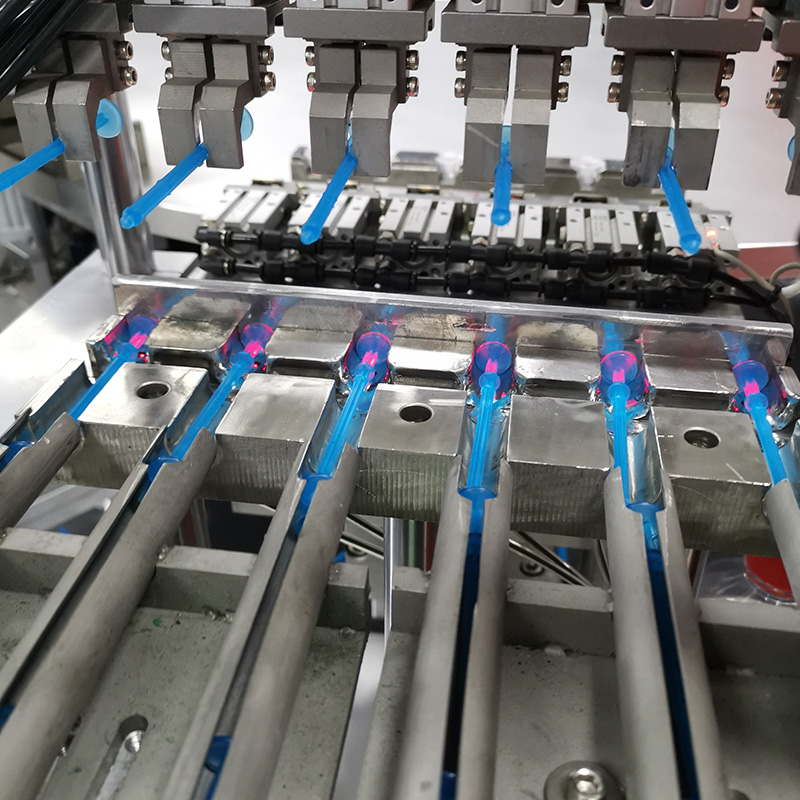
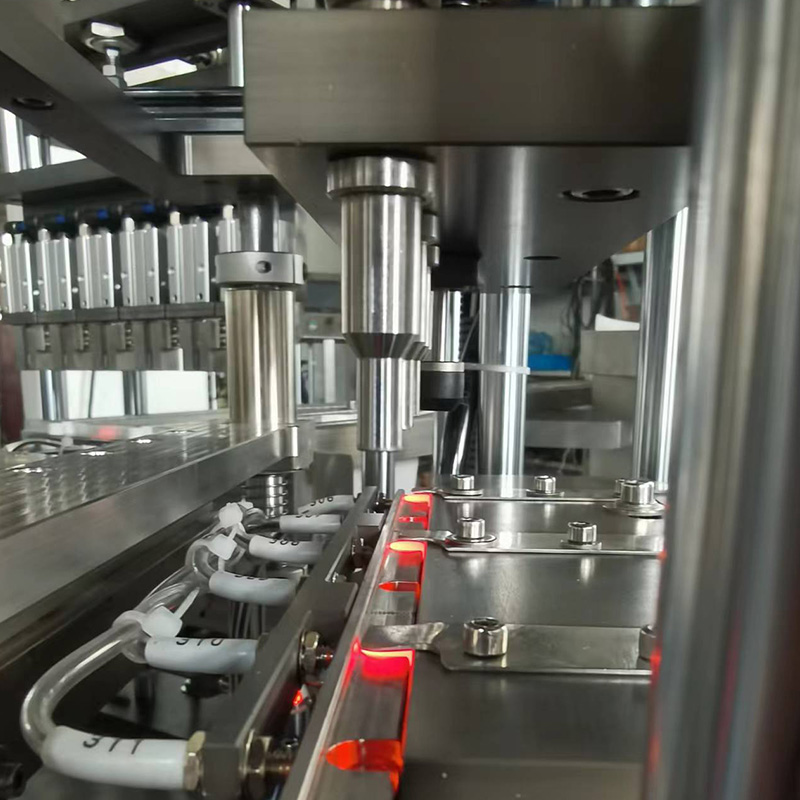
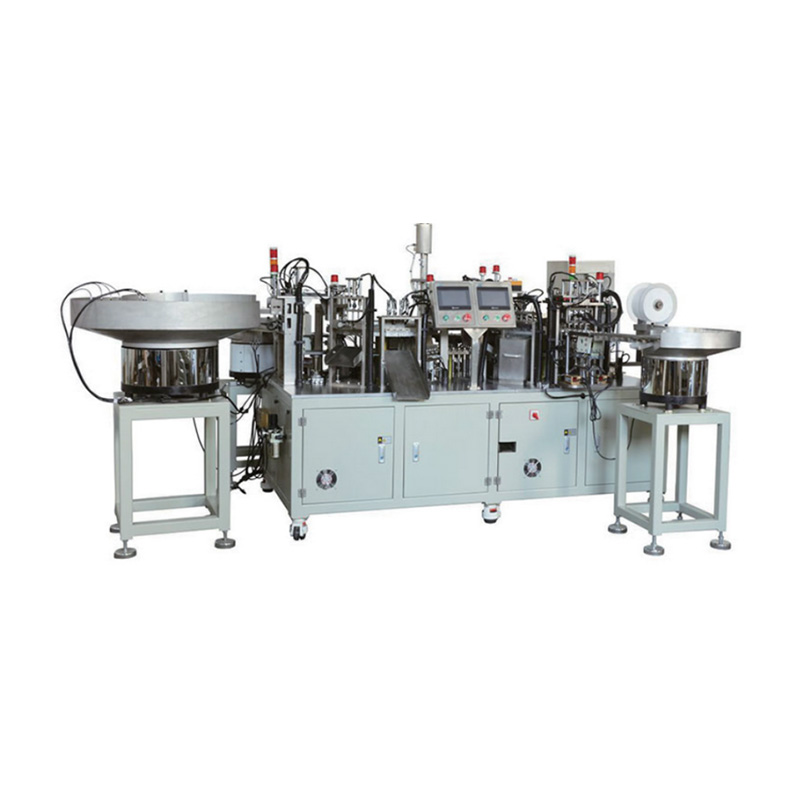
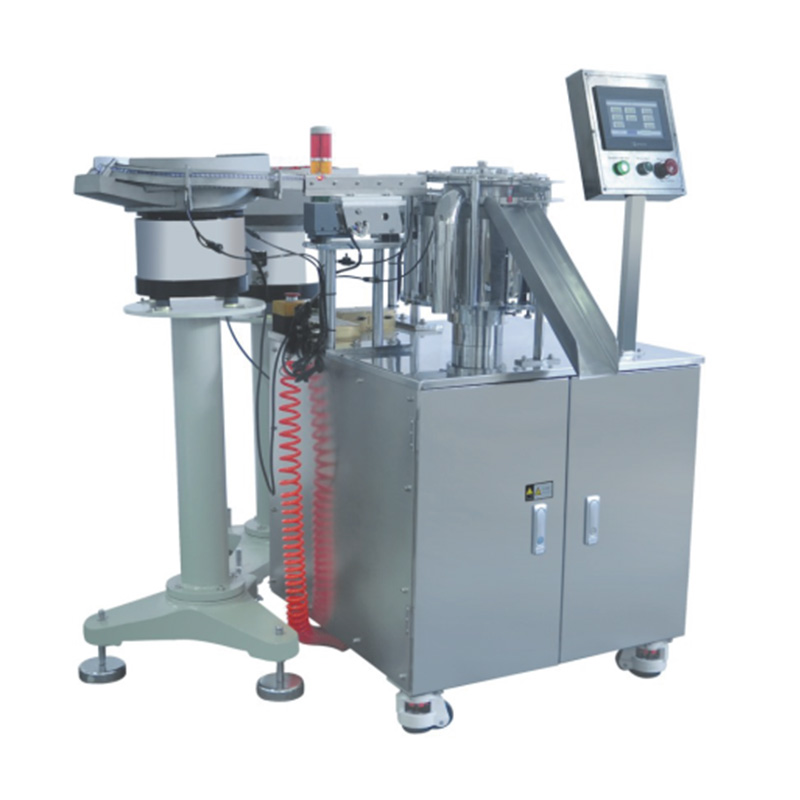
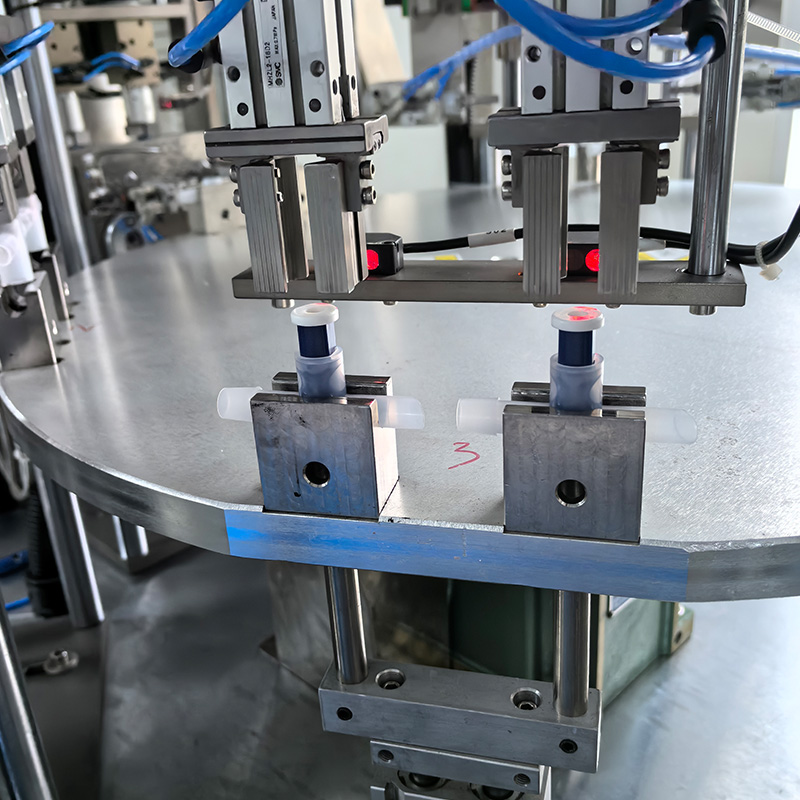
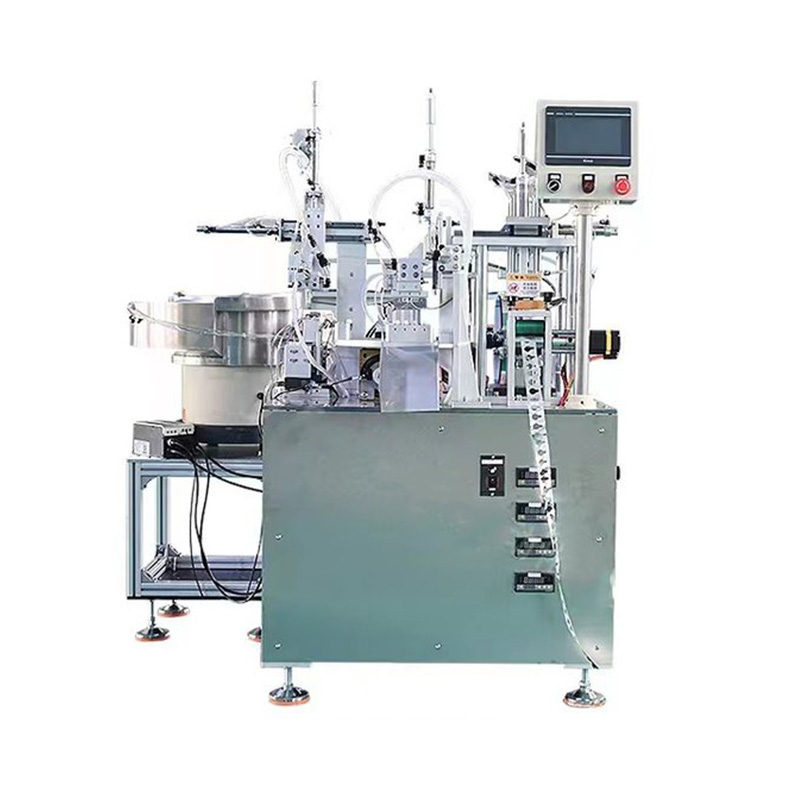
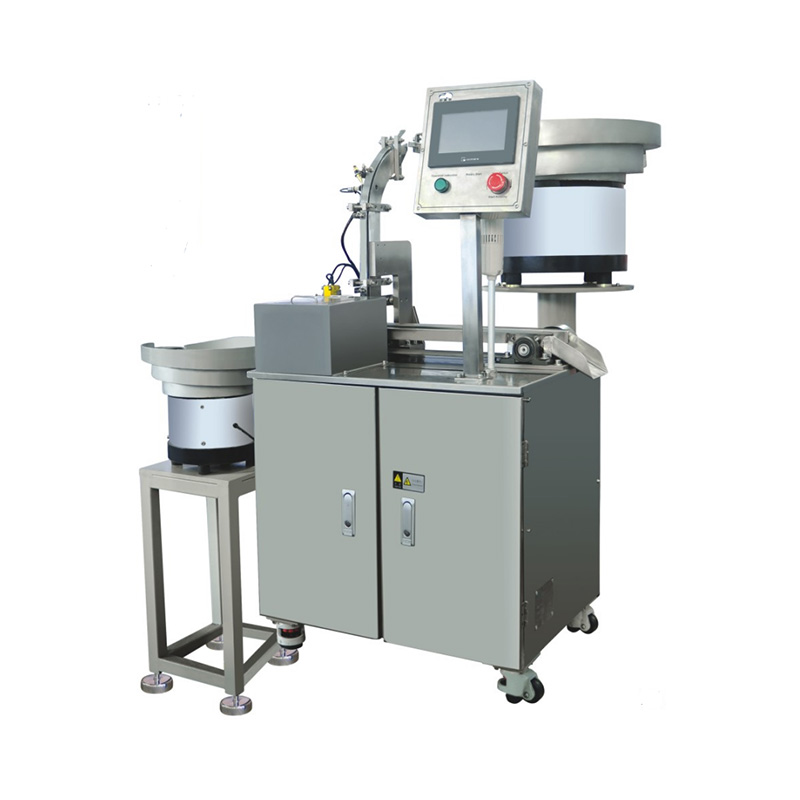
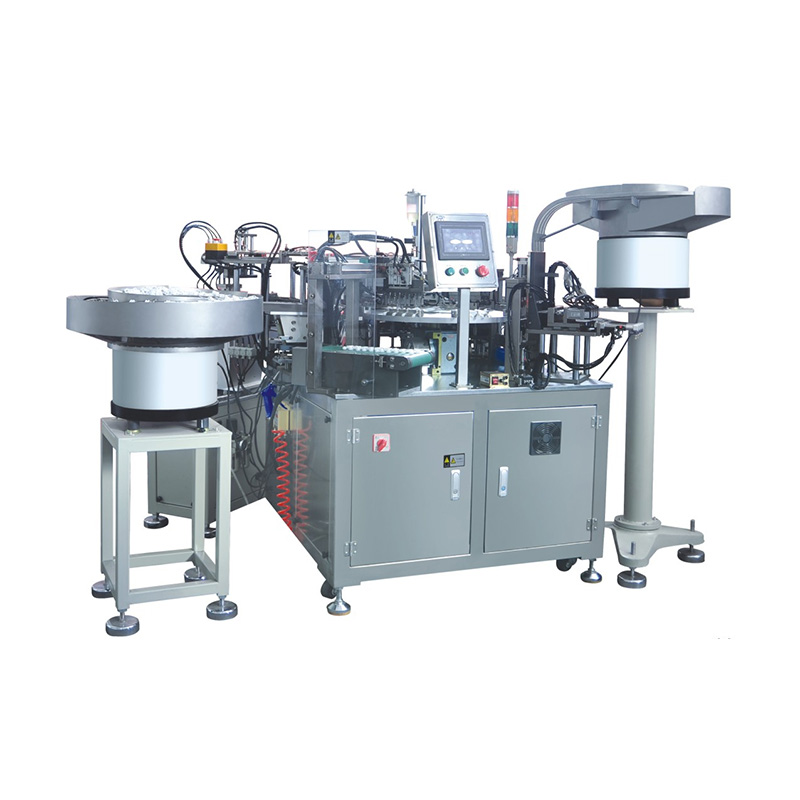
China Zhejiang Taizhou Ambe Trading Co., Ltd. is a manufacturer specializing in the production of medical equipment automation equipment.
The shift toward automation has changed how medical disposables are made. Infusion sets, once assembled with a strong reliance on manual work, are now produced through coordinated systems that link multiple processes into a continuous flow. This transformation is not only about speed. It also reflects a growing need for consistency, controlled environments, and predictable output.
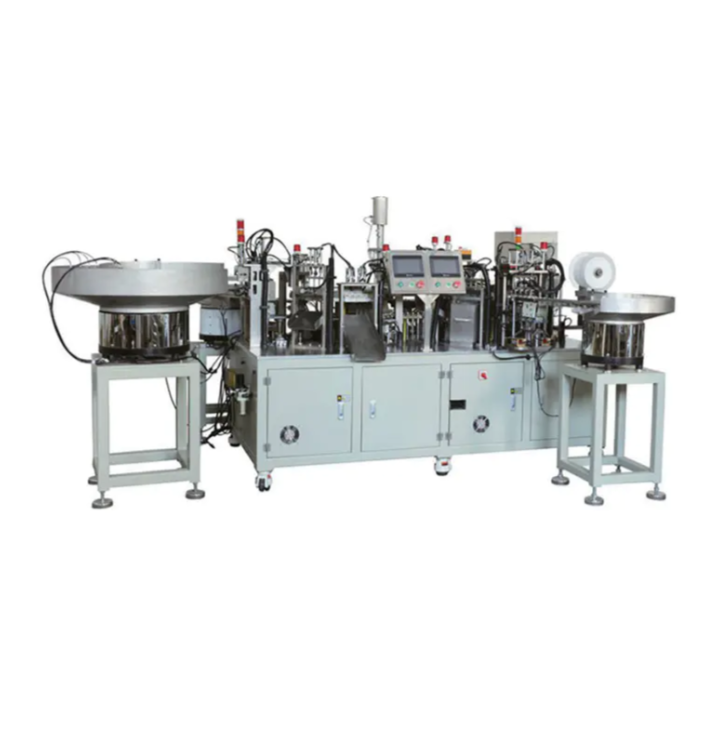
A Fully Automated Production Line for Infusion Sets for infusion sets is not a single machine. It is a chain of connected stages. Each stage performs a specific task, yet all are designed to work together without interruption. Understanding these stages helps explain how modern production systems operate and why they are structured the way they are.
How does the production process begin?
Every production cycle starts with preparation. Materials do not enter the system randomly. They are sorted, checked, and arranged before they reach the main line.
This stage includes the handling of plastic components, tubing materials, and small accessories. Each item is positioned in a way that allows machines to pick and place them without delay. Orientation matters. A slight misalignment can interrupt the flow later on.
Feeding systems play a quiet but essential role here. They guide parts into position, often using vibration or controlled movement. The goal is to create a steady supply that matches the rhythm of the downstream processes.
At this point, human involvement is still present. Operators monitor the setup and ensure that materials meet basic expectations. Once the line begins running, the system takes over most of the movement.
What happens during component forming and preparation?
Some parts arrive ready to use. Others need shaping before they can move forward. This stage focuses on forming and refining individual components.
Tubing may be cut into set lengths. Connectors may be molded or prepared for assembly. Small details are handled here, even though they are not always visible in the final product.
The machines used in this stage are designed for repeatable motion. They perform the same action over and over, with minimal variation. This consistency helps maintain uniformity across batches.
Temperature, pressure, and timing are carefully balanced, though not always visible to the observer. What matters is that each part leaving this stage looks and behaves like the one before it.
How are components assembled into a complete set?
Assembly is where separate pieces begin to take shape as a single product. This stage often draws the most attention, as it brings together all earlier work.
Automated arms or guided systems pick up components and place them in sequence. Tubing connects to chambers. Connectors align with other fittings. Each step follows a defined path.
Movement is smooth and continuous. There is little pause between actions. The system is designed to keep parts moving, reducing idle time and maintaining a steady pace.
Alignment is critical. Even a small shift can affect how parts fit together. For this reason, sensors and positioning tools are often integrated into the process. They help ensure that each connection is secure and correctly placed.
How is the product checked during production?
Inspection does not wait until the end. It is woven into the process. At different points along the line, the system checks for visible and structural issues.
Some checks focus on appearance. Others look at how parts are joined. The goal is to identify irregularities before they move further down the line.
Automated inspection systems may use light, imaging, or simple detection methods. These tools work quietly in the background. If something does not match expected conditions, the item is removed from the flow.
This stage reduces the need for large-scale rework later. It also helps maintain a consistent level of output without slowing the line.
What role does the controlled environment play?
Production does not happen in isolation. The surrounding environment is part of the process. For infusion sets, cleanliness is a key concern.
Automated lines are often placed within controlled spaces. Airflow, surface conditions, and handling practices are managed to reduce unwanted exposure. Workers follow specific routines when interacting with the system.
The design of the production line supports this environment. Enclosures, barriers, and guided pathways help limit unnecessary contact. Materials move in one direction, reducing cross-interaction.
This stage is less about movement and more about maintaining conditions. It runs continuously alongside all other processes.
How are finished products prepared for packaging?
Once assembly and inspection are complete, the product moves toward packaging. This stage prepares the infusion set for storage and transport.
Packaging is handled by automated systems that place each item into its designated form. Sealing follows, creating a barrier between the product and the external environment.
The process is steady and repetitive. Each unit is treated in the same way, ensuring a consistent presentation. Labels or identification marks may be added during this stage.
The goal is not only to enclose the product but also to maintain its condition until it reaches its destination.
How is the entire process coordinated?
An automated production line depends on coordination. Each stage must align with the others. If one part slows down, the entire system can be affected.
Control systems oversee this balance. They track movement, adjust timing, and respond to changes in real time. The interaction between stages is continuous, even if it is not visible.
Below is a simplified overview of how these stages connect:
| Stage | Main Activity | Role in the Process |
|---|---|---|
| Material preparation | Sorting and feeding | Ensures steady input |
| Component forming | Shaping and cutting | Prepares individual parts |
| Assembly | Joining components | Creates the final structure |
| Inspection | Checking quality | Identifies irregularities |
| Environment control | Managing conditions | Supports clean production |
| Packaging | Sealing and labeling | Prepares for distribution |
This table reflects a general structure. Actual layouts may vary, but the flow remains similar.
What challenges appear within these stages?
Even with automation, challenges remain. Machines require maintenance. Components must be supplied without interruption. Small variations can still occur.
Unexpected stops can affect output. When one stage pauses, others may need to adjust. Restarting the line requires coordination to avoid imbalance.
There is also the human factor. Operators oversee the system, respond to alerts, and make adjustments when needed. Their role shifts from direct assembly to supervision and support.
Flexibility is another concern. Production lines are often designed for specific product types. Adapting to changes may require adjustments in setup or process flow.
How do these stages reflect broader industry changes?
The structure of an automated infusion set production line reflects a wider shift in manufacturing. Processes are becoming more connected. Individual steps are no longer isolated.
The focus has moved toward integration. Each stage supports the next, forming a continuous chain. This approach reduces gaps between processes and creates a smoother overall flow.
It also changes how production is viewed. Instead of separate tasks, the system is seen as a whole. Decisions made in one stage can influence outcomes in another.
This perspective shapes how production lines are designed and how they evolve over time.